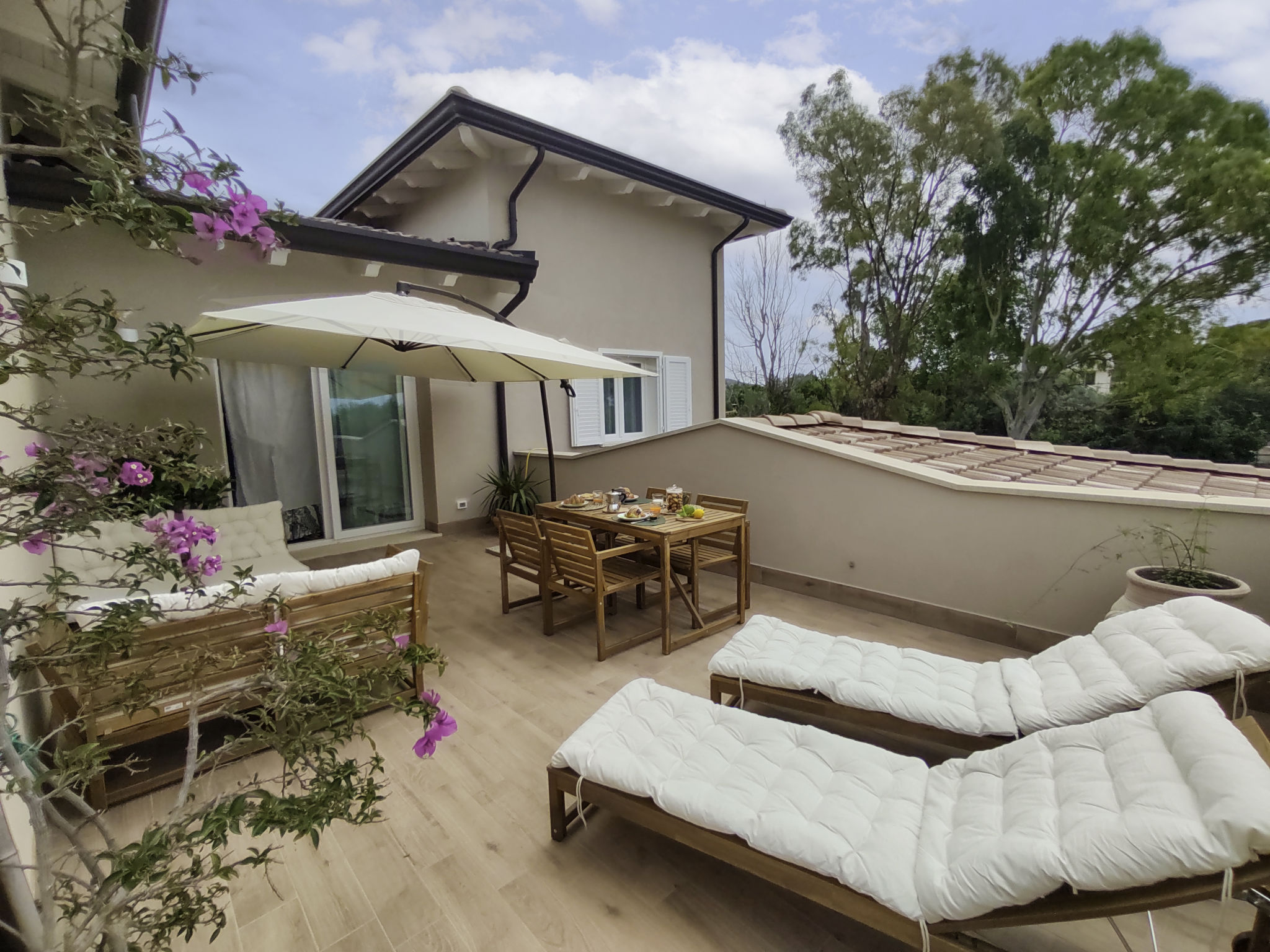
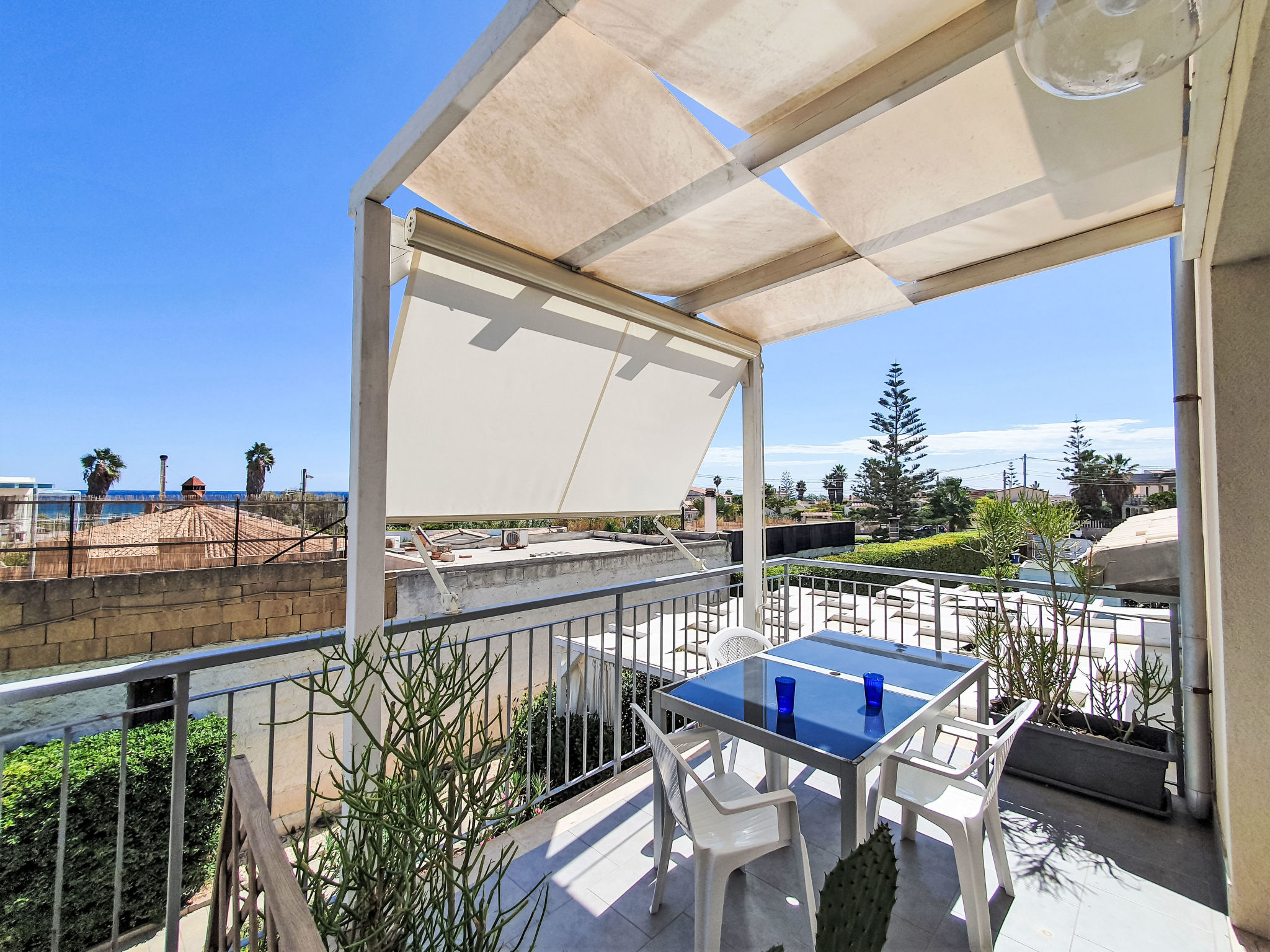
Noto is a Baroque masterpiece in southeastern Sicily, rebuilt from scratch after the 1693 earthquake in a uniform honey-coloured limestone style. The main street, Corso Vittorio Emanuele, is lined with churches, palaces, and balconies carved with monsters, angels, and fruit. UNESCO listed the town (along with the other Val di Noto towns) and the restoration work has been impressive. We think it's one of the most beautiful small towns in Italy. The caveat is that it's inland and hot in summer: there's no sea breeze, no beach in town, and temperatures above 40°C are not uncommon in July and August.
Why Stay in Noto
- Baroque architecture: The cathedral, the Palazzo Ducezio, and the churches along the Corso are as good as any in Sicily. The stone turns golden in afternoon light.
- Infiorata festival: In May, one of the streets is covered in elaborate flower carpets. It's one of Sicily's most popular festivals.
- Beach access: Noto's coast (the Lido di Noto and the Vendicari nature reserve) is about 15 minutes' drive. The beaches are good: sandy, with a nature reserve backing.
- Extreme heat: Inland southeastern Sicily is one of the hottest parts of Europe. July and August are punishing. Spring and autumn are much more comfortable for sightseeing.
Things to Do in Noto
Walk the Corso Vittorio Emanuele from the Porta Reale gateway to the end. The cathedral (rebuilt after a 1996 dome collapse) is the centrepiece, but every building along the street has carved detail worth pausing for. The Palazzo Nicolaci has the most elaborate balconies in town.
Visit the Riserva Naturale di Vendicari (15 minutes by car). Sandy beaches, coastal lagoons, flamingos, and a ruined tuna factory. Free entry. Bring water and shade in summer.
Marzamemi (30 minutes south) is a small fishing village with a piazza by the sea and good restaurants. Syracuse (30 minutes north) has the Greek theatre, the archaeological park, and the island of Ortigia. Ragusa Ibla (40 minutes west) is another Baroque hilltop town with fewer tourists. Modica (30 minutes west) is famous for its Aztec-style chocolate and has two town centres connected by a dramatic staircase.