Why Stay in a Villa in Modica
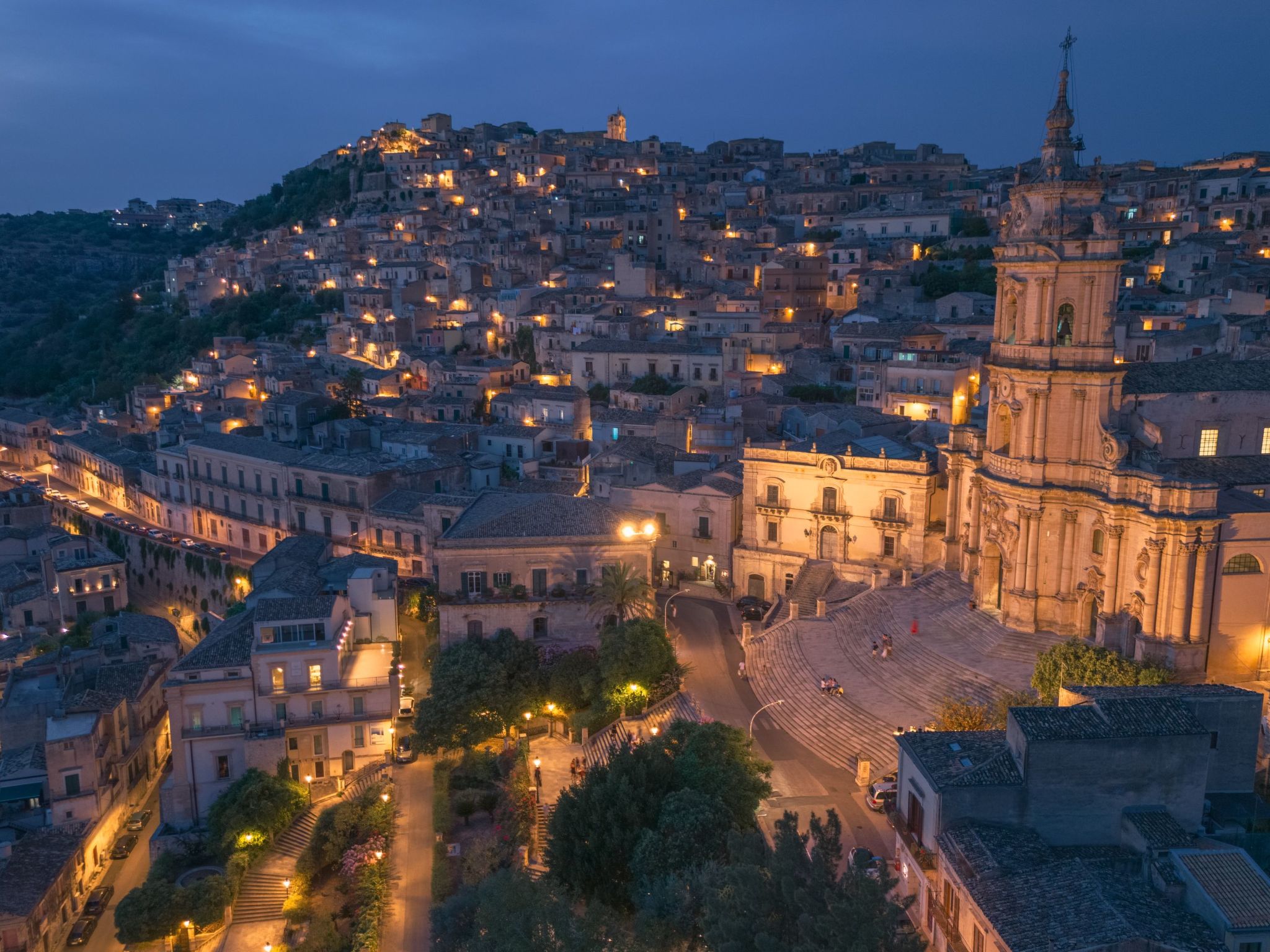
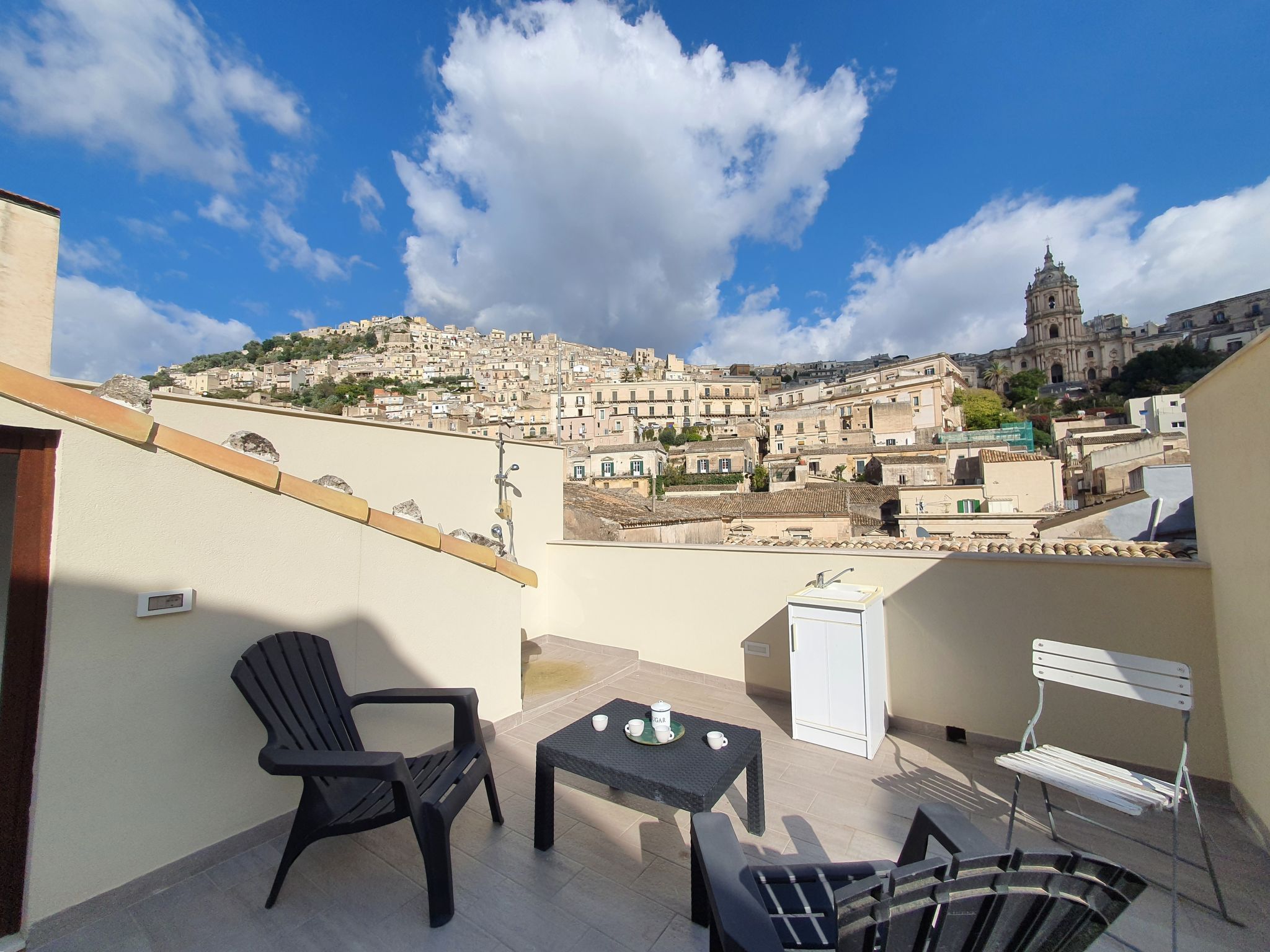
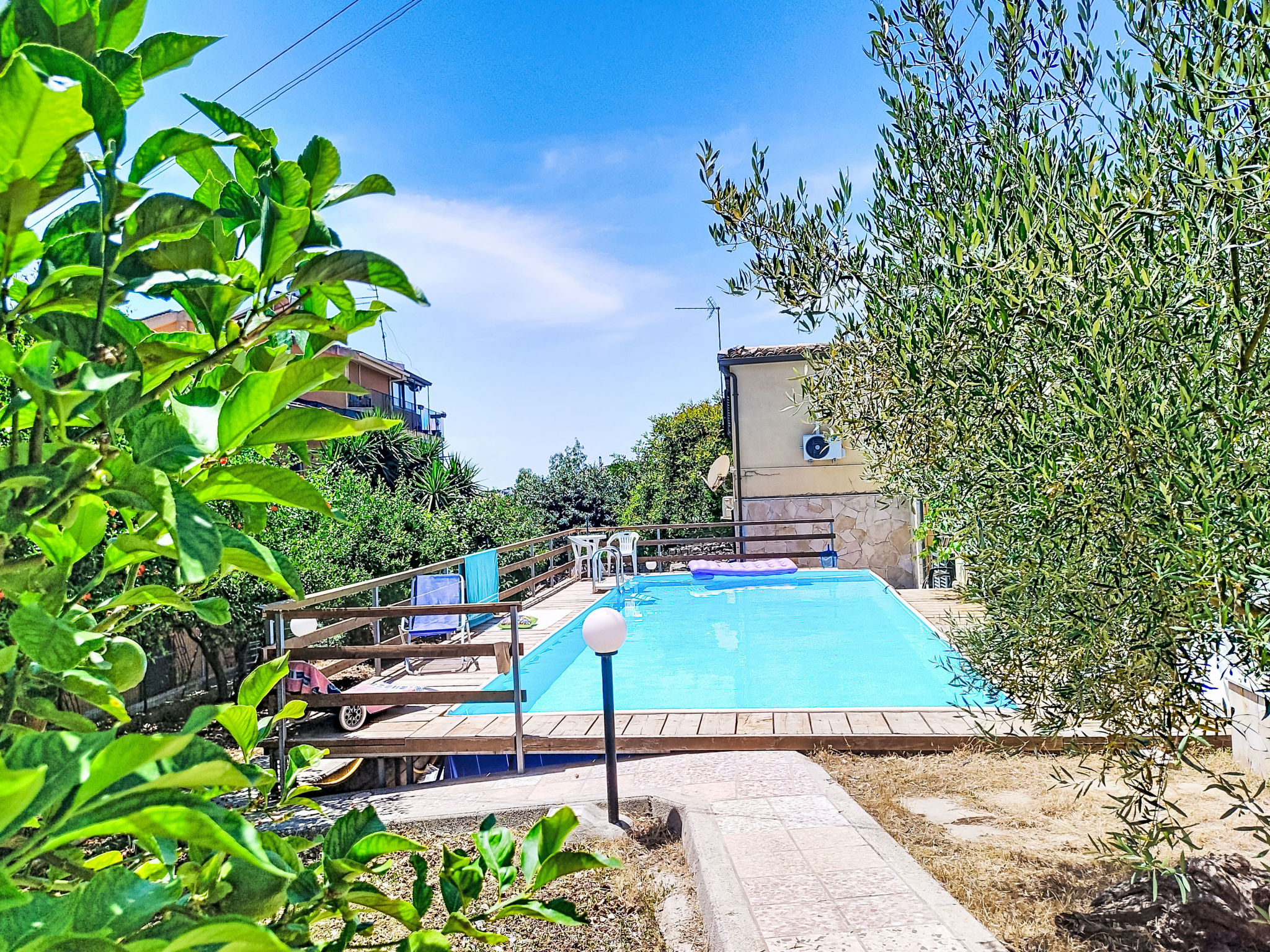
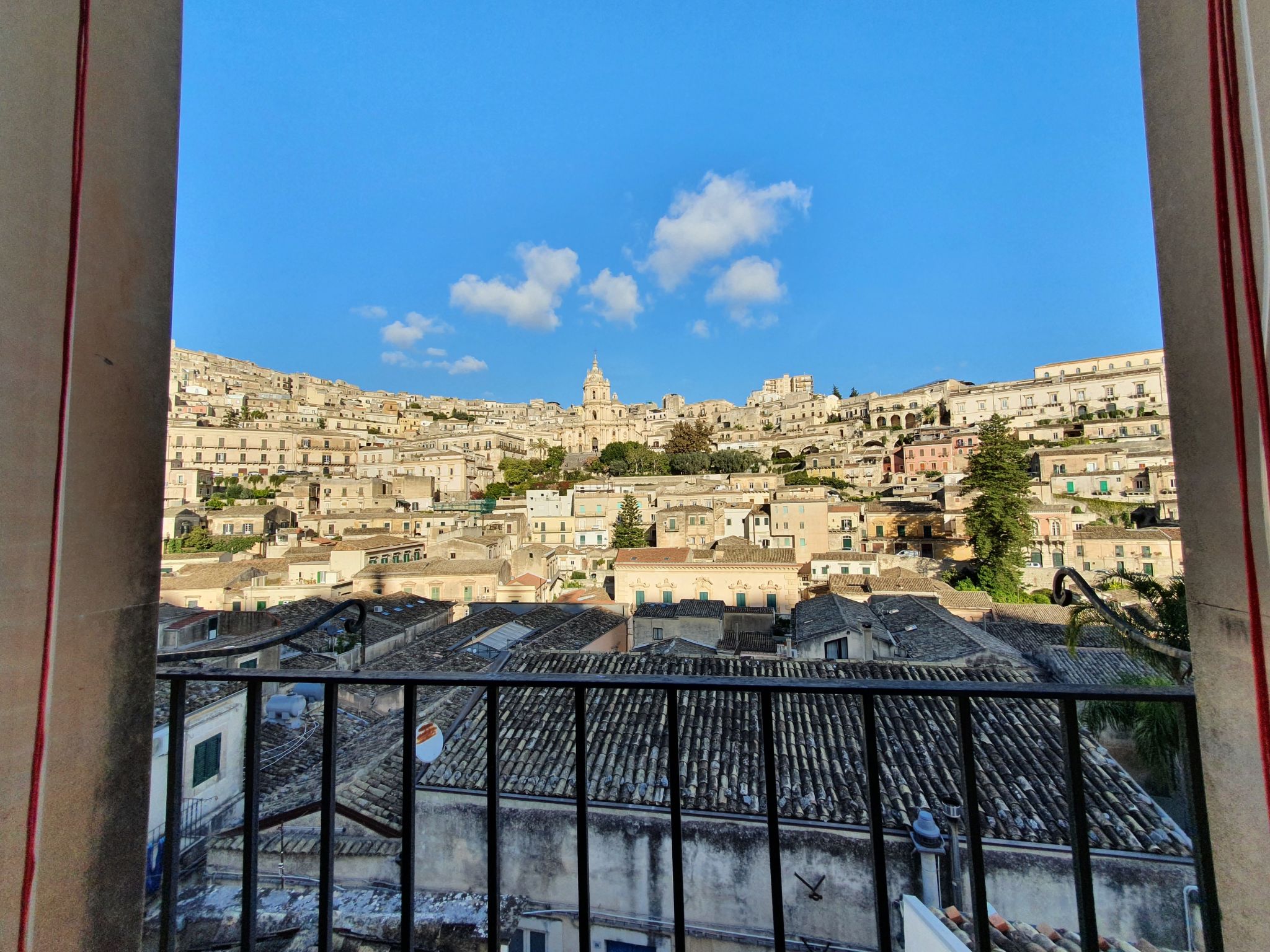
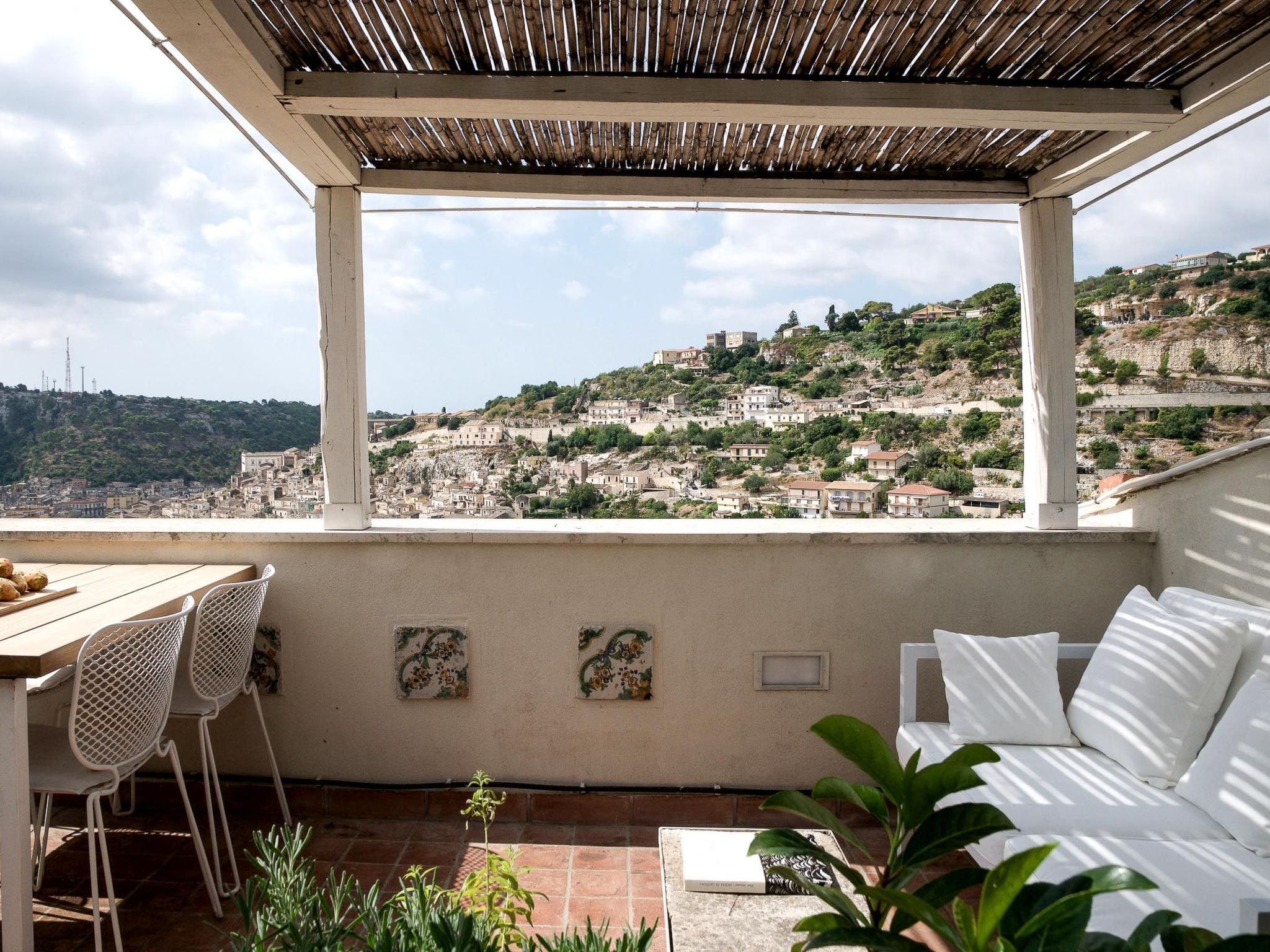
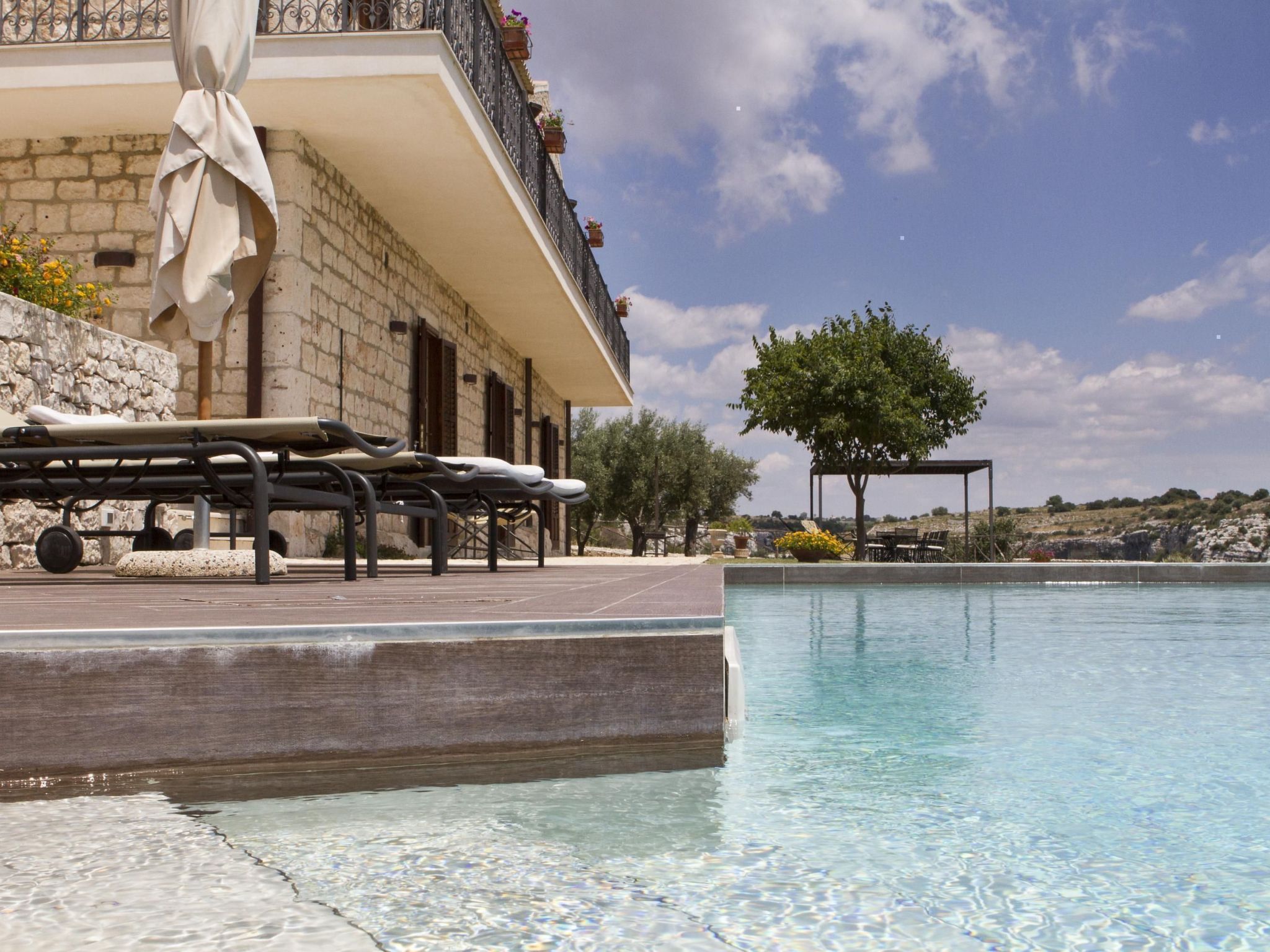
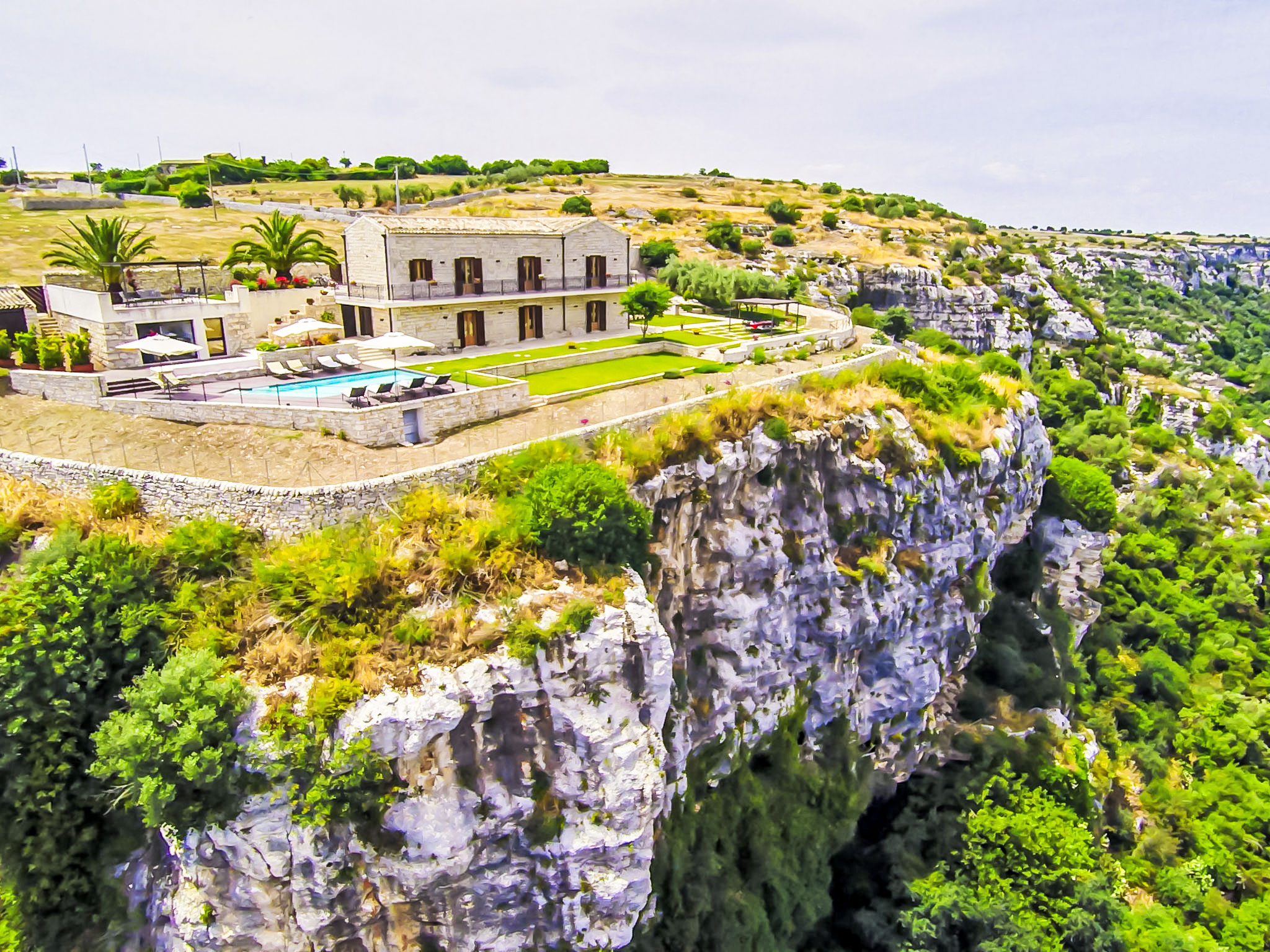
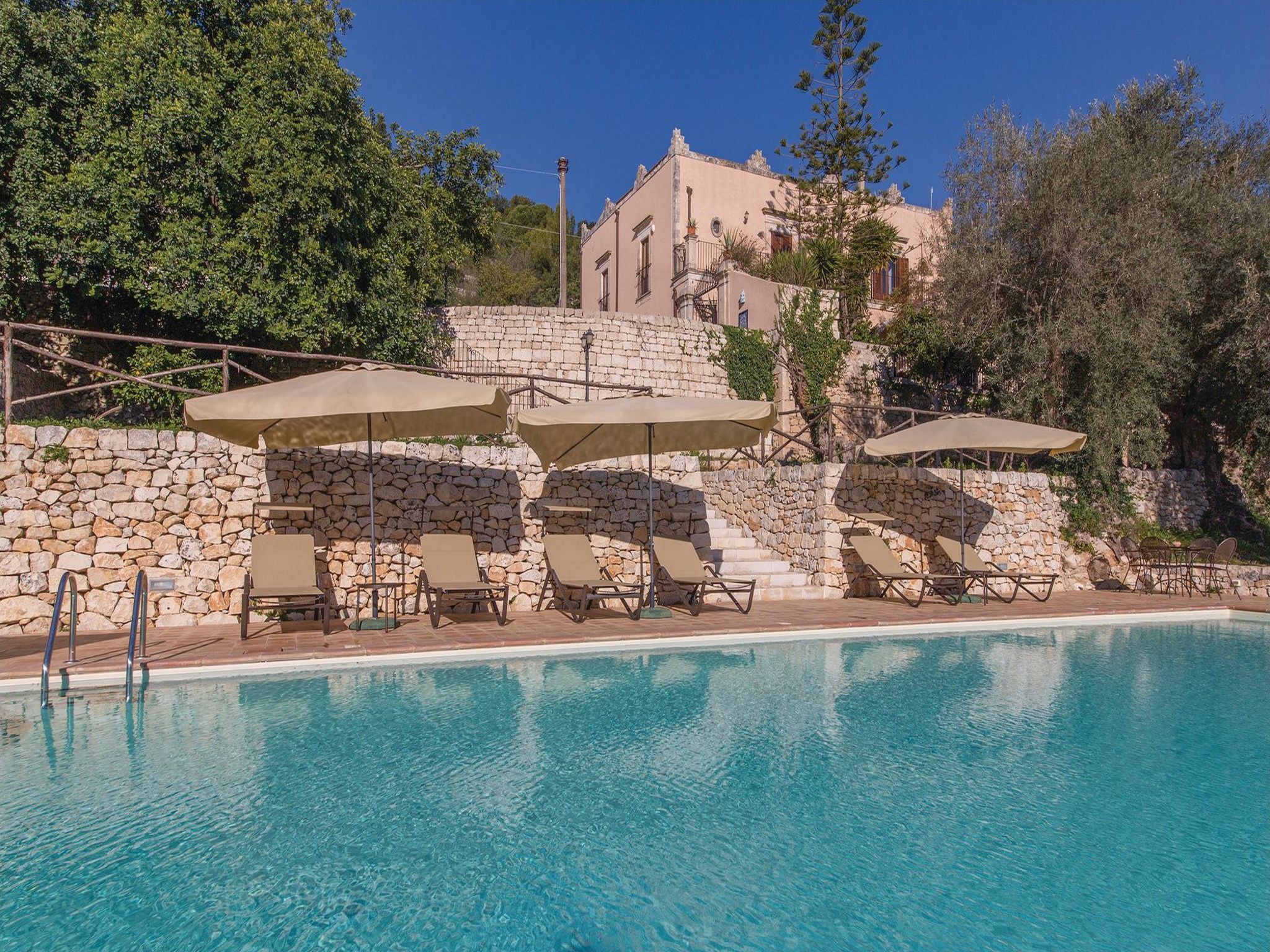
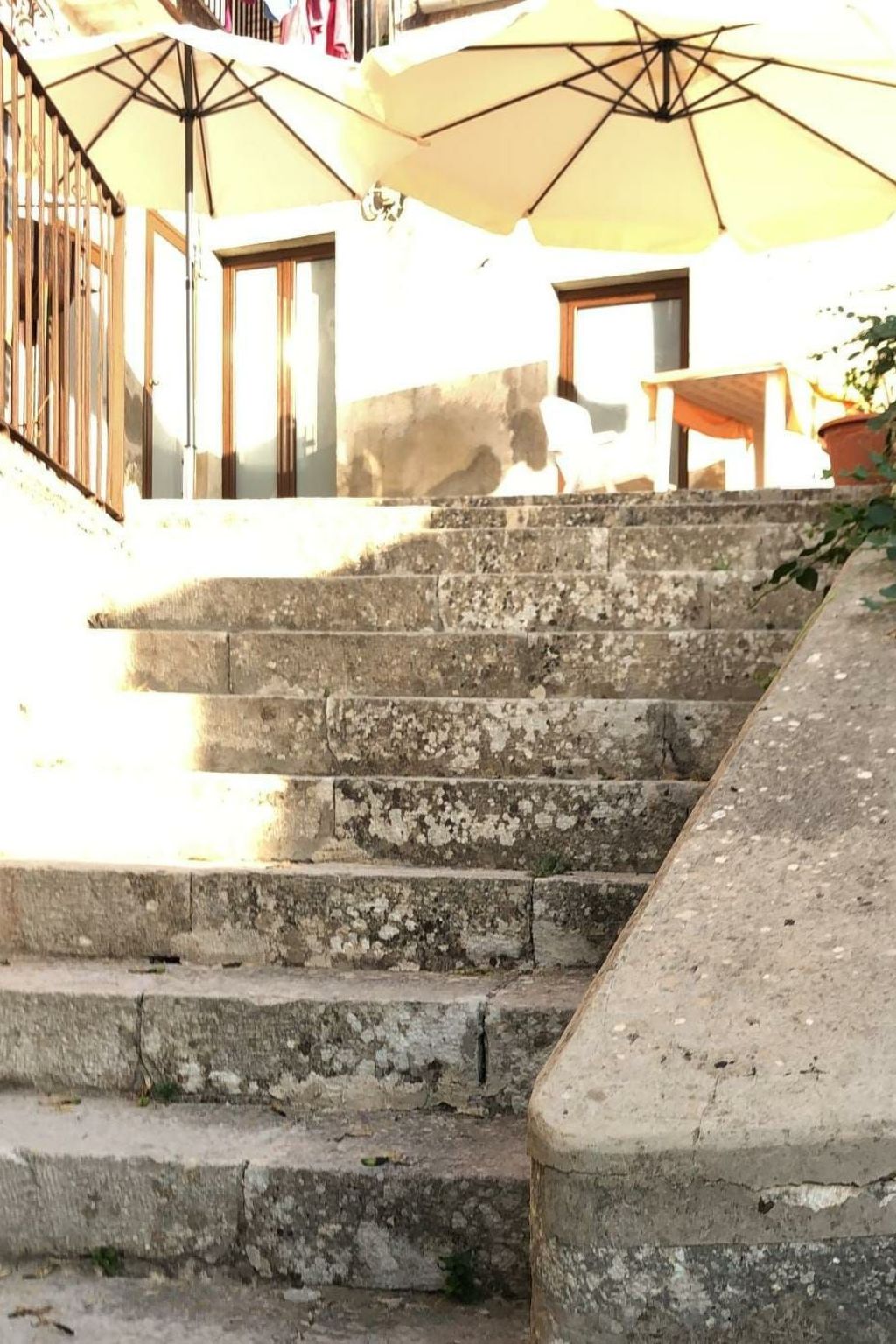
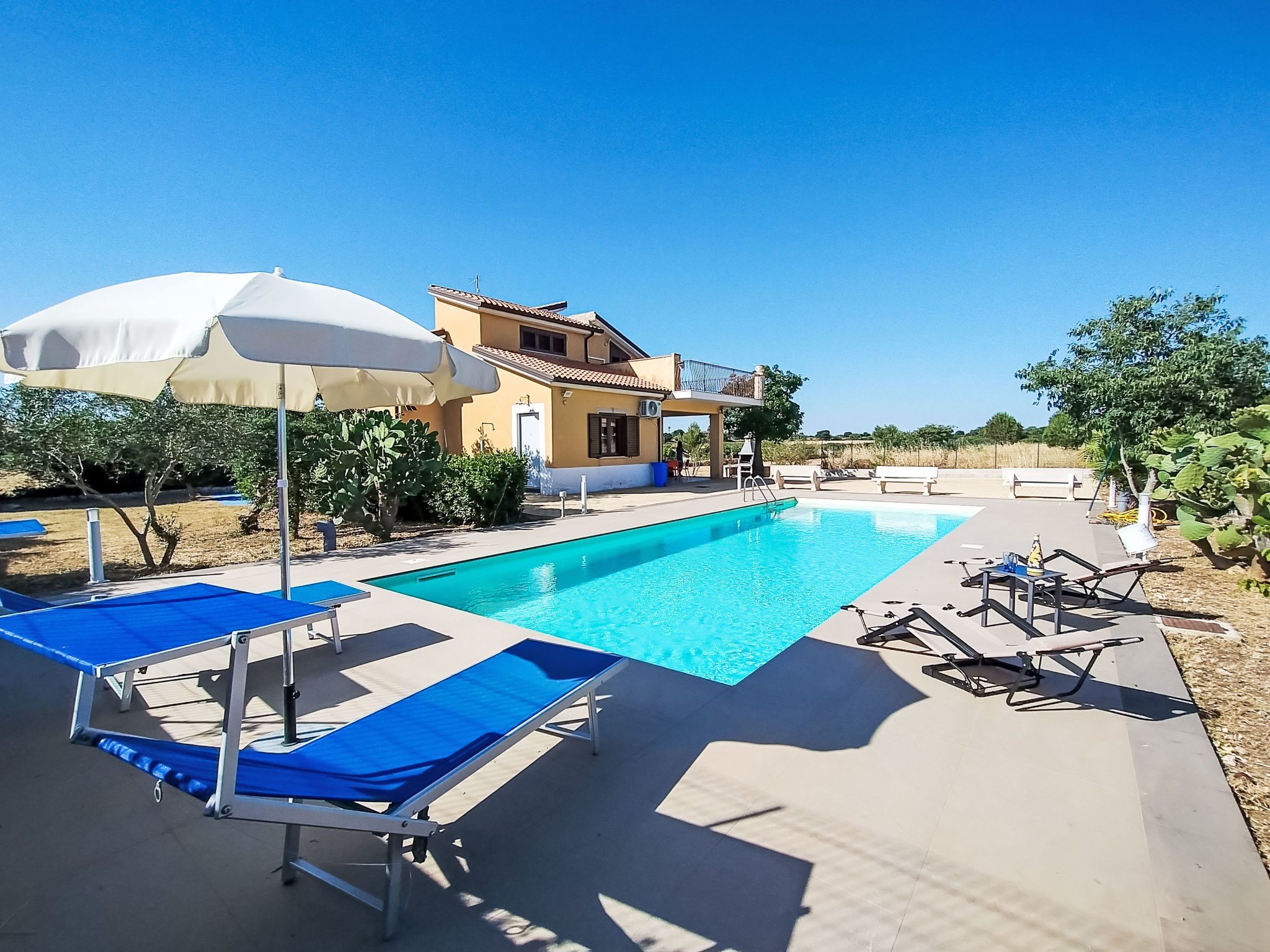
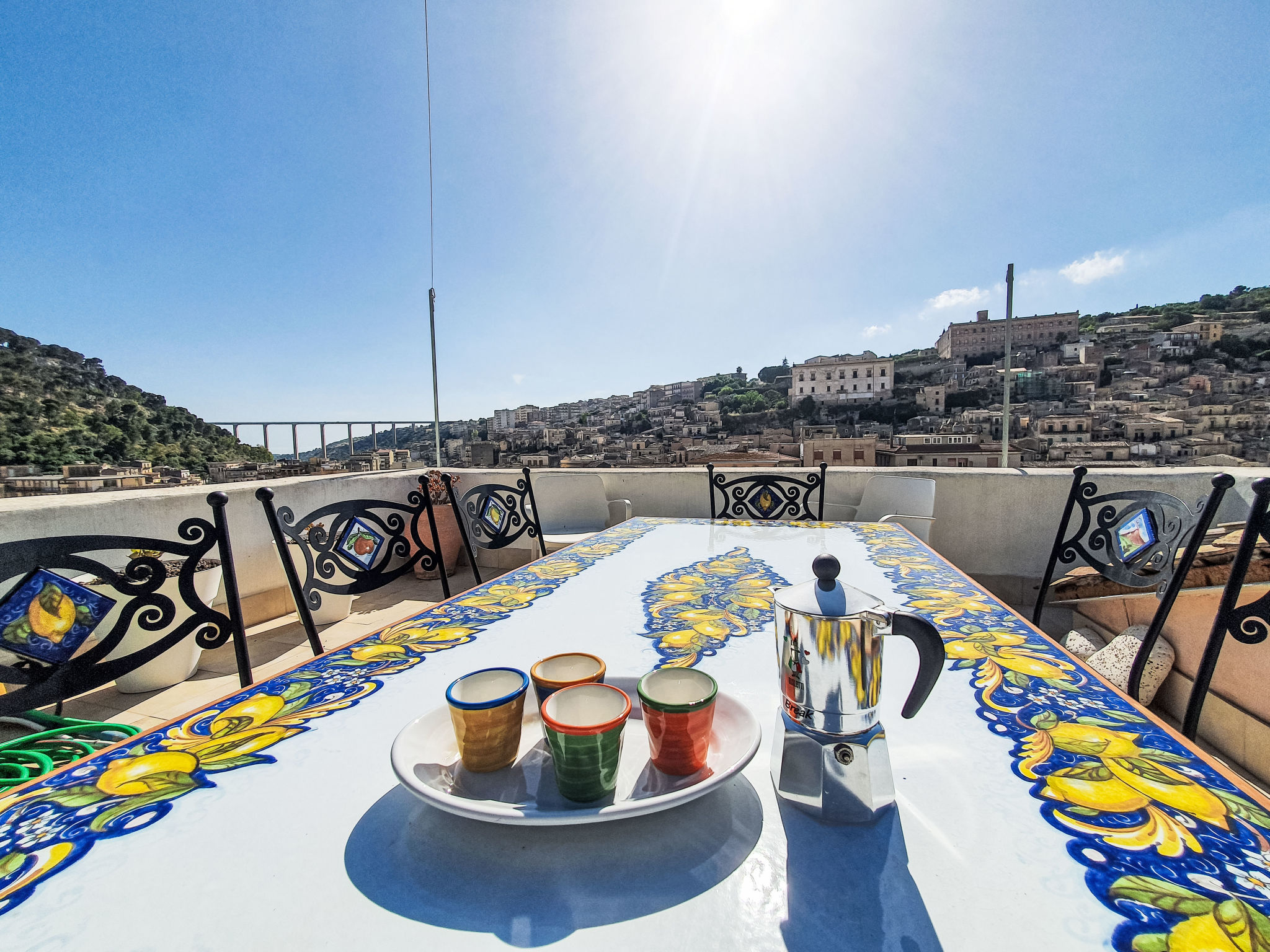
Modica has serious architectural and culinary interest — the Baroque churches are among Sicily's finest, and the food scene (chocolate, restaurants, local produce) is good for a town this size. Villas in the surrounding countryside sit among dry-stone walls, carob trees, and olive groves with views to the coast. The honest trade-off is the distance from beaches — the nearest good beaches (Marina di Modica, Sampieri) are about 20 minutes' drive. The town itself is built on steep terrain with lots of steps, which can be tiring. But for visitors who value architecture, food, and culture, Modica is one of south-east Sicily's most rewarding bases.
Things to Do in Modica
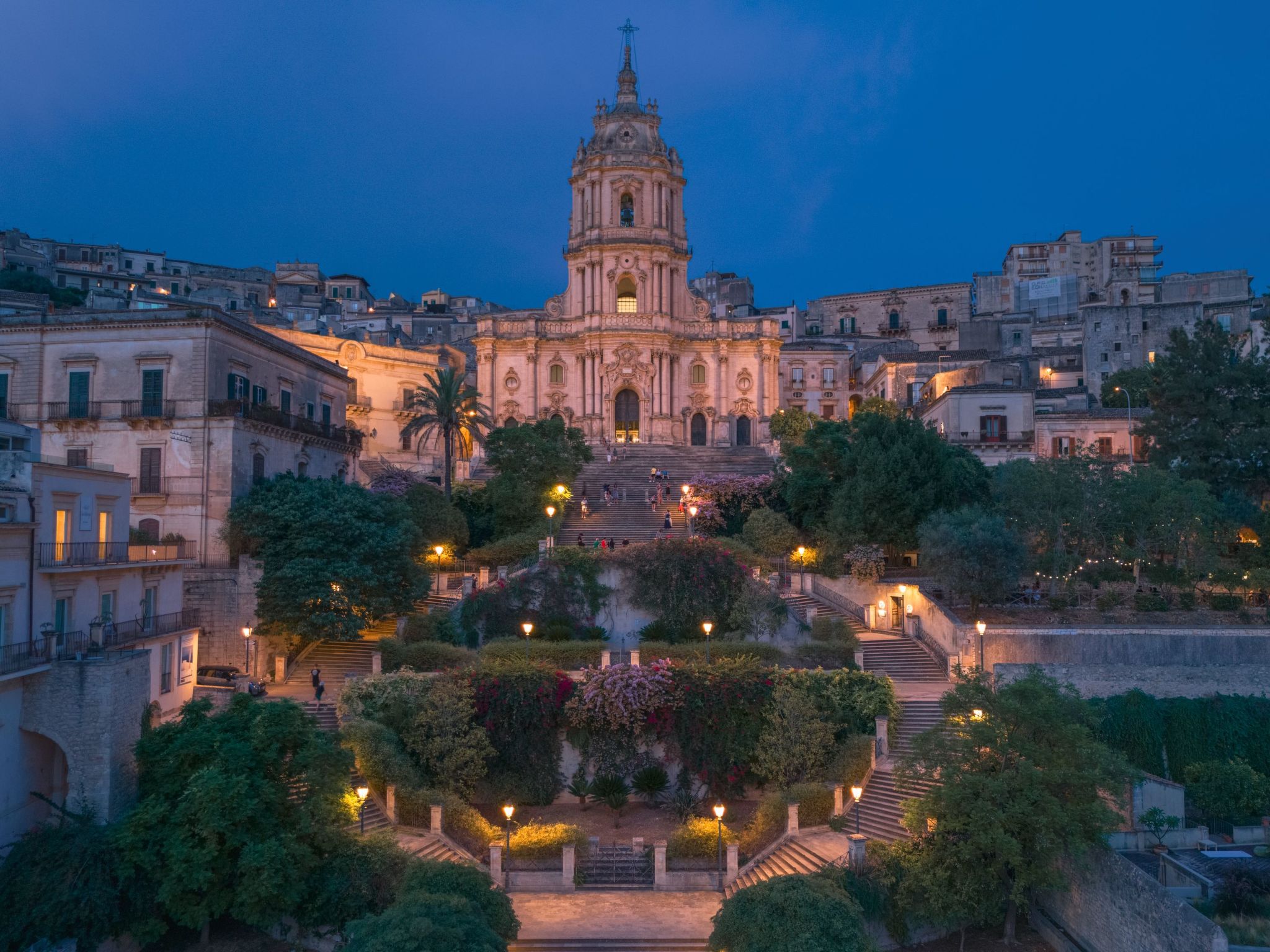
The Chiesa di San Giorgio is the centrepiece. a dramatic Baroque church at the top of a long staircase, one of the finest in Sicily. San Pietro in the lower town is equally impressive. Walking between the two through the narrow streets gives you the full experience of Modica's vertical cityscape. The Antica Dolceria Bonajuto is the oldest chocolate factory in Sicily, producing Modica's distinctive granular chocolate; tastings and tours available. The Corso Umberto (main street) of the lower town has good restaurants, cafes, and shops. Ragusa Ibla, another Baroque gem, is about 15 minutes' drive and equally rewarding architecturally. Noto, the most famous of the Val di Noto towns, is about 40 minutes. The coast at Marina di Modica and Sampieri (about 20 minutes) has sandy beaches. Scicli, another Baroque town (about 15 minutes), has a quieter atmosphere and the famous Commissario Montalbano filming locations. The Cava d'Ispica, a limestone gorge with cave dwellings and tombs, is an interesting archaeological walk.
Practical Information
Catania airport is about 90 minutes; Comiso airport about 30 minutes (limited flights). A hire car is essential for south-east Sicily. Modica has good supermarkets, pharmacies, and services, it's a working city, not just a tourist attraction. Parking can be challenging in the old town. use designated car parks. Summer temperatures exceed 35°C and the Baroque towns are best explored in morning or evening. The coast offers relief from the heat. Restaurant quality in Modica is high; several good trattorias serve traditional Modicana cuisine. The Chocomodica chocolate festival runs annually in December.
Frequently Asked Questions
What makes Modica chocolate different?
Modica chocolate is cold-processed, meaning the cocoa is worked at lower temperatures than conventional chocolate. This produces a grainy texture with visible sugar crystals. It's flavoured with vanilla, cinnamon, chilli, or citrus. Whether you prefer it to smooth chocolate is personal, it's a distinctive product with genuine historical roots.
How does Modica compare to Ragusa and Noto?
All three are Baroque marvels, but they have different characters. Modica is the most dramatic in setting (the gorge). Ragusa Ibla is the most refined. Noto has the grandest single street. Visiting all three in a few days gives you the full Val di Noto experience.
Is the steep terrain manageable?
The city is built on hillsides with many steps and slopes. Reasonably fit visitors manage fine, but it's demanding in summer heat. Those with mobility issues should focus on Modica Bassa (the lower town) which is more level.
Are the beaches worth the drive?
Marina di Modica has a reasonable sandy beach but limited character. Sampieri is more attractive. a long sandy beach with a ruined brick factory (the Fornace Penna) that's become a local landmark. For the best beaches in the area, Vendicari Nature Reserve (about 50 minutes) has unspoilt coves.