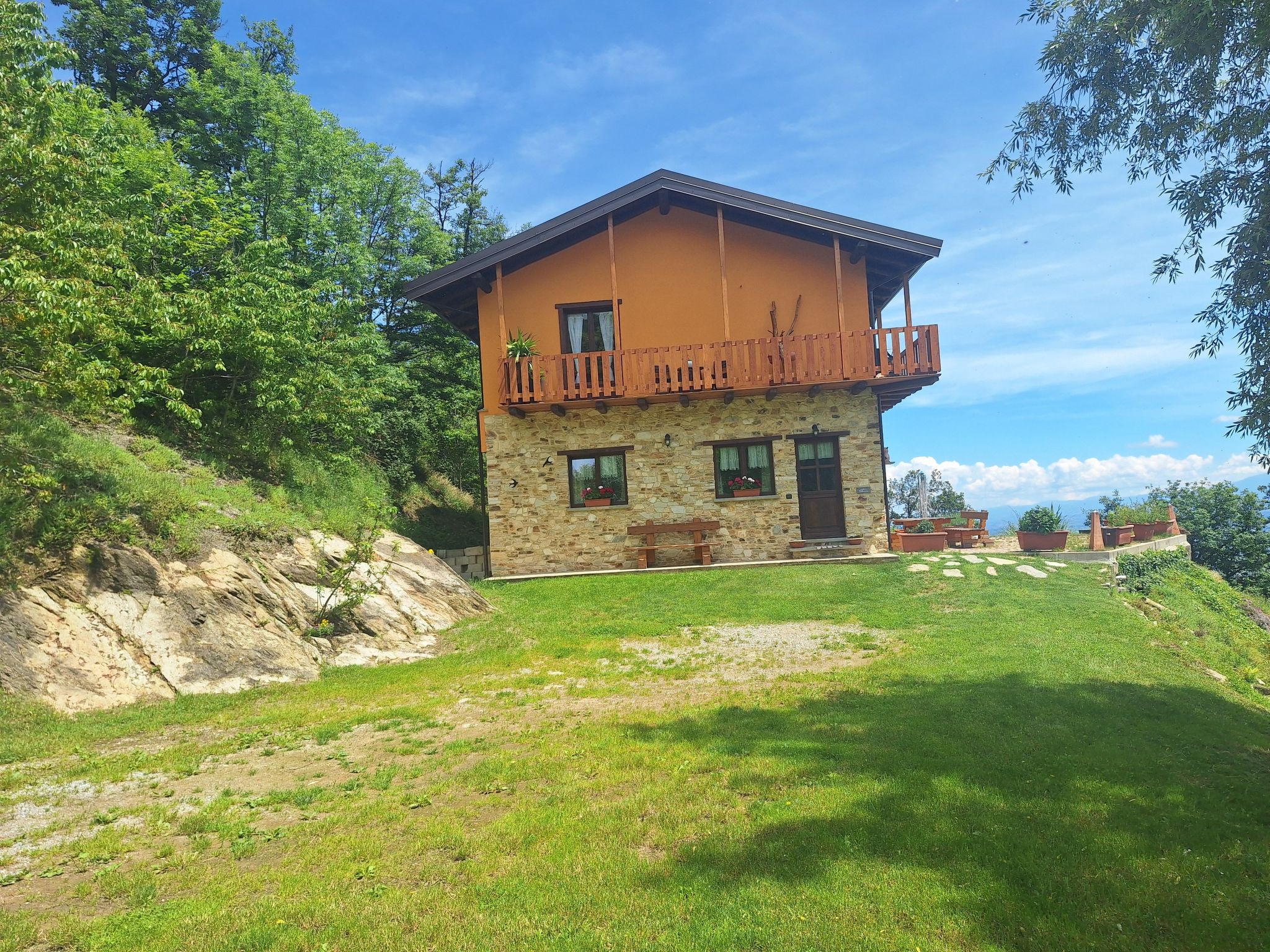
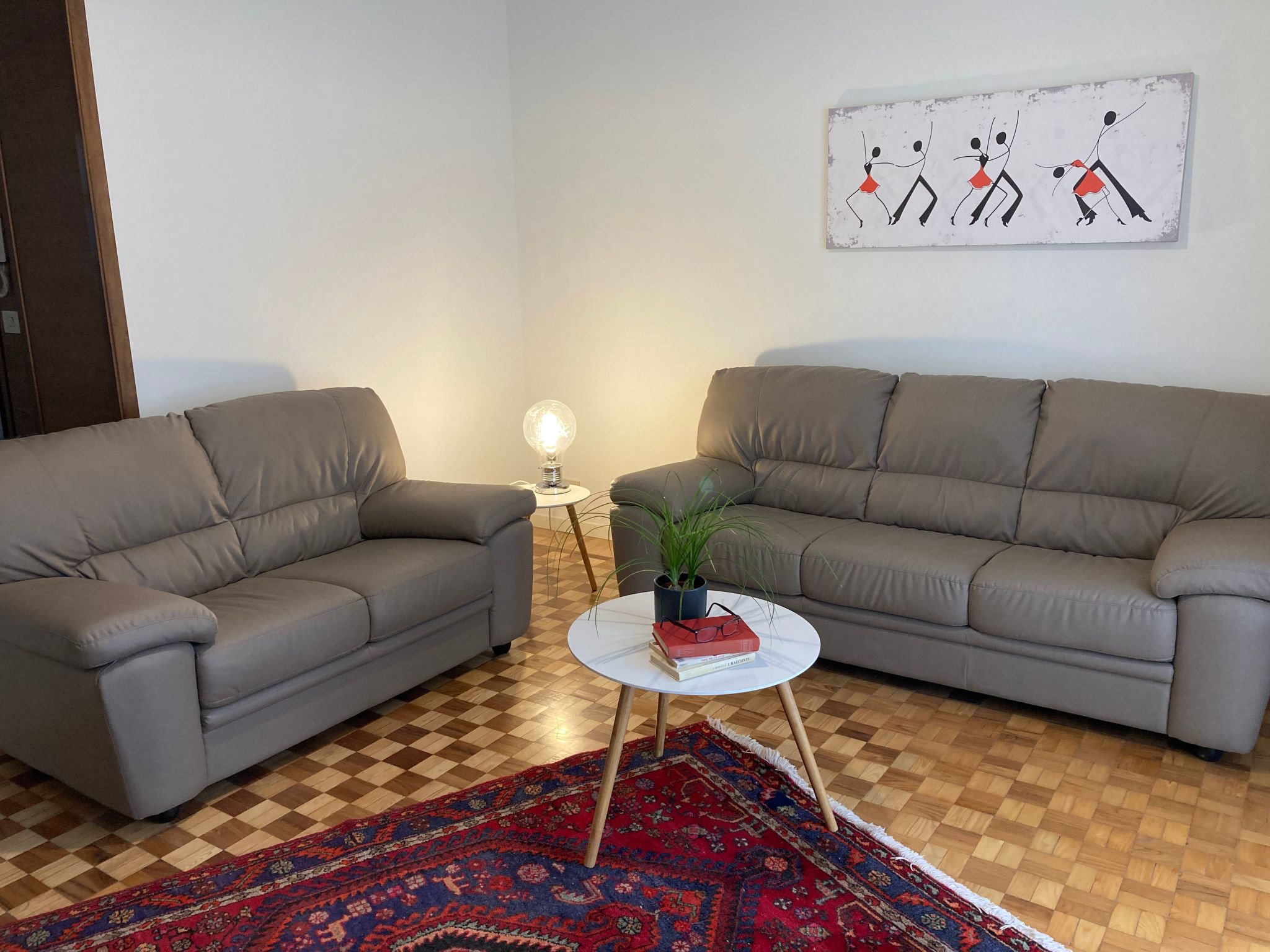
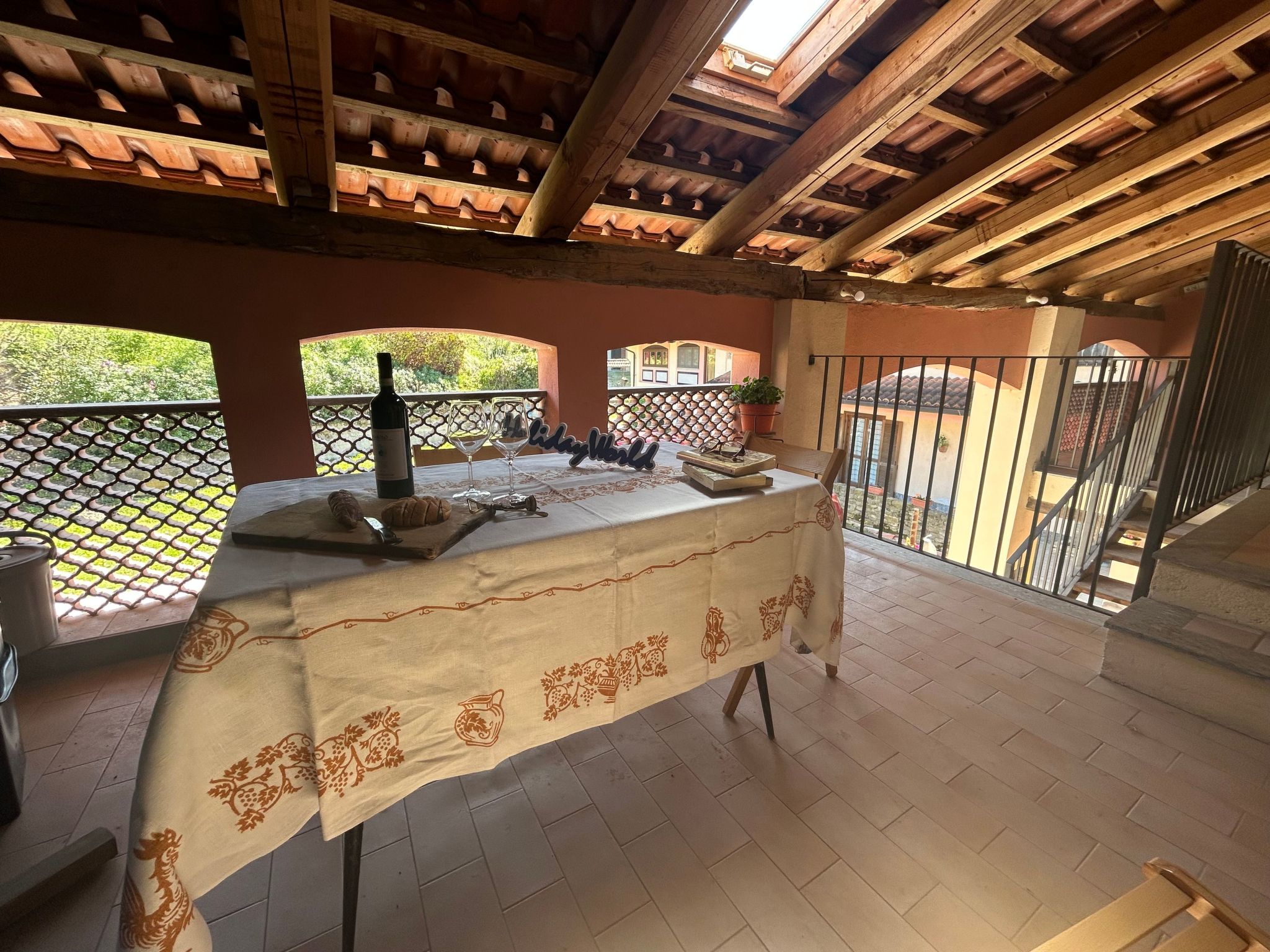
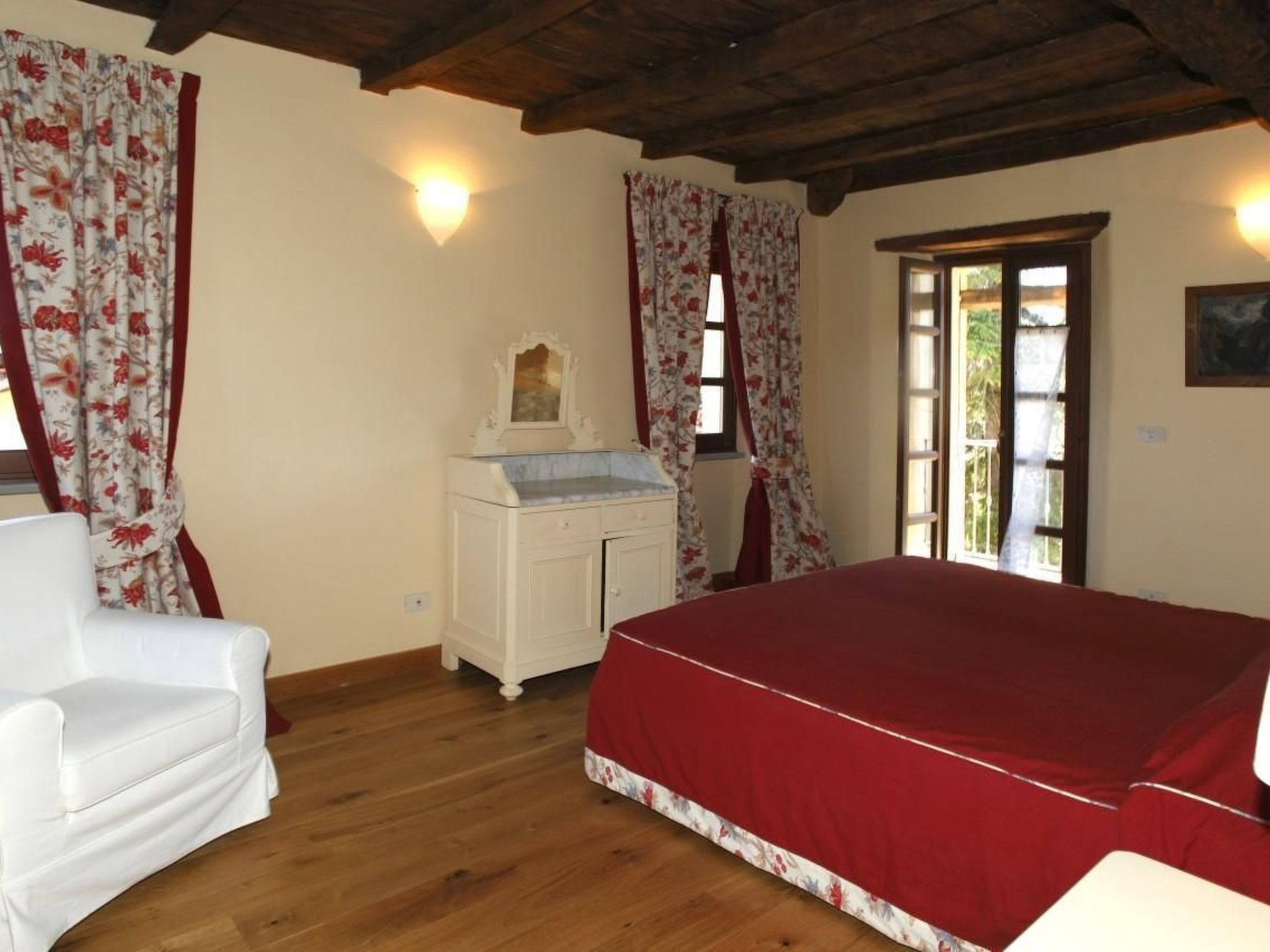
Piemonte sits in northwest Italy, away from the tourist spine that runs down Tuscany to Rome, which is precisely why it appeals to us. Turin is an elegant city built on precision engineering (Fiat, Vermouth, chocolate) with museums that outrank its reputation. The wine is serious. Barolo and Barbaresco come from here, and Arneis offers lighter alternatives. Alba is truffle country; the autumn market is genuinely worth timing a visit around. The region is cool and refined compared to southern Italy. Sometimes literally. It can be foggy and cold in winter. But that restraint is the point. You won't find crowds fighting for viewpoints because the viewpoints are valleys of rice paddies or vineyard slopes, not Instagram landmarks. The Slow Food movement started in Piemonte, and you'll understand why once you're eating.
What Makes Piemonte Special
- Wine and food are genuinely serious. This isn't marketing. Piemonte produces Italy's most respected red wines and some of the best restaurants. The cost reflects this, but it's not overpriced.
- Truffle season (September to December) brings white truffles from Alba that can cost €2,000+ per kilogram. If you're there in autumn, eat truffles even if it's extravagant.
- Turin. A real city with Baroque architecture, museums of genuine quality (Egyptian Museum, automobile museum, cinema museum), food culture, and intellectual life. Not a tourist town disguised as one.
- Monumental landscape. Rice paddies (Vercelli plains) and rolling vineyard hills create quiet, agricultural scenery. It's beautiful precisely because it's not trying to be.
- Accessible Alps. You're close to Mont Blanc, mountain passes, and serious hiking. The mountains feel more accessible and less touristy than the Dolomites.
Top Towns & Resorts in Piemonte
Turin
Northern Italy's second-largest city, and often overlooked because it's not Rome, Venice, or Florence. That's a mistake. Turin has genuine character: Baroque palaces, arcaded streets (porticos run for kilometres), fine food, and serious museums. The Mole Antonelliana is a 19th-century brick tower that dominates the skyline. The Piedmontese food culture is meat-heavy (tajarin pasta, brasato, vitello tonnato) and wine-centric. The Fiat factory's architecture is worth seeing if you're interested in industrial design. Public transport is reliable and the city is walkable. The significant caveat: winter is grey and foggy. November through February can be genuinely depressing weatherwise with temperatures around 4–7°C, frequent fog, and limited sunshine. If you're going, time it for May, September, or October when weather is better. Summer (July/August) is hot and some locals leave. Search villas near Turin
Alba
A medieval town in truffle country, genuinely charming but genuinely touristy in truffle season (October to December). The historic centre is compact and walkable, built around a tower and cathedral. Outside truffle season it's quiet, pleasant, and reasonable. The surrounding countryside is rolling vineyard hills, genuinely beautiful for driving and stopping at wine tasting rooms. The town itself has good restaurants and, in season, truffle markets and truffle-focused menus. Accommodation books out months ahead in October and November. Spring (April, May) and autumn early season (September) offer Alba without the crowds. Search villas near Alba
Asti
Another medieval town, smaller and less famous than Alba but with similar vibes. It's the centre of Asti wine (lighter, often sparkling, less expensive than Barolo). The town has towers, narrow streets, and local life. Tourist traffic is lighter than Alba, so it feels less commercialised. A 45-minute drive connects it to Alba, Barolo, and the wine regions. It's genuinely a good base if you want wine country without paying Alba's premium. Search villas near Asti
Barolo village
A small hilltop village in the heart of Barolo wine region. The castle dominates the skyline. The village is tiny. You can walk it in 30 minutes. It's surrounded by vineyards and wine tasting rooms. This is a place to base yourself for wine tasting, not for tourist infrastructure. There are a few restaurants and accommodation is limited. In peak season (weekends in September, October) it gets very full. Weekday visits, May, or June offer more breathing room. It's genuinely beautiful if you want to be immersed in wine culture. Search villas near Barolo