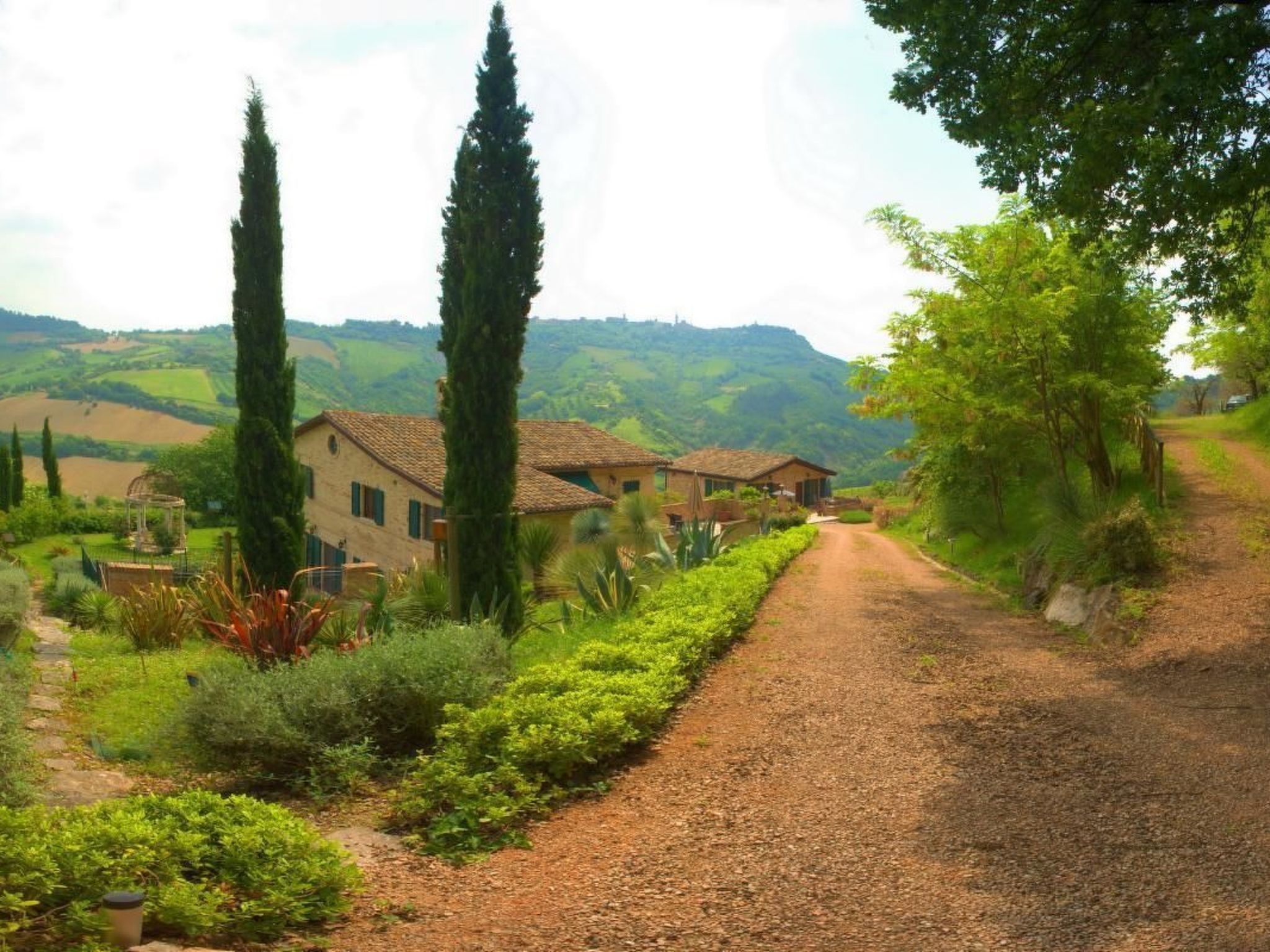
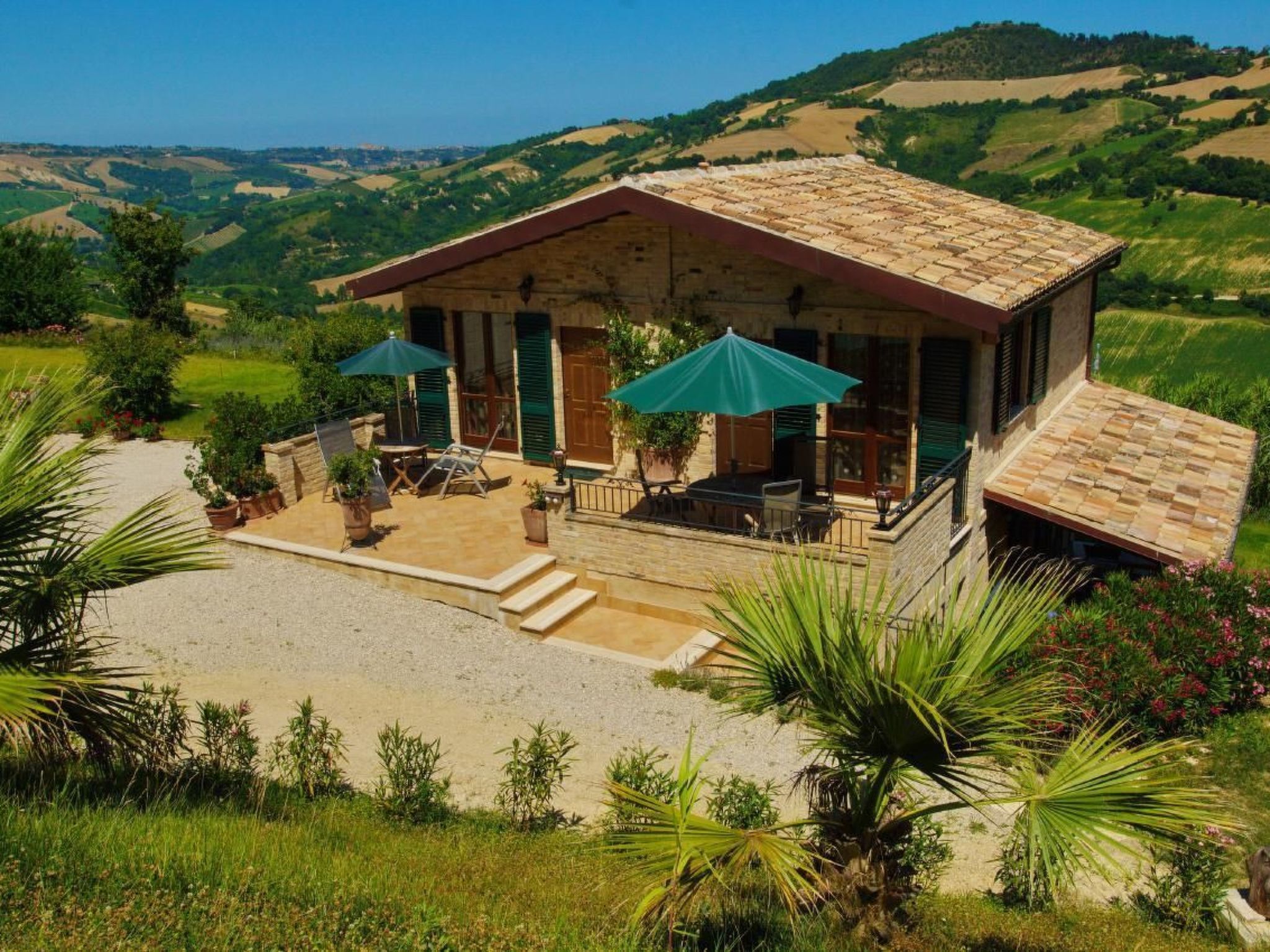
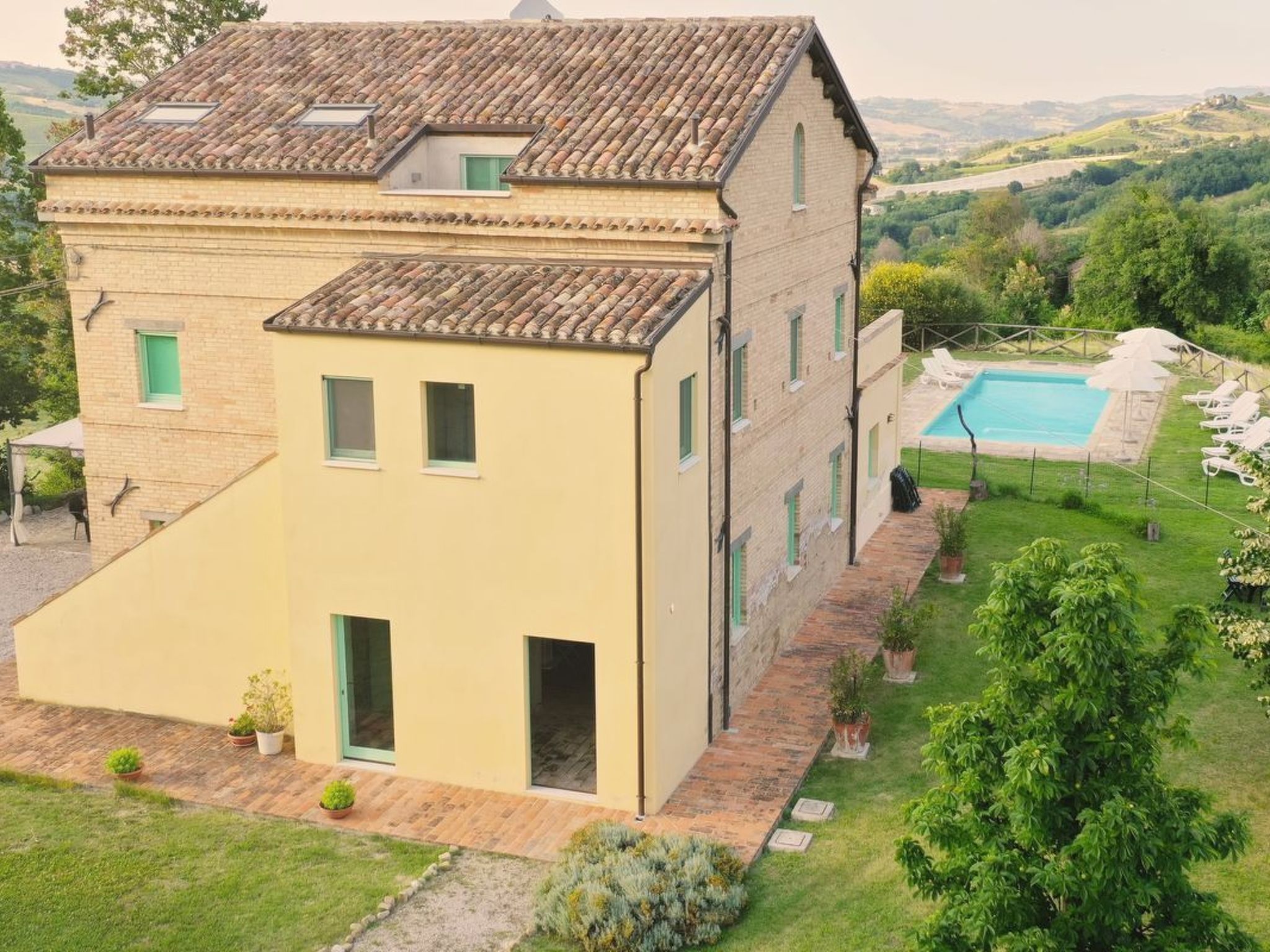
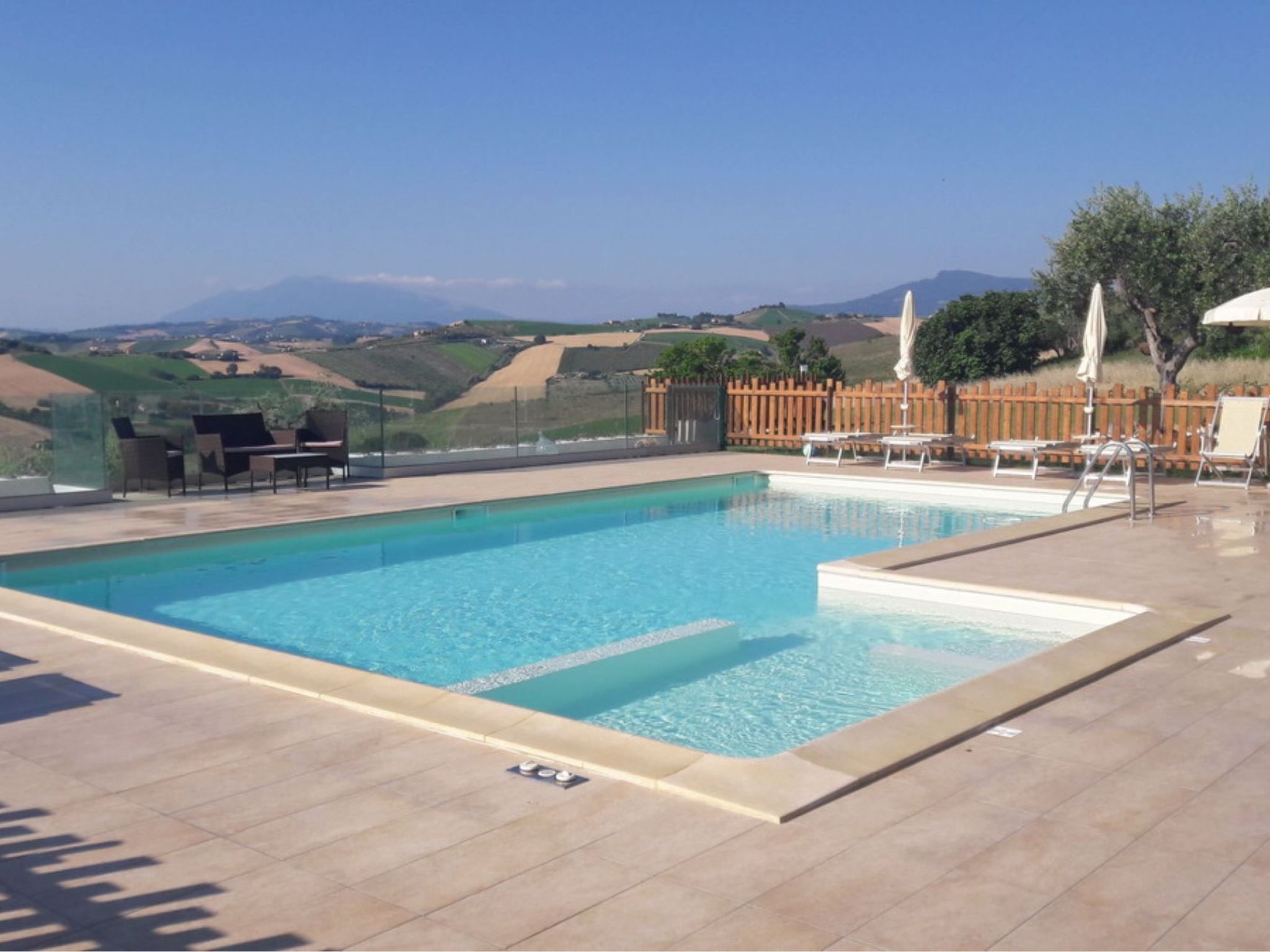
The Marche region still feels genuinely undiscovered to British travellers, which is its greatest asset. You'll find rolling hills meeting the Adriatic coast, Renaissance hilltop towns, and food culture built around truffles and Verdicchio wine. Prices sit well below Tuscany or the Amalfi Coast, yet the quality of what you're eating and seeing is exactly comparable. The coastline is dramatic and underused—rocky coves and pine-backed beaches—and the interior is serious walking country. It's not designed to be "easy" in terms of infrastructure, and that's precisely why it still has character.
What Makes Marche Special
- Urbino's Renaissance palace is a sobering statement of 15th-century power and taste; wandering the brick streets around it feels like moving through a painting that's stayed intact.
- Incredibly affordable by Italian standards. You'll find excellent meals and wine for less than half the cost of equivalent experiences in Liguria or Veneto.
- The Riviera del Conero offers genuine coastal beauty with limestone cliffs, fig trees, and almost no crowds compared to more famous Italian beaches.
- Serious food producers. Truffle country, Verdicchio wine, and small producers who still make their own pasta and preserve methods unchanged in decades.
- Walking from towns into mountains. The Sibillini Mountains create proper hiking with real views, not just gentle Tuscan rambles.
Top Towns & Resorts in Marche
Urbino
The Ducal Palace here is non-negotiable if you care about Renaissance architecture and power. It sits on the highest point of a walled medieval town with steep brick alleys that reward wandering. The gallery inside houses genuinely important paintings. Do expect serious crowds if you visit during summer; the town has a population of about 12,000 and can feel overrun by early afternoon.
Ascoli Piceno
A square surrounded by medieval and Renaissance buildings, arcaded on all sides. It's genuinely striking when you're standing in it. The rest of the town spreads downhill with more narrow alleys, and there's a castle ruin above. Much less touristy than Urbino, though also genuinely small. Be prepared for limited evening entertainment if you're looking for buzzing restaurants and bars.
Search villas near Ascoli Piceno
Pesaro
The composer Rossini was born here, which gave the town a reason to celebrate culture, but honestly it's more appealing as a working seaside town than a sightseeing destination. Decent beach, seafront promenade, good fish restaurants. The heat in July and August can be oppressive. temperatures regularly hit 32–34°C, and the Adriatic is crowded with Italian families. Spring or autumn is far more pleasant.
Ancona
The main port city and base for flying in. It has history (a Roman arch, medieval churches) and a working port atmosphere, but it's not a destination in itself. Most travellers use it as a gateway. The airport has limited routes. you're likely flying into Rome or Milan and driving. The city centre has character but can feel a bit rough around the edges compared to the hilltop towns inland.
Riviera del Conero
The stretch of coastline south of Ancona around Numana and Sirolo is where to find actual scenery. White limestone cliffs, small coves, pine and Mediterranean scrub coming down to the water. Much rockier and less sandy than the beaches further north, which keeps it less commercialised. Car access is limited in summer (pedestrian zones), and parking fills by mid-morning, but if you arrive early you get an empty beach with proper views.