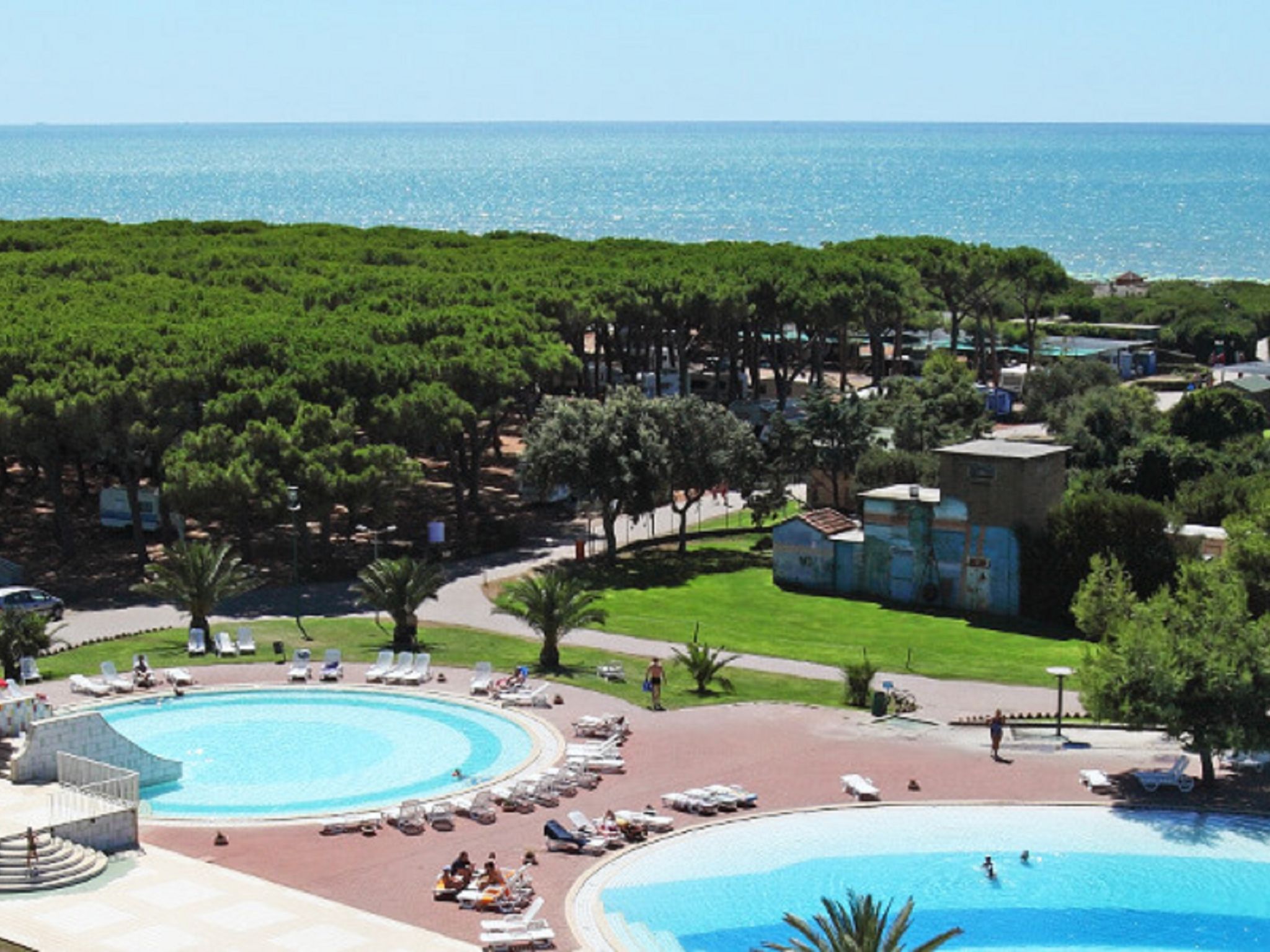
The Lazio coast sits immediately south of Rome, about 90 minutes by car from the city centre. It's not famous. That's its advantage. Sperlonga perches on a cliff above a beach, whitewashed and genuine. Gaeta sits further south with better infrastructure and boat access to islands. Ponza Island, a day trip from the mainland, offers snorkelling and island peace without Sardinia's resort machinery. The beaches here are sandy and accessible. Food is focused on seafood because the sea is, well, visible. Rome's airport (Fiumicino) sits close enough to make this an easy addition to a city break, yet far enough that it feels like a genuine separate destination. The coast doesn't have the polish of the Amalfi or the wildness of Calabria. It's honest, affordable, and genuinely less crowded than most Mediterranean destinations.
What Makes Lazio Coast Special
- Sperlonga is genuinely dramatic: a whitewashed cliff town with a small beach, Roman ruins, and a grotto museum hosting ancient Greek sculptures. It feels like it should be famous and crowded. Instead, it remains unexpectedly quiet.
- Proximity to Rome means you can spend two days exploring the Colosseum, then spend two days swimming in water that's clearer than the Tiber River. The contrast is genuine.
- Ponza Island offers day trips or overnight stays with snorkelling, local seafood, and a non-resort island experience. It's populated by Italians escaping Rome, not international tourists.
- Circeo National Park protects a peninsula and beach reserve with hiking and freshwater lakes alongside the sea. It's genuinely unique by Mediterranean standards.
- Prices are substantially lower than the Amalfi Coast or Cinque Terre, yet accommodation and facilities are professional. You're not sacrificing quality for affordability.
Top Towns & Resorts in Lazio Coast
Sperlonga
A whitewashed medieval town perched on a 40-metre cliff above a beach. The layout is theatrical but not artificial. The main piazza opens onto restaurant terraces. Walk downhill and you reach the beach and sea. Walk uphill and you enter winding alleys with apartment rentals and small shops. The Museo Archeologico Nazionale sits in a grotto and hosts ancient Greek sculptures pulled from local ruins. Summer brings crowds, particularly Italian families from Rome. Off-season (April, May, September, October) the town loses the pressure and becomes genuinely pleasant. Infrastructure is adequate without being showy. The beach below is accessed via stairs and feels private despite being public.
Gaeta
South of Sperlonga, Gaeta is a legitimate working town with a port serving fishing boats and ferries. The waterfront is busier and less attractive than Sperlonga, but that's because it's functional rather than designed. Medieval walls and an old quarter sit behind the waterfront. Several beaches surround the town, offering variety. Ferries run to Ischia and other islands. Boat hire for snorkelling trips is straightforward. The food scene is good because the boats bring actual fish daily. Gaeta has more infrastructure than Sperlonga, making it practical for families needing services. It's less photogenic but more authentic as an actual place where people live and work.
Ponza Island
A 40-minute ferry ride from Gaeta (or 60 minutes from Formia). Ponza is a small island populated largely by Romans using it as a weekend escape. The village sits on a crescent beach. Snorkelling is good immediately offshore. Several small restaurants line the waterfront. Accommodation is abundant but books quickly in July and August. No cars are rented; you walk, take taxis, or rent scooters. The island feels quieter and less packaged than Sardinian islands. An overnight stay lets you experience it without the ferry crush. Day trips are possible but feel hurried. Food is local seafood. Nightlife is minimal. Swimming and snorkelling are the main activities.
Search villas on Ponza Island →
Circeo and the National Park
Further south along the coast, Circeo National Park protects a 27-kilometre reserve with beaches, woodlands, and freshwater lakes. The village of San Felice sits at the park entrance. This is less a resort destination and more a nature reserve with visitor facilities. Hiking trails access different landscapes. Several lakes offer swimming in freshwater. Beaches within the park have natural character rather than resort infrastructure. This works if you want environmental diversity and hiking without total isolation. It's less appealing if you want restaurant nightlife or resort amenities. The park roads can be congested on summer weekends as Romans from the interior escape inland.
Formia and Terracina
South toward the Campania border, Formia and Terracina are larger towns with fuller infrastructure and beaches. Terracina has Roman temples and medieval sections. Both lack Sperlonga's village atmosphere but offer more developed facilities for families. Beaches are extensive. Boat hire for island excursions is available. The towns feel like actual destinations rather than villages. They're good bases if you need services and don't require maximum intimacy. Farther south, the coast begins merging into Campania (which includes the Amalfi and Sorrento areas), so you're transitioning into different character territory.