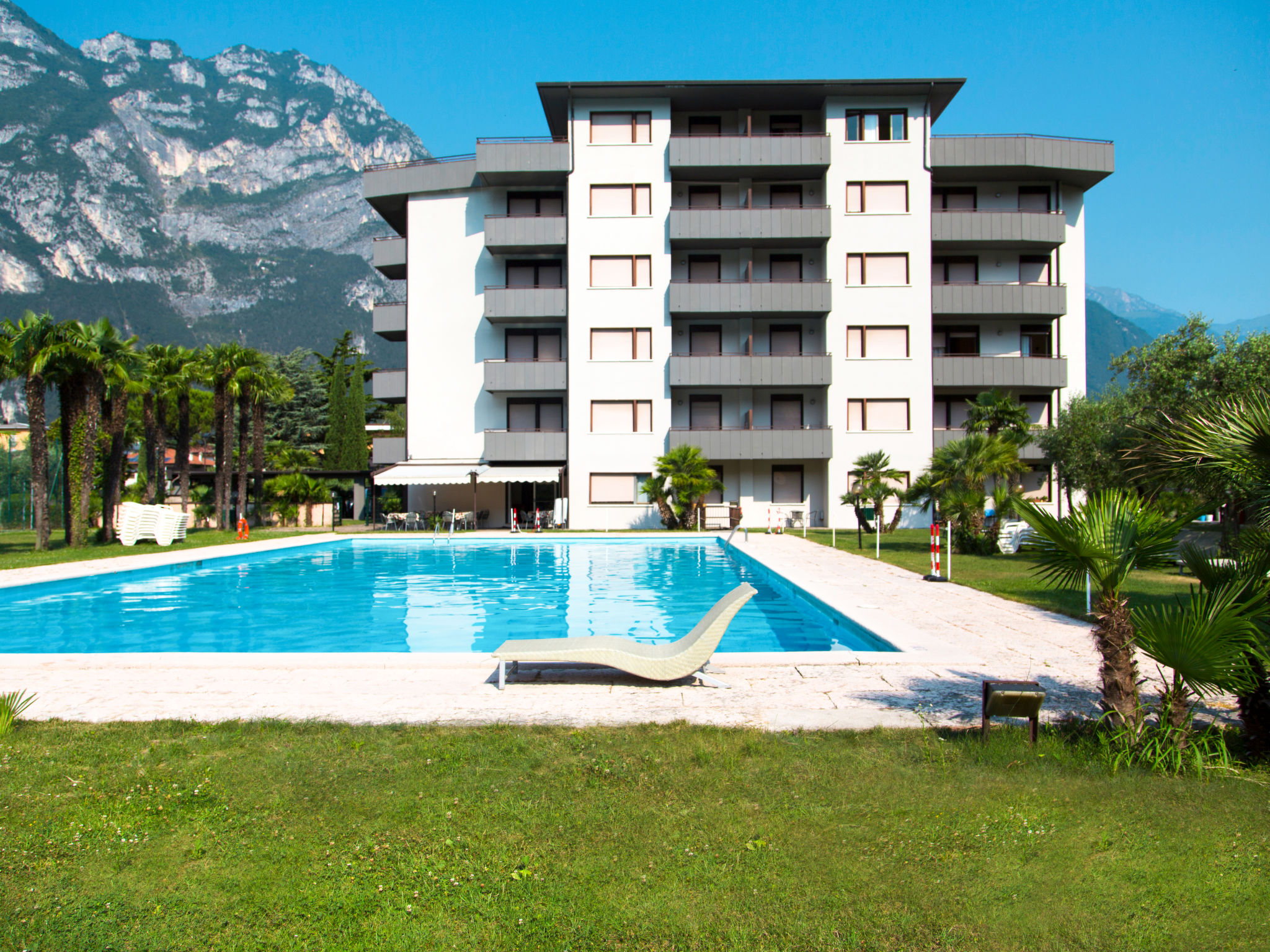
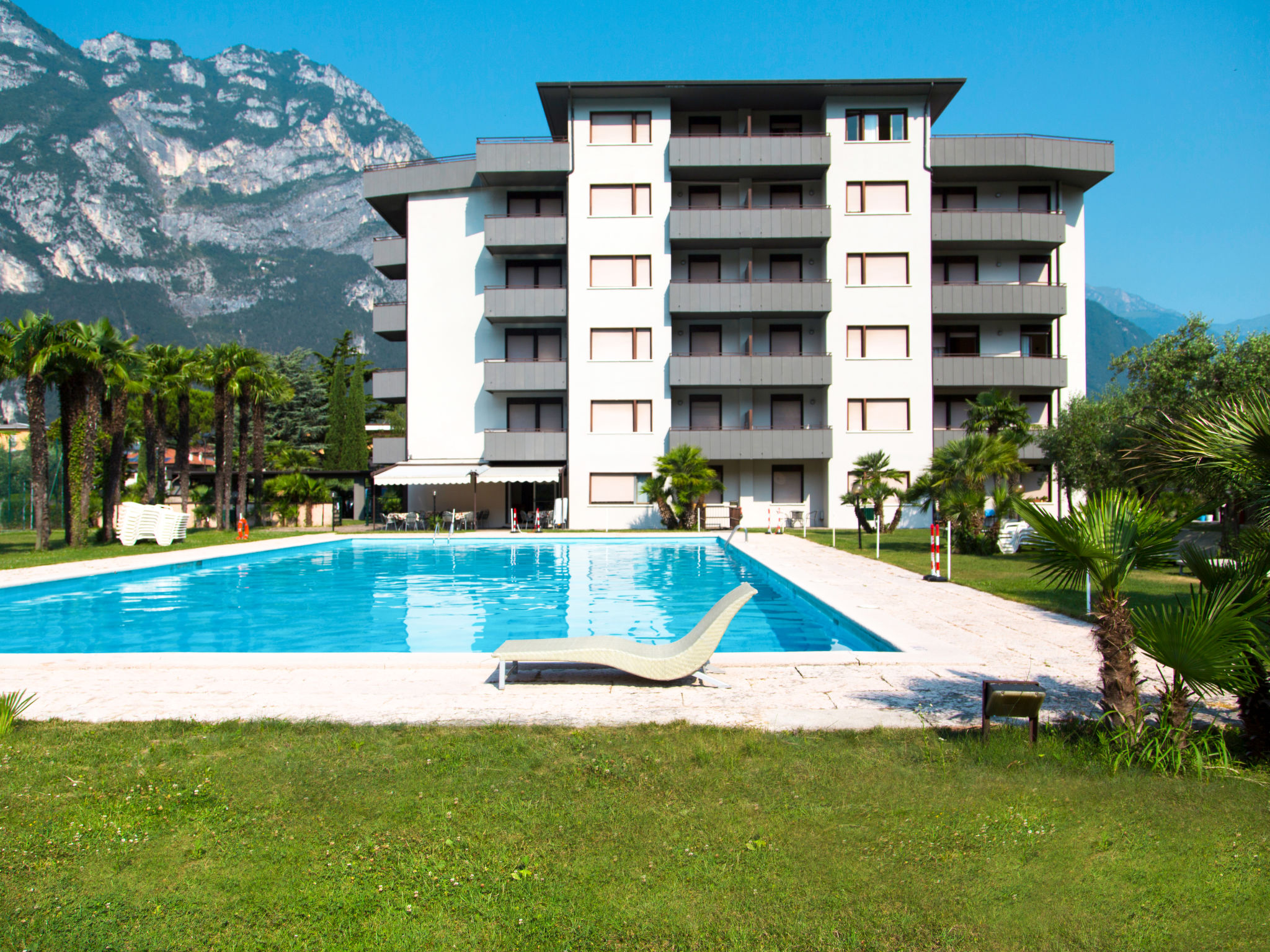
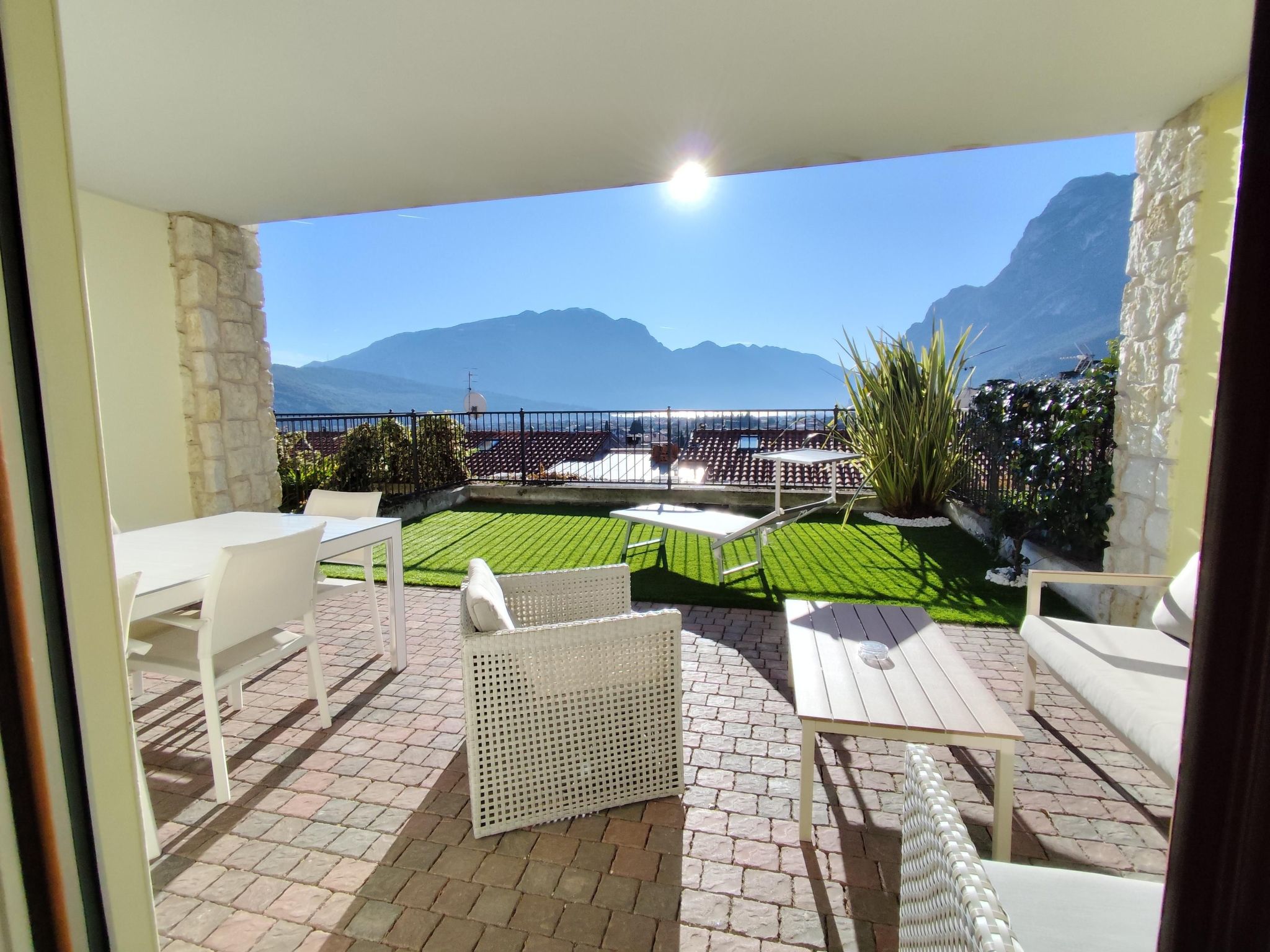
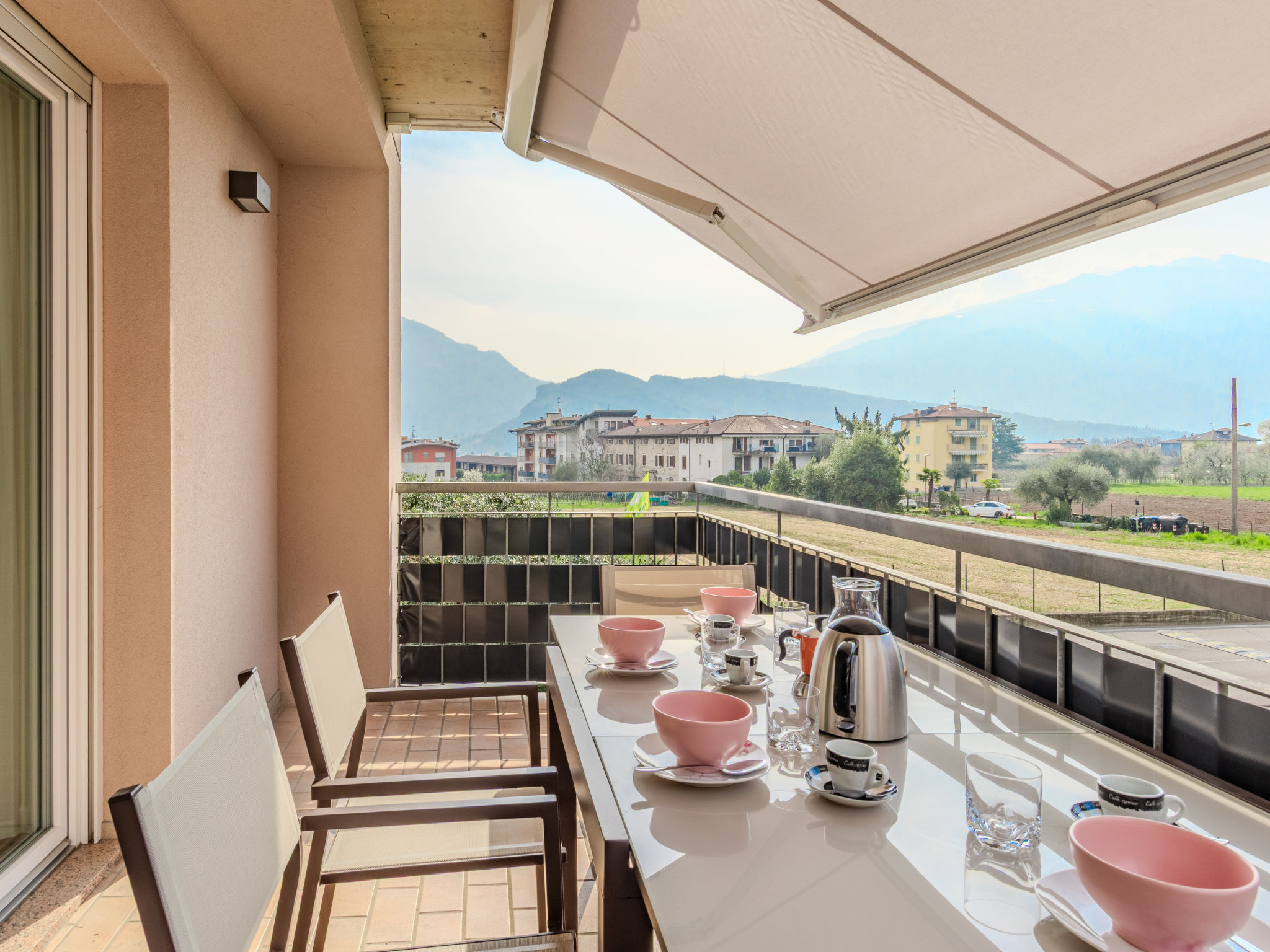
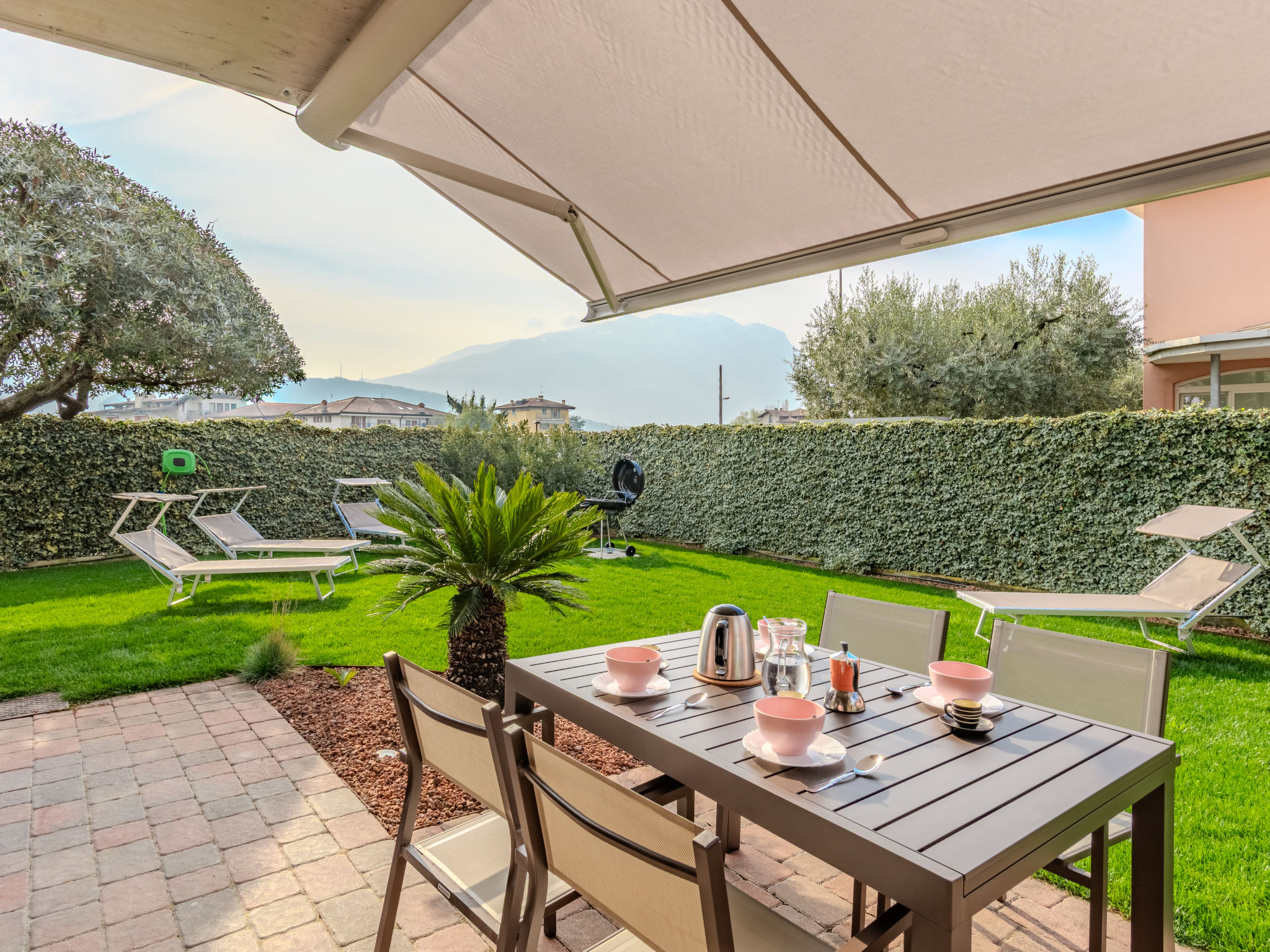
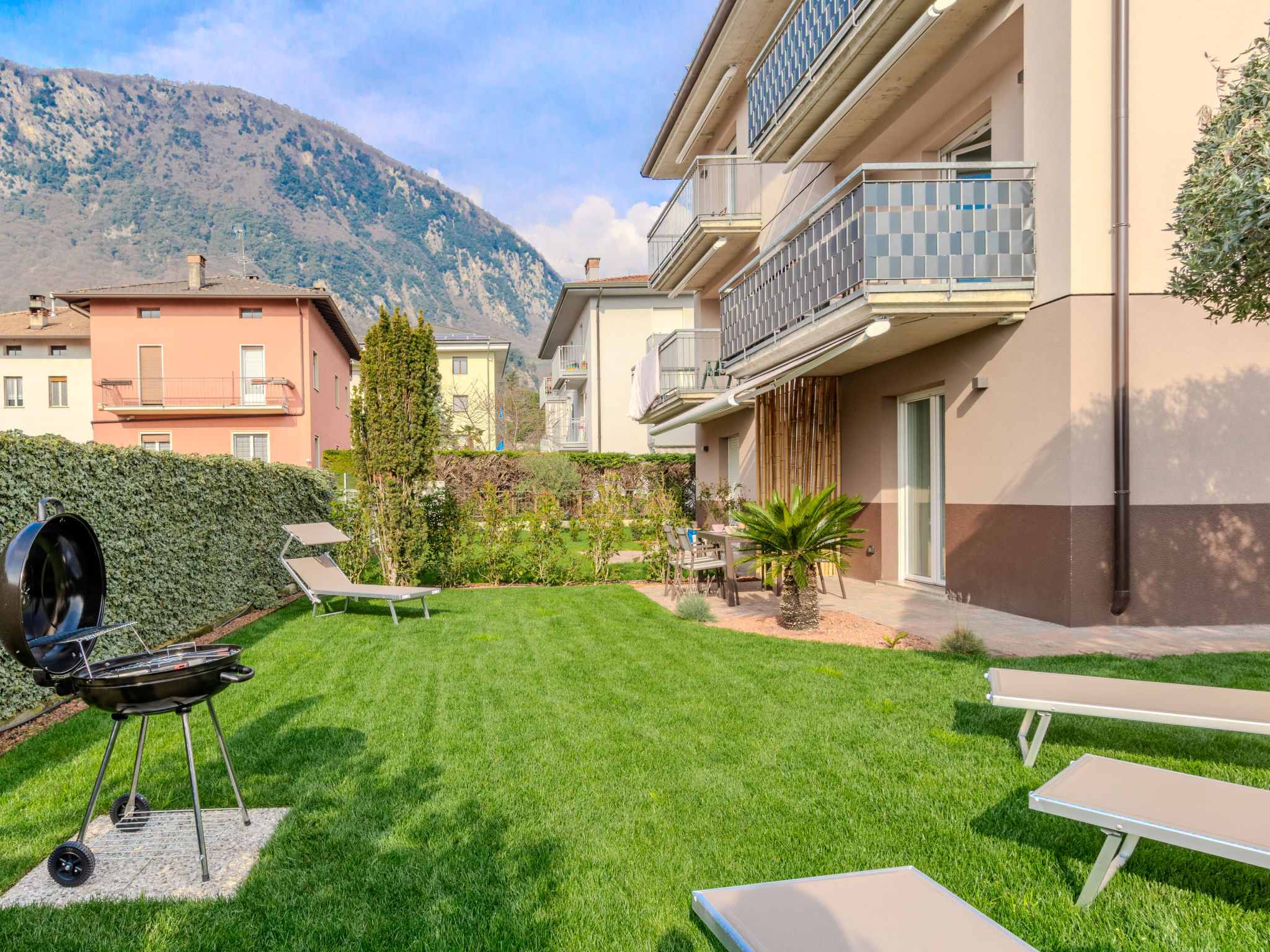
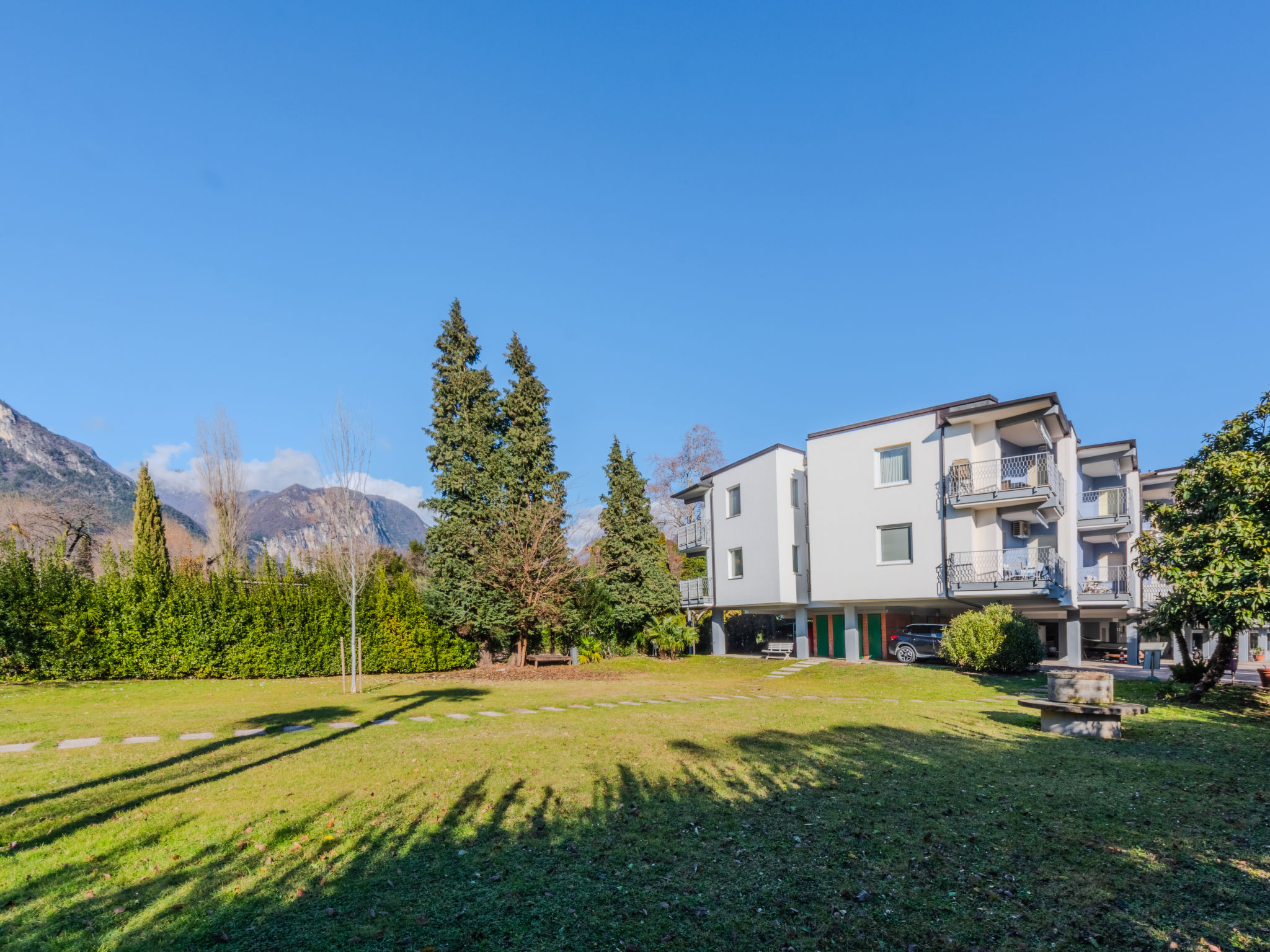
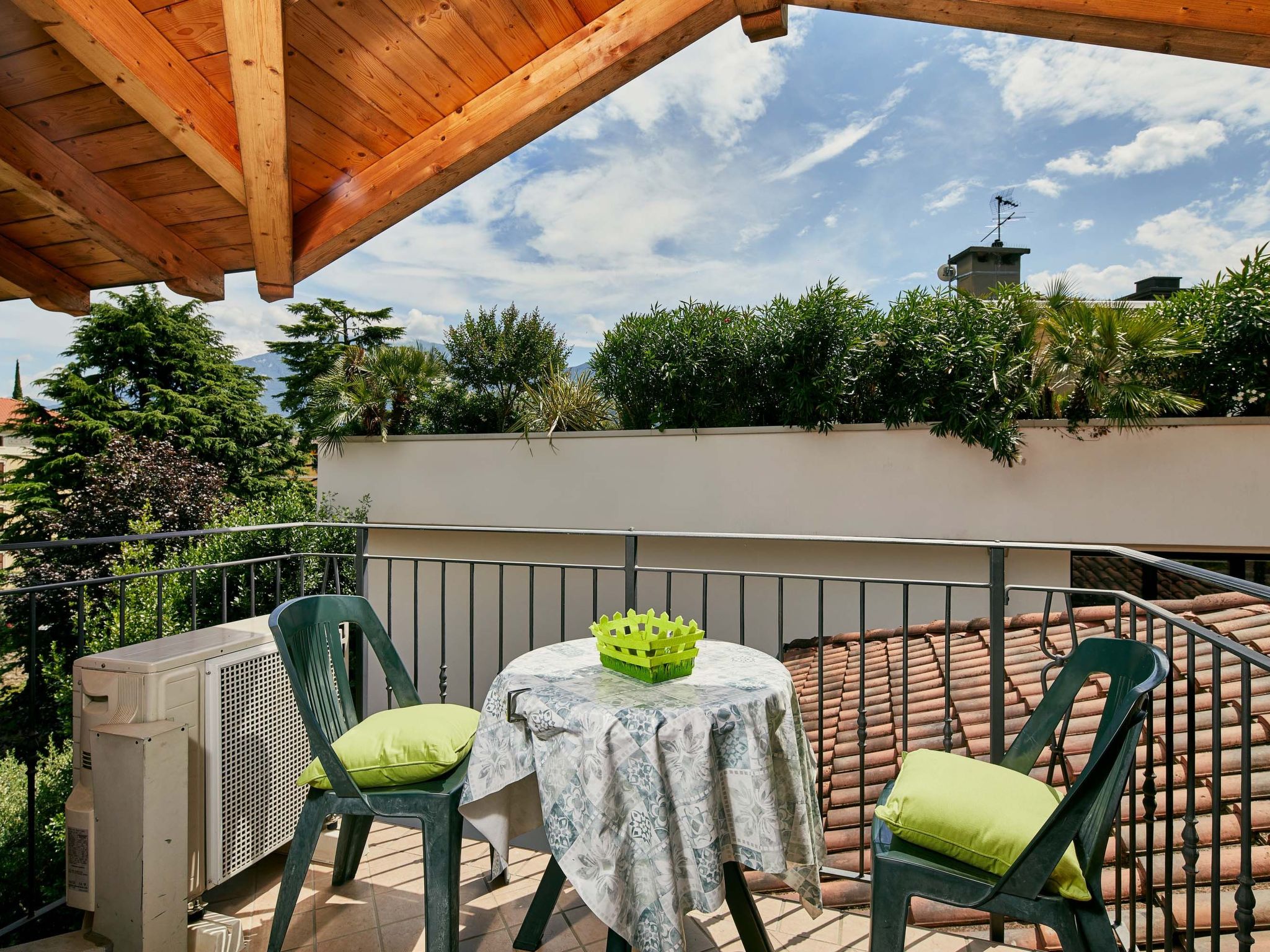
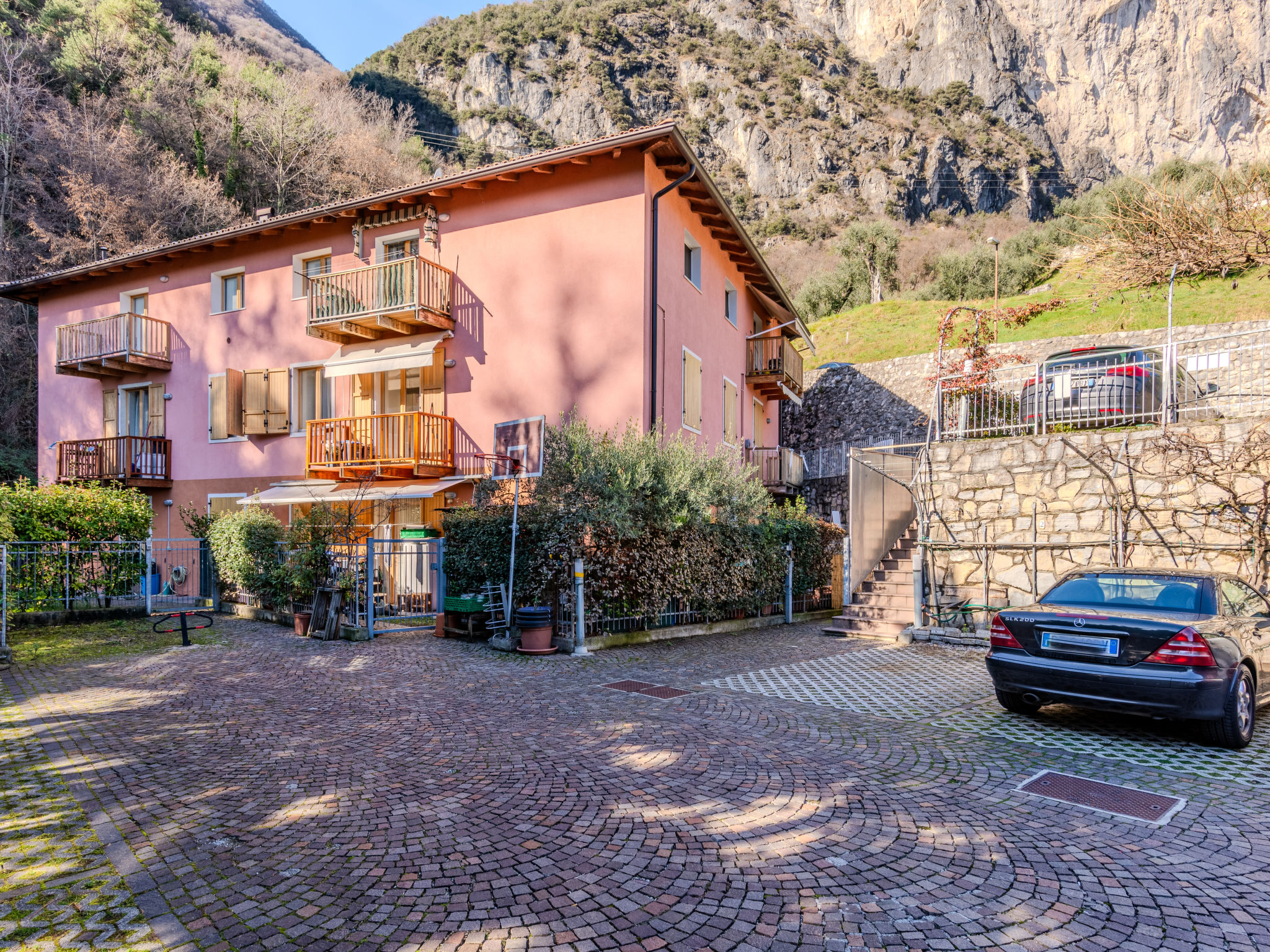
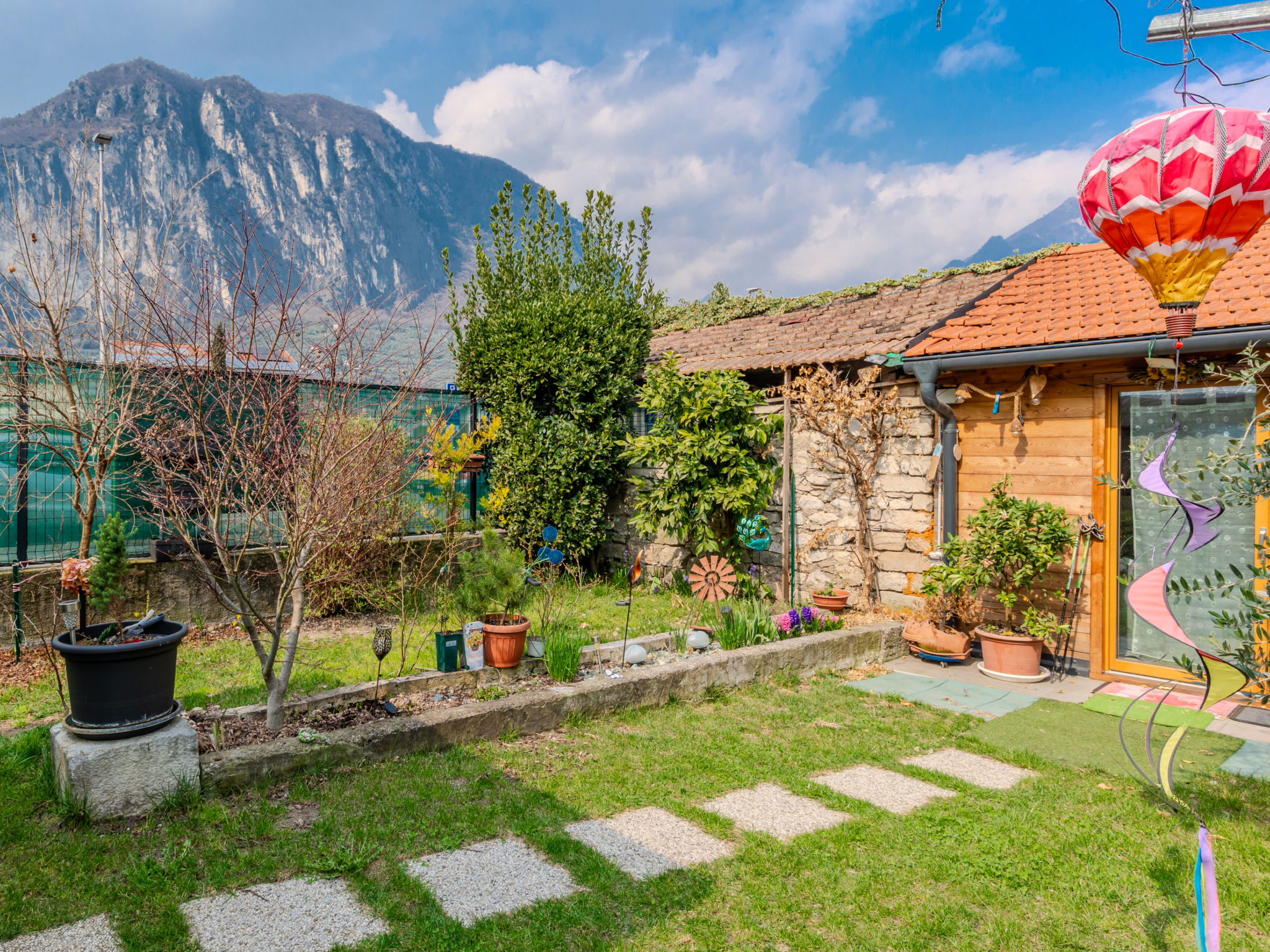
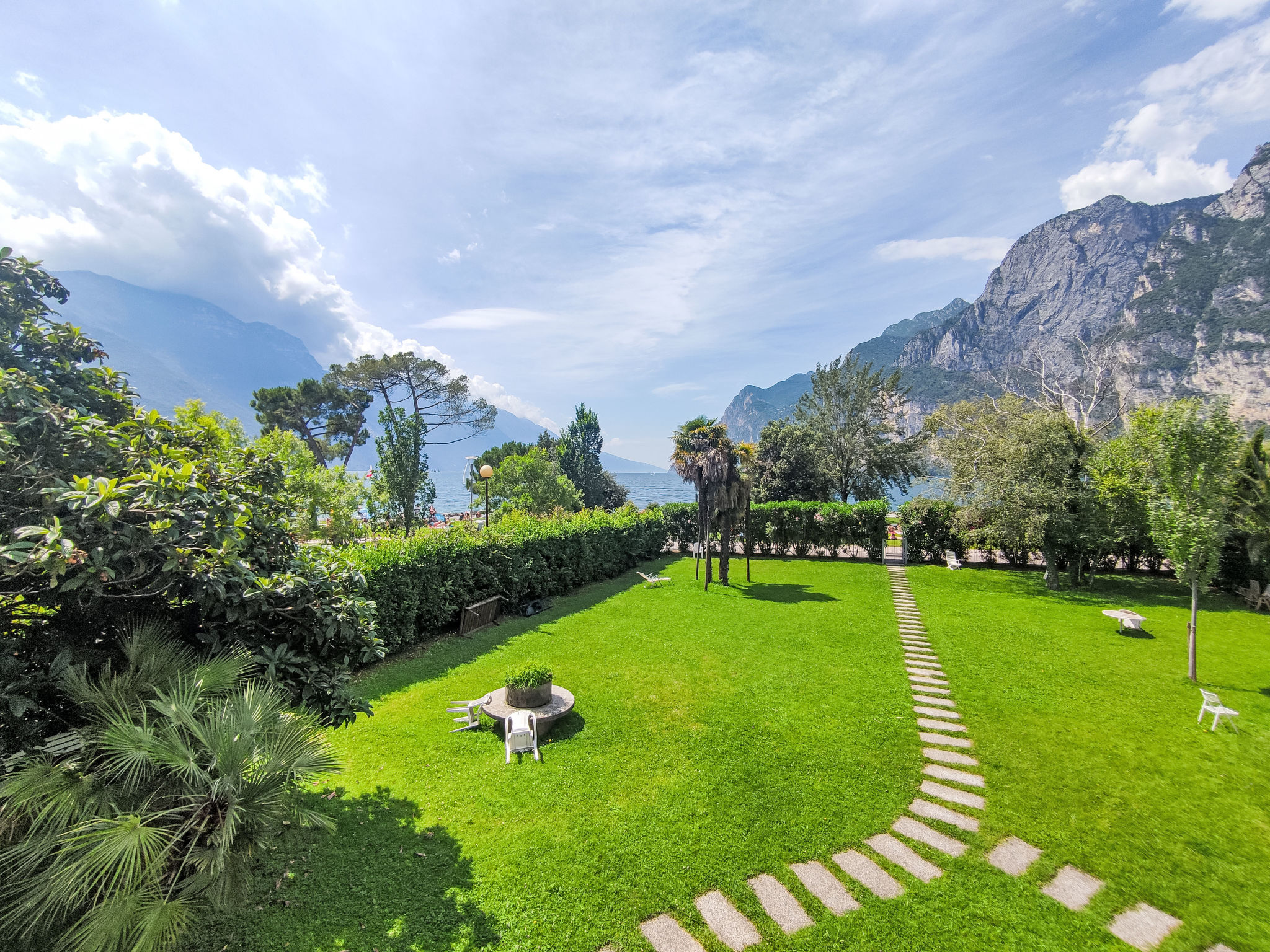
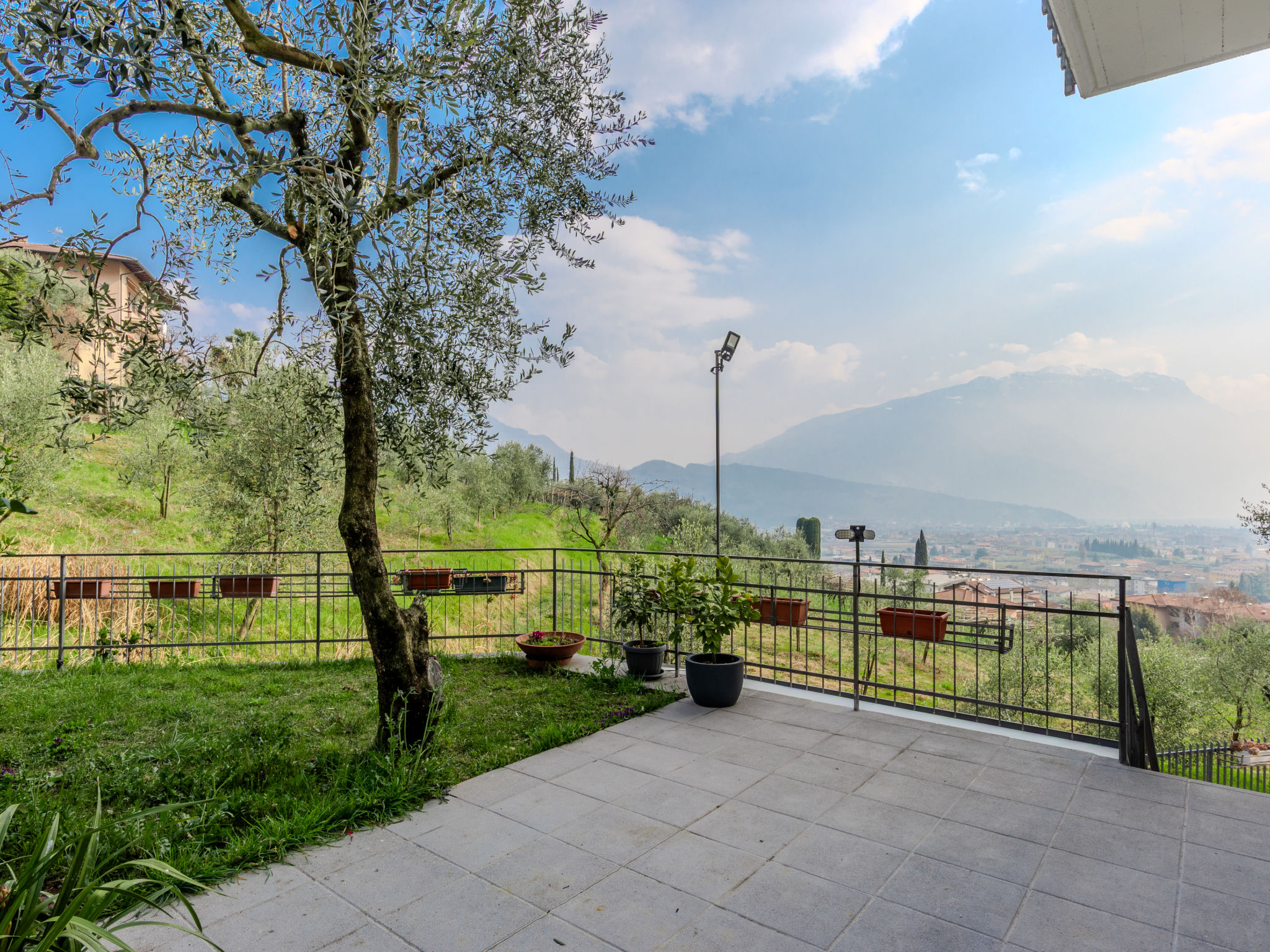
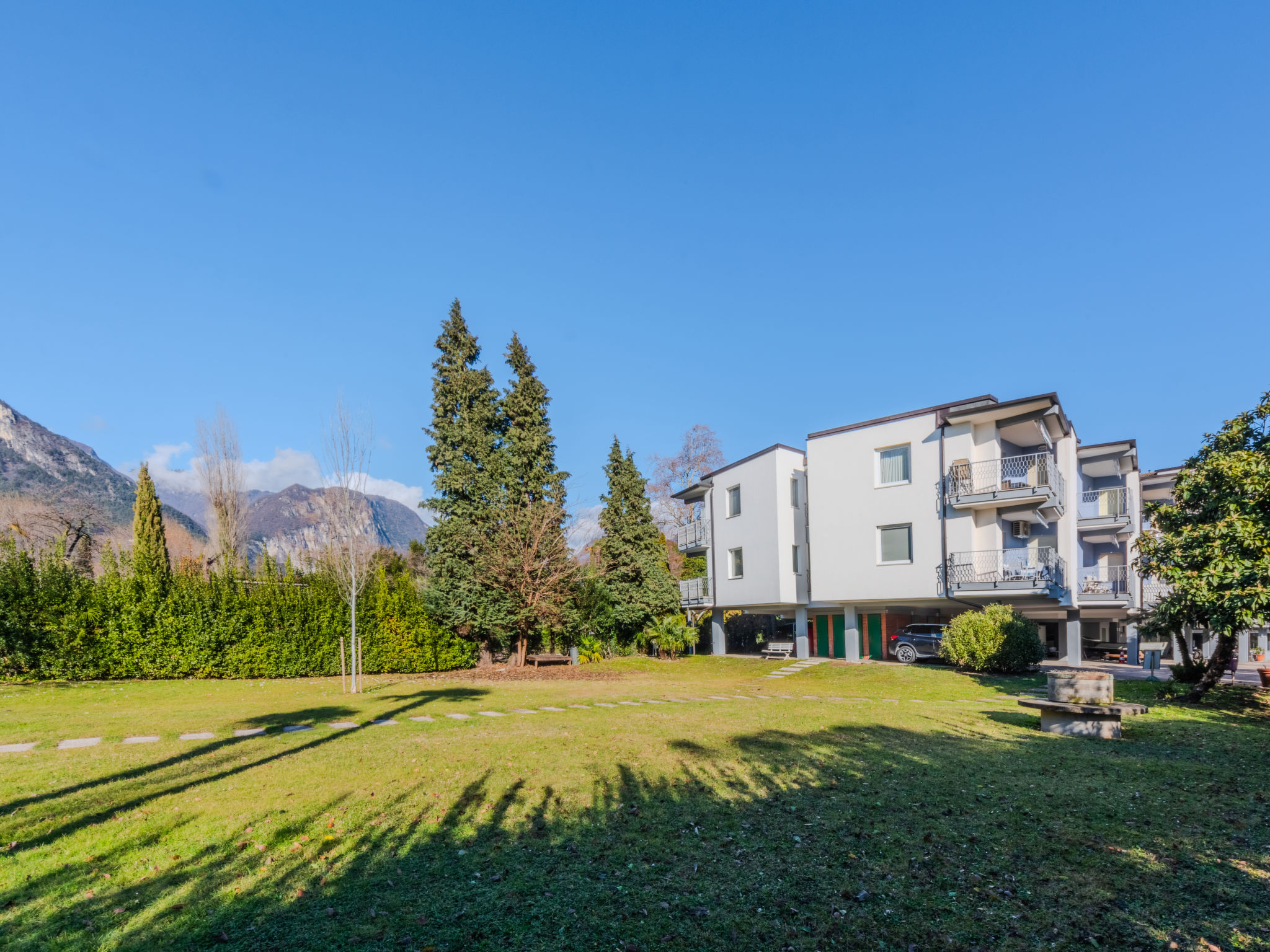
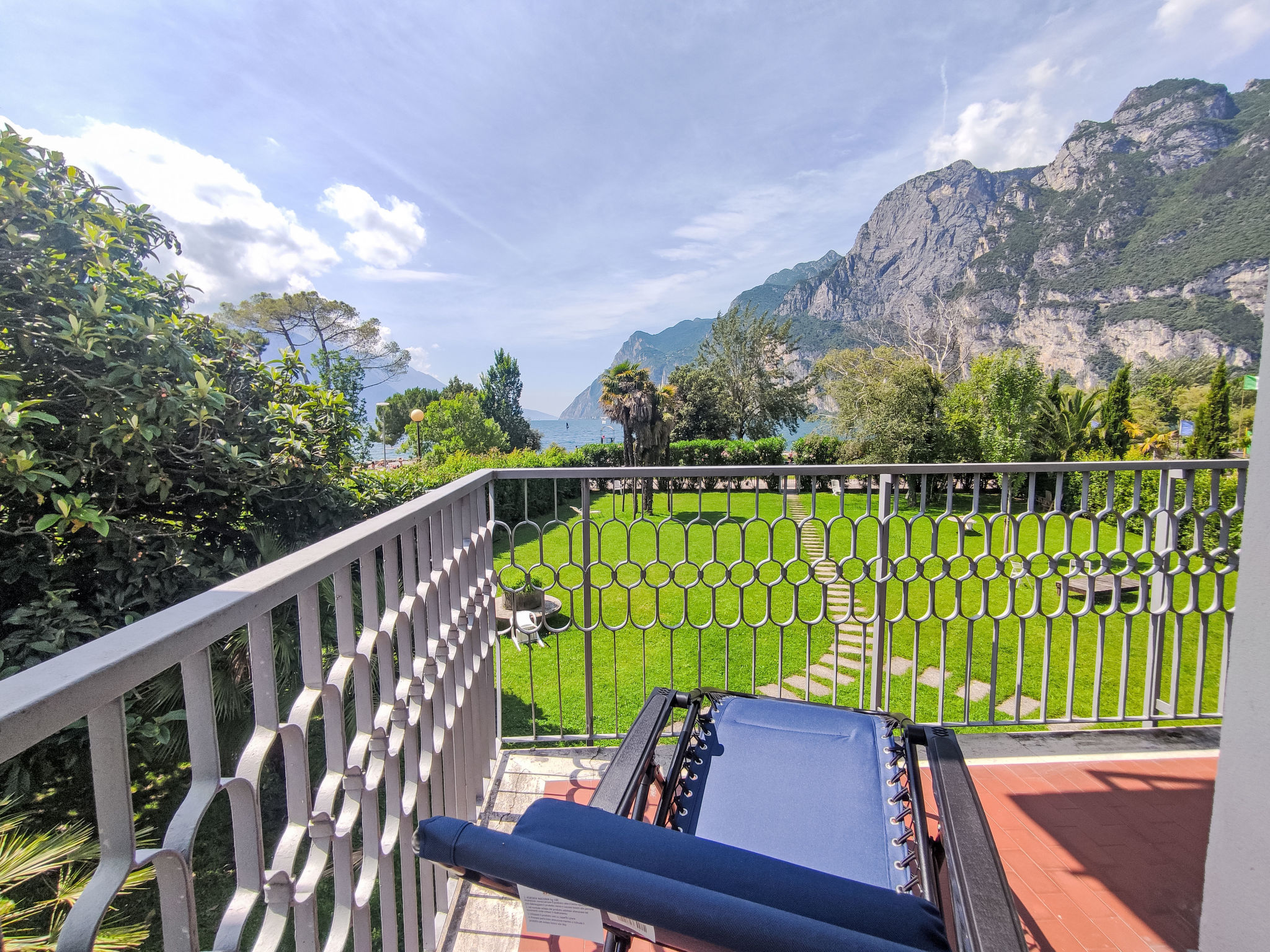
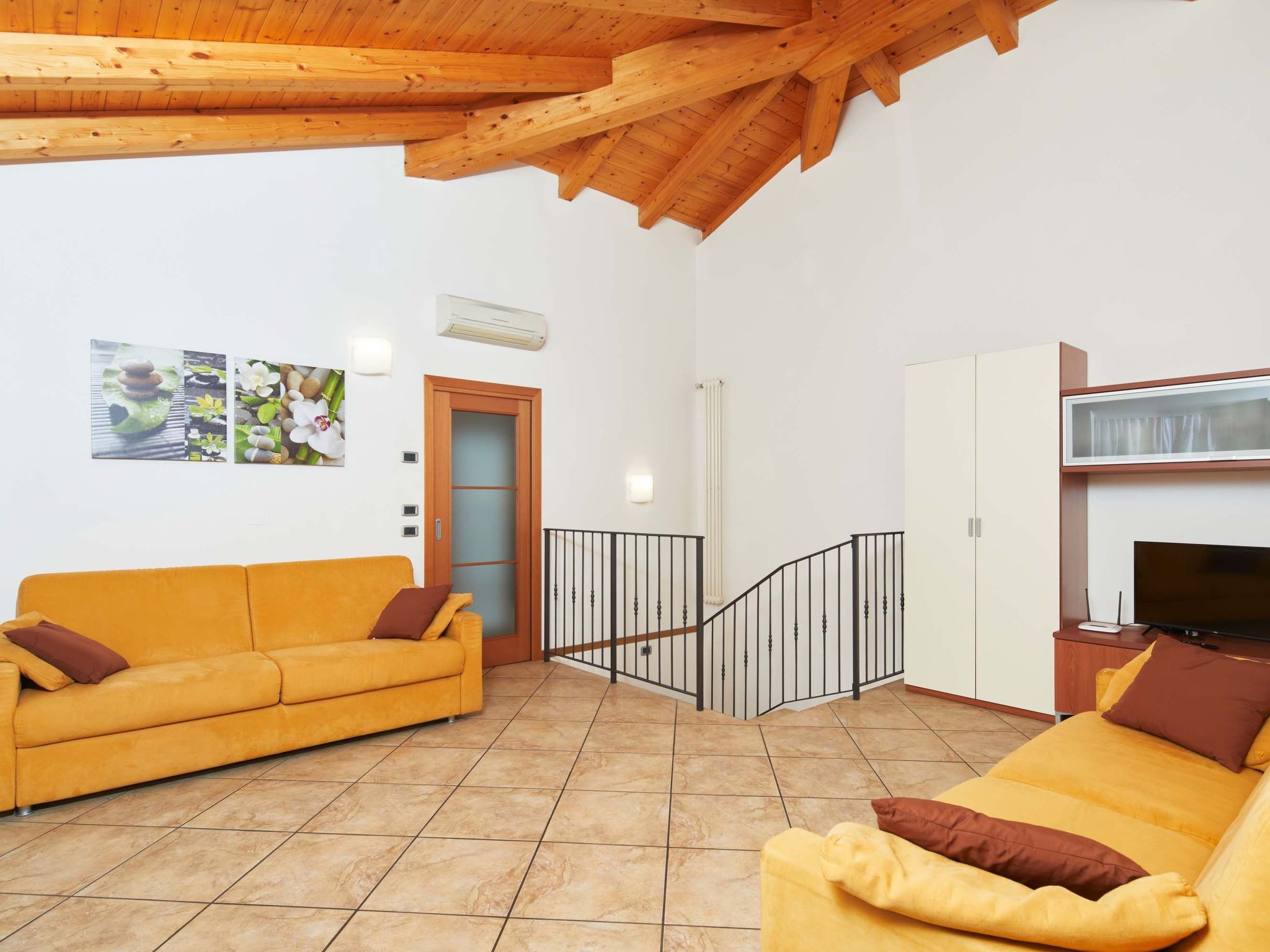
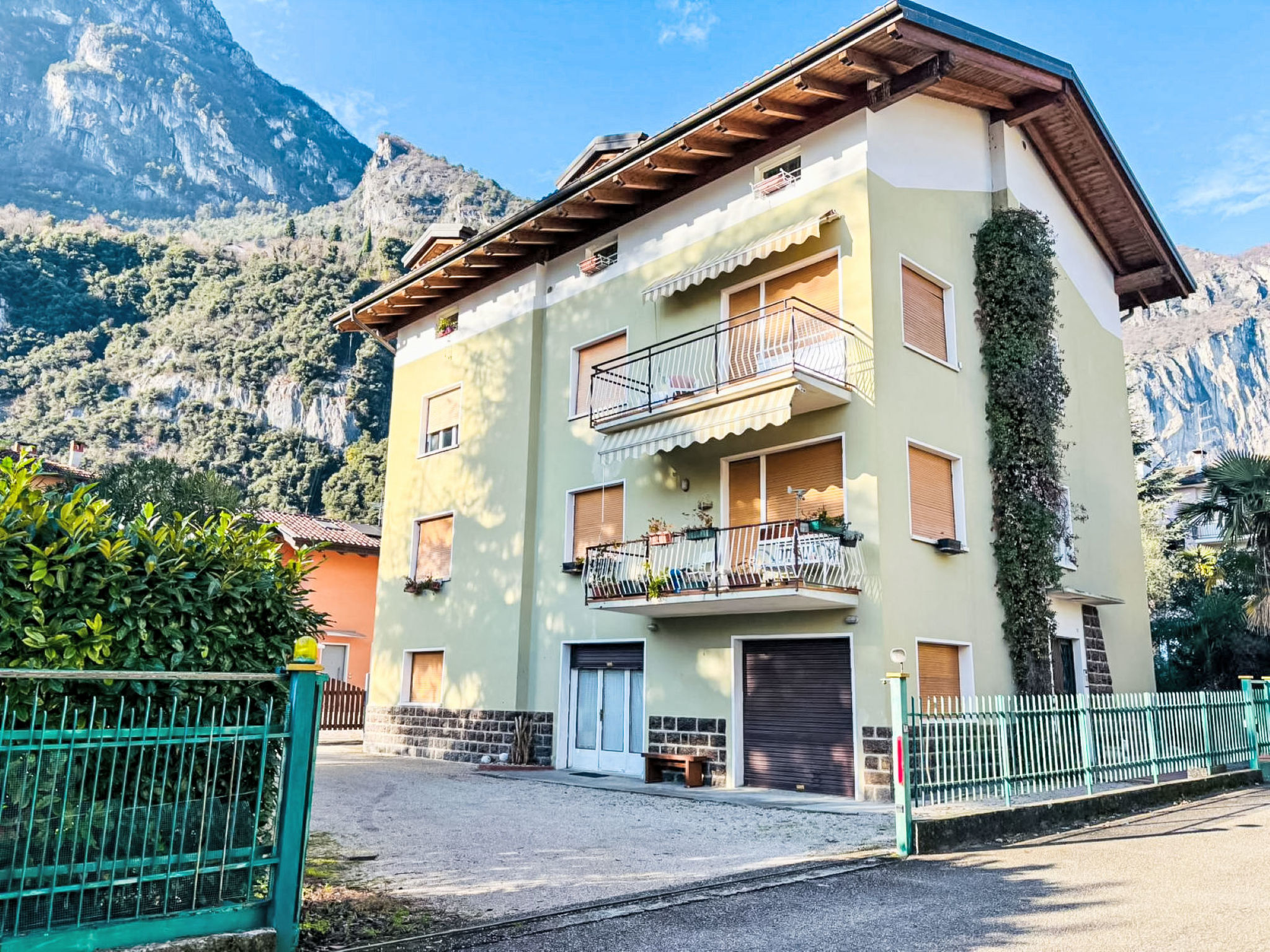
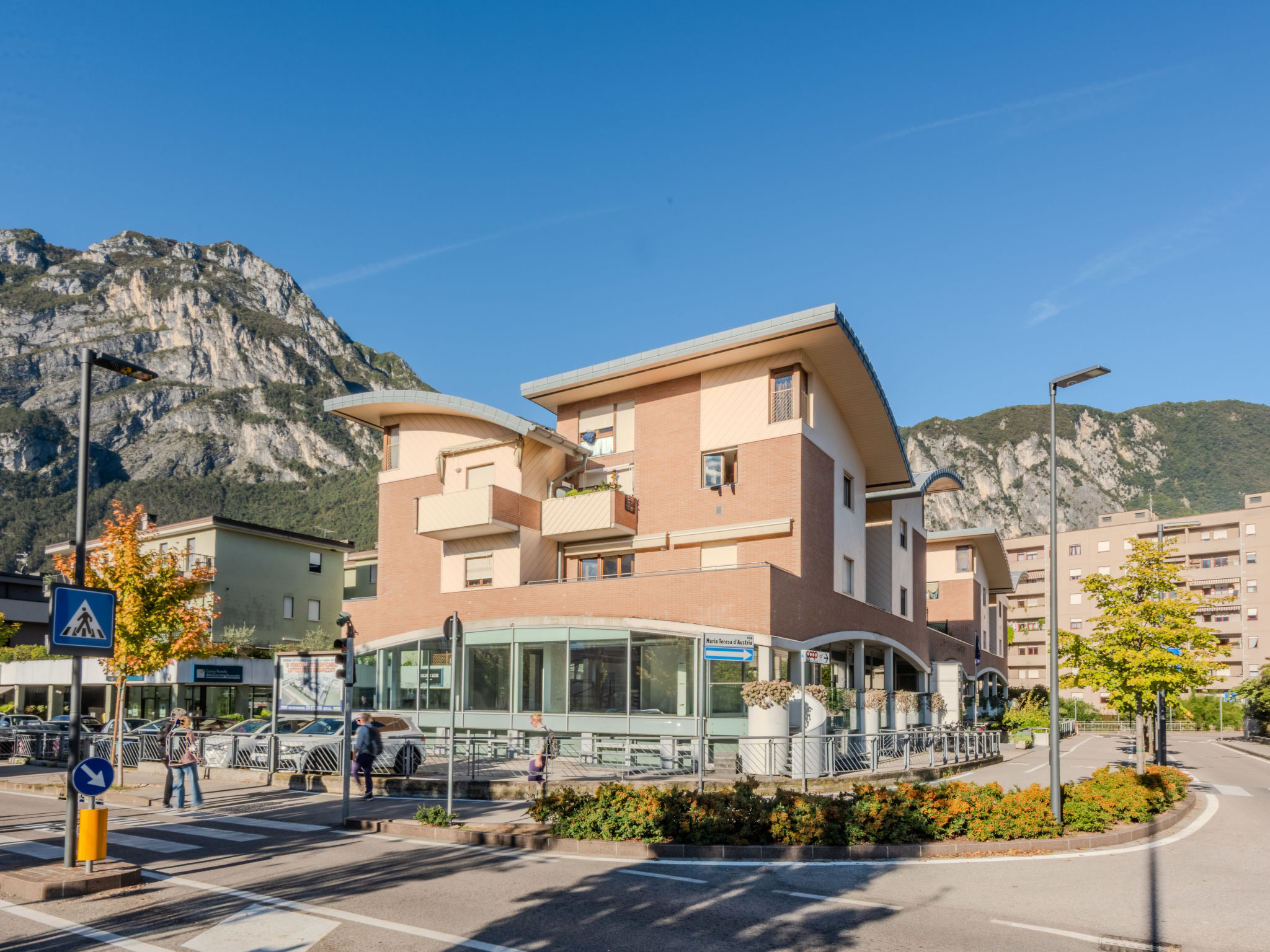
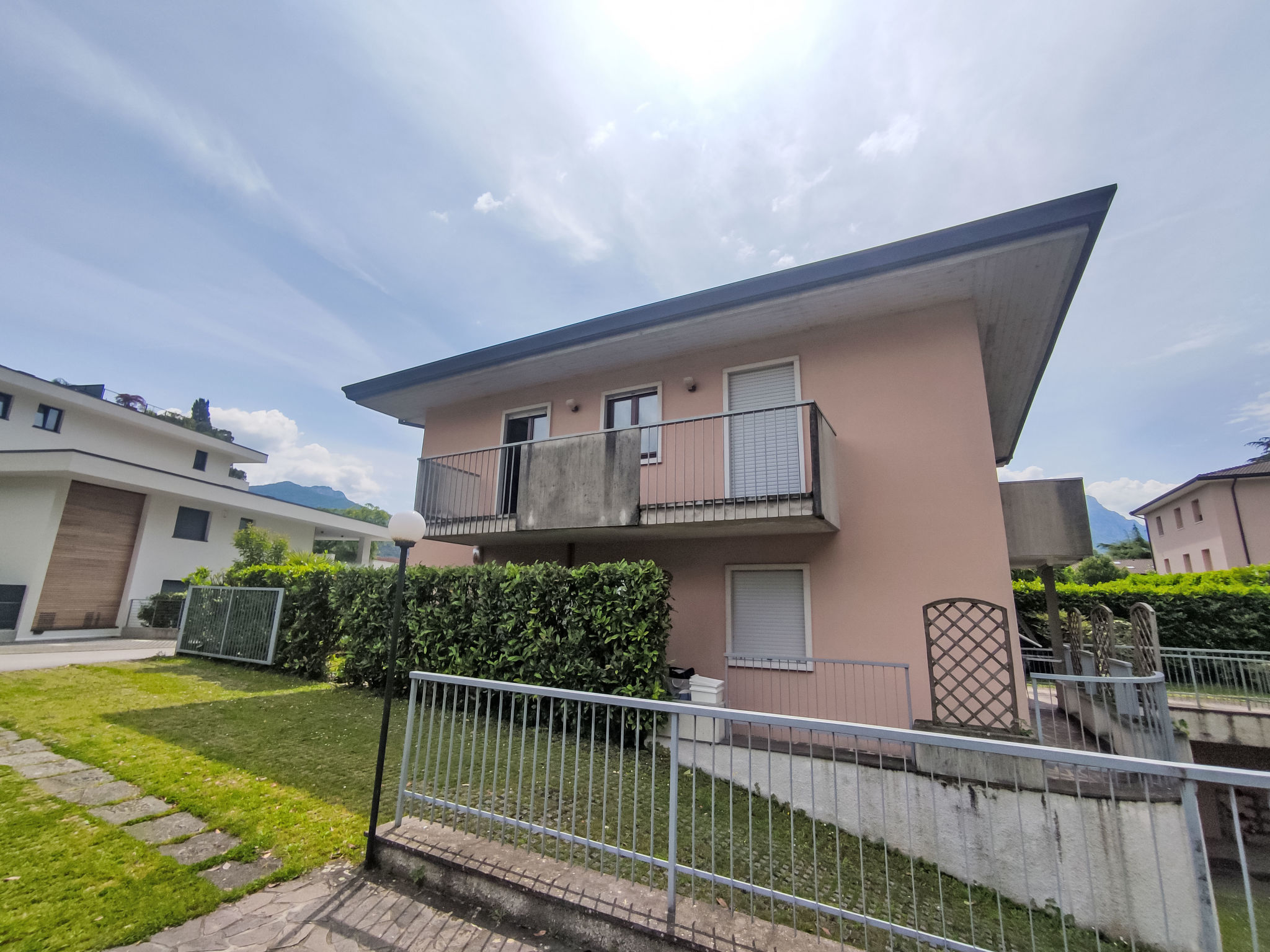
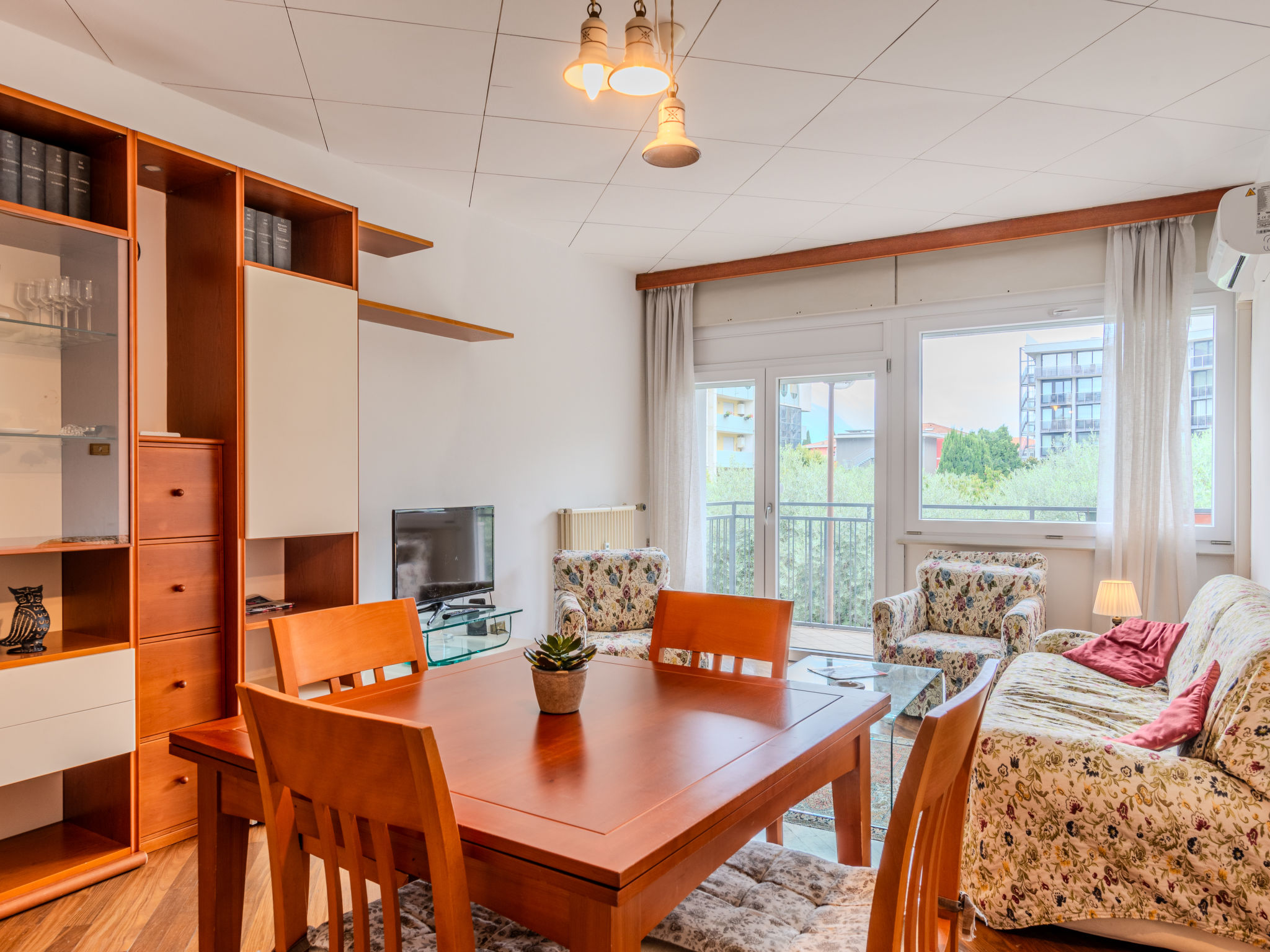
Riva del Garda sits at the northern point where Lake Garda transforms from mountain-walled lake into something resembling an Alpine fjord. The town is broader and flatter than its southern neighbours, with a promenade that actually lets you walk without climbing stairs, and the water here turns different colours. Greyish-green under cloud, emerald on clear days. We stay in Riva when we want space, wind sports, and a sense that the lake is still wild, not domesticated by tourism.
Why Stay in Riva del Garda
- Watersports capital of Lake Garda. Windsurfing and kitesurfing schools cluster around the central beach. Afternoon winds are reliable, especially April through October. Equipment rental, lessons, and a community of serious sailors make this different from leisure-beach towns. Summer air temperatures stay comfortable even during intense sun.
- Flatter, more walkable than southern towns. You get a proper promenade, cafes, restaurants, and shops without constant uphills. The town is genuinely relaxed—less tour-group intensity than Sirmione, fewer wine-focused crowds than Bardolino.
- Gateway to the Alps and Trentino hinterland. Riva is 15 minutes from serious mountain passes, hiking trails, and smaller Alpine villages. Day trips to Trento or mountain valleys are straightforward. This makes it a hybrid destination—lake for beach days, mountains for hiking.
- Honest note: wind can be relentless. The Pelèr and Ora winds that make watersports ideal also make beach lounging uncomfortable in spring and autumn. If you hate wind and waves, pick southern towns instead. Summer crowds are still significant despite the northern location.
Things to Do in Riva del Garda
Windsurfing and kitesurfing dominate if you're interested in water sports. Gardasurf and other schools on the main beach offer lessons (€60–100 for 2 hours) and rent equipment. Conditions are best afternoons when the Ora wind kicks in. Even if you don't participate, watching the boards and kites is entertaining. Beginners are common and thoroughly welcome.
Head up to Torbole, a smaller village 5km north, for a slightly quieter base while keeping beach access. The drive takes 10 minutes. Torbole has its own windsurfing tradition and feels less built-up. You can walk between them along the northern waterfront path in 90 minutes if you're adventurous.
Drive inland to explore Val di Ledro, a narrow Alpine valley about 15km south, where the landscape changes abruptly from lake-side resorts to traditional mountain hamlets. A small lake sits at the valley floor, and hiking trails vary from easy walks to serious Alpine routes. The drive is steep and winding but rewarding. Villages here feel like they've stepped back 40 years in time.
The Grazioli Archaeological Museum in Riva itself is modest but interesting. Bronze Age artifacts, medieval pottery, and scale models of settlement patterns through history occupy a converted palazzo. Entry costs roughly €5. It's not a headline attraction, but rainy afternoon material worth knowing about.
Walk the waterfront promenade south towards Arco (a 10km path that's mostly flat and opens views back across the water towards Malcesine). The walk takes two hours each way, or you can drive partway and walk sections. Arco itself is a small town with Renaissance charm and lemon-growing heritage, though most activity clusters near Riva.
If you're into climbing, Arco climbing community is world-known. Outdoor sport climbing routes, a climbing gym, and a climbing festival in autumn make this a destination for rock climbers. Even if you don't climb, the vertical landscape is visually dramatic.