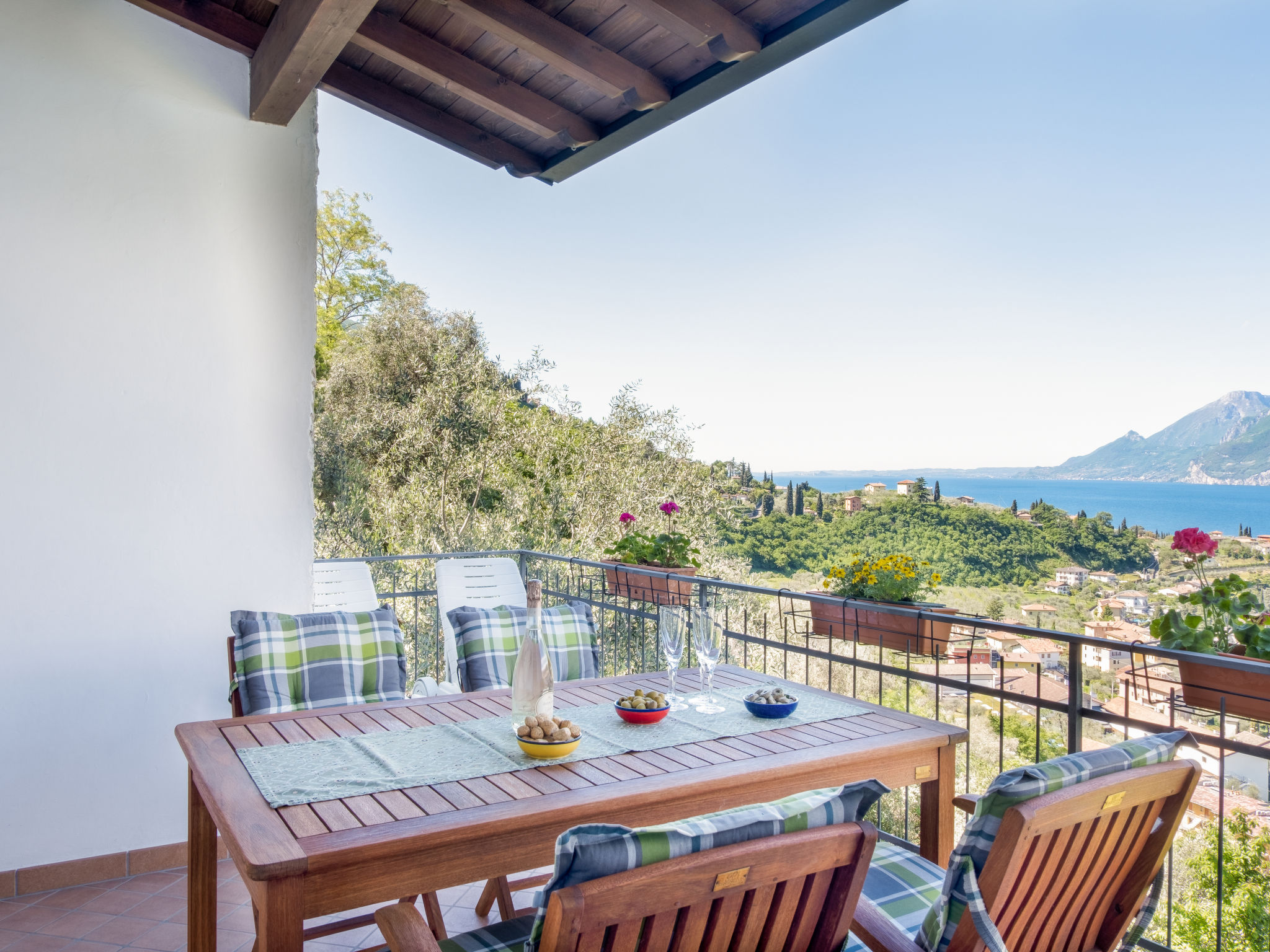
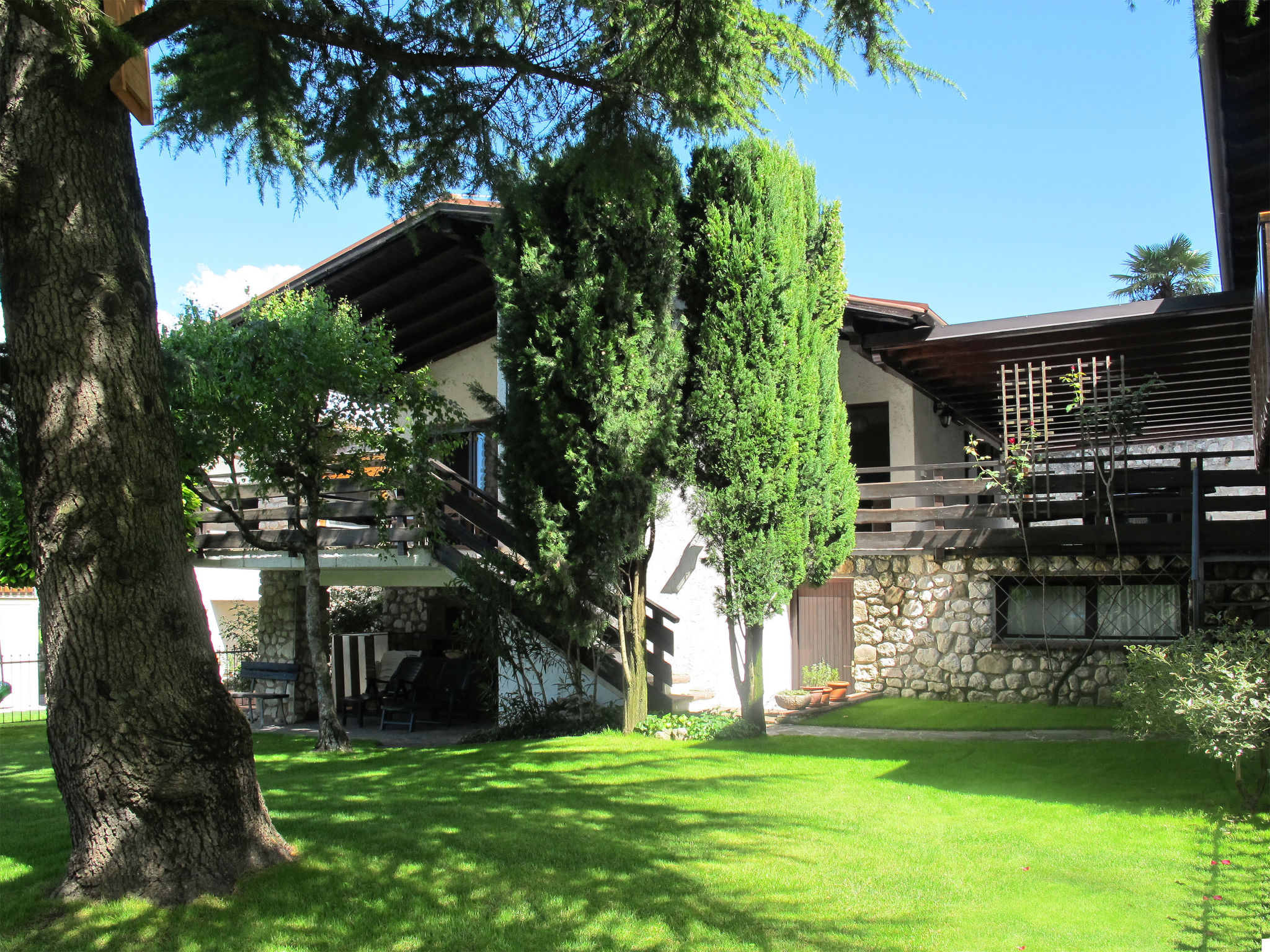
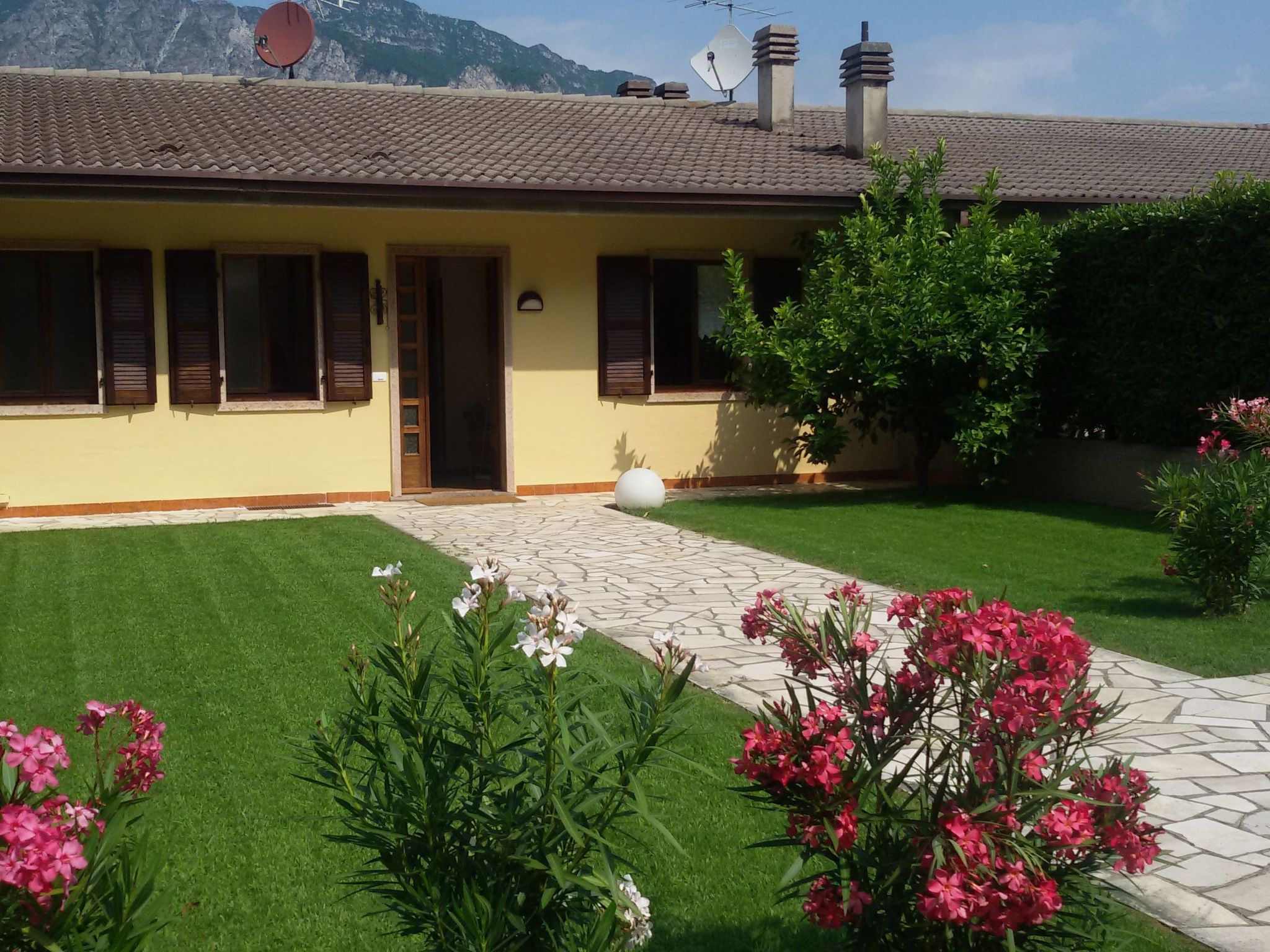
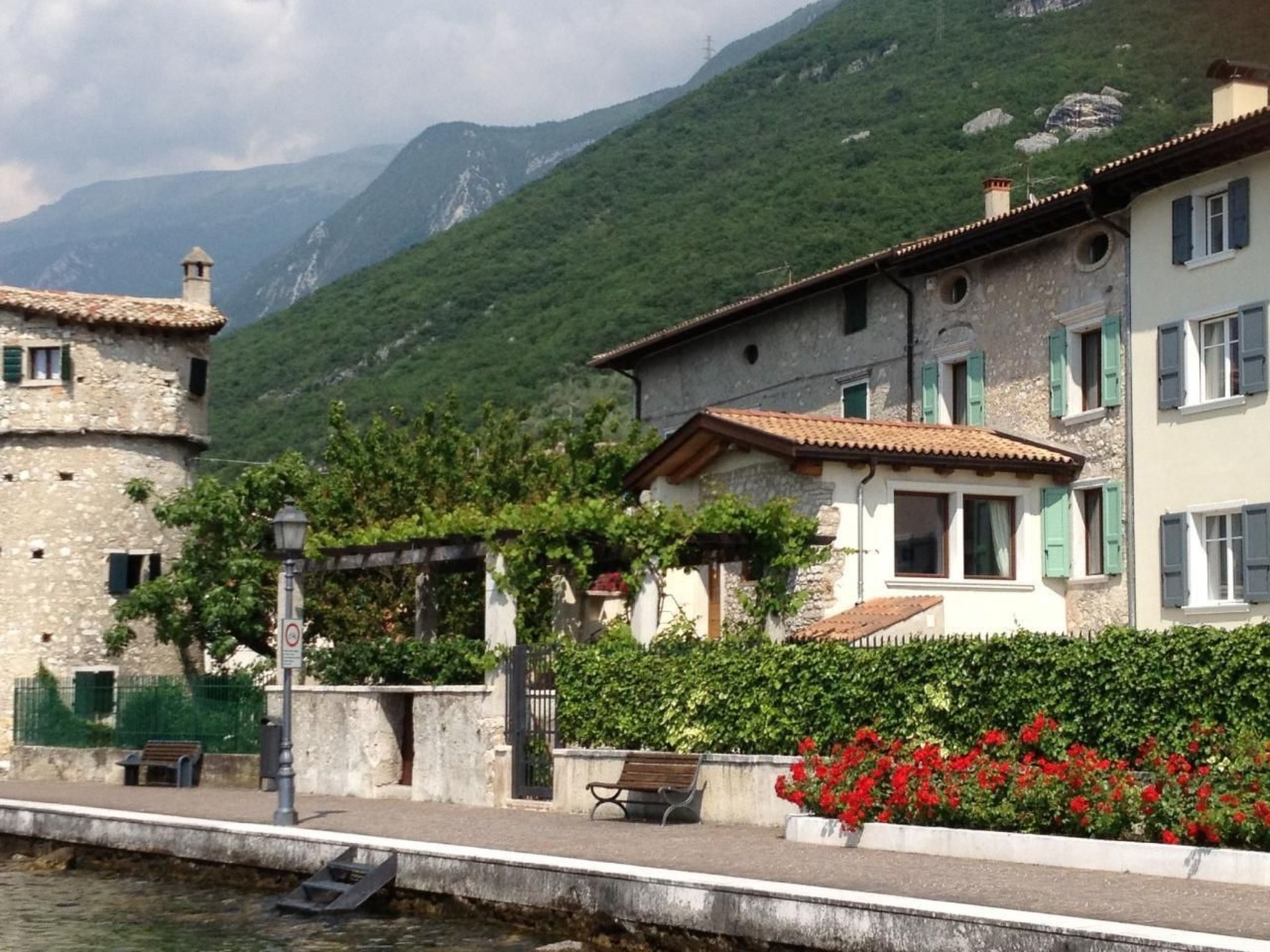
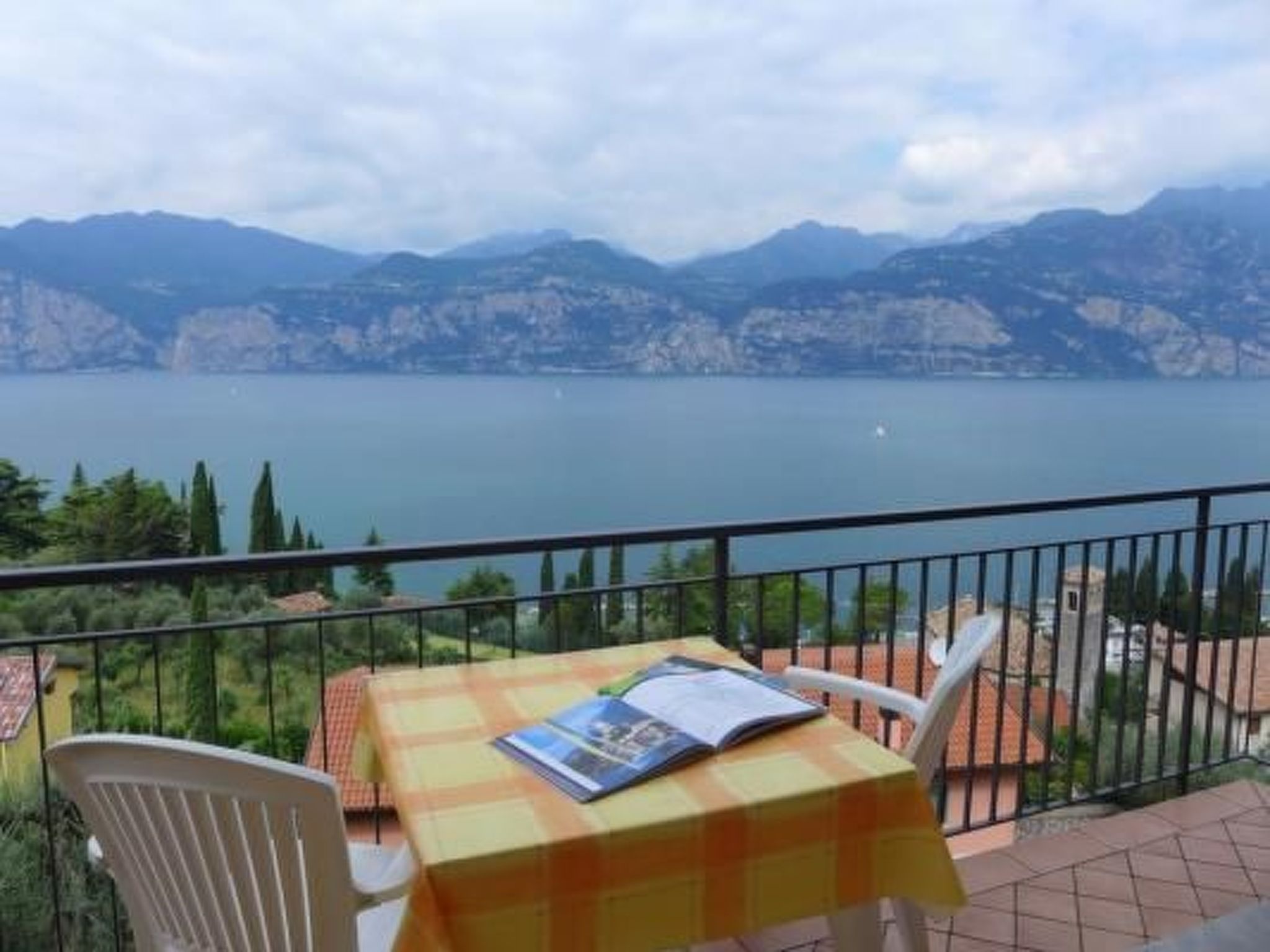
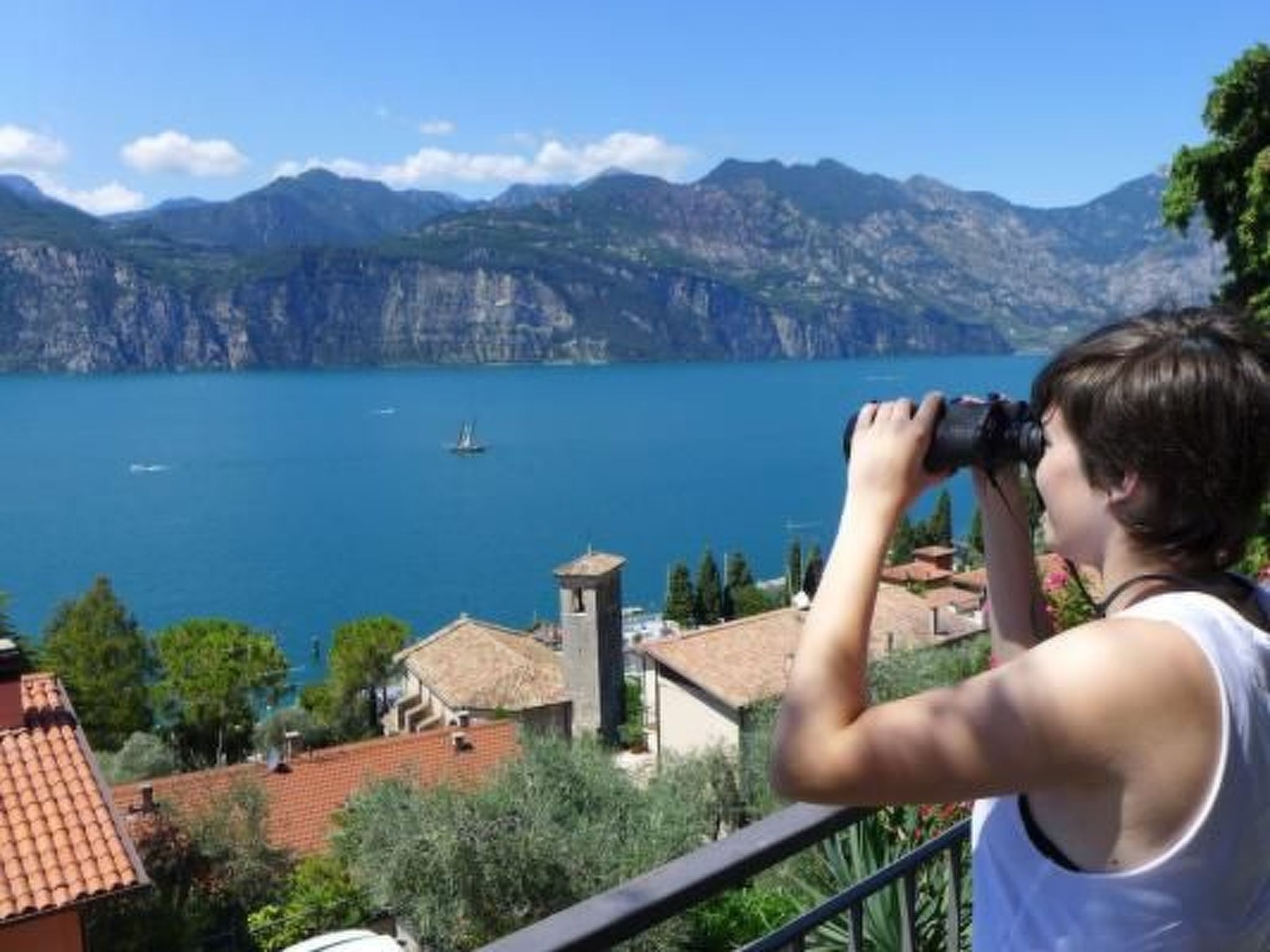
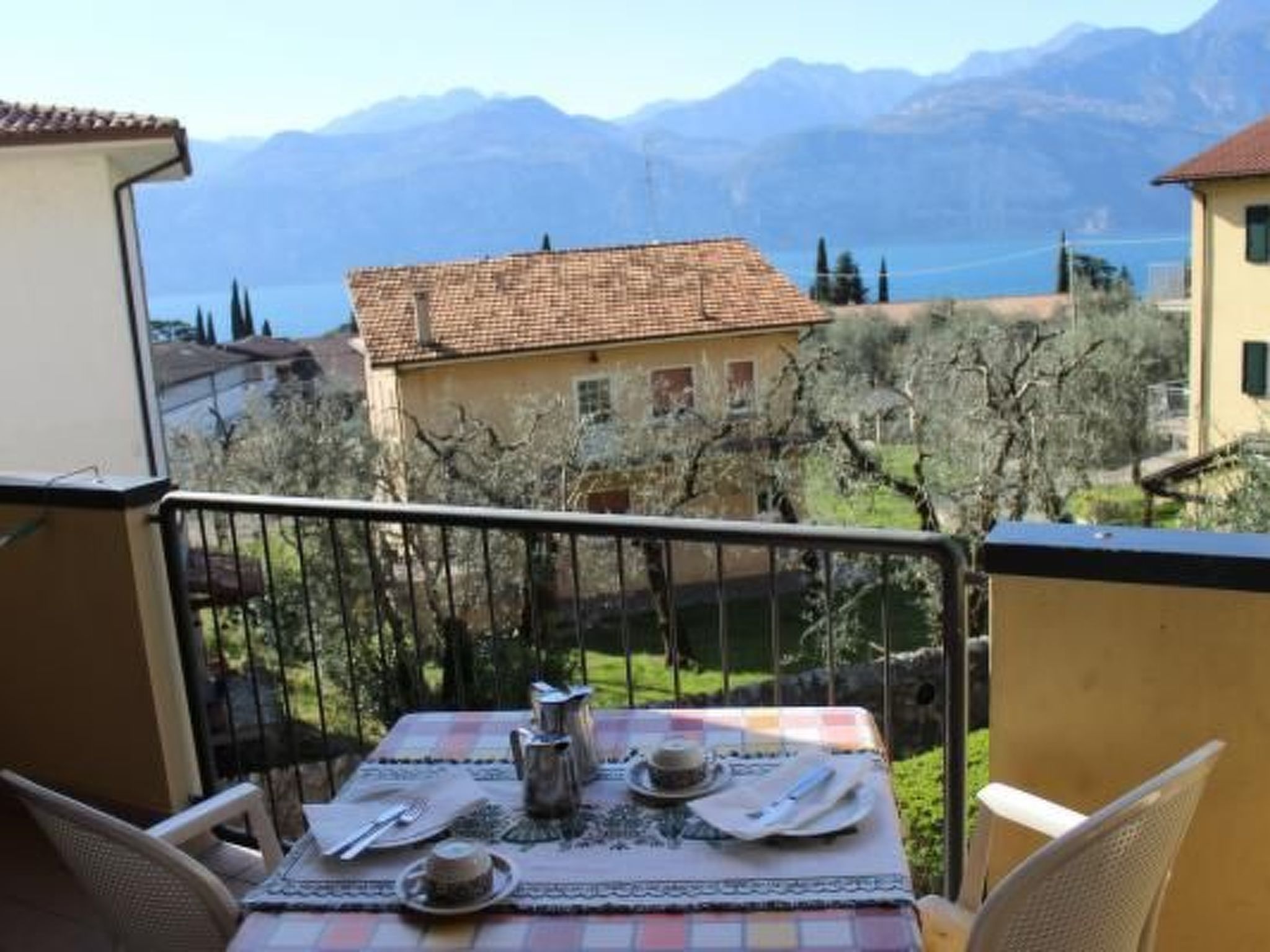
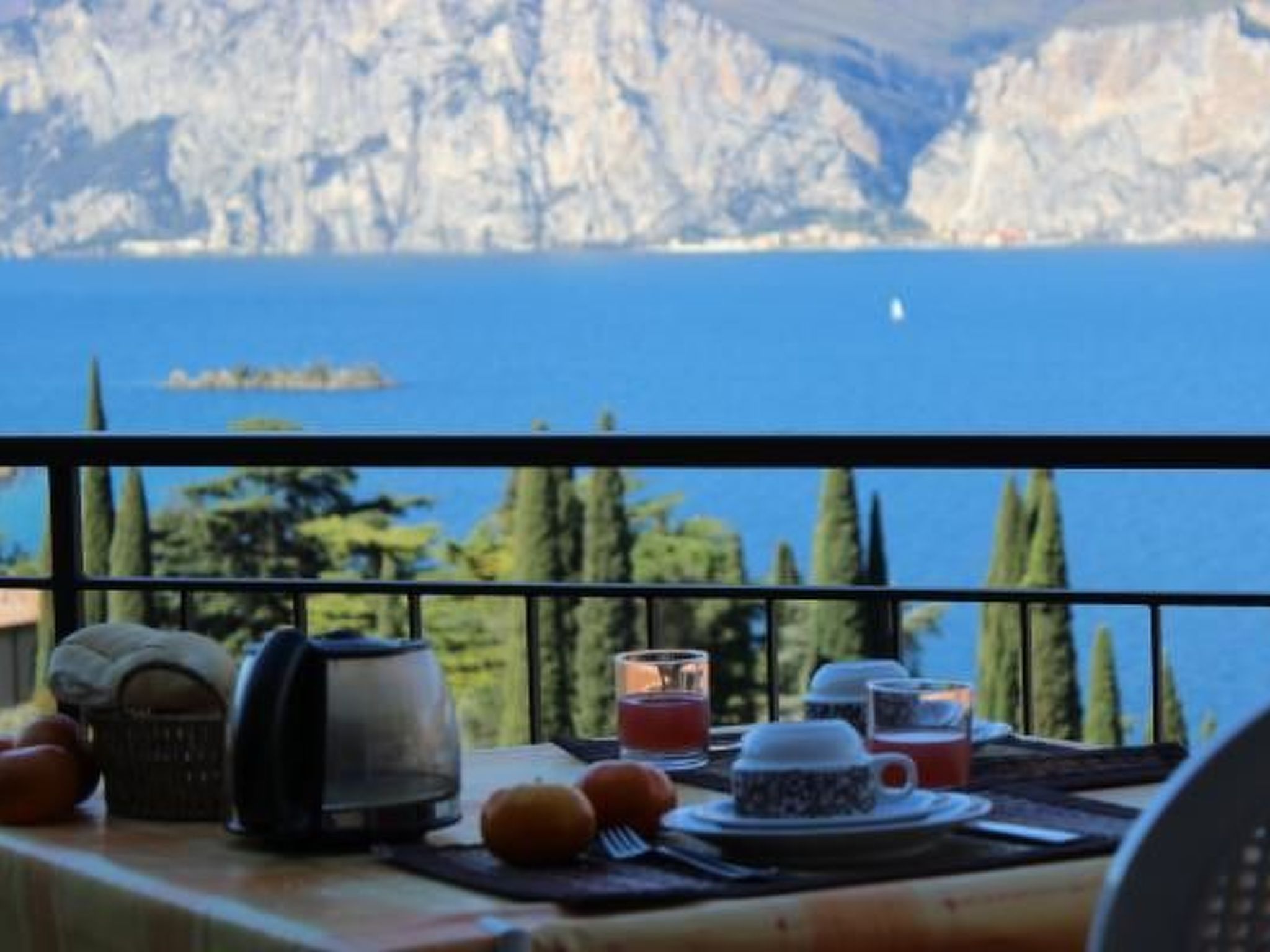
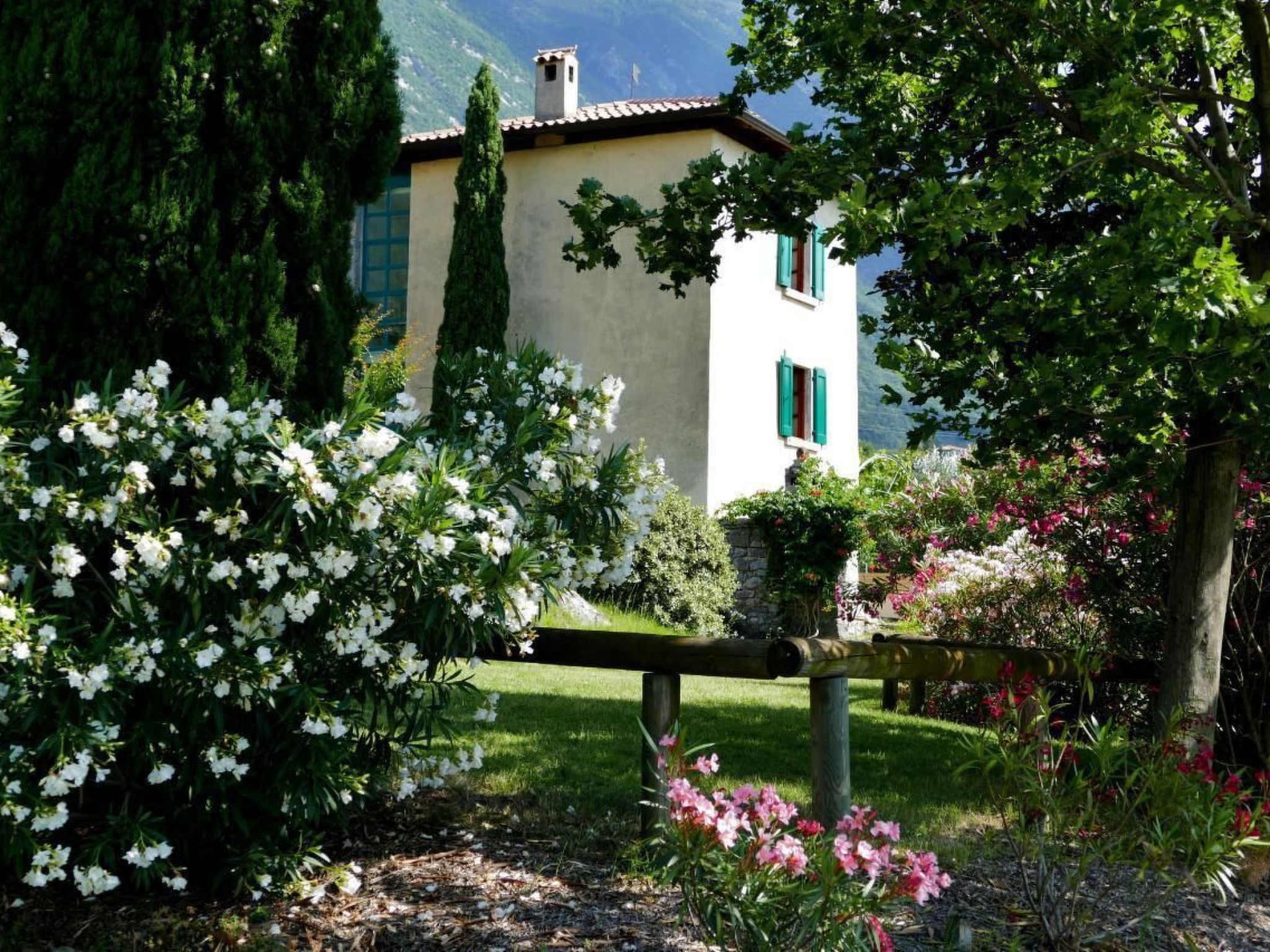
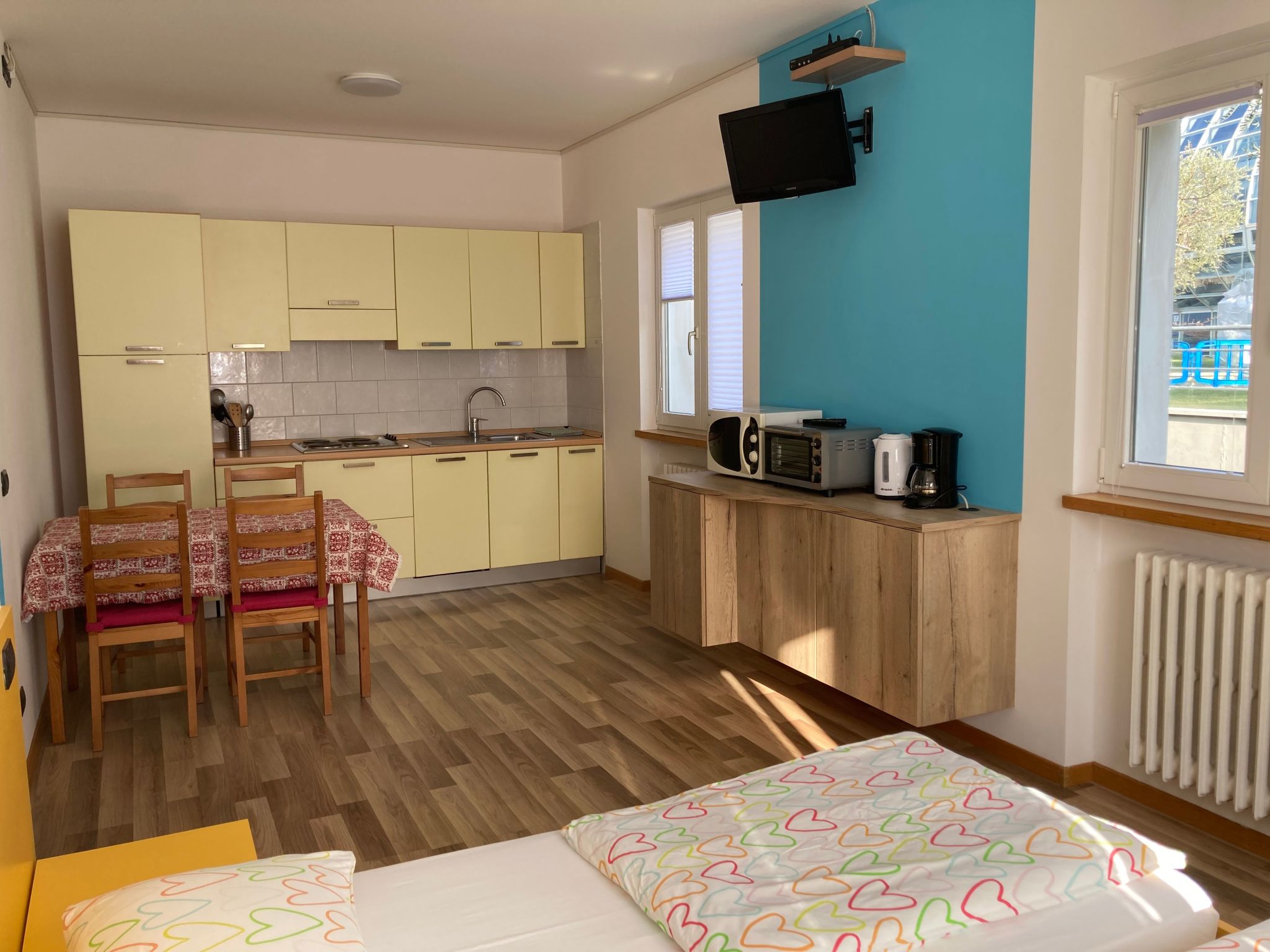
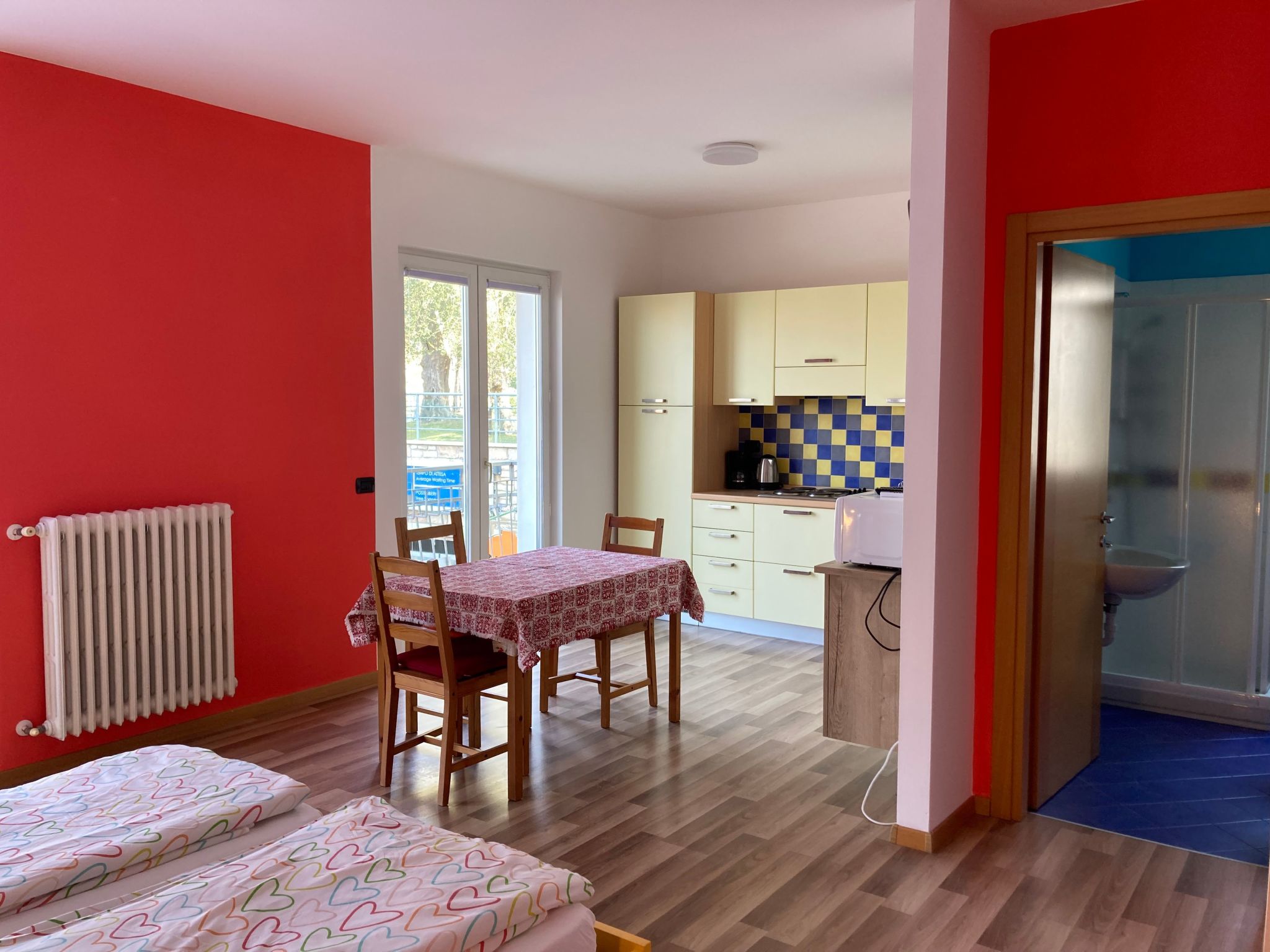
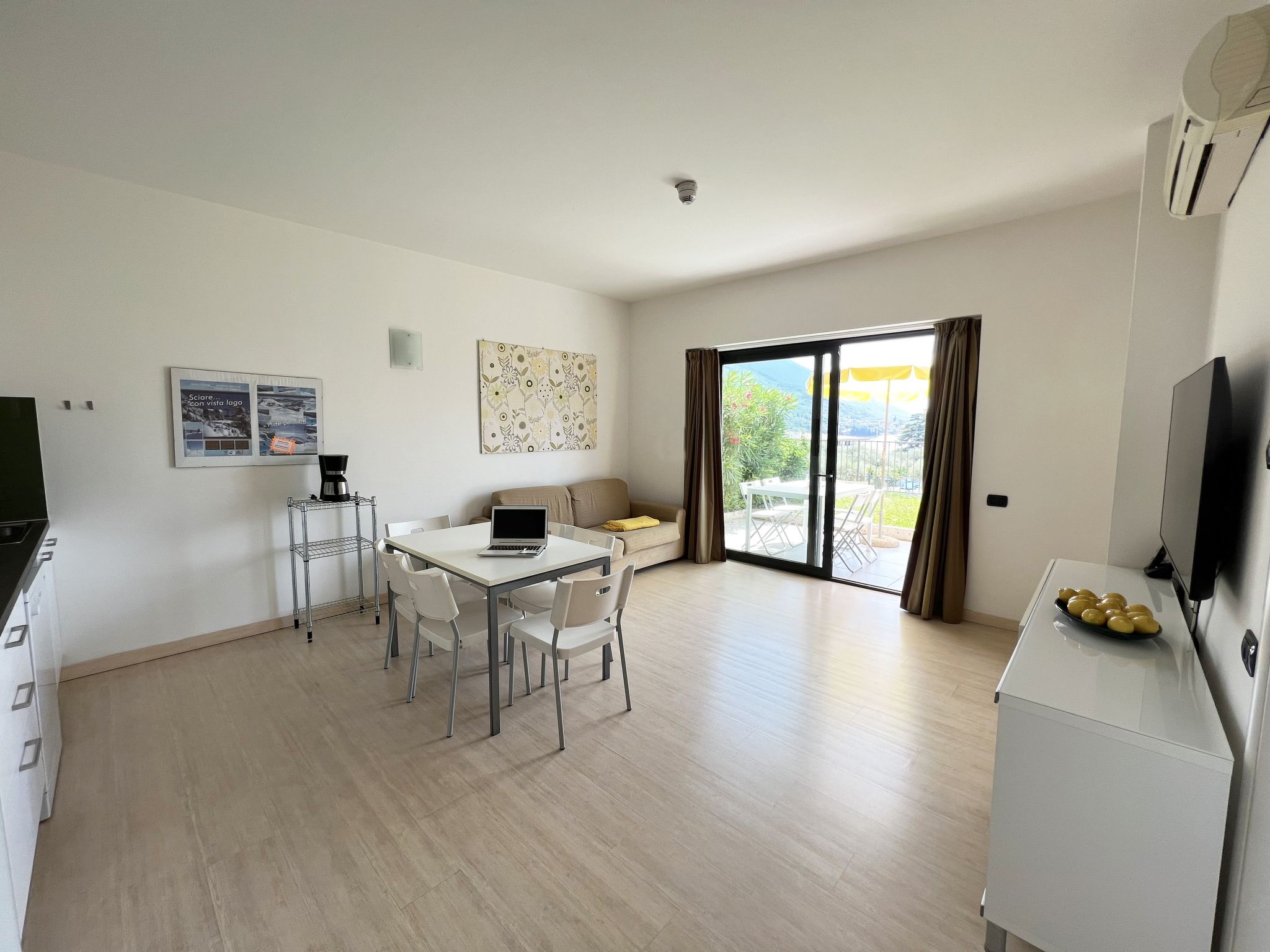
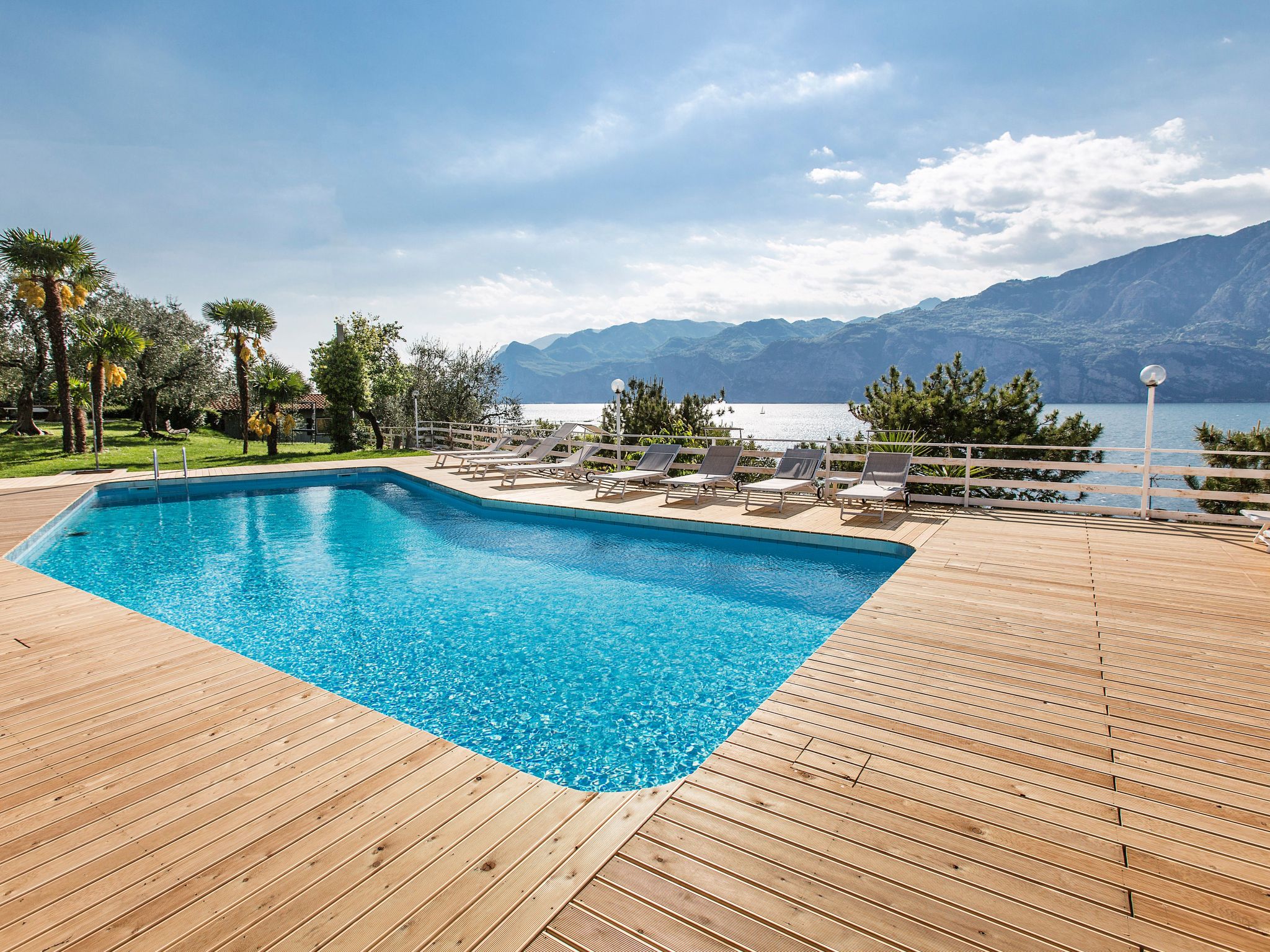
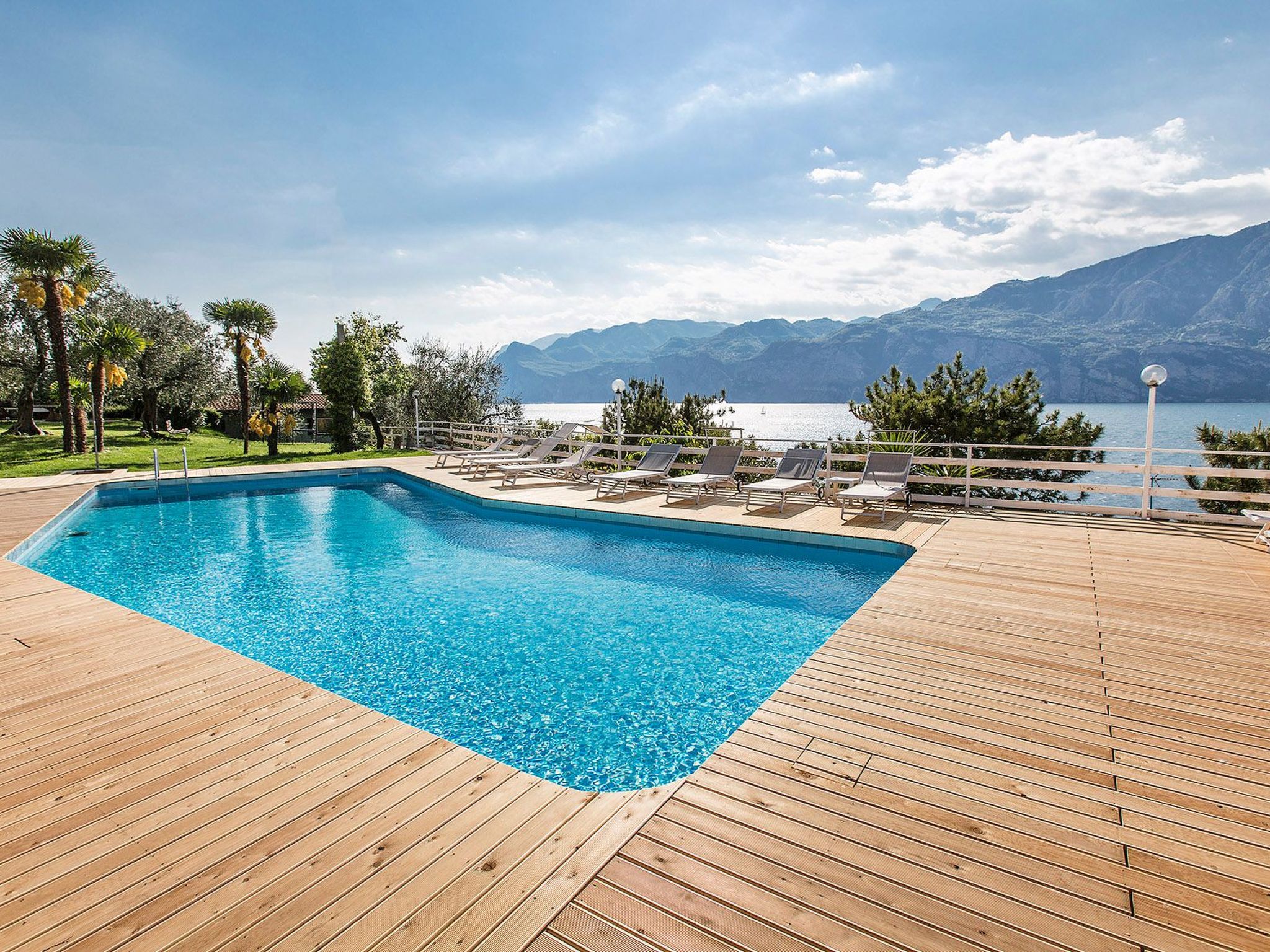
Malcesine sits on Lake Garda's steep eastern shore, where mountains plunge directly towards water and the town clings to the slope like it's been there for centuries—because it has. A 14th-century Venetian castle dominates the skyline, narrow streets climb steeply from the waterfront, and the whole place feels more dramatic than the southern lake towns. We come to Malcesine when we want landscape and a working harbour atmosphere, not just tourist-focused restaurants and souvenir shops.
Why Stay in Malcesine
- Dramatic mountain backdrop and genuine working town. Unlike Sirmione's peninsula peninsula isolation or Bardolino's wine-route focus, Malcesine is where fishermen still moor boats, local families run trattorie, and you feel less like a tourist and more like someone who's actually come to stay. The castle offers views across the lake that justify the steep walk up.
- Gateway to Mount Baldo's trails and watersports. A cable car rises 1,600 metres in under 15 minutes (€18–25 return), opening access to mountain biking, hiking, and paragliding. The lake below becomes a toy when you're standing at the top. Summer conditions mean daily departures, though afternoon winds can cause closures.
- Less crowded than southern shore towns. Malcesine sees fewer tour groups, partly because it's 50km from Verona airport and partly because the steep terrain deters day-trippers. This makes it genuinely quieter, especially outside summer holidays.
- Caveat: the terrain is physically challenging. Steep streets mean carrying shopping uphill, and if you're parked away from the centre, you'll do a lot of climbing. Restaurants are solid, but there's less choice than in larger towns. In winter, the northern shore gets less sunshine due to mountain shadow.
Things to Do in Malcesine
The cable car to Monte Baldo is the obvious draw. From the top station, three distinct worlds open up: hiking trails through alpine meadows (1–3 hours each way to various peaks), mountain biking routes that descend back to Malcesine in 40 minutes, and on clear days, views towards the Alps. Entry costs €18–25 depending on season and direction. The ride itself is remarkable—you watch the lake recede as you climb through vegetation zones from Mediterranean to alpine in minutes.
The Castello Scaligero can be climbed on foot in about 15 minutes from the centre, or you can drive partway. Entry is around €5. The views alone make it worthwhile, and the castle museum inside is modest but gives context to Malcesine's Venetian period. On weekends, crowds gather here, but weekday mornings are quiet.
Explore the old harbour and fishermen's waterfront. This isn't a manicured tourist beach;it's working. Fishing boats tie up here, nets dry on lines, and there's a weathered authenticity that's harder to find on the southern shore. Walk along the dock early in the morning when fishermen are unloading. There's a small public beach just north of the centre, less crowded than southern lake towns, though also less sandy.
Drive 20 minutes north to Riva del Garda, the lake's northern tip, where the shore flattens and the town transitions into a proper resort with broader beaches and windsurfing schools. The contrast is stark,Malcesine feels mountain village in comparison.
Water sports are serious here. Windsurfing and kitesurfing schools operate from the beach, with lessons for beginners (€50–80 for a 2-hour session). Afternoons bring consistent wind, especially April through October. If you're confident in the water, rental equipment is available.
For a quieter afternoon, take a ferry south towards Limone sul Garda (30 minutes) or north towards Riva del Garda (15 minutes). Ferry tickets cost €5–8 one way, and you'll see the coastline from water perspective.cliffs, small villages, isolated houses that only water access reaches.