Cilento feels genuinely southern in ways the Amalfi Coast has largely outsourced to tourism. Paestum's Greek temples stand 2,400 years old without crowds to match their importance. The coast runs clean and affordable (somewhere between proper wilderness and developed resort). You'll encounter real fishing villages, coastlines that feel earned rather than packaged, and seafood restaurants where the afternoon catch determines the menu. Naples lies two hours north; it might as well be another country. Infrastructure here is honest rather than polished, and that's precisely the point.
What Makes Cilento Special
- Paestum's three Greek temples rank among Europe's best-preserved ancient architecture, yet draw a fraction of Amalfi Coast crowds
- The Cilento National Park protects genuinely wild coastline with hiking trails that don't require advance booking or reservation apps
- Seafood costs half what you'll pay at equivalent restaurants on the Amalfi Coast, and quality remains exceptional
- Accommodation prices stay reasonable precisely because the region remains slightly awkward to reach (no airport minutes away, no direct motorway)
- The landscape actually changes here (mountain villages, coastal cliffs, and agricultural land coexist without theme-park arrangement)
Top Towns & Resorts in Cilento
Paestum
The temples dominate (three Greek shrines built in the 6th and 5th centuries BC) standing in a flat river valley. The site sprawls across substantial ground; exploring properly requires at least two hours. A museum on-site houses artefacts and offers actual context rather than guesswork. The village of Paestum itself offers modest accommodation and meal options. Come early (first entry) or late afternoon to avoid school groups. The surrounding flat terrain means no mountain views, but the historical weight is genuine and undeniable.
Acciaroli
This fishing village on the coast south of Paestum remains cheerfully unhurried. Boats land catches that appear on restaurant tables the same evening. The waterfront has a small beach and basic harbour infrastructure. Accommodation is modest. What you gain is authenticity (weekday evenings involve actual fishermen rather than tourists). It's a two-hour drive from Naples, which keeps crowds moderate. The trade-off is that your evening options contract if the one functioning restaurant closes or books full.
Castellabate
Perched on a promontory with views south and east, Castellabate has more character than basic coastal sprawl. Medieval lanes exist alongside modern hotels. The village itself sits above the water. You'll descend for swimming or eating. It's popular enough to support multiple restaurants without feeling overdeveloped. Traffic can jam on summer weekends, as it's the most accessible coastal spot for day-trippers from inland towns. Larger villas and more diverse accommodation exist here than in truly remote villages, but prices remain substantially below Amalfi Coast equivalents.
Palinuro
Southern Cilento's main beach resort, Palinuro marks the region's transition into more developed tourism infrastructure. The sandy beach attracts families; water sports outfitters operate here regularly. Accommodation ranges from budget to mid-range, but lacks the luxury villa density of established resorts. The Cilento National Park boundary lies immediately south. You can hike directly into wild country from the village edge. July and August bring substantial crowds; shoulder seasons are markedly quieter. The surrounding landscape is genuinely rugged (no Amalfi-style terraces here).
Mountain Villages: Furore, Laureana Cilento
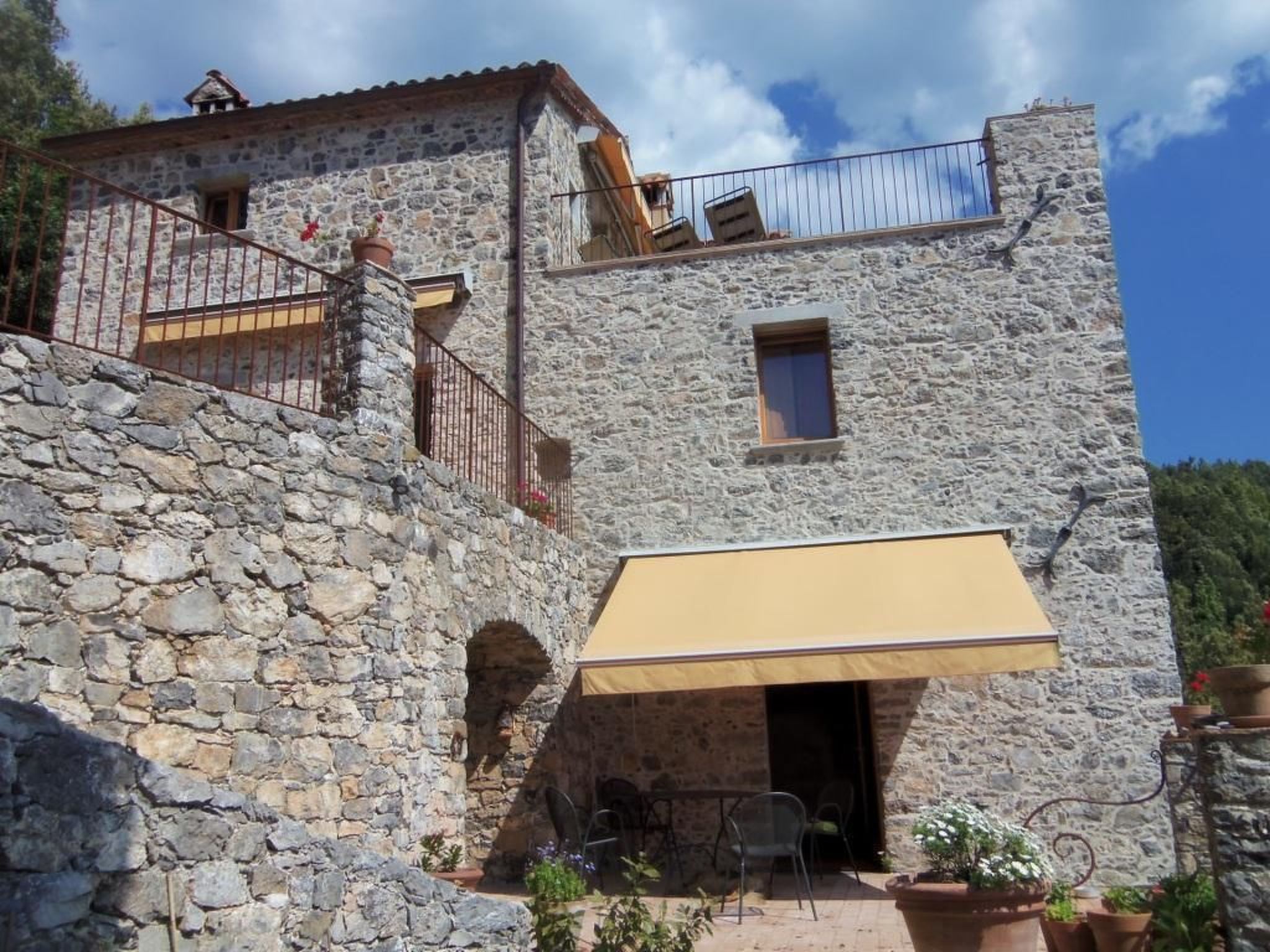
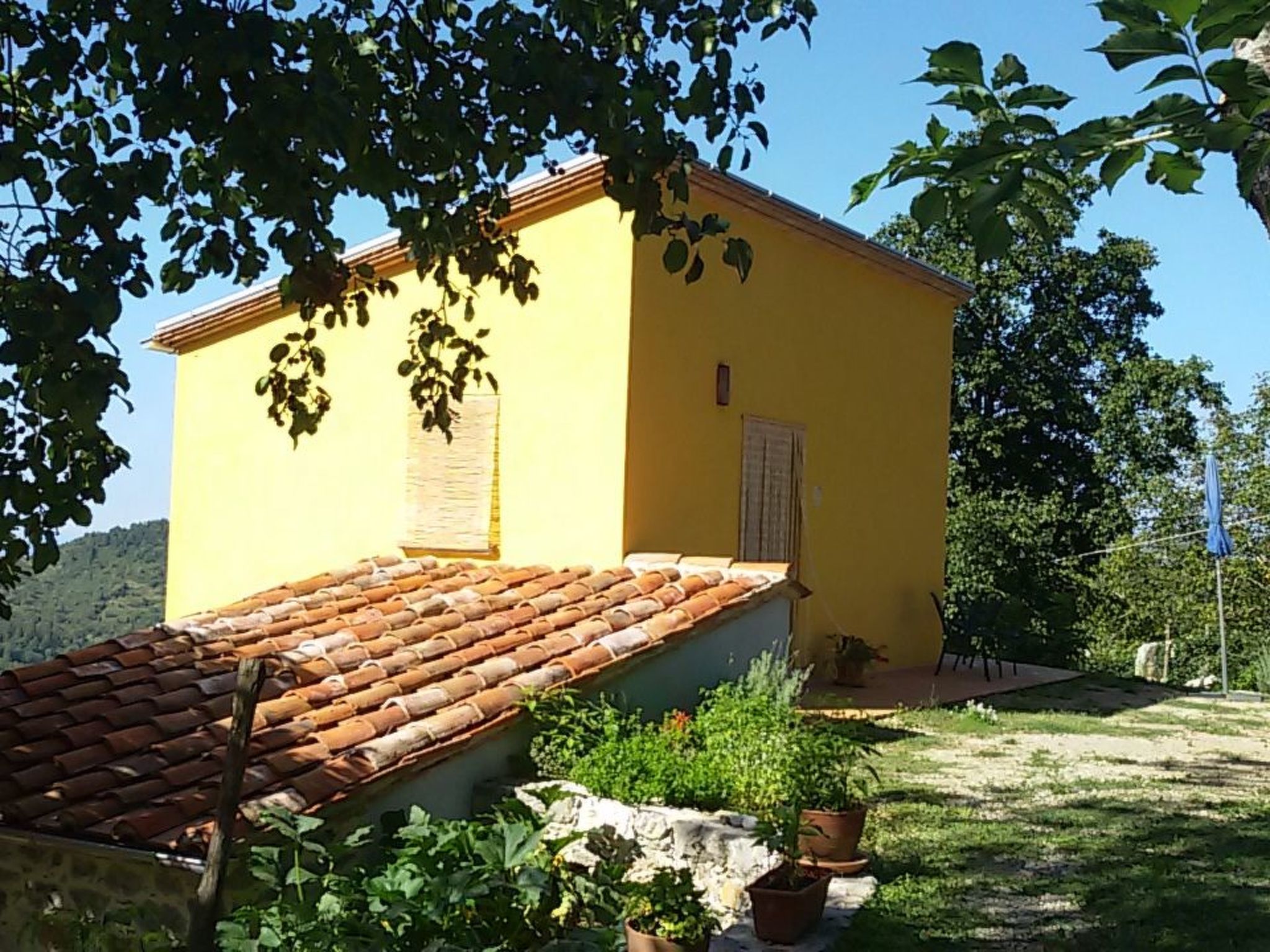
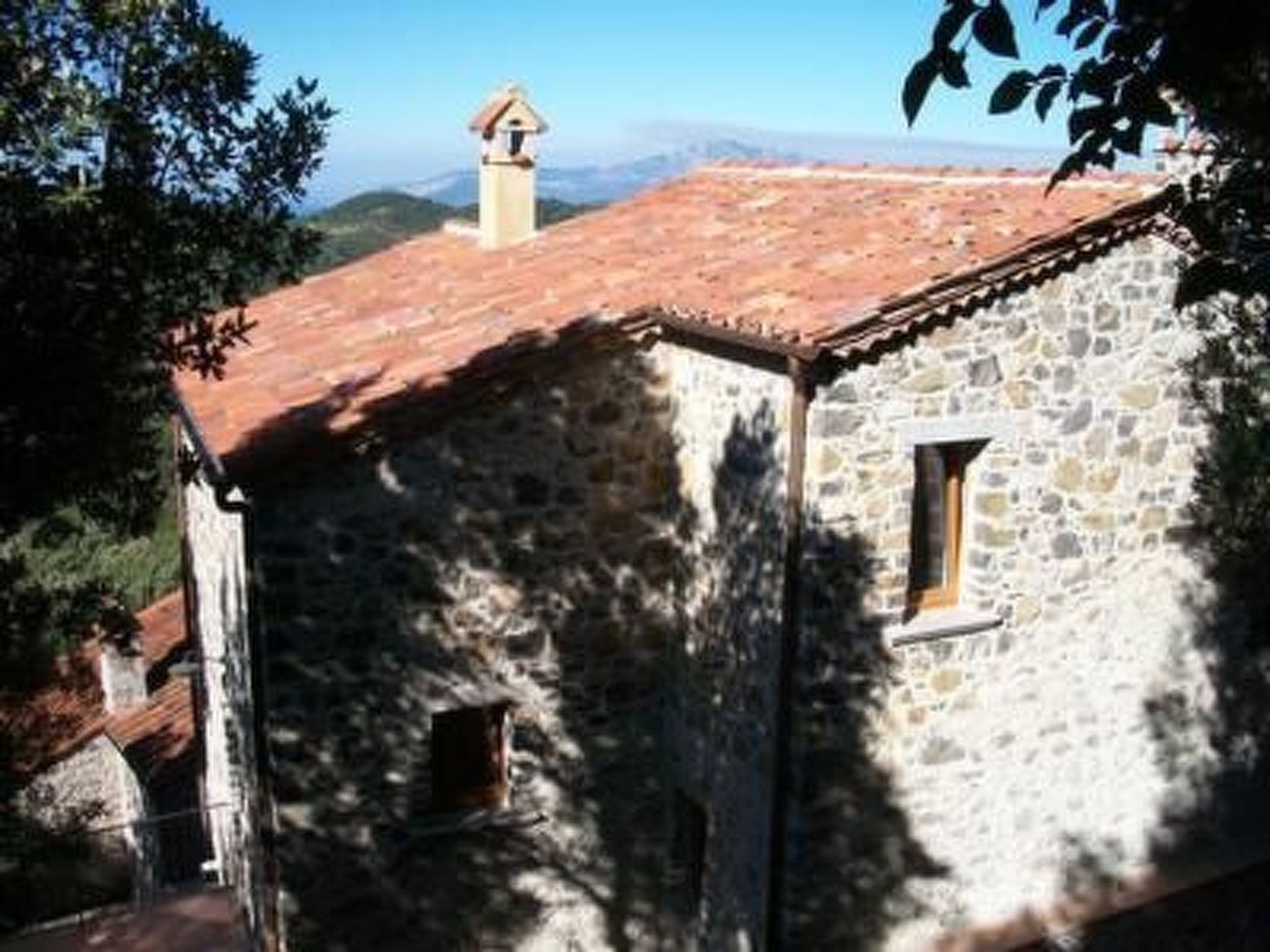
Venture inland and you enter agricultural country. Villages like Furore and Laureana Cilento sit comfortably inland, surrounded by genuine farmland rather than tourist infrastructure. Roads wind through landscape rather than following a predetermined route. These places suit visitors who want to self-cater and explore, or who've booked into a property with serious accommodation. Local restaurants serve farm produce; you won't find international menus. Transport options thin considerably. A car is essential. The payoff is that you've genuinely left the tourist trail.
Search villas in Cilento mountain villages
National Park Headquarters: Salerno Area Gateway
Salerno itself sits north of Cilento proper but functions as the gateway. An hour from the airport, it's where you'll arrange park permits and hiking information. The city centre has character (waterfront walks, restaurants, and actual urban life). One night here before heading south to Cilento proper gives you perspective on how developed the coast becomes once you're away from major transport connections. Salerno is genuinely a working port city, not a resort town.