Crete, Greece
Crete pulls you in the moment you arrive. The light hits differently here. Harsh and golden in summer, soft and rain-washed in winter. We find ourselves drawn to the Samarian Gorge trekkers arguing over logistics in tavernas, to the old Venetian harbours of Rethymno where ferries still chug past, and to the fact that you'll drive past a 2,000-year-old Minoan palace without breaking a sweat because there's another one down the road. It's not a region that whispers; it announces itself through landscape, food, and a particular Greek stubbornness you'll either embrace or find exhausting.
What Makes Crete Special
- Minoan archaeology that actually matters. This isn't ornamental history. The civilisation that flourished here shaped European culture, and you can walk through palaces older than Athens.
- Three distinct coastlines. The north coast draws tourism and commerce. The south is wilder, quieter, and accessible only by mountain roads or boat. Choose based on your comfort with isolation.
- The food is the landscape. Cretan cuisine comes straight from what grows here: wild greens, citrus, oil, and goat meat. The tomatoes alone will remind you why you cared about flavour.
- Mountains that carve the island. Crete isn't flat. Even driving to the beach involves elevation change and switchbacks. It's part of the appeal and part of the fatigue.
- A summer that actually bakes. July and August deliver consistent 30-32°C heat with minimal rain. Crowds match the temperature. Spring and autumn feel like secrets, if you time it right.
Top Towns & Resorts in Crete
Chania
Chania sits on the northwest coast with a Venetian old town that hasn't entirely surrendered to souvenir shops. You'll still find locals eating fish in tavernas overlooking the harbour. The White Mountains rise inland, offering trekking routes for people who actually want to sweat. The airport is small but direct flights from the UK are frequent, which means accommodation costs climb predictably in summer. The old town's cobblestone streets flood with cruise ship visitors by 11am, then empty again at sunset.
Rethymno
Rethymno exists in Chania's shadow, which works in its favour. It has its own Venetian harbour, a quieter vibe, and proximity to both beaches and the Psiloritis mountains. The old town's narrow streets are genuinely walkable without tourist gridlock, though summer weekends still bring the crowds. Expect higher humidity than the west coast; the orientation traps warm air. If you want the Cretan experience without peak-season chaos, aim for May or September.
Knossos & Heraklion
Heraklion serves as the gateway. It's where the main airport is, where ferries arrive, where people fly in and instantly head elsewhere. The city itself is functional, loud, and genuinely Cretan in ways the resort towns aren't. Knossos palace sits just outside and is worth your time, though queues in summer can stretch across the parking lot. The Archaeological Museum is one of Greece's finest. Stay here if you want authentic grit; skip it if you're after coastal relaxation.
Find villas near Heraklion & Knossos
Plakias & Damnoni (South Coast)
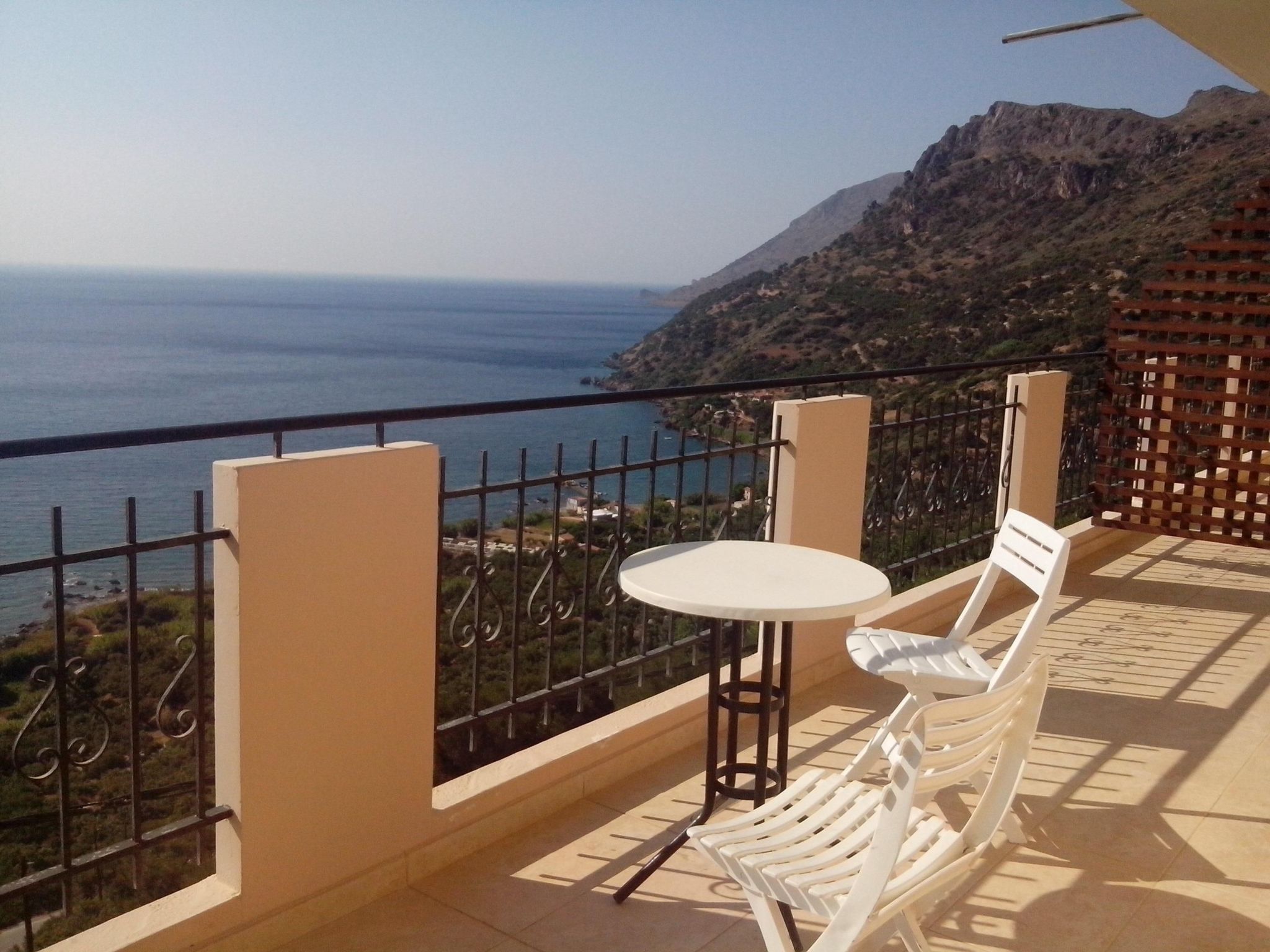
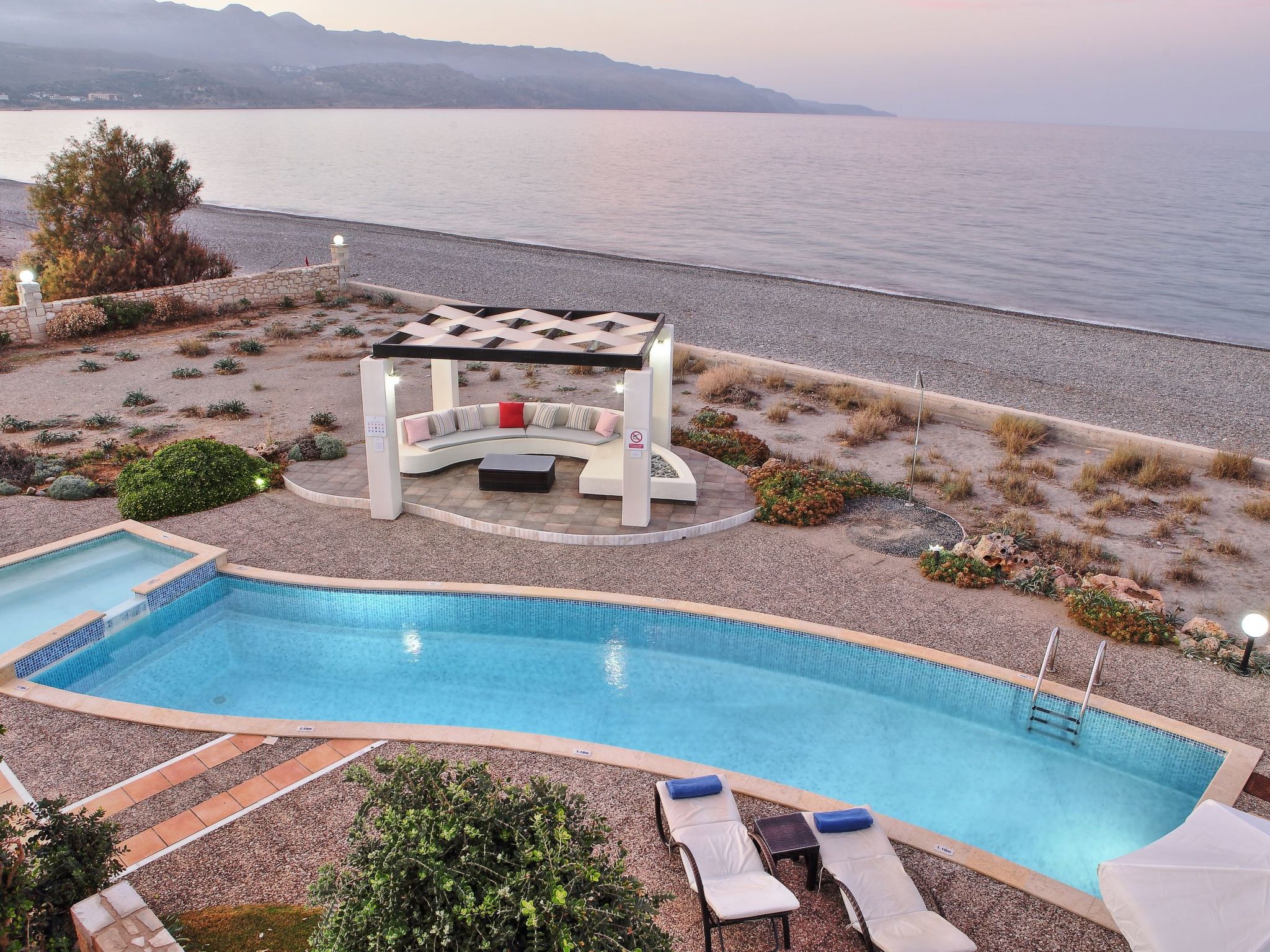
The south coast is Crete for people who came to Crete to avoid other tourists. Plakias and Damnoni sit on a stretch of coast that feels removed from the island's northern tourism machine. Roads are legitimately rough in places. Beaches are grey-pebbled rather than golden sand. Waves roll in with actual force. You're trading infrastructure for solitude. The nearest supermarket might be 30 minutes away, and restaurants have limited menus. This works if you're self-sufficient; it fails if you want constant entertainment.
Find villas in Plakias & Damnoni
Agios Nikolaos
The east coast's main resort town, Agios Nikolaos orbits a pretty lake and has turned tourism into a functional system. It's more polished than Heraklion, less arty than Chania, positioned between both. The beach is small but serviceable. Nearby Kritsa village offers village-life authenticity while staying close to amenities. The trade-off: it feels most like a purpose-built resort, with less of Crete's rougher character showing through.
Balos Lagoon & Gramvoussa Islands (Northwest)
The northwest coast holds Balos Lagoon. Shallow turquoise water that photographs impossibly. The road to reach it is genuinely rough, requiring high-clearance vehicles or boat access. Summer crowds gather here because the location justifies the effort. The water's cold in the north, and the lagoon is best visited early or via the boat tour route. The adjacent Gramvoussa Islands offer archaeological ruins and snorkelling. Plan this as a full-day excursion rather than a quick stop. The drive from Chania takes 90 minutes each way, making it a commitment. Boat tours from Chania run daily in summer and manage the crowds and transport logistics.