Updated March 2026 | By TrustedVillas Greece Specialist Team
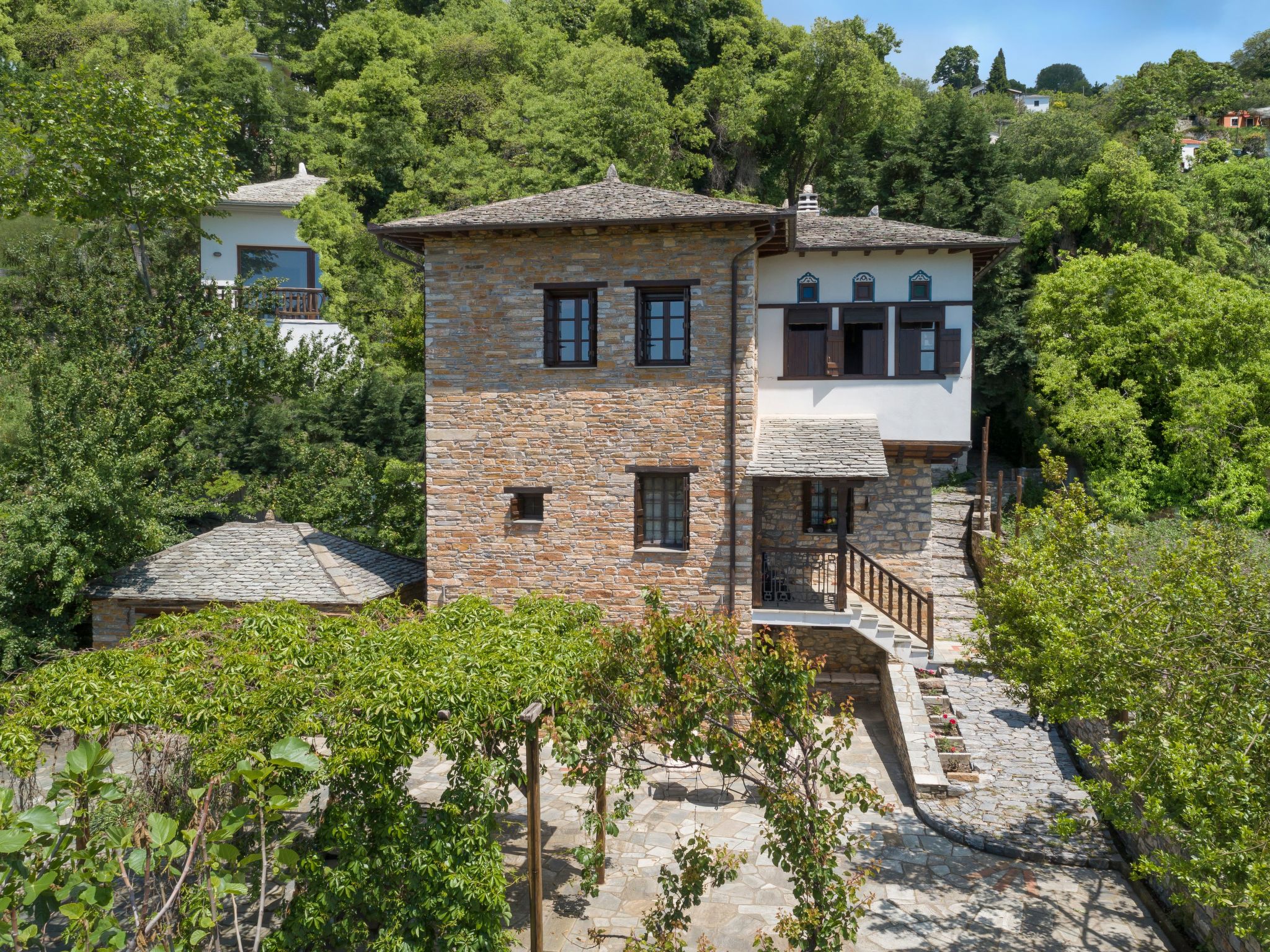
Greece offers something the Mediterranean resorts rarely deliver: genuine authenticity paired with reasonable warmth and good value. Over 6,000 islands and mainland coastlines mean there's rarely crowding if you pick wisely. We're drawn to Greece because holiday infrastructure exists without obliterating local life. Fishermen still use harbours for actual fishing; olive groves feed families; village tavernas serve food locals genuinely eat. Yes, tourism matters economically, but it hasn't erased the fundamental character that makes Greece worth visiting. Rent a villa and you'll find yourself in rhythms. siesta, long meals, proper shopping at markets. that push you toward genuine relaxation rather than scheduled activity. And the light here is extraordinary: even in high summer it's crystalline rather than harsh, golden rather than bleaching.
Why Choose Luxury Holiday Villas in Greece?
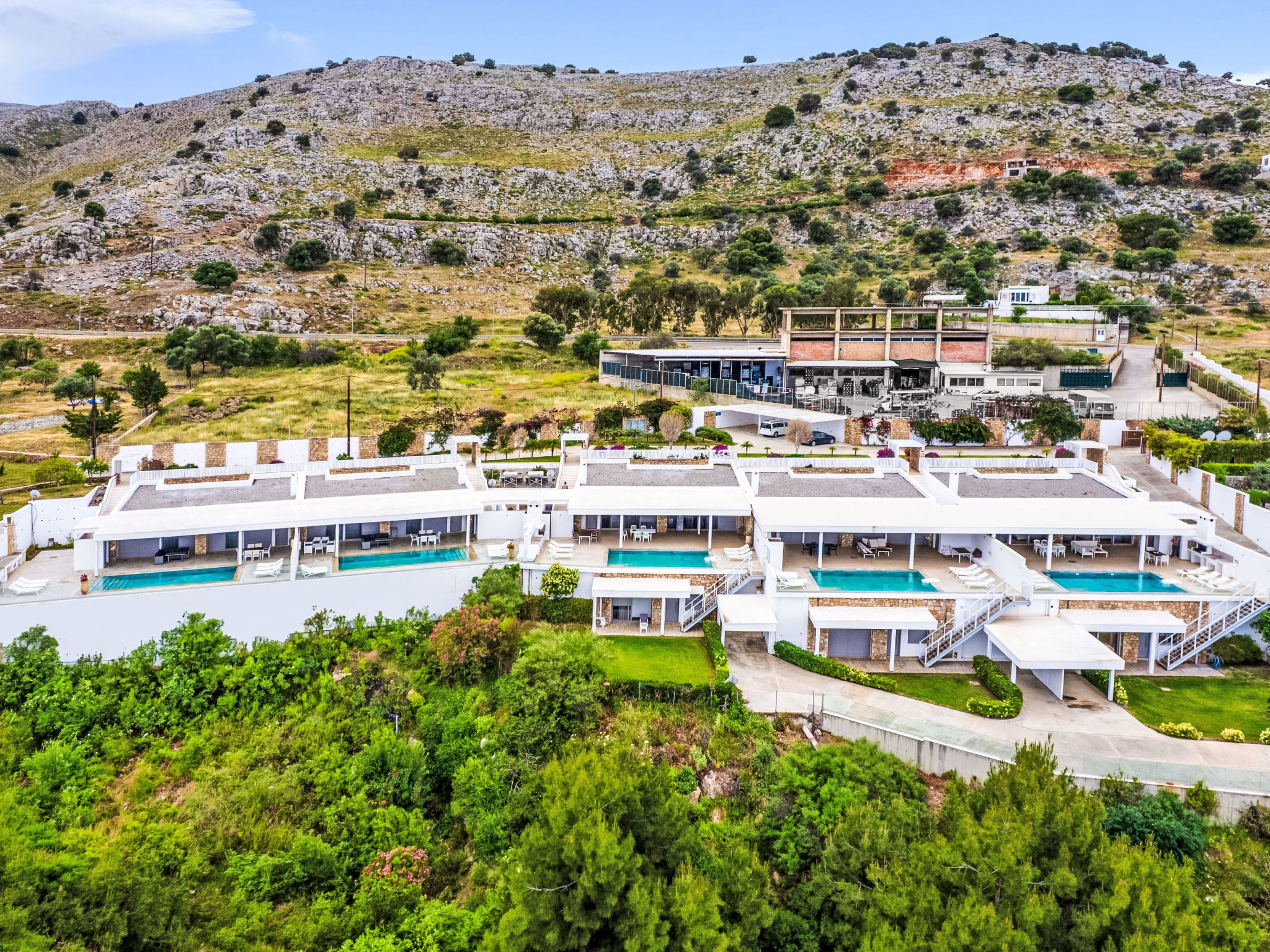
- Privacy and seclusion matter more on Greek islands where villa compounds genuinely isolate you from tourist infrastructure while keeping you metres from village life.
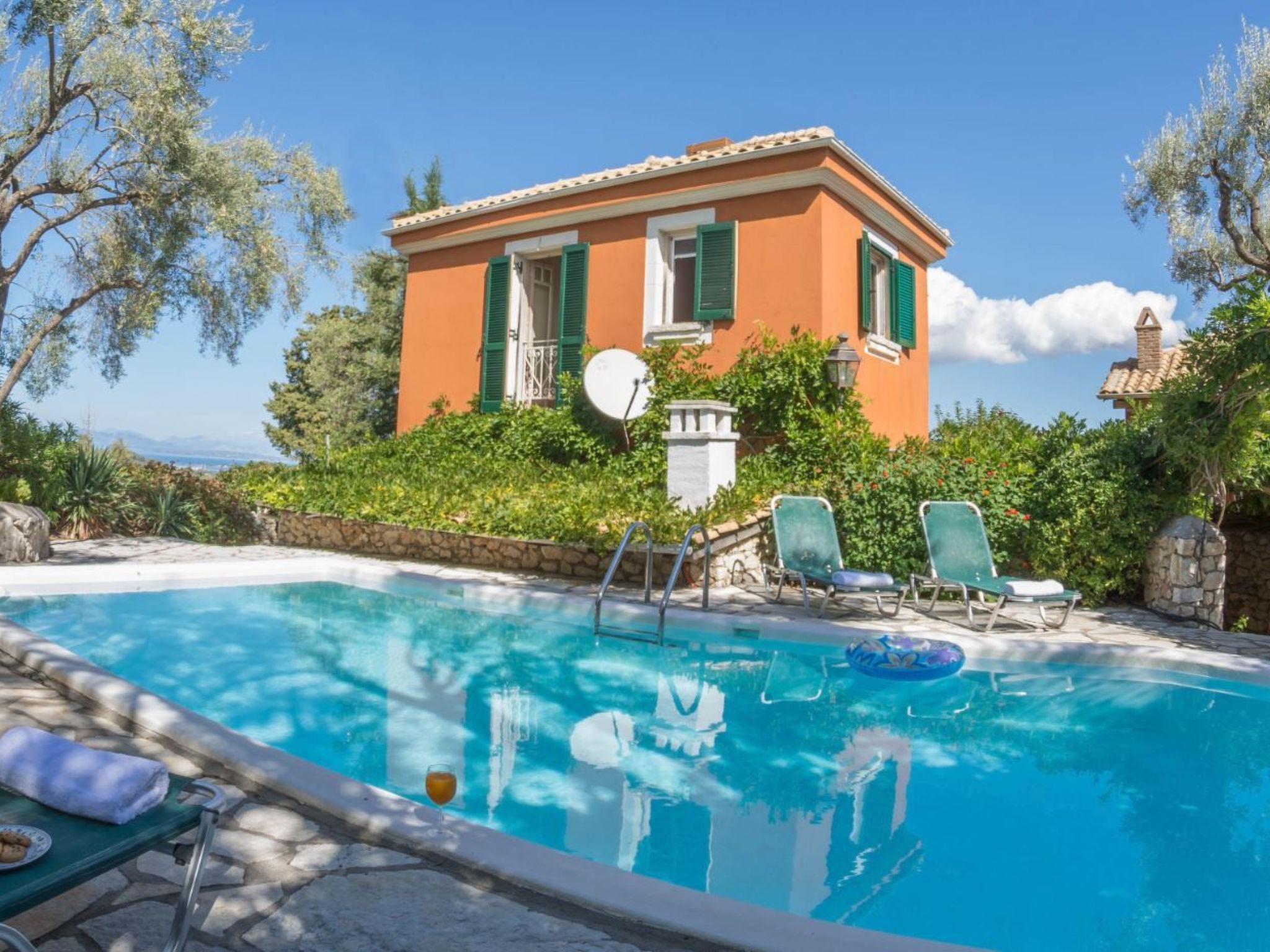
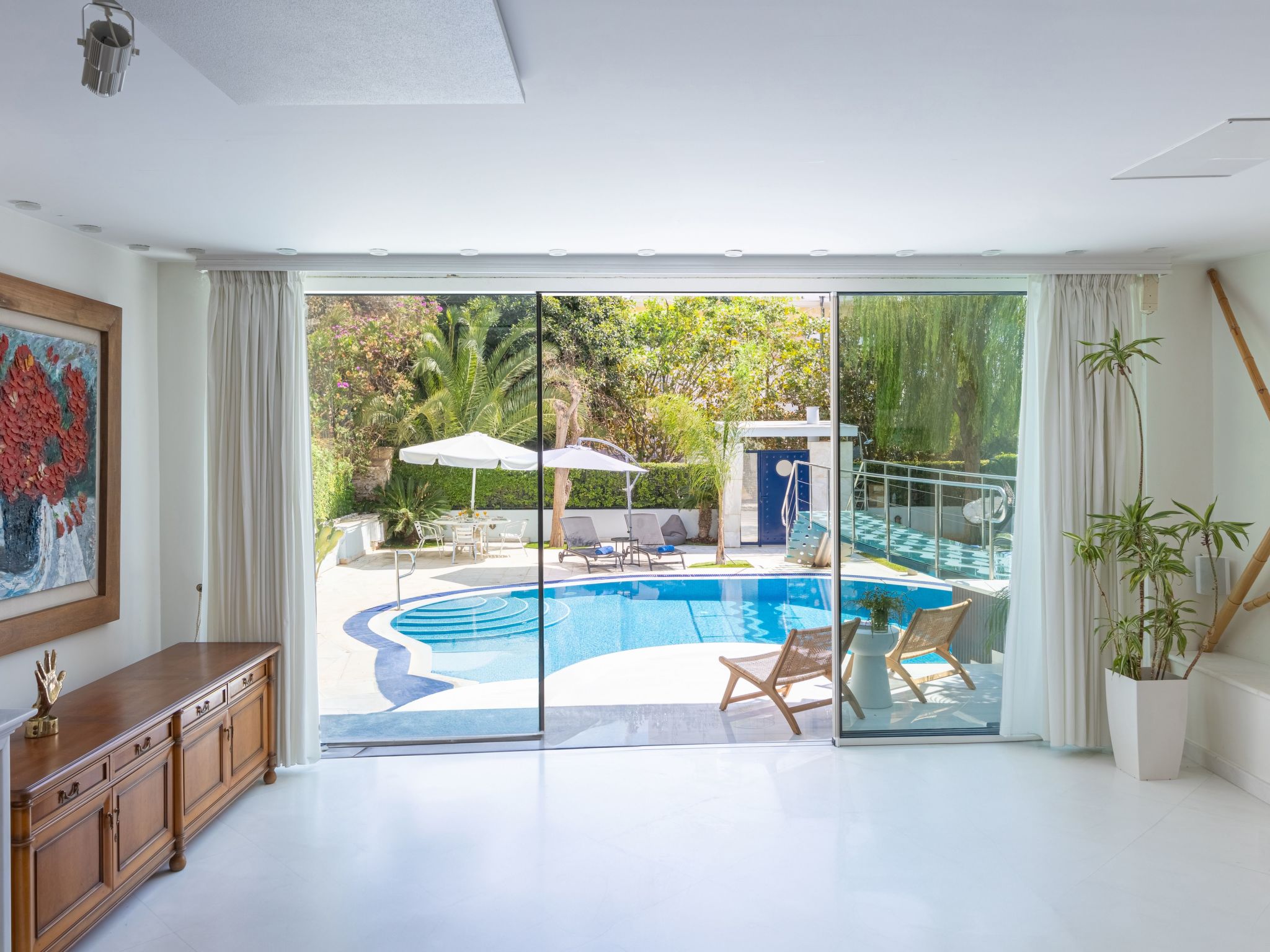
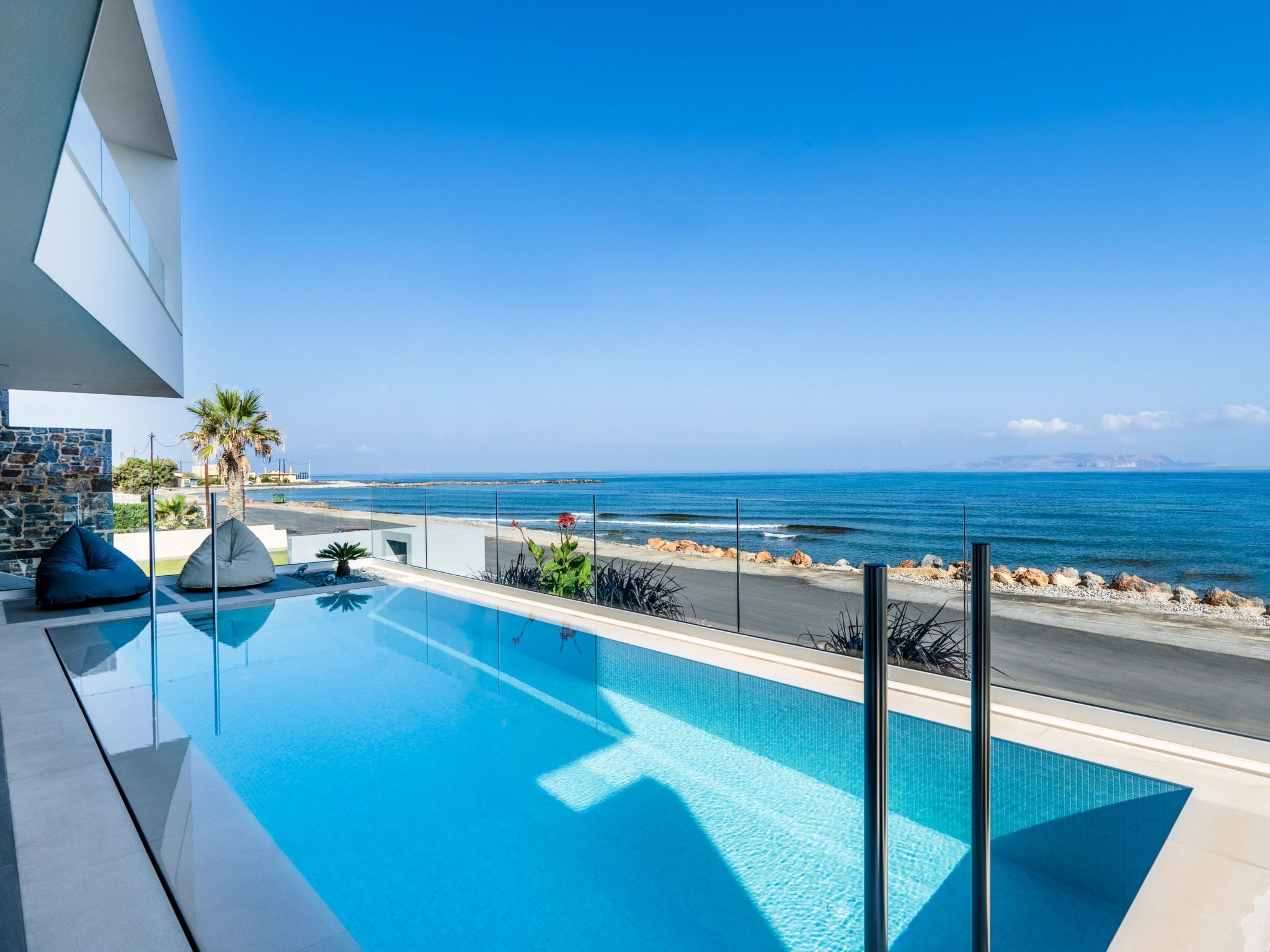
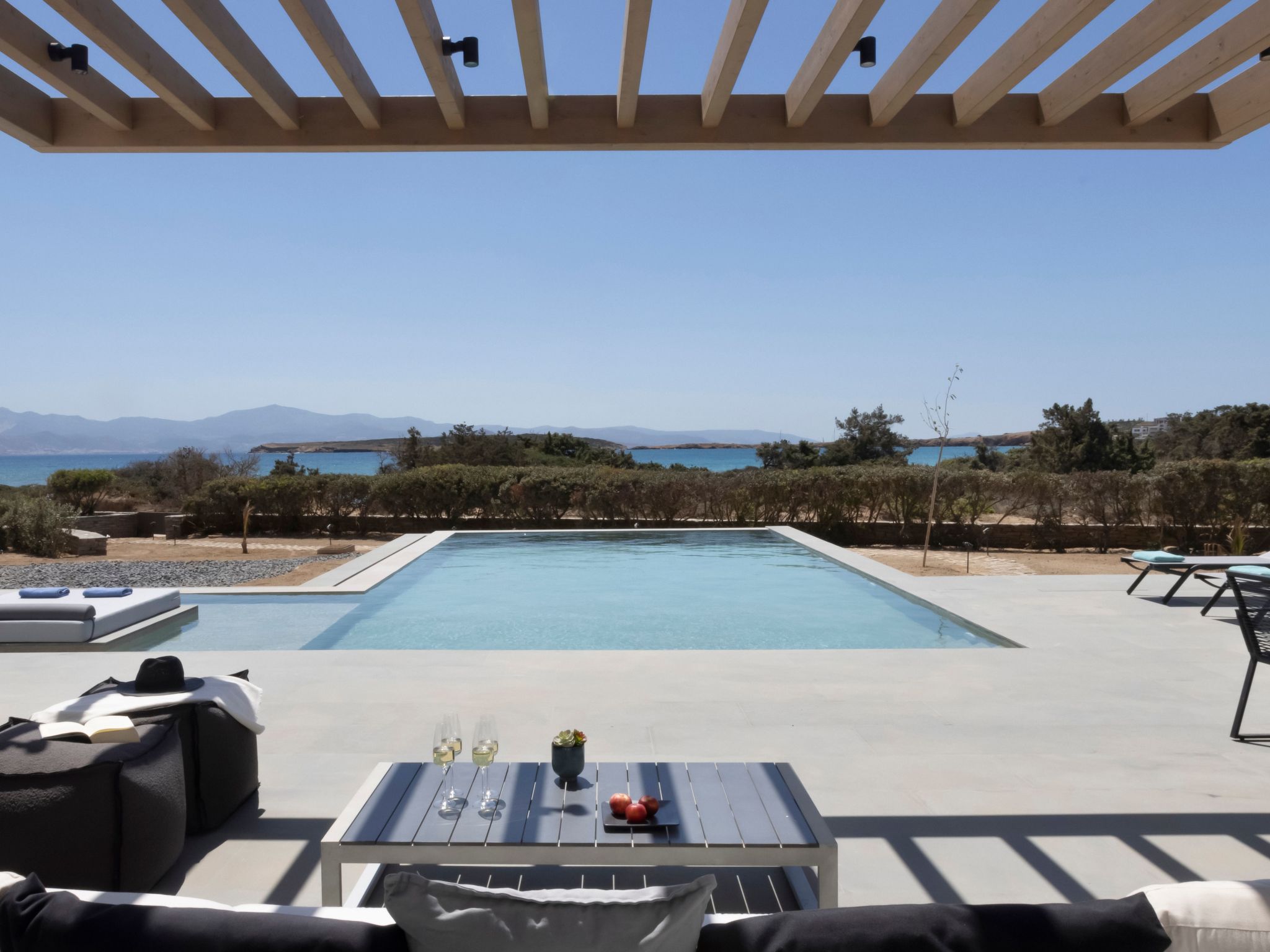
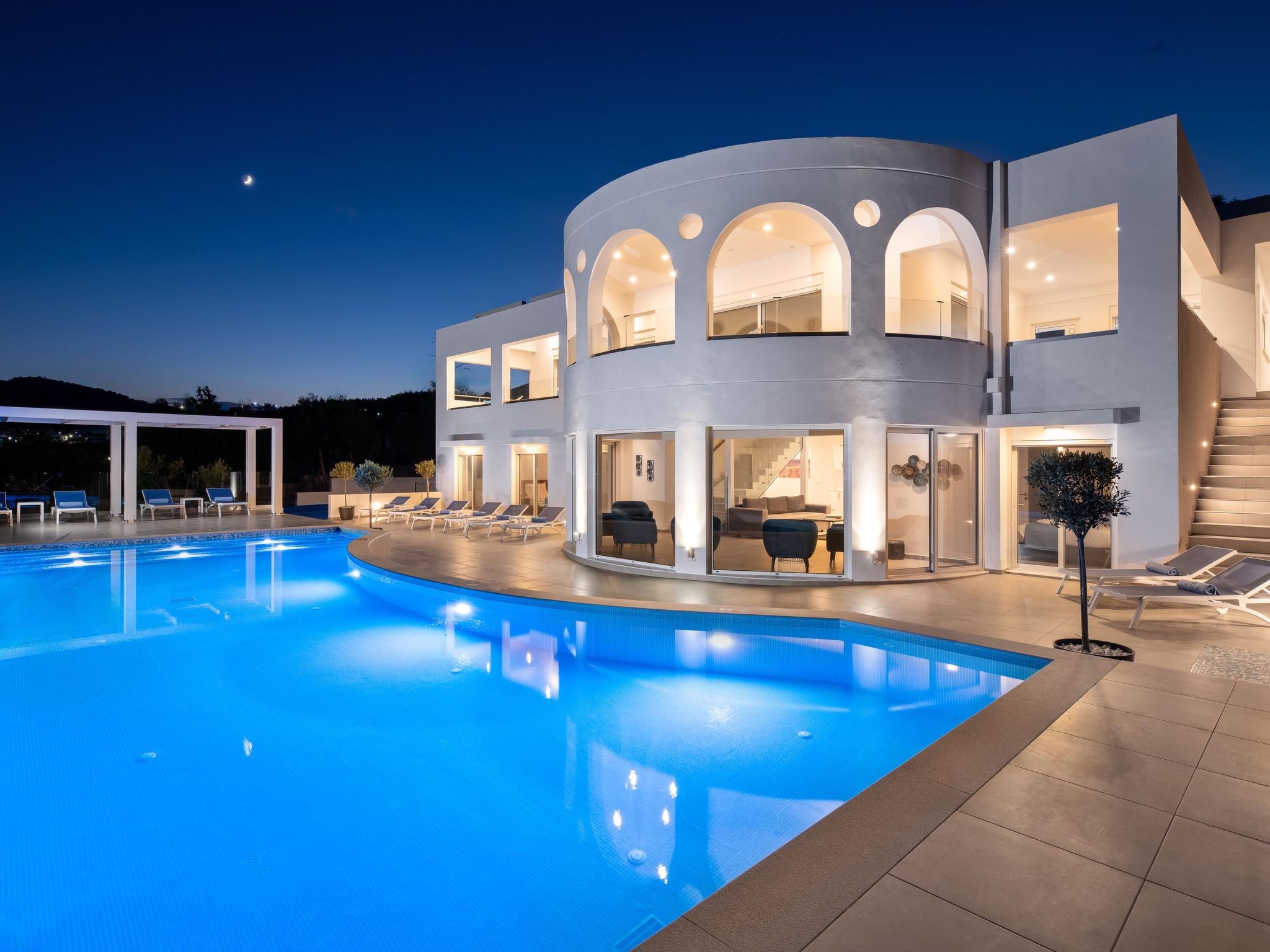
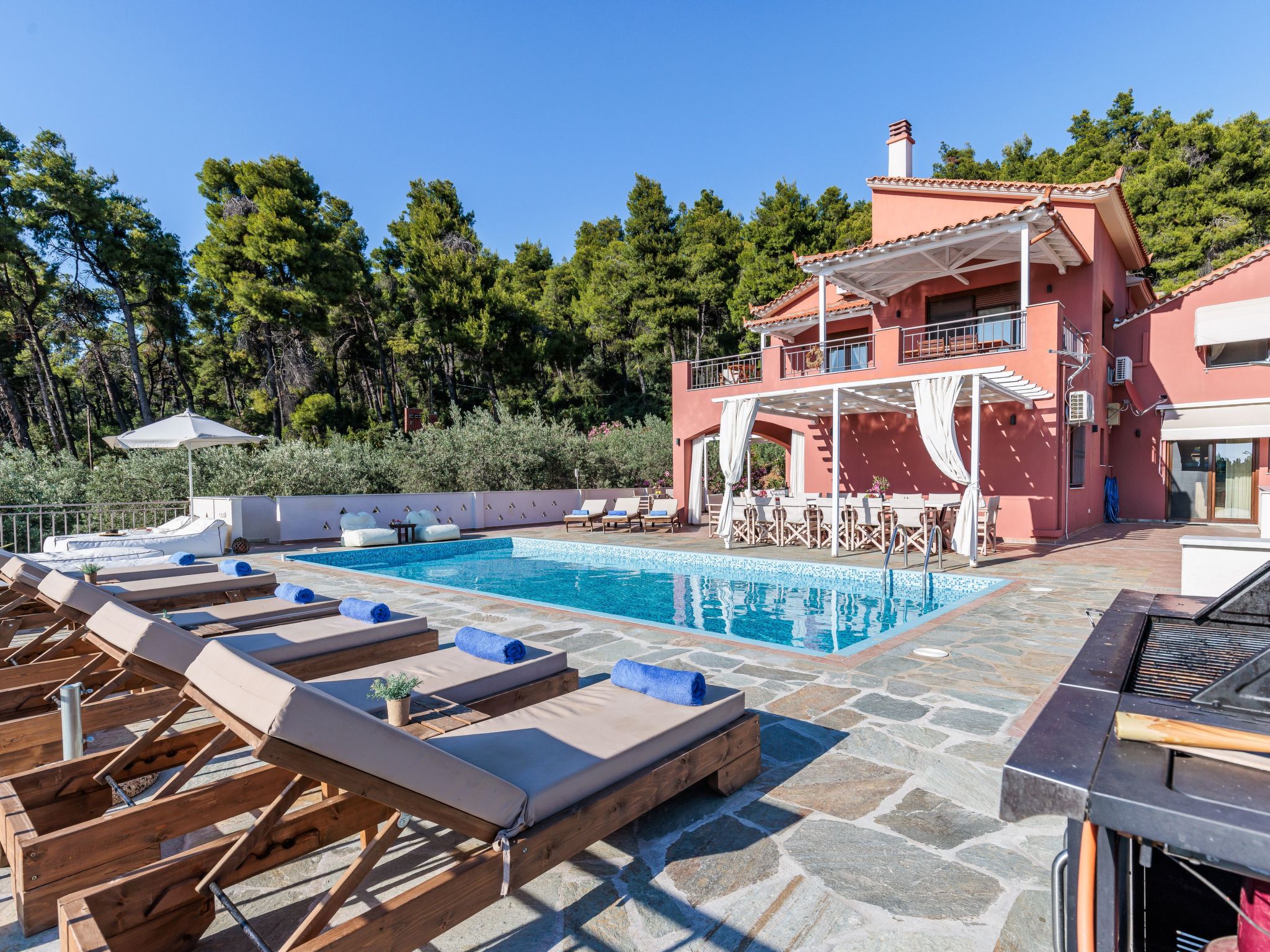
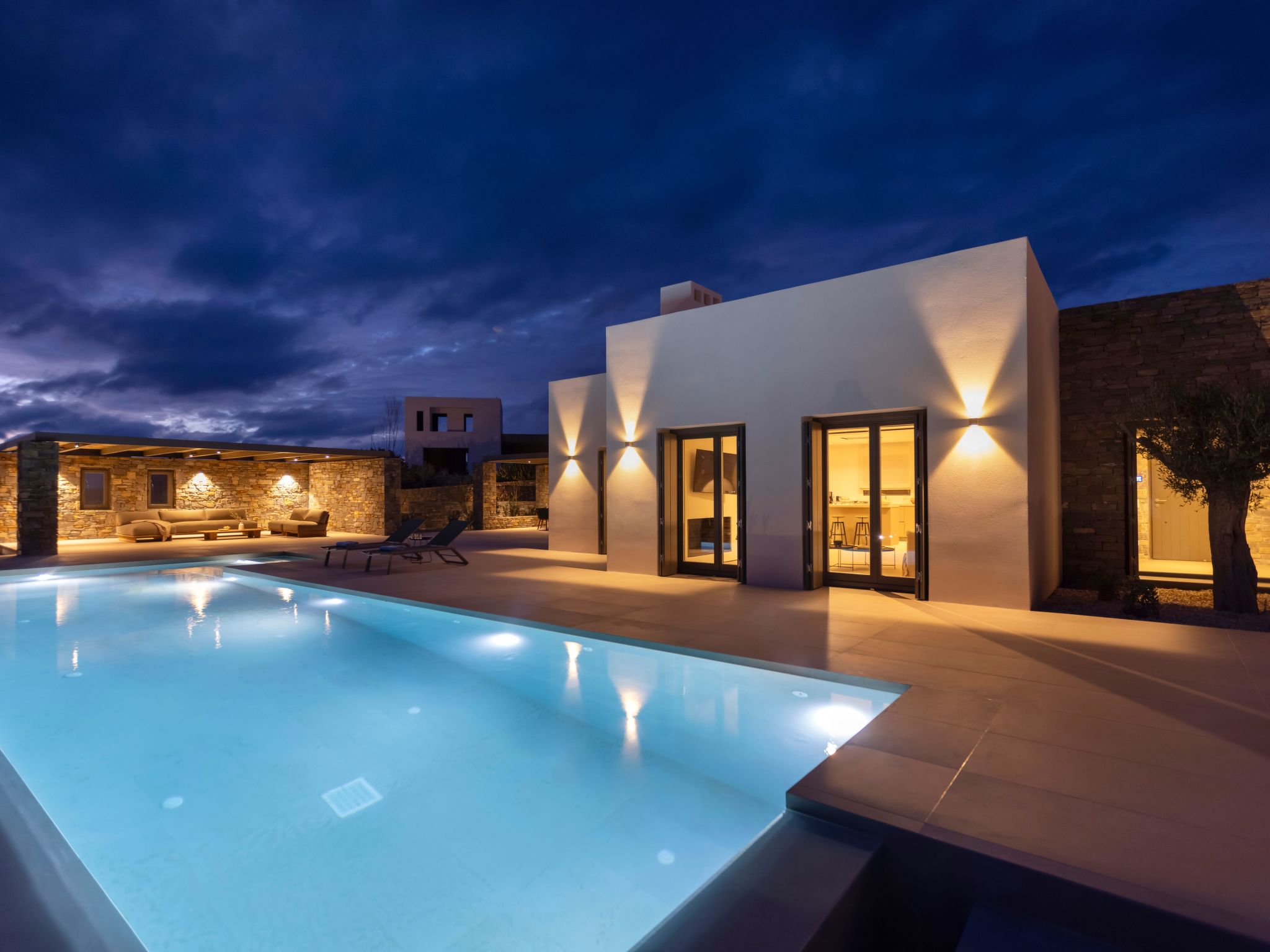
- Private pools solve the Mediterranean heat problem. swim in cool water, then retreat to shade. Hotels don't offer this flexibility.
- Self-catering freedom is crucial in Greece where restaurant dining is good but expensive when daily; villas let you shop local markets and cook simply, saving money significantly.
- Multi-generational space is essential when Greek family holidays stretch across weeks; villas accommodate grandparents, children, cousins in ways hotels never could.
- Value proposition is compelling. Compare identical accommodation costs to UK seaside resorts. villa holidays in Greece cost less whilst offering infinitely superior experience.
Top Regions for Villa Holidays in Greece
Crete
Greece's largest island sits south enough to catch Saharan heat waves. summers here regularly exceed 35°C. but the Cretan character remains fierce, independent, and genuinely welcoming. The island spans from western white-sand beaches (Chania) to eastern turquoise coves (Balos Lagoon) to southern dramatic cliffs. Crete isn't undiscovered (tourism infrastructure is sophisticated) but it's large enough that crowds disperse. Food culture is authentic. Cretan olive oil, wild greens, and slow-cooked meat dishes define the cooking. Knossos Palace provides archaeological weight. The island culture retains Venetian architecture and Byzantine history visibly. Expect good value, thoughtful food, genuine warmth, and summer heat that requires swimming as a survival strategy, not recreation. Best time: May-June and September-October when heat is manageable and crowds lighter than July-August.
Explore Luxury Villas in Crete →
Corfu
The Ionian islands (western Greece) are dramatically different from the Aegean. Corfu specifically sits so close to Italy and Albania that the culture feels less purely Greek. architecture, food, and atmosphere blend multiple influences. It's greener than Aegean islands (more rainfall, lusher vegetation), warmer in spring and autumn but milder in summer than southern islands. The old town (Kerkira) is genuinely appealing with Venetian fortifications; the beaches are good; water temperature is warmer than Aegean equivalents. Tourism is well-established but less frenzied than some islands. It appeals to visitors wanting Mediterranean beauty without the desert-island isolation. Food is distinctive. Venetian and British colonial influences remain visible in the cuisine.
Explore Luxury Villas in Corfu →
Rhodes
The largest Dodecanese island, Rhodes combines history (medieval old town, ancient Palace of the Grand Masters), good beaches, and a working fishing culture that hasn't entirely surrendered to tourism. Summer heat is intense (35°C+ common), so swimming becomes non-negotiable daily activity. The island is large enough that you can escape crowds by moving to quieter beaches on less-developed sides. Knight's history permeates the old town; local fishing villages maintain rhythm independent of tourists. Water is warmer than northern Aegean, and it's south enough to feel genuinely Mediterranean. The trade-off: July-August are genuinely hot and crowded; shoulder seasons are vastly preferable if flexibility allows.
Explore Luxury Villas in Rhodes →
Peloponnese
Mainland Greece offers a different rhythm from island hopping. Ancient sites (Olympia, Mycenae, Epidaurus) are accessible without daily ferry anxiety. Food culture is less island-dependent and more rooted in agricultural tradition. think grilled meats, stewed vegetables, proper bread. Landscapes vary dramatically from coastal resorts (Nafplio, Kalamata) to mountain villages to olive-grove countryside. Tourism is well-developed but less island-concentrated. You get Greek warmth and Mediterranean light without surrendering mainland practicality (easier car access, more restaurant variety, better transport). Well suited to visitors wanting history and culture alongside beach relaxation. The region works as a hub for exploring ancient sites and sample various coastlines.
Explore Luxury Villas in Peloponnese →
Cyclades
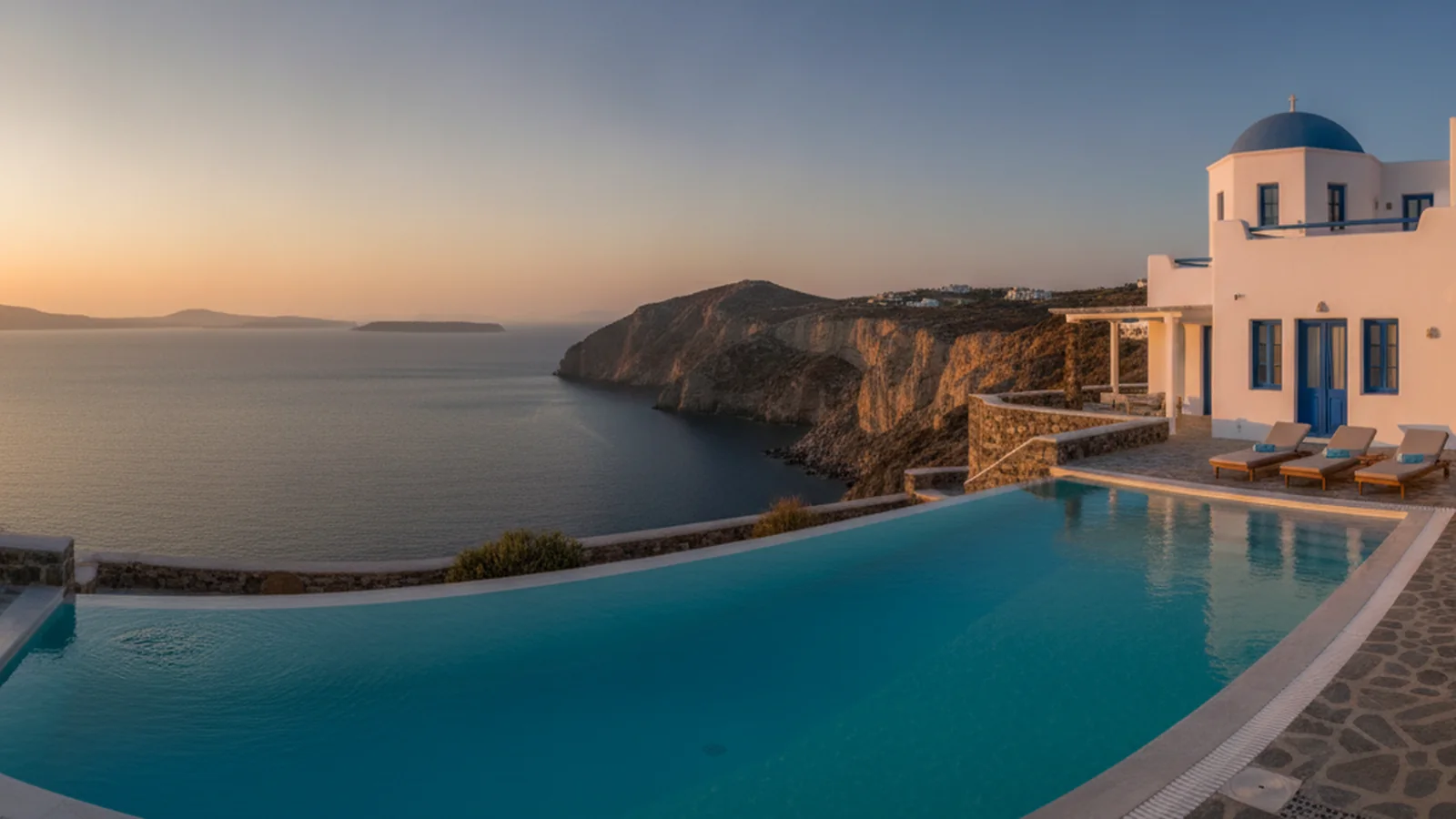
The Aegean islands represent Greece at its most visually distinctive. whitewashed villages, blue domes, windmills, and dramatic sunset views that match postcard perfection. Mykonos and Santorini are genuinely overrun (book early, expect crowds, budget accordingly). But less-famous Cyclades. Paros, Antiparos, Naxos, Serifos, Sifnos. offer identical Mediterranean beauty with dramatically less tourism theatre. Winds can be strong (the Meltemia wind is famous and consistent), which appeals to windsurfers but troubles swimmers. Water is cooler and less turquoise than southern islands. The islands are small, so car-free living is practical. Food is simple and good quality; wine local and underrated. Summer is hot, dry, and windy. Expect May-June and September as the sensible seasons when warmth settles without peak heat and crowds.
Explore Luxury Villas in Cyclades →
Lefkada
An Ionian island with dramatic vertical cliffs (Navagio Beach) and white-sand beaches that rival the Aegean. It's west-facing, so sunset views are natural and reliable. Windsurfing culture is serious; the water is warm and blue; villages retain character without being entirely tourism-consumed. The island is smaller than Crete or Rhodes, so exploration is manageable in a week. It's become fashionable among European tourists without reaching Mykonos-level chaos. Food is solid Ionian Greek; prices are reasonable. Summer winds make windsurfing reliable and some beaches challenging for swimmers, but calm days deliver seriously good swimming. It's a genuine sweet spot for visitors wanting accessibility, beauty, and reasonable authenticity without sacrificing comfort.