Corfu, Greece
Corfu sits where Greece meets Venice. You'll feel both everywhere: pastel buildings, Italian pasta names on menus, and Orthodox churches sharing squares with Venetian fortresses. The island's northwest position means cooler temperatures than the Aegean, more rainfall, and greener hills than you'd expect from a Greek island. It's less about beach-lounging culture and more about wandering old town alleys, eating local food, and understanding why the Venetians fought so hard to keep it. If you want Greek islands without the scorched-earth summer heat, this works. If you need guaranteed sunshine and turquoise water, look elsewhere.
What Makes Corfu Special
- Venetian architecture that lived longer than most. Four centuries of Venetian rule shaped the island: fortresses, arches, street patterns. It feels genuinely different from the rest of Greece.
- The Old Town is walkable history. Narrow lanes, museums, local restaurants, and enough corners to turn to confuse yourself productively for hours.
- Greener than other Greek islands. Rainfall means olive groves, cypress, and vegetation that isn't just scrub. It's lush without being tropical.
- Cooler summers. 28-29°C instead of 32-34°C. Not a huge difference, but it changes how the day feels. You can actually walk at midday.
- Proximity to Albania changes the view. You're aware of being at a frontier. Some like that; others find it unsettling. The island's political history is complicated; understand it before romanticising.
Top Towns & Resorts in Corfu
Corfu Town (Kerkyra)
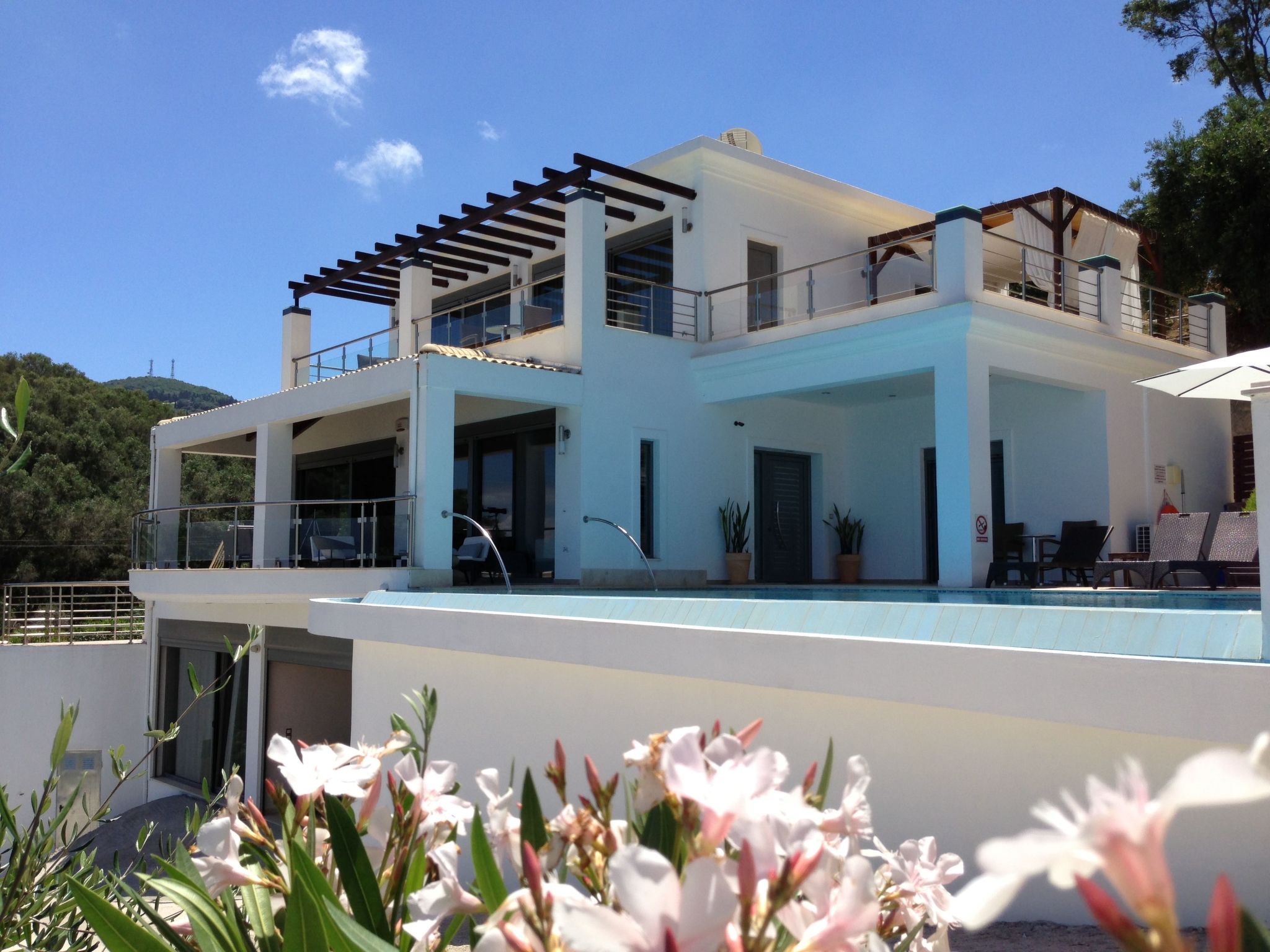
The capital occupies the eastern coast and is where ferries arrive from Italy and Athens. The old town spans a peninsula with narrow streets, the Ionian Museum, and cafes where locals still outnumber tourists (at least outside summer). The Venetian Fortress dominates the skyline. Streets are genuinely steep in places. Summer brings crowds, but nothing like Santorini. The seafront promenade (Liston) is where everyone drinks coffee and watches life move. Accommodation in the town itself is limited; most villas sit just outside in quieter suburbs or nearby villages.
Kassiopi (Northeast Coast)
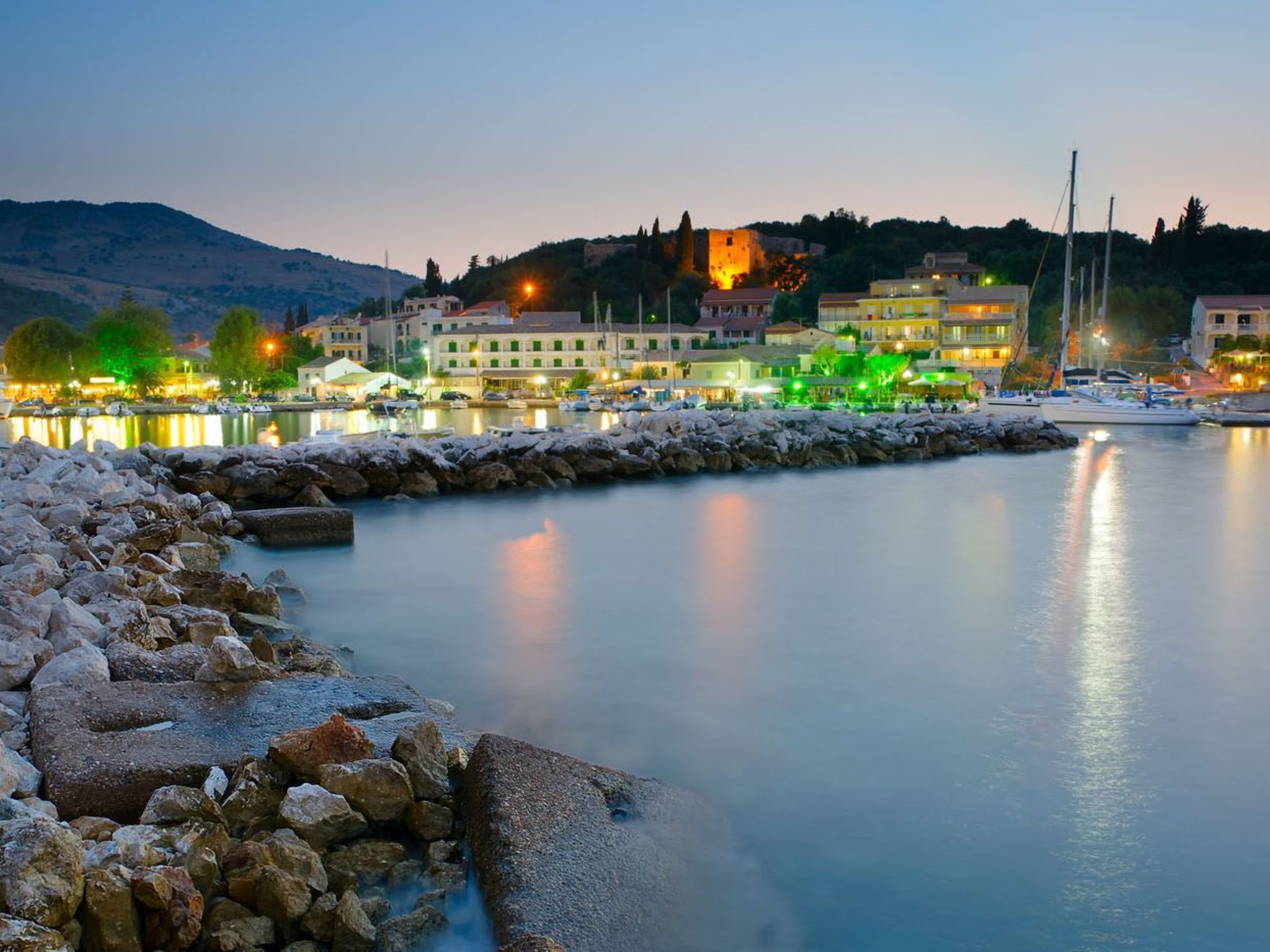
Kassiopi is where package-tour groups stay without realising it's a proper village underneath. There's a small harbour with fishing boats, tavernas with actual Greeks eating at them, and enough tourism to mean restaurants stay open. The beach is pebbly rather than sandy. Locals tell you it's better for not getting sandy everywhere. Truth is it's a matter of preference. The village gets busy June-September but empties out predictably. It's a good compromise between access and authenticity.
Paleokastritsa (West Coast)
Paleokastritsa is Corfu's attempt at a coastal resort. Steep green hills plunge to a small pebble beach and turquoise coves. A monastery sits on a bluff. It's objectively lovely and surprisingly crowded as a result. The road in is windy. Accommodation fills quickly. The beach at midday becomes standing room. That said, the water is genuinely beautiful here, and the setting impresses. Come in shoulder season (May or October) and you'll feel like you've found something special. Come in July and join everyone else with the same idea.
Benitses (South Coast)
Benitses sits between Corfu Town and the southern beaches, meaning it catches overflow tourism. Tavernas line the waterfront. Nightlife appeals to younger groups. It's noisy in summer, functional, and if you like beach-town hustle, it delivers. But it's missing the character of Kassiopi or the setting of Paleokastritsa. It works as a base if you want evening energy and don't mind some rowdiness.
Kalami & Agni (Northeast, Near Albania)
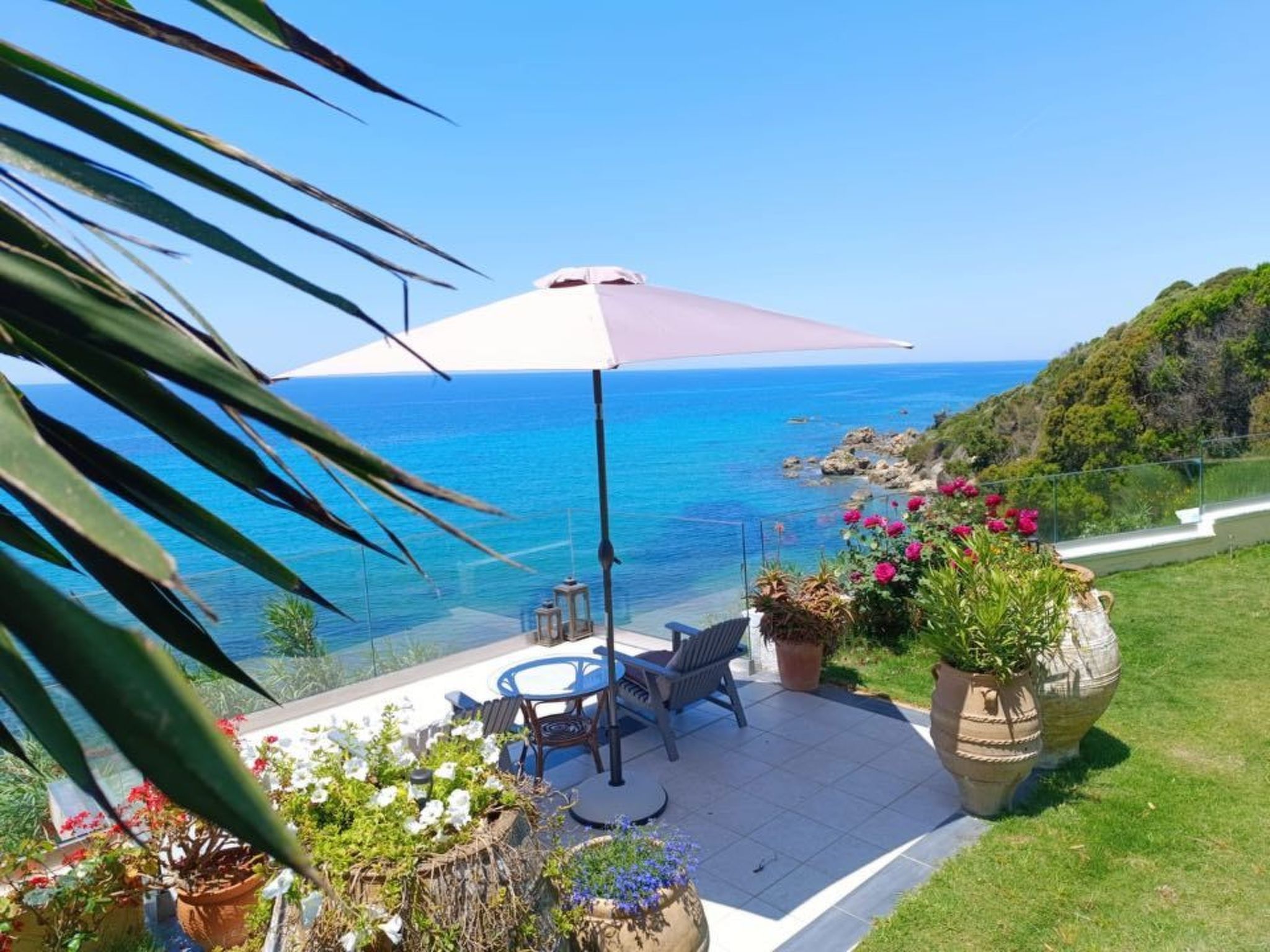
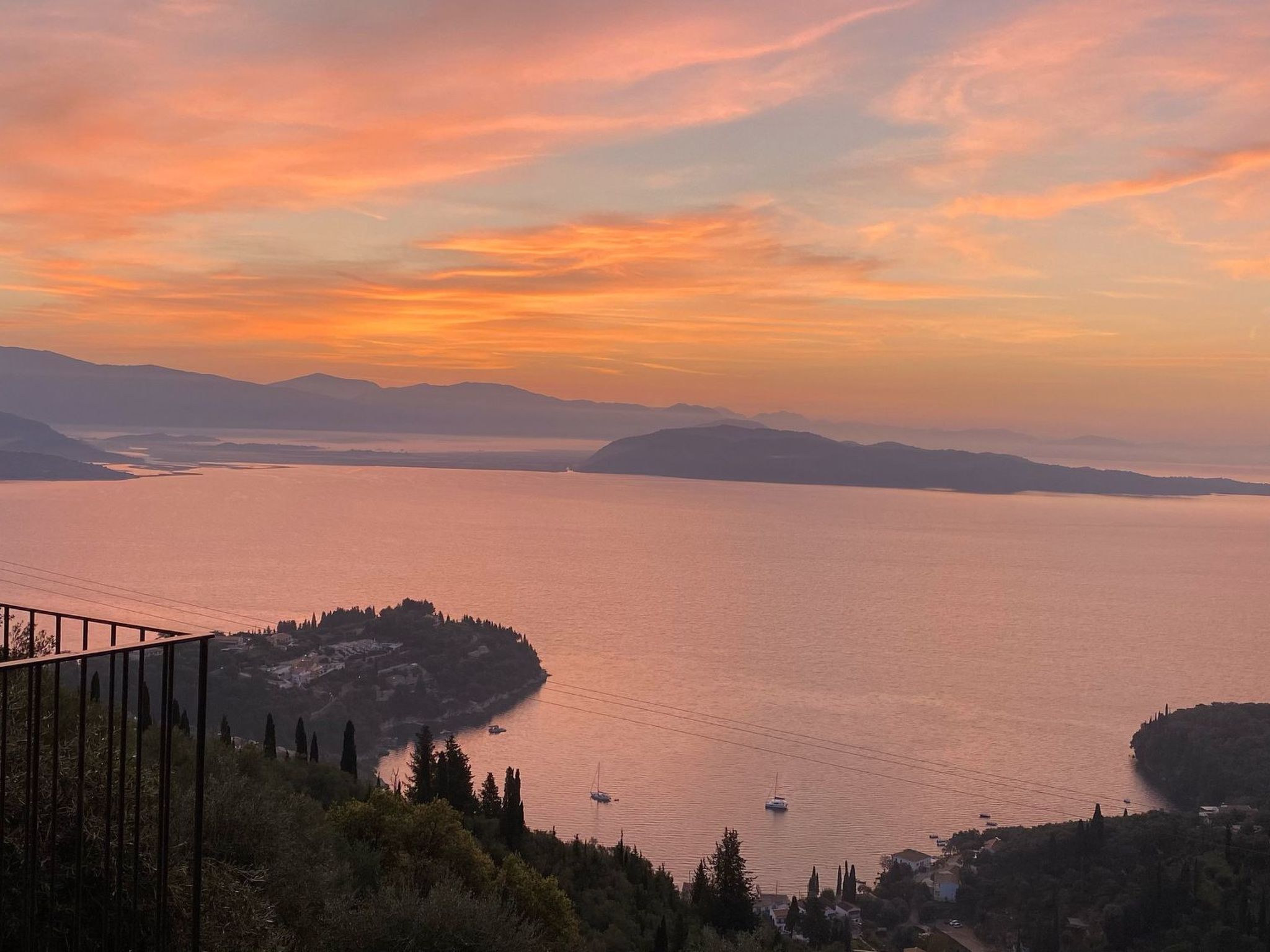
Small fishing villages with serious views across the strait toward Albania. The landscape here is raw: rocky shorelines, minimal development, locals who've lived here decades. These aren't resort towns. They're villages where you'll eat fish, swim in cold clear water, and feel genuinely away. Accommodation is minimal (mostly private rooms and small family hotels). Perfect if you want isolation; less ideal if you want options. The view is the main attraction, and sunsets are memorable.
Gouvia & Waterfront Areas (Closer to Town)
Gouvia sits 5km south of Corfu Town and offers a working fishing village with tourist accommodation. The waterfront is livelier than mountain villages but quieter than the capital. Local boats still operate from the harbour. It's a compromise location. You're close enough to town for restaurants and services, far enough to feel separate. The beach is small and pebbly. Water sports facilities exist. It draws independent travellers and families who want to base themselves slightly outside the capital without full isolation. Summer weekends bring daytrippers from town.