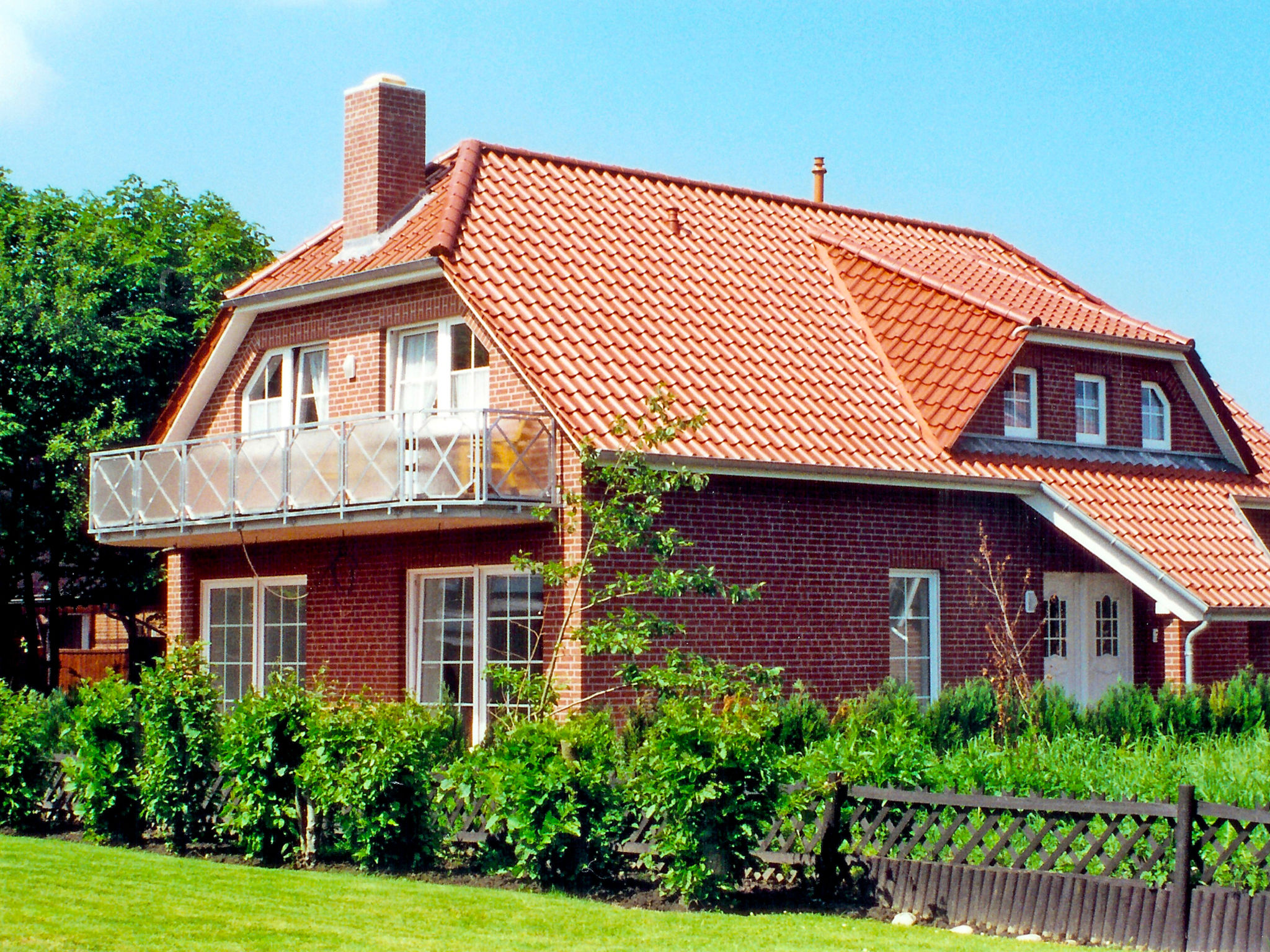
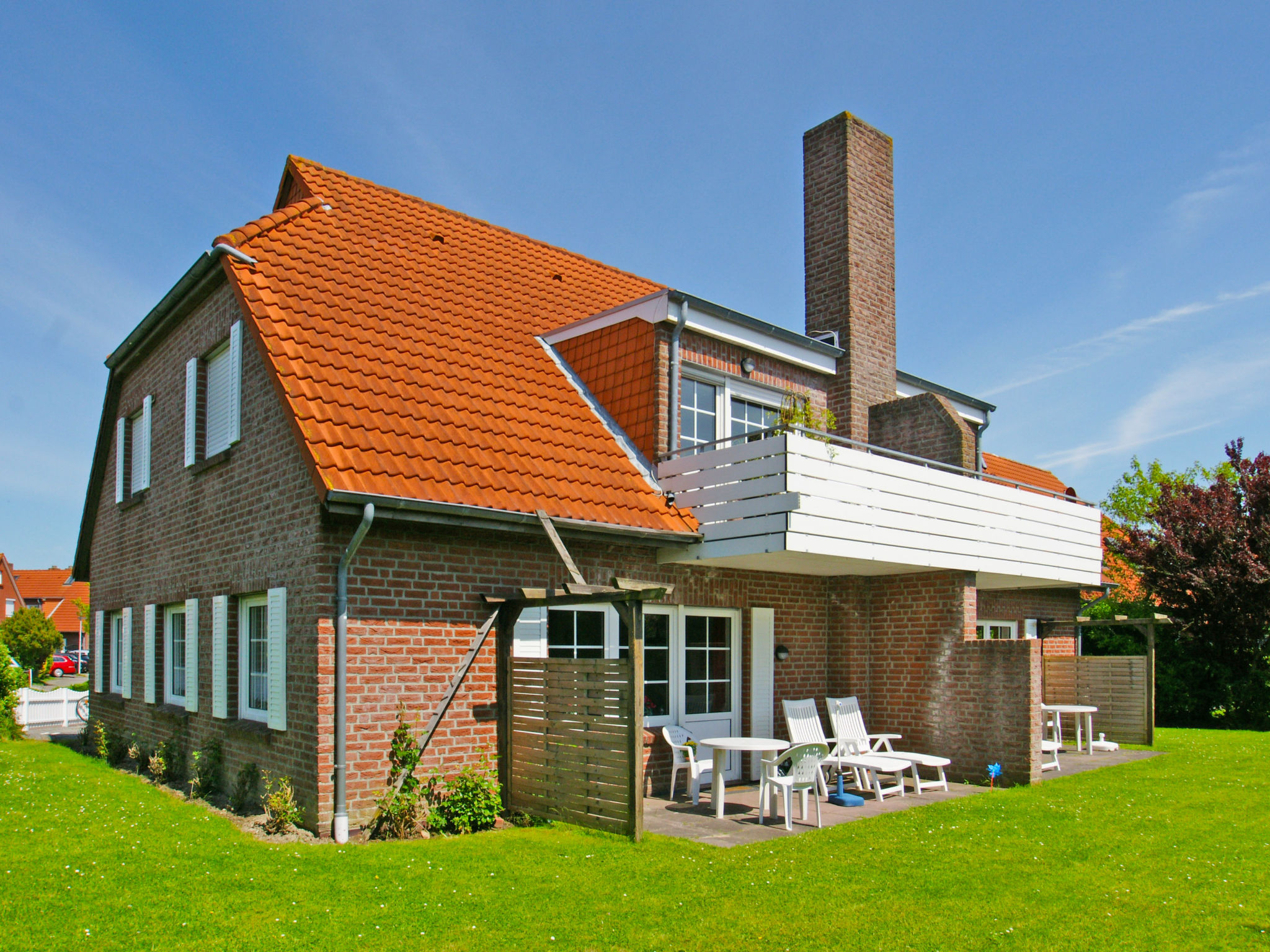
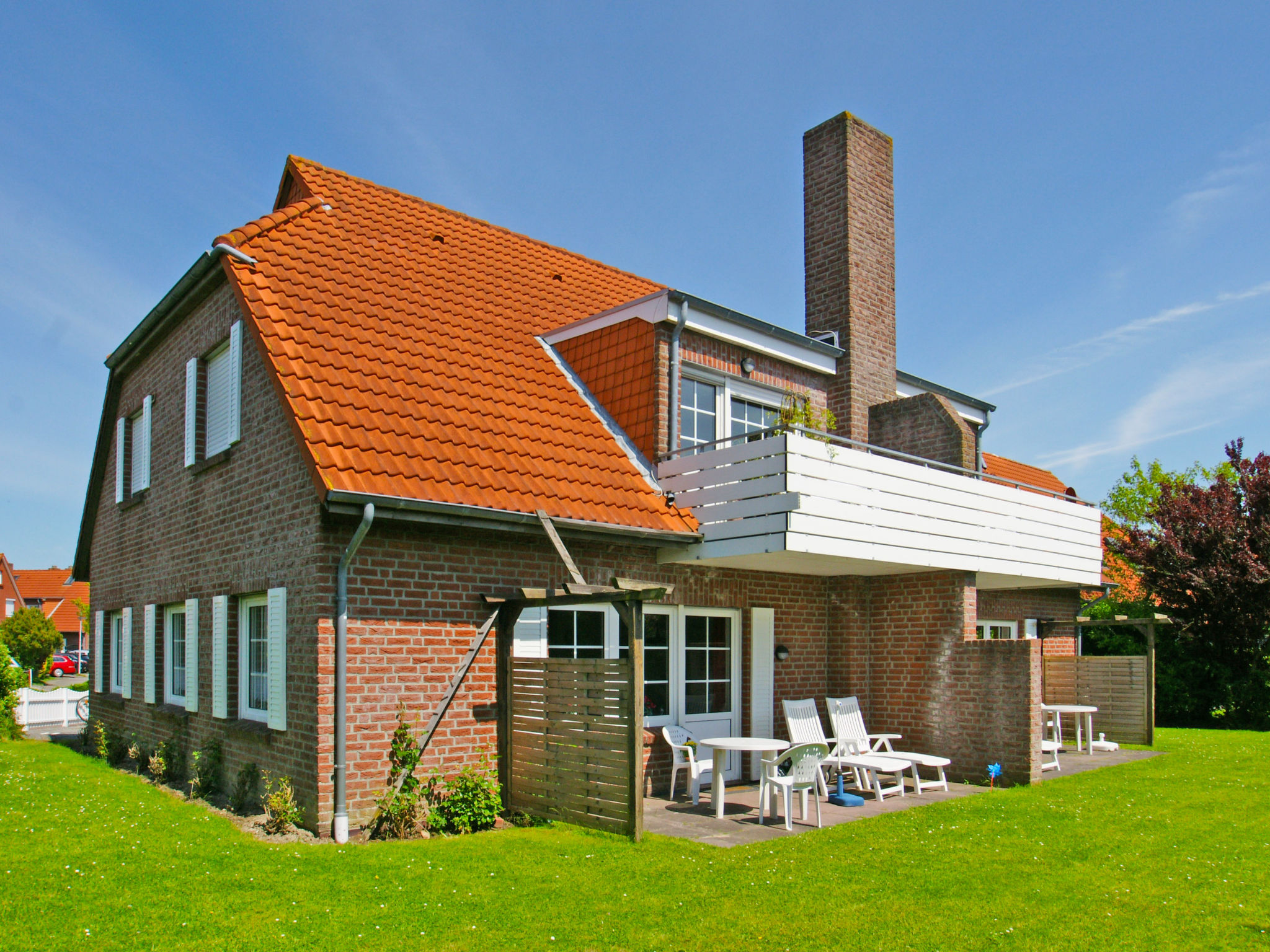
North Sea Holiday Rentals & Villas
Germany's North Sea coast offers something different from the Baltic — more rugged, windier, and less conventionally "beautiful." Norderney and other East Frisian islands dominate the region; the Wadden Sea (UNESCO World Heritage site) creates tidal flats and unique ecology. Tourism infrastructure exists but is more functional than polished. We find the North Sea appeals to people seeking authenticity over resort gloss: island life, tidal rhythms, bird watching, and that stark northern European atmosphere. Water is cold (14-15°C in summer), beaches are mudflat and sand rather than visually appealing, and weather is changeable. Summer season is May through September; winter is genuine cold and wind. It's not for everyone — but those seeking actual coastal character rather than beach-resort predictability often love it.
What Makes the North Sea Special
- Tidal environment and Wadden Sea ecology: Twice daily, mud flats emerge and water returns — creating a rhythm distinct from Mediterranean or Baltic beaches. The Wadden Sea is a UNESCO World Heritage site; bird watching and nature observation are exceptional. This is active ecosystem tourism, not passive beach lounging.
- Island isolation and community: Small island populations (Norderney, Baltrum, Langeoog) create genuine communities rather than tourist destinations. You encounter real island life . Local shops, village character, seasonal rhythms.
- Kite surfing and wind sports: Strong, consistent winds make the North Sea a serious destination for kite surfers, windsurfers, and sailors. If you do these sports, the North Sea is exceptional; if you don't, wind is just an ambient feature.
- Walking and bird watching: Extensive walking routes across Wadden flats (guided tours available), through dunes, and across islands. Bird migration and nesting seasons are extraordinary. Nature observation is the primary activity.
- Authentic, unpretentious character: No Belle Époque villas or spa town heritage. Islands are functional and practical. This appeals to people valuing authenticity over aesthetics.
Top Towns & Resorts on the North Sea
Norderney Island
Largest East Frisian island, roughly 7 km long. Town has functioning harbour, beach promenade, and reasonable restaurants. Tourism exists but isn't overwhelming . Locals live here alongside tourists. Beach is mudflat at low tide (revealing sea life) and water at high tide. No cars on the island (electric shuttles and horse carts exist; walking and cycling are main transport). Summer brings families; shoulder seasons are quieter. Accommodation ranges from simple to decent. Windsurfing and kite surfing are central to summer culture. Less "pretty" than Mediterranean beaches but genuine and authentic. Browse villas near Norderney
Baltrum Island
Tiny island (population ~500) with single small village. Ultra-quiet; minimal tourism infrastructure. Cars aren't allowed; you walk or cycle. Basic accommodation and restaurants. Fresh seafood is exceptional. This suits people genuinely seeking solitude and island immersion. English speakers are fewer; German skills help. Tourism is almost nonexistent compared to Norderney. Accessible by ferry from the mainland (20 minutes). If you want island isolation and are comfortable with very basic amenities, Baltrum is unmatched. Browse villas near Baltrum
Langeoog Island
Middle-sized island (population ~2,000) similar to Norderney in feel but quieter. No cars on island; walking and cycling dominate. Beach, dunes, and pinewood forest characterize the landscape. Accommodation and restaurants exist but are modest. Tourism is less intense than Norderney; locals are present. Reached by ferry from Bensersiel (45 minutes). Good for families and people seeking island atmosphere with slightly more amenities than Baltrum. Prices are reasonable. Browse villas near Langeoog
Wangerooge Island
Eastern of the East Frisian islands, quieter than Norderney and more isolated from mainland. Small population; limited accommodation and restaurants. The island feels genuinely remote. Walking the Wadden flats and beaches is the primary activity. Reached by ferry from Harlesiel (80 minutes). Very much for people comfortable with isolation and preferring nature observation over amenities. German skills are helpful; English is less common. Authenticity is high; comfort is basic. Browse villas near Wangerooge
Cuxhaven (mainland)
Coastal town on the mainland, larger than island villages (population ~47,000). Working fishing port; not a resort town, though tourism infrastructure exists. Beaches and mud flats; tidal rhythm; harbor character. Less isolated than islands; more amenities and restaurants. Works well as a base if you want North Sea character without island isolation. Good restaurants serving fresh fish. Ferry access to islands. Gateway to Wadden Sea nature tourism. Less touristy than established resorts. Browse villas near Cuxhaven
Spiekeroog Island
Quieter than Norderney, between Langeoog and Wangerooge in isolation level. Car-free island; population ~700. Walking and cycling are main transport. Basic accommodation and restaurants. Beach and forest combination. Reaches via ferry from Neuharlingersiel (60 minutes). Good for people seeking peace and island atmosphere with functioning village amenities. Less extreme than Baltrum or Wangerooge. Prices are reasonable. Browse villas near Spiekeroog