Villas in Dangast
Dangast is for walkers and families after a free sandy beach on the Jadebusen, guided mudflat walks and a painters' past. Swimming only works around high tide, and the homes are spread out towards Varel, so not all are near the shore.
- Villas
- 6
- From, per week
- £490
About Dangast
Dangast is a resort village of around 500 people on the southern shore of the Jadebusen, a tidal bay almost entirely inside the Wadden Sea national park. It was rebuilt after the great flood of 1362 on the slope of an ice-age ridge, high enough that it needs no sea dike. The sandy beach is about 2 km long, though fenced private plots break it up. At low tide the water drains off and leaves very soft mud. Evenings are quiet and centre on the Kurhaus, run by one family since 1884 and known for its cakes. Our homes are scattered around Dangast and Varel rather than lined up on the front, and none has a pool.
Is Dangast right for you?
- Best for
- Families, birdwatchers and walkers who like tidal coasts
- Not for you if
- You want to swim whenever you like, because the sea here comes and goes with the tide.
Near Dangast
Varel
The small town that Dangast belongs to, with a 50 m water tower whose viewing platform looks over the Jadebusen.
Arngast lighthouse walk
A demanding guided walk of around six and a half hours across the mudflats to the lighthouse, which stays closed to visitors.
Oldenburg
City about 32 km away and the better bet for a shopping day, linked to Varel by the 340 bus.
Getting to Dangast
Bremen airport is about 77 km away, around an hour and a half by train, and Varel station has four direct trains a day to and from Bremen. Drivers should leave the A29 at the Varel/Bockhorn exit for Dangast. Cycle paths run beside most main roads, so a bike works well locally.
When to go to Dangast
Summer brings the beach days and the three-day harbour festival. All year the tide sets the timetable, so check high water before planning a swim. Birdwatchers come for waders on the flats and the thousands of barnacle geese on migration, and the seawater Quellbad is there for wet days.
Villas in Dangast
5-star property
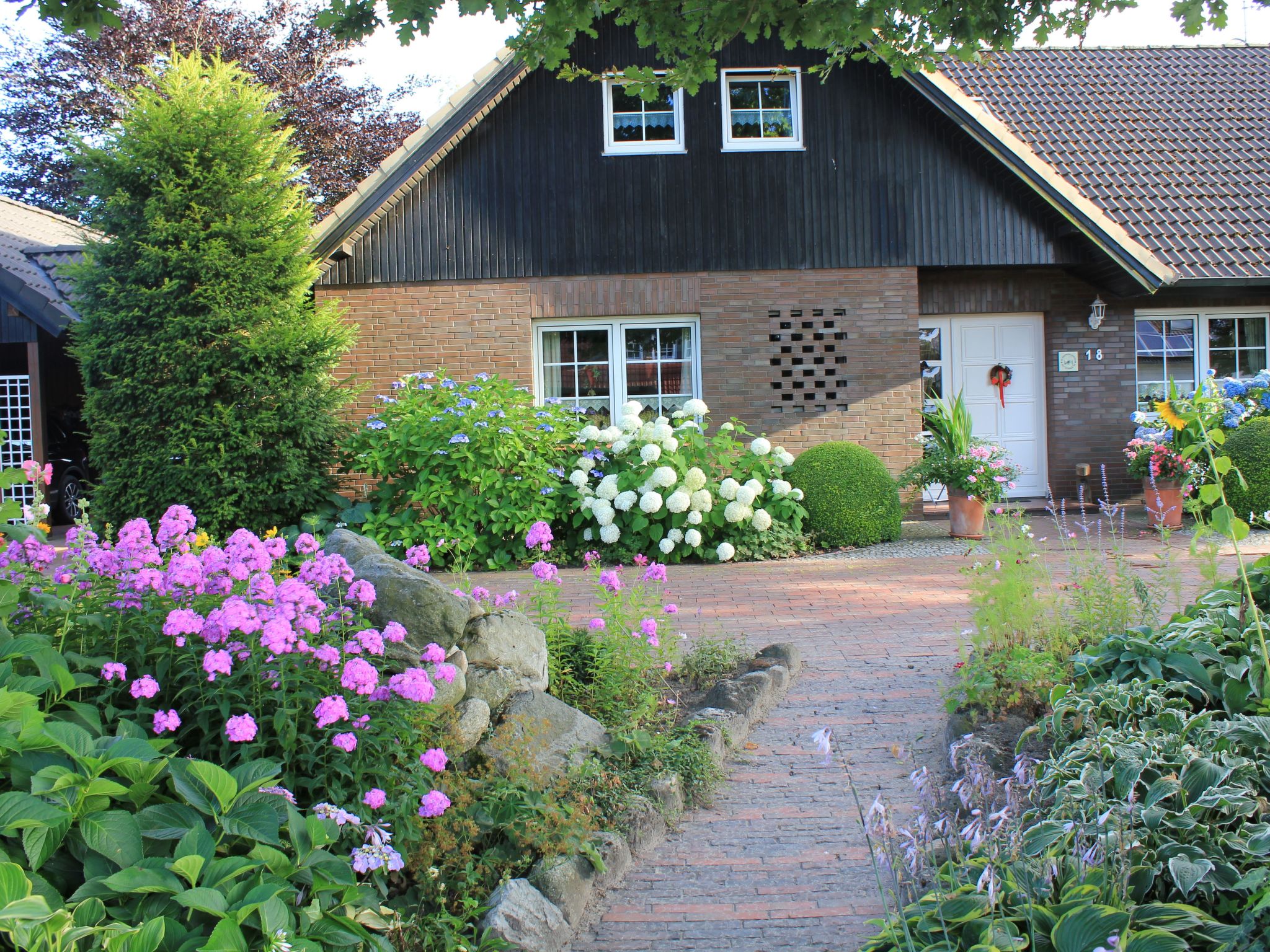
3-Bedroom Home, Dangast
Dangast, North Sea, Germany
4
3
0
BBQParkingDishwasher+12 more
from£78
per night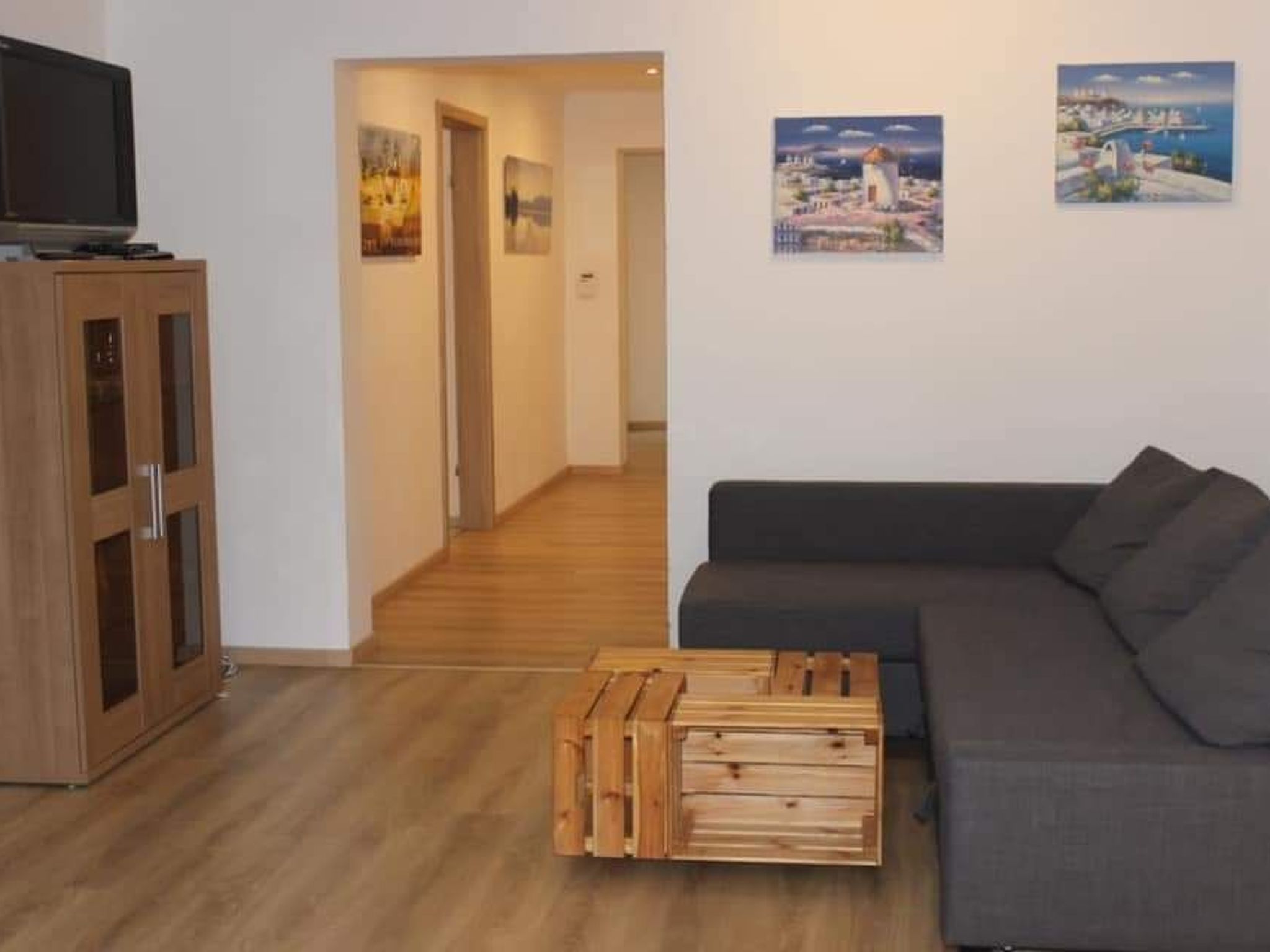
3-Bedroom Home, Dangast
Dangast, North Sea, Germany
6
3
0
BBQParkingDishwasher+9 more
from£94
per night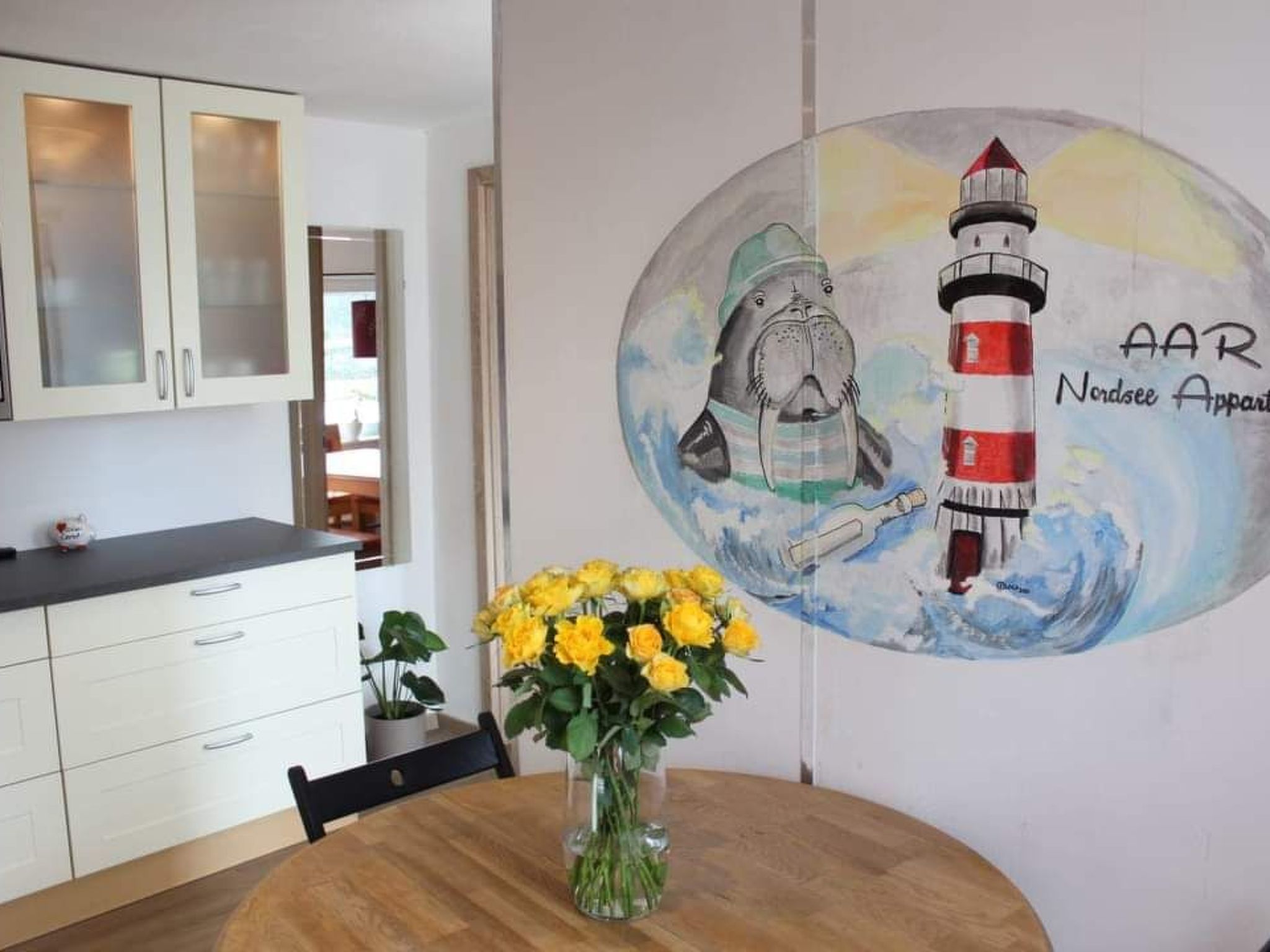
AAR NORDSEE APPARTEM
Dangast, North Sea, Germany
5
3
0
ParkingDishwasherMicrowave+6 more
from£80
per night
4-star property

5-star property
Typisch Friesisch in Dangast
Dangast, North Sea, Germany
4
2
0
BBQParkingDishwasher+8 more
from£77
per night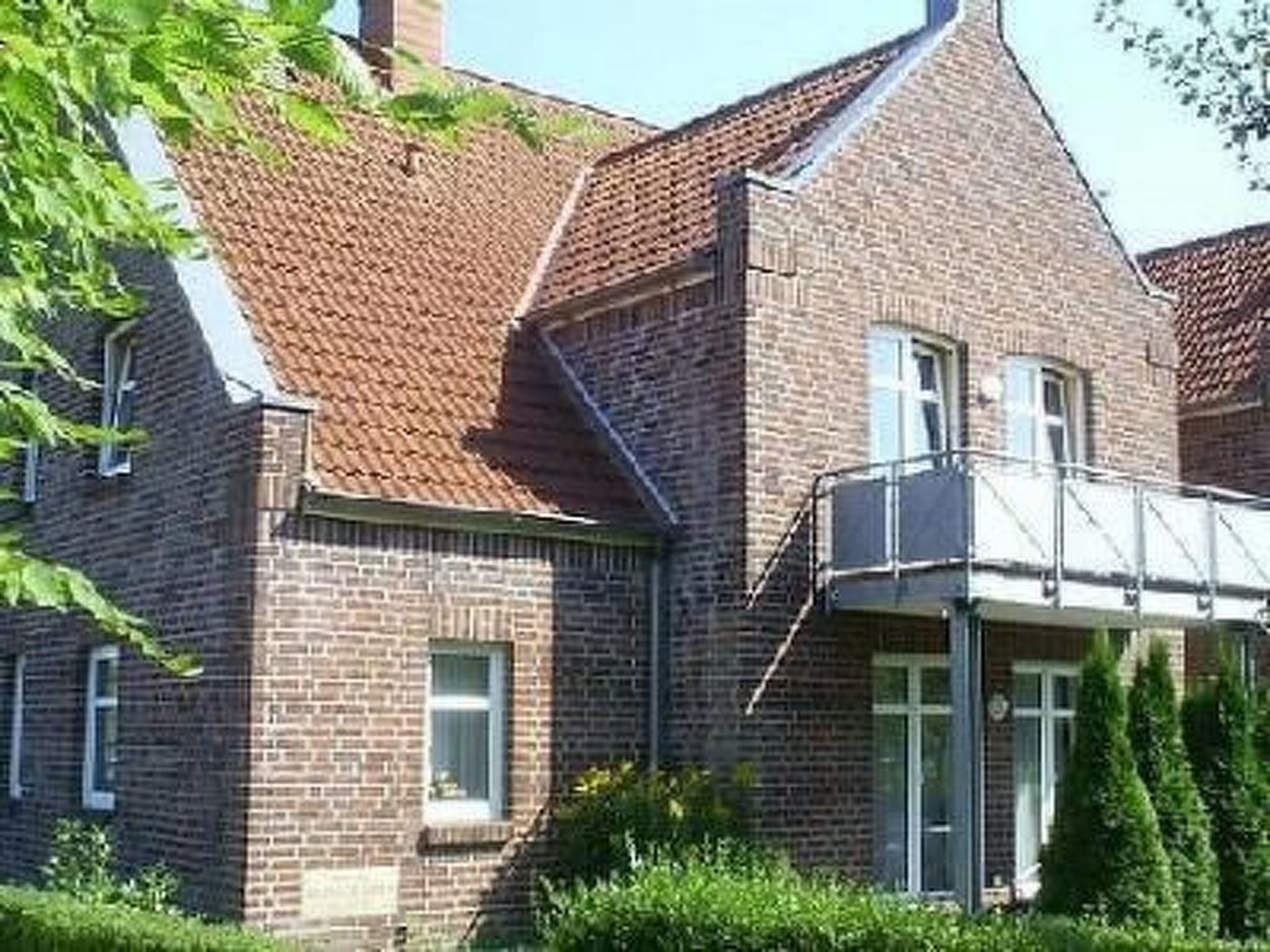
4-star property
FeWo Wattwurm
Dangast, North Sea, Germany
4
1
0
ParkingDishwasherMicrowave+8 more
from£70
per nightDangast villa holidays: questions answered
Can you swim at Dangast beach?
Around high tide, yes. At low tide the sea pulls back across the mudflats, so swimming has to fit the tide table. The DanGastQuellbad, a seawater pool fed by an iodine-brine spring, is the fallback.
Is Dangast beach free?
Access is free, which is unusual on the German North Sea coast. Fenced private plots interrupt the roughly 2 km of sand, though, so the public stretches are limited.
Can you walk on the mudflats from Dangast?
You can, but go with a guide. The mud here is so soft that walkers often sink past the calf, and the classic outing is the long walk of about six and a half hours out to the Arngast lighthouse.
Why is Dangast known for artists?
The painters Erich Heckel and Karl Schmidt-Rottluff worked here before the First World War, and Franz Radziwill lived in the village from 1923 until 1983. His house on Sielstraße is now an art museum.
Nearby towns to Dangast
Written by the TrustedVillas team. Last reviewed October 2026.
Find Your Perfect Villa in Dangast
Our villa experts are here to help you find the ideal property for your vacation. Contact us for personalized recommendations.