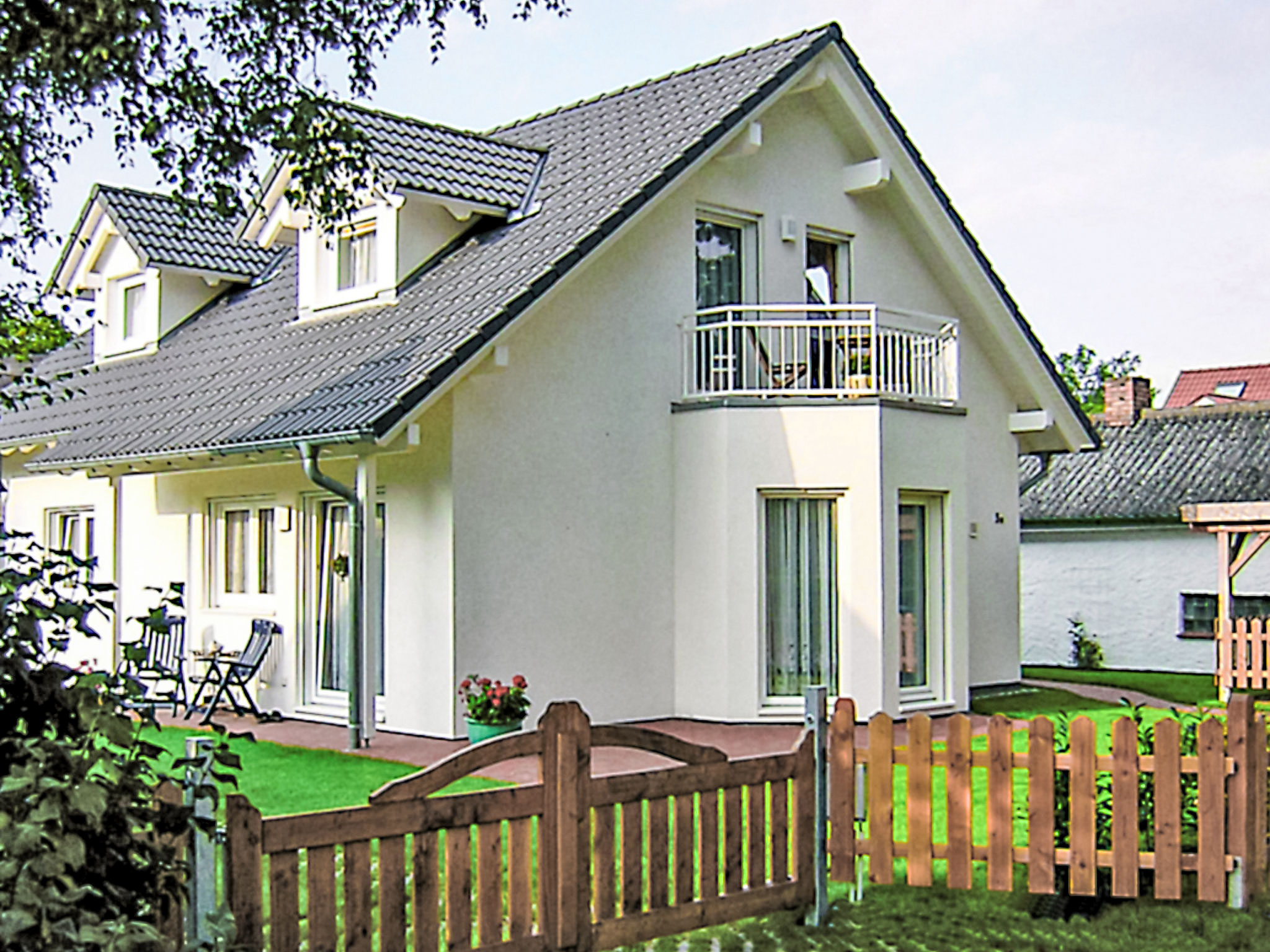
Baltic Sea Holiday Rentals & Villas
Germany's Baltic coast offers beach life, spa towns, and that breezy northern European atmosphere. Usedom and Rügen islands dominate the region; mainland areas like Bad Doberan and Graal-Müritz provide coastal alternatives. The climate is cooler and windier than Mediterranean beaches — locals describe it as "healthy" air rather than hot. We find the Baltic appeals to people wanting traditional seaside life: promenades, spa architecture, swimming (in summer), and beaches with boardwalk character. Tourism is significant but less overwhelming than crowded Spanish or French resorts. The region feels genuinely German rather than internationally homogenized. Summer season is May through September; winter months are grey and quiet. It's an underrated corner of German tourism — good value, functional infrastructure, and genuine coastal character.
What Makes the Baltic Sea Special
- Genuine seaside promenade culture: Extensive beach walks (Strandpromenade), traditional spa town architecture, and that European seaside mood. It's not about scorching heat and bronzed bodies; it's about fresh air, beach walks, and coastal rhythms.
- Spa town heritage: Towns like Usedom and Heringsdorf were developed as spa destinations — architecture reflects Belle Époque elegance mixed with practical German resort infrastructure. Spa facilities, wellness treatments, and health-focused culture remain strong.
- Beach swimming and water sports: Summer water temperatures reach 16-18°C . Swimmable for most people. Sandy beaches, shallow water near shore (good for children), and wind conditions suit sailing and windsurfing. Lifeguards operate beaches in summer.
- Pine forests and coastal scenery: Flat terrain with coastal forests create pleasant landscape variety. Cycling routes are extensive; walking access to nature is straightforward.
- Less international tourism than Mediterranean: British families are present but far fewer than at Spanish resorts. The mix is mostly German, Dutch, and Scandinavian visitors. This creates a distinctly different atmosphere.
Top Towns & Resorts on the Baltic Sea
Usedom Island
The island straddles the German-Polish border; the main resort areas (Heringsdorf, Ahlbeck, Bansin) sit on the German side. Belle Époque architecture dominates . Grand hotels, elegant villas, and long promenades characterize the seafront. Spa town culture is strong; wellness treatments and health-focused facilities are abundant. Beaches are sandy and well-maintained. Tourism is significant but not overwhelming. Towns have character beyond the resort facade. Summer brings families; shoulder seasons are quieter. Accommodation ranges from simple to luxurious. This is classic German seaside . Functional and pleasant rather than glamorous. Browse villas near Usedom
Bad Doberan
Spa town on the mainland coast, famous for its Gothic minster and Bad Doberan-Heiligendamm railway (narrow-gauge, historic, tourist-focused). The town has genuine character beyond tourism; locals use facilities; architecture reflects 18th- and 19th-century spa development. Less famous than Usedom, so fewer crowds. Beaches are accessible but not the main draw . Inland spa culture is the focus. Good restaurants and reasonable accommodation. The setting feels more "lived-in" than island resorts. Gateway to broader Mecklenburg coast region. Browse villas near Bad Doberan
Graal-Müritz
Coastal town combining fishing village character with resort infrastructure. Less polished than Usedom but more authentic-feeling. Beaches, harbor walks, fish restaurants, and Nordic atmosphere characterize the waterfront. Good base if you want seaside without resort overdevelopment. Quieter than major resorts; prices are reasonable. Accommodation and restaurants are straightforward rather than upscale. Works well for people seeking coastal character over luxury amenities. Nearby forests offer walking alternatives to beach time. Browse villas near Graal-Müritz
Warnemünde
Beach resort at the mouth of the Warnow River, within day-trip distance of Rostock (city). Fishing village history mixed with contemporary resort development. Lighthouse, harbor, and beach promenade create scenic appeal. More contemporary than Belle Époque Usedom; less historically coherent but lively. Rostock access means more cultural options and varied nightlife than island towns. Beaches and water sports are central. Tourist infrastructure is solid; prices are moderate. This works if you want coastal life with proximity to a city for occasional cultural visits. Browse villas near Warnemünde
Binz (on Rügen Island)
Beach resort on Rügen, featuring grand Belle Époque villa architecture and long sandy beach. Most touristy area on the island; significant summer crowds. But the architecture and seafront are genuinely handsome. Spa facilities, restaurants, and accommodation options are numerous. Works as a base for exploring broader Rügen island which has varied attractions (chalk cliffs, forests, smaller villages). Rügen island offers more diversity than mainland coastal towns . You can combine beach with landscape exploration. Browse villas near Binz
Smaller coastal villages (Ahrenshoop, others)
Tiny fishing villages along the coast, some developing as artists' communities. Ahrenshoop is known for artistic heritage and beach walks. Populations under 2,000; tourism exists but doesn't dominate. Restaurants are basic; accommodation is simpler. You'll experience coastal life more authentically than in resort towns. Quiet mornings, fresh fish, and genuine community character appeal. Best for people comfortable with limited facilities and seeking genuinely quiet coastal time. Browse villas near coastal villages