Villas in Belz
Belz suits walkers and families wanting a garden house on the Ria d'Étel, with the island chapel of Saint-Cado in the commune. None of these homes has a pool, and the ria is a tidal oyster bay rather than a resort beach, so plan days around the water and the paths.
- Villas
- 5
- From, per week
- £430
About Belz
Belz is a commune of about 3,900 people on the left bank of the Ria d'Étel, a sheltered inland sea of islets, marshes, oyster parks and dunes between Lorient and Vannes. The bourg strings out along the D16, and the shoreline is heavily indented, with a slipway at Port-Niscop and the Anse du Sac'h facing the most open part of the ria. Saint-Cado, a former island now joined to the mainland, has fishermen's houses, a Romanesque chapel and a granite calvary from 1832. Standing stones are close at hand too, at the Kerdruellan megalithic site and the Kerhuen dolmens. The homes are around the village itself, mostly sleeping four to six.
Is Belz right for you?
- Best for
- Walkers and families wanting a garden house by an oyster estuary
- Not for you if
- You want a private pool, as these homes do not have one.
Near Belz
Saint-Cado
Former island hamlet now joined to the mainland, with fishermen's houses and a Romanesque chapel open daily in season.
Étel
Neighbouring town south along the D16, once the leading tuna port on the Atlantic coast, with a tuna festival of bagpipes and bombardes each summer.
Pont-Lorois
Bridge between the communes of Belz and Plouhinec; the first bridge here, the Pont Lorois, went up in 1841.
Getting to Belz
Lorient is around 25 minutes by car, and its airport is about 5 km from the city. Without a car, BreizhGo bus line 616 runs hourly from Lorient's Gare d'échanges and takes about 50 minutes, but the ria shore and beaches are far easier with your own wheels.
When to go to Belz
In season the Saint-Cado chapel opens daily, and each summer Étel holds its tuna festival. The rest of the year the ria's view still shifts constantly with the light and the tide, which suits walkers on foot, by mountain bike or on horseback.
Villas in Belz

3-star property
Maison Maison Ty Mad
Belz, Morbihan, France
6
3
0
DishwasherGardenParking+7 more
from£122
per night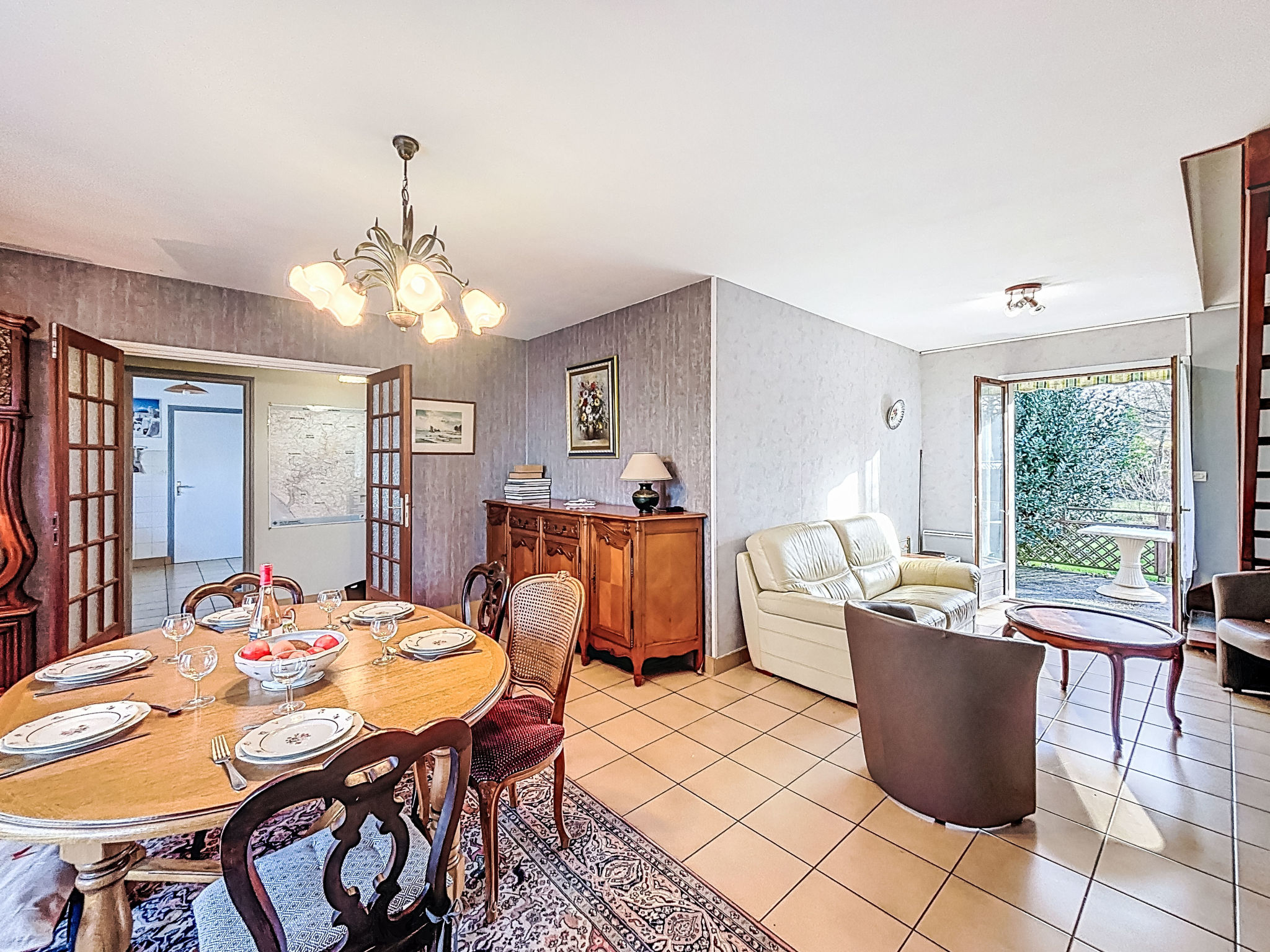
3-star property

3-star property
3-star property
3-star property
Belz villa holidays: questions answered
Is Saint-Cado part of Belz?
Yes. Saint-Cado lies in the commune of Belz: a former island in the Ria d'Étel, now joined to the mainland, with a Romanesque chapel and a granite calvary dating from 1832.
Are there beaches in Belz?
Yes, on the ria rather than the open sea. Belz has a heavily indented shoreline with Kerio beach and the Anse du Sac'h, and the wider ria has dunes and wild beaches.
What is the Barre d'Étel near Belz?
A shifting sandbank at the mouth of the Ria d'Étel that closes off the bay. Inside it the ria is a sheltered bay dotted with islets, and the view changes with the light and the tide.
Is Belz good for oysters and seafood?
It is oyster country. Oyster parks line the Ria d'Étel, and its waters also give mussels, palourde clams, cockles and winkles, so the local catch is the obvious thing to cook in a house with a garden.
Nearby towns to Belz
Written by the TrustedVillas team. Last reviewed November 2026.
Find Your Perfect Villa in Belz
Our villa experts are here to help you find the ideal property for your vacation. Contact us for personalized recommendations.