Morbihan
Morbihan is Brittany's quiet corner: rocky coasts, medieval towns, and a unique inland sea (Golfe du Morbihan) dotted with islands. Vannes anchors the region with actual history—medieval walls, cobbled streets, working markets. The Gulf itself (a flooded valley now filled with saltwater) creates calm water well suited to sailing and kayaking, with islands to explore. Carnac's megalithic stones (prehistoric alignment avenues) are genuinely curious if ancient history interests you. The food is oysters, crêpes, local cider, and simpler cooking than southern France. The coast is rugged (granite rocks, Atlantic energy) rather than sandy Mediterranean. It's cooler than the south, which suits people who don't want extreme heat. British tourists exist here but don't dominate. It feels less touristy than Dordogne, more genuine than Côte d'Azur.
What Makes Morbihan Special
- The Golfe du Morbihan is genuinely unusual. An inland sea with 40+ islands, reached by boat from Vannes or Auray. You can sail, kayak, or take ferries. It creates a completely different landscape from French mainland regions.
- Medieval Vannes feels lived-in. Yes, it's touristed, but locals still shop and eat there. Markets work. Streets are navigable. It's not theme-parked. The old town is compact and walkable.
- Carnac's stones are properly strange. Three thousand prehistoric megaliths aligned in rows. They're not as famous as Stonehenge, but they're more numerous and less touristy. If archaeology fascinates you, this is worth time.
- Sailing culture is genuine. You can charter boats, take sailing lessons, or just watch. Belle-Île (accessible by ferry) is an island refuge. It matters to people who care about nautical things.
- The coast is dramatic without trying. Pink granite cliffs, sea caves, rocky islands. It's photogenic without feeling artificial. Atlantic weather makes it less obviously pretty than the Mediterranean, but more honest.
Top Towns & Resorts in Morbihan
Vannes
The region's main town (50,000 people) with medieval ramparts, a cathedral, and a working port. Half-timbered buildings and narrow streets characterize the old town. Saturday market fills the central squares. The harbour is genuinely busy with fishing boats and pleasure craft. You can walk the ramparts in an hour. The town has restaurants, shops, and real life—not just tourism. Caveat: summer weekends are busy with French and British visitors. Weekday mornings are quieter and more authentic.
Golfe du Morbihan (Gulf)
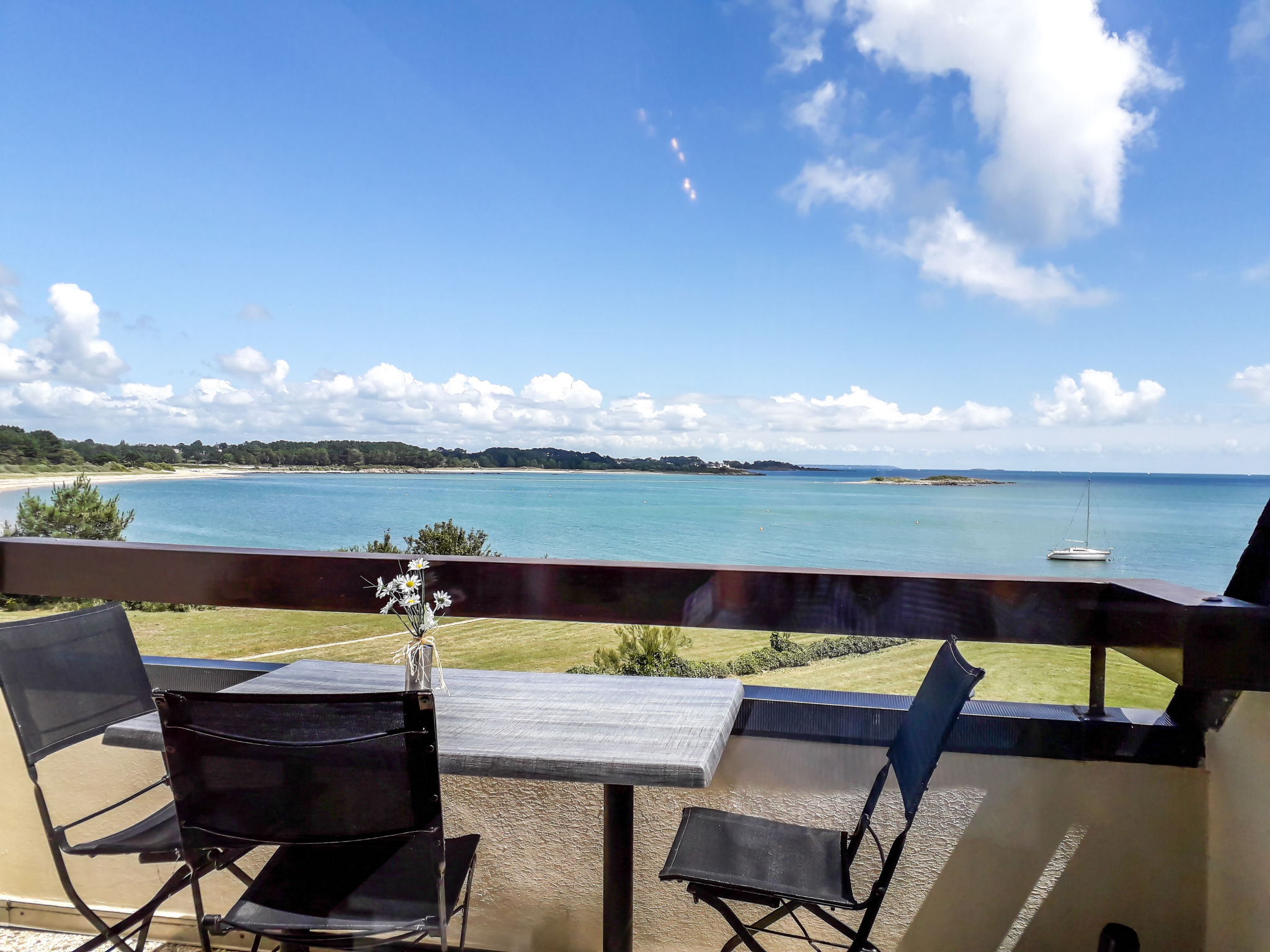
An inland sea reached by boat. Tours depart from Vannes, Auray, and other ports. Islands (Île aux Moines, Île d'Arz) are inhabited and have restaurants and shops. You can spend a day island-hopping or take a sailing lesson. Kayaking is possible, you paddle among islands and see seabirds. It's genuinely different from other French regions. Weather-dependent: Atlantic storms can close services. Go on clear days. The appeal lies in exploration and slowness, not rushing through checkpoints.
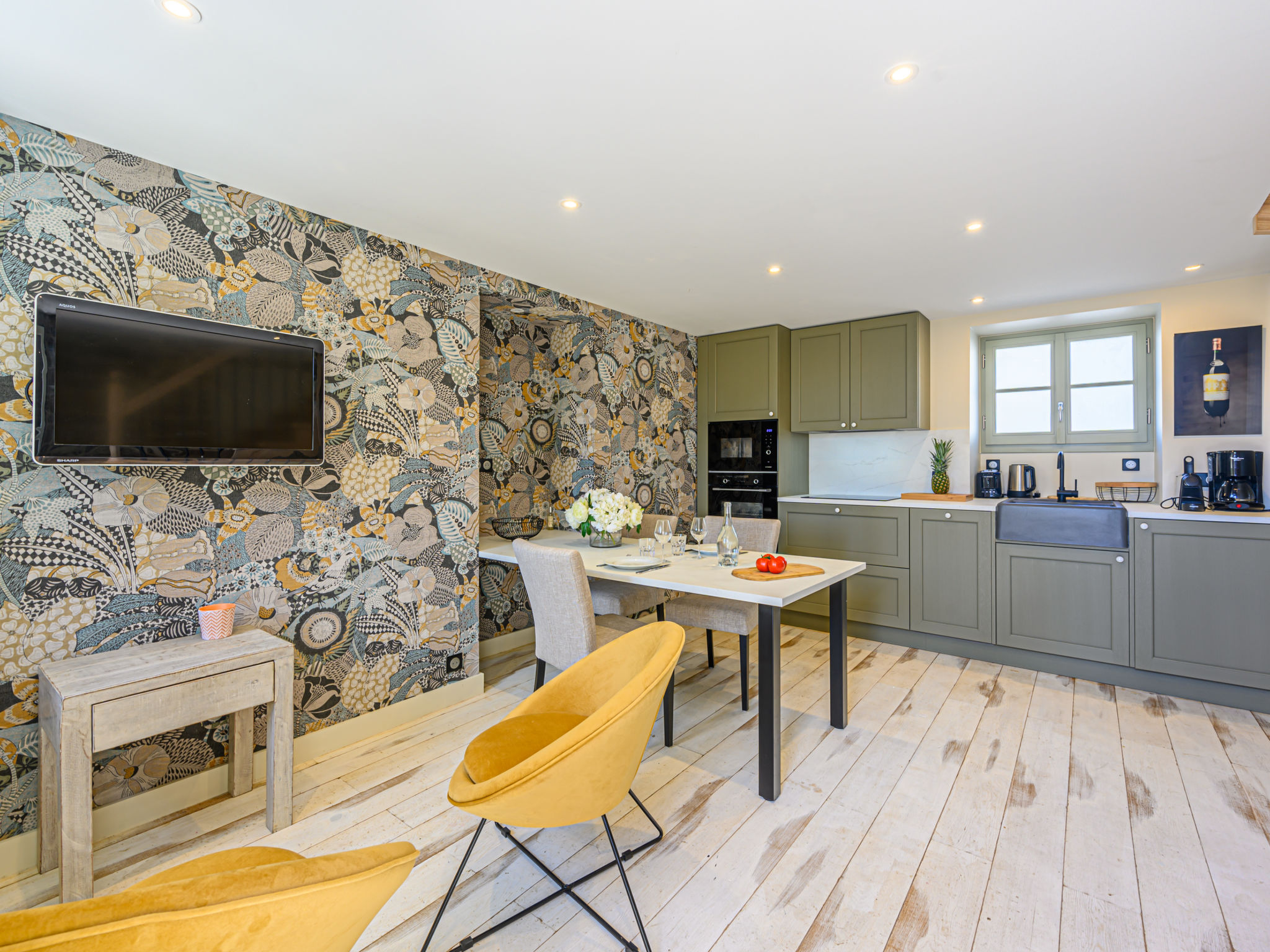
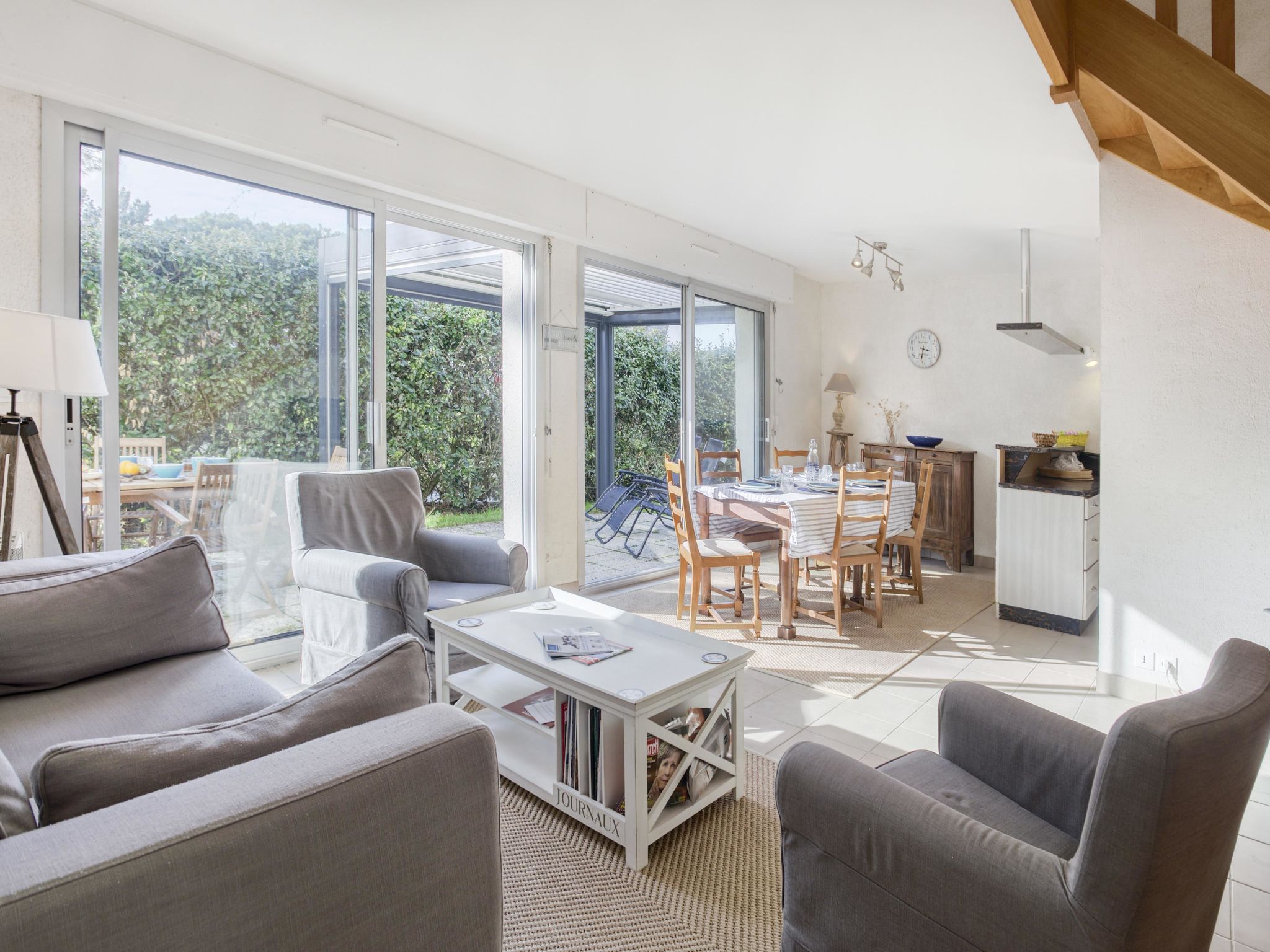
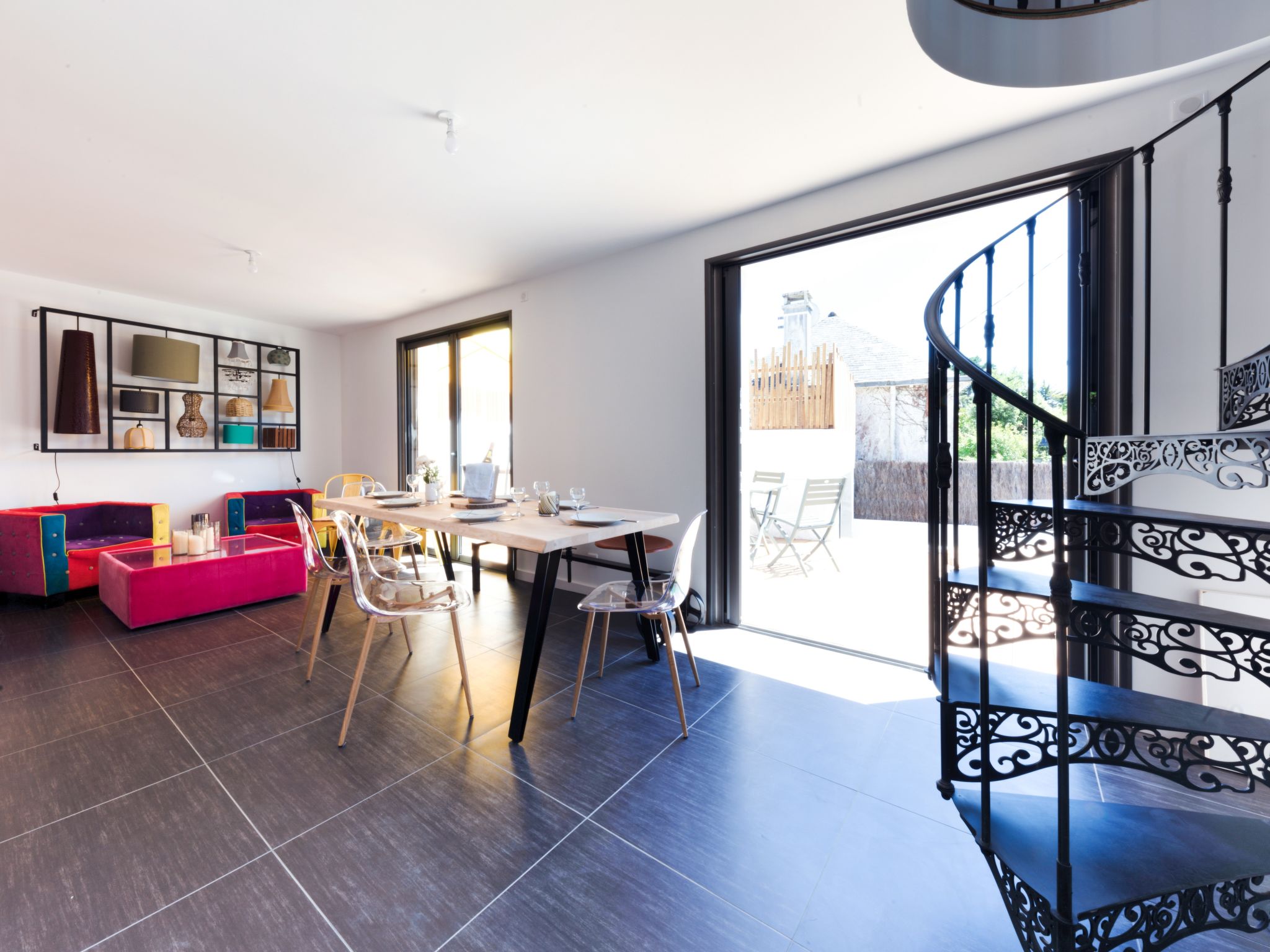
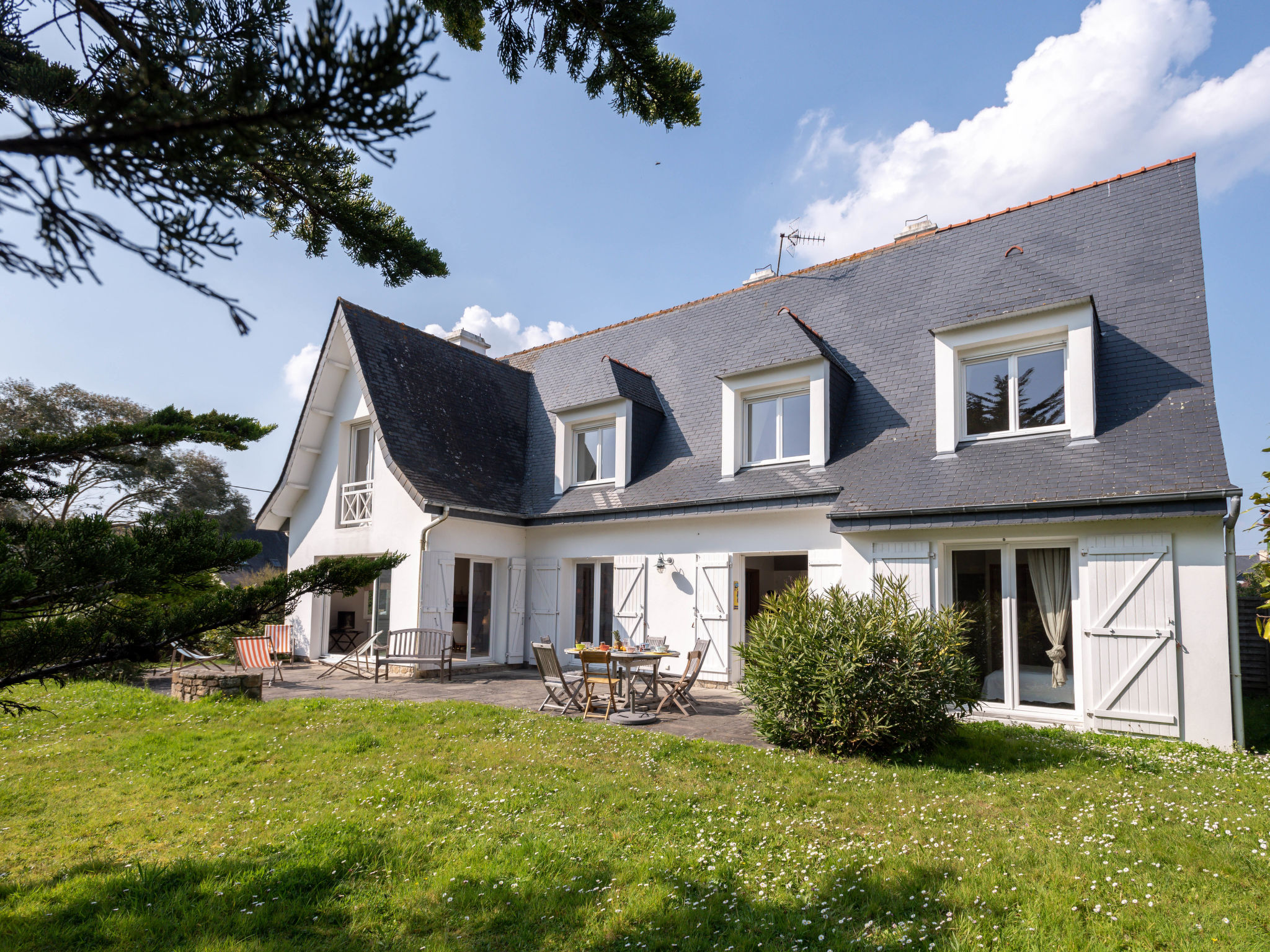
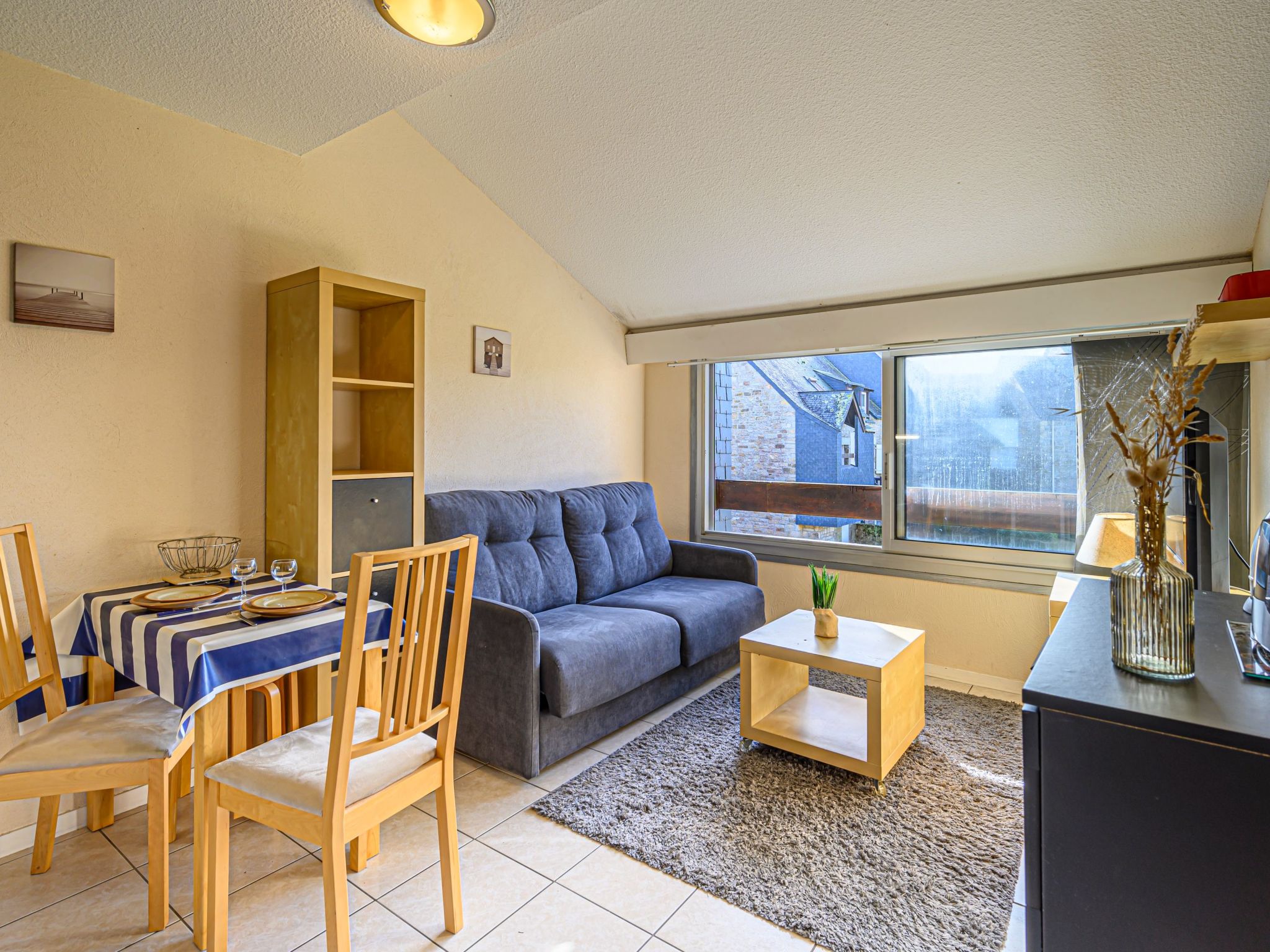
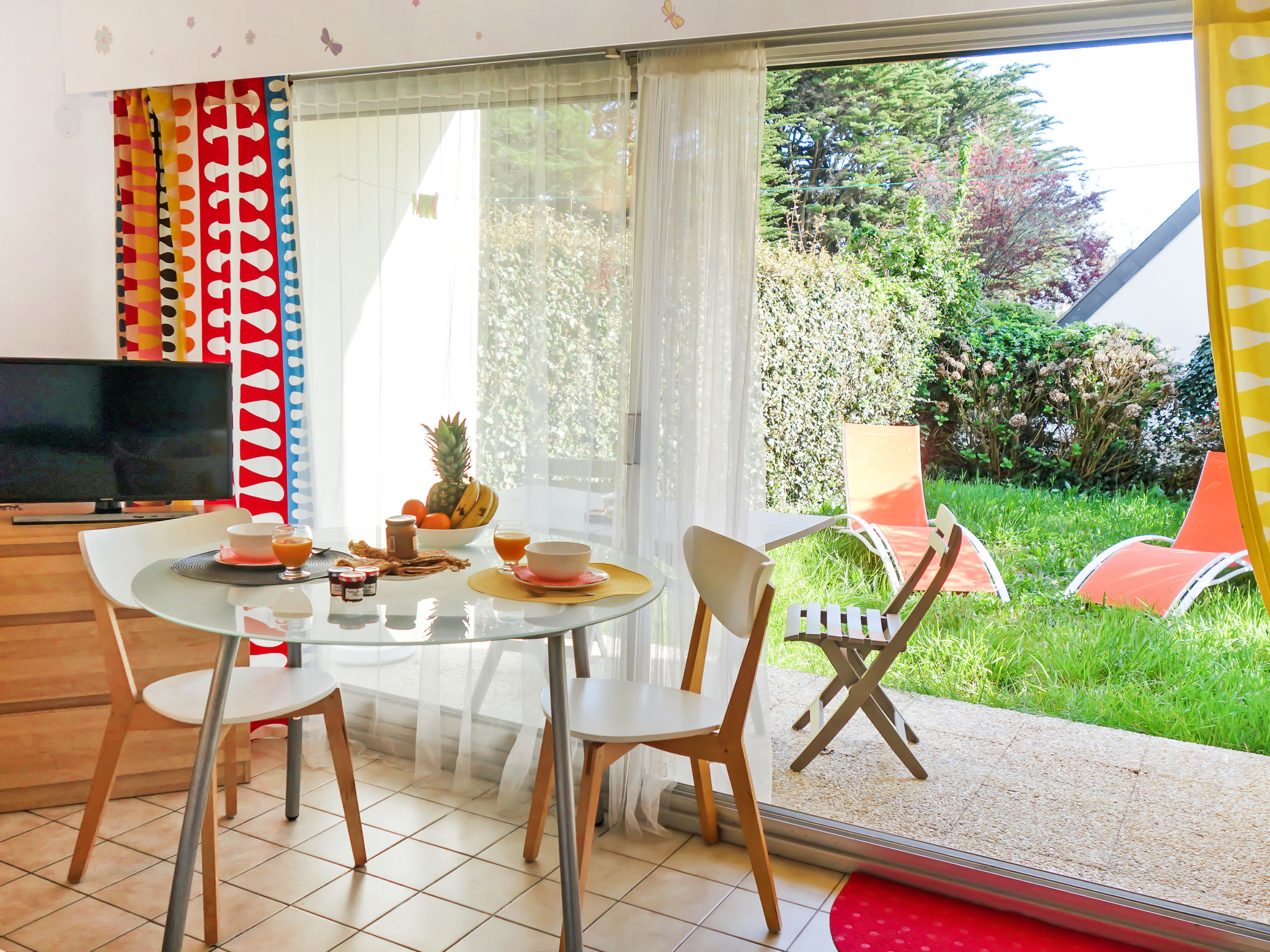
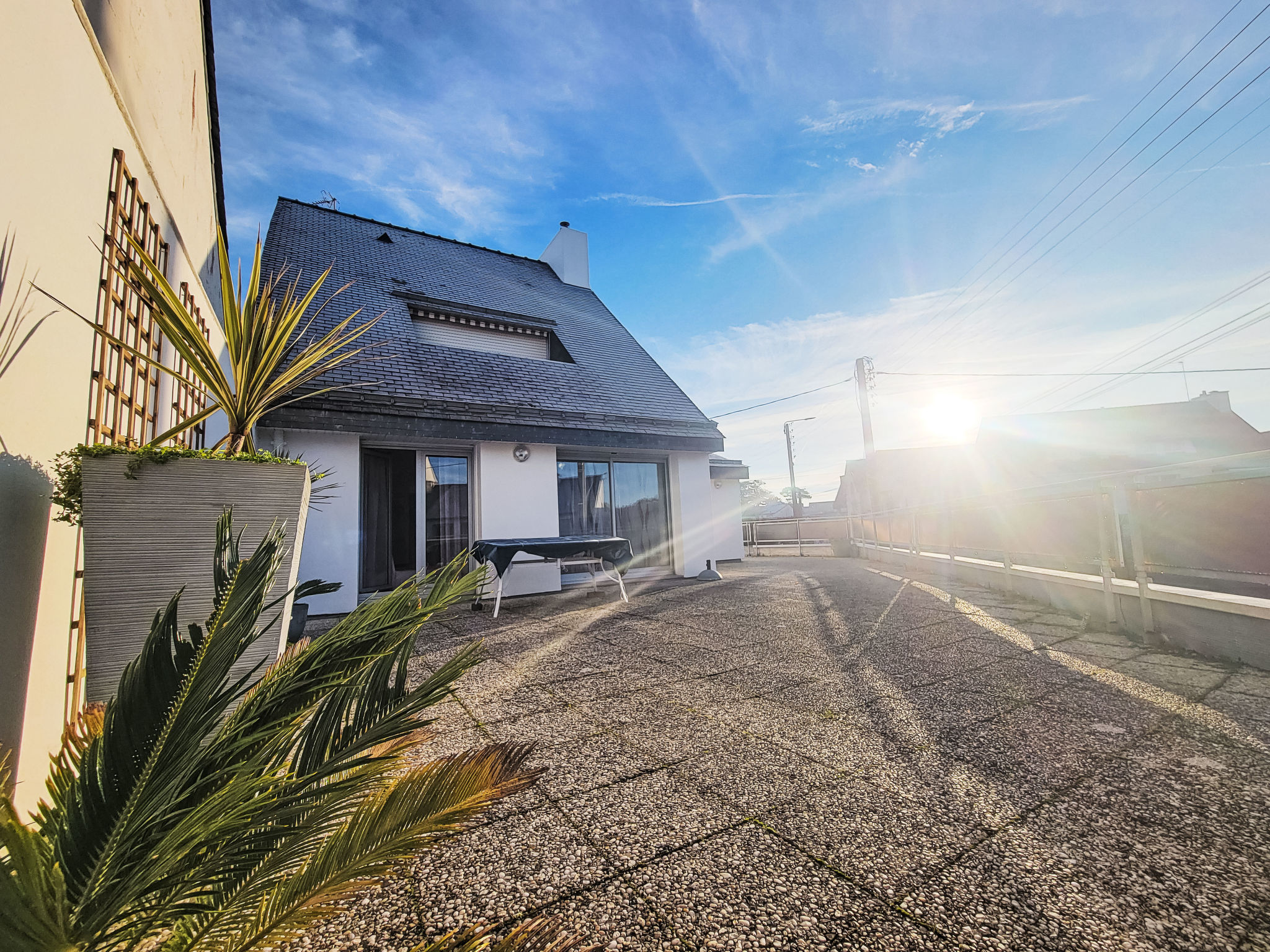
View villas near Golfe du Morbihan
Carnac & Megalithic Stones
The town of Carnac sits on a peninsula with three thousand prehistoric megaliths arranged in multiple rows. They date to around 3500 BC. A museum (Musée de Préhistoire) provides context. The stones themselves are impressive in their scale, you walk among them and feel genuinely ancient history. It's not as packaged as Stonehenge. It's less famous than Stonehenge, which means fewer crowds. If archaeology doesn't matter to you, skip it. If it does, Carnac is worth half a day. The town itself is small and crêpe-filled.
Belle-Île (Island)
A larger island reached by ferry from Auray or Quiberon (30-45 minutes). It has villages, lighthouse, dramatic cliffs (Côte Sauvage), and beaches. Many visitors day-trip from the mainland, but staying overnight changes the experience, you feel less tourist, more resident. The weather is Atlantic (windy, changeable) rather than Mediterranean (reliable, hot). Ferries run year-round but are weather-dependent. It's good for sailing types and people seeking seclusion. Caveat: it's not a beach destination in the Mediterranean sense. Bring layers and expect variable weather.