Villas in Guissény
Guissény suits walkers and birdwatchers who want dunes, a marsh reserve and the wide Vougot beach on Brittany's north coast. Homes here are modest, mostly sleeping four to six, and none has a pool, so this is a stay built around the shore rather than the sun lounger.
- Villas
- 8
- From, per week
- £548
About Guissény
Guissény is a coastal commune on the Channel, part of the Pays pagan, with a bourg set several hundred metres back from the shore and hamlets and farms scattered across the Léon plateau. The coast is the reason to come: dunes up to about 13 metres high, the Étang du Curnic held back by a long stone dyke, and a marsh of lagoons, reedbeds and peat bog with a bird observatory. Offshore, rocky islets emerge as the tide drops. The homes are grouped fairly close together, and many have a garden and a fireplace for cooler nights. Evenings are quiet, with no seafront strip, and the place is quieter still out of season.
Is Guissény right for you?
- Best for
- Walkers, birdwatchers and families happy with a quiet coast
- Not for you if
- You want a pool, a lively harbour or restaurants within walking distance.
Near Guissény
Plouguerneau
The neighbour to the west, sharing the Vougot beach, with the harbours of Koréjou and Lilia and a seaweed-gatherers' museum.
Île Vierge lighthouse
At 82.5 metres the tallest lighthouse in Europe, reached by a five-minute boat crossing and then 365 steps to the top.
Kerlouan
The neighbouring commune on the far side of the small Quillimadec river, which runs out into the Tressény inlet.
Getting to Guissény
Brest Bretagne airport is the nearest, around half an hour's drive away. A bus connection exists but takes over two hours, and the hamlets here are spread out, so plan on having a car for the whole stay.
Villas in Guissény
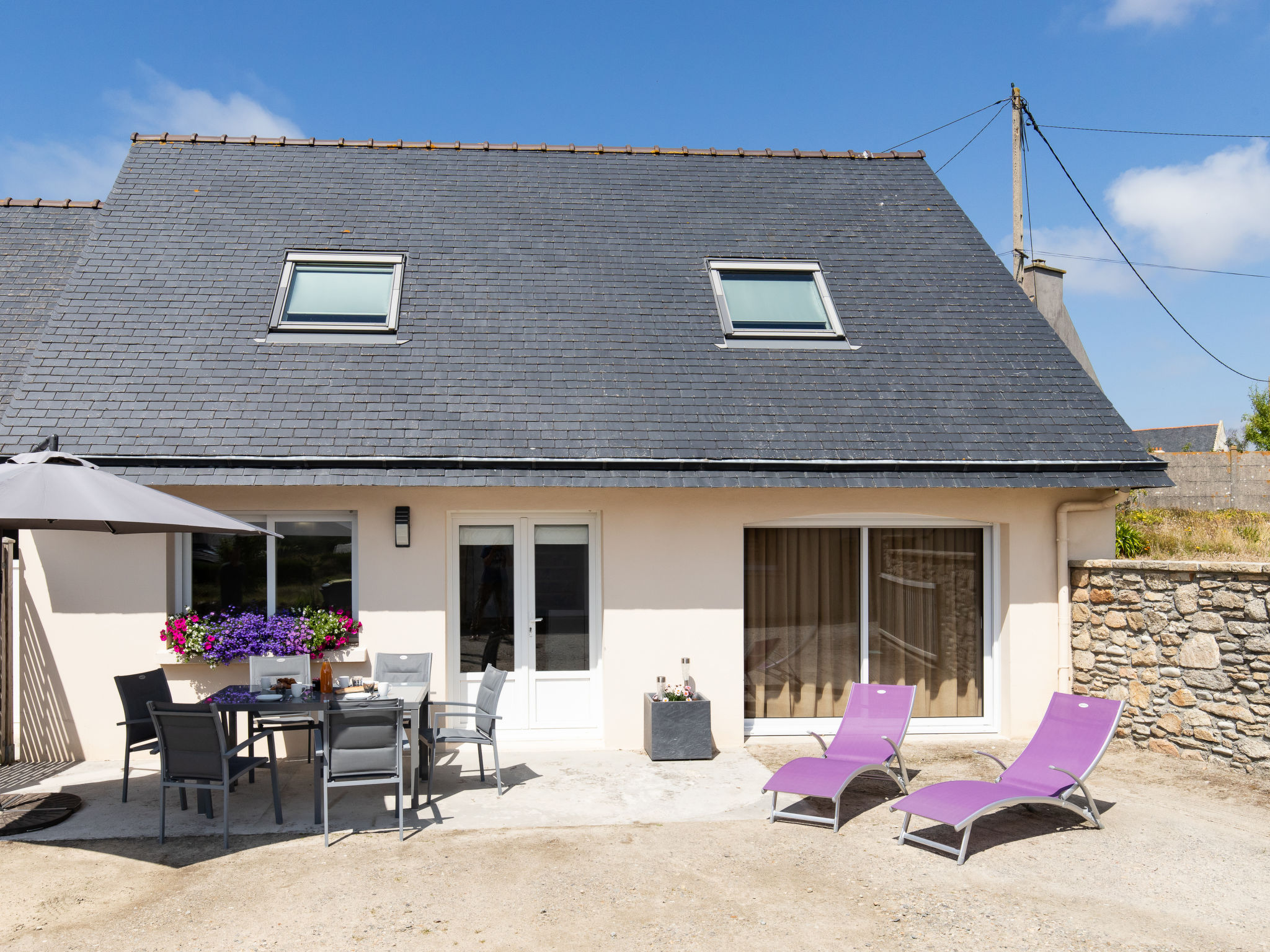
3-star property
3-star property
Chez Patricia et Patrice
Guissény, Finistère, France
6
3
0
BBQGardenMicrowave+8 more
from£78
per night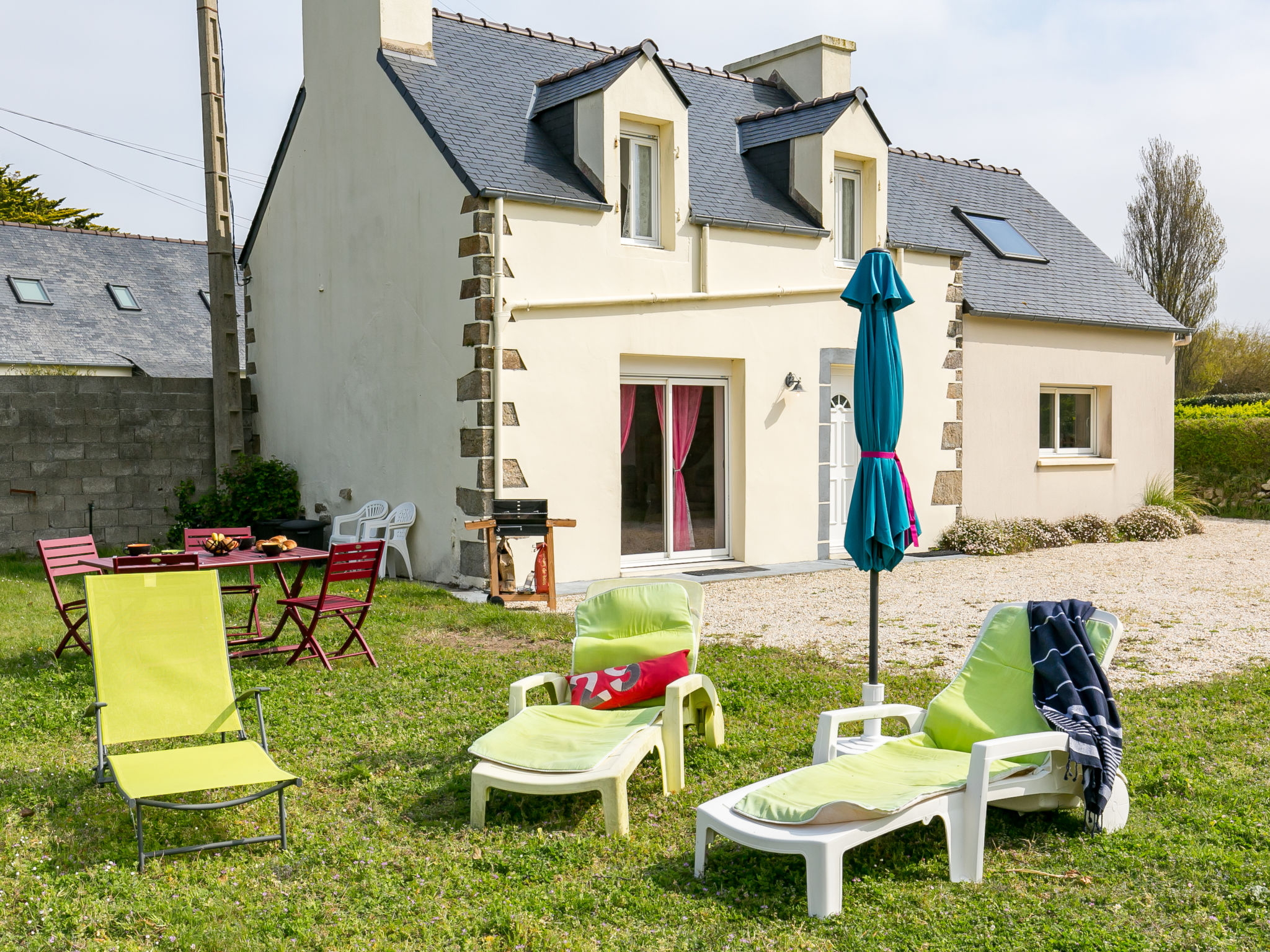
3-star property
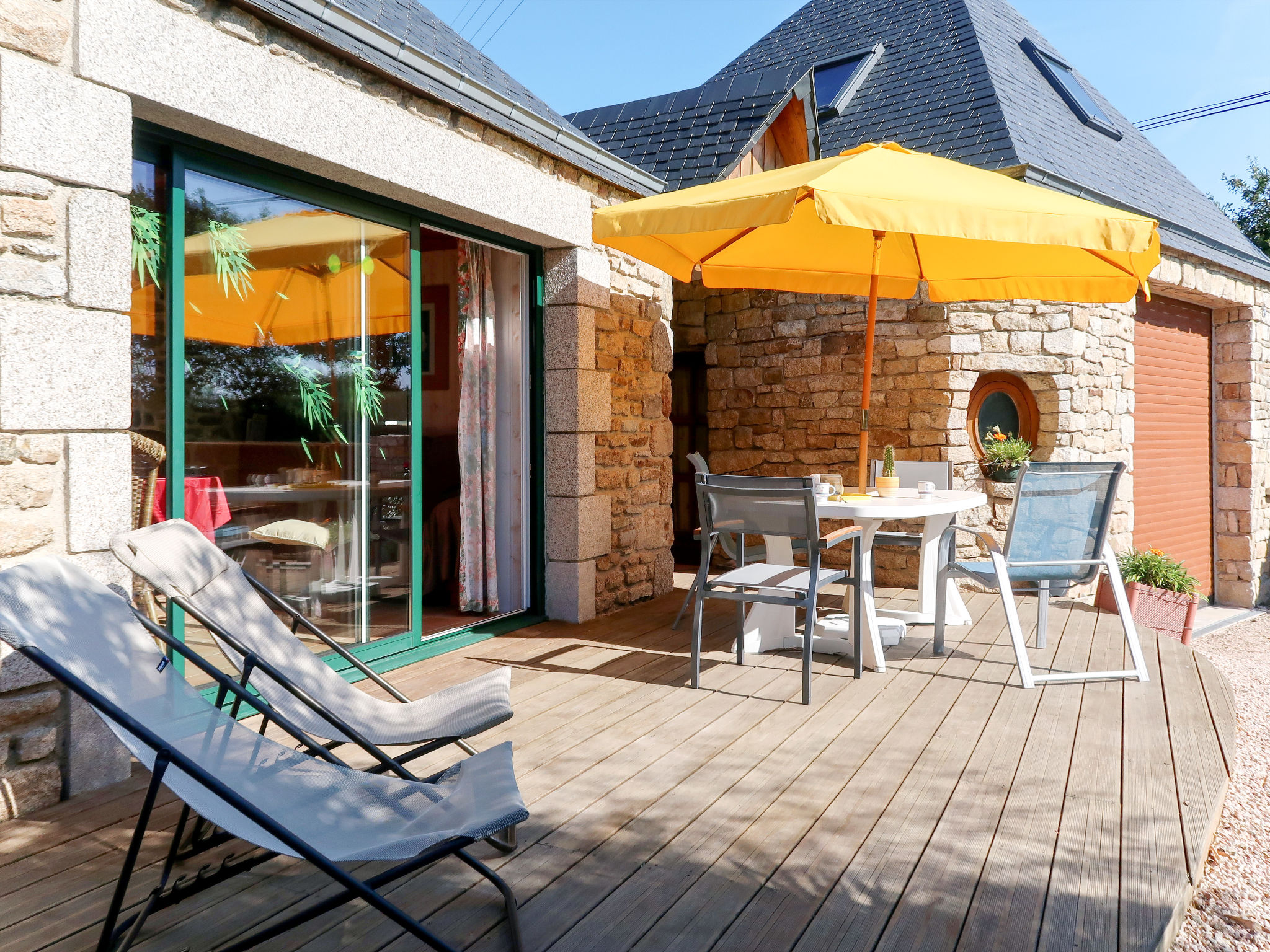
3-star property
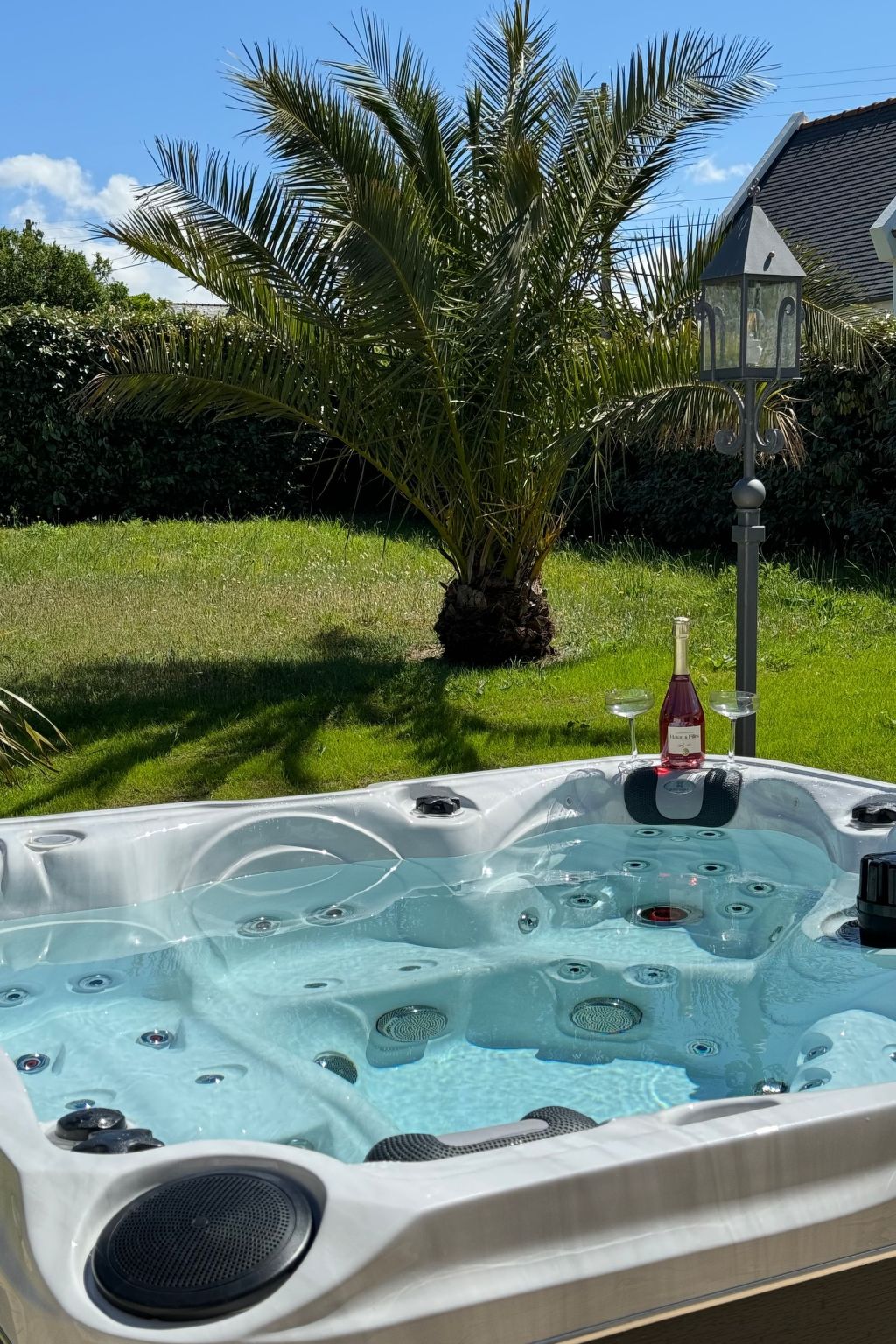
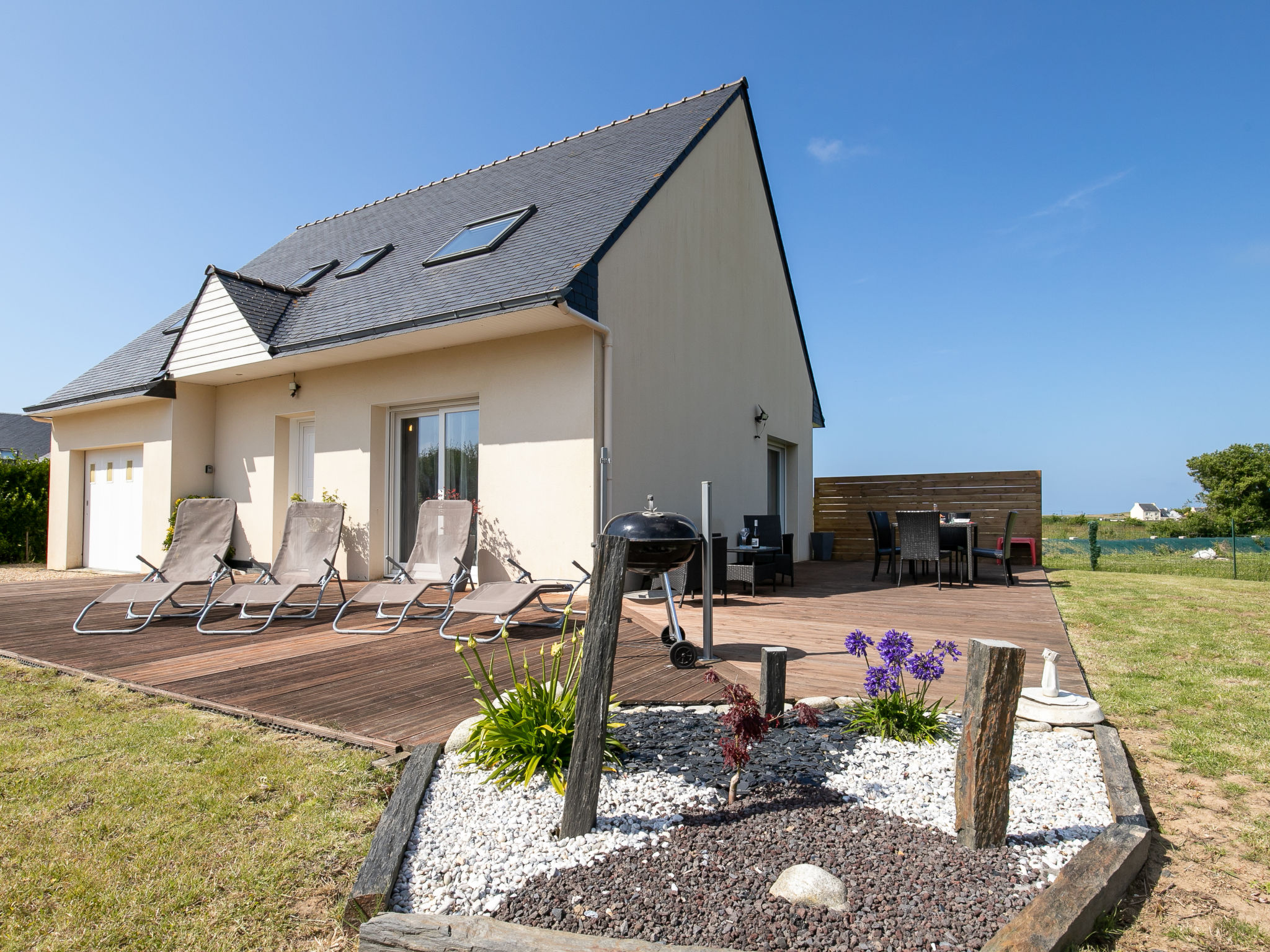
Villa Entre 2 Plages
Guissény, Finistère, France
4
2
0
BBQDishwasherFireplace+8 more
from£271
per night
3-star property
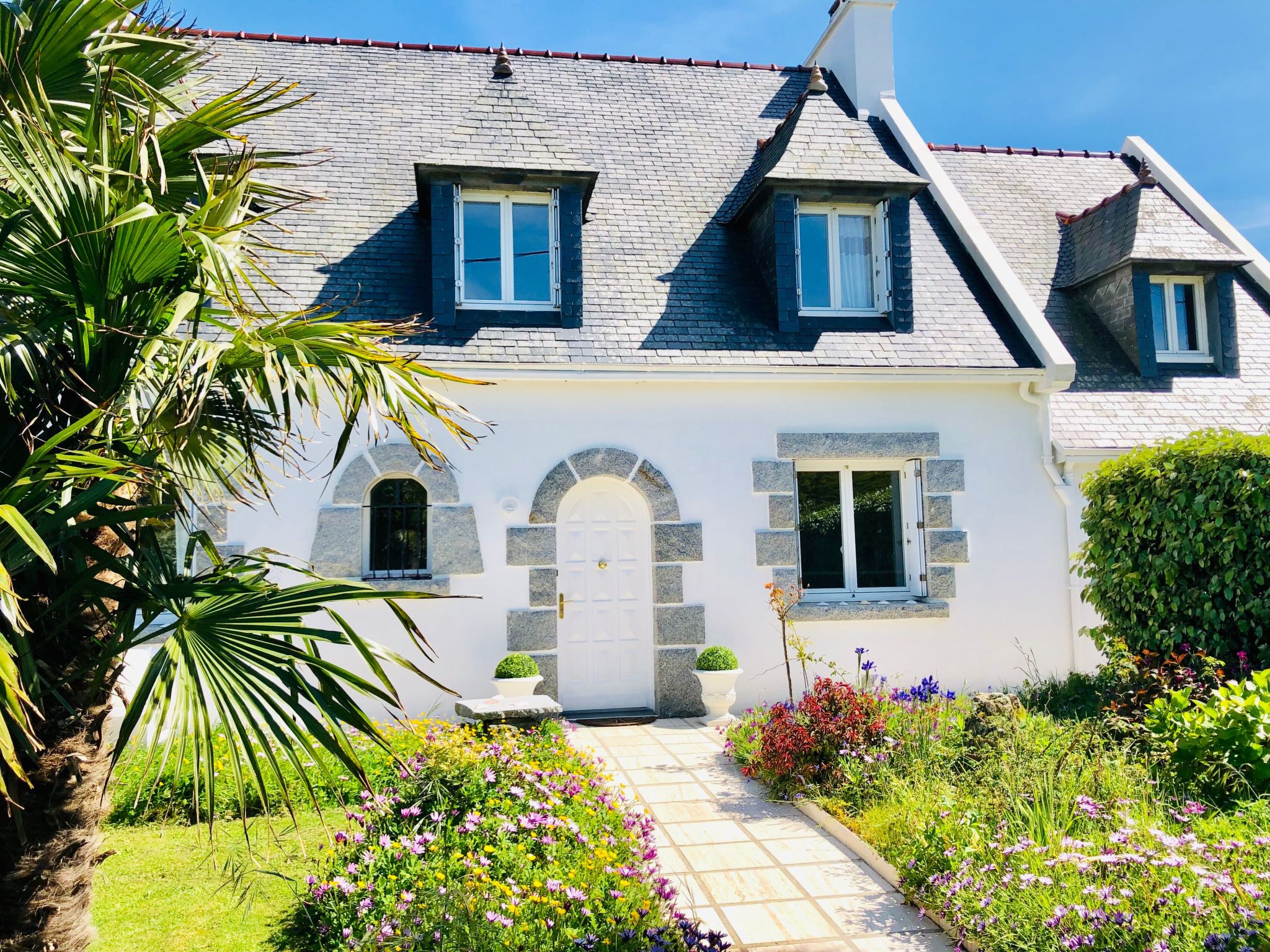
Wellness-Villa Duxcaar
Guissény, Finistère, France
8
4
0
BBQParkingDishwasher+11 more
from£171
per night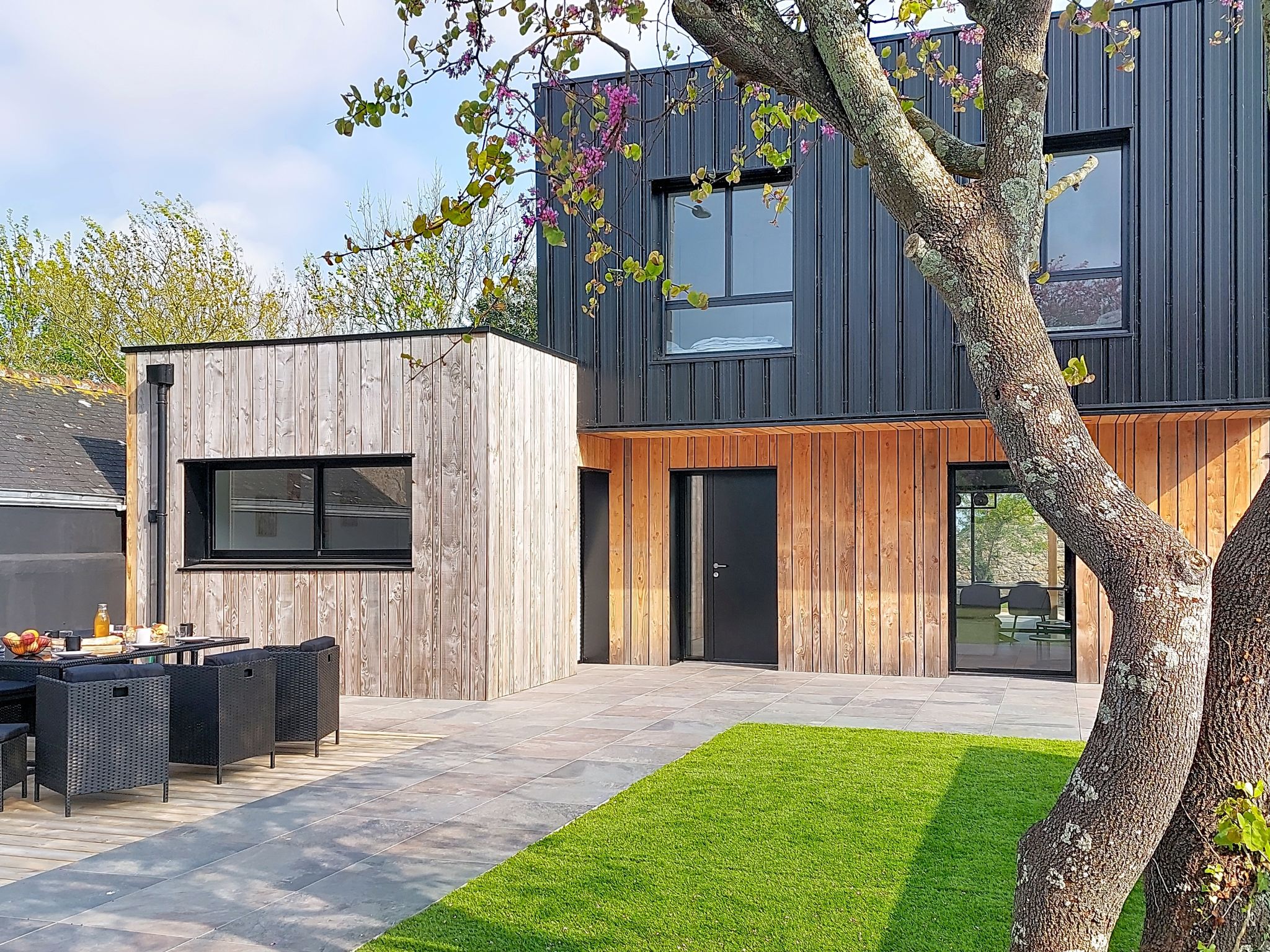
4-star property
Guissény villa holidays: questions answered
Is Guissény good for birdwatching?
Yes. The Curnic marsh, part of a former sea inlet turned into a polder and pond behind a stone dyke, has lagoons, reedbeds and peat bog, an ornithological observatory and a marked trail. More than a hundred bird species have been recorded there, along with around thirty kinds of dragonfly.
Which beach is closest to Guissény?
Vougot is the big one. A large part of it lies in Guissény and the rest in Plouguerneau. Smaller beaches along the commune's shore include la Croix, Barrachou and Dibennou.
Is Guissény quiet?
Very. It is a commune of scattered hamlets and farms rather than a seaside resort, so evenings centre on home cooking and walks. Plouguerneau next door has more going on, with two harbours at Koréjou and Lilia.
Is there anything historic to see in Guissény?
The parish church of Saint-Sezny, rebuilt in 1721, stands in a parish enclosure with two calvaries and an old ossuary now used as a chapel. Its bell tower is unusual because the bells swing north to south. A seaweed kiln survives at Énez Croaz-Hent.
Nearby towns to Guissény
Written by the TrustedVillas team. Last reviewed October 2026.
Find Your Perfect Villa in Guissény
Our villa experts are here to help you find the ideal property for your vacation. Contact us for personalized recommendations.