Villas in Cervione/Castagniccia
Cervione is a hill town above Corsica's east coast, used as a base for the beaches below and the Castagniccia villages behind. Most homes here sleep around six and have a garden, but few have a pool, and everything needs a car.
- Villas
- 17
- From, per week
- £495
About Cervione/Castagniccia
Cervione is a commune of a little over two thousand people, the old main settlement between Bastia and Aleria, and it looks down on the eastern plain where that plain is narrowest. The centre has the Saint Erasmus cathedral, a baroque church completed in 1745, and the Anto Dumenicu Monti museum, with 14 rooms of art and popular traditions. The Saint François convent in the village dates from the 16th century. Homes are spread over the town and the hills around it, so check where yours sits before assuming anything is a short walk away. The coast below runs for 26 km with around fifteen sandy beaches. Behind the town rises the Castagniccia, a wet region of old villages and hamlets known for its chestnuts, while the farms on the plain grow the Cervione hazelnut. For an evening out, plan on a drive.
Is Cervione/Castagniccia right for you?
- Best for
- Walkers and families wanting hills and beaches within driving range
- Not for you if
- You want to walk to a beach, shops and restaurants without a car.
Near Cervione/Castagniccia
Alesani Convent
The convent where Theodore de Neuhoff was crowned king of Corsica in 1736, among the Castagniccia villages.
Pie d'Orezza
A 12th-century Roman chapel with restored frescoes, plus the Saint Antoine church in the village and Saint Roch in the hamlet of Campodonico.
Scupiccia plateau
A short hike reaches this plateau at 750 m, one of the walks in the Castagniccia Mare e Monti area.
Monte San Petrone
The highest peak of the Castagniccia range, and a hiking goal in the hills behind Cervione.
Getting to Cervione/Castagniccia
Cervione lies on Corsica's east side between Bastia and Aleria. The beaches, shops and hill villages are spread across the plain and the slopes above it, so hire a car for the week and check the drive from your arrival airport before booking.
When to go to Cervione/Castagniccia
The sandy beaches on the coast below are the summer draw. The area's heritage sites and walks, including the Scupiccia plateau and San Petrone, are pitched as things to do all year, but the Castagniccia is a wet region, so pack waterproofs. Check opening times for the museum and the convents before an off-season visit.
Villas in Cervione/Castagniccia
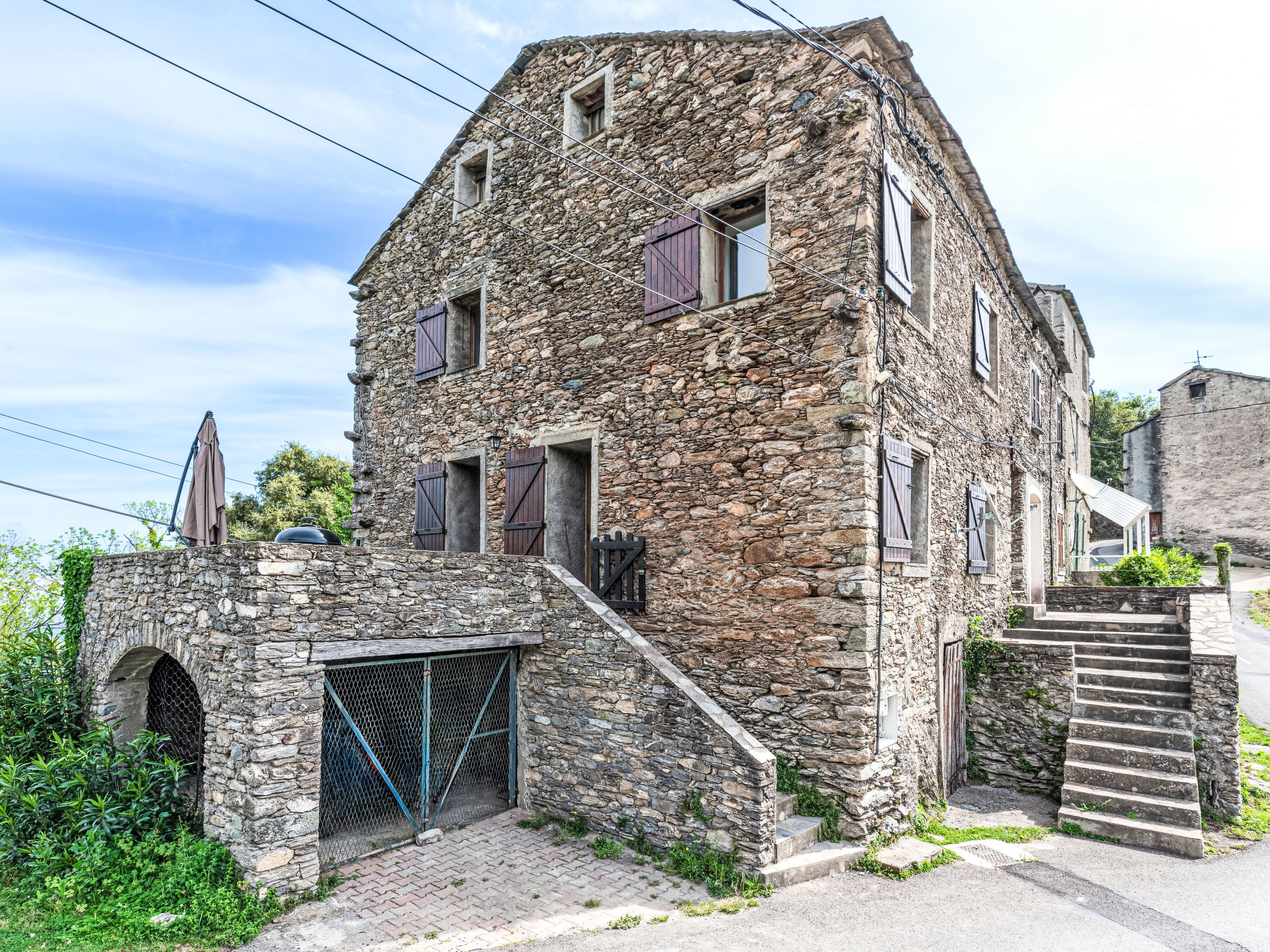
2-star property
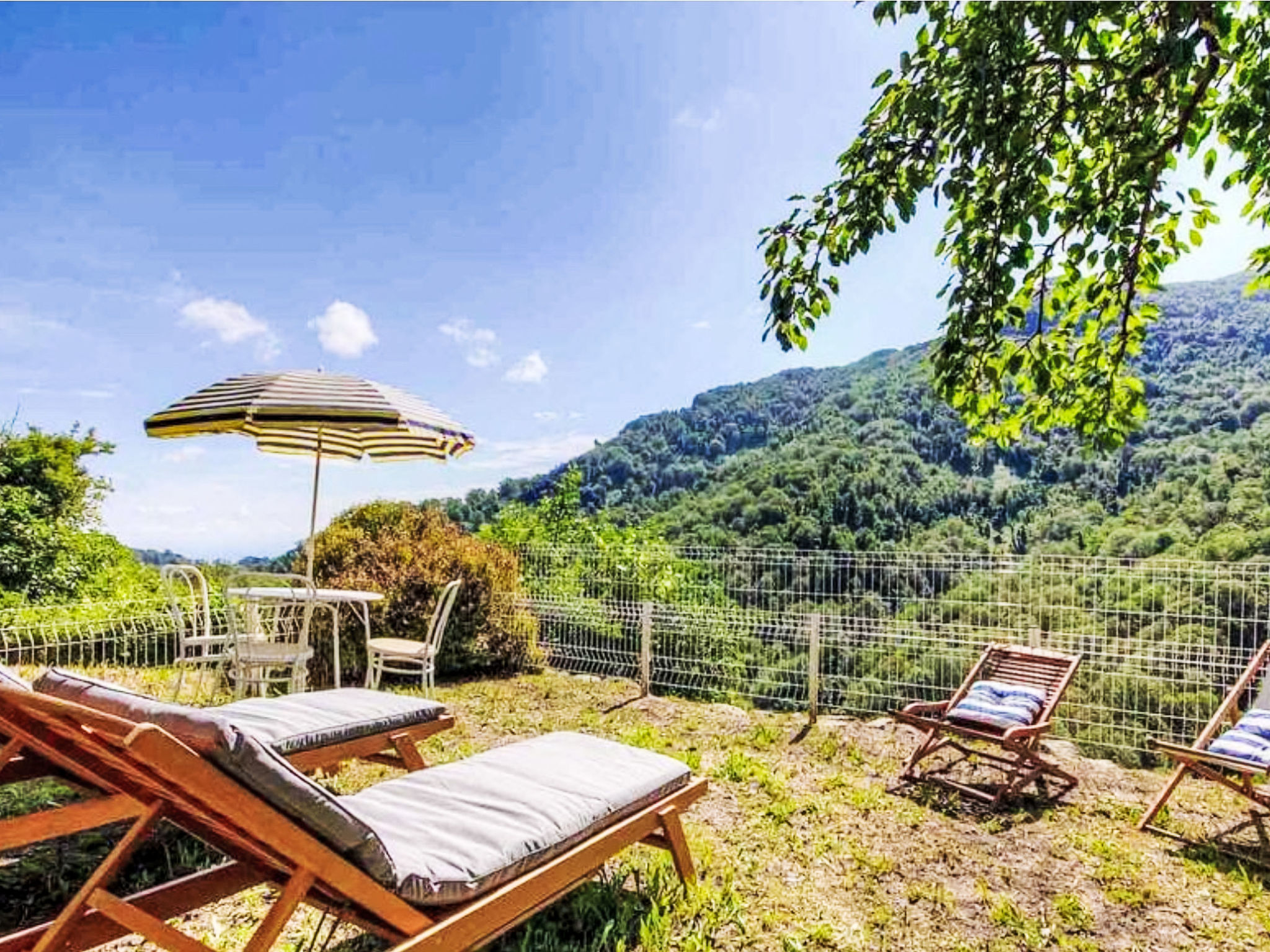
3-star property
Casa Santa Reparata
Cervione/Castagniccia, Corsica, France
6
3
0
BBQDishwasherMicrowave+9 more
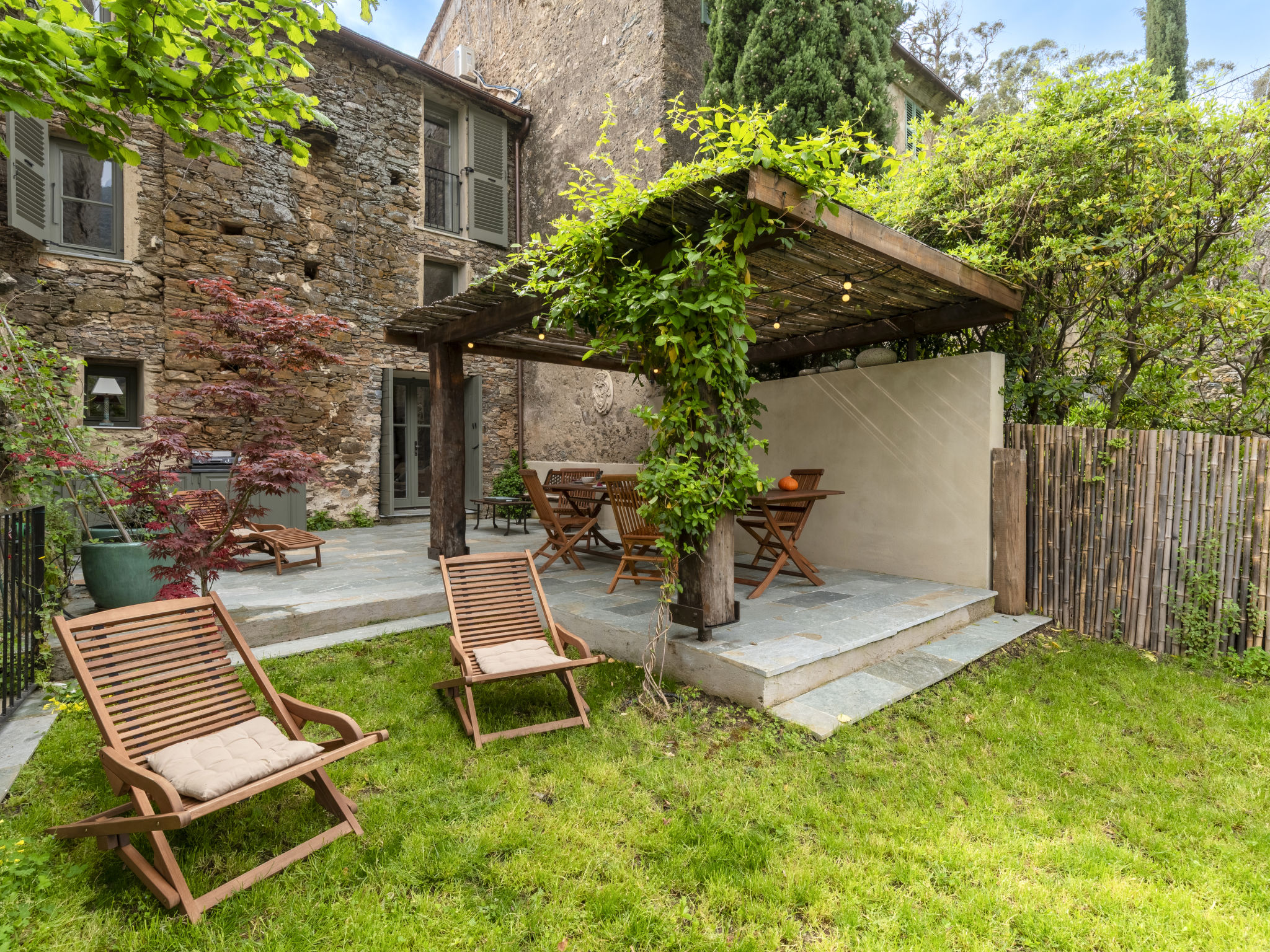
4-star property
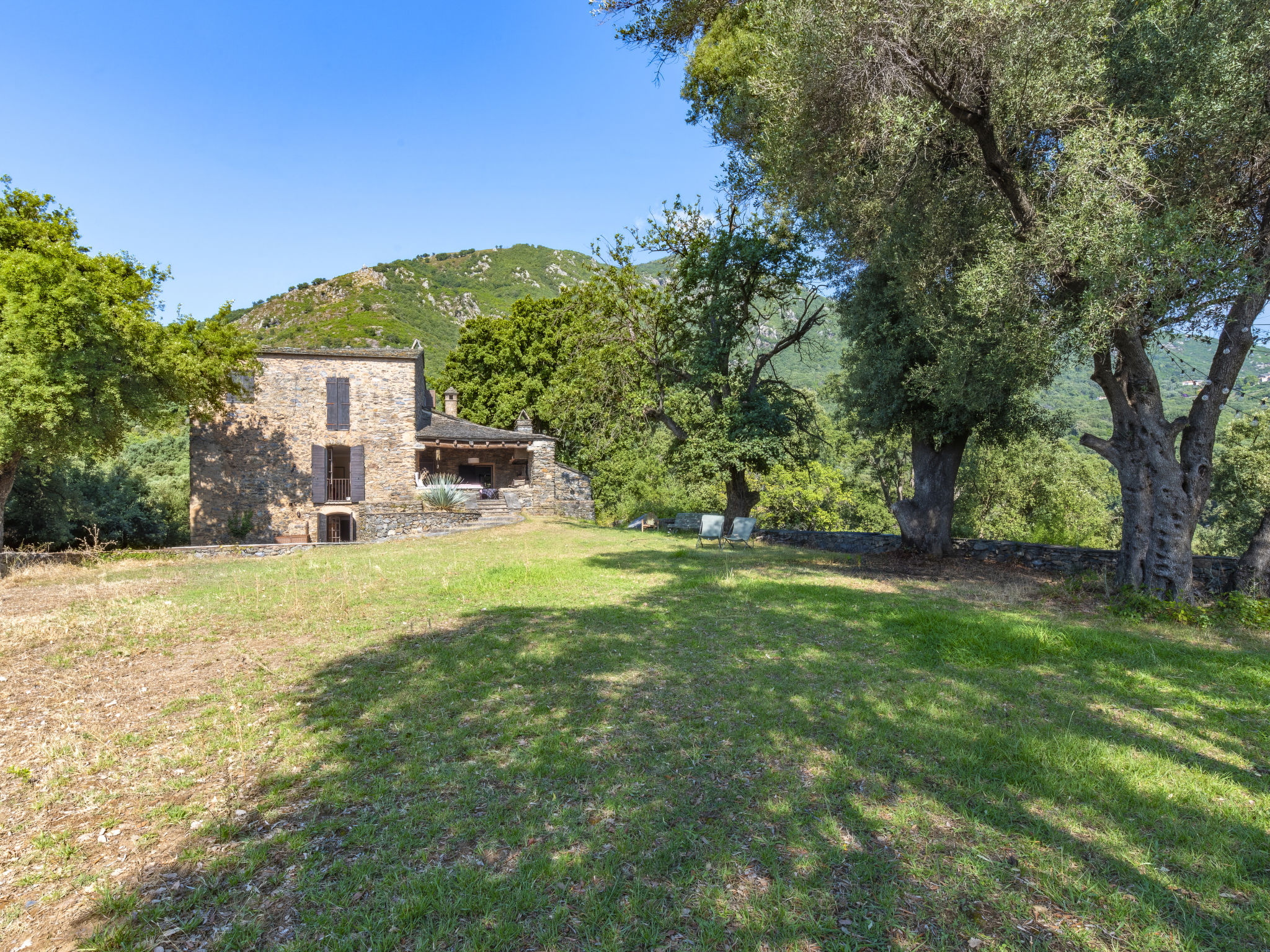
3-star property
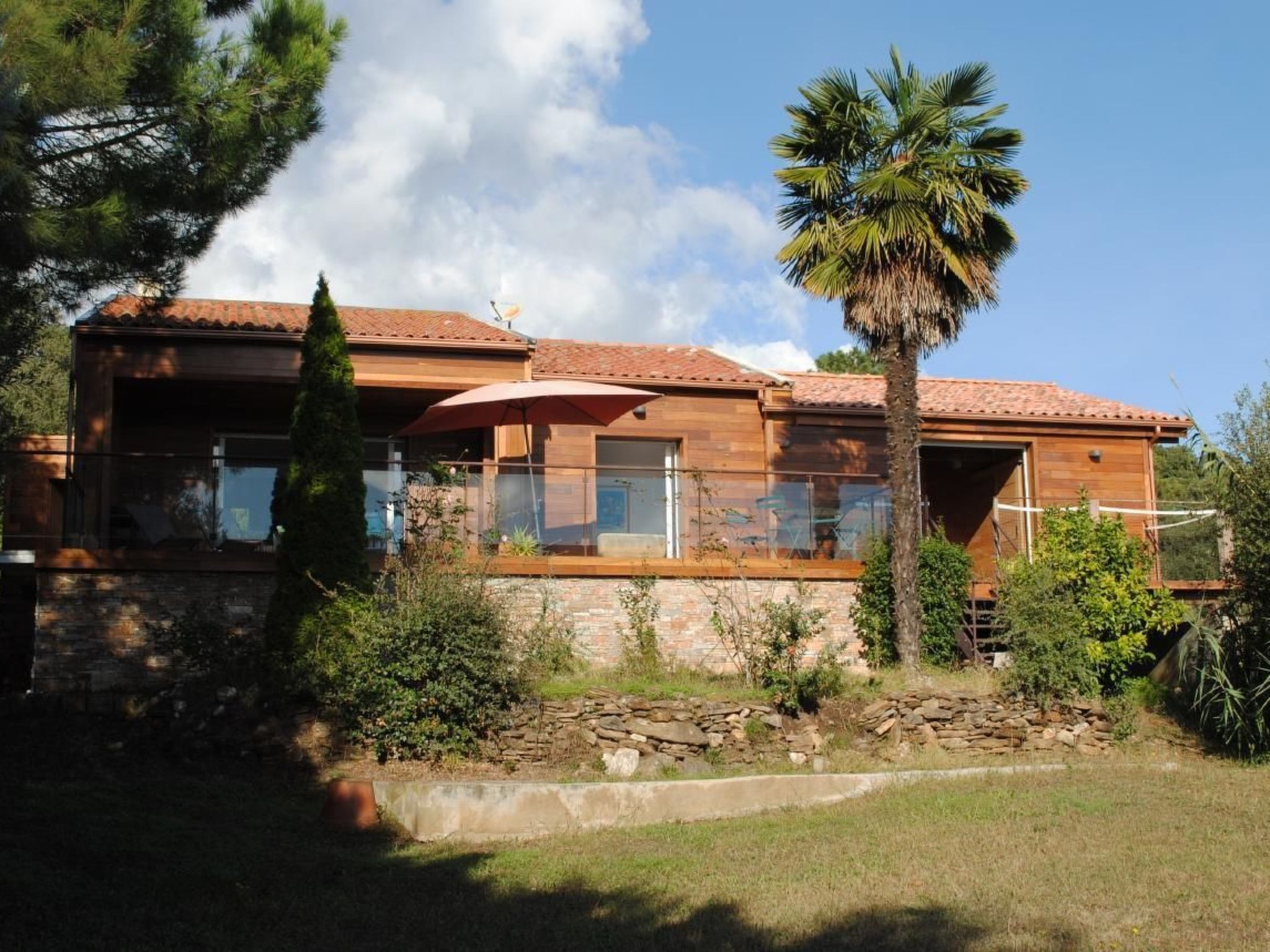
4-star property
Villa Angelini
Cervione/Castagniccia, Corsica, France
6
3
0
Air ConBBQParking+10 more
from£113
per night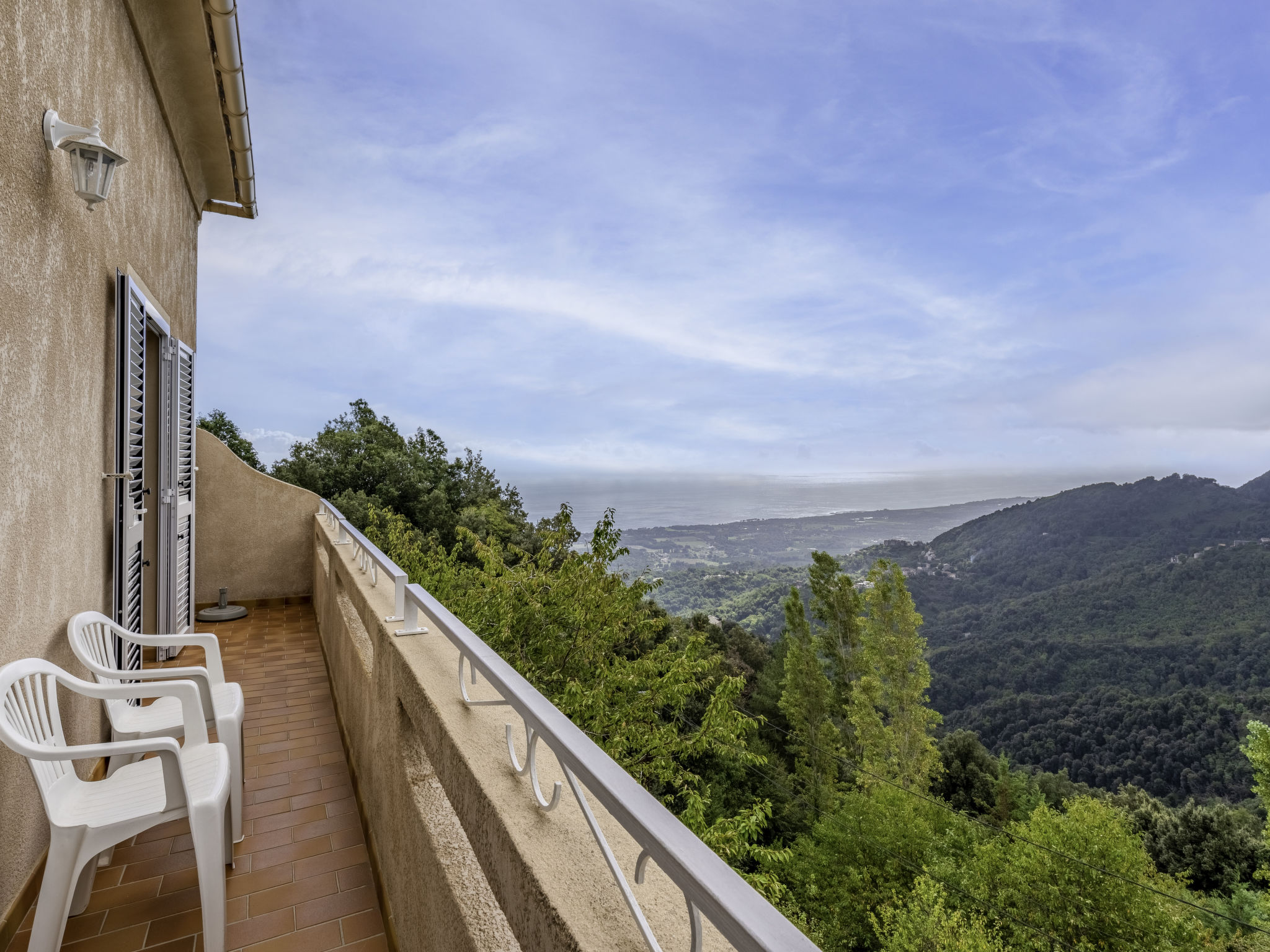
1-star property
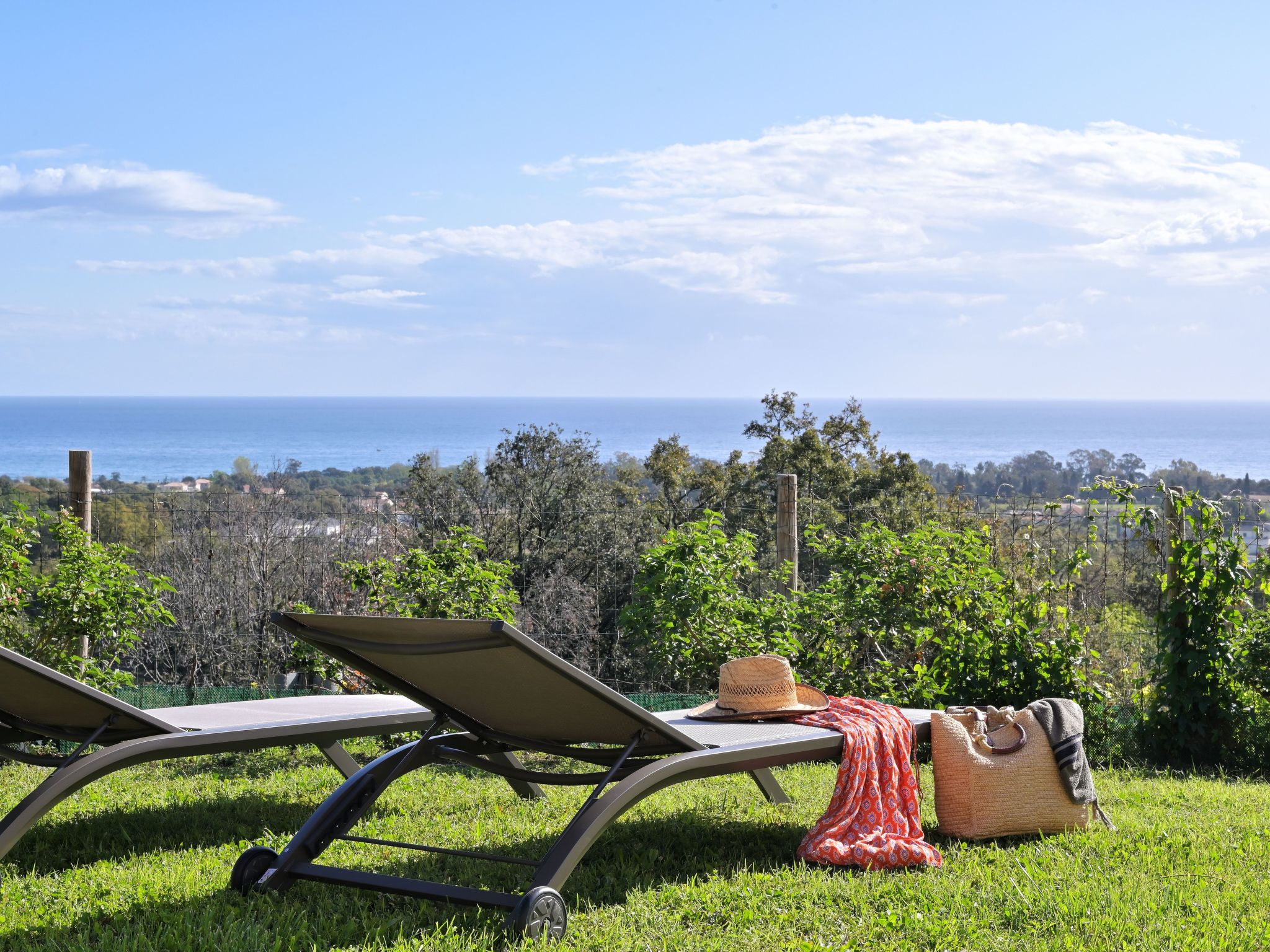
2-Bedroom Home, Cervione/Castagniccia
Cervione/Castagniccia, Corsica, France
4
2
0
Air ConBBQParking+10 more
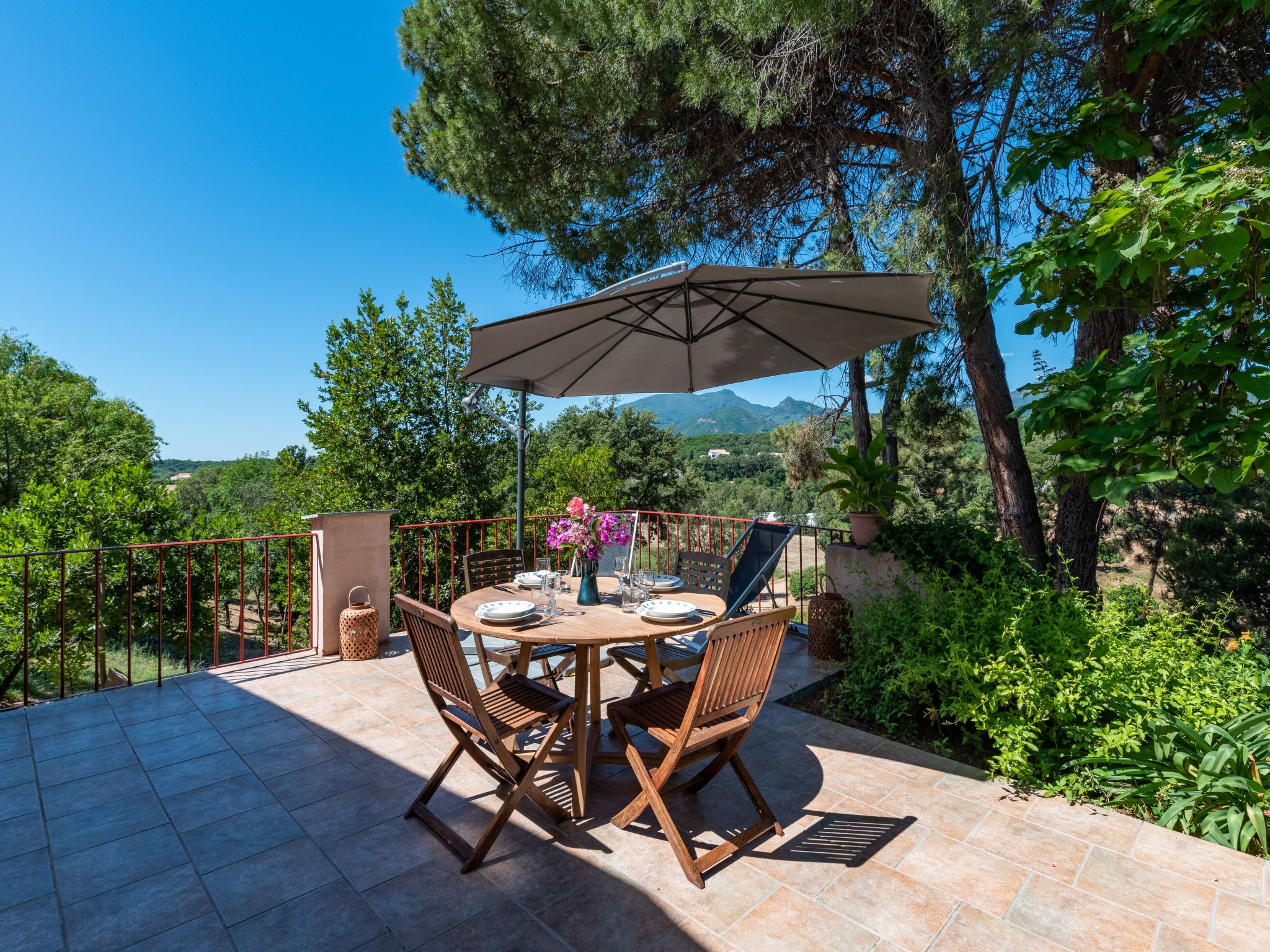
2-Bedroom Home, Cervione/Castagniccia
Cervione/Castagniccia, Corsica, France
4
2
0
Air ConBBQParking+10 more
from£79
per night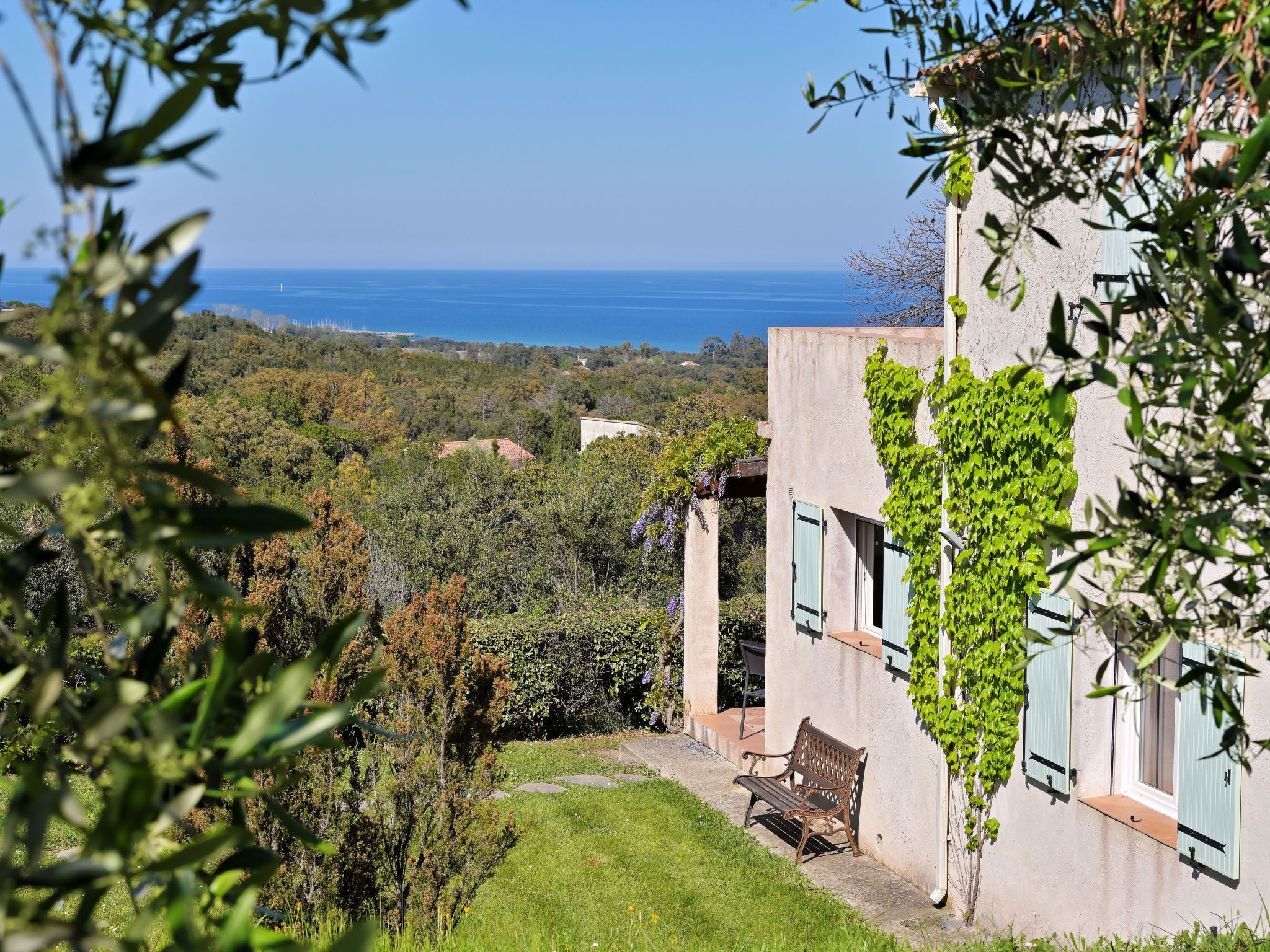
5-star property
3-Bedroom Home, Cervione/Castagniccia
Cervione/Castagniccia, Corsica, France
6
3
0
Air ConBBQParking+10 more
from£123
per night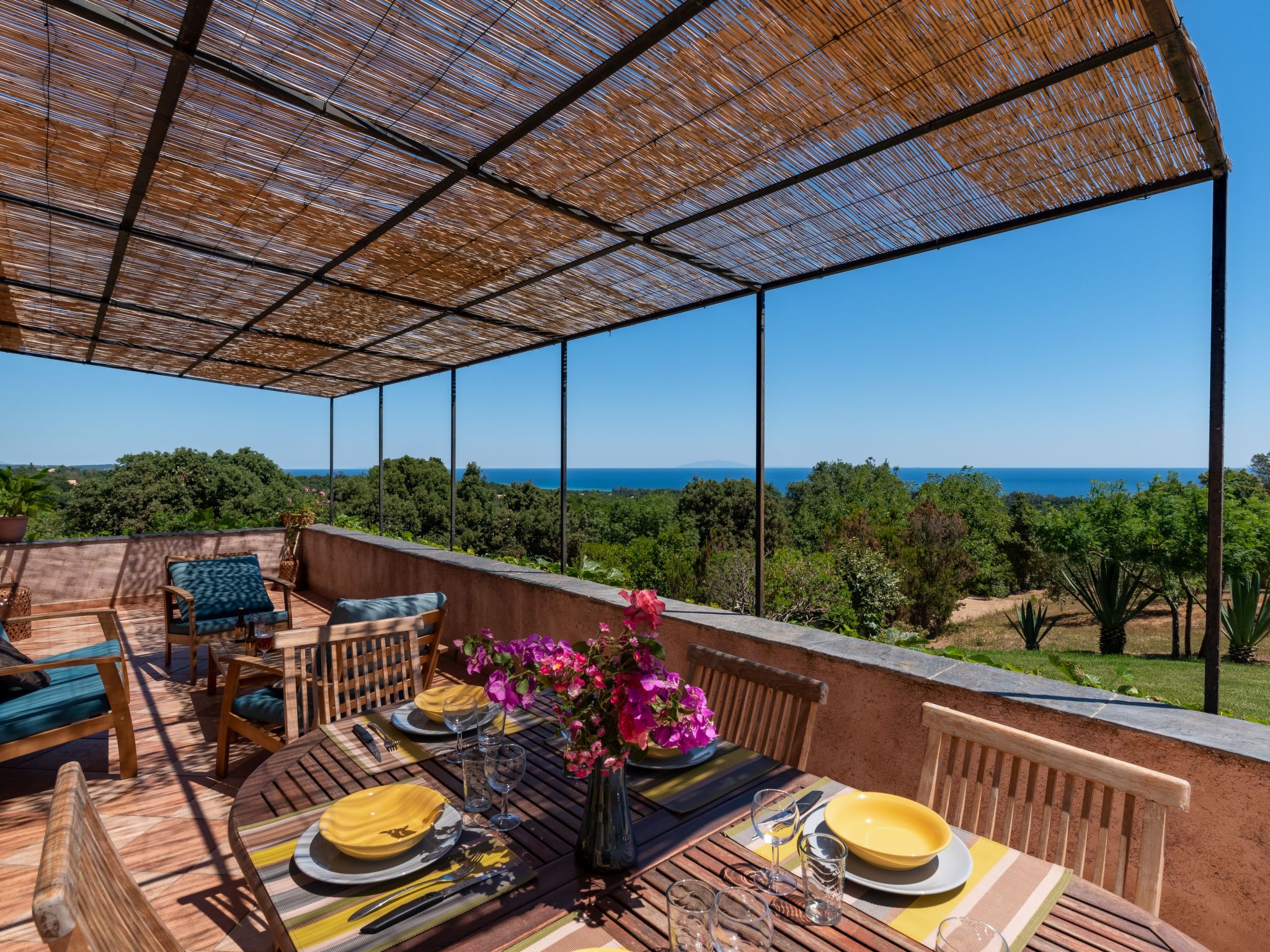
3-Bedroom Home, Cervione/Castagniccia
Cervione/Castagniccia, Corsica, France
6
3
0
Air ConBBQParking+9 more
from£101
per night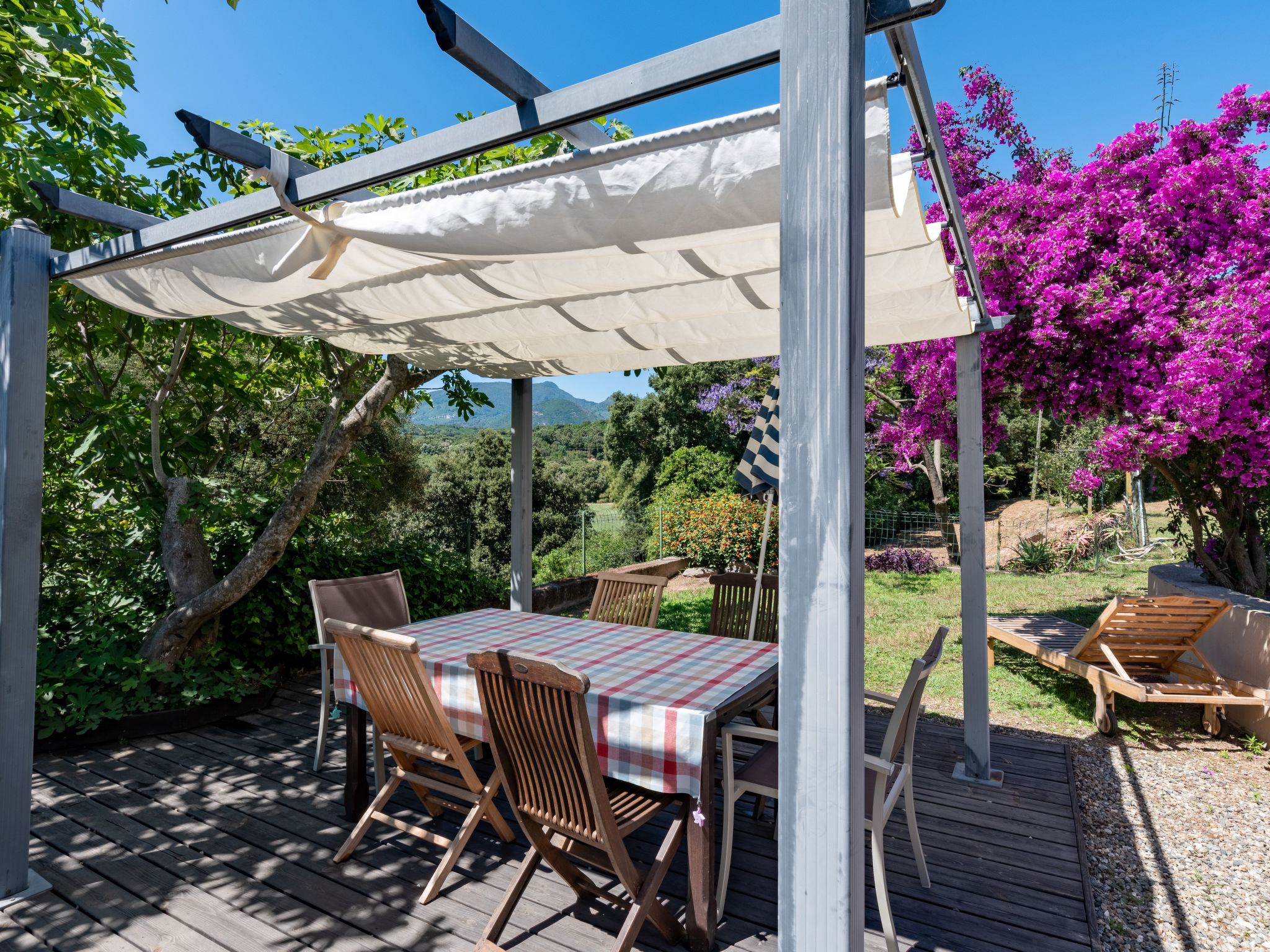
3-Bedroom Home, Cervione/Castagniccia
Cervione/Castagniccia, Corsica, France
6
3
0
Air ConBBQParking+10 more
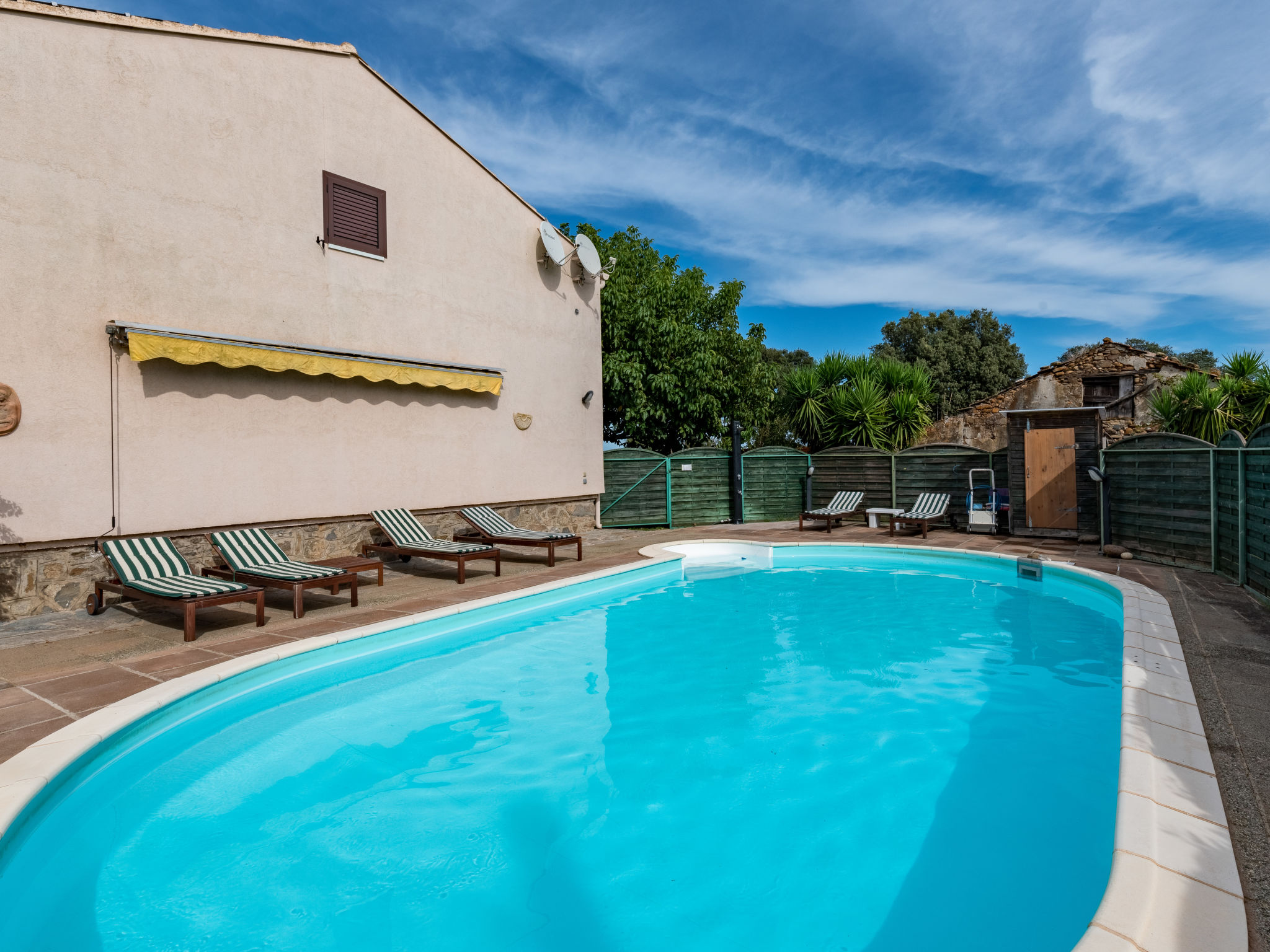
2-star property
Villa Volpajola
Cervione/Castagniccia, Corsica, France
6
3
0
Air ConBBQDishwasher+11 more
from£71
per night
5-star property
2-Bedroom Home, Cervione/Castagniccia
Cervione/Castagniccia, Corsica, France
4
2
0
Air ConBBQParking+10 more

3-star property
Casa Murato
Cervione/Castagniccia, Corsica, France
6
3
0
Air ConBBQDishwasher+11 more
from£106
per night
3-star property
3-star property
2-star property
Cervione/Castagniccia villa holidays: questions answered
Is Cervione good for a family holiday?
Yes, if you are happy to drive. Homes here tend to sleep about six and most have a garden, while sandy beaches line the coast below the town. Few have a pool, so families who want one should filter for it.
Are there sandy beaches near Cervione?
Plenty. The Castagniccia Mare e Monti coast has around fifteen sandy beaches along 26 km of shoreline, on the plain below the hill town, so the sea is a drive away rather than a walk.
What is the Castagniccia around Cervione?
It is the wet hill region behind the town, dotted with old villages and hamlets and known for Corsican chestnuts. Monte San Petrone, the highest peak of the Castagniccia range, is a hiking goal from the area.
Is there anything to see in Cervione itself?
A fair amount for a small place. The Saint Erasmus cathedral is a baroque church completed in 1745, the village museum fills 14 rooms with local art and traditions, and the Saint François convent dates from the 16th century.
Nearby towns to Cervione/Castagniccia
Written by the TrustedVillas team. Last reviewed October 2026.
Find Your Perfect Villa in Cervione/Castagniccia
Our villa experts are here to help you find the ideal property for your vacation. Contact us for personalized recommendations.