Little Rissington and the Windrush valley (Bourton-on-the-Water, Stow-on-the-Wold)
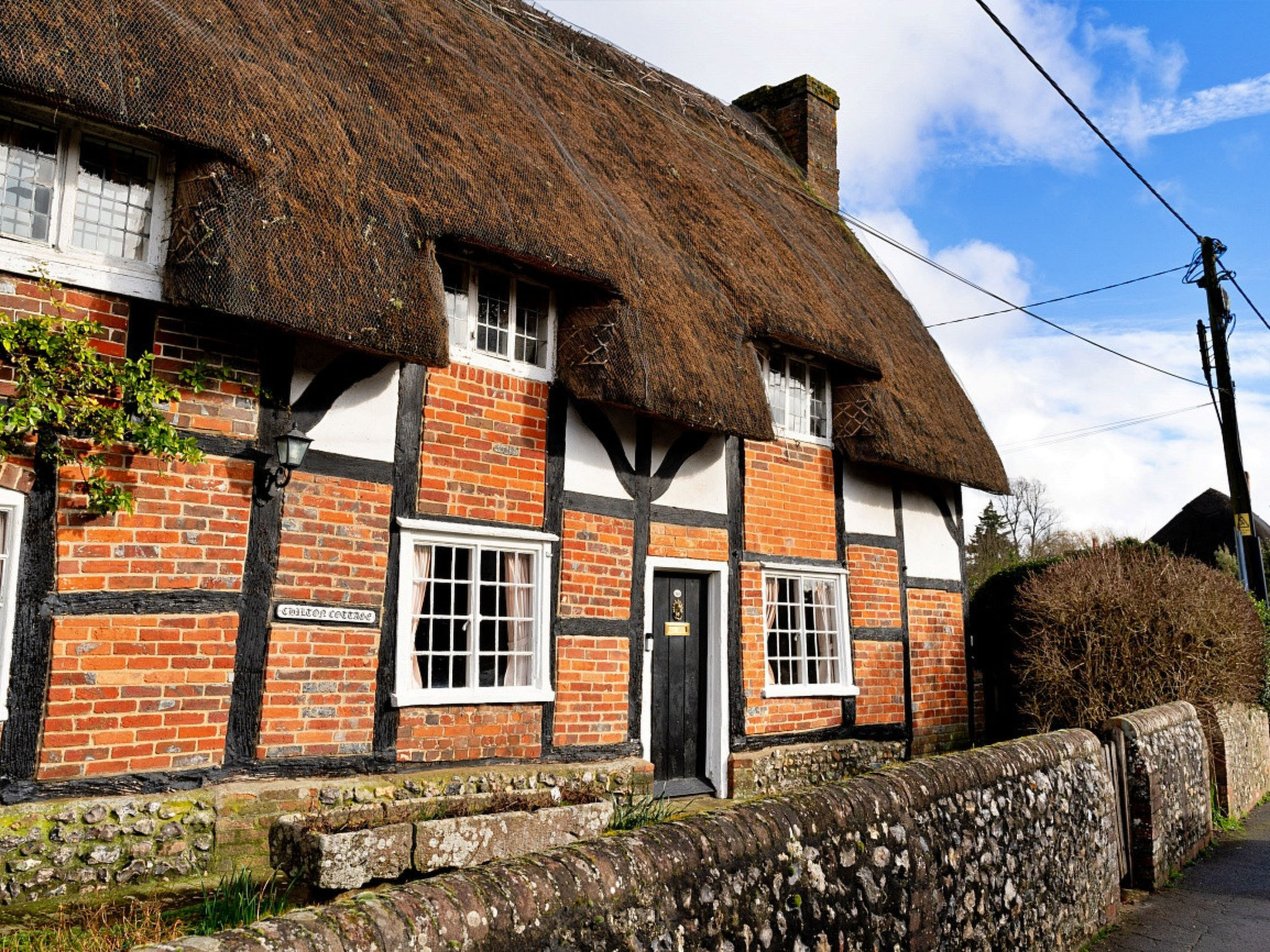
Little Rissington has more of our Cotswold cottages than anywhere else. It sits on the ridge above Bourton-on-the-Water, which is ten minutes by car or a walk across the fields. Bourton has the shallow River Windrush running through its centre, the Model Village and Birdland. Stow-on-the-Wold, the Slaughters and Burford are all within about 20 minutes, and Kingham station is around 15 minutes away.
Best for: Walkers and families who want the best-known villages a short drive away
Not for you if: You want quiet village streets in August: Bourton-on-the-Water fills with day-trippers and coaches on summer weekends.
Kingham and the Evenlode valley (Chipping Norton, Daylesford)
Kingham is one of the few Cotswold villages with its own mainline station, and direct trains reach London Paddington in around an hour and a half. The village has two well-known pubs, and the Daylesford organic farm shop is a couple of miles away. Chipping Norton, about ten minutes by car, has a market place and a small theatre. The Rollright Stones, a prehistoric stone circle, are just beyond it.
Best for: Arriving by train and eating in good village pubs
Not for you if: You want plenty going on in the evening: Kingham is a small village and Chipping Norton is the nearest town.
Painswick, Stroud and the Five Valleys (Oldends)
Painswick is a hillside village of pale grey stone, with clipped yews in the churchyard (by tradition there are 99) and the Rococo Garden just north of the centre. The Cotswold Way passes through on its way up to Painswick Beacon. Stroud, about 15 minutes south, has a Saturday farmers' market and trains to London Paddington. Oldends is on the edge of Stonehouse, west of Stroud, close to the canal towpath and the M5.
Best for: Walkers who want steep wooded valleys and fewer coach parties
Not for you if: You dislike hills: the lanes around Painswick and Stroud are steep and narrow, and walks rarely stay flat for long.
Cheltenham and Gloucester
Cheltenham is a Regency spa town of white terraces and tree-lined streets, with festivals of literature, jazz and racing through the year. Cleeve Hill, the highest point in the Cotswolds, rises behind the racecourse. Gloucester, about 20 minutes west, has a cathedral whose fan-vaulted cloisters appeared in the Harry Potter films, and restored Victorian docks with warehouses turned into shops and flats. Both towns have trains to Birmingham, Bristol and London.
Best for: A town base with shops, restaurants and the Cotswold edge above
Not for you if: You want a village cottage: these are proper towns, and Cheltenham is booked solid during the March racing festival.
Lechlade and the upper Thames (Bibury, Fairford, Kelmscott)
Lechlade is where the Thames becomes navigable for larger boats, and the Thames Path runs east along the river from St John's Lock. Kelmscott Manor, William Morris's country home, is about ten minutes away. Arlington Row, the terrace of weavers' cottages at Bibury, and the medieval stained glass in Fairford church are both close. The Cotswold Water Park, a spread of lakes used for sailing and paddleboarding, starts just west of the town.
Best for: River walks, boating and a quieter southern corner
Not for you if: You want the classic hilltop villages: this end of the Cotswolds is flat river meadow and old gravel lakes.
Bath and the southern edge (Tormarton)
Bath sits at the southern end of the Cotswolds, with the Roman Baths, the Royal Crescent and the rooftop pool at Thermae Bath Spa. Trains run direct to London Paddington in around an hour and a half. Tormarton is a small village about 20 minutes north, just off junction 18 of the M4. Dyrham Park, a National Trust house with a deer park, is next door, and Castle Combe is around 15 minutes east.
Best for: A city break with Roman baths and Georgian streets, plus country walks
Not for you if: You want to park easily: central Bath has little parking, so use the park and ride.