England: Seven Different Worlds in One Island

England is the home of contradiction. It's simultaneously overly familiar—through centuries of exporting its culture—and completely undiscovered if you venture past the postcard places. That's why we love building holidays here. The depth is genuine.

Understanding England's Regions

England divides naturally into regions, each with distinct character. London dominates tourist itineraries, but we'd argue the real England lives in its regions. They're where you'll find people who've lived in the same village for three generations, local cheeses no supermarket carries, and landscapes that require proper shoes and waterproofs.

The South West: Drama and Sand

Devon and Cornwall are separated by the River Tamar, but both share the South West's defining character: clifftop villages, working fishing harbours, and beaches that deliver proper Atlantic swells. Dorset adds chalk cliffs, quarrying heritage, and Thomas Hardy's landscape.

Expect crowds in July, August, and Easter. Spring (April-May) is quieter and the wildflower season. Autumn brings warm days and cold water—still swimmable if you're brave. Winter is stormy, dramatic, and well suited to walking.

Why we love it: Independent café culture, farmers' markets every weekend, coastal paths that demand full-day commitments, and fish that arrives on your plate within hours of leaving the sea.

The Cotswolds: Villages Out of Time

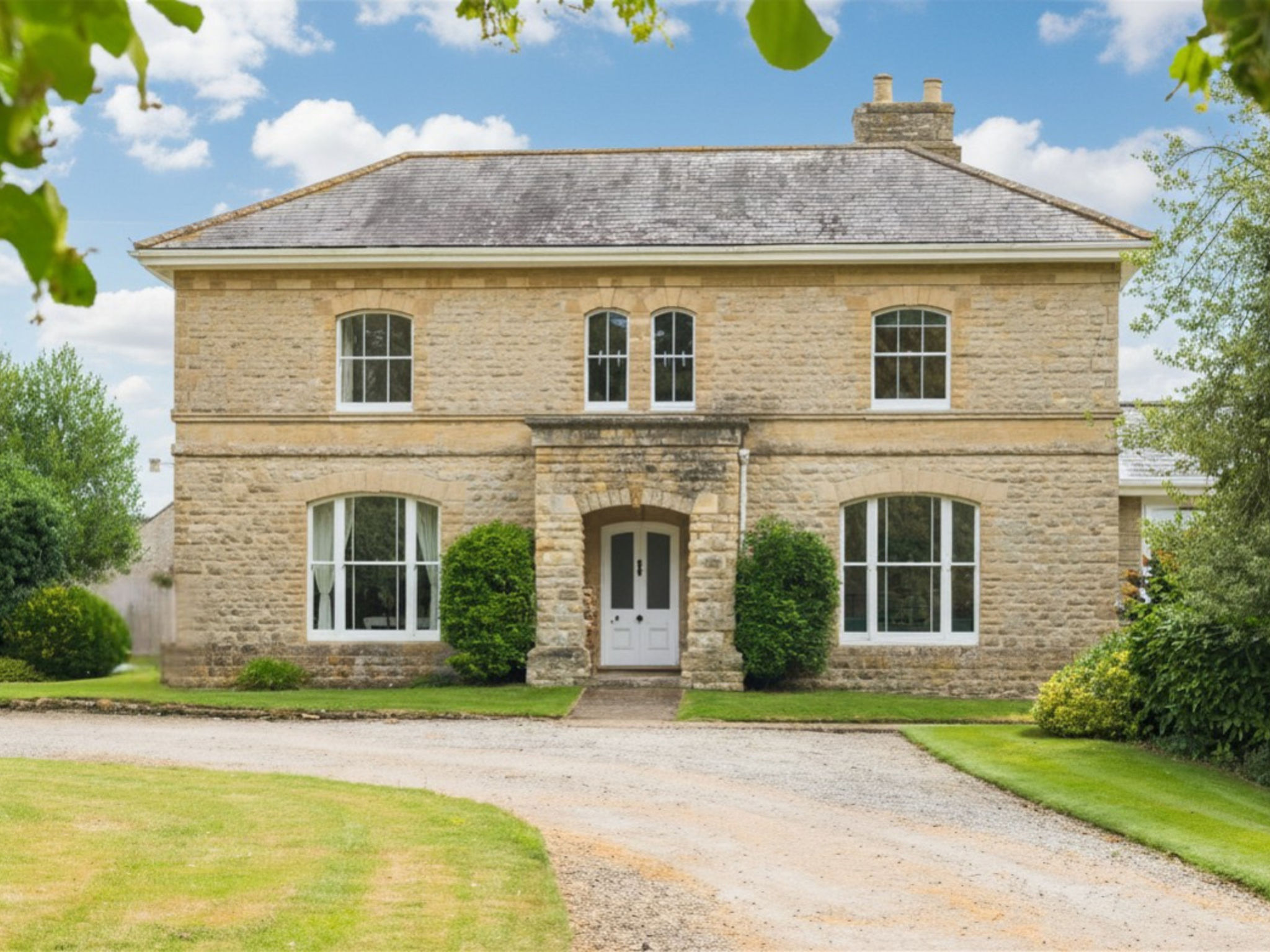
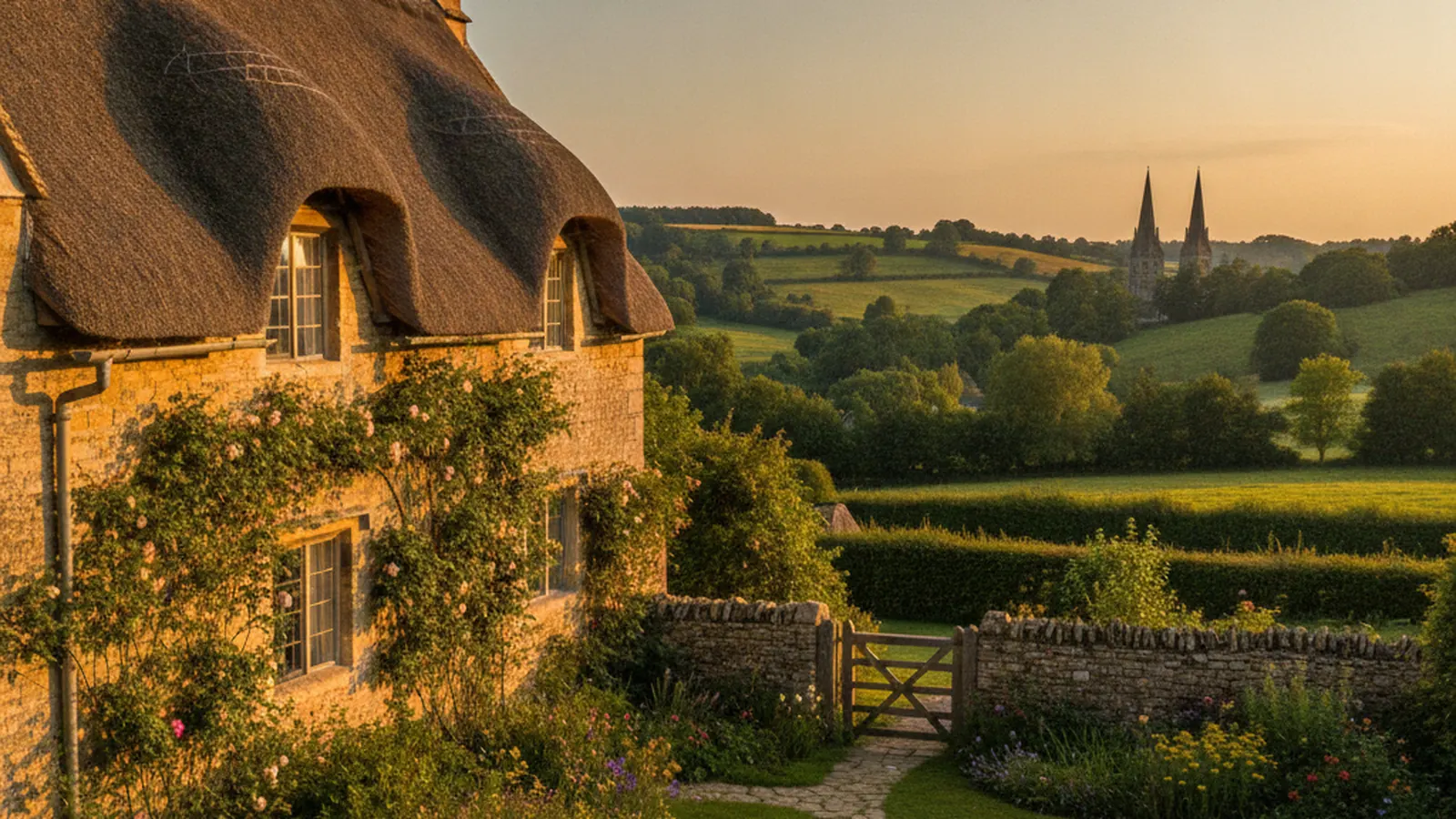
This area of rolling countryside and honey-coloured stone villages sits on limestone hills straddling Gloucestershire, Oxfordshire, and Warwickshire. It's beautiful—objectively, undeniably beautiful. Expect to share it with others who've figured this out.

Small market towns (Chipping Campden, Bourton-on-the-Water, Stow-on-the-Wold) are Instagram hotspots. Which means they're busy. Peak season runs Easter through October. Stay in quieter surrounding villages and drive to attractions. The pace is gentle—this is a region for unrushed exploration.

Why we love it: Walking is good, pubs are genuinely good, and the stone architecture is consistently handsome. Antique shops outnumber chain stores by a factor of ten.

The Lake District: Mountains and Fells

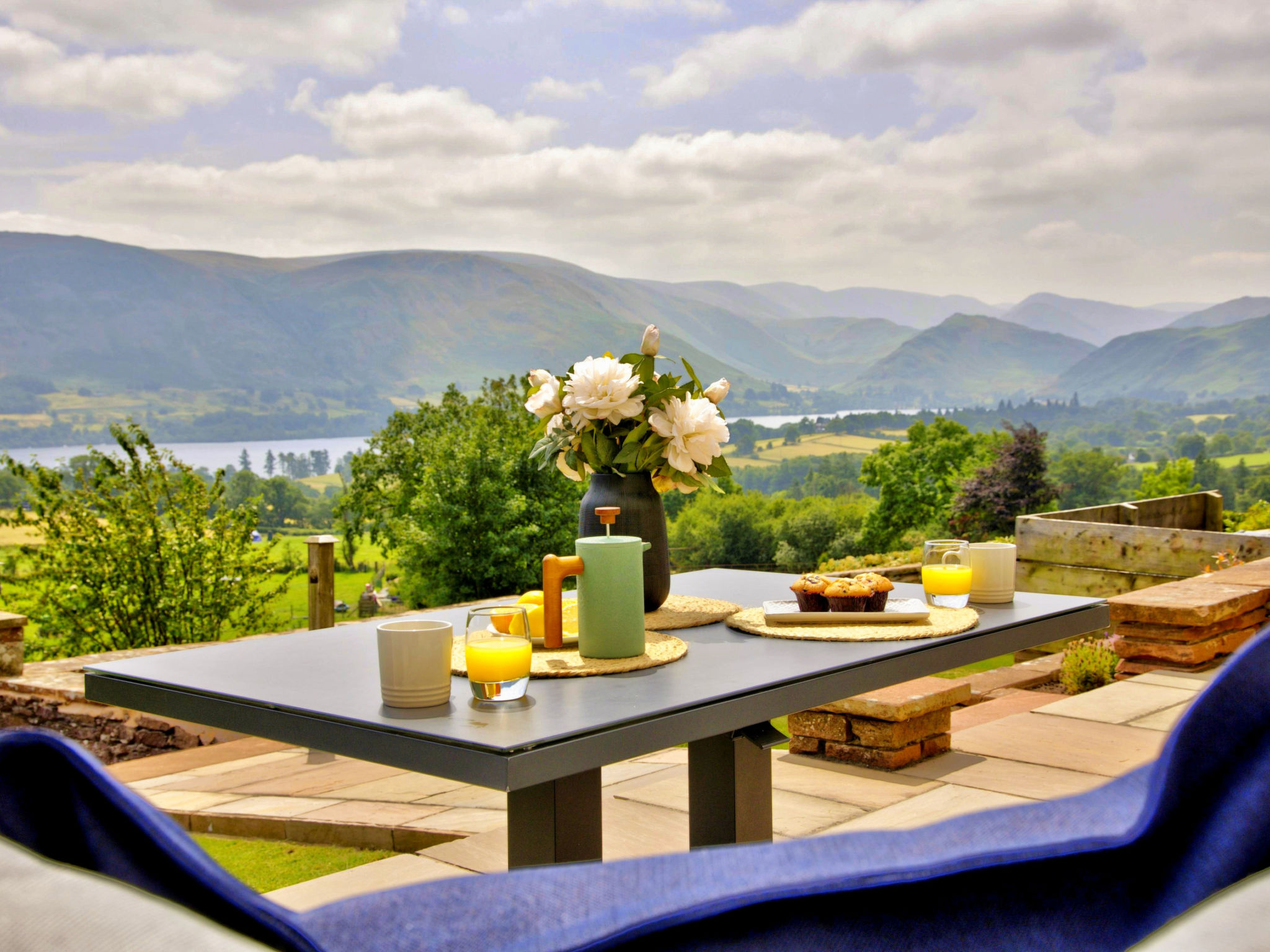
England's highest mountains cluster here. Scafell Pike, Helvellyn, Catbells. Lakes are cold (average summer temperature 12°C) but impressive. The landscape pulls serious walkers and casual ramblers in equal measure.

It rains. Not constantly, but frequently. Fell weather changes rapidly. A clear morning can cloud over by afternoon. Pack layers. The guidebooks won't tell you that the "easy" walk to a fell top involves scrambling over rocks, and many properties list WiFi as an amenity because rural broadband here is genuinely patchy.

Summer (July-August) is warm and busy. Autumn is golden and dry-ish. Winter is wet and muddy but quieter. Spring is moorland brown transitioning to green.

Why we love it: The landscape is genuinely dramatic, walking routes are infinite, and towns like Ambleside and Kendal have good cafés and restaurants. The sense of remoteness is real. You can walk for hours and see maybe three people.

The South East: Country Houses and Charm

Sussex, Kent, and Hampshire deliver English countryside close to London. White cliffs at Dover, estates with managed gardens, and market towns like Henley and Windsor. It's more polished than the North, less wild than the West.

You're close to London. Convenient if you want day trips, claustrophobic if you want escape. The Chilterns (north of London) offer countryside without sacrificing culture or restaurants. Sussex coast attracts Londoners on weekends.

Good infrastructure means reliable WiFi, regular transport, and restaurants that understand dinner service. Cost reflects proximity to London. Prices are higher than equivalent properties in the North or West.

Why we love it: It's genuinely walkable, village pubs are reliably good, and if you forget something, London's an hour away. Well suited to people who want countryside without going fully remote.

Yorkshire and the Humber: Dales and Direct People

Yorkshire is large. It stretches from Scarborough's coast to the Pennine hills. The Dales (Wensleydale, Ribblesdale, Airedale) are limestone valleys with stone villages and good walking. The Moors are wider, wilder, and lonelier.

Yorkshire doesn't pretend. Hospitality is genuine. You'll get chatted to in pubs, people will give directions without irony, and service staff actually mean it when they welcome you. The independence is refreshing. Yorkshire was a separate kingdom, and locals haven't entirely forgotten.

Harrogate and Leeds offer urban sophistication. Beyond them, the landscape becomes serious. Easter holidays are busy; otherwise the region sees fewer tourists than the South West or Cotswolds.

Why we love it: Value for money, unforced hospitality, serious hiking, and food scenes that punch above their weight. York is genuinely one of England's best cities.

Wales: Mountains and Language

Wales isn't England with Welsh subtitles. It's a distinct country with a living language, distinct culture, and serious landscape. Snowdonia in the north is dramatic. Pembrokeshire in the south offers coastal beauty. The Brecon Beacons span the middle.

English speakers won't feel excluded. Welsh and English coexist. But place names, menus, and signage reflect Welsh identity. It's worth noting and respecting, especially given historical tensions about English cultural dominance.

Wales offers value. Food, accommodation, and attractions cost less than equivalent English destinations. Weather is... changeable. Rain is common. When the clouds clear, the views are staggering.

Why we love it: It's genuinely different, hiking is good, coastlines are dramatic, and you get a sense of exploring somewhere with its own identity rather than visiting another English region.

Scotland: Lochs, Glens, and Distance

Scotland is genuinely remote. Edinburgh and Glasgow are world-class cities. Beyond them, the Highlands deliver genuine wildness. Lochs (lakes), glens (valleys), and mountains that feel appropriately dramatic.

Distance is real. Edinburgh to the Isle of Skye is 6-7 hours driving. If you want to "do" multiple Scottish locations, you'll spend significant time in a car. The landscape rewards that investment. It's some of the most dramatic in the British Isles.

Scottish weather is unpredictable. Rain and cloud are frequent. But when it clears. In summer, occasionally. The light is extraordinary. Jute, tartan, and shortbread are real, though the clichés don't capture the complexity.

Why we love it: The landscape is genuinely remote, Scots are funny and sharp, and if you want to feel far from everything, Scotland delivers. Hotels and pubs are good. Seafood is very good.

Seasons and Timing

Spring (March-May)

Gardens bloom, light lengthens, and it's less crowded than summer. Weather is unpredictable. You might get warm days or sudden frosts. Well suited to walking and garden-visiting.

Summer (June-August)

Warmest and driest, but also busiest and most expensive. School holidays (late July-early September) are peak season. Book early or embrace smaller towns and rural locations.

Autumn (September-November)

Colours are extraordinary, crowds diminish, and weather can be surprisingly good in September. October and November get wetter and colder. Well suited to walkers who don't mind grey skies.

Winter (December-February)

Cold, wet, and dark. Snow is rare at low elevations. But if you want solitude, log fires, and cosy evenings, winter is impressive. New Year's week and January are pleasantly quiet.

Practical Considerations

Driving and Transport

Cars drive on the left. Petrol is expensive (expect £1.50+ per litre). Motorways are efficient but dull. A roads (major routes) are faster than scenic routes. Trains connect major cities but village access requires a car. If you're renting a car for the first time, allow extra time for roundabouts. They're everywhere and confusing initially.

Accommodation

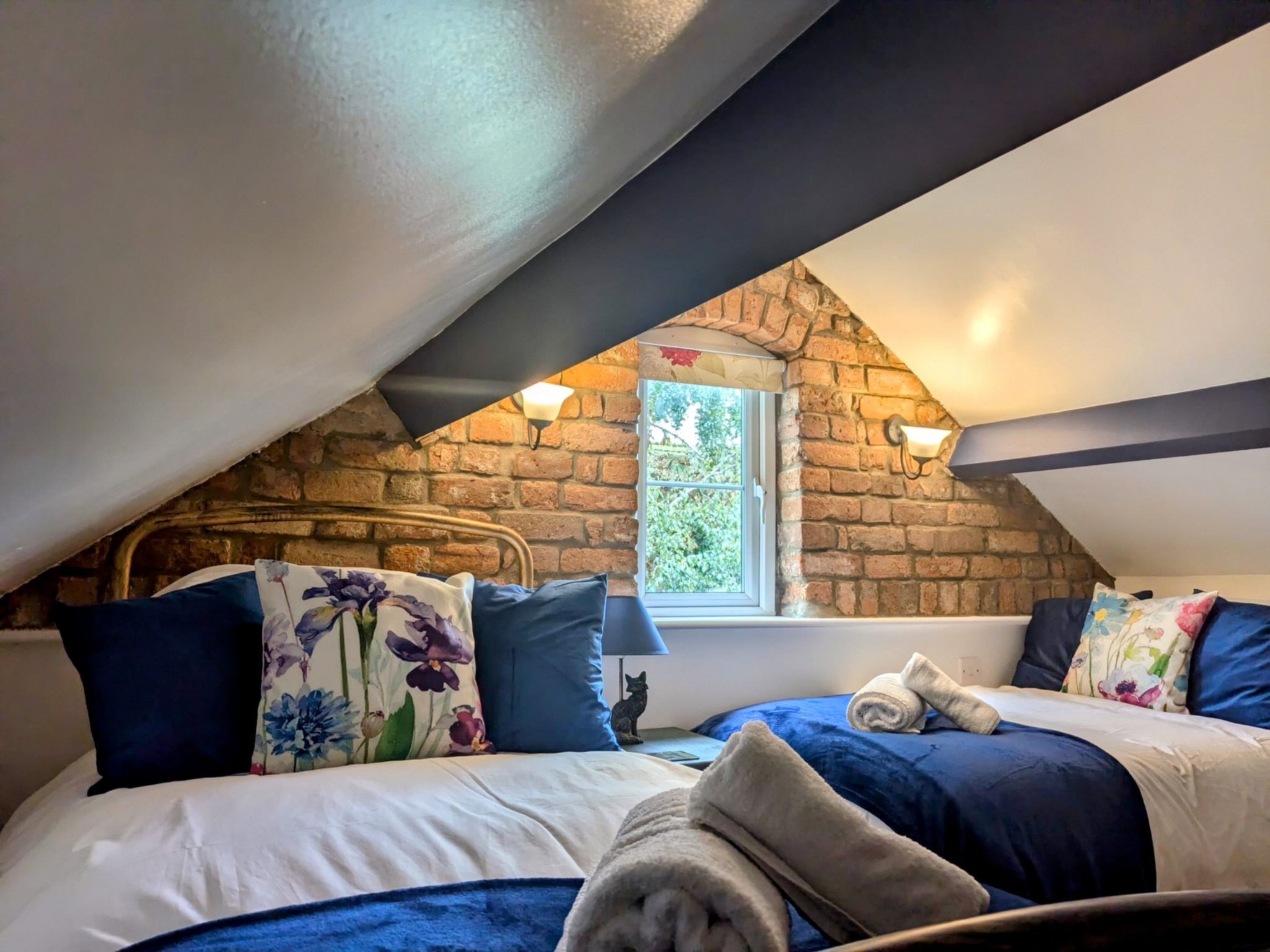
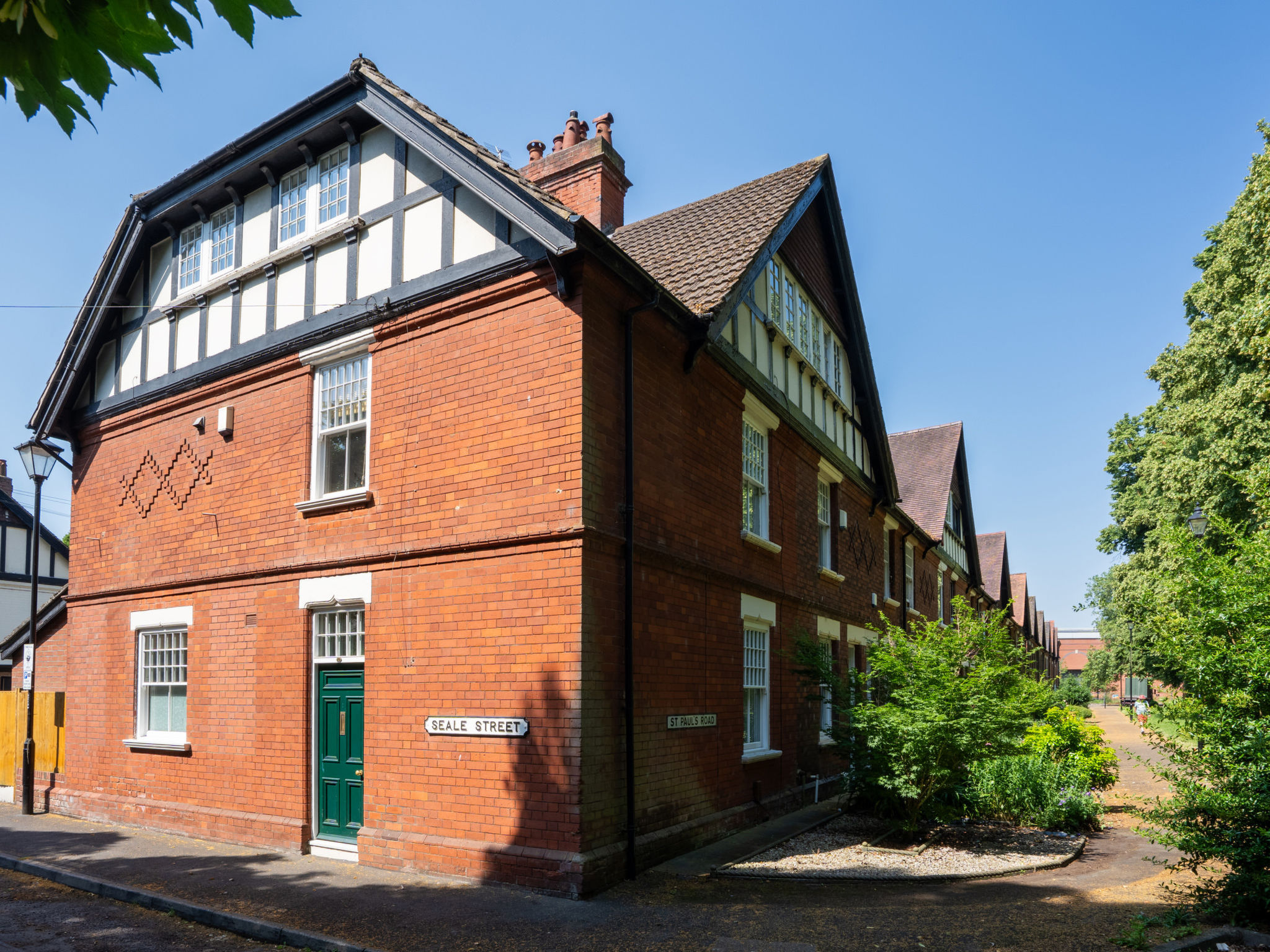
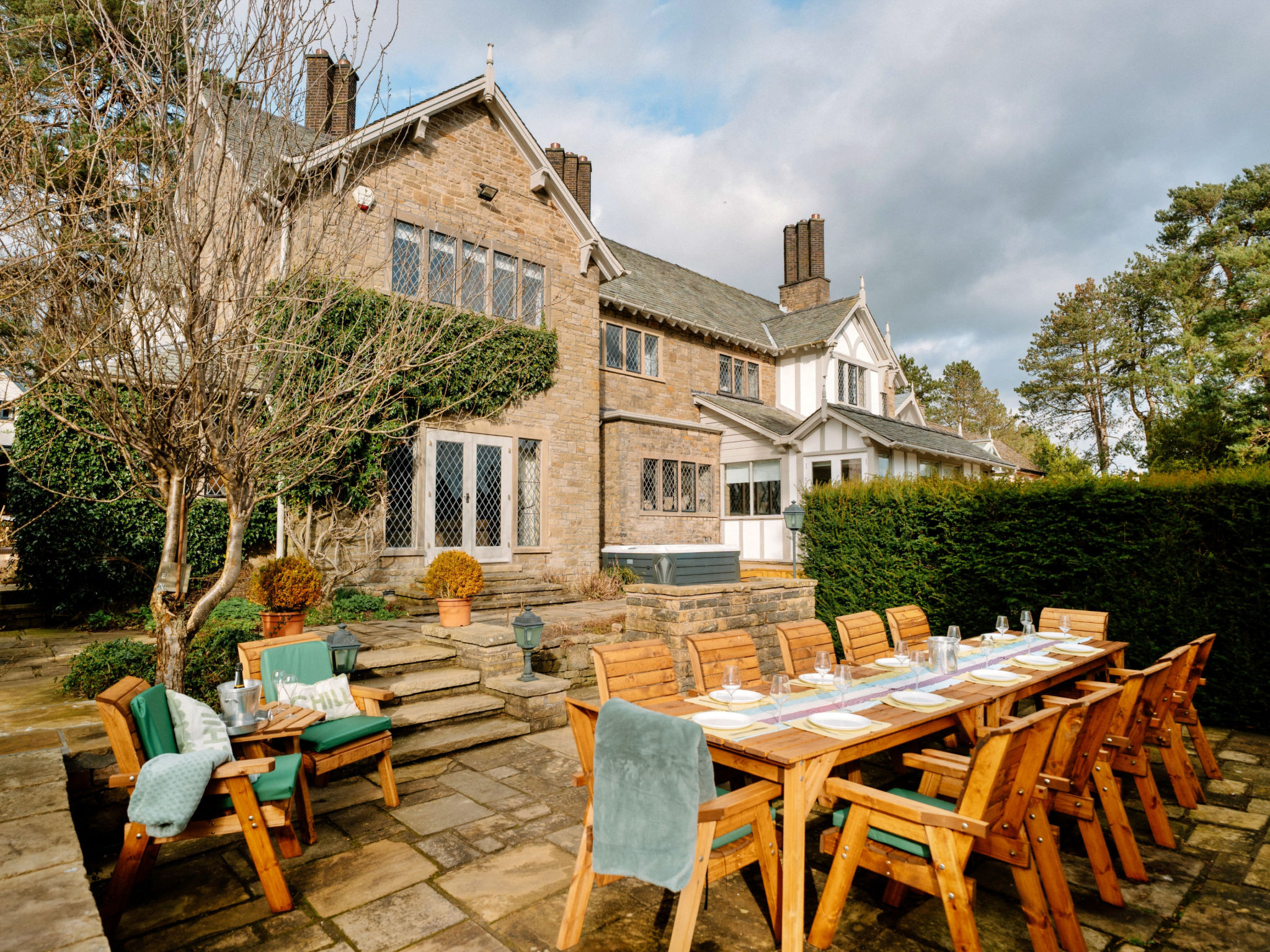
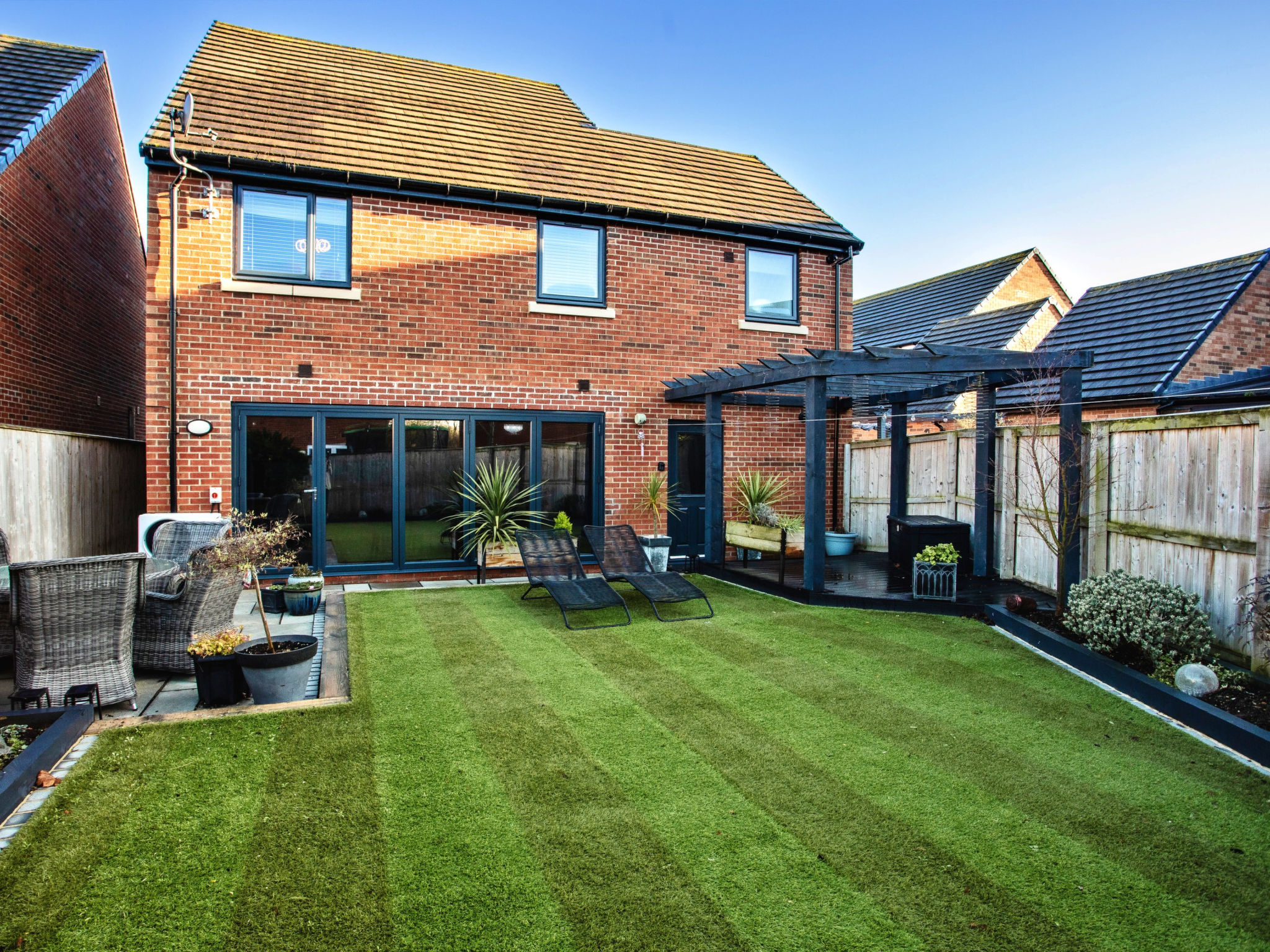
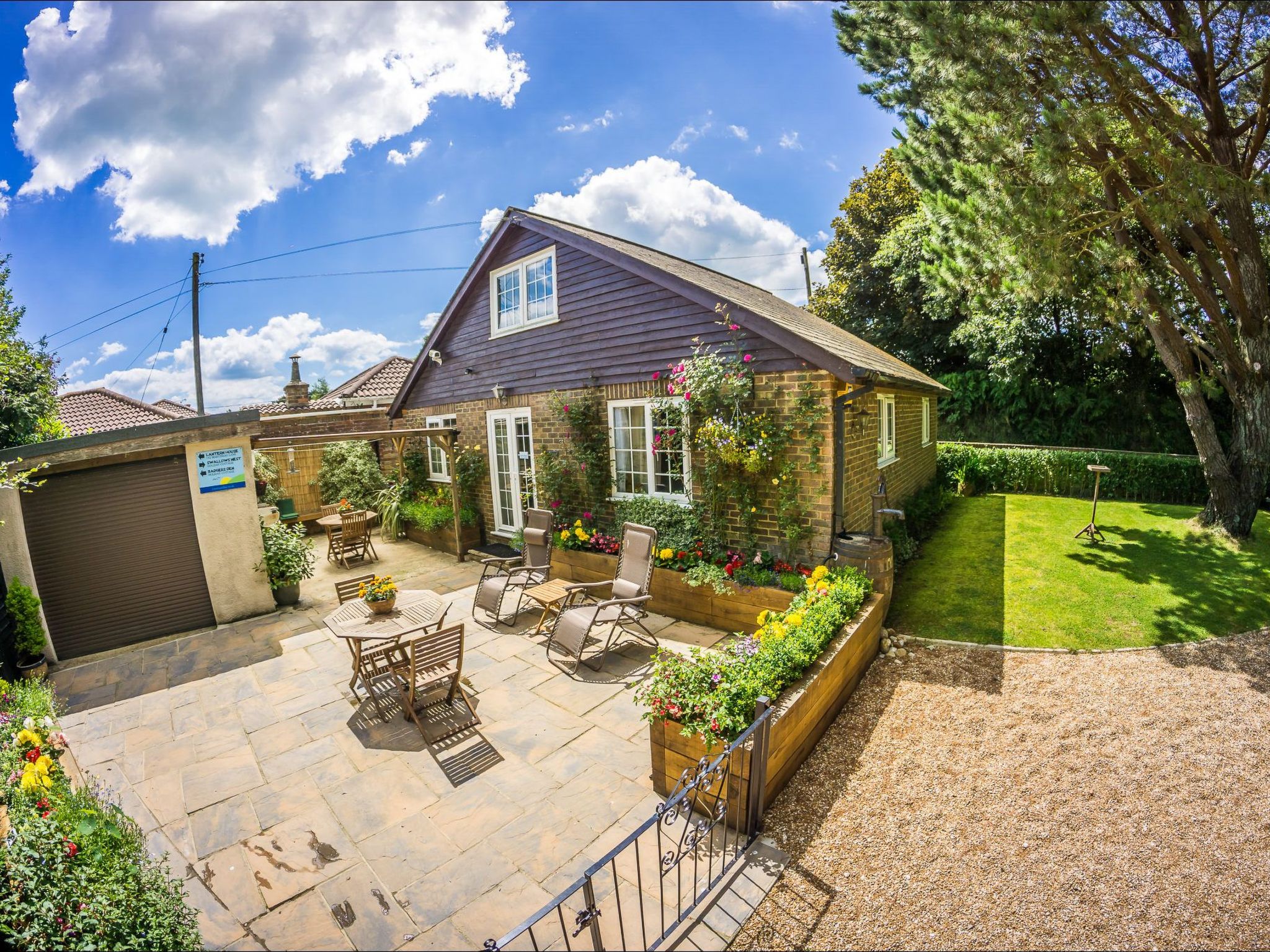
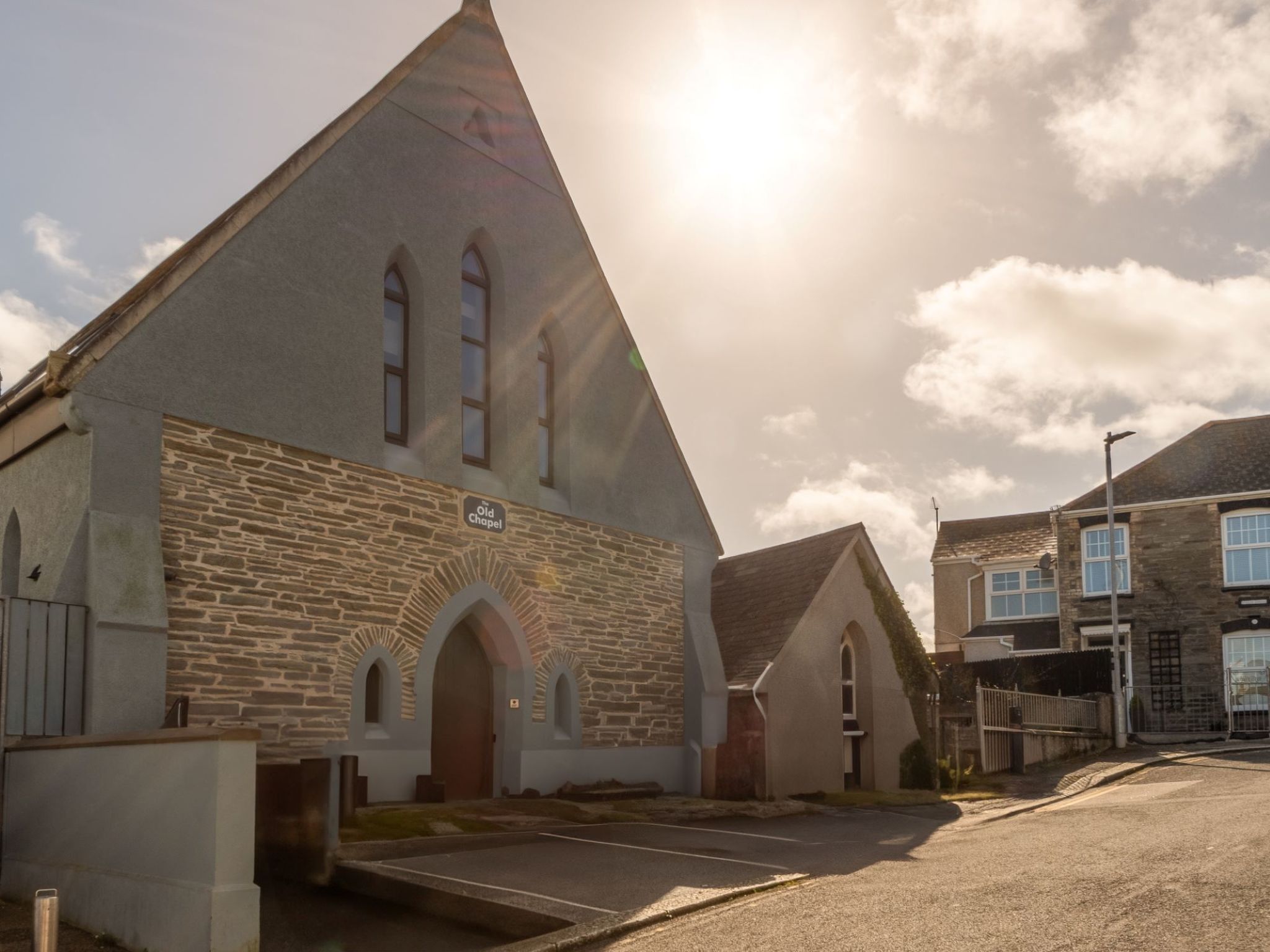
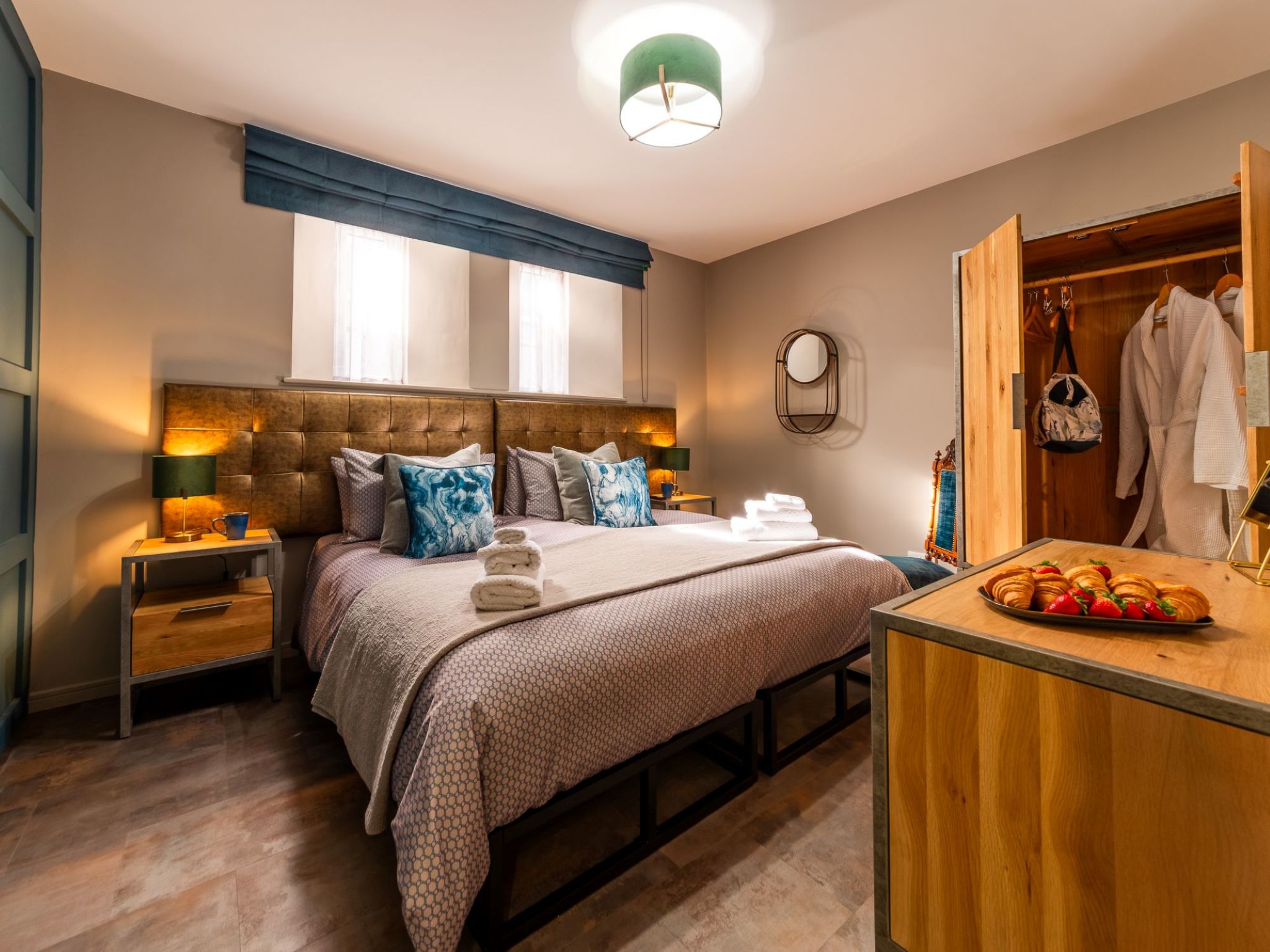
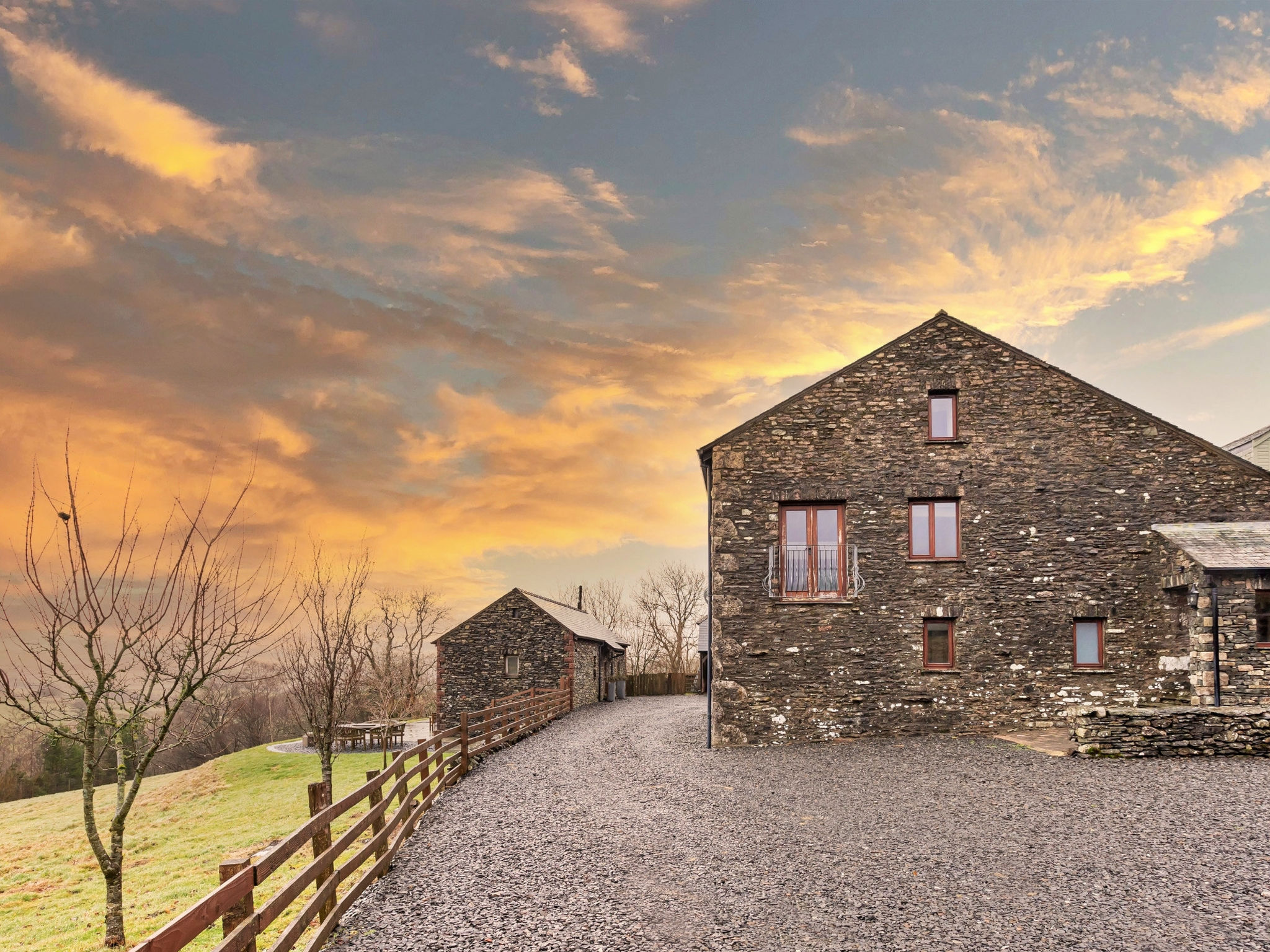
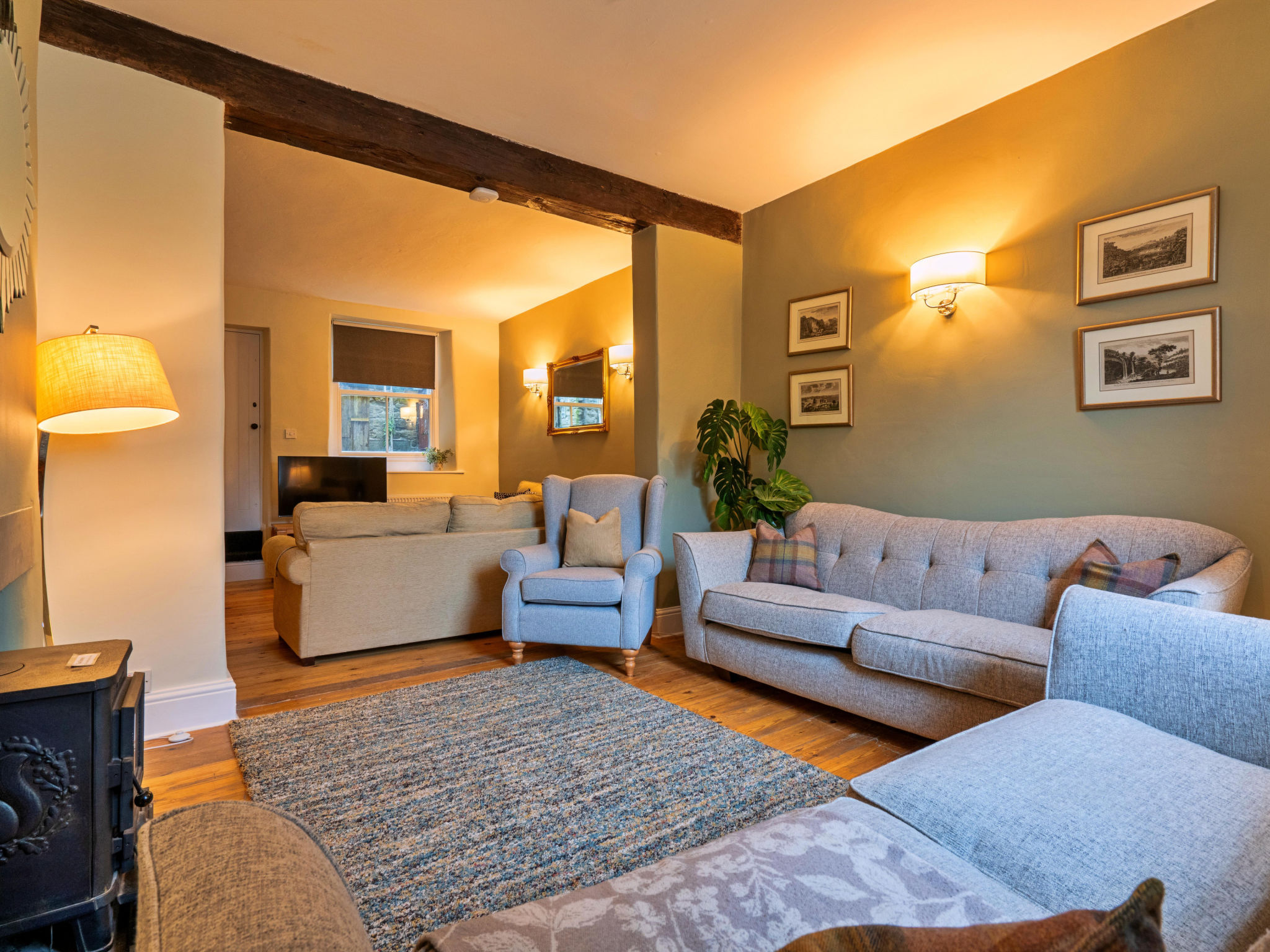
Victorian cottages and converted barns are appealing but may have narrow stairs, low ceilings, and temperamental plumbing. Modern properties cost more. Most have central heating. Essential in winter. Many are dog-friendly, attracting families with pets.

Food and Drink

Breakfast is included in most properties. Cooked or continental. Lunch is typically 12-2 PM. Dinner is 7-9 PM. Booking restaurants in advance is essential in popular areas. Pub food is reliably good; Michelin-starred restaurants exist in major towns. Sunday roast is real and worth seeking out.

Costs

England is expensive compared to European destinations. A family villa (4 bedrooms) costs £2,500-4,500 per week in peak season, £1,500-2,500 in shoulder season. Food, activities, and dining are moderately priced. Attractions charge entrance fees. Plan accordingly.

Why People Return to English Holidays

We've noticed something: England gets better on repeat visits. First-time visitors often hit the famous spots. Oxford, the Cotswolds, the Lake District. Second visits go deeper. People discover villages, local restaurants, walking routes, and the fact that England's real wealth is in its quieter places.

The climate is never reliably sunny. The prices can shock people accustomed to Mediterranean value. The driving requires left-side adjustment. But people return because the landscape is subtle and rewarding, the culture is genuinely distinctive, and there's something about English hospitality that grows on you.

Whether you are exploring moorland, museum-hopping in cathedral cities, or sitting in village pubs, England rewards curiosity and patience.