Cyprus Villa Rentals
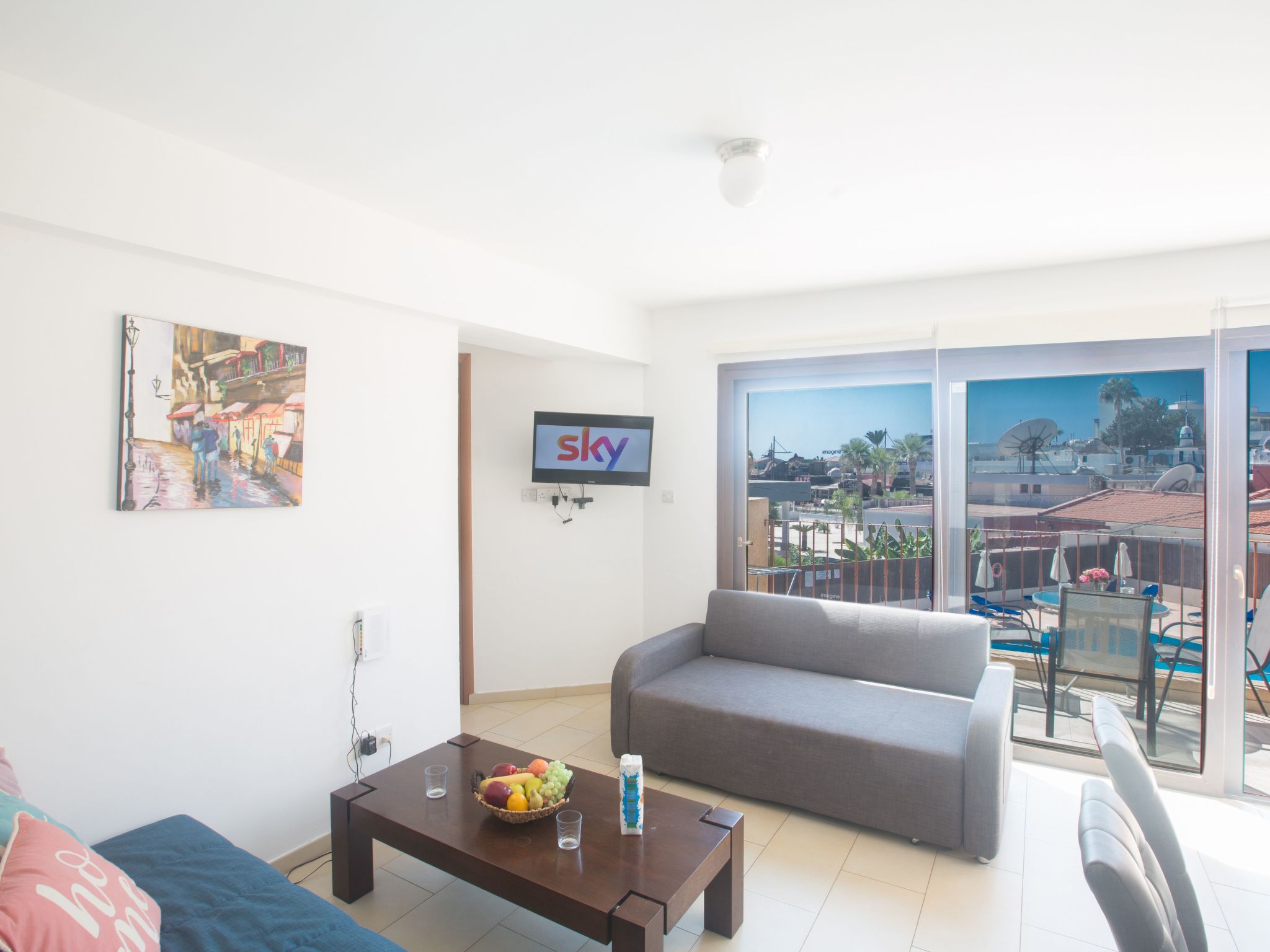
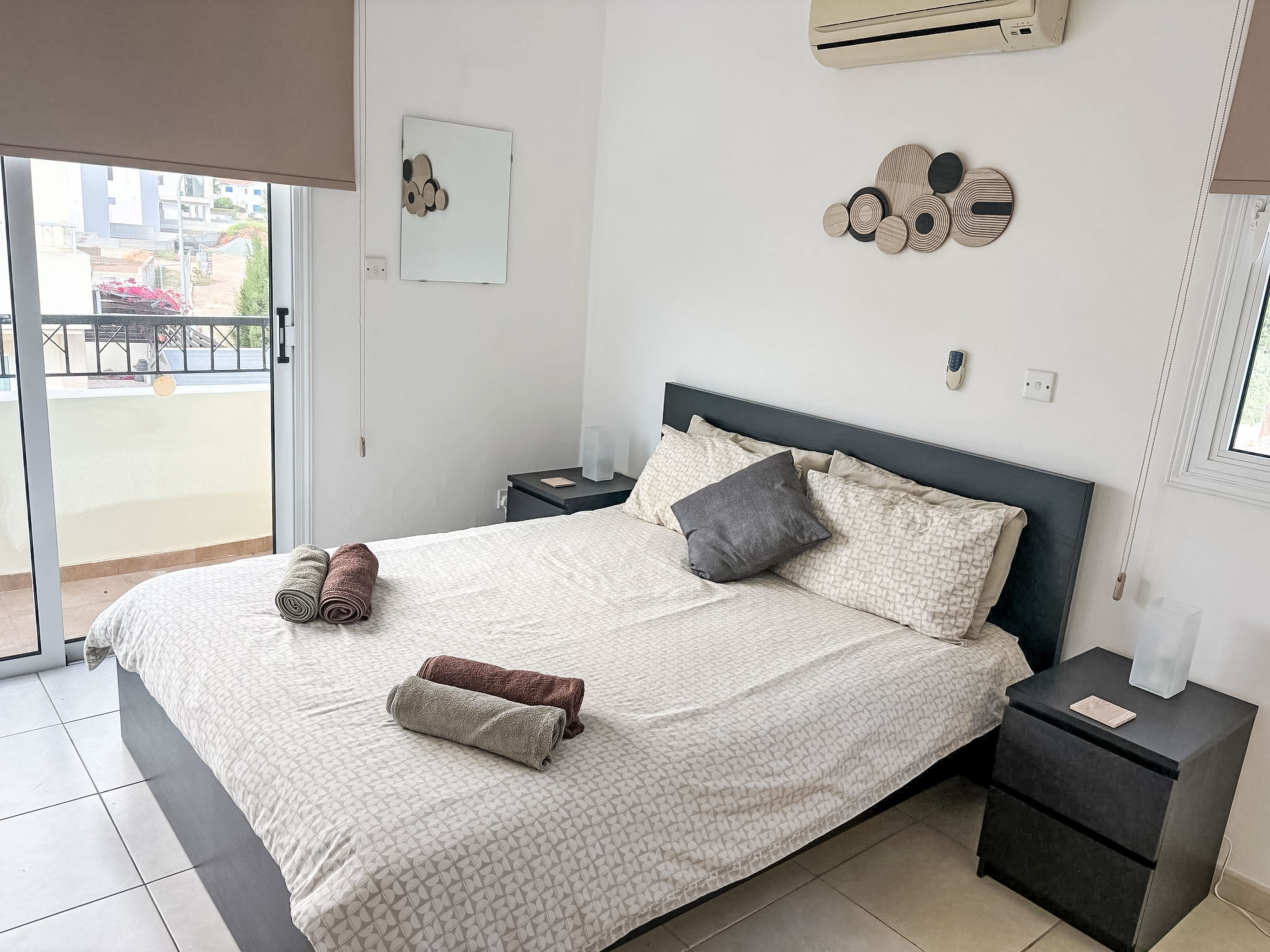
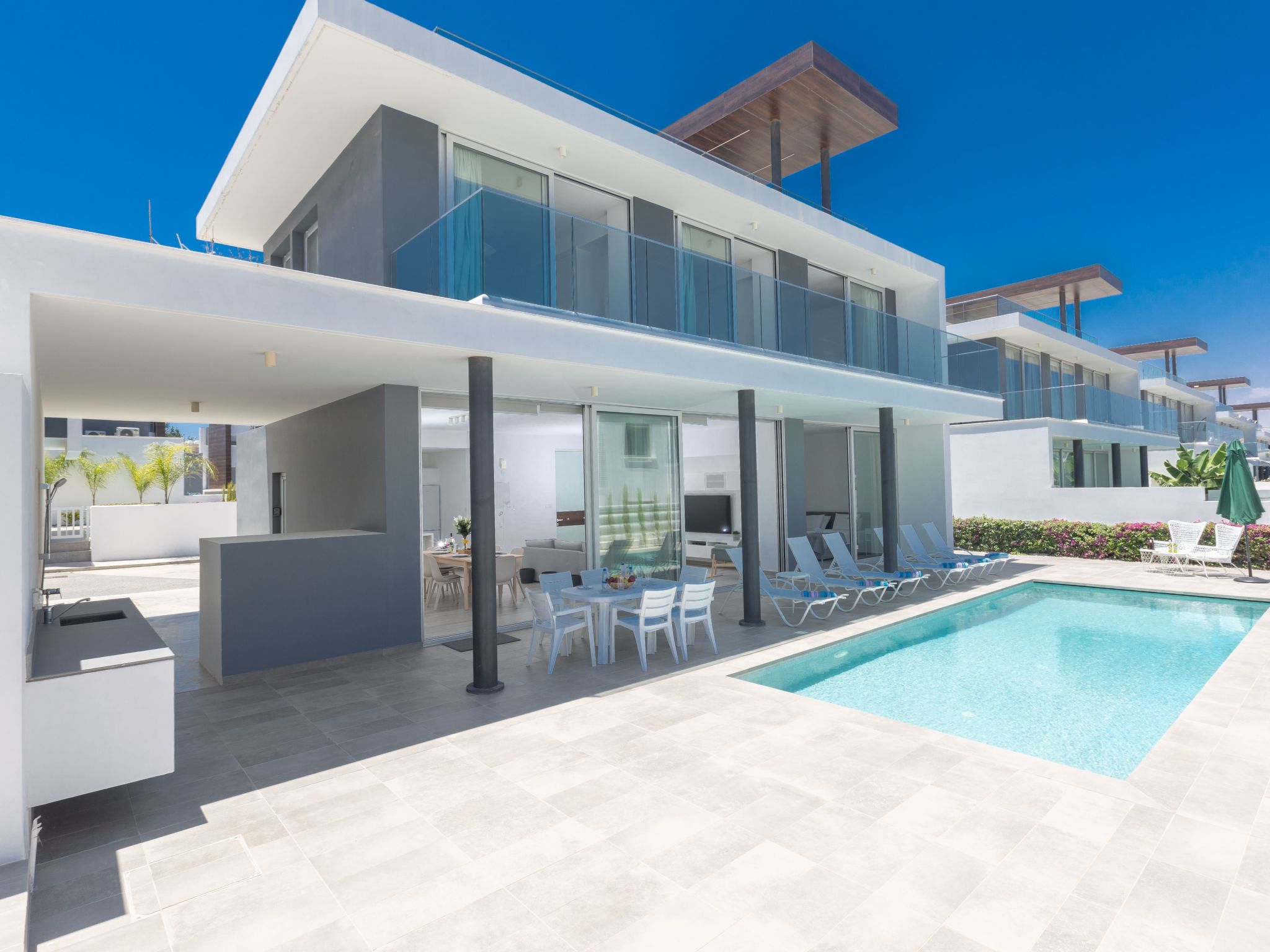
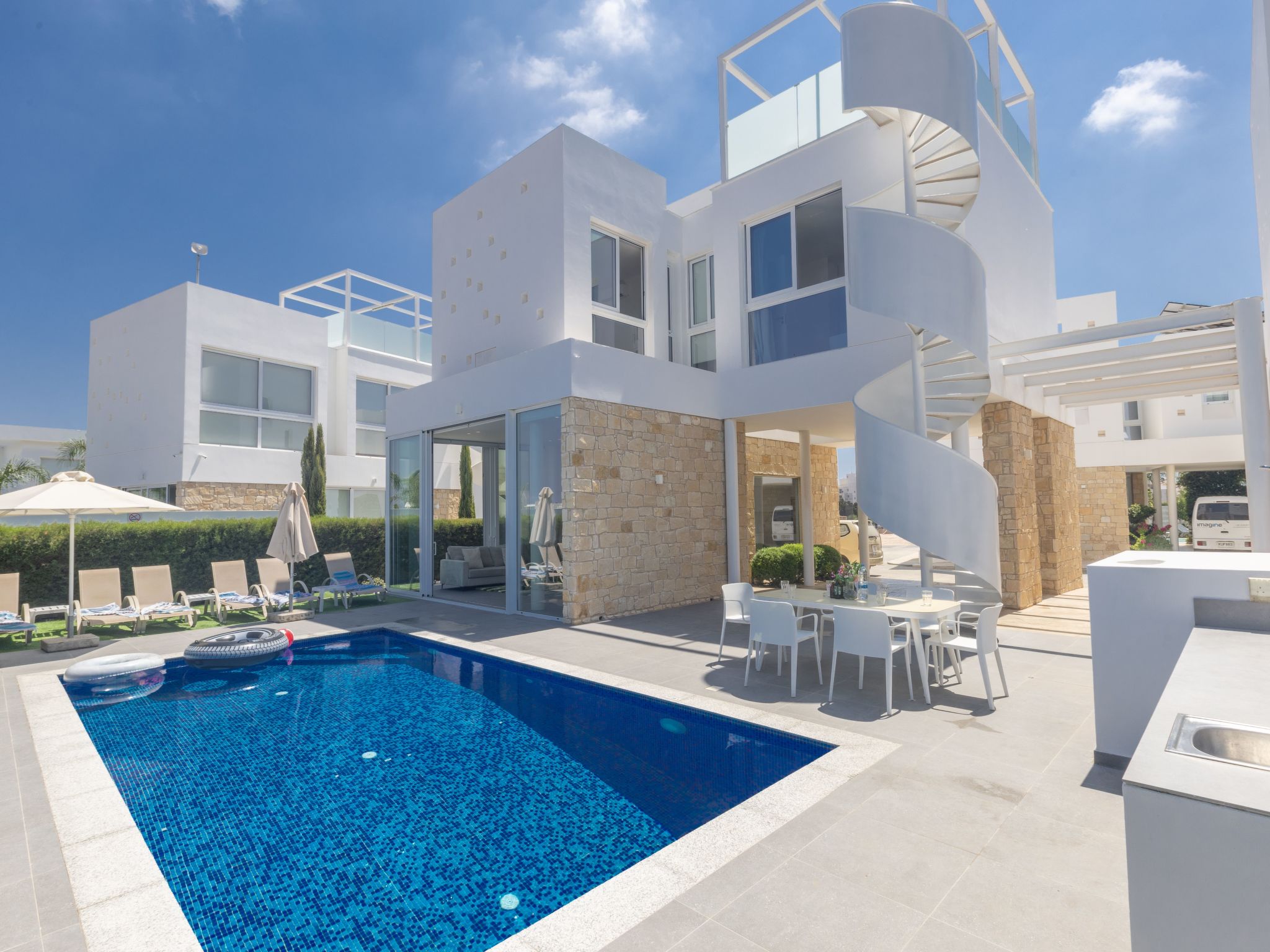
Cyprus is a Greek island 200 kilometres south of Turkey — geographically Middle Eastern, culturally European, politically complicated (divided since 1974), and gorgeously sunny year-round. Renting a villa here means choosing between the Greek south (80% of the island, EU member, fully functional tourism infrastructure) and the Turkish north (20% of the island, Turkish Republic of Northern Cyprus, recognised only by Turkey, quieter and less developed). For most British travellers, the south is the obvious choice — beaches range from crowded resort strips to genuine coves, mountain villages remain agricultural and real despite tourism, and you get reliable summer sun (28–35°C) with infrastructure that doesn't collapse. Villas here vary wildly — family-run traditional properties, modern developments with pools, and everything between. We find Cyprus works particularly well for families and people seeking guaranteed sunshine combined with genuine leisure without the chaos of Mediterranean resorts.
Why Choose a Cyprus Villa
- Guaranteed summer sun: July–September rarely sees rain. Temperatures are hot (28–35°C) but reliable. If you're escaping UK winters or seeking guaranteed beach weather, Cyprus delivers.
- Mountain villages remain villages: The Troodos Mountains have dozens of settlements where life hasn't entirely transformed for tourism. You can hike between villages, eat traditional food, and encounter genuine communities.
- Archaeological wealth: Kourion, Paphos monuments, Salamis, and Famagusta ruins are accessible by car from most villas. You're not visiting theme parks; you're exploring actual historical sites embedded in landscape.
- Wine region quality: Cypriot wines are underrated internationally. Local varieties (Commandaria, Xynisteri) are delicious and available directly from producers at low prices.
- Compact geography: The island is small — you can reach any major destination within 1.5 hours driving. Day trips to multiple regions are feasible. No lengthy drives required.
Top Regions for Villa Rentals
Paphos Region (West)
Paphos is the western resort hub — warm water, sandy beaches, and infrastructure built for tourism. The town has a working harbour, local restaurants, and a decent archaeological museum. Villas cluster in hillsides overlooking beaches or in residential areas. This region sums up accessible, comfortable Cyprus — good value, warm water, fewer international crowds than Larnaca or Protaras. Best for families seeking reliable sun and beach leisure without excessive nightlife.
Explore Paphos villasProtaras & Ayia Napa (Southeast)
Protaras is the party resort . Young tourists, nightclubs, loud bars, and beaches packed in summer. Water is warm (28°C+), sunshine is guaranteed, and the energy is genuinely electric. Ayia Napa is similar, slightly more established as a resort destination, with a decent Old Town beneath the tourism overlay. Villas here range from budget to high-end; most include pools. Best for groups, younger travellers, and people prioritising nightlife over peace. Spring and autumn are far more pleasant than chaotic July–August.
Explore Protaras villasLarnaca (South Central)
Larnaca is a working city and ferry hub . Less touristy than Paphos or Protaras, with genuine local life alongside tourism. Sandy beaches, a seaside promenade, and regular flights from the UK (via Larnaca Airport). Villas are mixed . Basic apartments, modern properties, and everything between. This region suits people seeking balance . Beach access without full immersion in resort culture, plus easier flights than other regions.
Explore Larnaca villasAkamas Peninsula (Northwest)
Akamas is genuinely quiet and underdeveloped . Rugged coastlines, hiking trails, Lara Beach (loggerhead turtle nesting site), and minimal tourism. Villas are limited and often require a car to reach. This region suits active people, nature enthusiasts, and travellers seeking solitude. Infrastructure is minimal . Bring provisions, plan drives, and accept that restaurants are few. Best as a short-trip destination combined with time in developed areas rather than a sole base.
Explore Akamas villasWhat's Trending in Cyprus
Long-term winter rentals: Growing numbers of British and Northern European residents rent villas for 4–12 weeks November–February. Cyprus's mild winters (daytime 15–20°C) appeal to people escaping harsh UK seasons. This has driven up winter prices but created seasonal communities of long-term renters.
Wellness tourism: Spas, yoga retreats, and wellness-focused villas have expanded significantly. Several villas now market with "wellness packages" including spa treatments and nutrition plans. Quality varies; review recent guest feedback carefully.
Mountain village tourism: The Troodos Mountains are attracting increased interest . Hiking, wine tasting, agritourism experiences in traditional villages. This suits people tired of beach-only holidays and seeking authentic rural experiences.
Turtle conservation experiences: Lara Beach (Akamas) offers turtle monitoring during nesting season (May–August). Some villas arrange volunteer experiences or night turtle watches . Genuinely rewarding for conservation-minded travellers.
How to Book a Cyprus Villa
- Decide your vibe first. Party resorts (Protaras, Ayia Napa)? Comfortable family regions (Paphos, Larnaca)? Quiet nature (Akamas)? Geography determines experience far more than accommodation quality.
- Check flight access. Larnaca Airport (LCA) receives most UK flights. Paphos Airport (PFO) is smaller but viable from regional UK airports. Direct flights are frequent and reasonably priced (£40–120 return depending on timing).
- Book 8–10 weeks ahead for July–August, the peak season. Shoulder months (April–June, September–October) allow 4–6 weeks' notice without major compromise.
- Read reviews for specific concerns: Wi-Fi reliability, pool heating (important for May and October), noisy neighbours (relevant in resort areas), car rental arrangements. These vary dramatically between properties.
- Verify transport options. Car rental is cheap and necessary for most villas. Alternatively, some properties offer airport transfers and driver recommendations. Budget accordingly.
Frequently Asked Questions
Do I need a visa to visit Cyprus from the UK?
British citizens can enter Cyprus visa-free for up to 90 days. Your passport must be valid for at least six months beyond your departure date. Entry is straightforward . You'll be logged electronically, and the paper stamp is useful but tourists frequently lose it without consequence.
How hot does Cyprus get in summer?
July and August regularly reach 32–35°C inland, slightly cooler (28–32°C) on coasts due to sea breezes. Humidity is moderate. Heat is genuinely intense at midday . Afternoon siestas are standard. Early mornings and evenings are far more comfortable for activities and sightseeing. Stay hydrated and use SPF 50+ religiously.
What's the water temperature year-round?
Summer (June–September) reaches 26–28°C, genuinely warm. May and October around 22–24°C, still swimmable but cool. April and November around 18–20°C, requiring wetsuit tolerance. December–February around 15–17°C . Swimmers do it, but most people don't. If warm water is your priority, visit May through October.
Can I hire a car easily?
Yes. Car rental from airports is straightforward . Daily rates start around £20–30. Insurance (usually mandatory) adds £10–15. Driving is reasonably safe and straightforward compared to Turkey . UK-side-of-the-road rule, decent signage, good main roads. Many guests hire cars for day trips from a villa base and rely on local taxis or accommodation providers for nearby transport.
Is tap water safe?
Yes, in developed areas. Cyprus has rigorous water standards. Some rural villages have questionable supply systems . Villas typically provide bottled water or filtration for safety. For city villas, tap water is fine. Always check with your accommodation provider about specific locations.
What's the best season for visiting?
May–June and September–October are objectively best . Warm (22–28°C), sunny, fewer tourists, lower prices. July–August are hot and crowded but have guaranteed sunshine and warmest water. April and November are pleasant but occasionally rainy. December–March are mild (15–20°C) and suit long-term renters but are less well suited to beach holidays.
Are there nightlife options?
Protaras and Ayia Napa have nightclubs, bars, and late-night restaurants galore. Paphos and Larnaca have decent dining and some bars but less nightlife. Akamas has virtually none. If nightlife matters, stay in or near resorts. If you prefer peace, choose smaller regions.
How far are archaeological sites?
Kourion (near Paphos) is roughly 20 kilometres away. Paphos monuments are in the town. Lara Beach (turtles, archaeology, nature) is 50 kilometres from Paphos. Ancient Salamis ruins (Turkish side, not visited by most British tourists) are east. Most sites are easily reachable by car within 45 minutes from any villa base.
What's the cost difference between villas and hotels?
A simple one-bedroom villa in a resort area costs £40–100 nightly. Three-bedroom villas cost £80–200. Four-star hotels run £100–180. The advantage of villas is kitchen access, space, and privacy . Significant on longer stays (two weeks+). For short breaks (3–5 days), hotels sometimes offer better value. For families or groups splitting costs, villas almost always win.
Can I take the ferry to the Turkish north?
No ferry currently runs to the Turkish north. You must enter via Turkey (flying into Turkey, then accessing the north) or stay in the Greek south exclusively. The division is genuine and political . It's not a casual crossing like Greece to Turkey. Most British tourists remain in the south.
Ready to Explore?
Updated March 2026