Villas in Trstenik/Dingač
Trstenik is a small wine village on the Pelješac peninsula, beside the Dingač vineyards. It suits couples and small groups after quiet and local red wine, but it is tiny, so expect to drive for most things.
- Villas
- 8
About Trstenik/Dingač
Trstenik has about 115 residents and belongs to the municipality of Orebić. Its history is tied to the phylloxera blight, which made it a busy port for selling grapes to Italy and beyond, and yachts now anchor in its bay. Dingač, the first protected Croatian wine region, lies on a southwest-facing slope between Trstenik and Podobuče, steep rugged karst with little topsoil, growing Plavac Mali. The homes are small, mostly sleeping up to six, and sit in and around Trstenik. A few have a private pool or a sauna.
Is Trstenik/Dingač right for you?
- Best for
- Couples and small groups wanting wine country and quiet
- Not for you if
- You want shops, restaurants and a sandy beach near the door.
Near Trstenik/Dingač
Orebić
The municipality that Trstenik belongs to, on the Pelješac peninsula in Dubrovnik-Neretva County.
Potomje tunnel
A one-lane tunnel through the mountain that winemakers paid to build in 1973, so grapes could be carried straight through.
Getting to Trstenik/Dingač
The drive from Dubrovnik city to Trstenik takes around an hour and twenty minutes. Only one bus a day runs from the city's bus station, so a hire car is the sensible choice.
Villas in Trstenik/Dingač
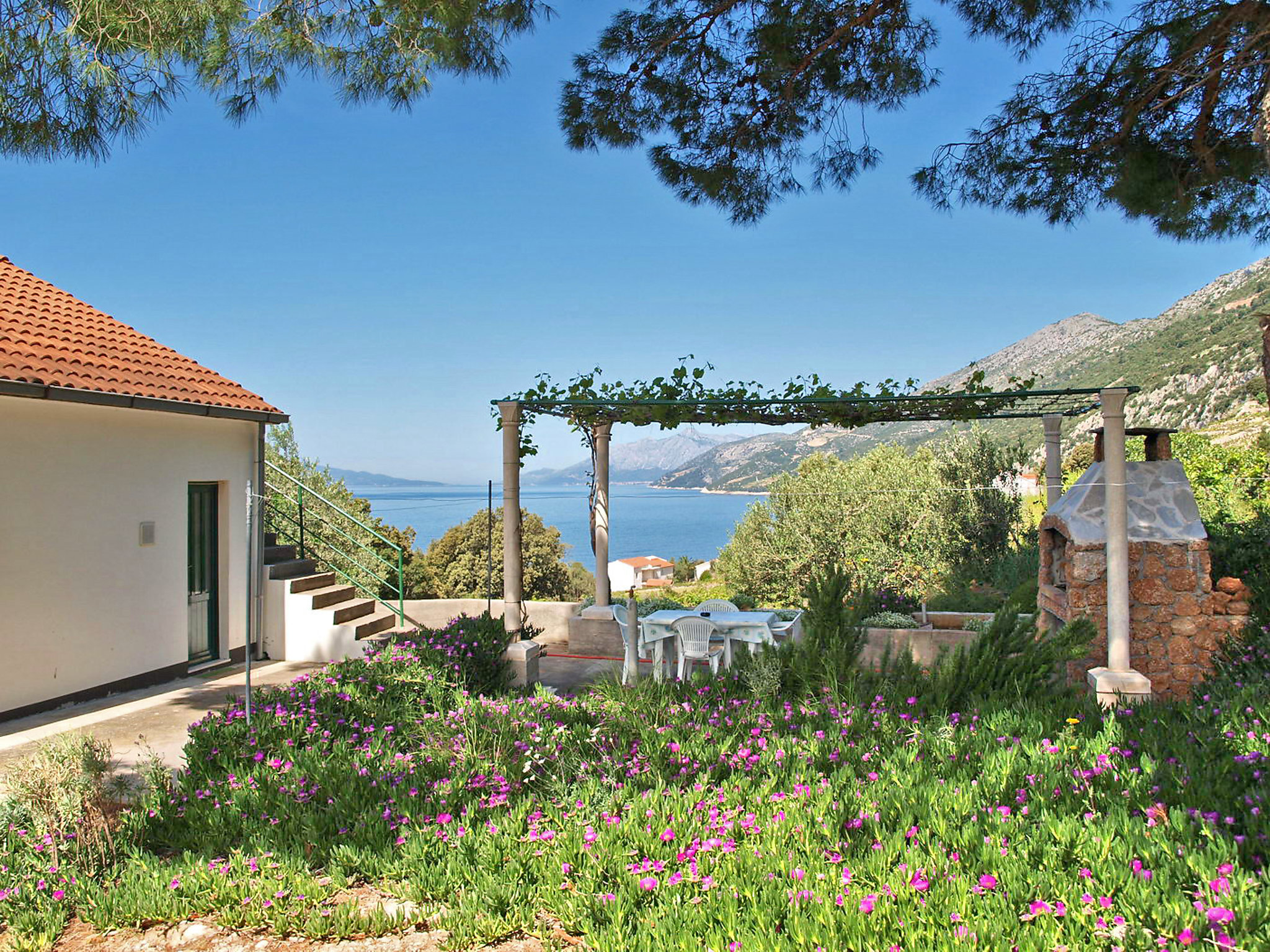
2-star property
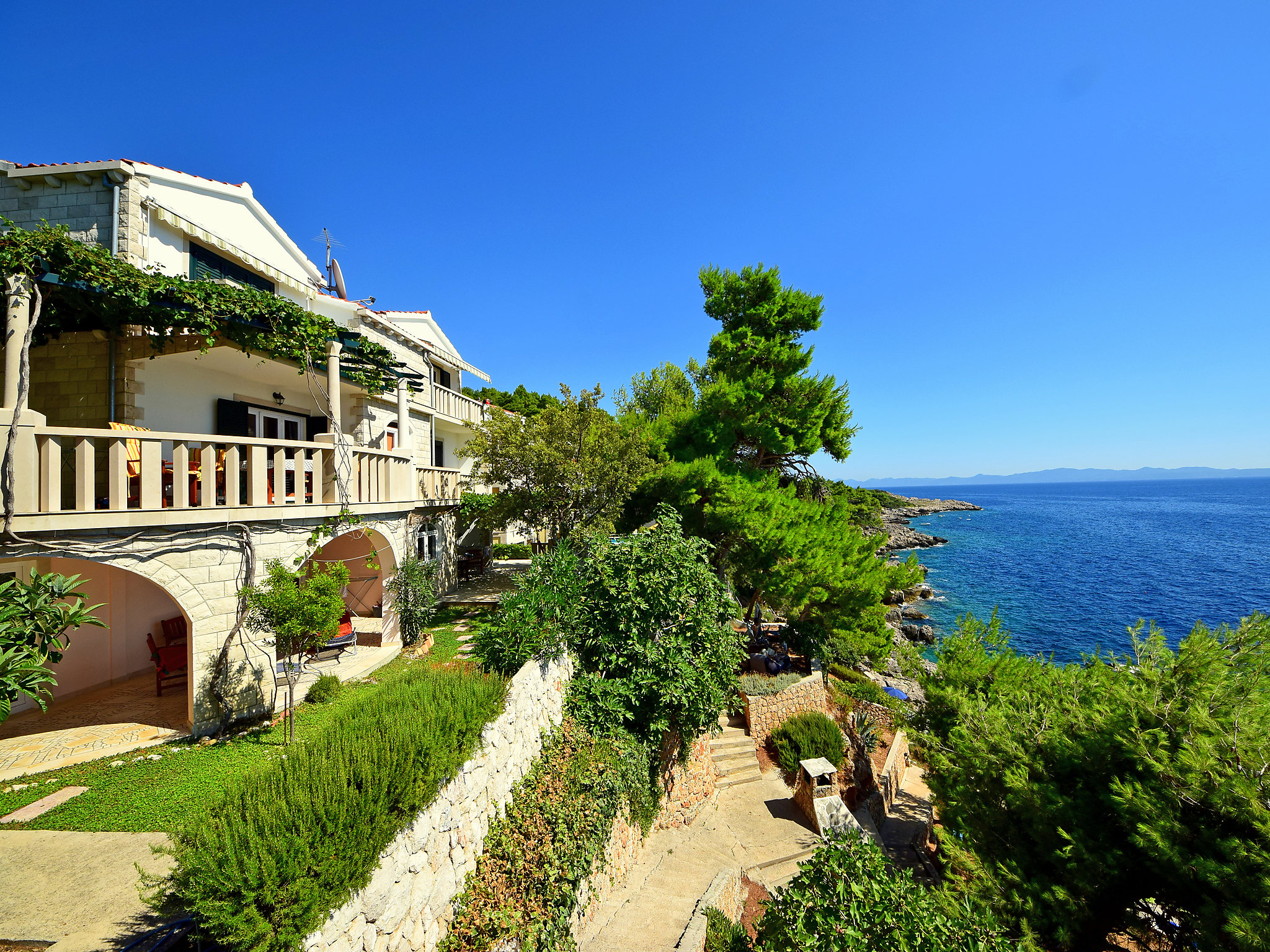
3-star property
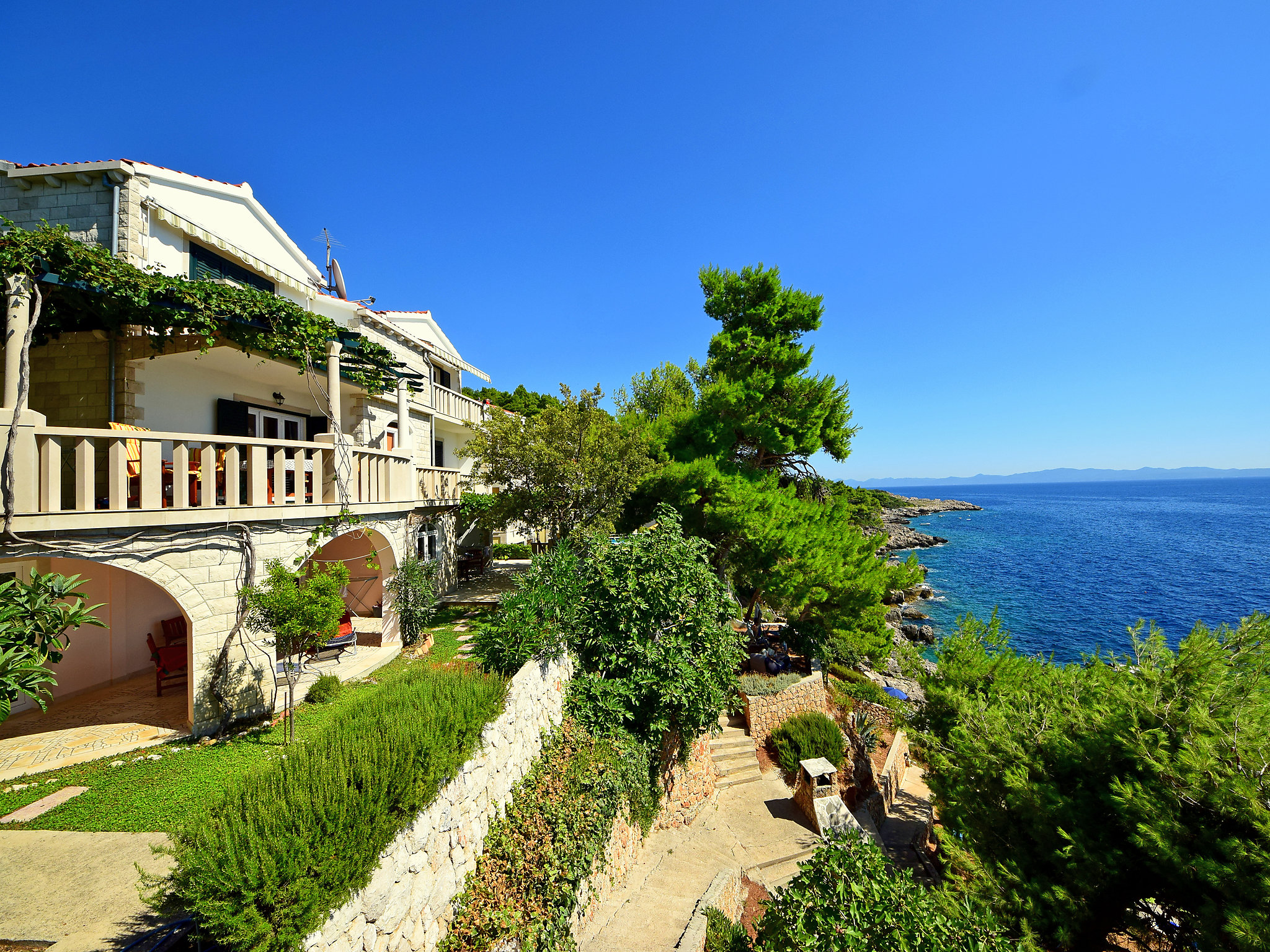
3-star property
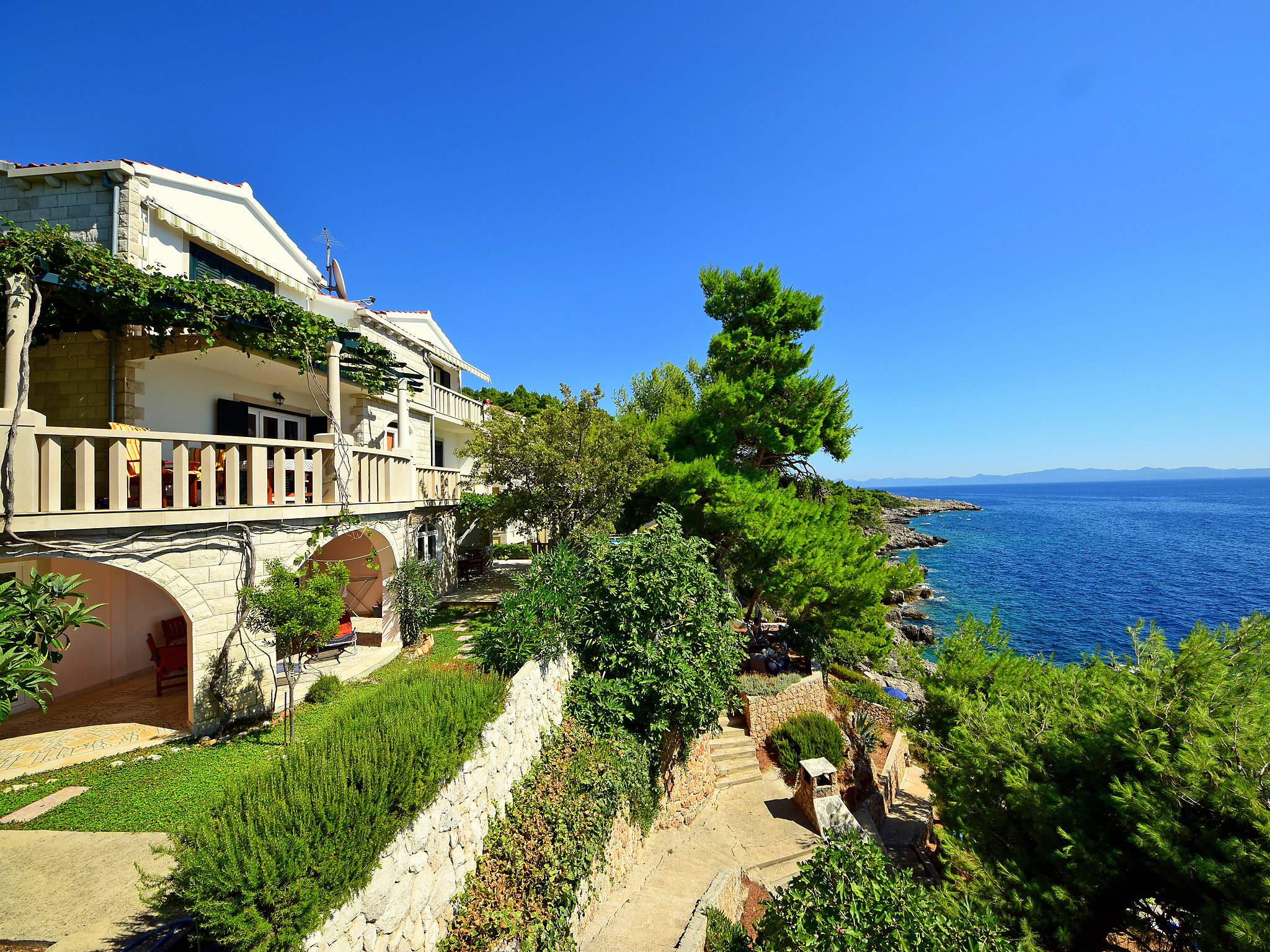
3-star property
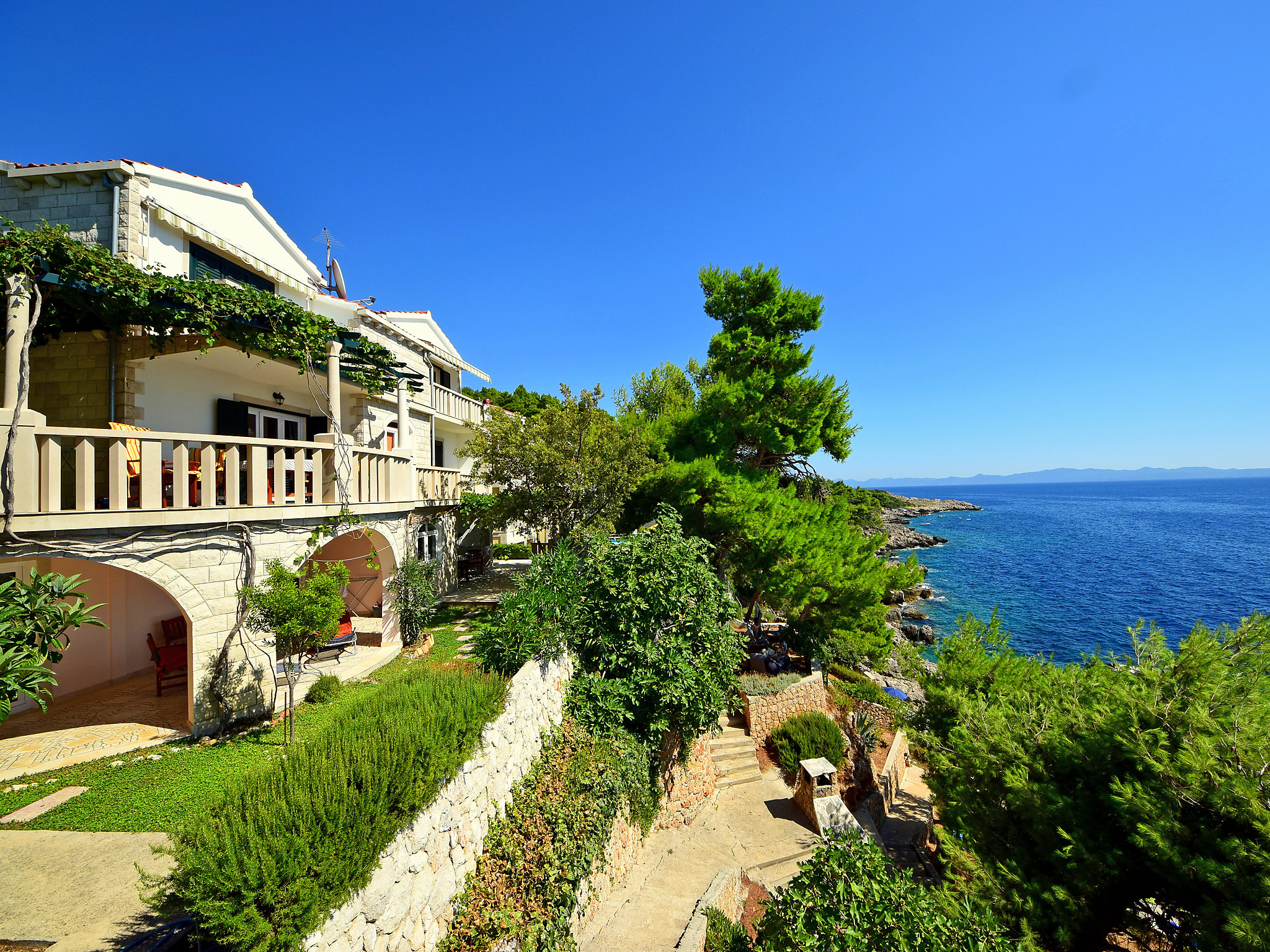
3-star property
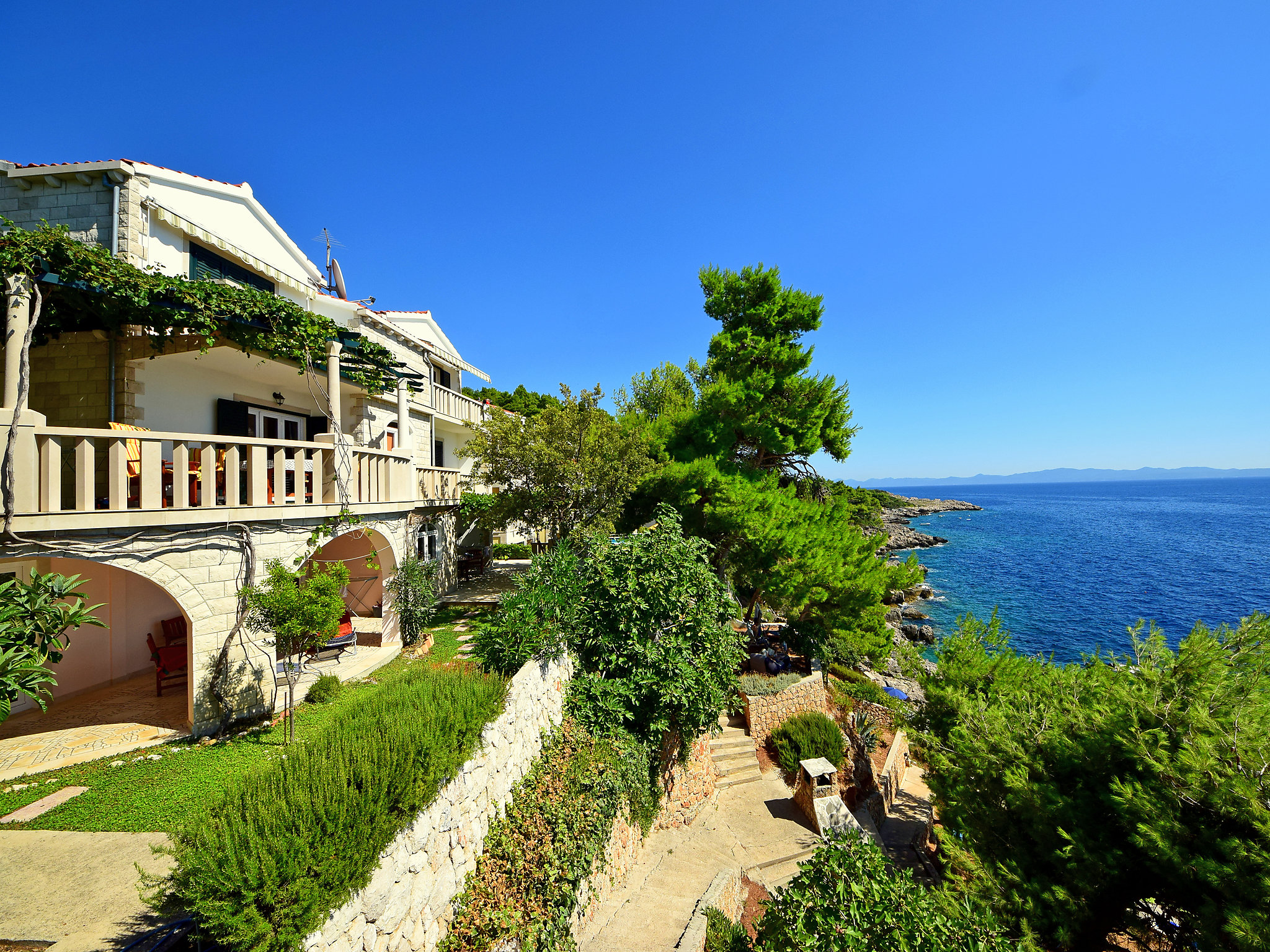
3-star property
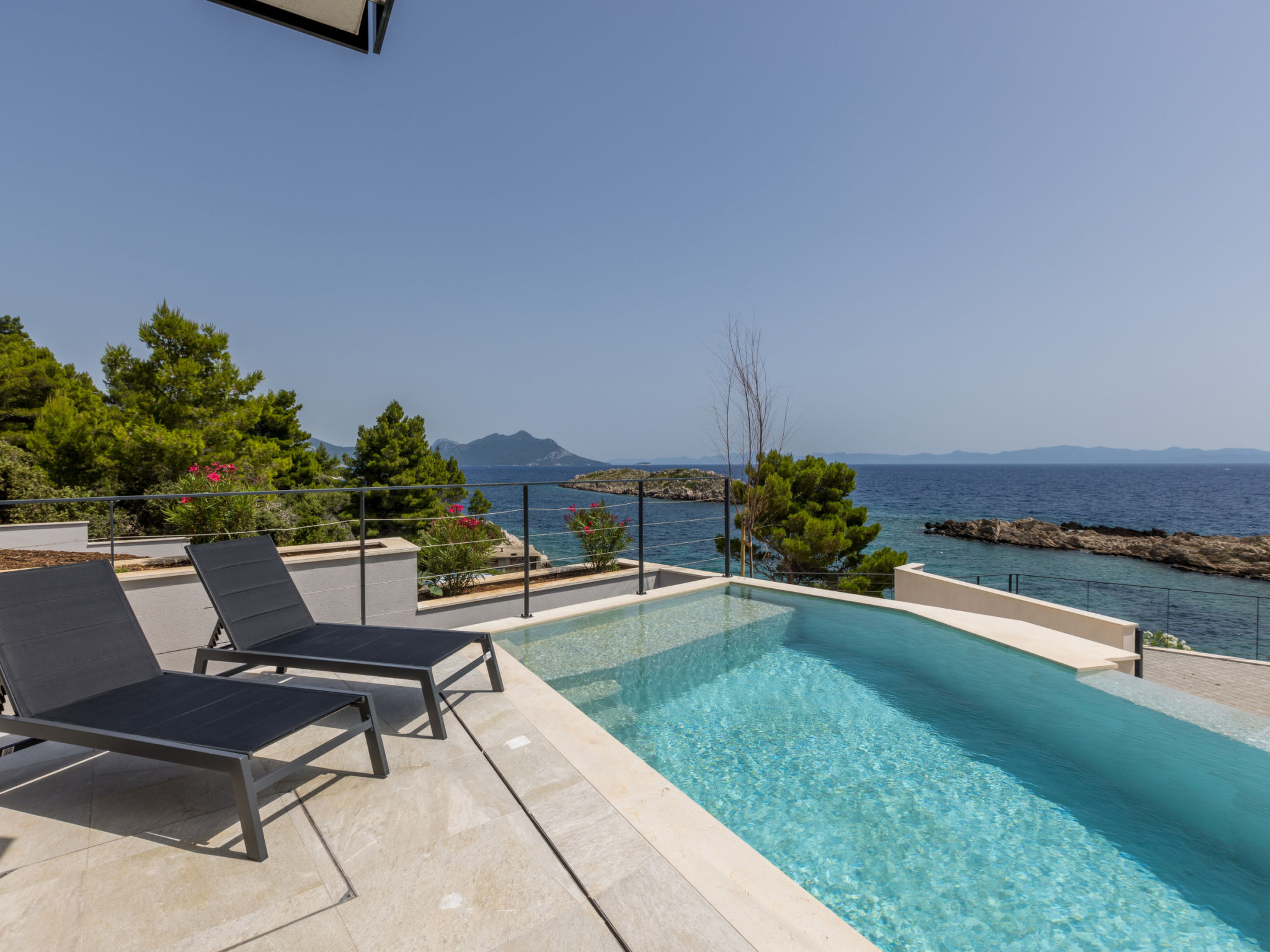
Beachfront villa Luce with seaview and pool
Trstenik/Dingač, South Dalmatia, Croatia
6
3
0
DishwasherMicrowaveParking+12 more
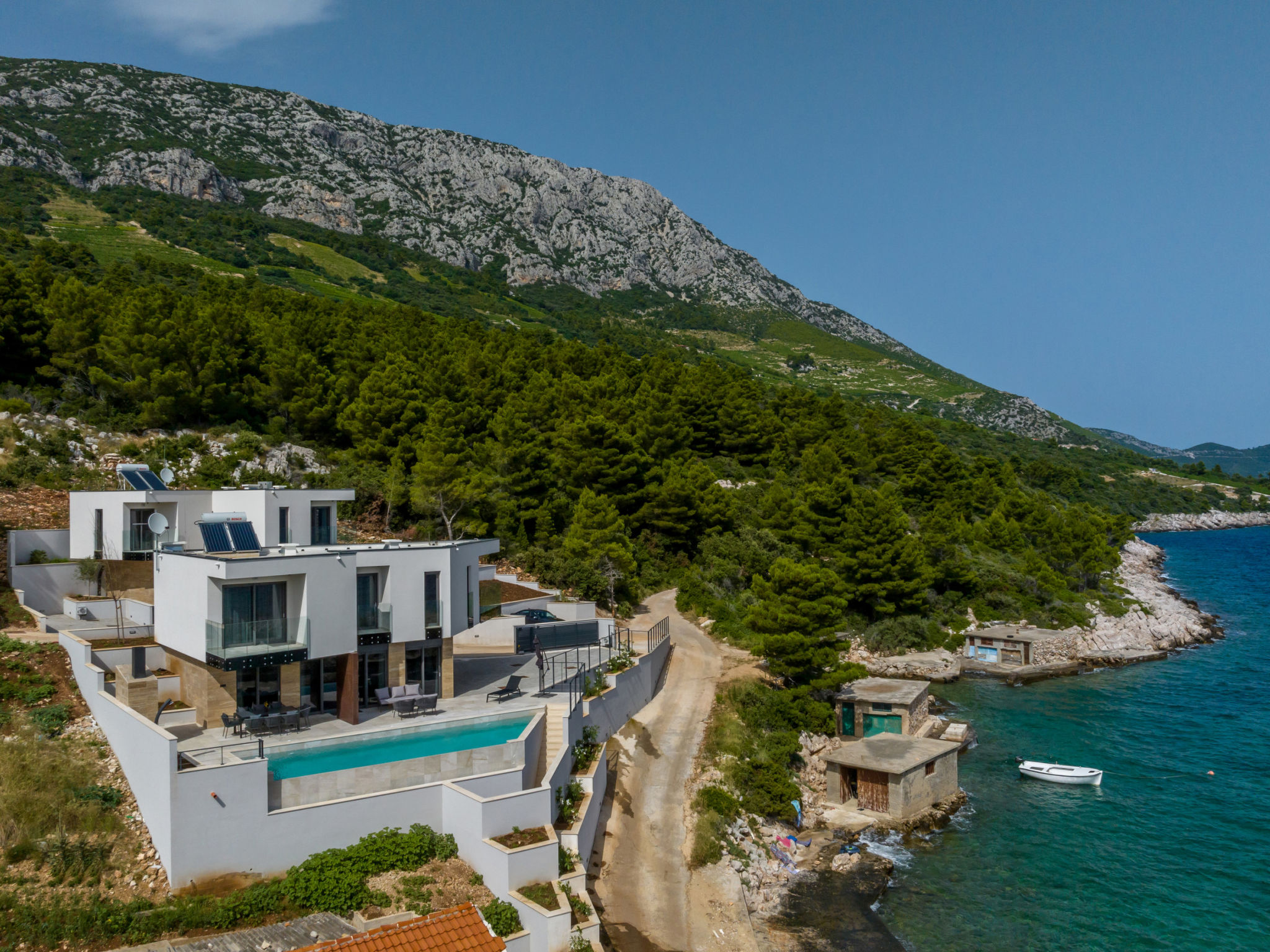
Beachfront villa Mare with seaview and pool
Trstenik/Dingač, South Dalmatia, Croatia
6
3
0
DishwasherMicrowaveParking+12 more
Trstenik/Dingač villa holidays: questions answered
What is Dingač?
A wine region on a southwest-facing slope between Trstenik and Podobuče, planted with Plavac Mali. Established in 1961 as the first protected Croatian wine region, it is steep, rugged karst with little topsoil.
How far is Trstenik from Dubrovnik?
Around an hour and twenty minutes by car from Dubrovnik city. One bus a day also runs from the city's bus station, taking nearly two hours, so driving is far easier.
Is Trstenik by the sea?
Yes. Yachts anchor in its bay, and in the past it was a busy port selling grapes to Italy and beyond. It is a small village of about 115 residents.
Is Trstenik good for a quiet wine holiday?
Yes. With around 115 residents and Dingač next door, it suits people who want to drink local wine and drive out to Orebić. Plan on a hire car.
Nearby towns to Trstenik/Dingač
Written by the TrustedVillas team. Last reviewed October 2026.
Find Your Perfect Villa in Trstenik/Dingač
Our villa experts are here to help you find the ideal property for your vacation. Contact us for personalized recommendations.