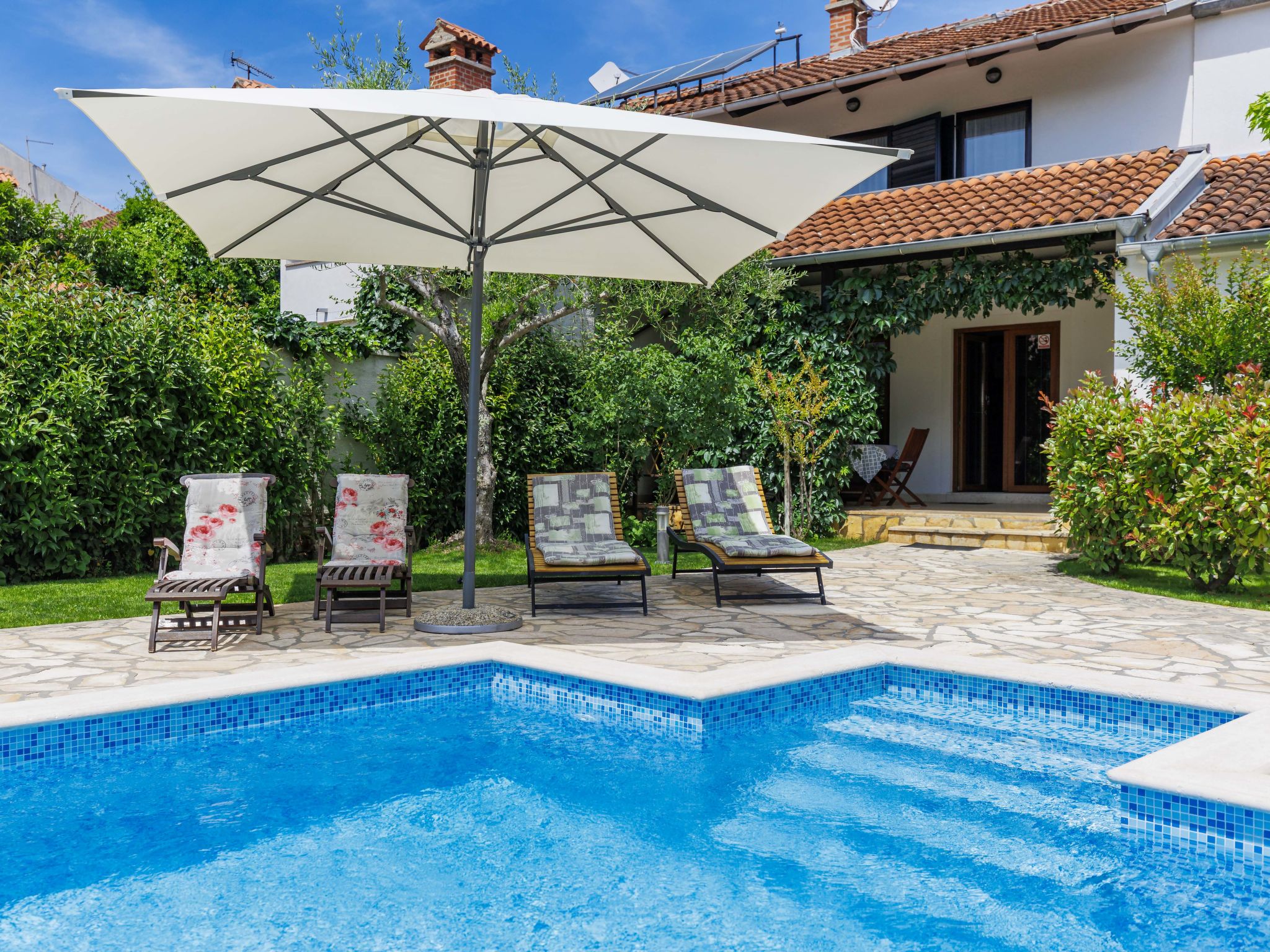
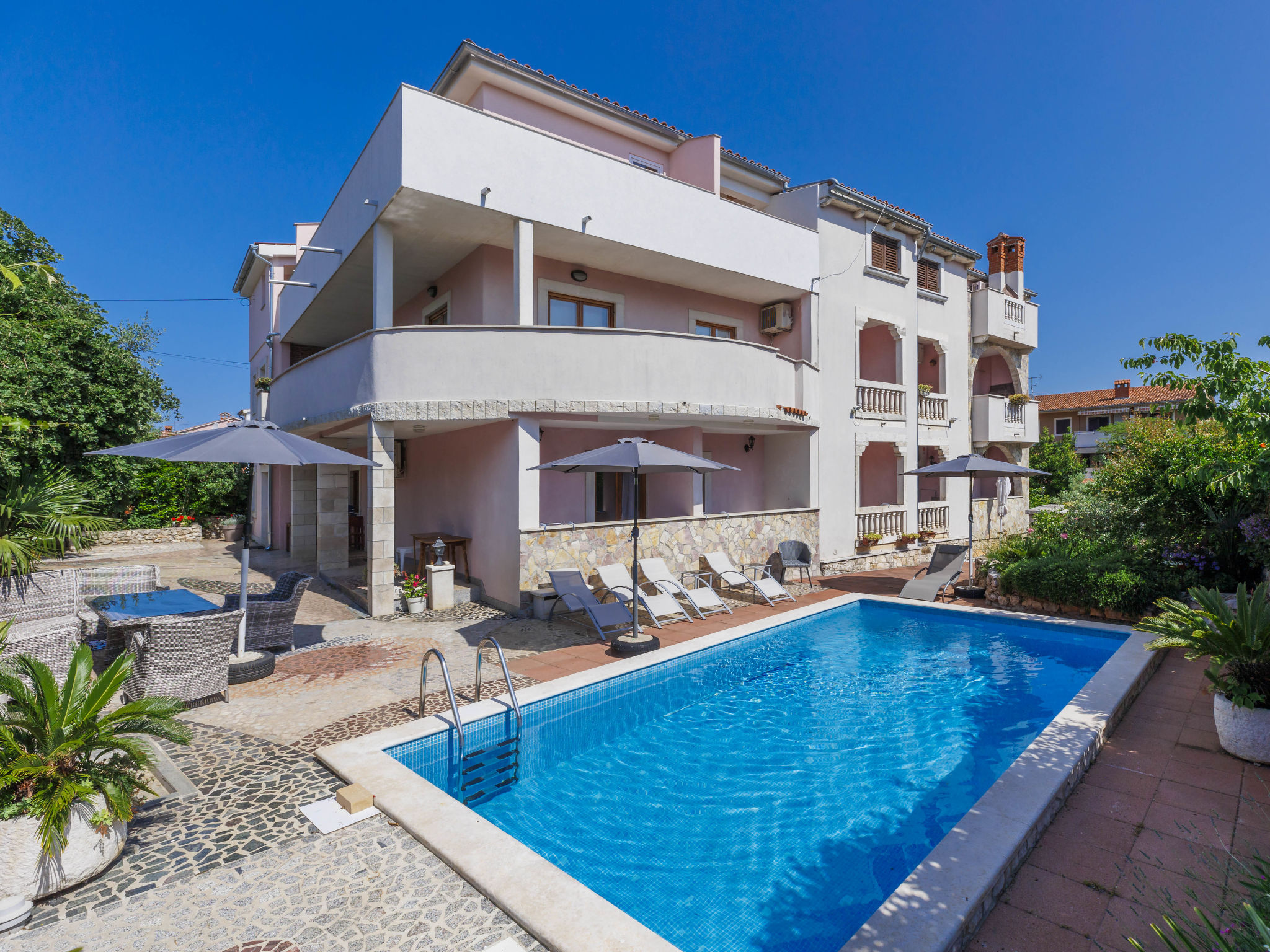
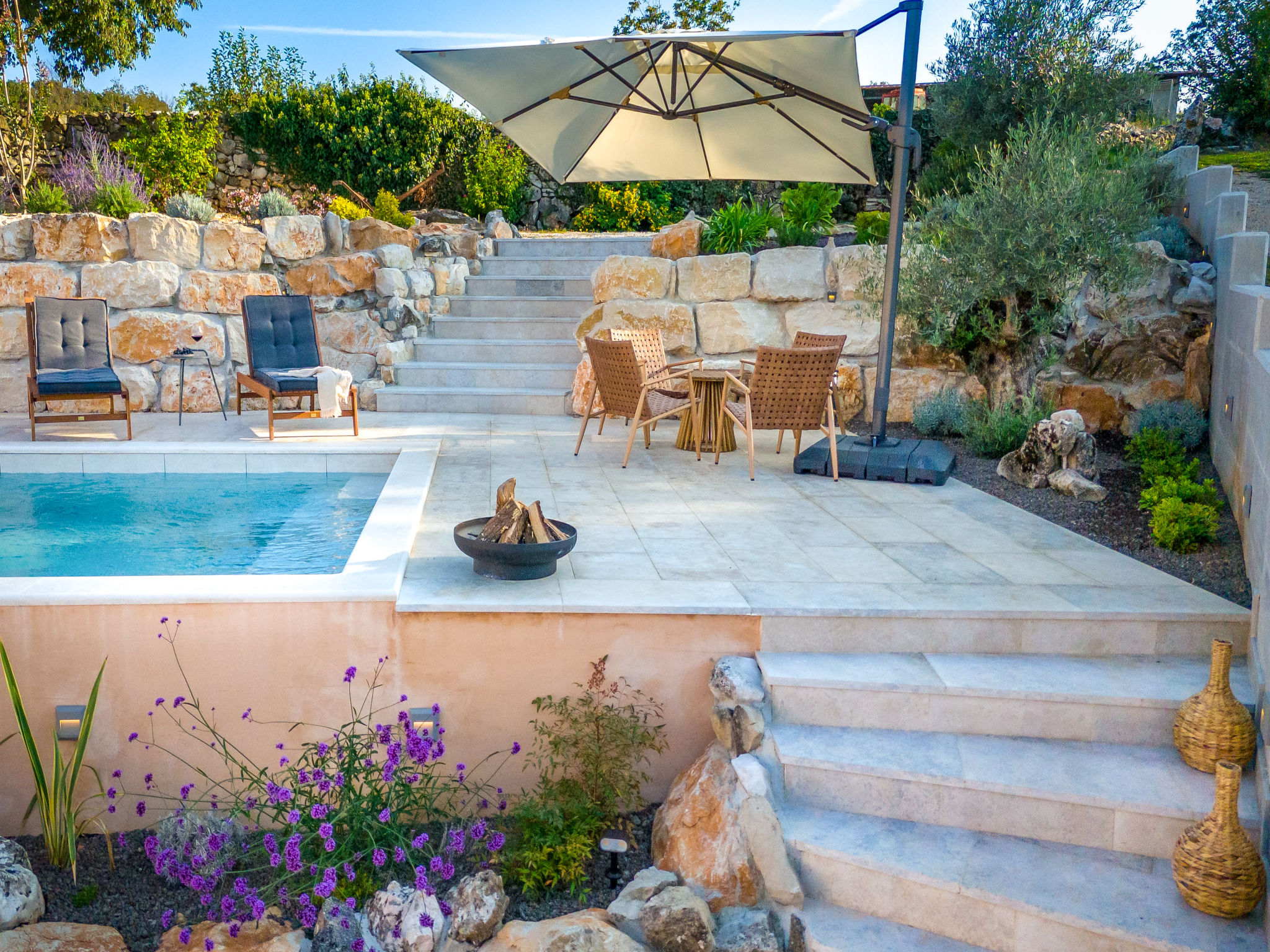
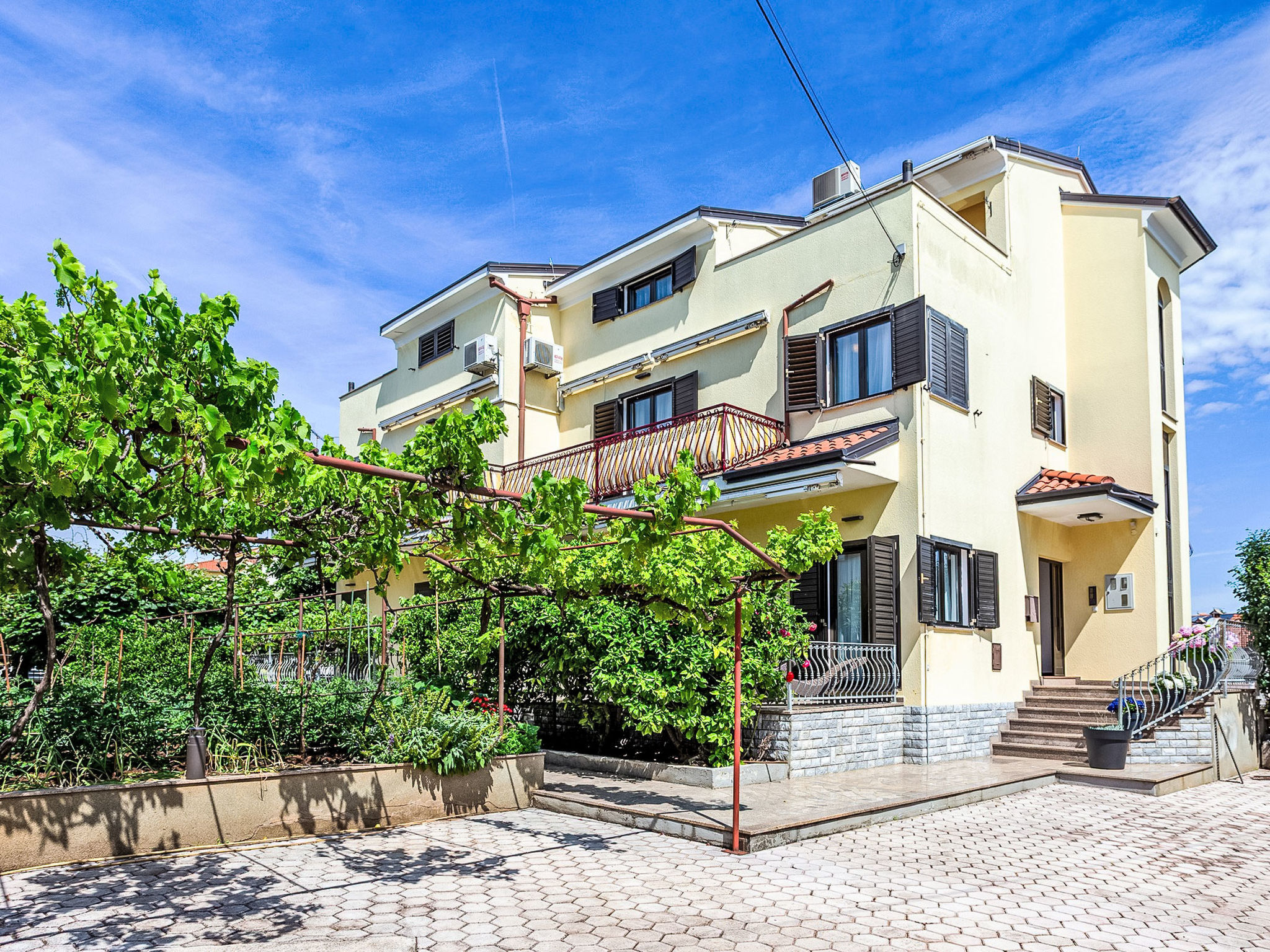
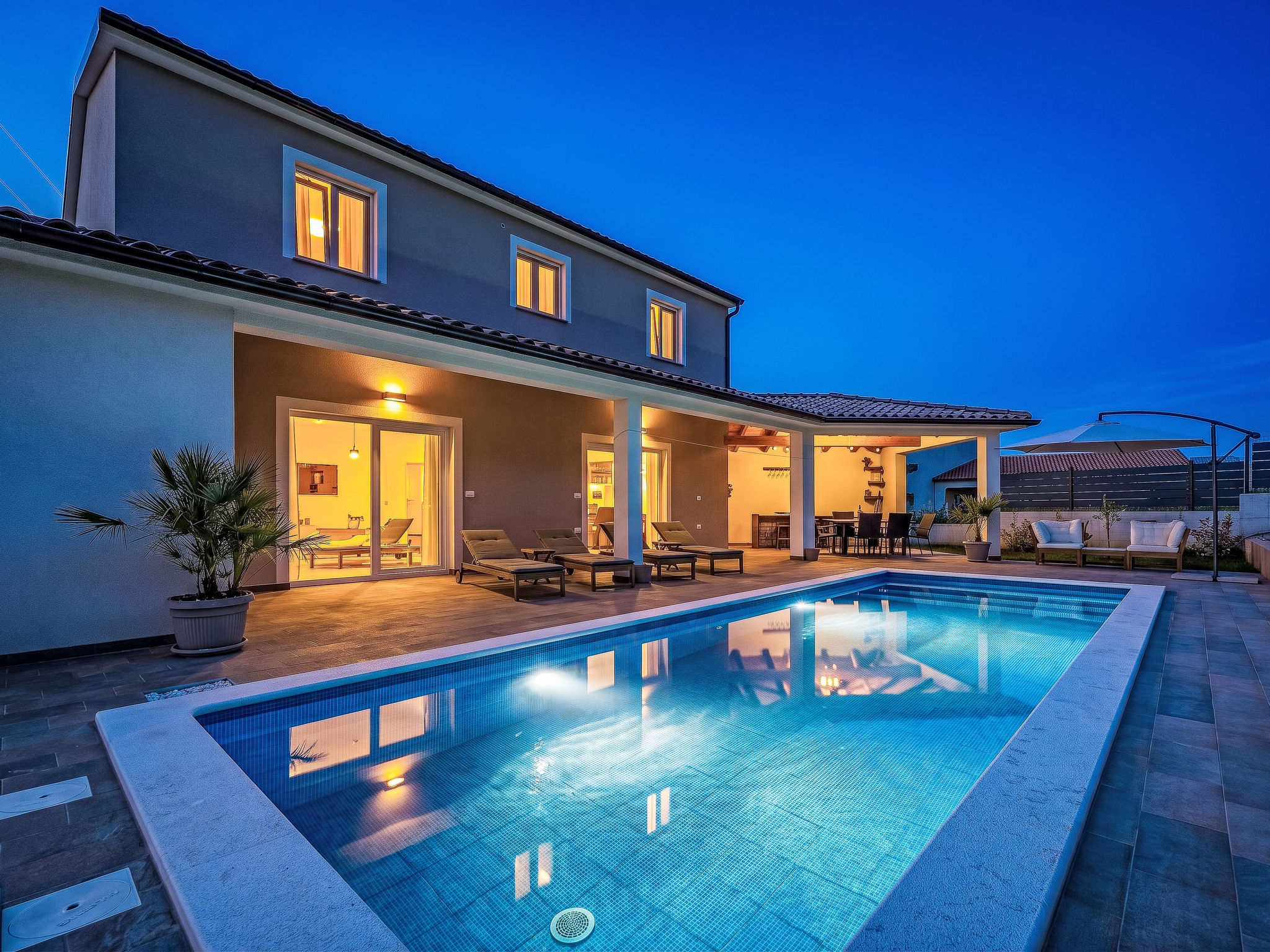
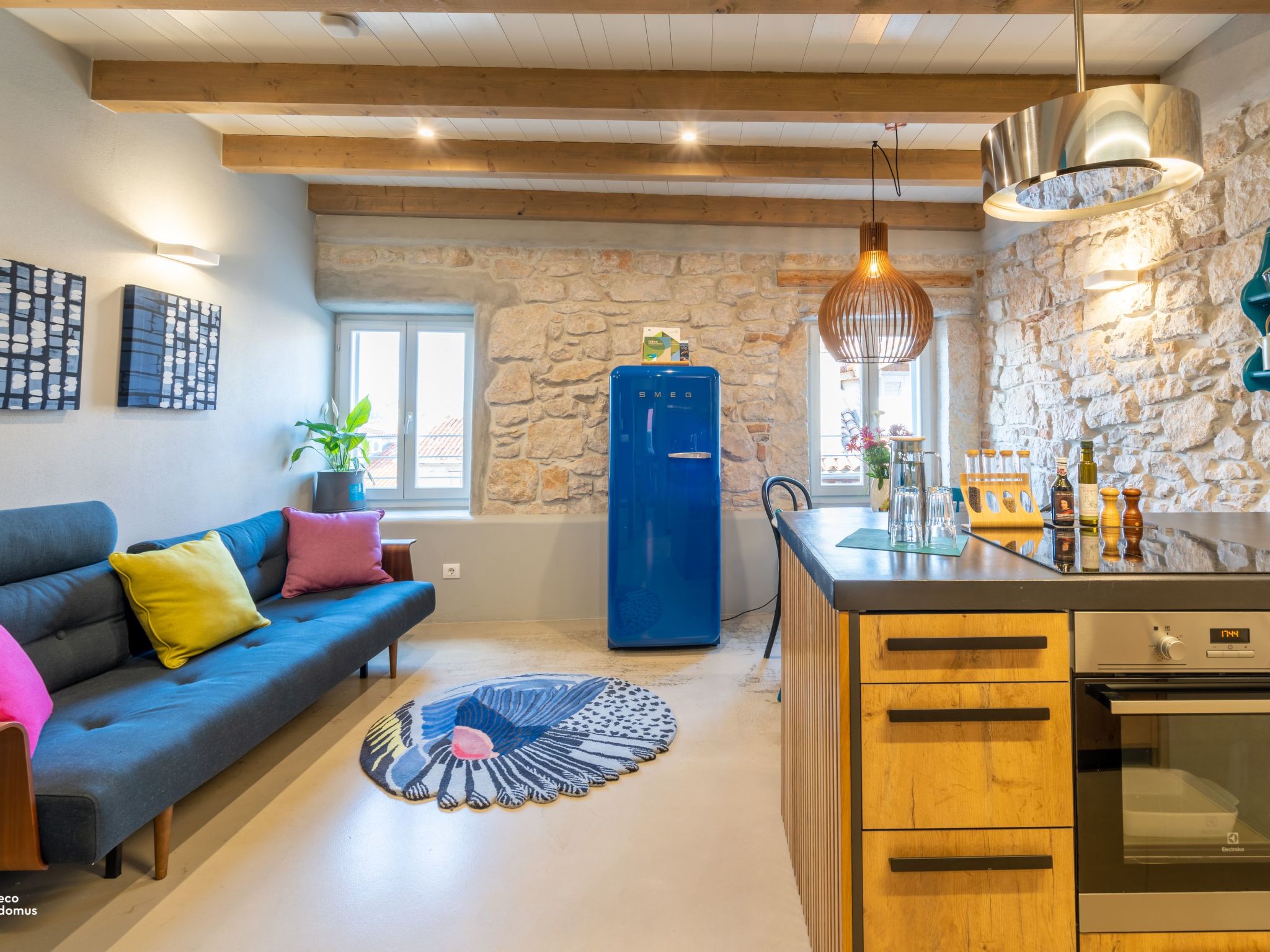
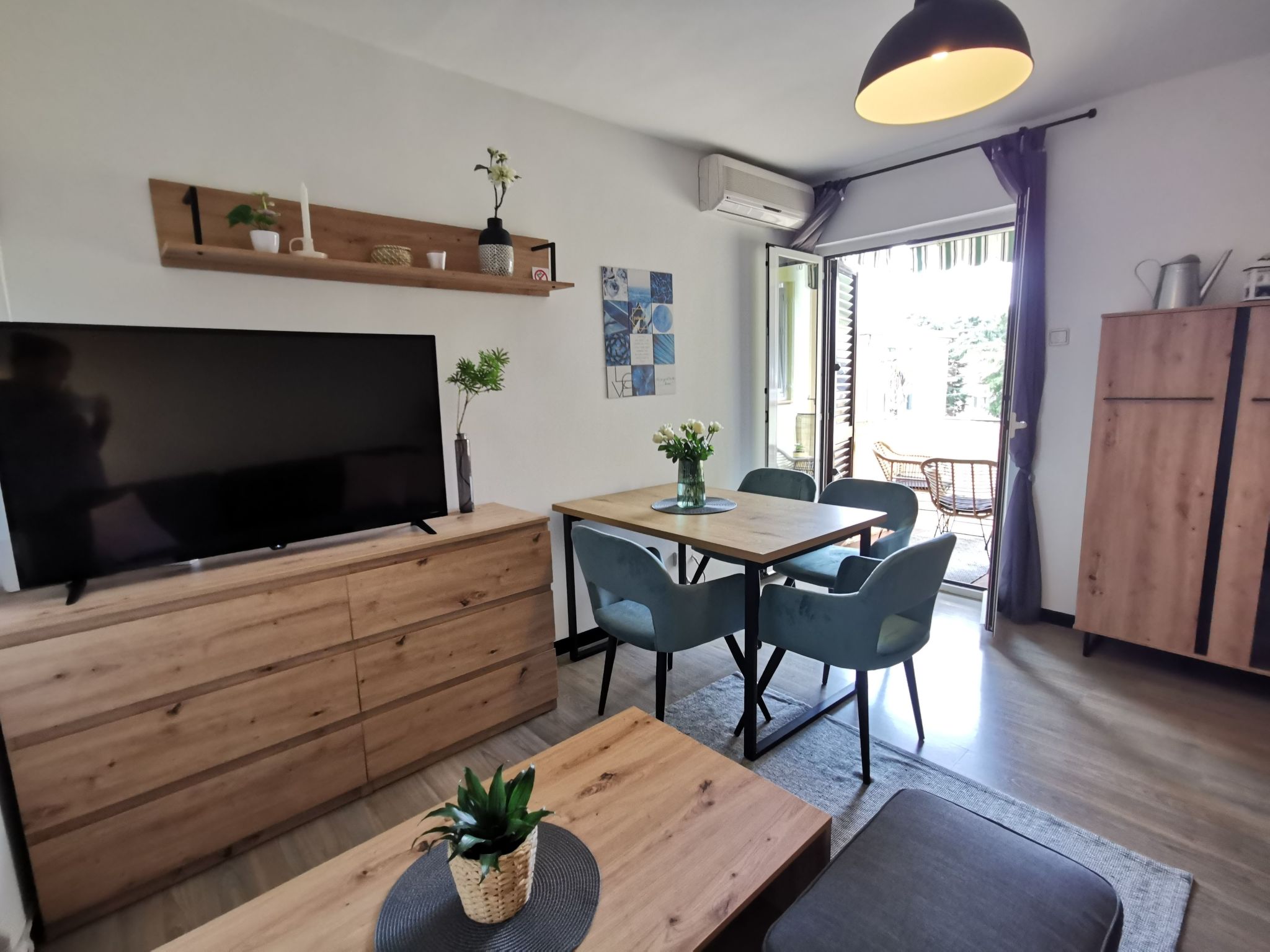
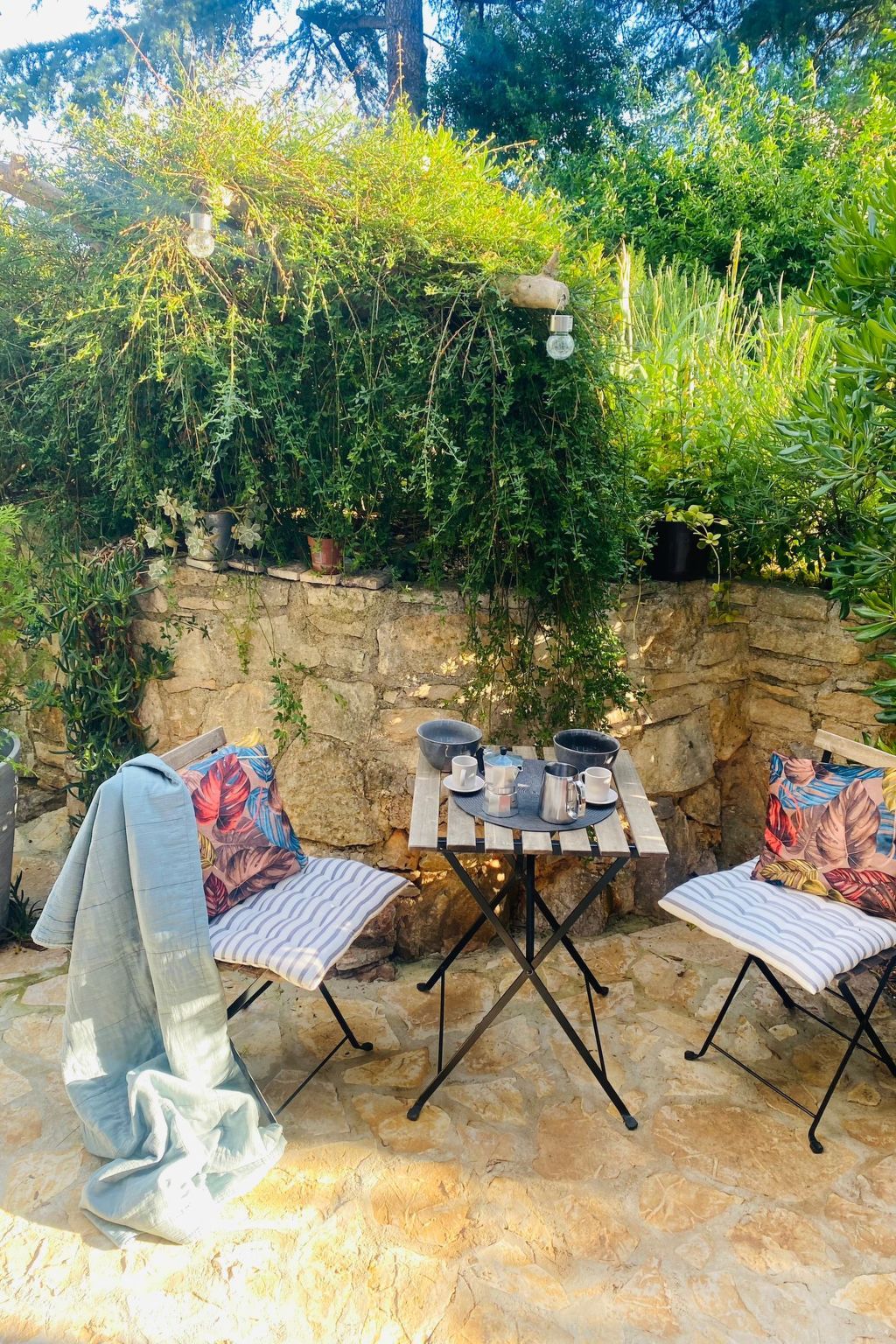
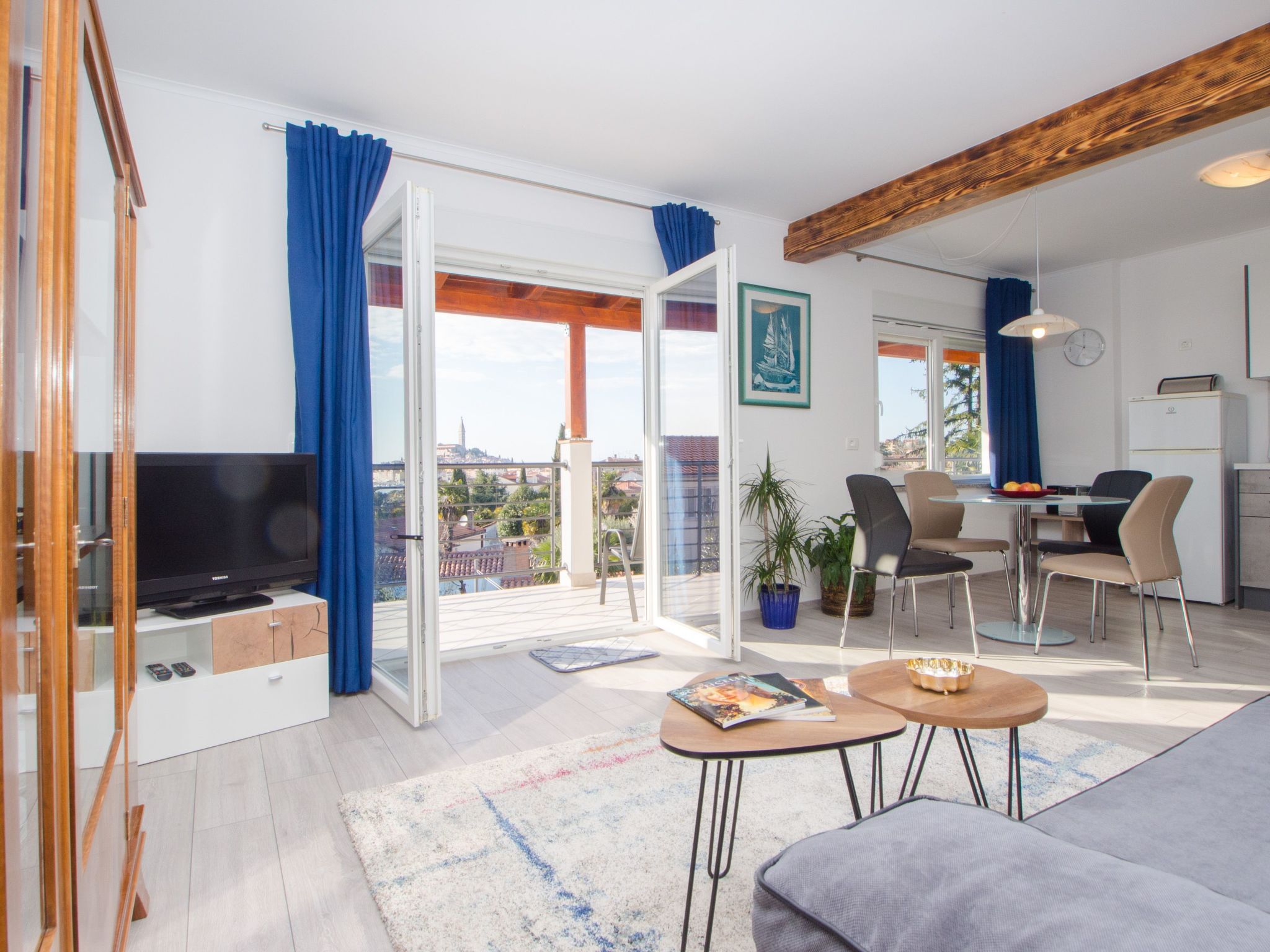
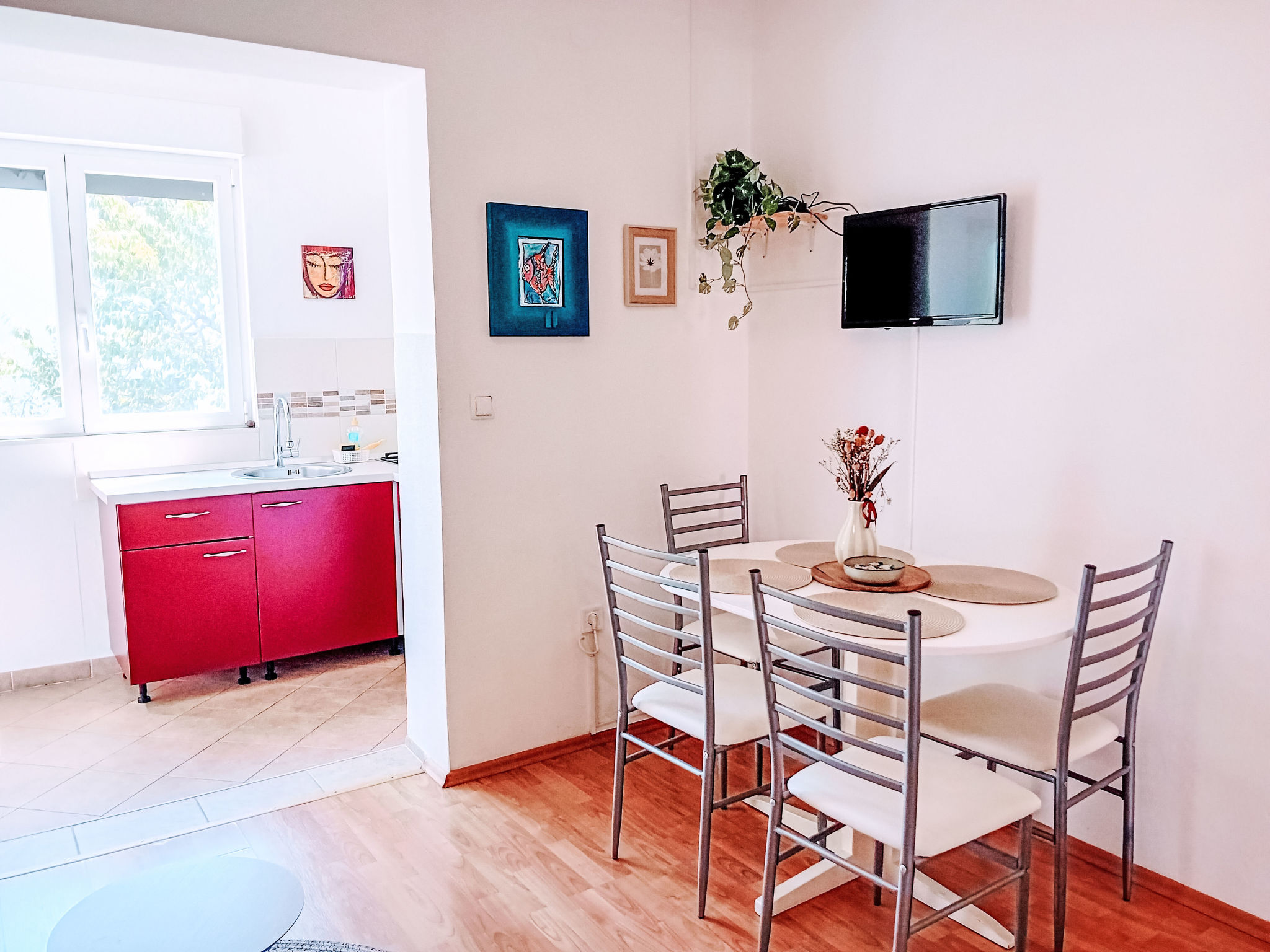
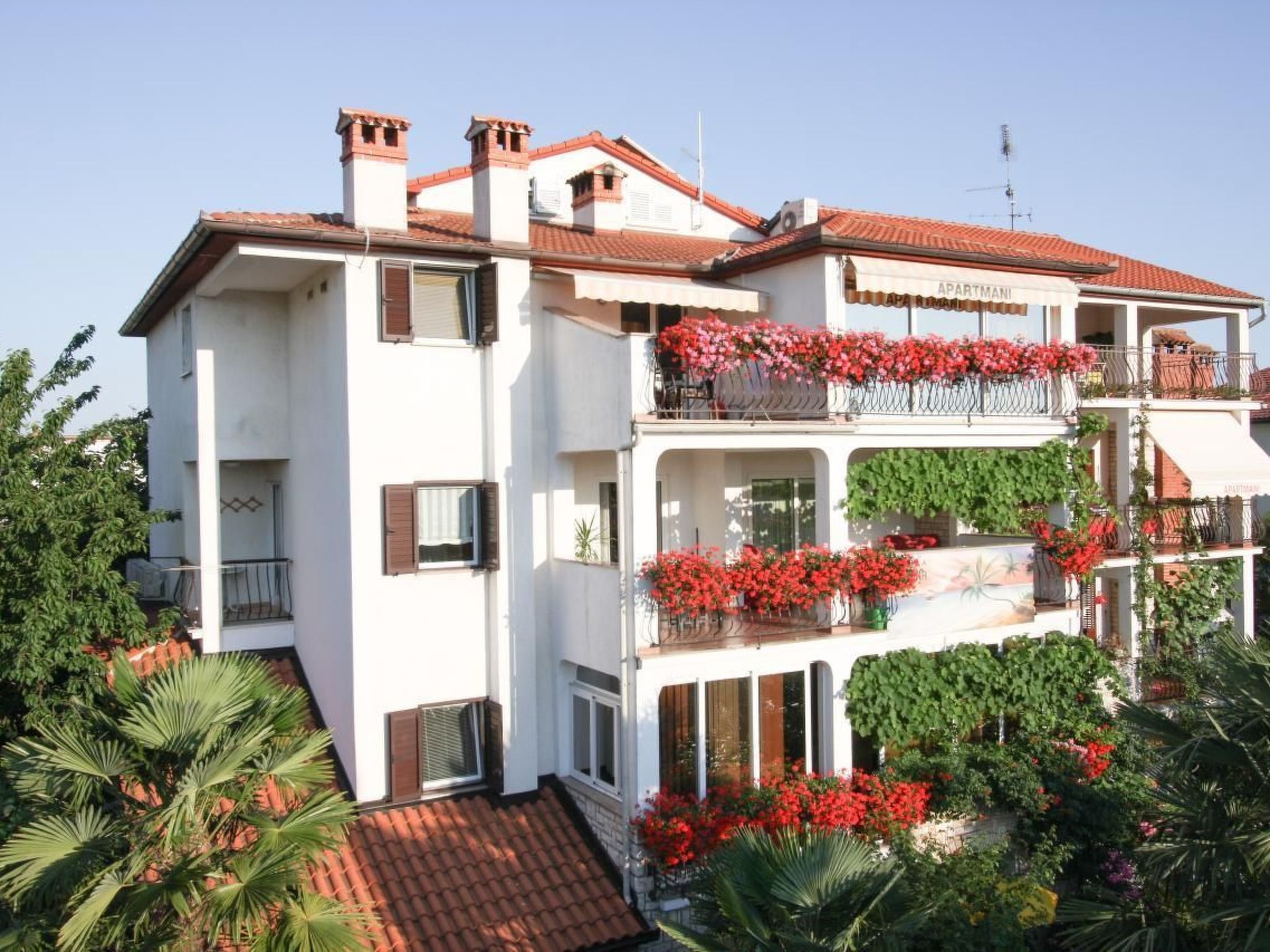
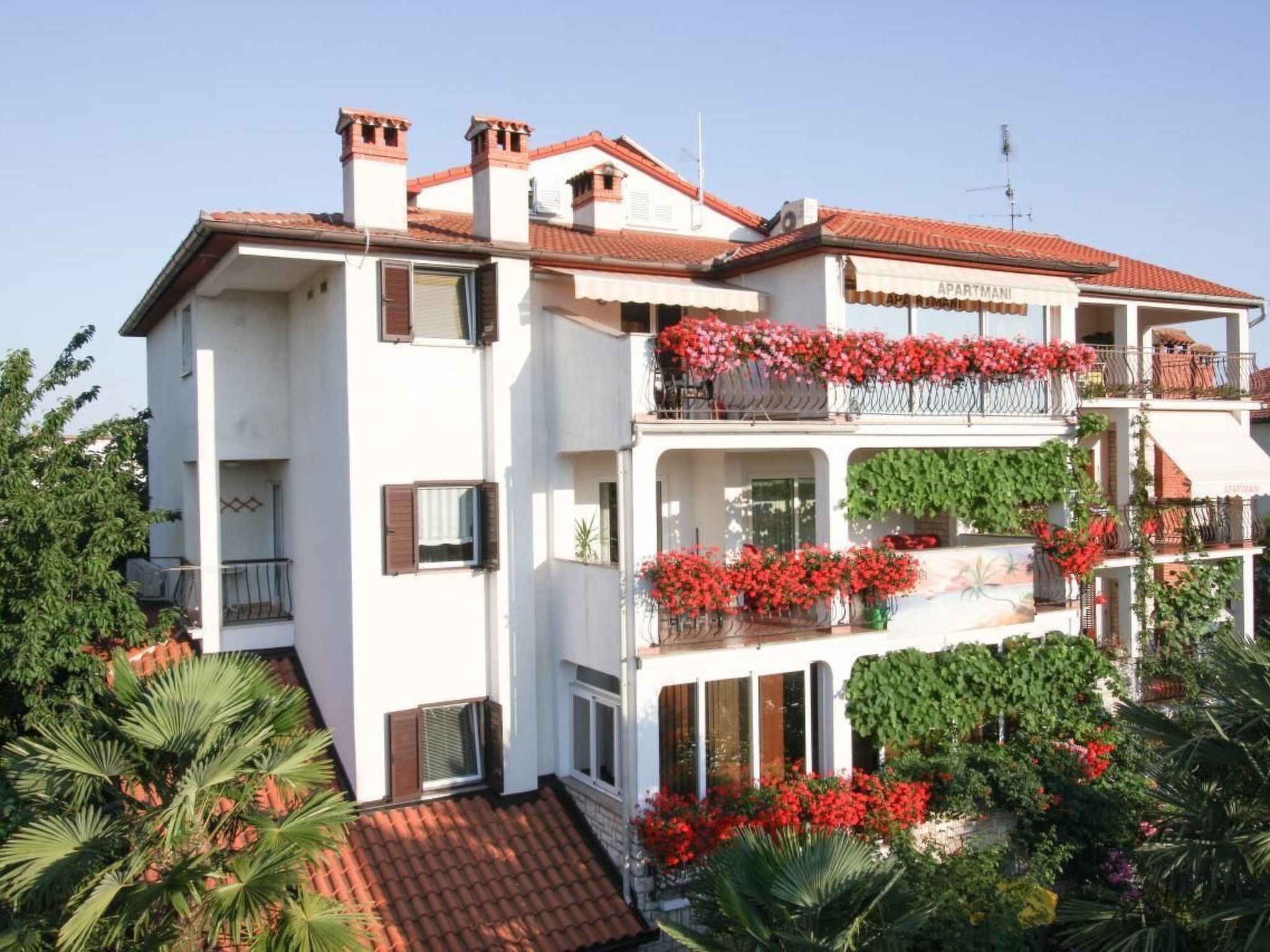
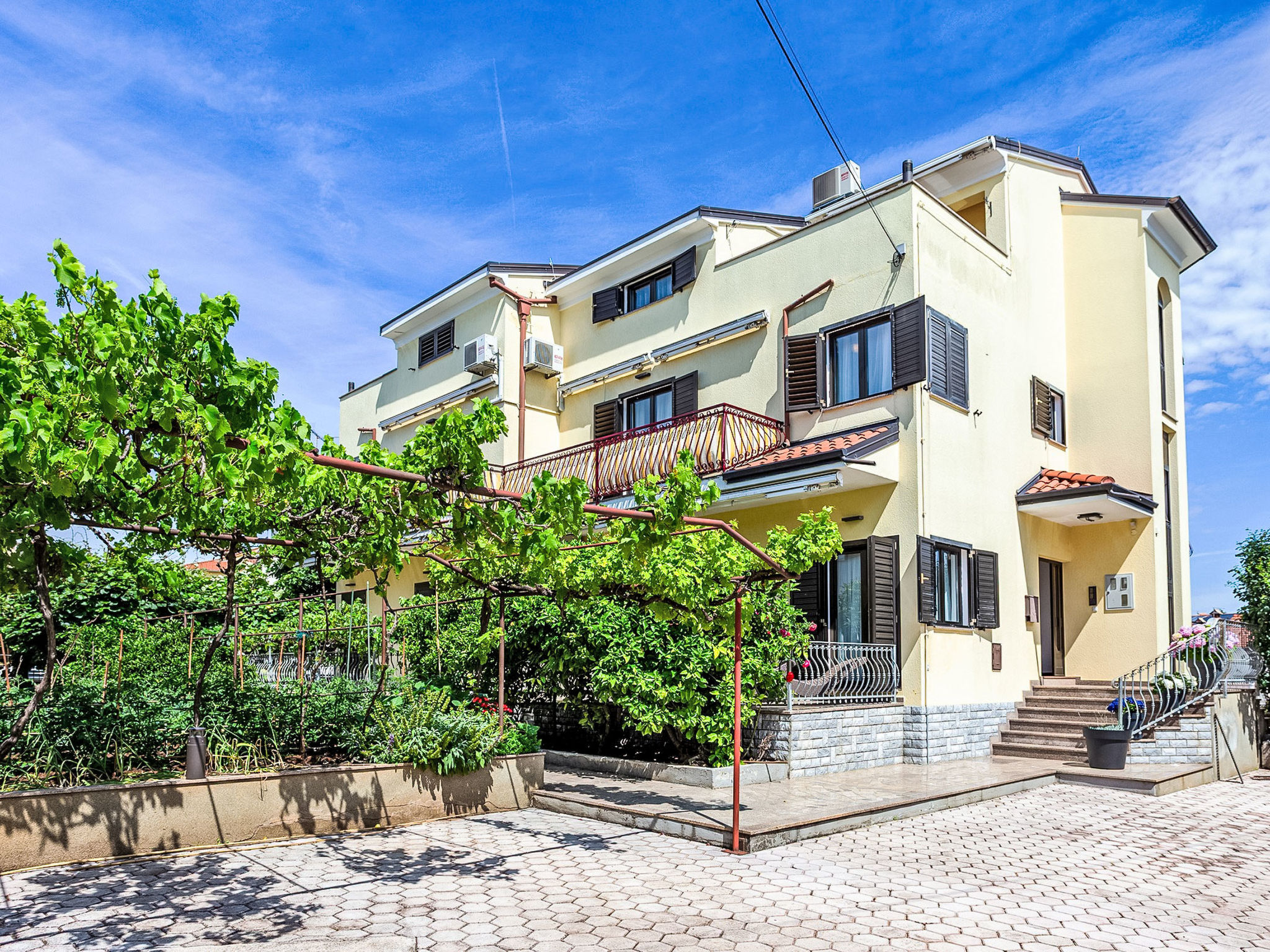
Rovinj is a working fishing town that happens to have one of Croatia's loveliest old towns draped across a hillside facing the Adriatic. The main difference from Dubrovnik is scale and authenticity: it's much smaller, far fewer cruise ships arrive, and local life hasn't been entirely displaced by tourism. We find it appeals to people who want proper Mediterranean atmosphere without the Game of Thrones crowds. The old town rises steeply from the harbour, packed with restaurants serving fresh fish caught that morning, and a church (St Euphemia) topped with a distinctive copper-green dome. The main trade-off is that accommodation books up months in advance during summer, and parking near the old town is nearly impossible. Late arrivals often end up parked 15-20 minutes' walk away.
Why Stay in Rovinj
- Genuine working harbour. Fishing boats tie up right in front of the old town. You'll see nets, catch being landed, and small shipyards doing genuine maintenance work. This isn't a postcard fantasy—it's a functioning place where people make their living.
- The old town is smaller and more human-scaled than Dubrovnik. You can walk the entire thing in an hour and actually meet locals in cafés and shops. Main Street (Grisia) winds uphill lined with galleries, boutiques, and restaurants. It avoids feeling corporate.
- Strong food culture. Fish restaurants aren't tourist traps. Places like Marinada and Zatareni serve exactly what was unloaded that morning, at reasonable prices (€15-30 for mains). Grappa is a local spirit and widely available in small glasses.
- Honest limitation: it's genuinely small. If you want nightlife, a variety of shops, or endless restaurant choices, you'll feel restricted. Also, the steep streets are hard work in heat, and summer accommodation is scarce and pricey.
Things to Do in Rovinj
The old town itself is the main activity. Walk the narrow streets from the harbour up toward St Euphemia Church (the climb is steep but short, about 10 minutes). The church stands on the highest point, and the interior is surprisingly ornate. Return downhill via Grisia, which winds through galleries, souvenir shops, and local cafés. It's slow walking. Allocate a full morning or afternoon just for wandering and eating.
The harbour promenade is where locals sit in the evening. Grab a coffee or grappa at one of the waterfront cafés and watch the boats. Around sunset, the light turns golden and the crowds from day-trippers thin out. It's the best time to feel like you're actually visiting a place rather than ticking a box.
Swimming happens on the rocky coast just outside town or from small beaches on nearby islands. The water is clean and swimming is safe, but there's no sandy beach immediately in town. Swim shoes are essential because the bottom is rocky. For proper beaches, take a boat trip to the Rovinj islands (Katarina, Sv. Nikola, Sv. Ivan), which have rocky coves and occasional small sandy patches. Boat trips run €15-25 and depart from the harbour multiple times daily in summer.
Walk or drive inland to the Istrian hill towns (Motovun, Groznjan, Buje are within 20-45 minutes). These perched medieval villages sit inland, away from the coast entirely, with views across rolling countryside and forests. They're quiet, authentic, and genuinely different from the waterfront. Markets, wineries, and truffle shops are scattered through them. A half-day trip is worthwhile.
Rent a kayak or book a guided kayak tour to explore the rocky coast, nearby sea caves, and smaller islands. Outfitters operate from the harbour, €40-60 per person including equipment.