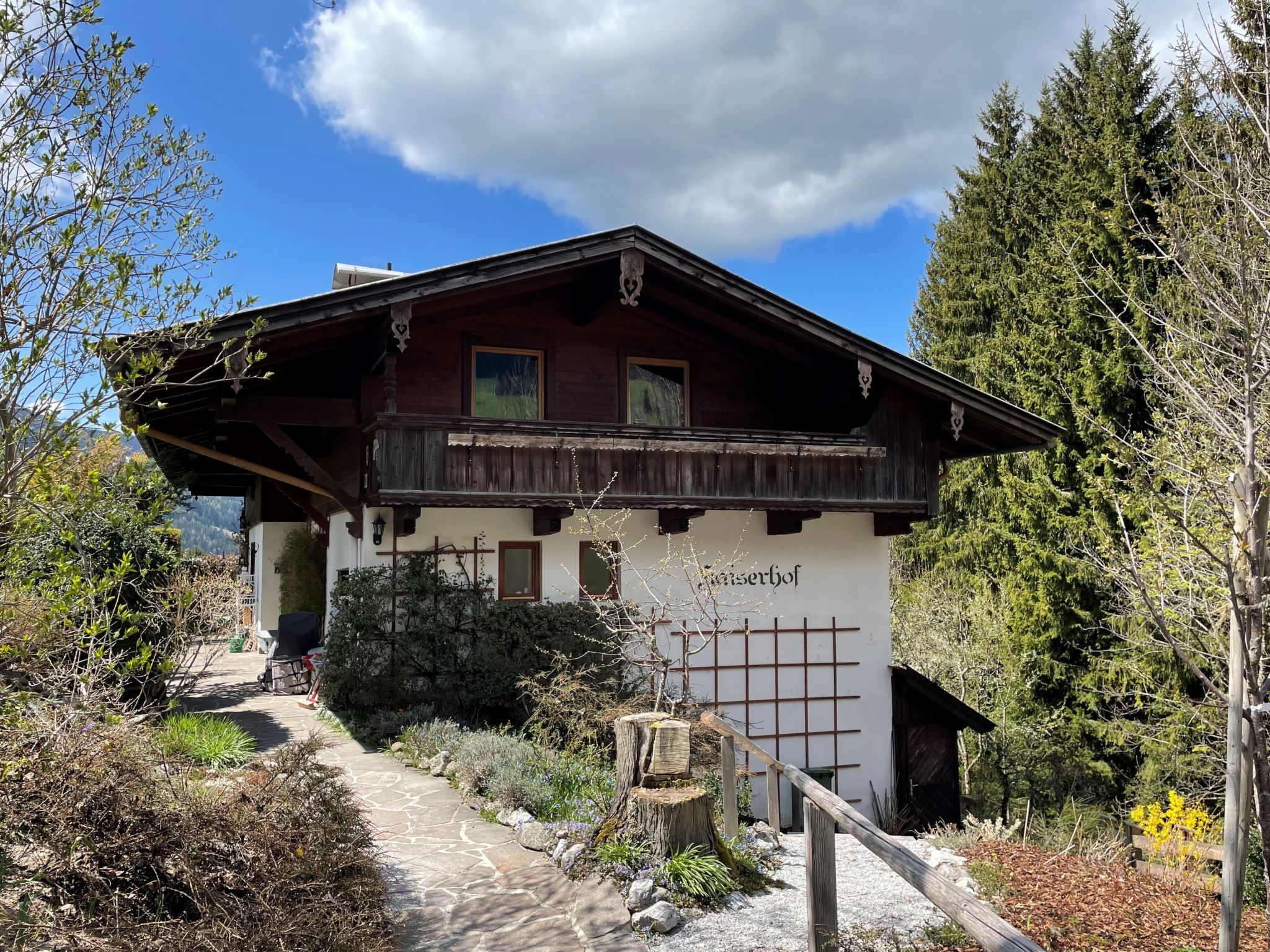
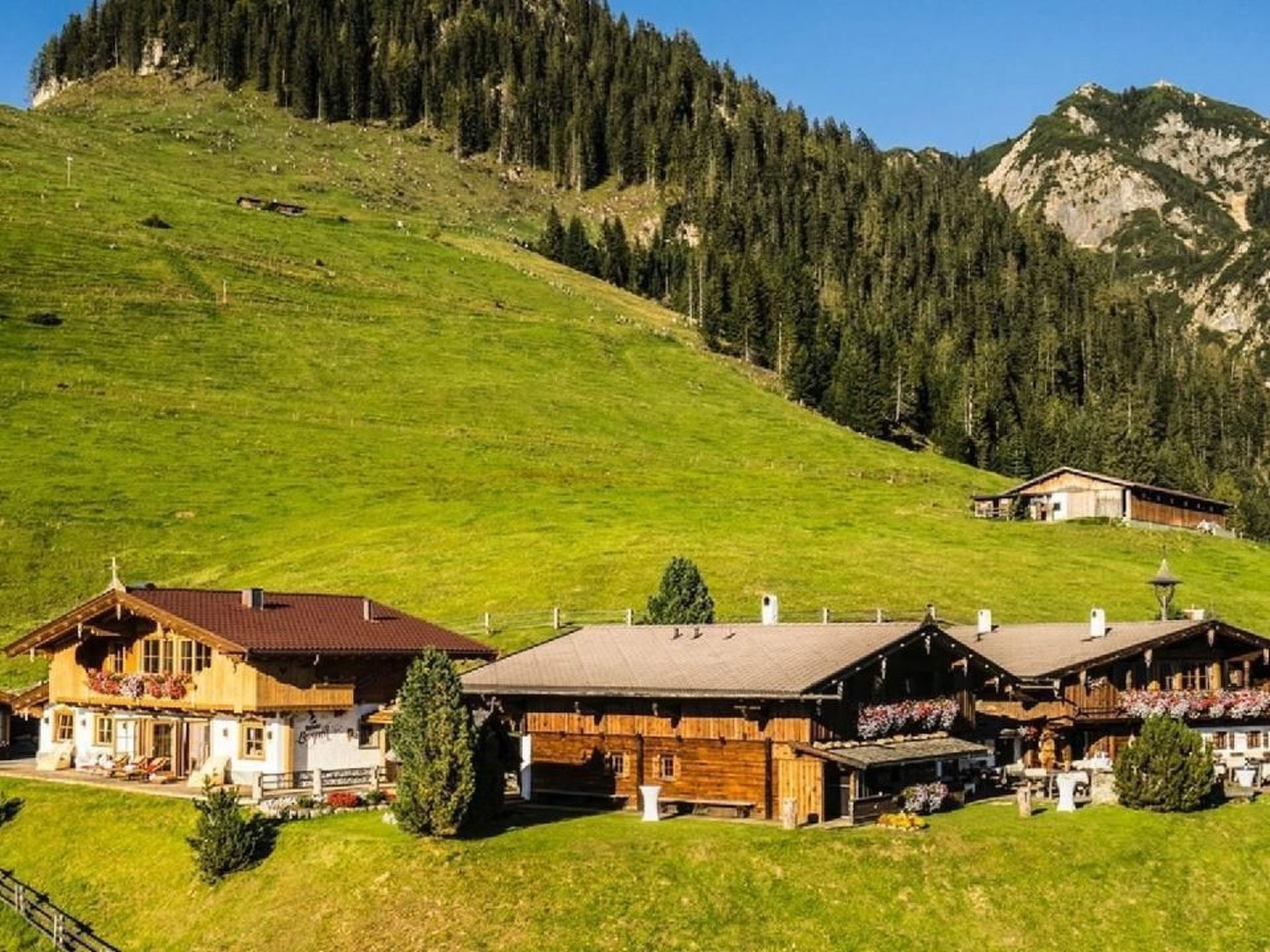
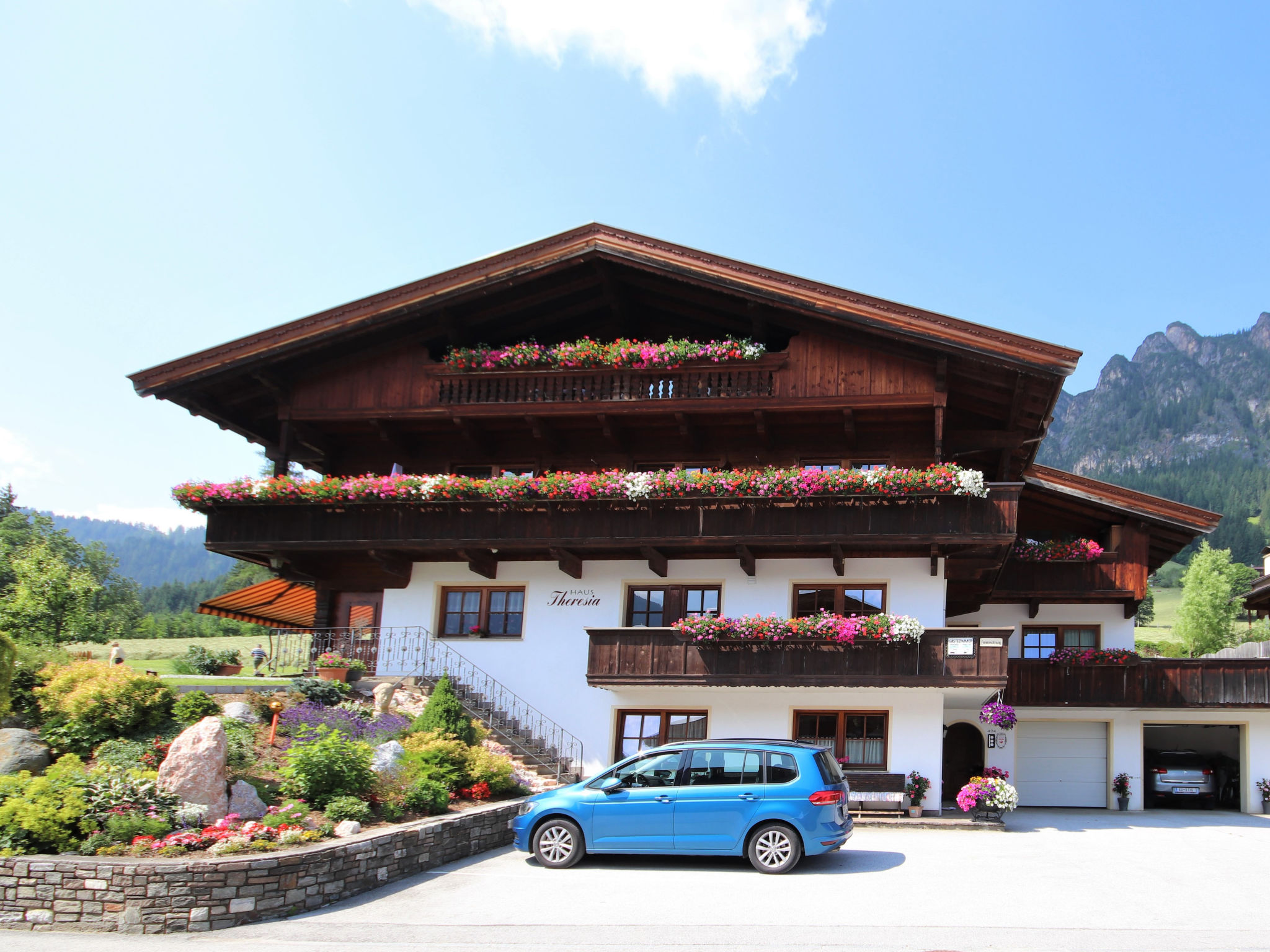
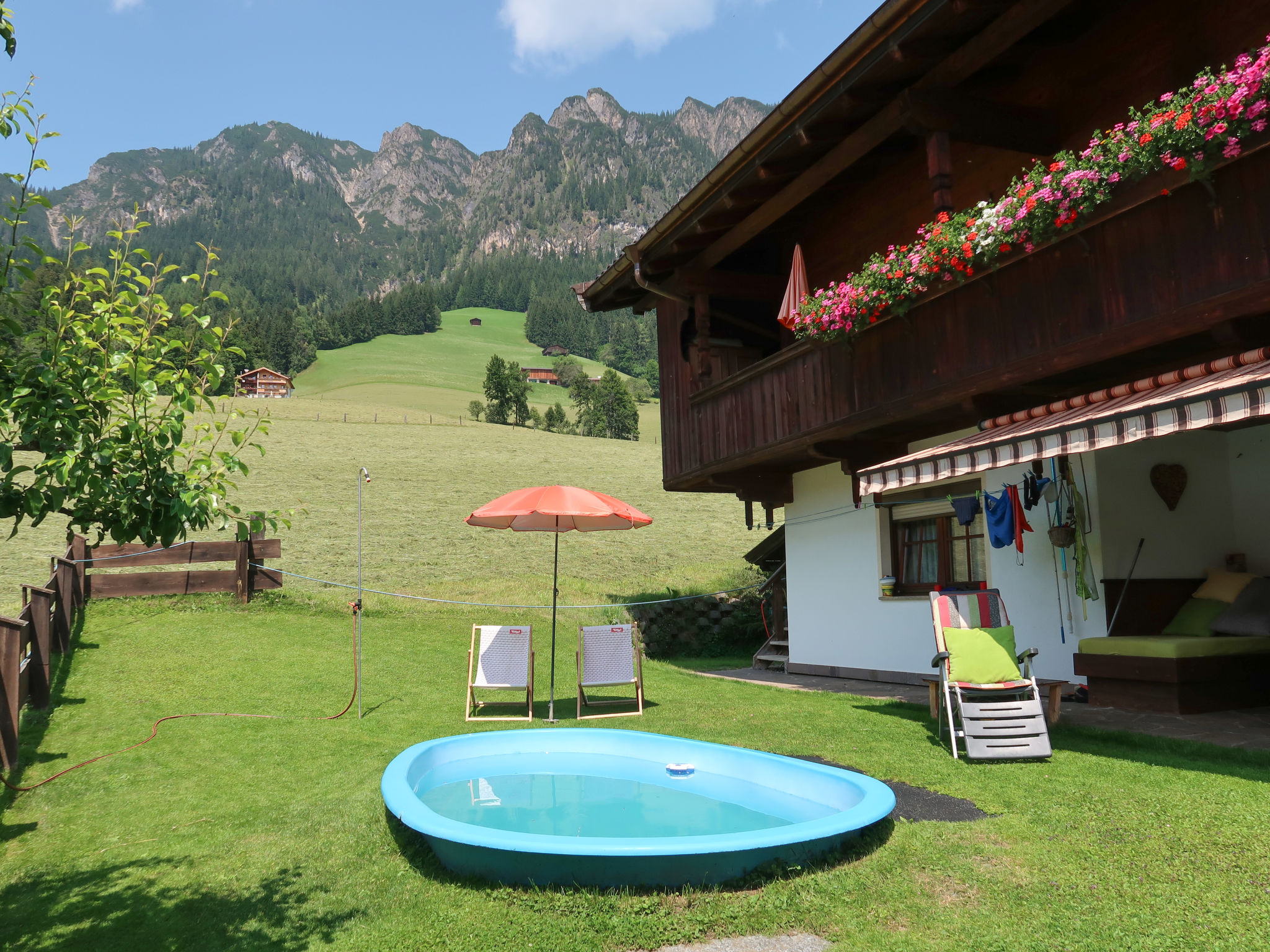
Tyrol defines the Austrian Alpine experience—the region encompasses Europe's most prestigious ski resorts (Kitzbühel, St. Anton, Sölden) and simultaneously hosts genuinely quiet settlements where villas command seclusion and mountain silence. Summer Tyrol transforms into Europe's hiking mecca with colour-coded trail networks and mountain huts serving fresh bread and schnapps at altitude. Villas scatter from valley floors (1,000m, warm summers) to mid-altitude meadows (1,500-2,000m, genuine quiet) to rare high-altitude properties (2,200m+, thin air and drama). The region's reputation for tourism can obscure quieter valleys—the Zillertal, Ötztal, and Stubaital offer equal quality with less crowding. Summer temperatures range 18-25°C; winter (December-April) brings reliable heavy snow above 1,200m. Tyrol suits everyone: families, couples, serious mountaineers, ski-focused groups.
What Makes Tyrol Special
- Sheer geographic diversity: Narrow valleys create microclimates—one valley reaches 25°C while an adjacent peak sits in permanent fog. This allows tailored villa selection by microclimate preference.
- Skiing infrastructure unmatched globally: 344 cable cars, 2,100km of skiing, season runs November-April with reliability, and après-ski culture that feels native rather than imported.
- Summer hiking as serious as skiing: Equivalent investment in trail maintenance, mountain huts, guide services, and route signage means hiking culture feels as integral as skiing.
- Traditional Alpine culture persists visibly: You see farmers, craftspeople, and working communities beyond seasonal workers. Culture that isn't performative.
- Four-season completeness: Every season offers distinct activities without compromise. Spring wildflowers, summer hiking, autumn golden light, winter snow. None feel redundant.
Top Towns & Resorts in Tyrol
St. Anton am Arlberg
St. Anton ranks among Europe's premier ski destinations and summer hiking hubs. The town buzzes year-round: ski schools, cable cars, bars, restaurants. Après-ski culture is genuine and enthusiastic. Summer transforms the scene from skiing focus to hiking, climbing, and mountain biking. Villas sit either lakefront (on the Arlberg lake) or forest-tucked beyond town centre. Water-view properties command premium pricing. Caveat: November and April-May see transition periods when infrastructure shuts mid-month (annual maintenance); staff rotates, and atmosphere quiets dramatically. Winter (December-March) and summer (July-August) operate at full intensity. Only suitable for those comfortable with resort energy.
Kitzbühel
Kitzbühel feels like Tyrol's elegant elder statesman. Famous Hahnenkamm downhill ski race (January), golf club heritage, haute-couture shopping. The medieval Old Town (cobblestones, baroque facades, church spire) attracts photographers and romantics. Summer operates differently than winter: golf, hiking, tennis tournaments dominate. Villas near Kitzbühel suit couples and smaller groups seeking refinement alongside mountain activity. Caveat: peak January (ski race period) and August (summer tourism) see significant crowding and inflated pricing. April-May and September-October offer quieter experiences at 40% lower costs. The upscale tone suits some visitors and alienates others.
Sölden
Sölden occupies the Ötztal's lower end and functions as Austria's highest-altitude ski resort (two glaciers, November-May skiing guaranteed). The town itself feels less old-world and more functional. Modern facilities, cable car infrastructure, coach loads of skiers. Proximity to glaciers makes spring and autumn skis reliable when lower valleys see bare patches. Summer transforms Sölden into serious mountaineering territory: Ötztal climbing, glacier hiking, extreme sports. Caveat: mid-October through November and May transition seasons see limited operations and infrastructure closures.
Ötztal Villages
Below Sölden, villages like Längenfeld and Ötztal maintain more working-village character than resort towns. Agriculture remains visible, family businesses run neighbourhoods, and tourism feels less overwhelming. Hiking access is identical to Sölden (same valley system), yet infrastructure feels more intimate. Summer temperatures vary by altitude. Valley floors reach 23-25°C, while 1,500m elevations sit 18-20°C. Traditional farmhouse villas dominate. Caveat: restaurants close earlier than resort towns; shopping requires early-evening planning. Best for visitors comfortable with quiet.
Find Villas in Ötztal Villages →
Zillertal (Upper)
Zillertal's extensive valley network (40km north-south, 344km of trails) offers equal hiking to Ötztal but with slightly more accessible infrastructure and less extreme altitude. Mayrhofen dominates as the commercial hub; surrounding villages (Zell, Aschau, Längenfeld) offer quieter bases. Summer dominates (June-September), though winter skiing attracts serious enthusiasts. The region feels more accessible for mixed-ability groups. Caveat: peak August sees hiking trail congestion on popular routes; early-morning starts guarantee solitude.
Stubaital
Stubaital sits east of Innsbruck, hosting Stubai Glacier (year-round skiing available) and the Zillertal's quieter cousin. The valley remains less touristed than western counterparts despite equal hiking quality. Summer glacier skiing attracts specialists; general visitors focus on hiking. Villages (Fulpmes, Schönberg) retain working-village character more visibly than famous resorts. Villas often feature traditional architecture and lower pricing (15-20% below Ötztal equivalents). Caveat: infrastructure remains good but feels less polished than famous resorts. Restaurants close earlier; shopping requires planning. Stubaital suits independent travellers comfortable with less-groomed resort infrastructure.