Updated March 2026 | By TrustedVillas Austria Specialist Team
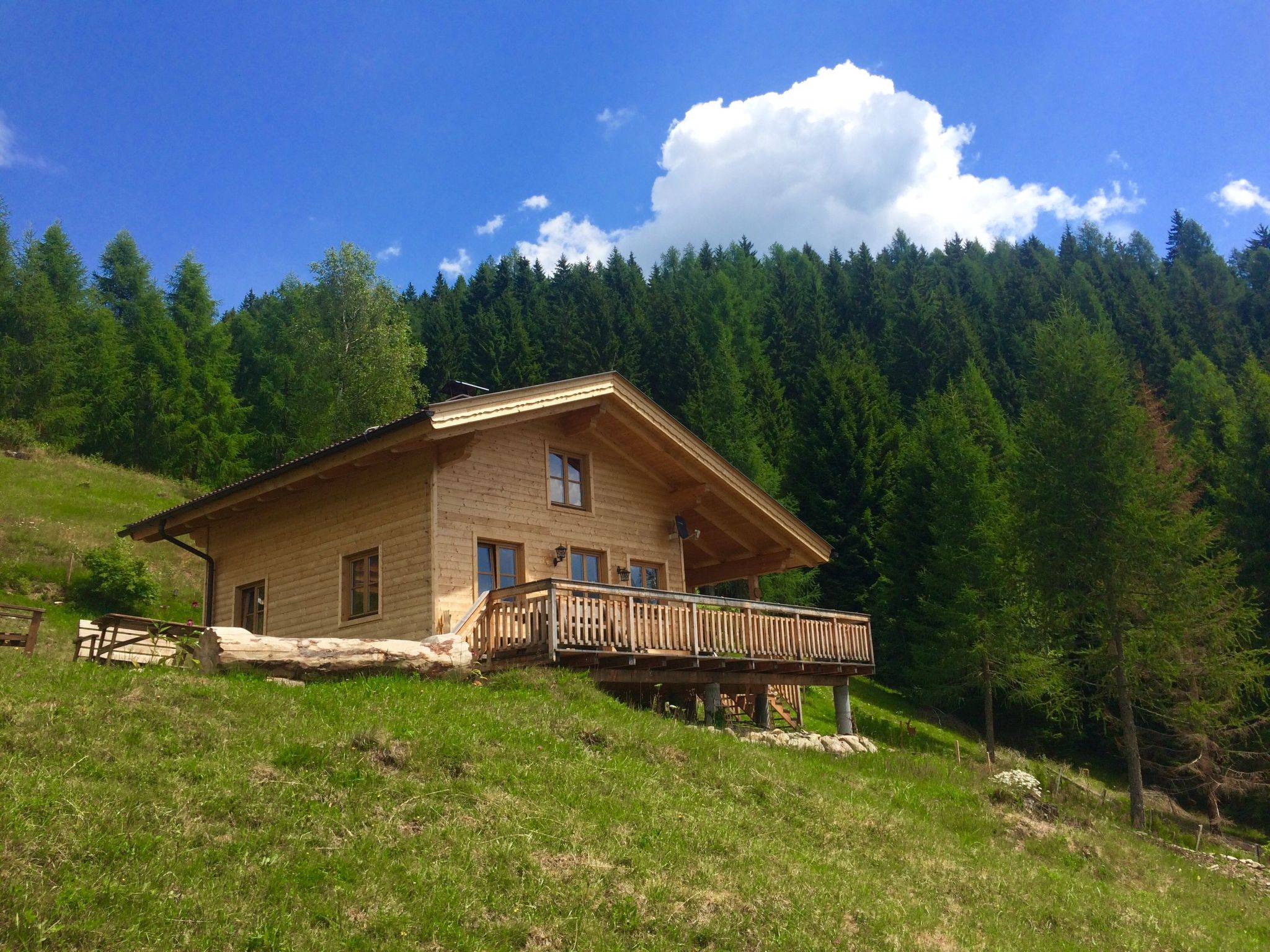
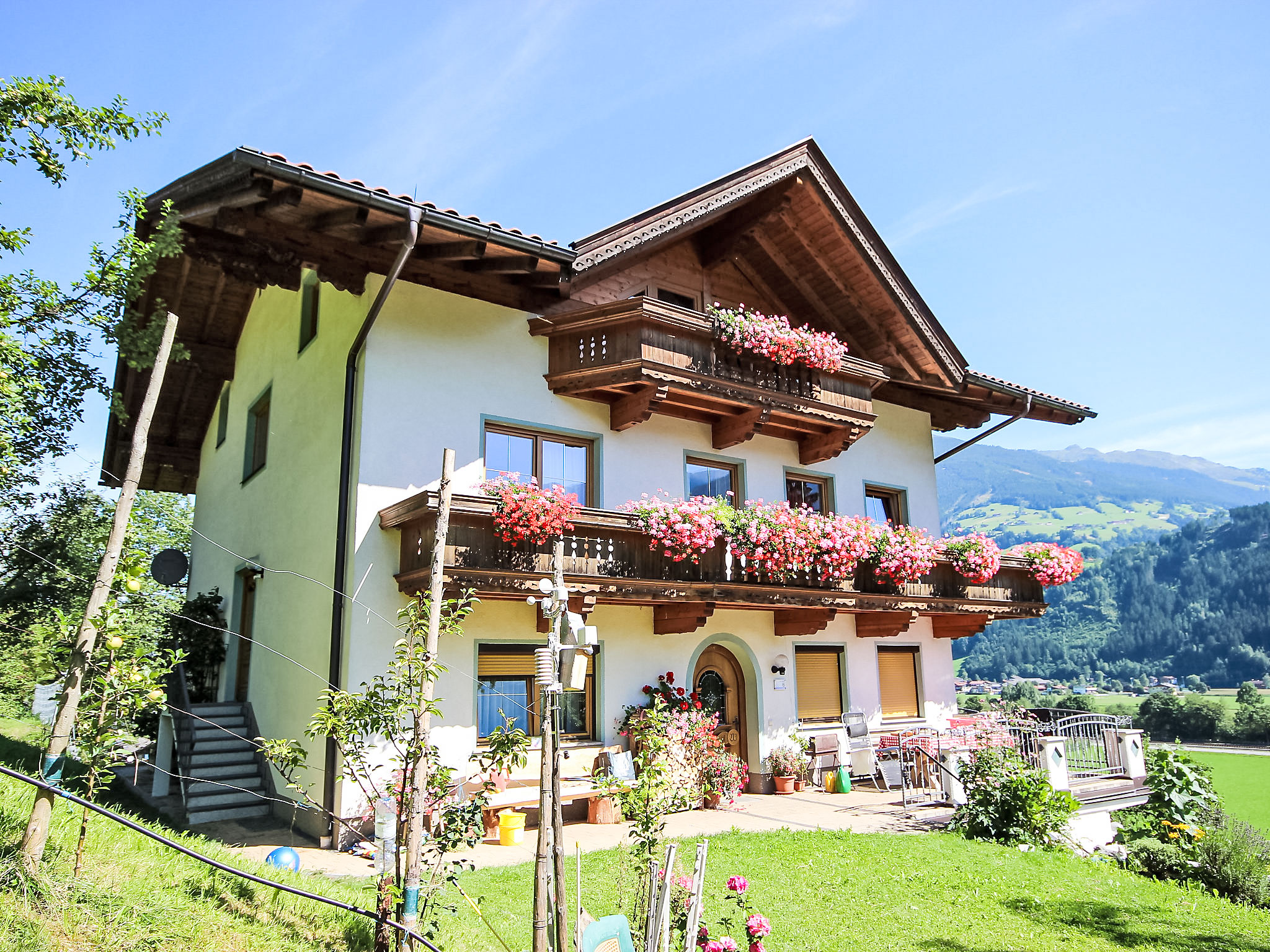
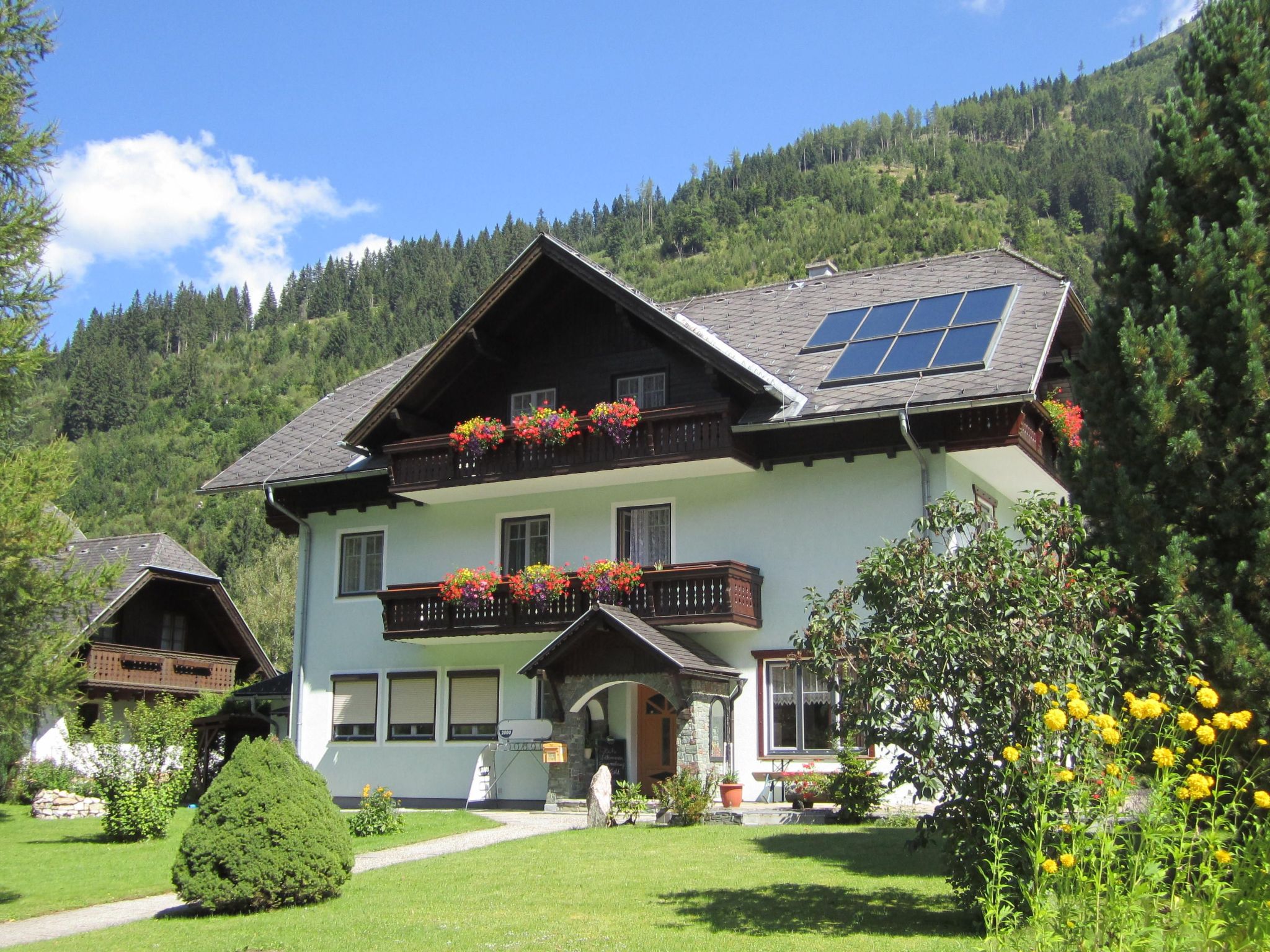
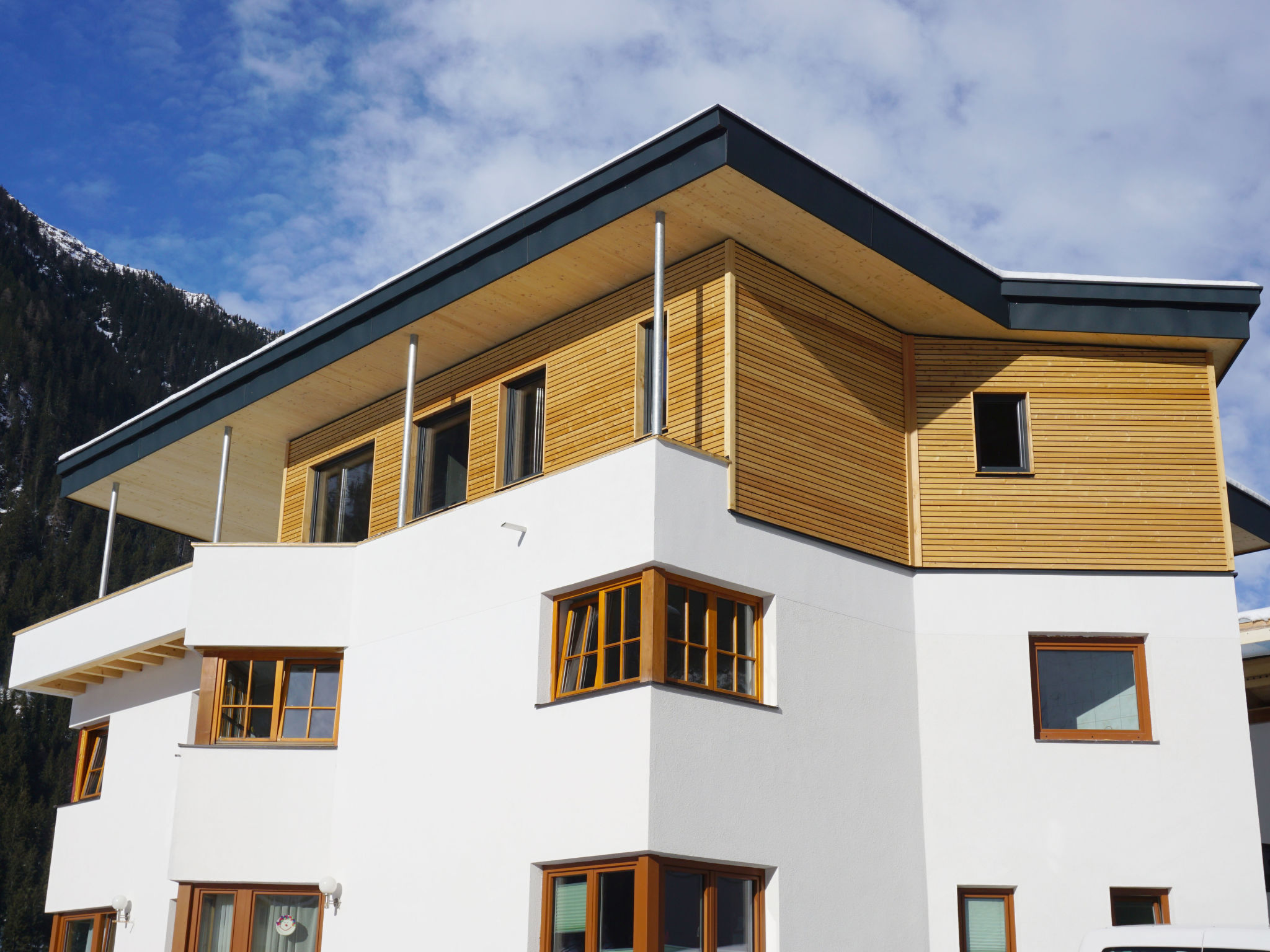
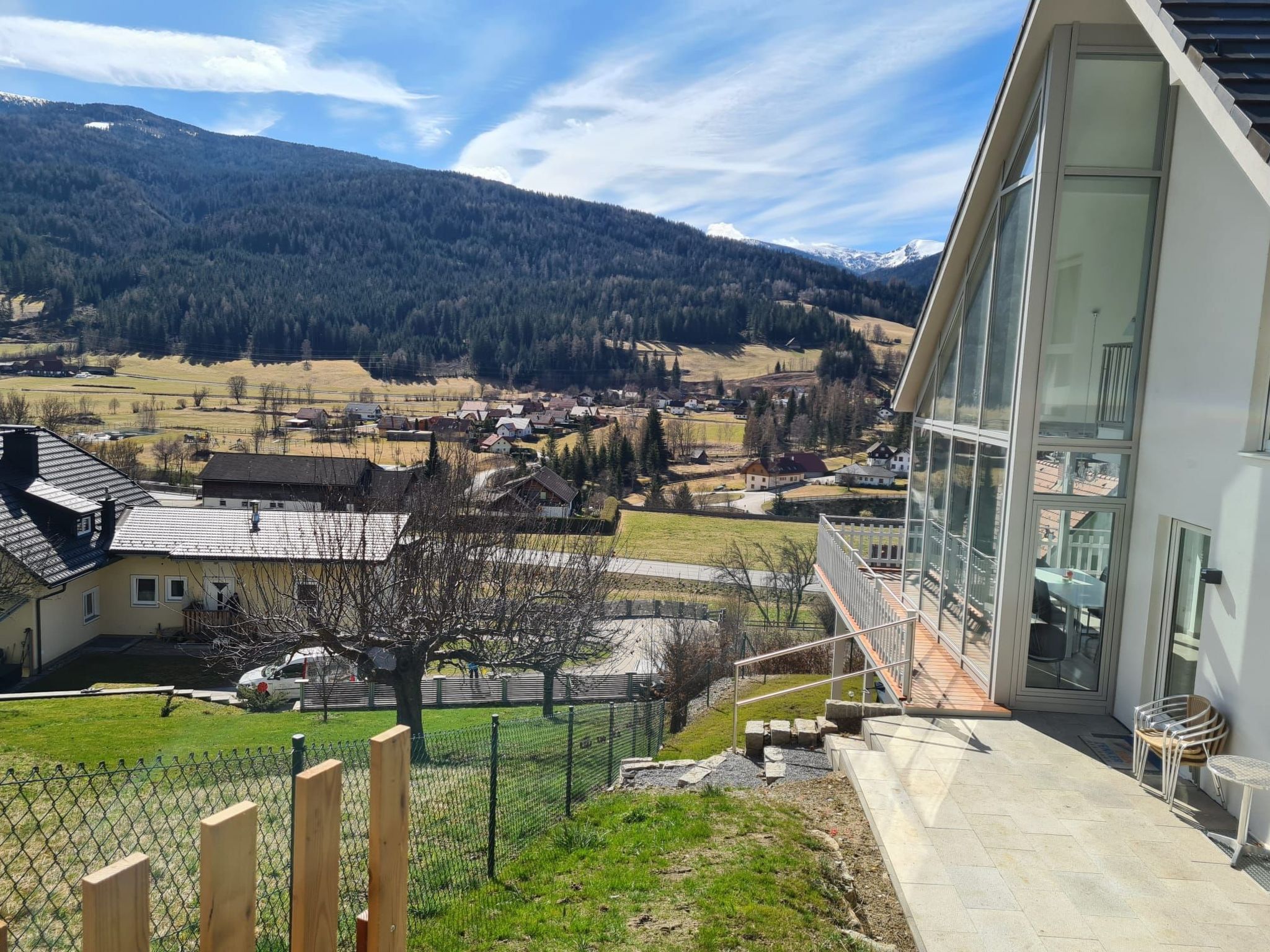
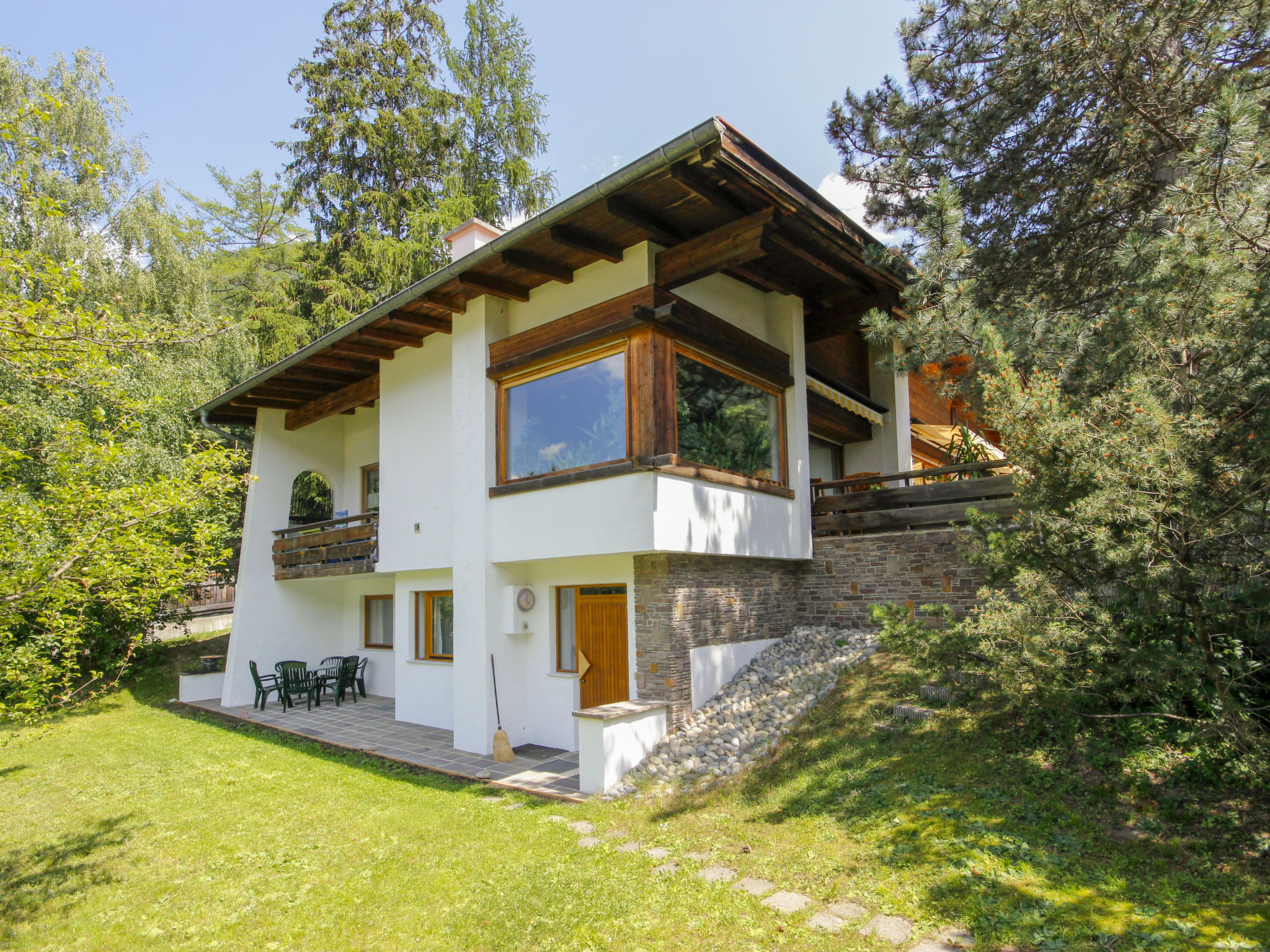
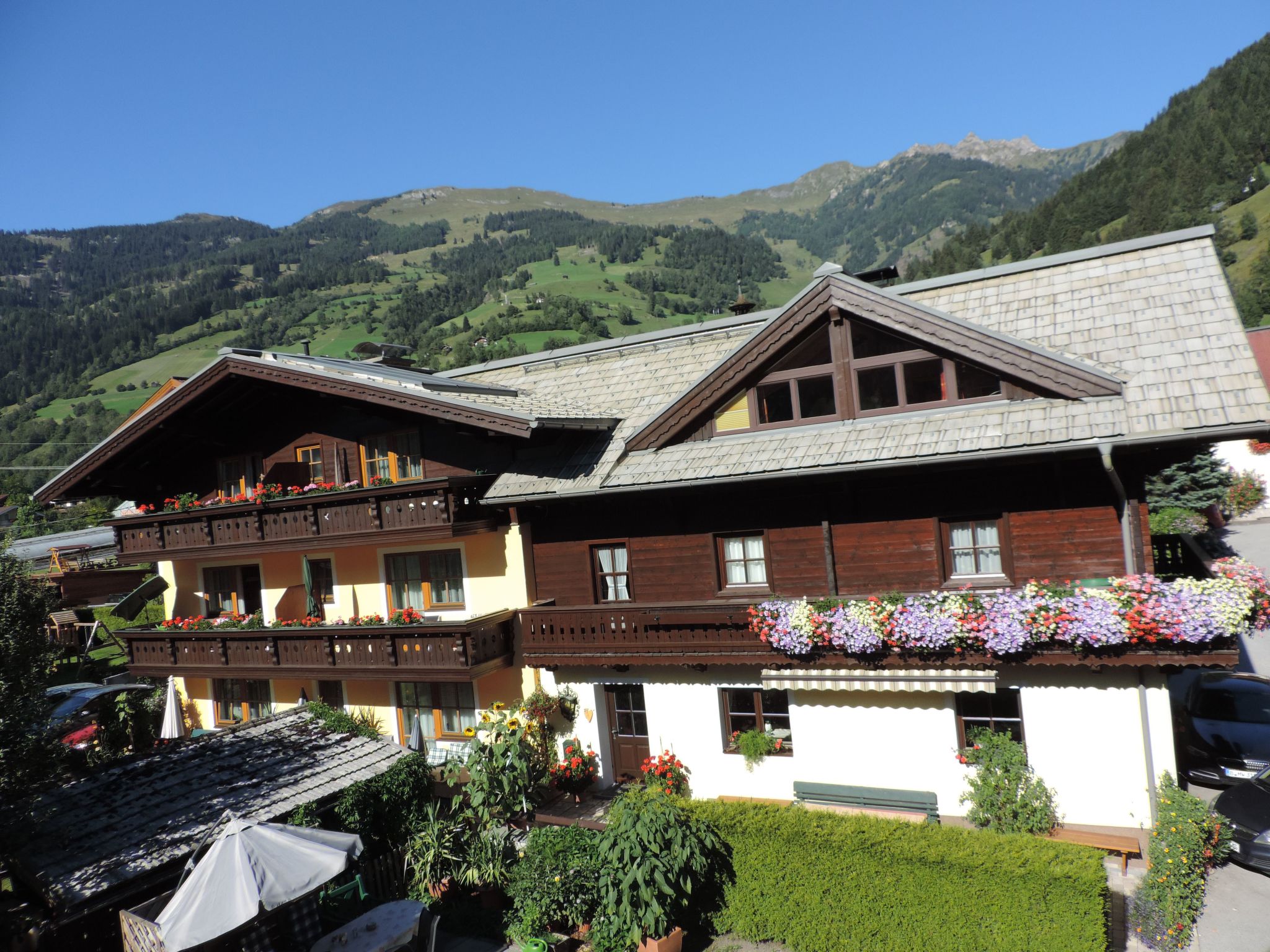
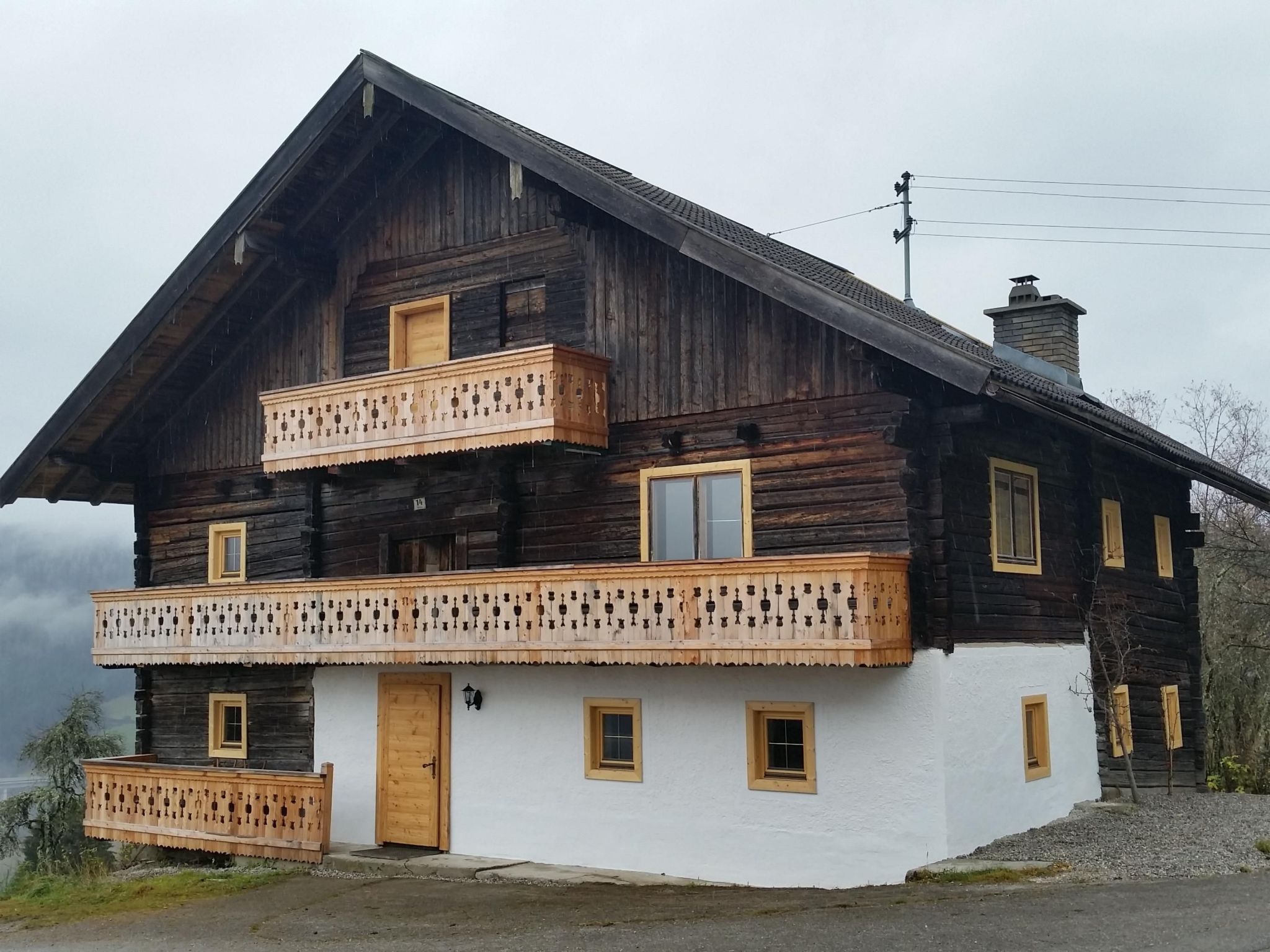
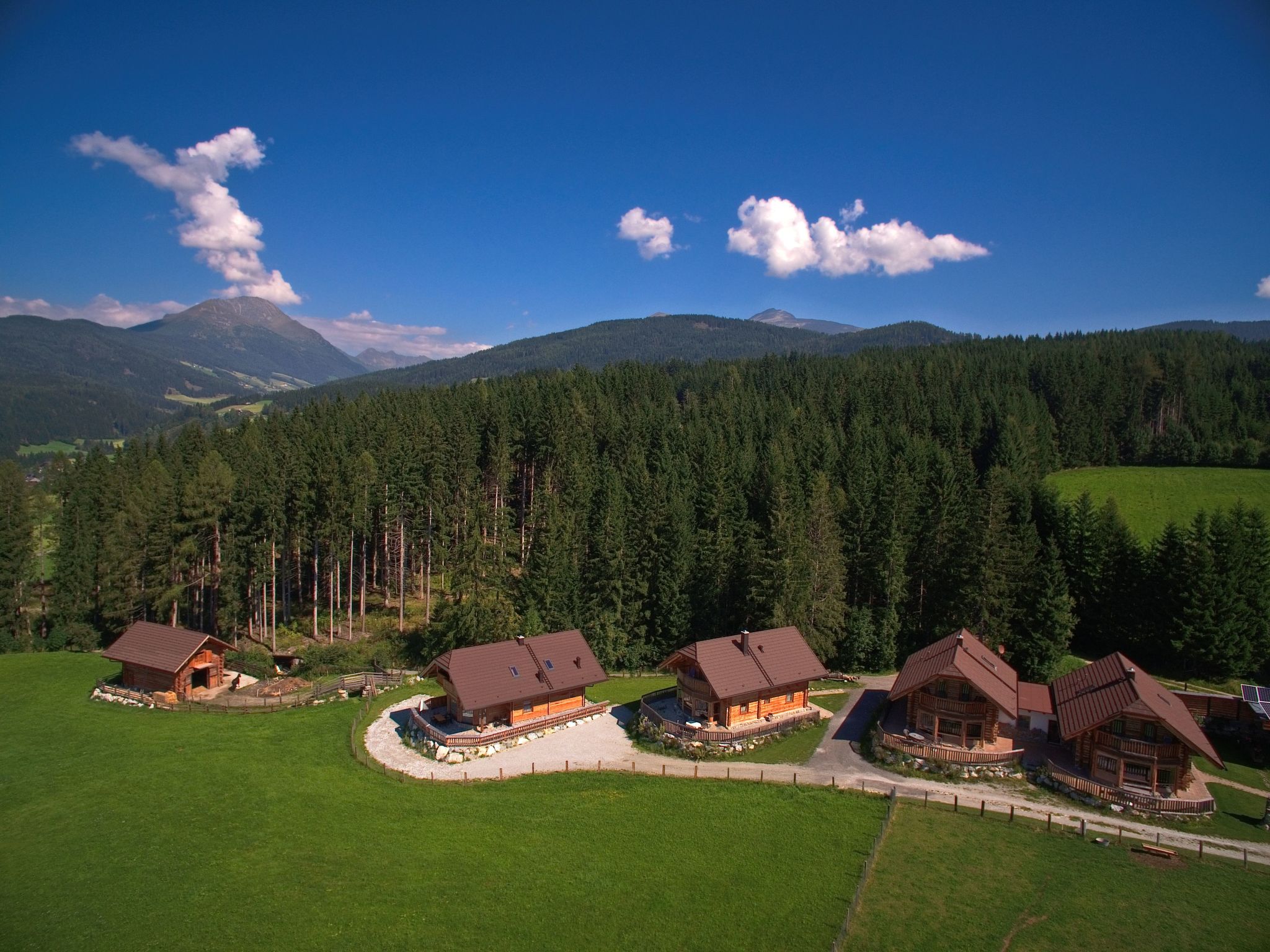
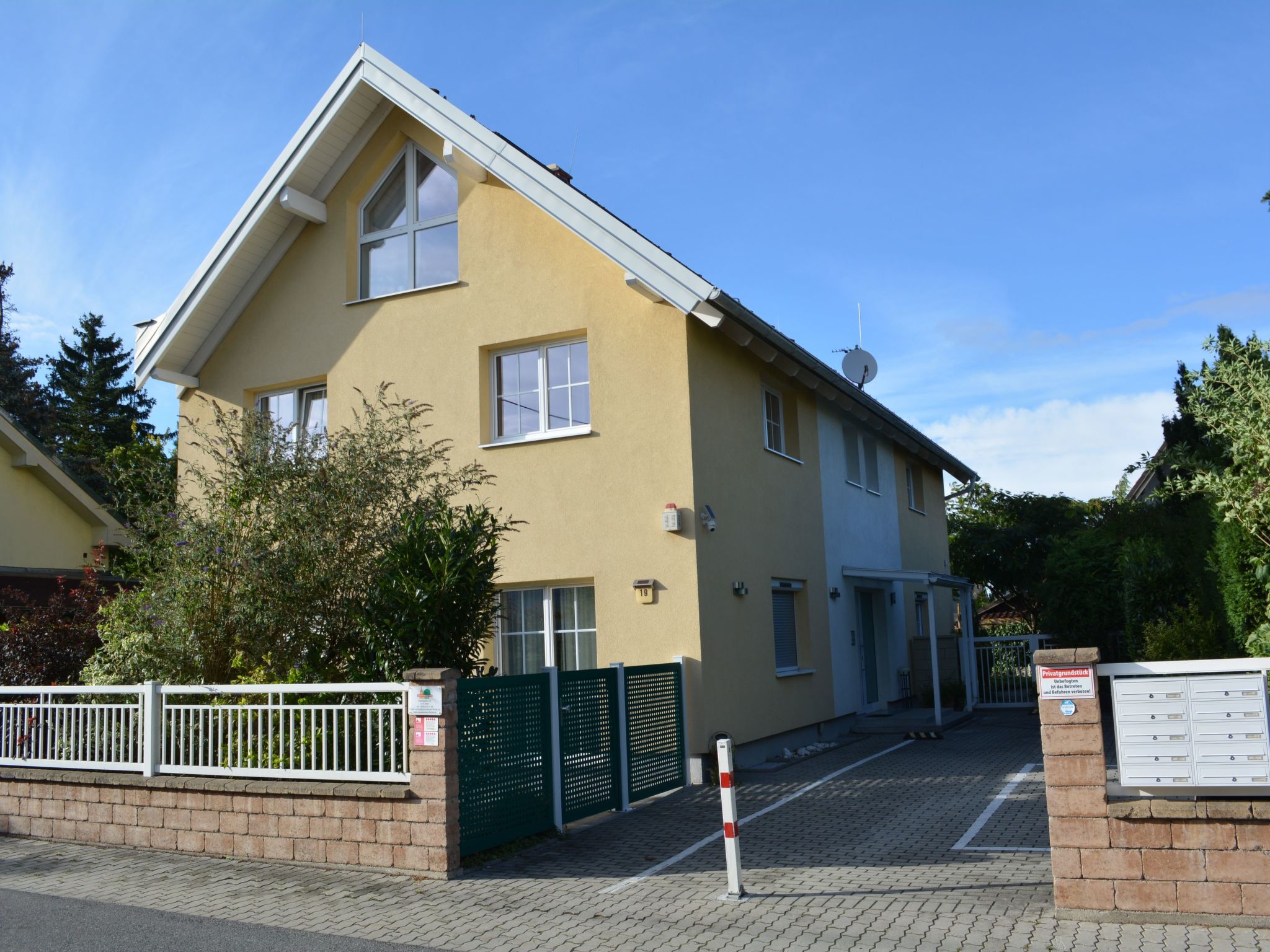
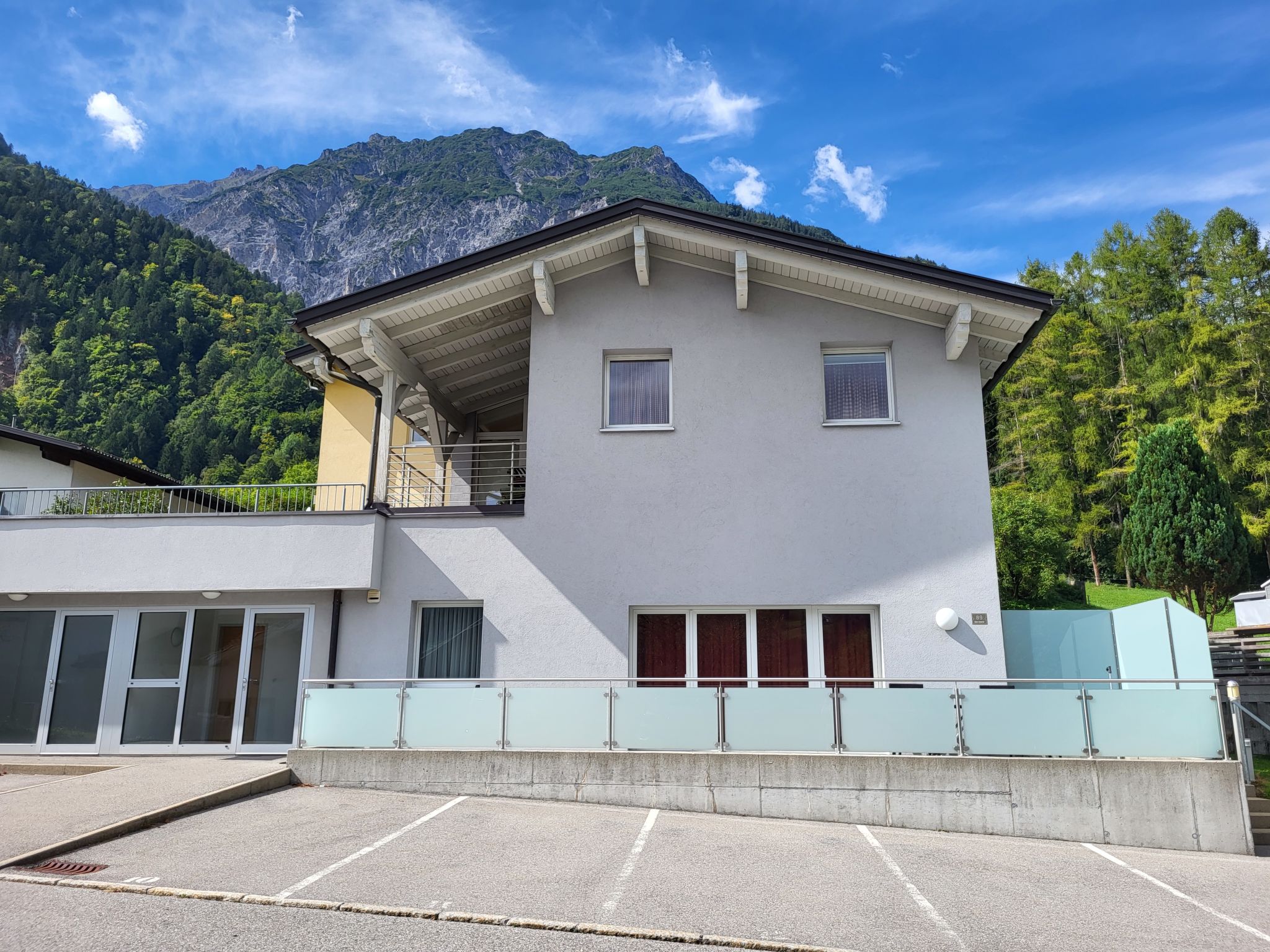
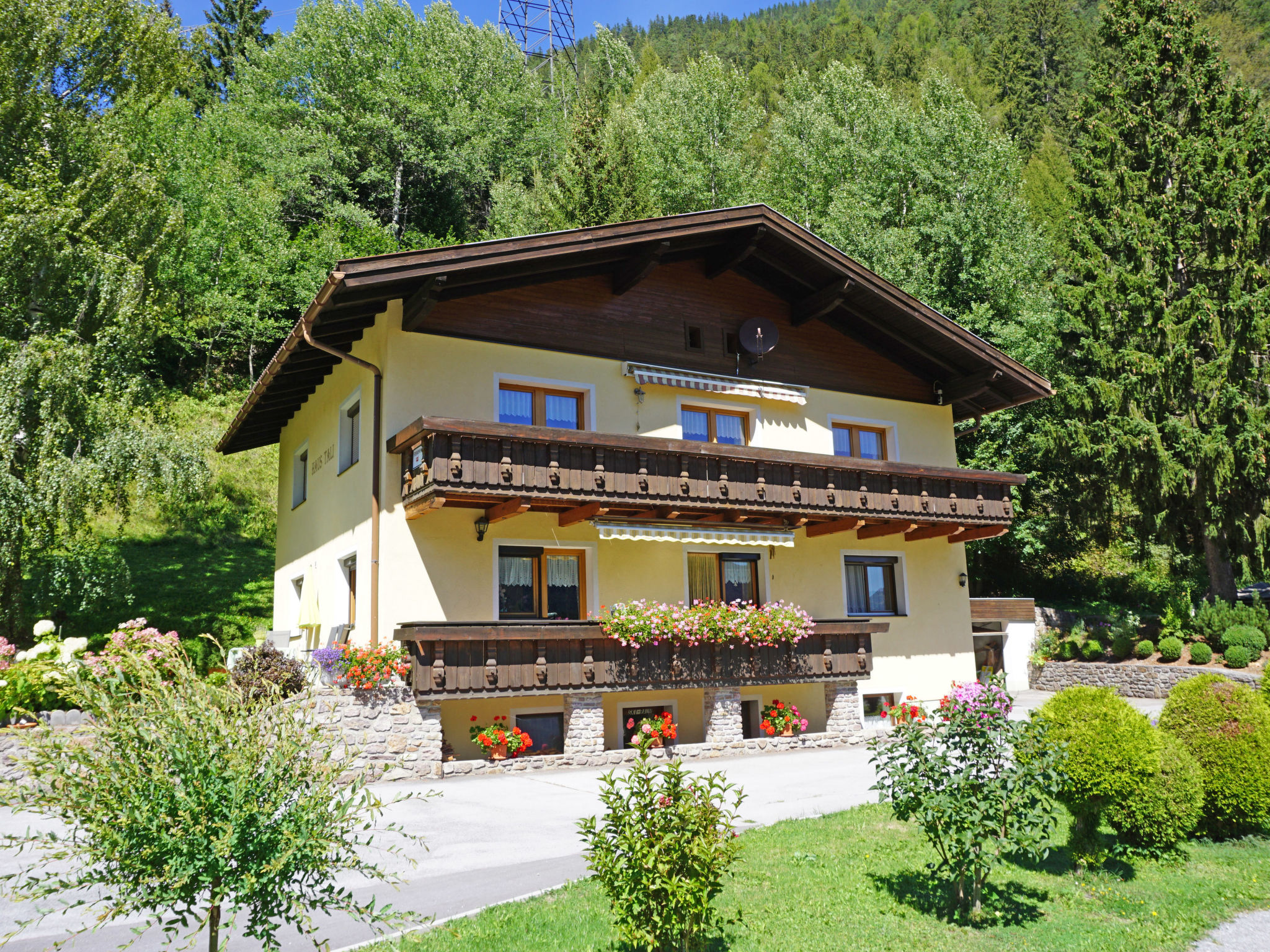
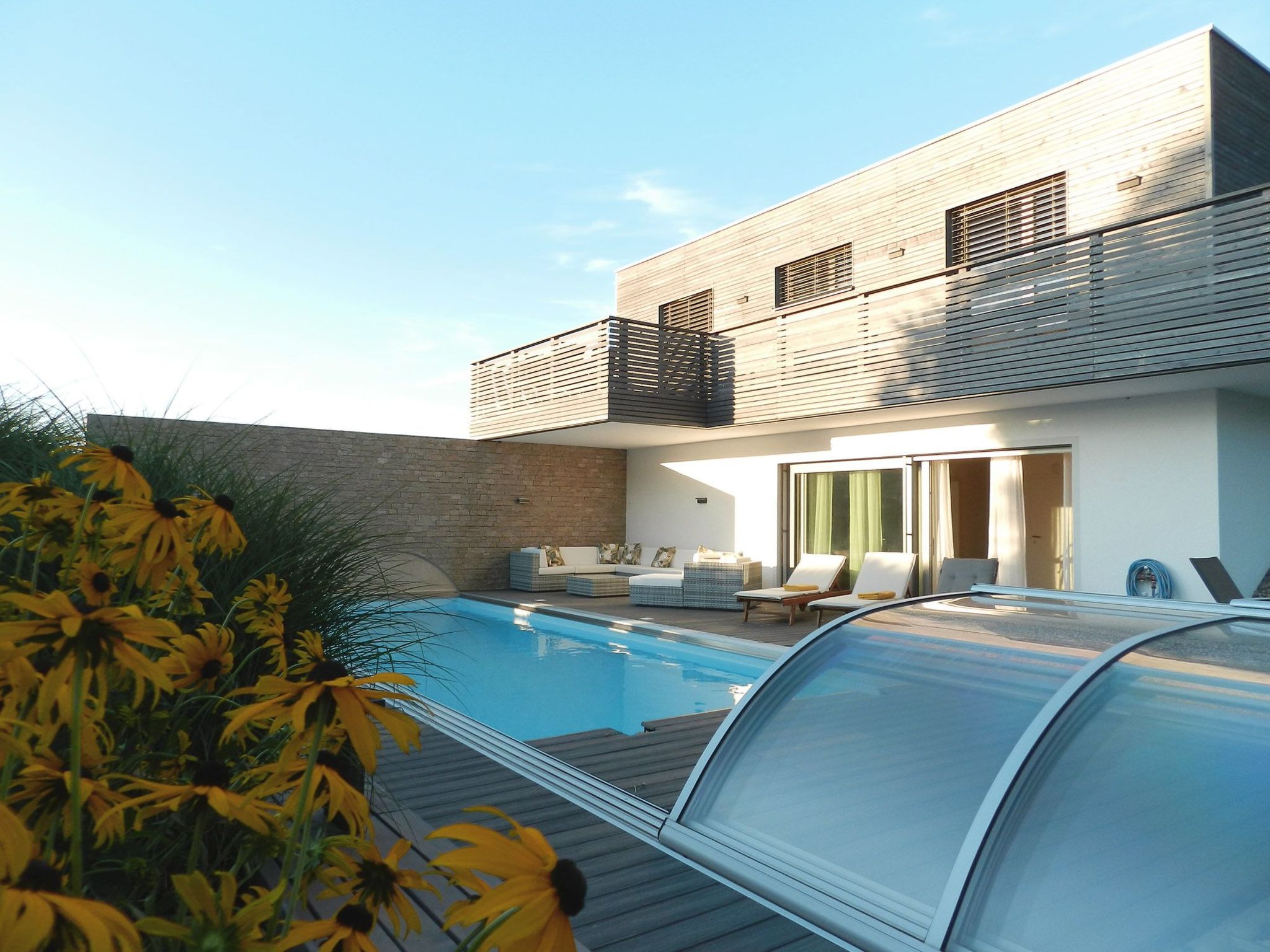
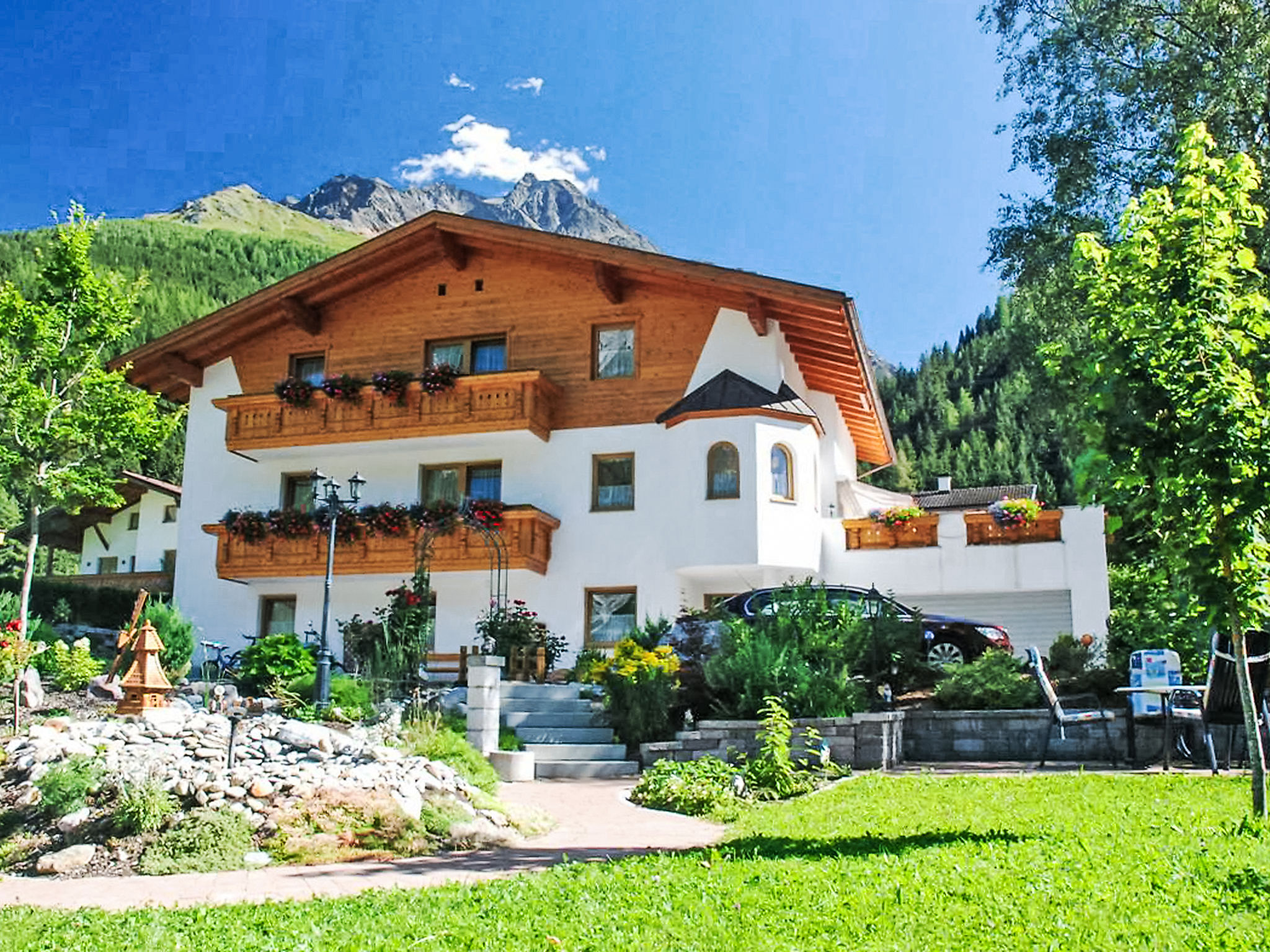
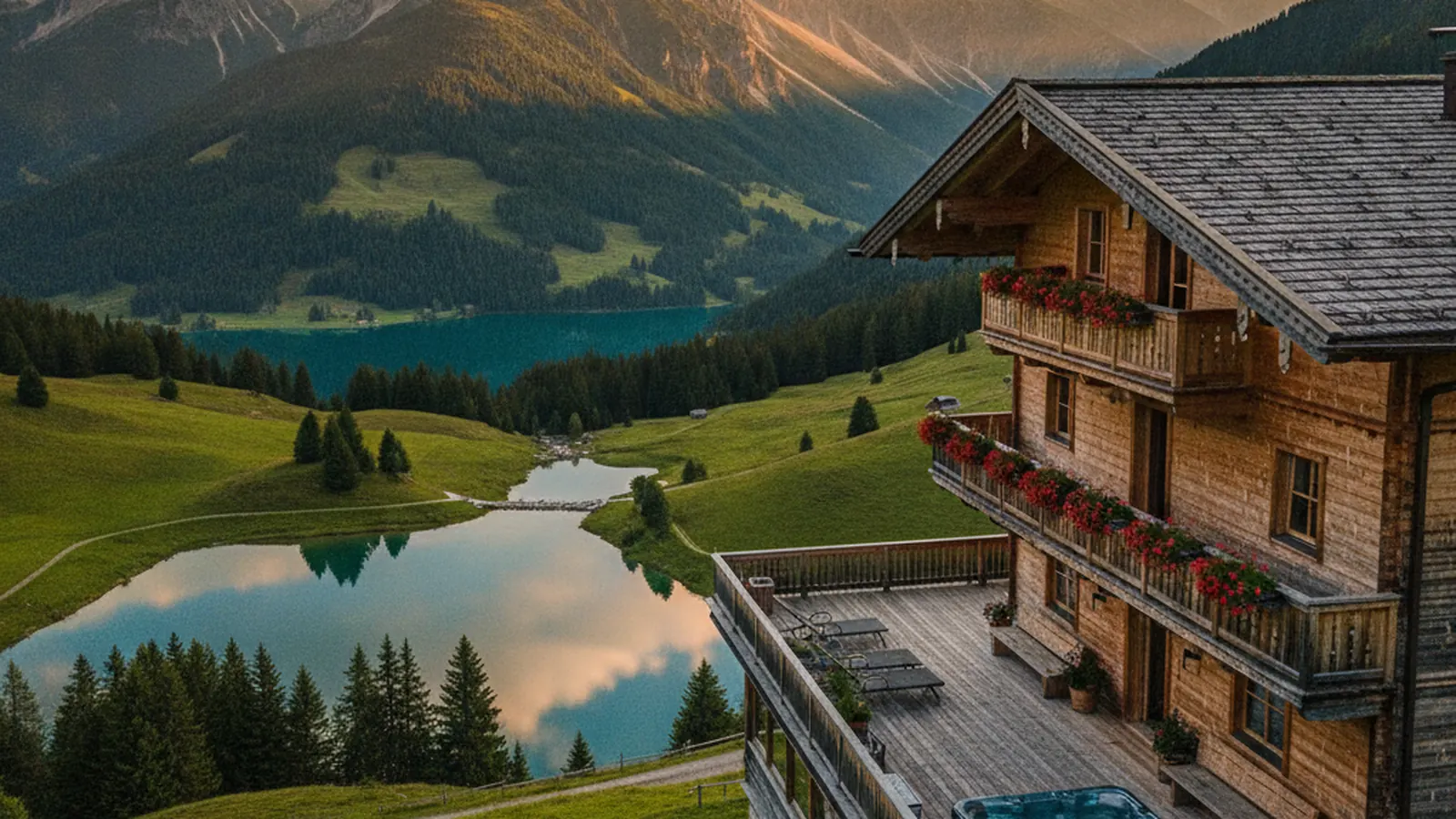
Austria remains one of Europe's best-kept villa destinations, offering a rare combination of Alpine drama and Habsburg grandeur. Whether you are seeking a Tyrolean chalet with mountain views, a lakeside retreat in Salzkammergut, or an imperial-era townhouse in Salzburg, Austria's luxury villa market delivers privacy and character that chain hotels simply can't match. The country's villa culture runs deep—these aren't generic properties but carefully restored farmhouses, modernised period estates, and contemporary Alpine homes built to harness panoramic views. For UK families, couples, and groups, Austria delivers reliable four-season appeal: winter skiing and frost-tipped scenery, spring hiking through wildflower meadows, summer lake swimming, and autumn gold-leaf landscapes.
Why Choose Luxury Holiday Villas in Austria?
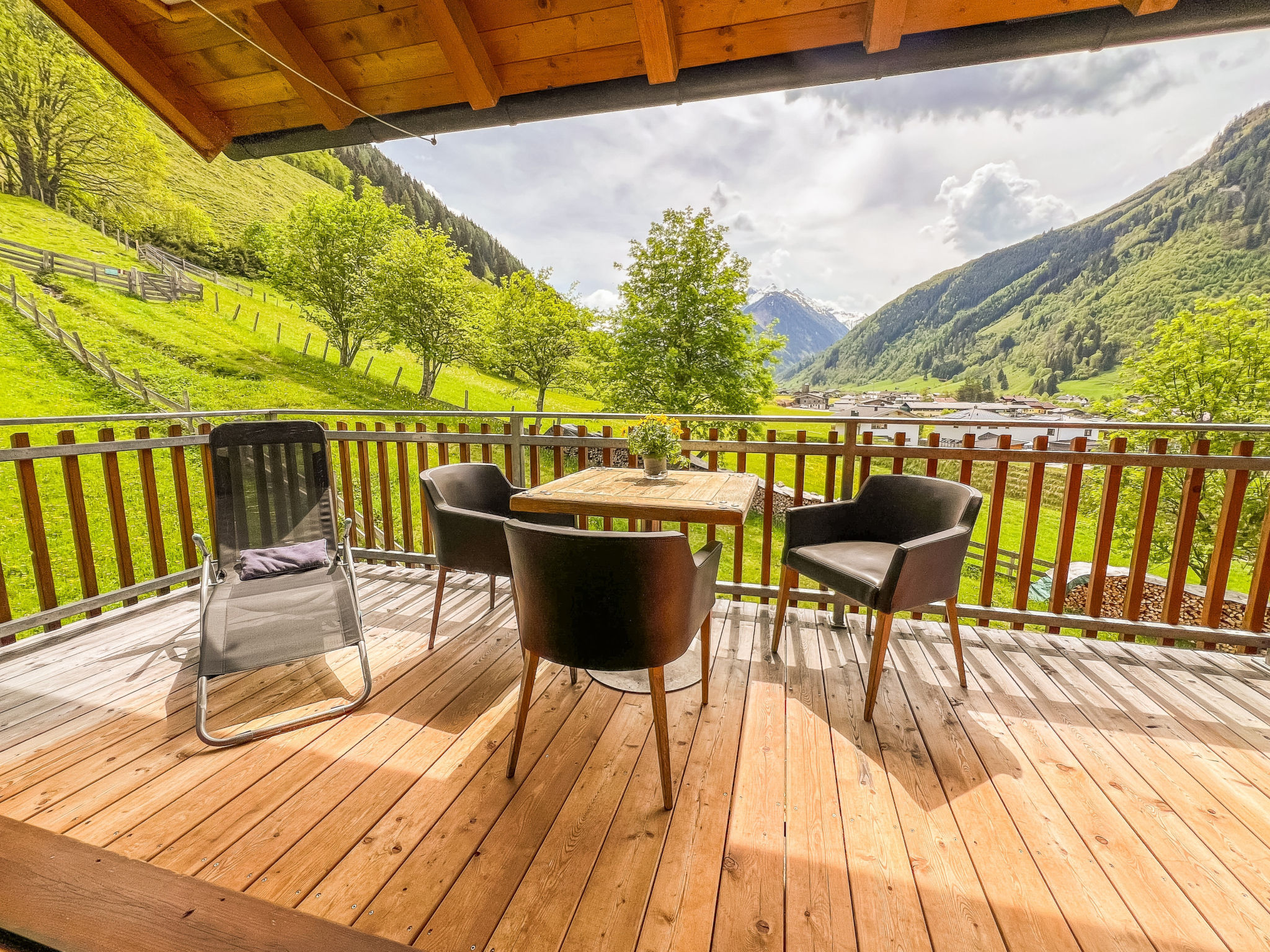
- Private mountain access: Most Austrian villas come with direct hiking, skiing, or climbing territory, unlike urban-bound hotel stays.
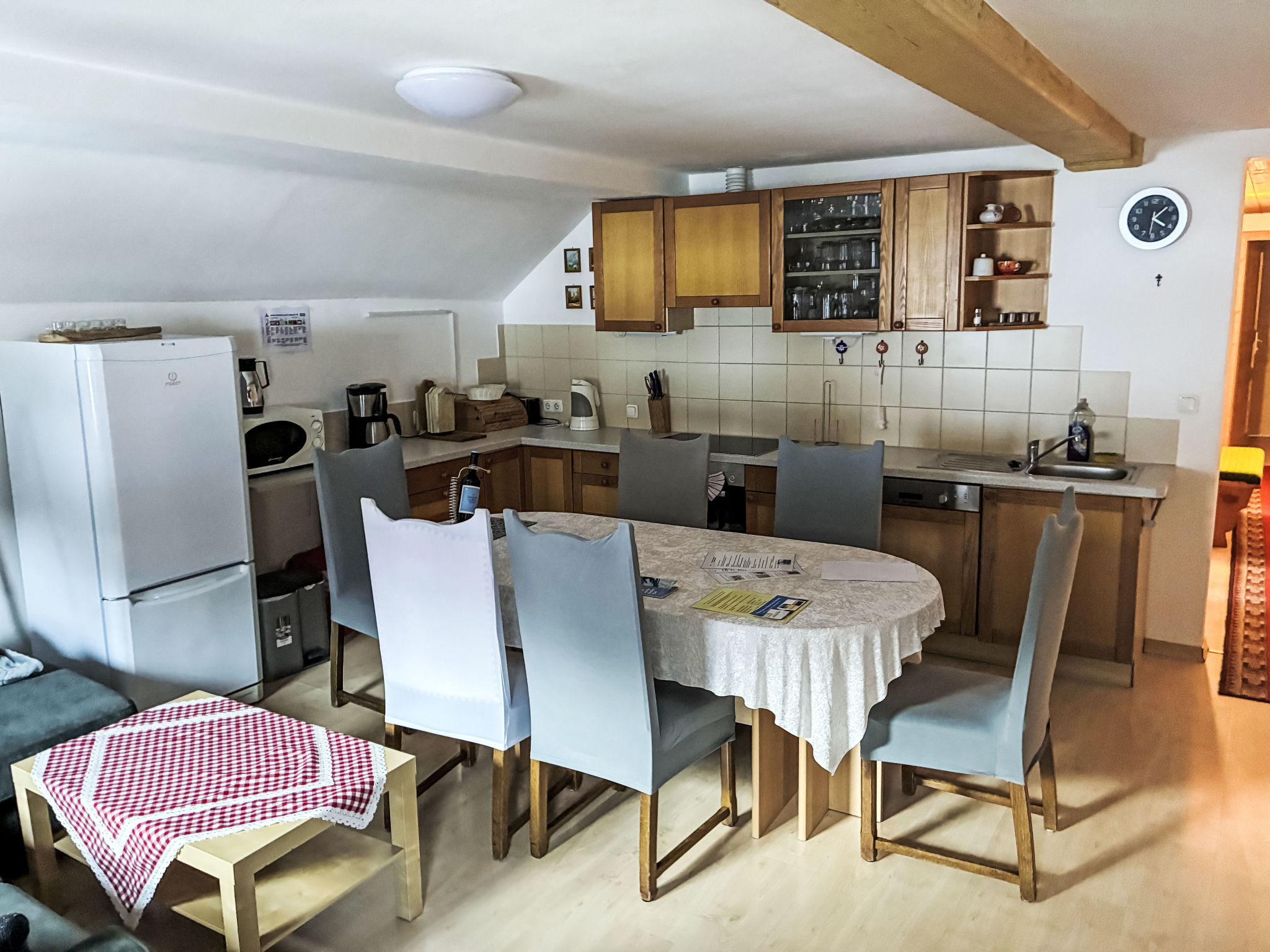
- Self-catering sanity: Cook local produce, host multi-day family gatherings, and avoid restaurant markup fatigue without sacrificing quality kitchens and terraces.
- Seclusion with infrastructure: You get genuinely quiet settings—forest silence, no neighbours visible—yet reliable broadband, shops, and schools nearby.
- Four-season value: Off-peak shoulder seasons (May, September) cost 30-40% less than peak but offer near-identical weather for hiking, cycling, and exploration.
- Cultural immersion without crowds: Stay in working villages, not tourist honey-traps, and attend local farmers' markets, church festivals, and village life.
Top Regions for Villa Holidays in Austria
Tyrol
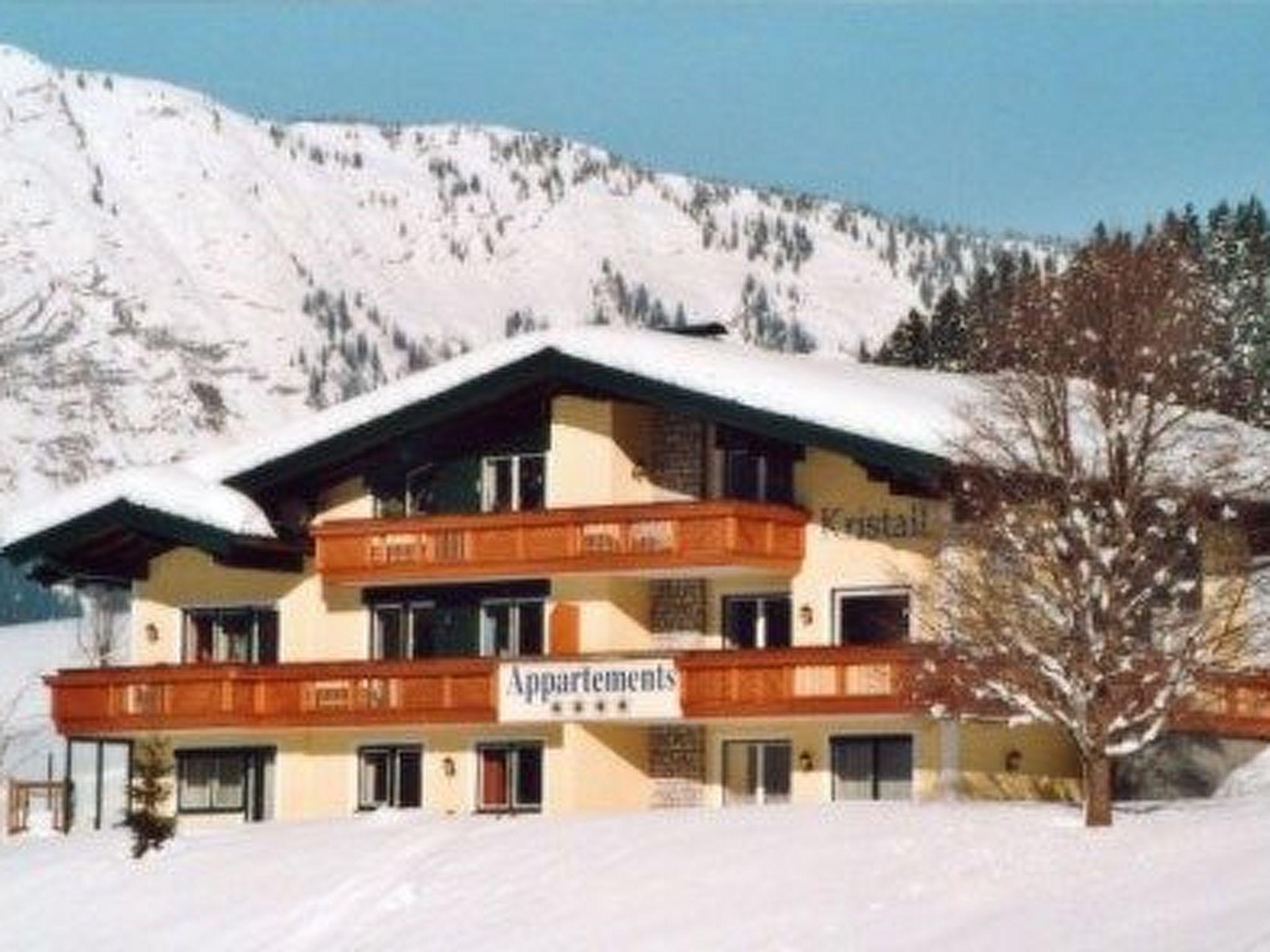
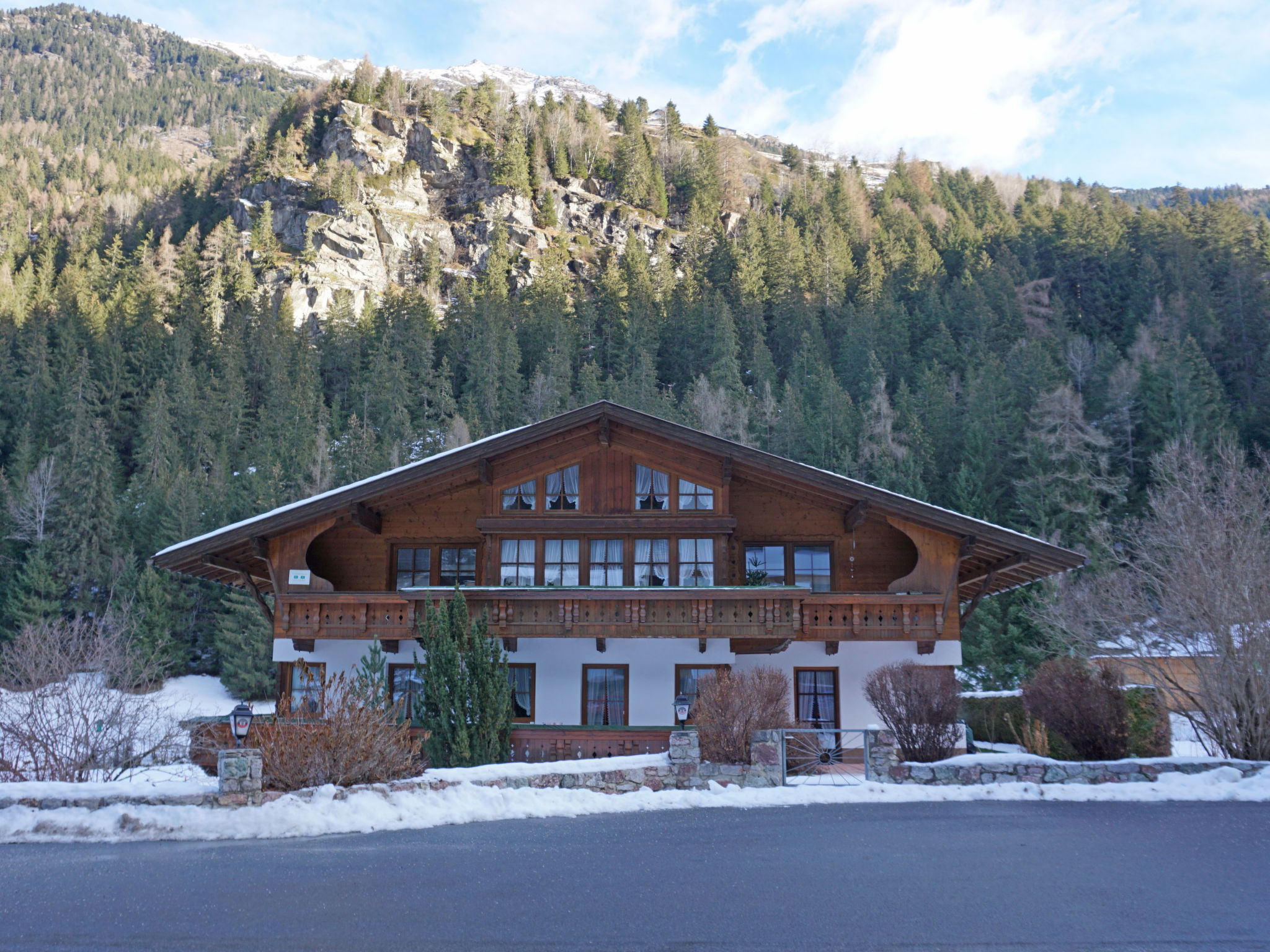
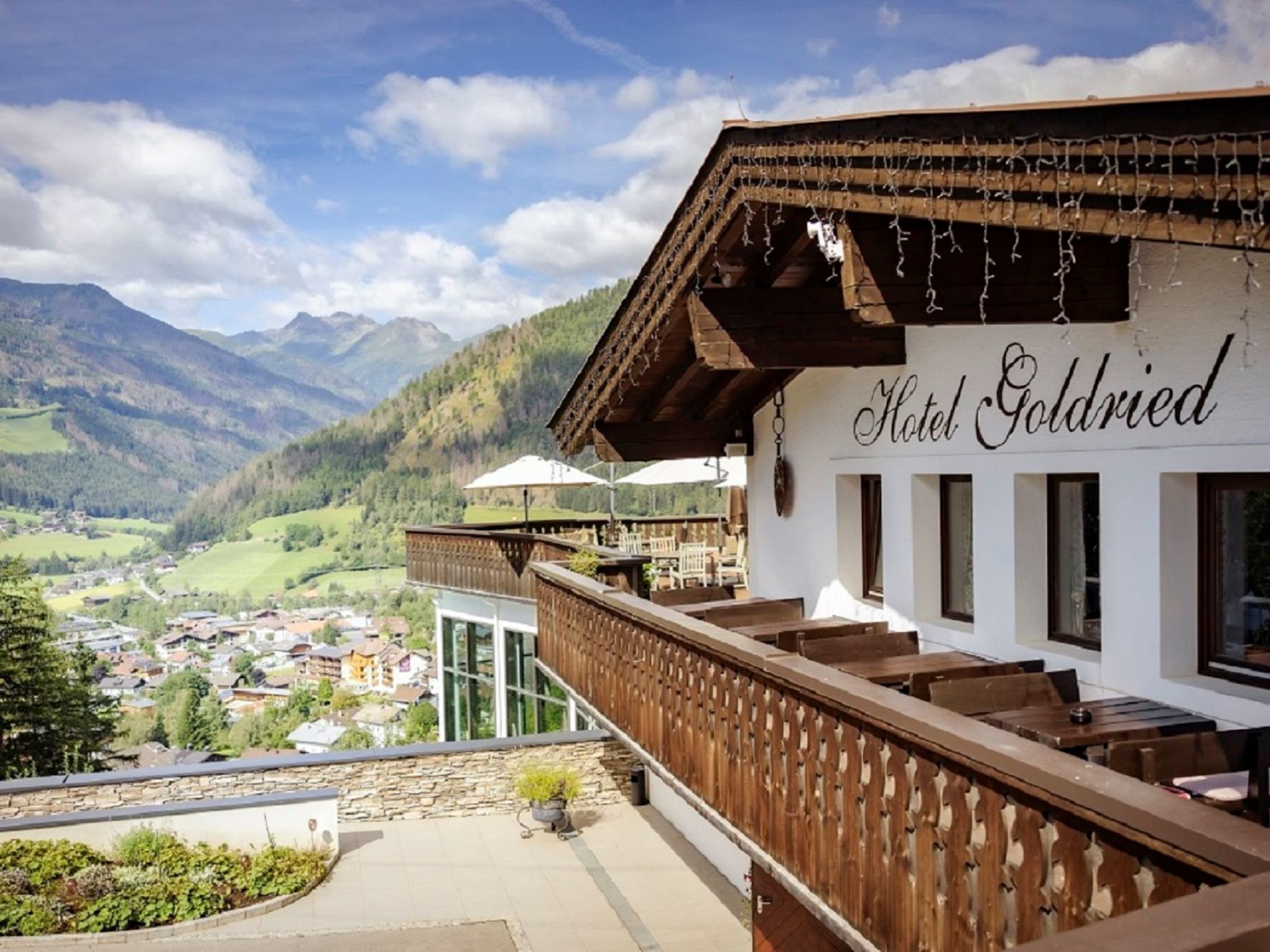
Tyrol defines the Austrian Alpine experience. Here you'll find the dense cluster of high-altitude valleys that feed Europe's most competitive ski resorts—Sölden, St. Anton, Kitzbühel. Yet countless quieter settlements where villas command genuine seclusion. The region spans everything from the Ötztal's glacier-fed landscape to gentler Zillertal green slopes, meaning altitude and intensity vary wildly across short distances. Summer Tyrol transforms into Europe's hiking mecca, with colour-coded trail networks and mountain huts serving fresh bread and schnapps at 2,500m. Expect robust summers (22-25°C), reliable snow winters (December-March), and shoulder seasons (April-May, September-October) that feel almost secret.
Explore Luxury Villas in Tyrol →
Salzburg
Salzburg state wraps around three distinct landscapes: the city itself (Mozart's birthplace, baroque spires, UNESCO Old Town), the lakeland east towards Salzkammergut (crystal-water swimming, bell-tower villages), and the Pinzgau mountains south (wild hiking, adventure sports). Villas here suit different holidays. City-edge properties let you walk to markets and concert halls then escape to private terraces. Lakeside villas offer flotilla-swimming and silence in equal measure. Mountain-flank properties put you minutes from serious hiking and climbing. The region draws fewer crowds than Tyrol but packs equal activity intensity.
Explore Luxury Villas in Salzburg →
Zillertal
Zillertal has earned its reputation as Austria's hiking heartland: 344km of maintained trails, vast summer meadow networks, and honest vertical elevation that doesn't feel as punishing as Alps-core tourism. The valley runs north-south for about 30km, narrowing as you climb toward Hintertux glacier. Villas cluster at various altitudes. Valley-floor properties sit near towns like Mayrhofen (livelier, more events), while higher settlements offer true retreat silence. Summer temperatures hover at a pleasant 20-24°C, and shoulder seasons (May, early June, late August-September) feel genuinely undercrowded. Winter is serious snow country, with reliable coverage December through March.
Explore Luxury Villas in Zillertal →
Ötztal
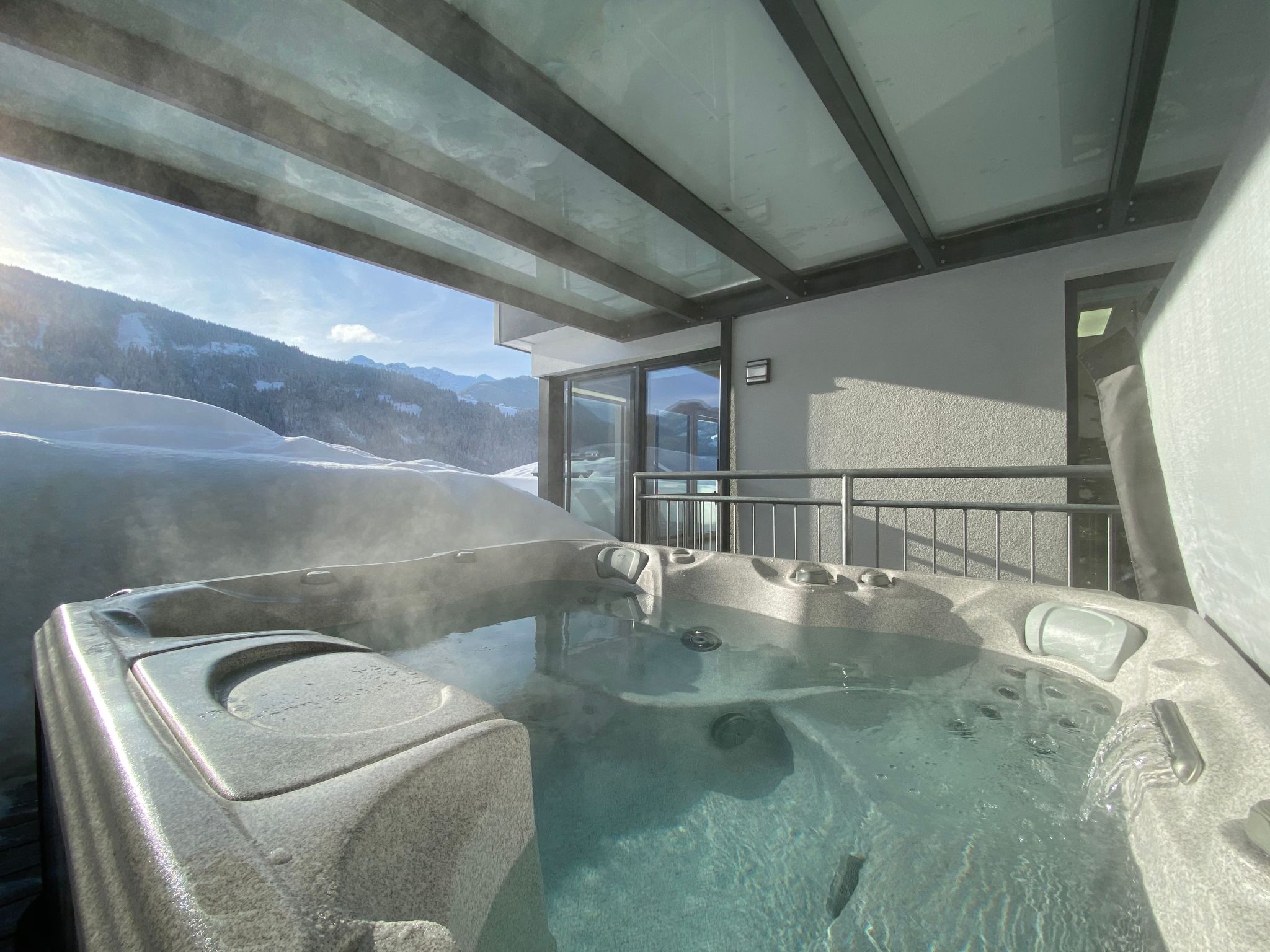
Ötztal sits at Austria's high-altitude extreme: the valley floor runs at 800m, but surrounding peaks top 3,600m. This compression creates the Alps' most intense vertical gain within walking distance, making it the undisputed European mountaineering capital. Sölden (the valley's main resort) attracts serious skiers and paragliders; quieter hamlets like Längenfeld offer similar access with boutique-level tranquility. Summer Ötztal draws climbers, base-jumpers, and mountain bikers seeking technical terrain. Winter is relentless snow (November-April), while summer (June-August) shifts to crisp, thin-air hiking. This isn't a region for beach-lounging villas. It's for active, altitude-hungry travellers.
Explore Luxury Villas in Ötztal →
Salzkammergut
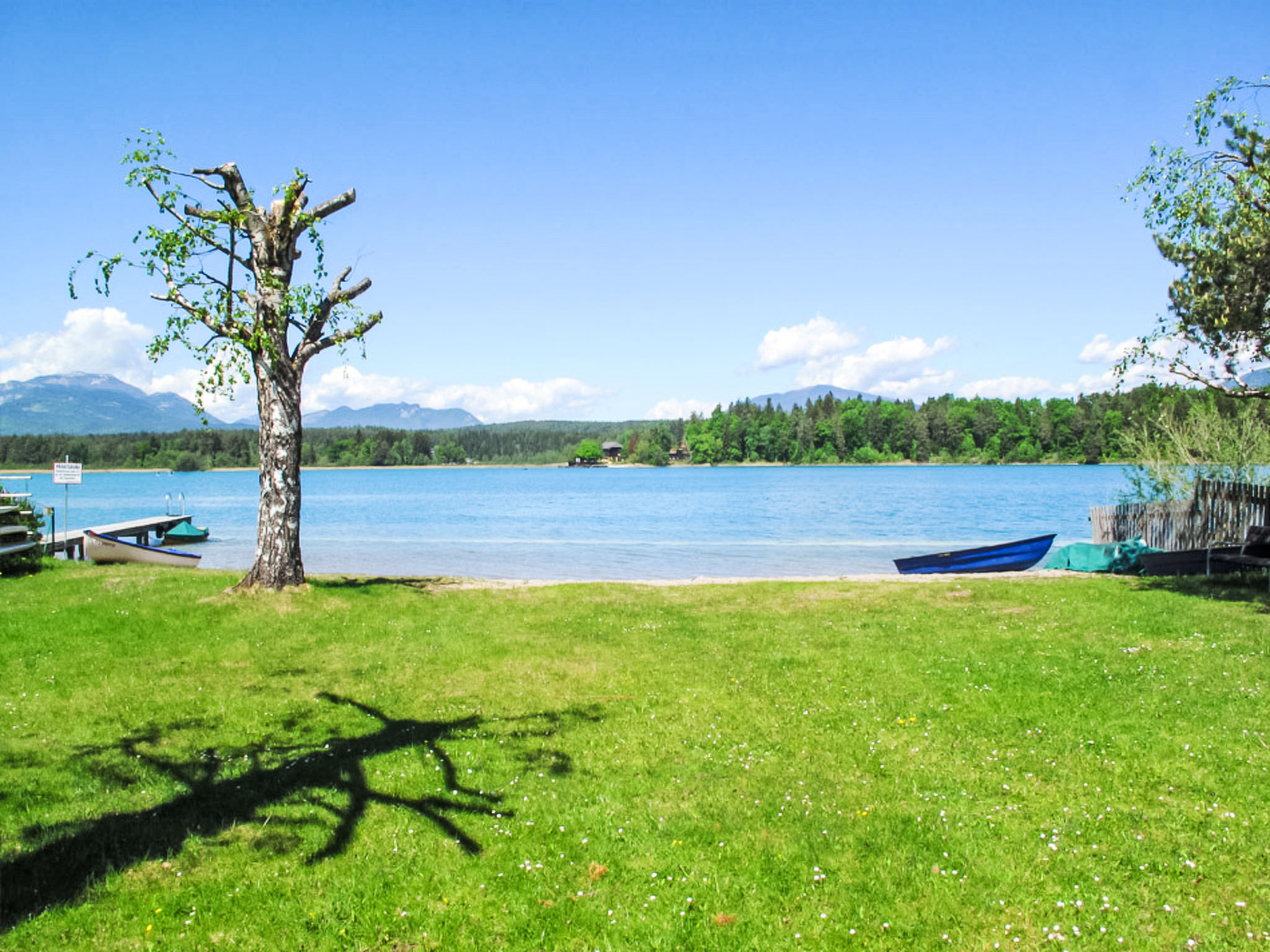
Salzkammergut sprawls across Upper Austria and Salzburg state, centred on clean lakes and Alpine foothills. Unlike Tyrol's high-altitude focus, this region emphasises water (Hallstatt, Traunsee, Altausseer See), gentle green hiking, and cultural towns (Bad Ischl, Hallein). The landscape feels almost Swiss. Pastoral, orderly, with better-preserved baroque architecture than elsewhere. Villas here attract families and couples more than adrenaline-seekers. Water temperature reaches 20-22°C in July-August, making genuine lake swimming possible. The region feels less touristed than its UNESCO fame might suggest, particularly outside peak August.
Explore Luxury Villas in Salzkammergut →
Pinzgau
Pinzgau (the Salzburg district south of the city) bridges mountain intensity and cultural depth. It encompasses ski zones like Zell am See-Kaprun, yet also genuine farming country where villages feel lived-in rather than packaged. The region draws serious hikers to 3,000m+ peaks, serious skiers to reliable November-April snowfall, and equally serious culture-lovers to local museums and food traditions. Villas suit multi-week stays. The landscape never feels repetitive. Summer climbing and skiing share the same peaks, just in different seasons. Autumn (September-October) ranks among Austria's most underrated seasons here: clear skies, golden larch forests, and virtually zero crowds.
Explore Luxury Villas in Pinzgau →
Carinthia
Carinthia occupies Austria's southern frontier, with warmer summers and Italian influences creeping into local food and architecture. The region is lake-heavy. Worthersee, Ossiachersee, Millstättersee. With swimable water reaching 24-26°C by July. It's Austria's warmest region and feels continental rather than alpine. Villas here attract sun-seekers and water-sports enthusiasts as much as hill-walkers. The landscape softens compared to Tyrol: rolling rather than jagged, pastoral wine-growing valleys, and genuine beach culture. Winter is mild (rarely below freezing at valley level), making it appealing for off-season breaks. The region feels less overrun than northern Austria, despite good infrastructure.
Explore Luxury Villas in Carinthia →
Styria
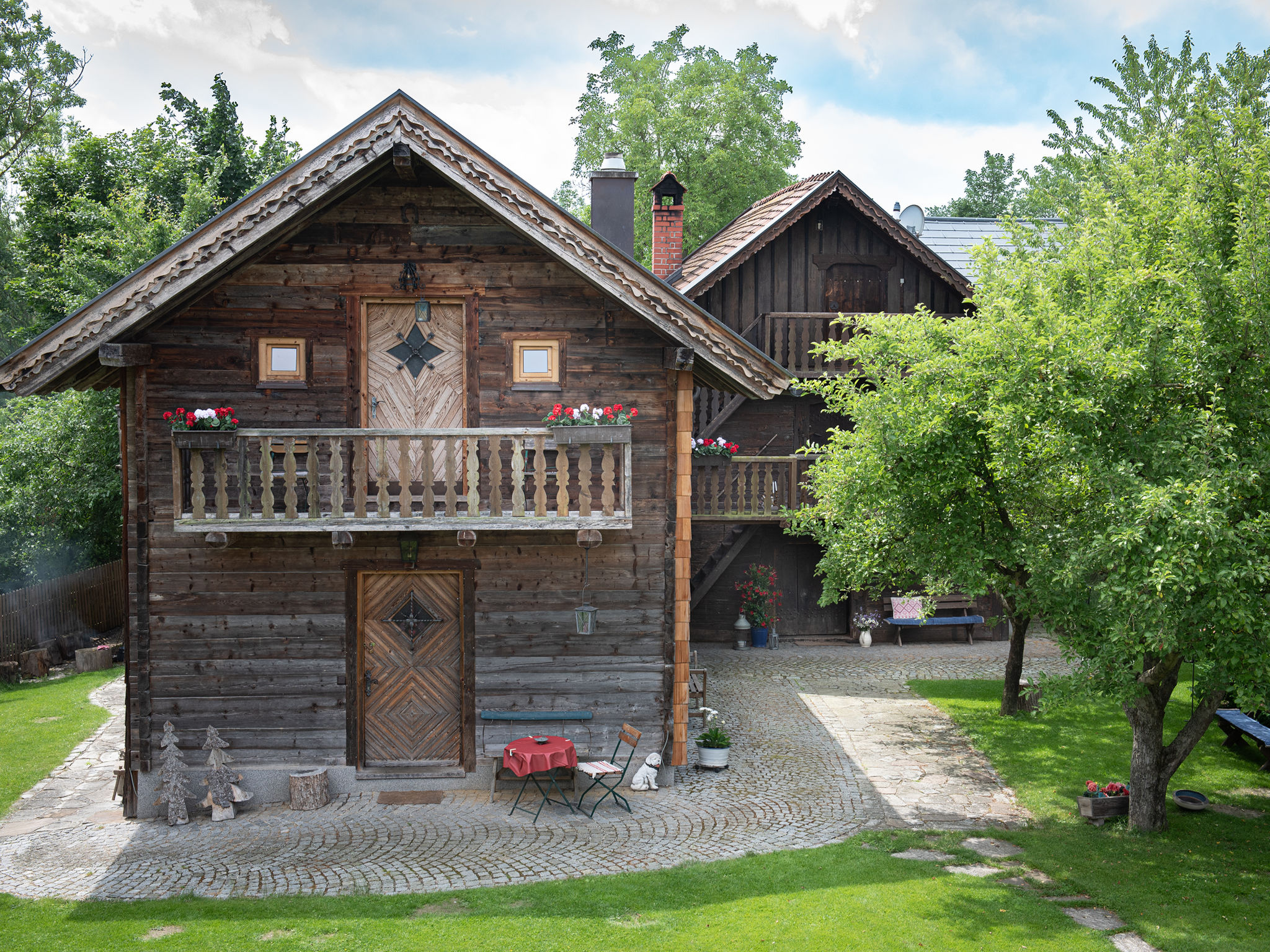
Styria stretches across Austria's southeast, blending Alpine foothills with gentler, wine-covered terrain toward the Hungarian border. It's the country's underdog region. Fewer international tourists, more local character, and villas that tend toward working farmhouses rather than purpose-built holiday lets. The wine country around Schilcher and Traminergegend offers food-focused villa breaks. Higher valleys (Murtal, Ennstal) deliver serious hiking without Tyrol's infrastructure crush. Temperatures run slightly warmer than northern regions, and summer (June-August) brings reliable 22-26°C weather. Autumn is spectacular here: golden vineyards, harvest festivals, and genuinely quiet countryside.
Explore Luxury Villas in Styria →
Vorarlberg
Vorarlberg sits Austria's western edge, bordered by Switzerland and Liechtenstein. It's culturally and linguistically more Swiss than Viennese, with higher hiking standards and industrial heritage woven through. The Bregenzerwald and Montafon valleys offer serious mountaineering, while the Rhine valley floor holds more gentle farmhouse villas. Villas here attract adventurous hikers and skiers who want less crowding than Tyrol's resorts. The region gets substantial rainfall (humidity matters in summer), but spring (April-May) and autumn (September-October) are absolutely flawless. Winter snowfall is reliable, and the contrast between high-altitude severity and valley comfort is pronounced.