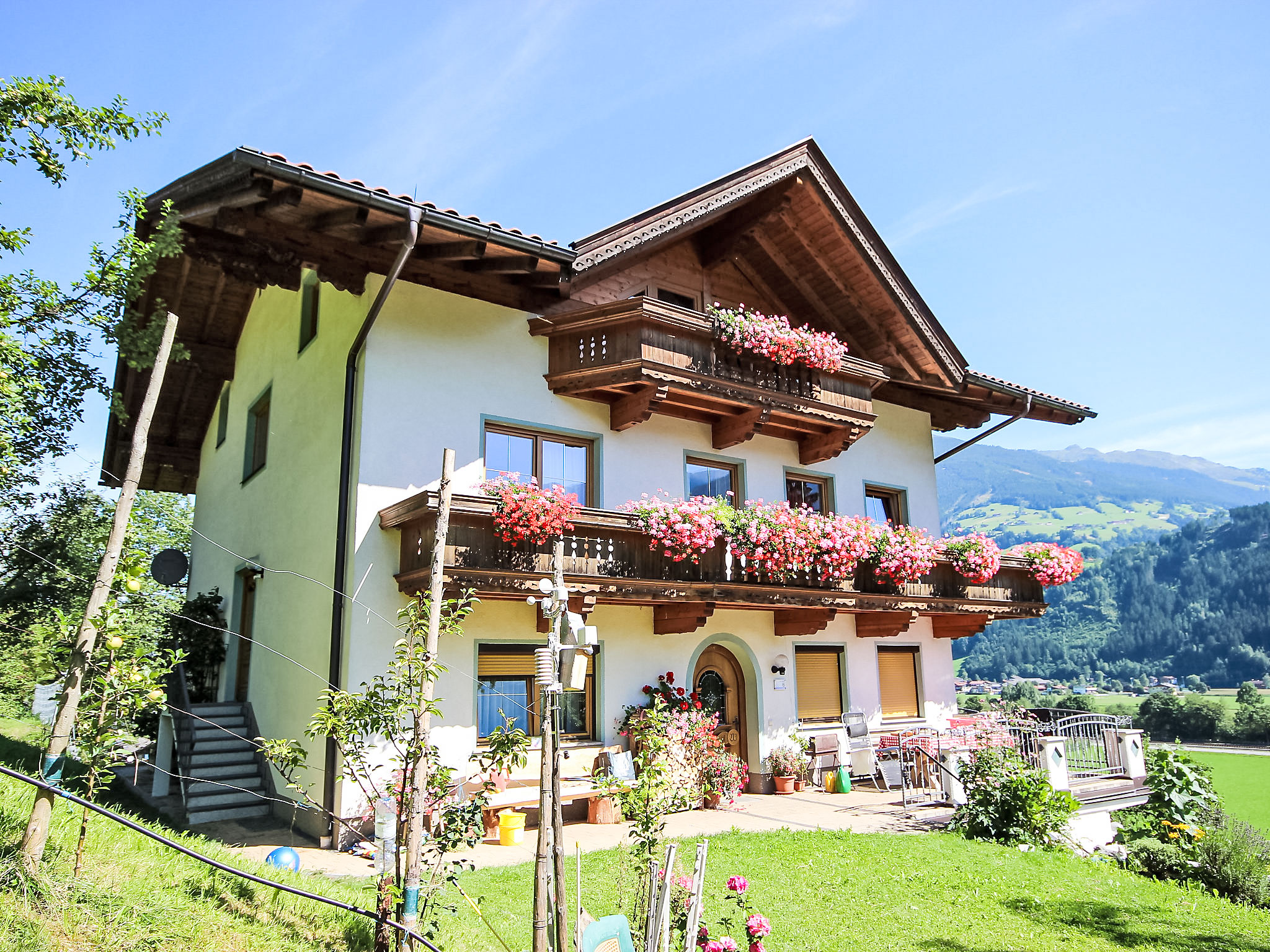
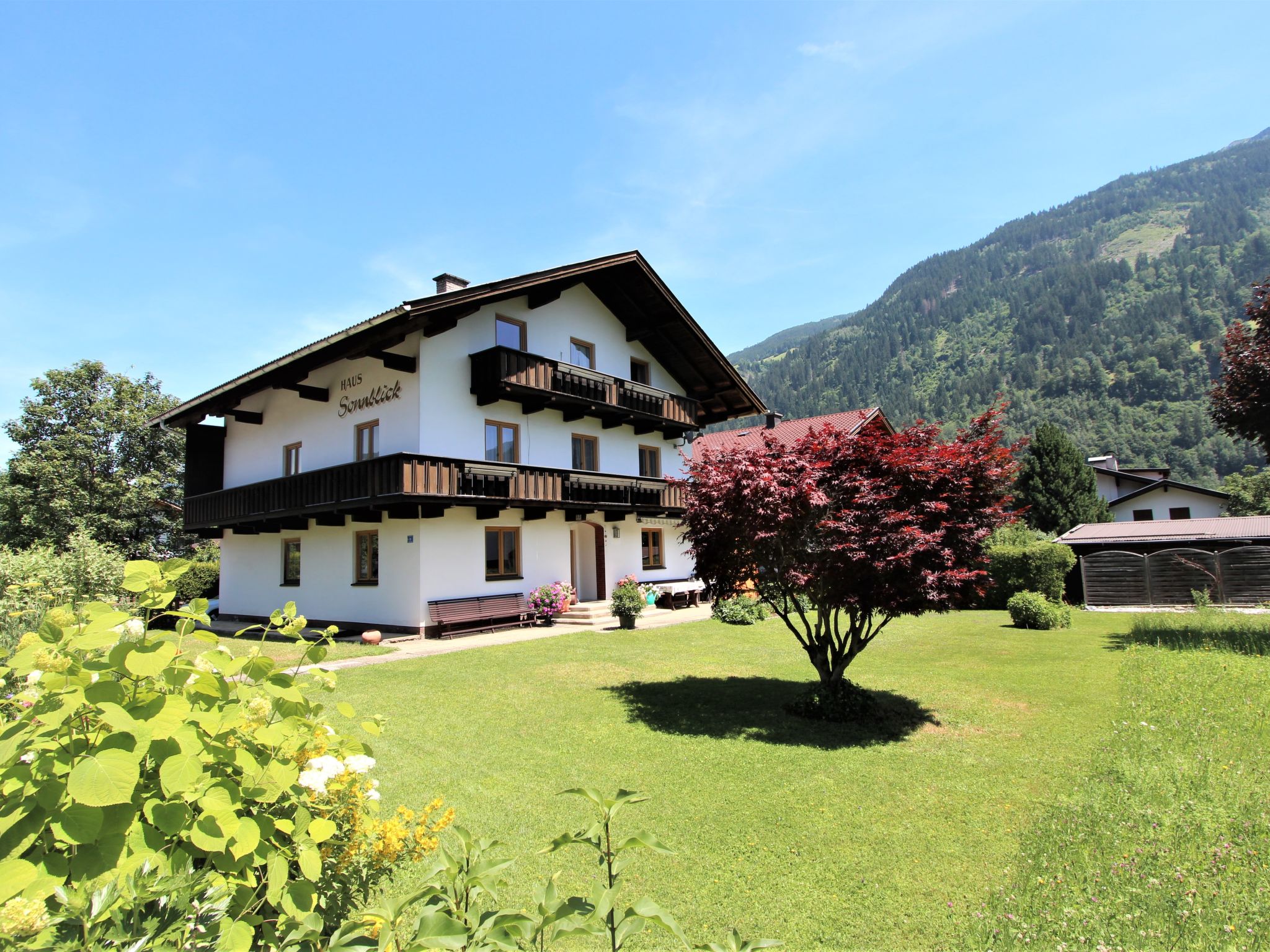
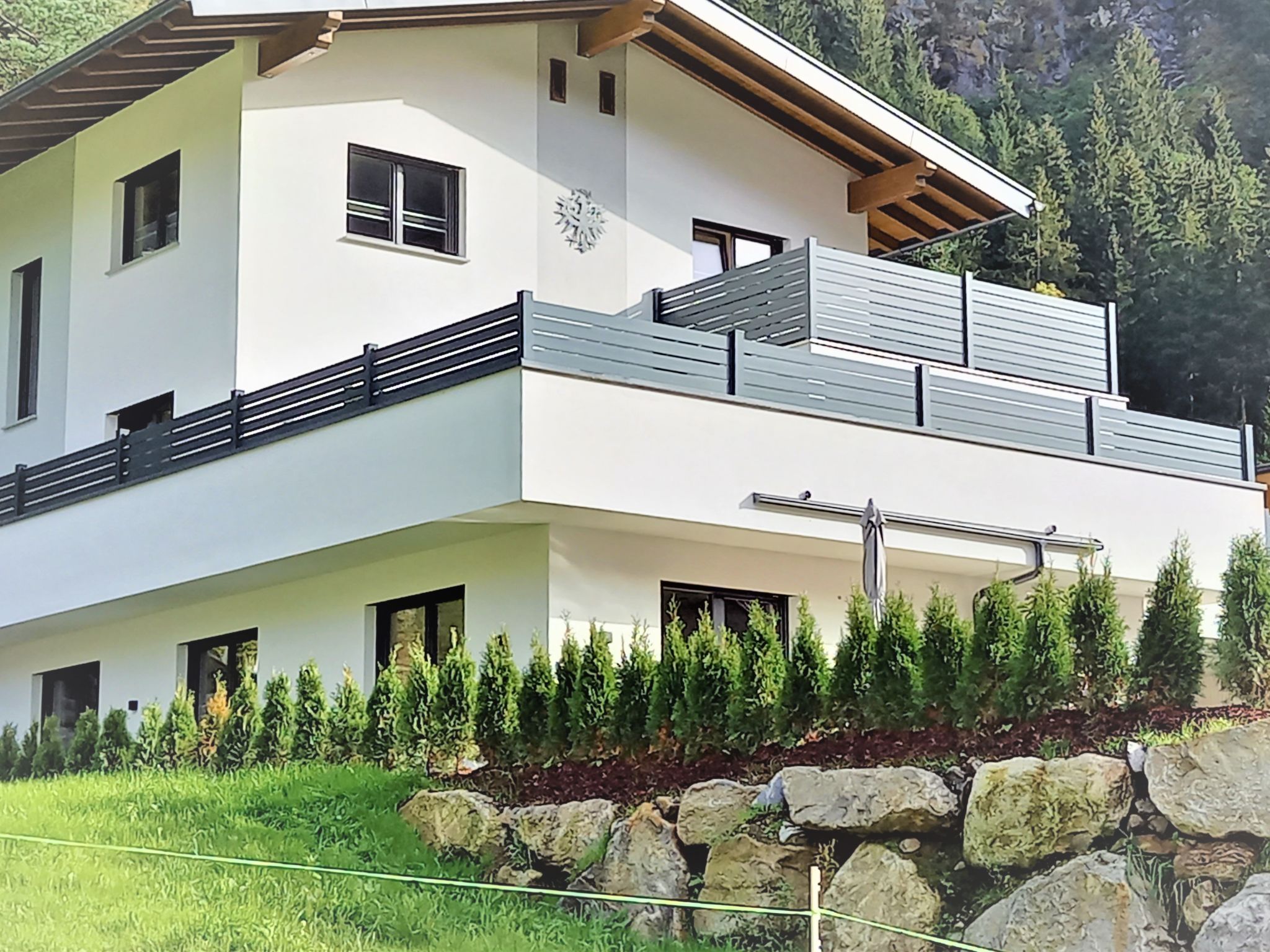
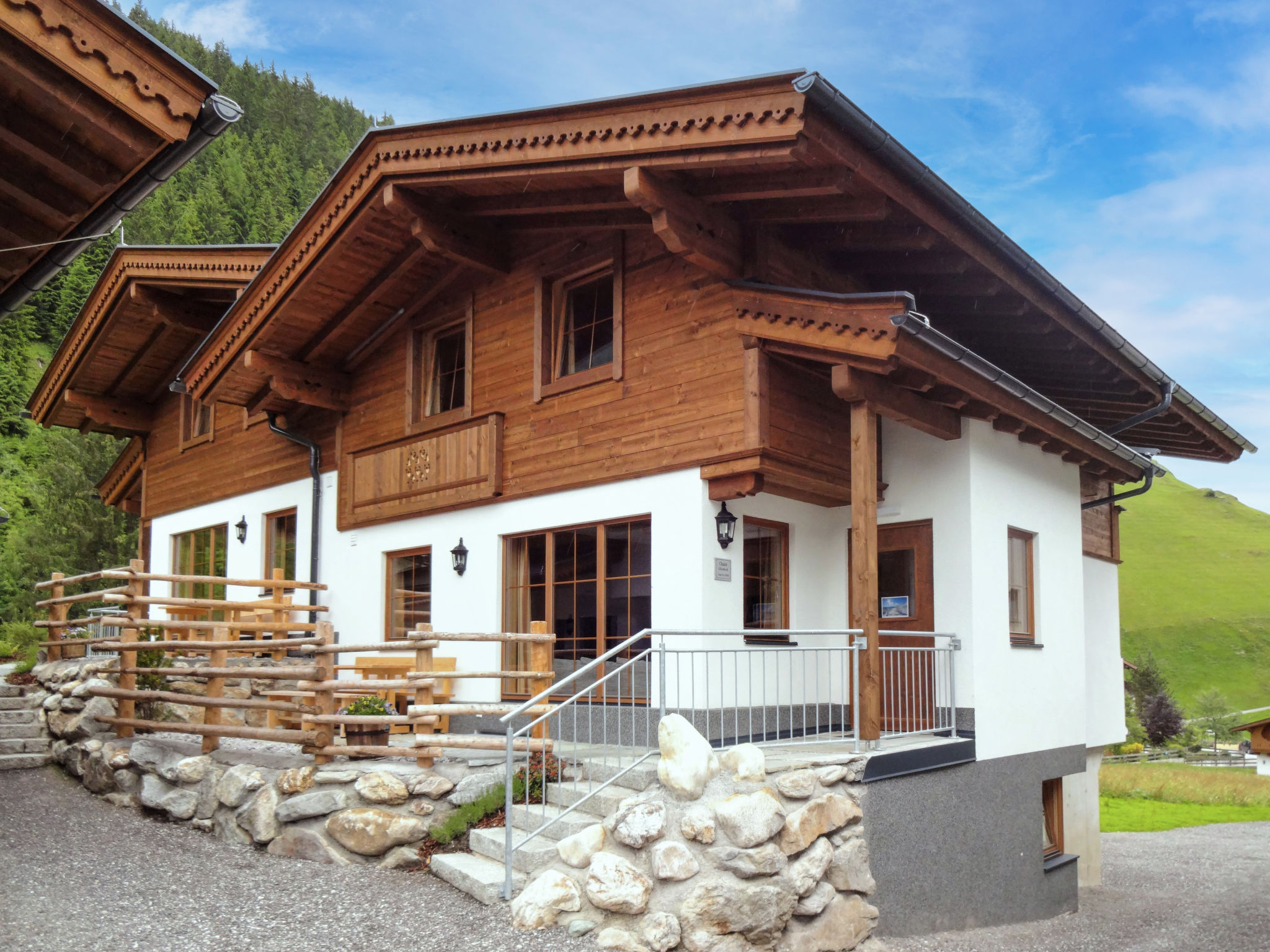
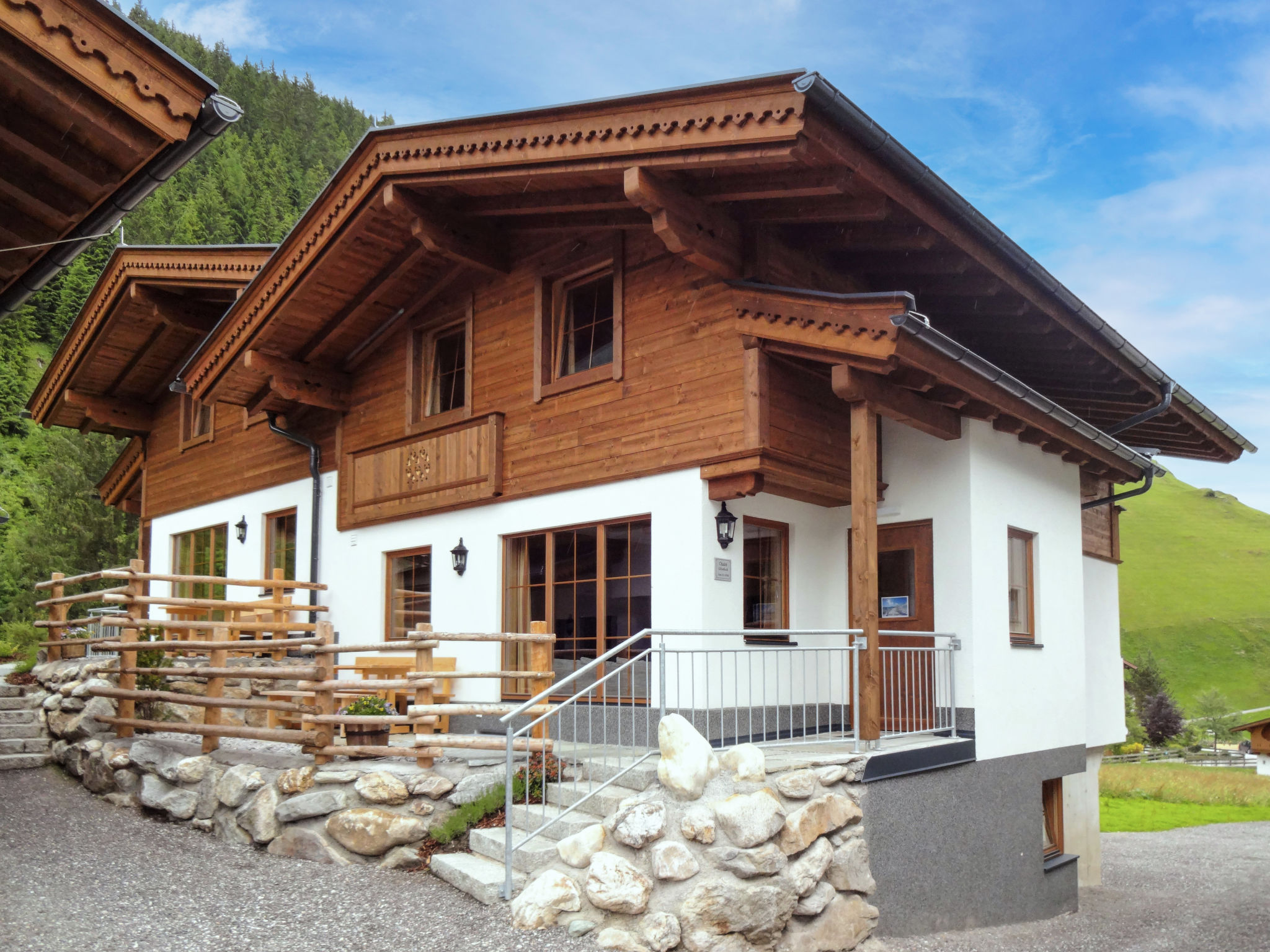
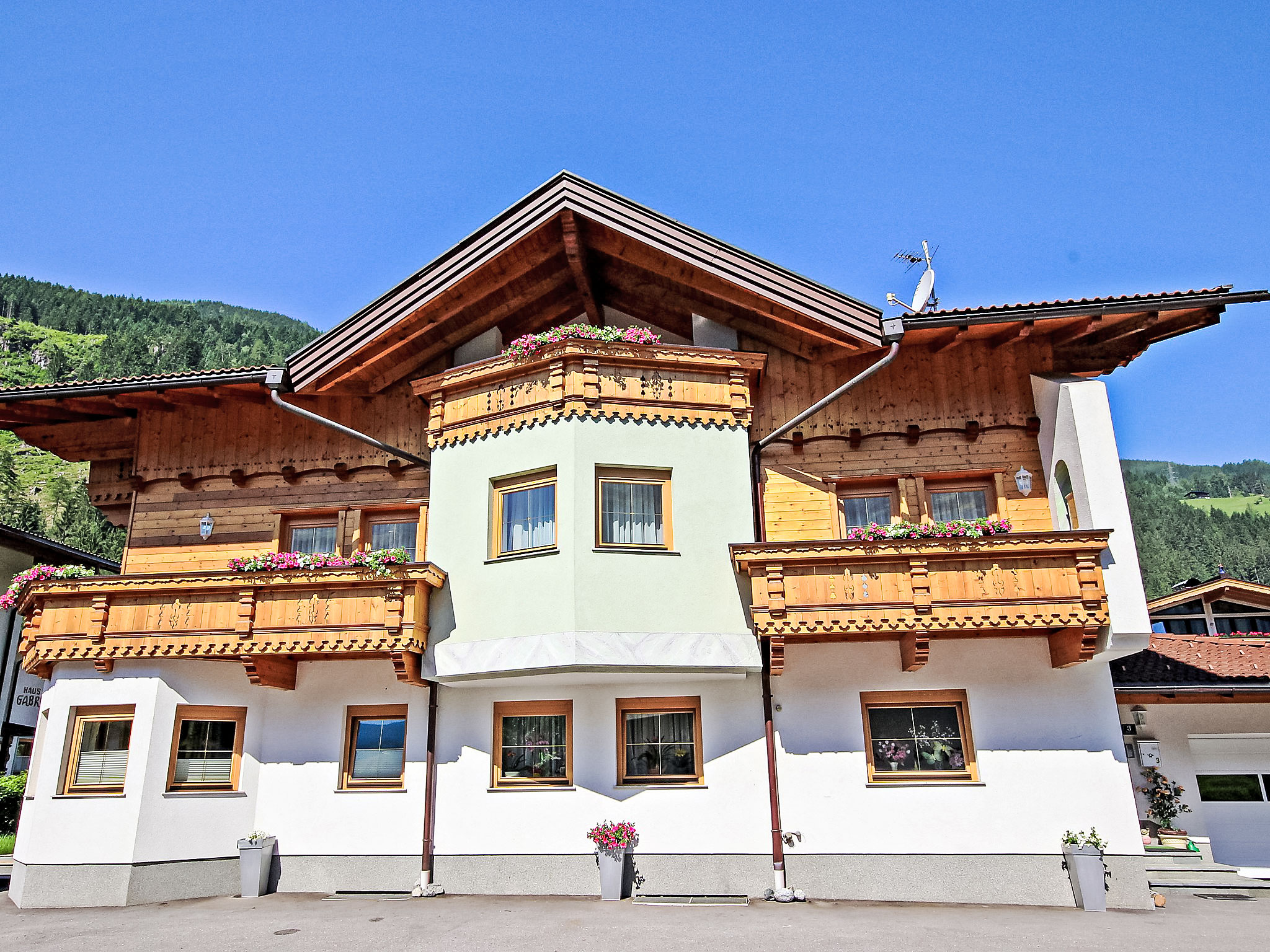
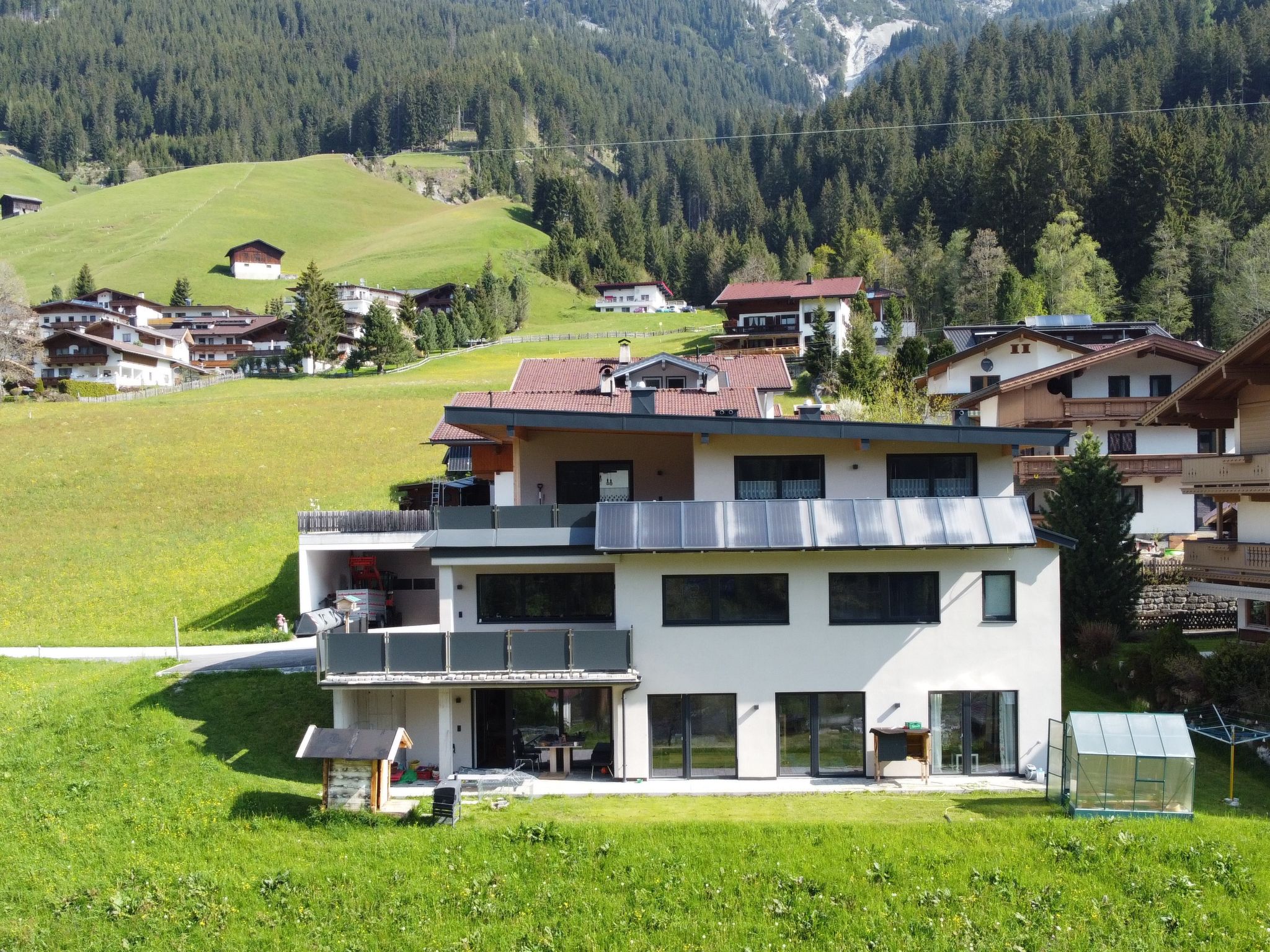
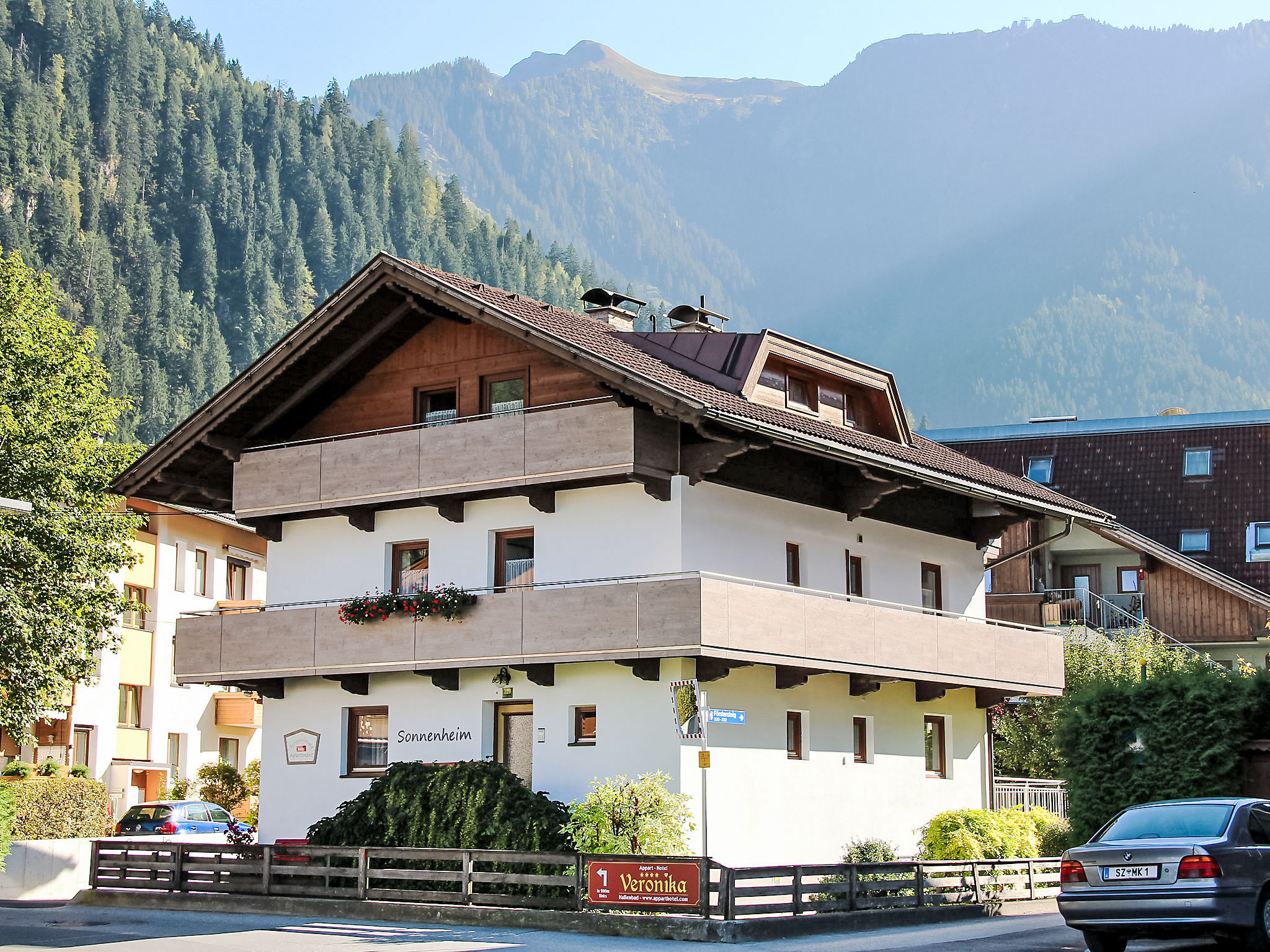
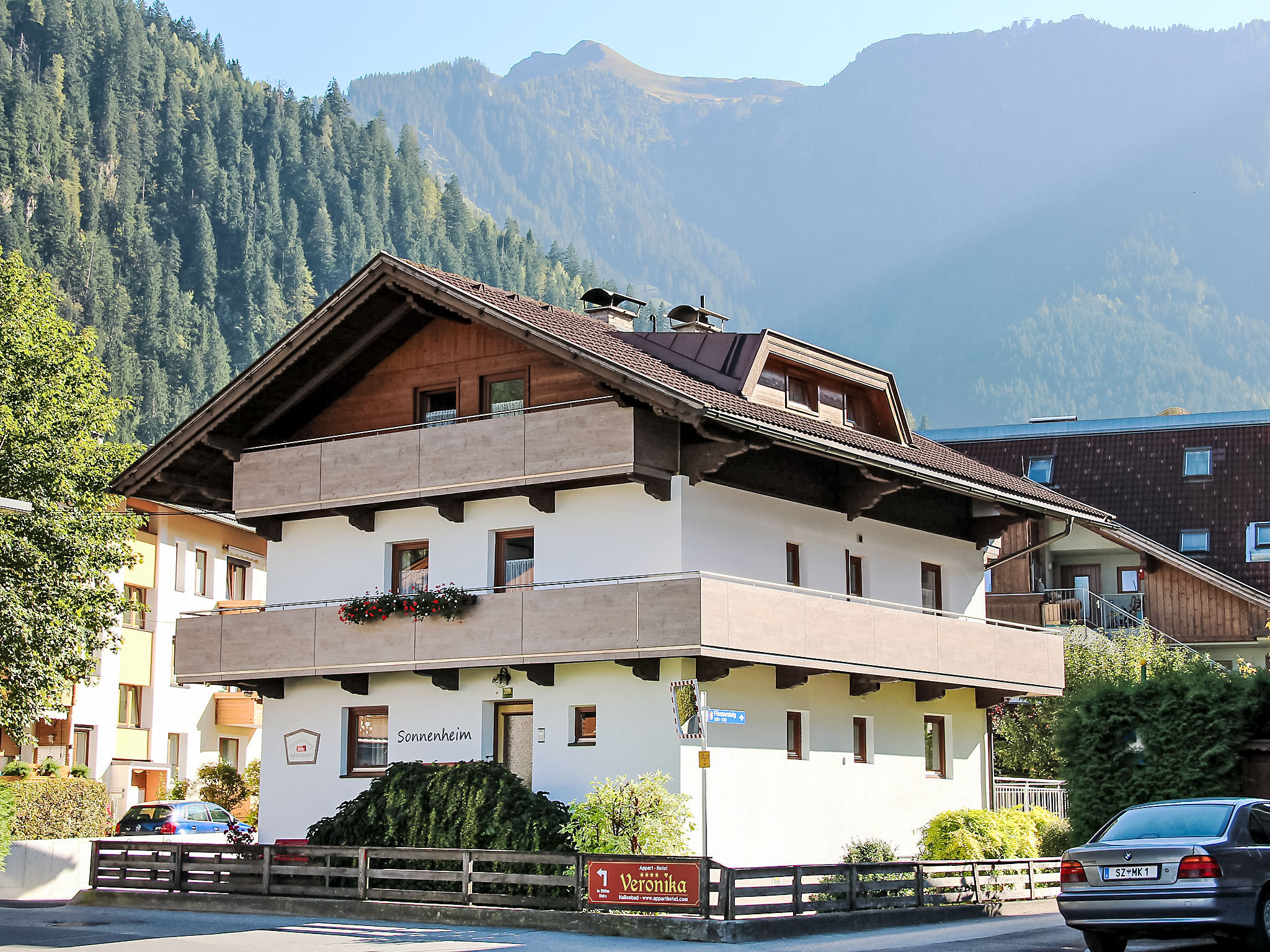
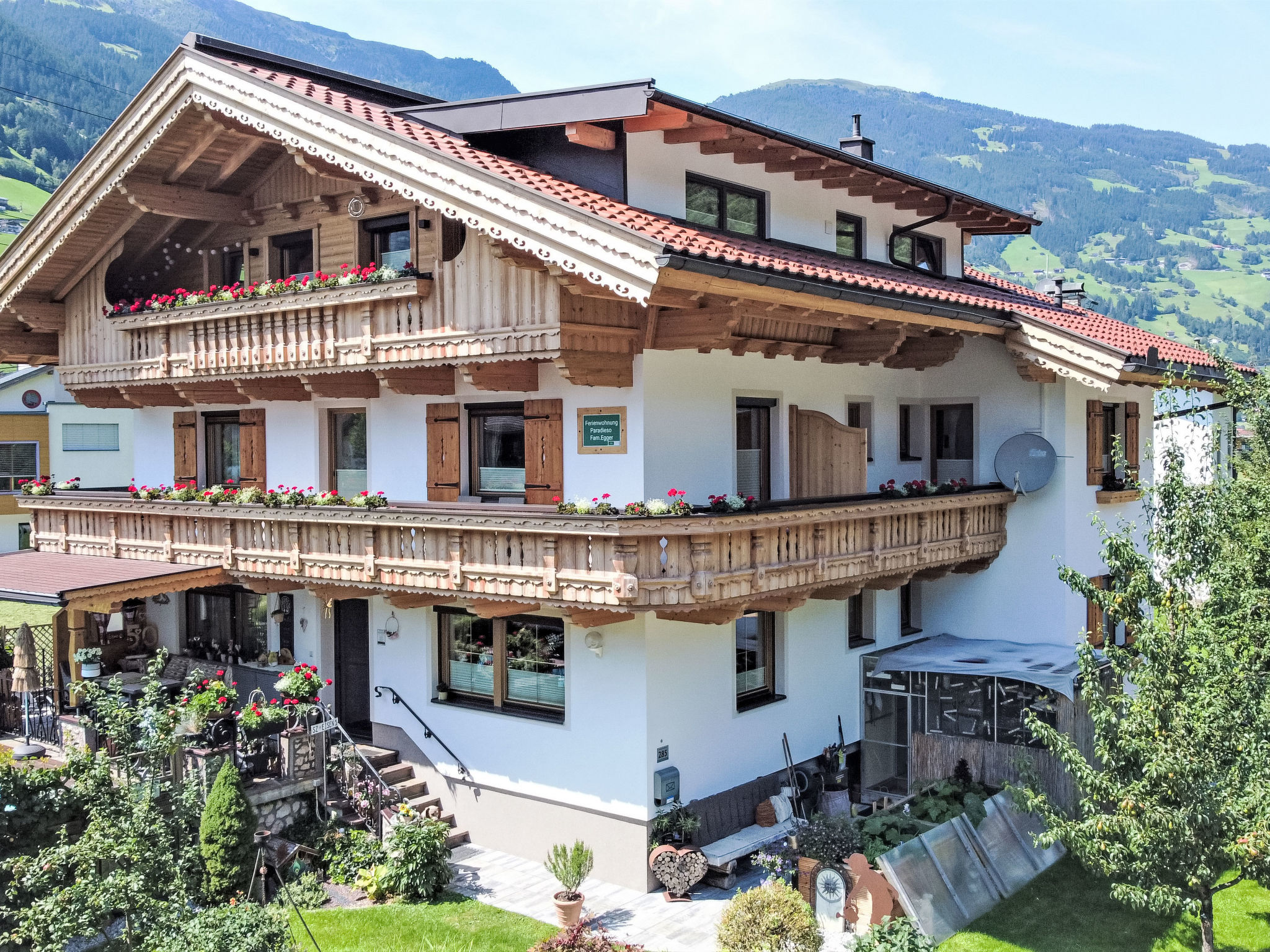
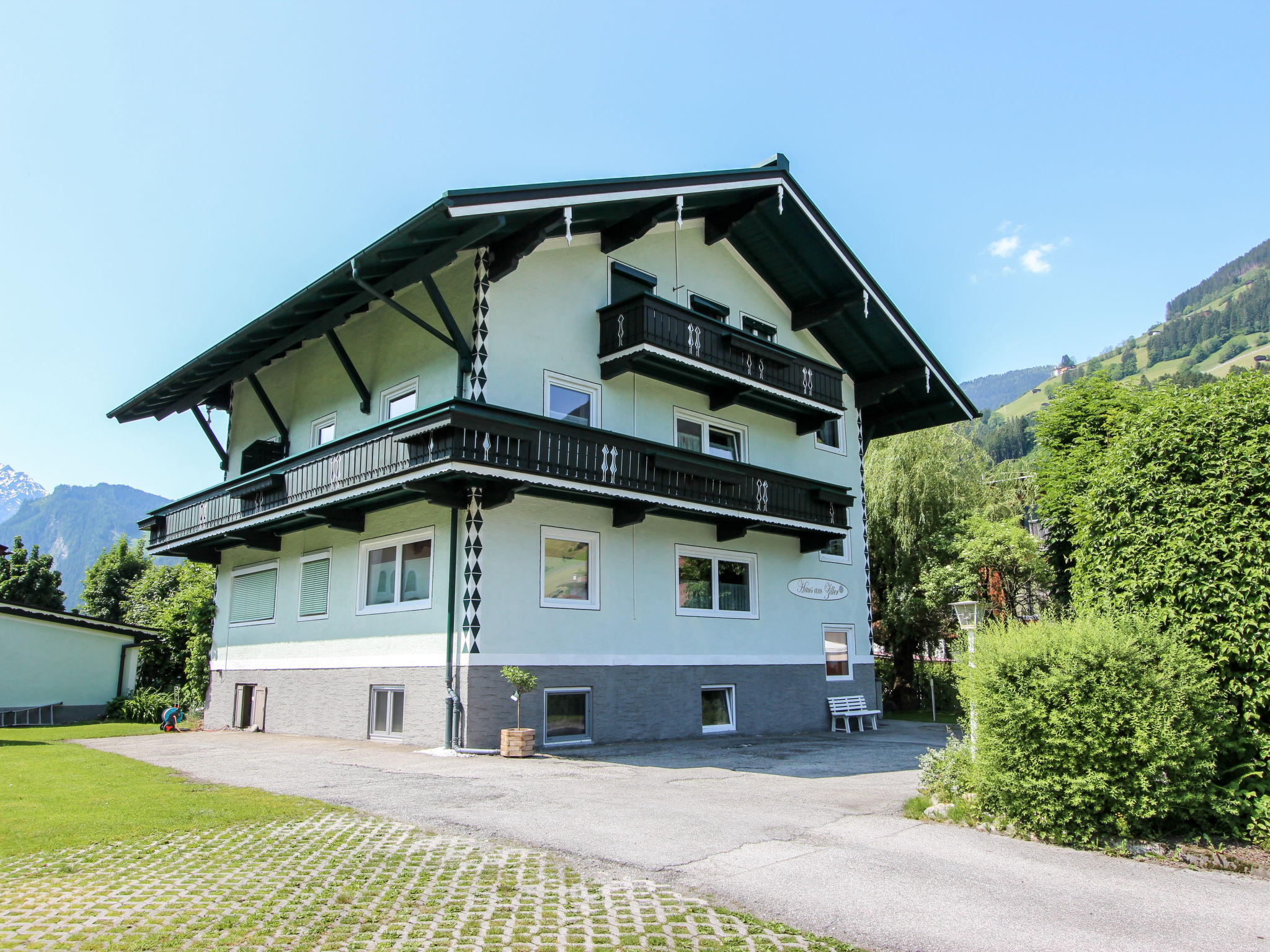
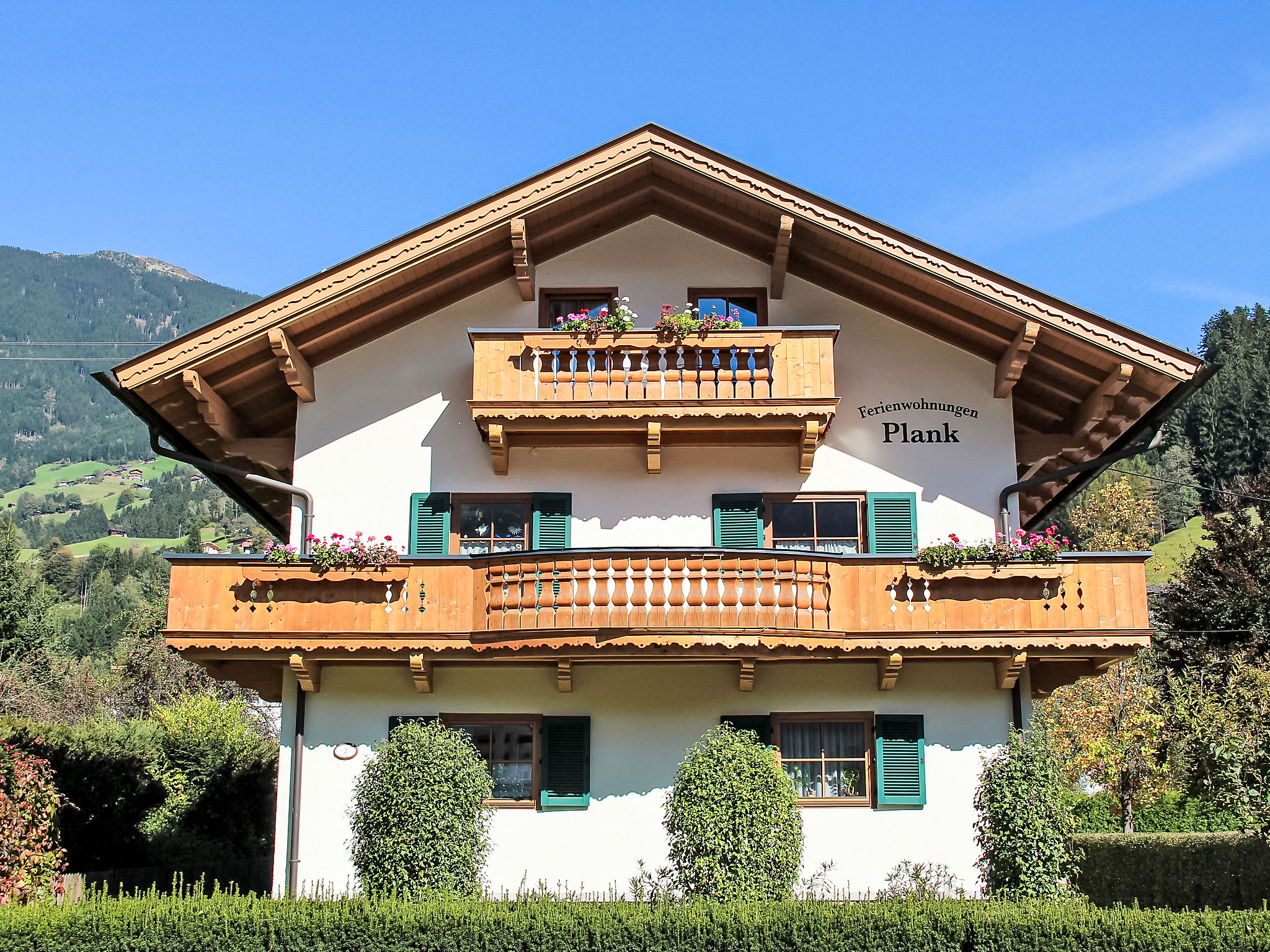
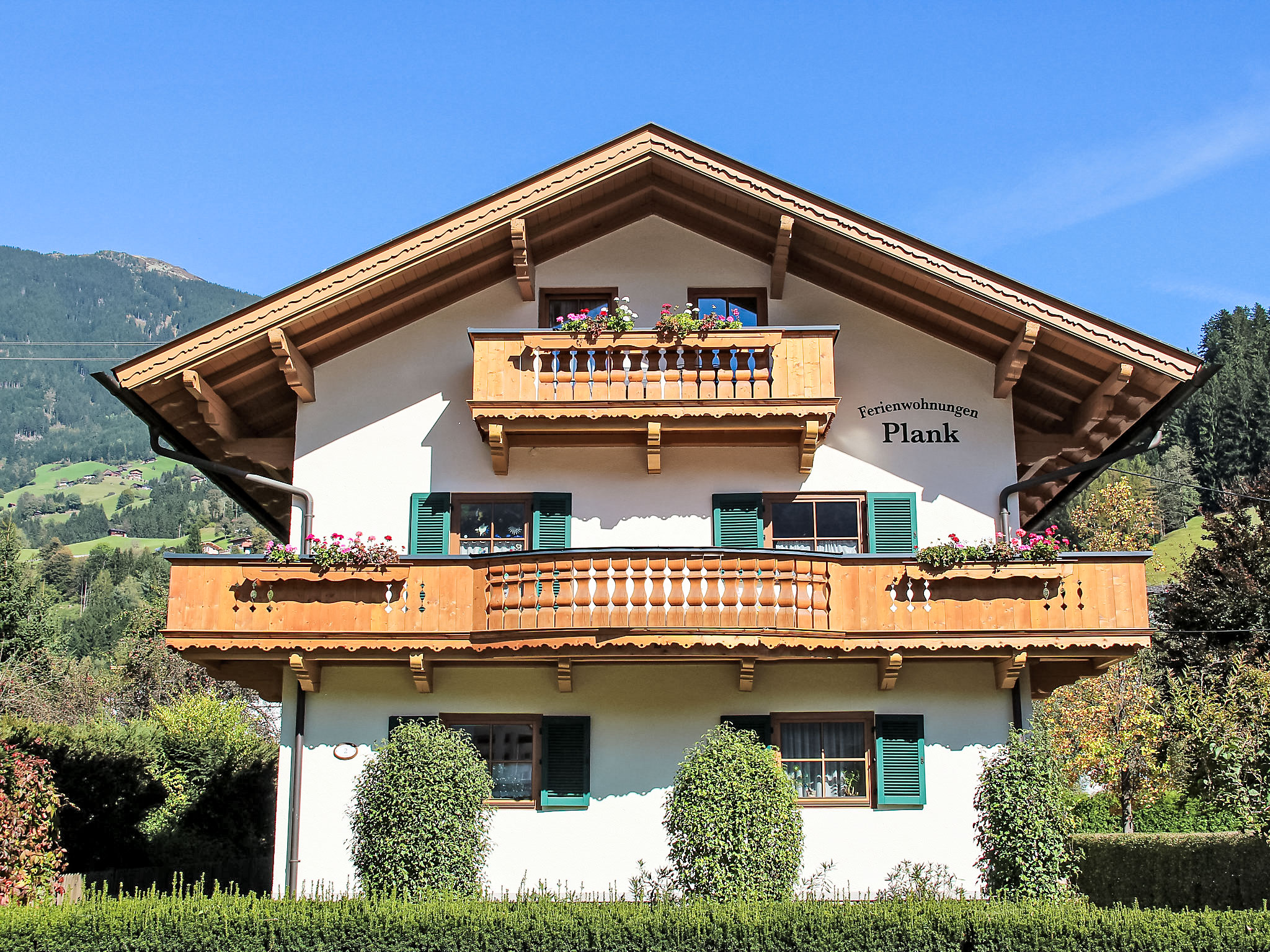
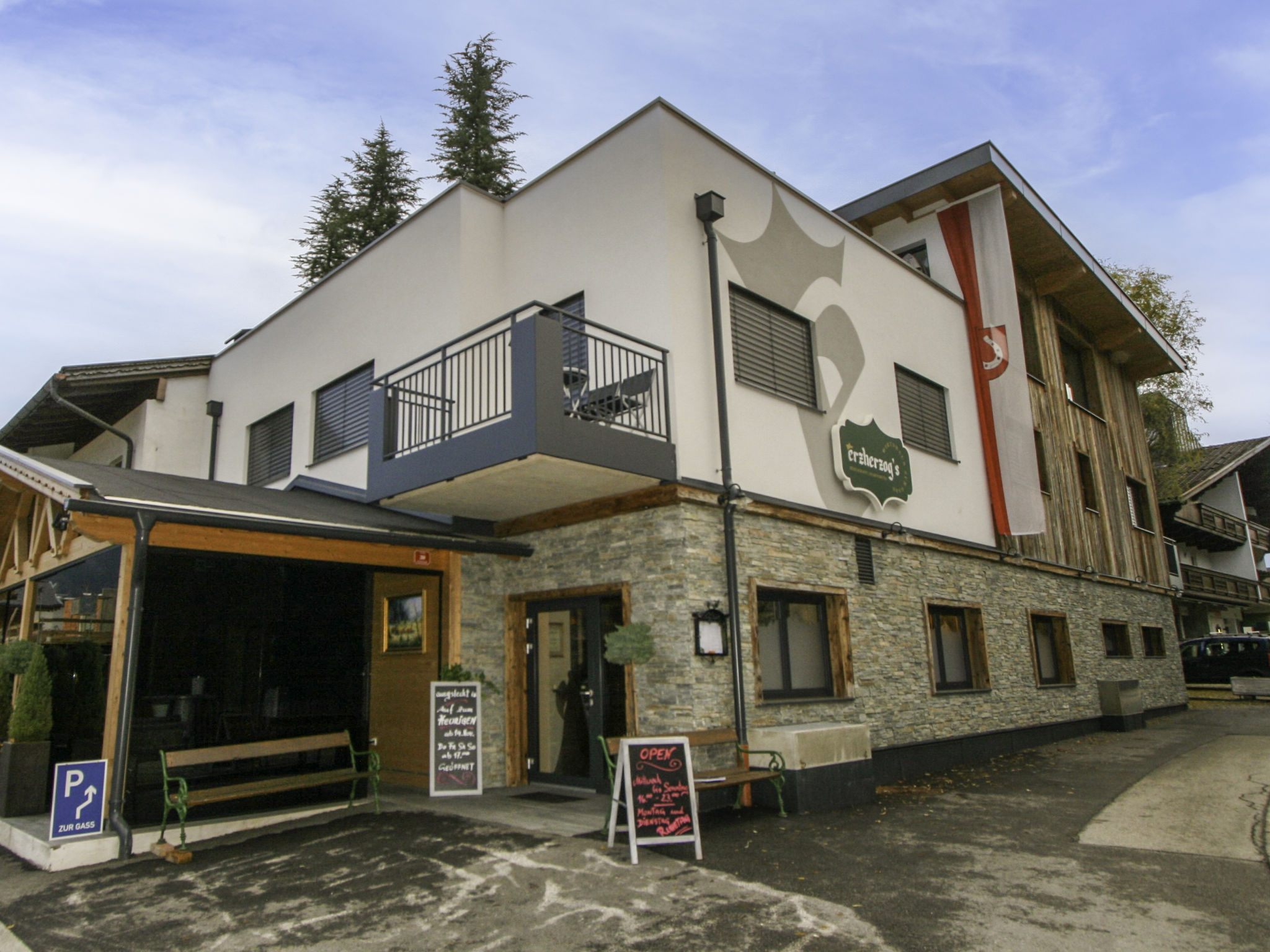
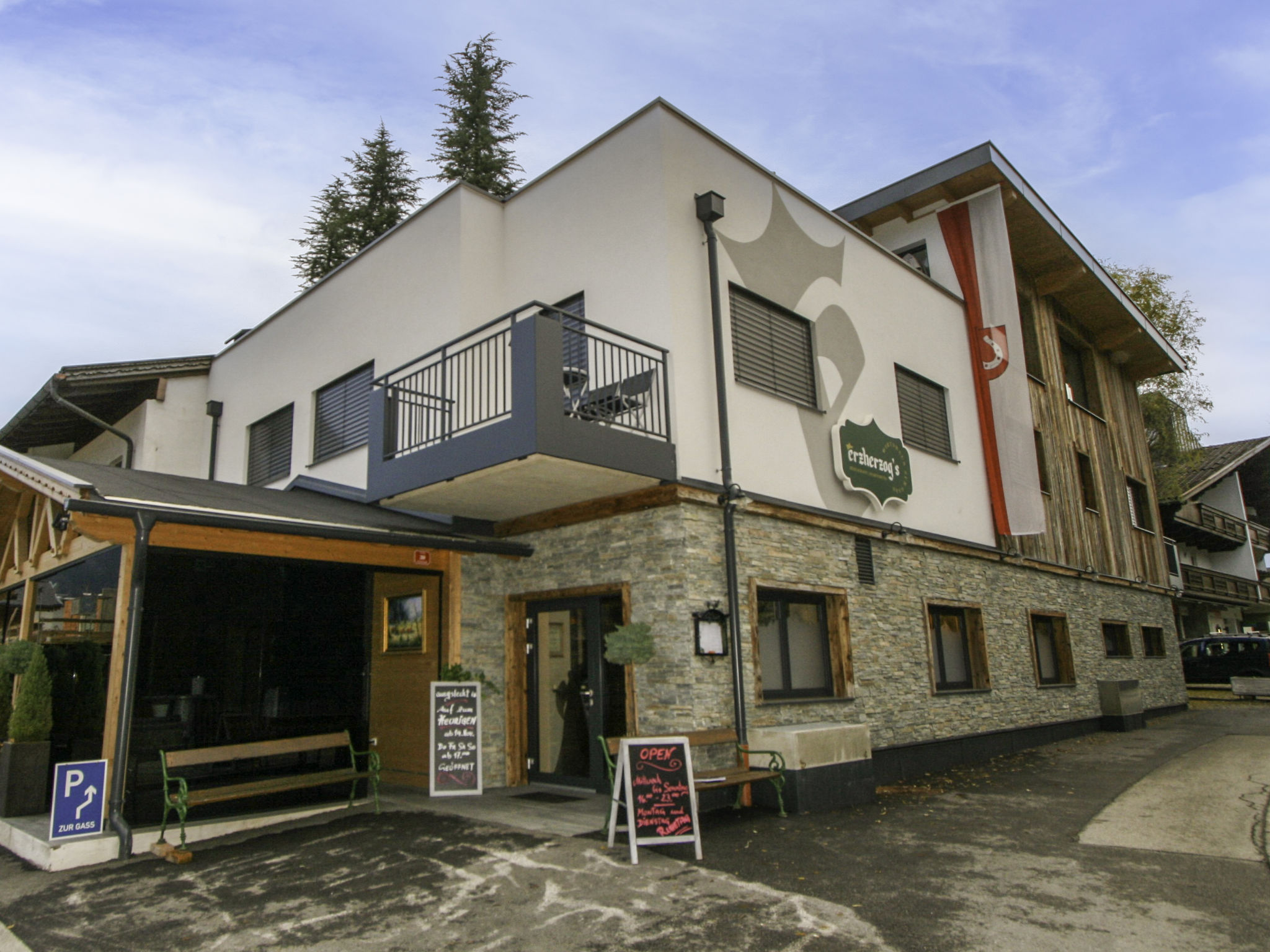
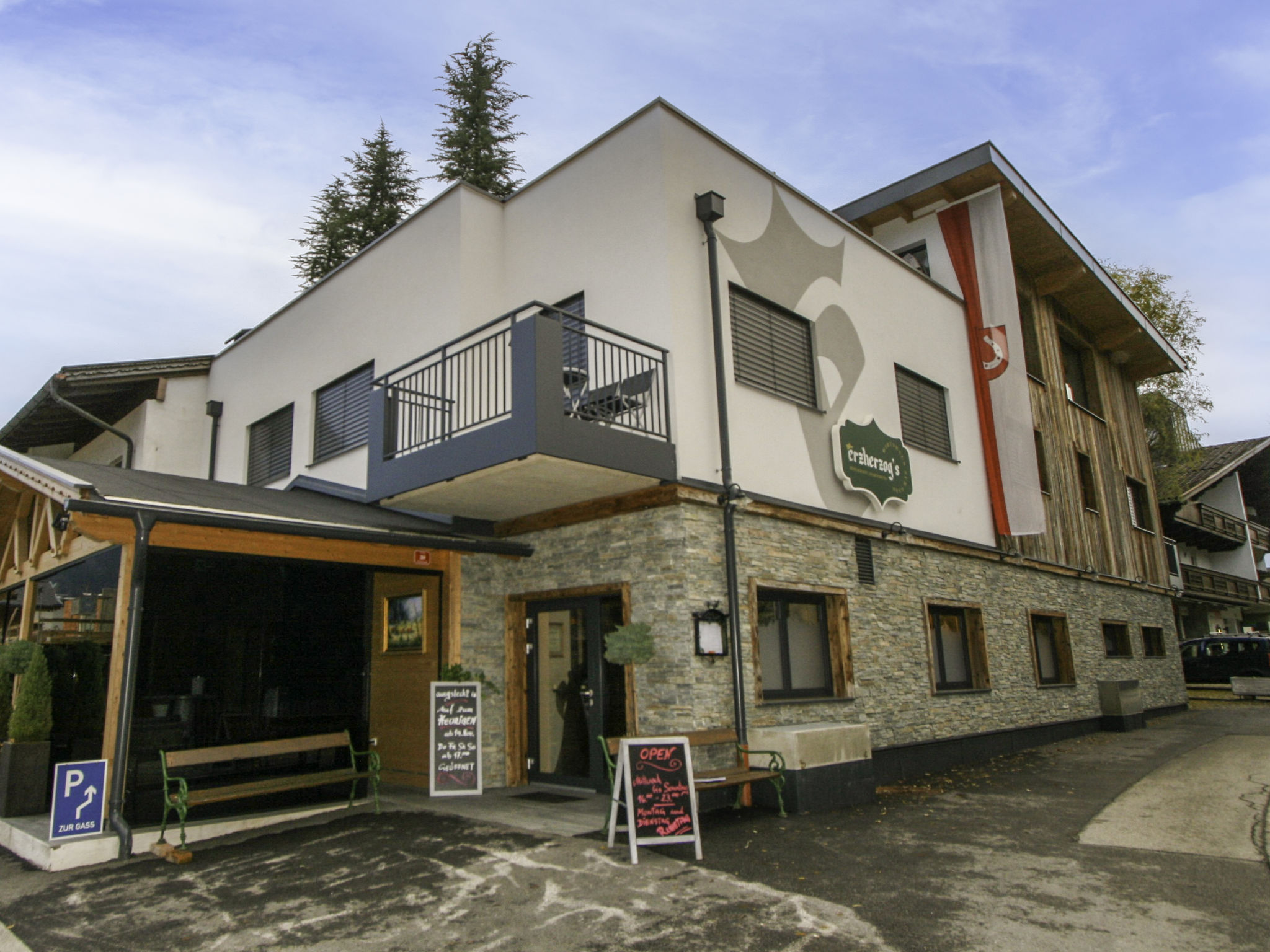
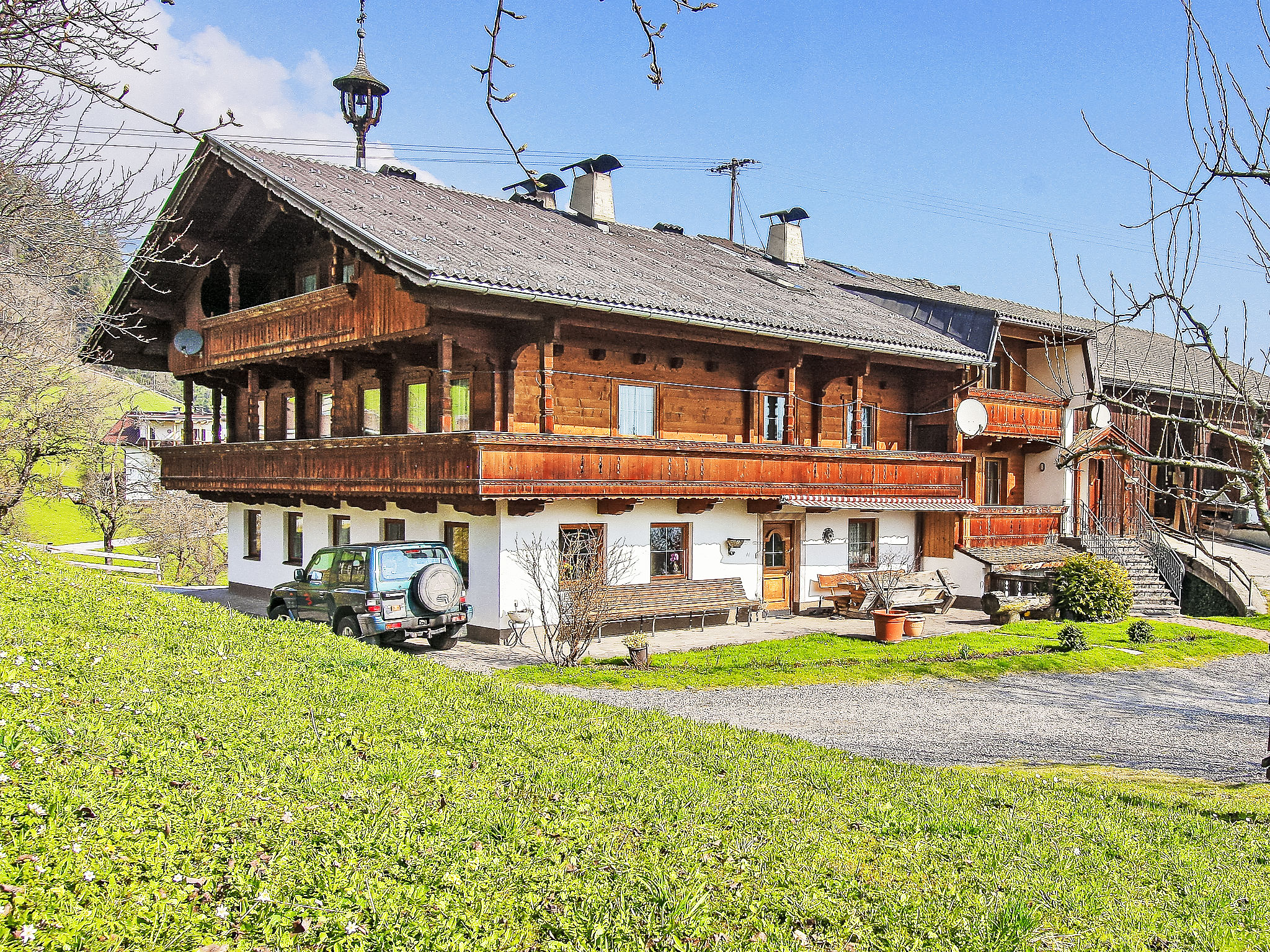
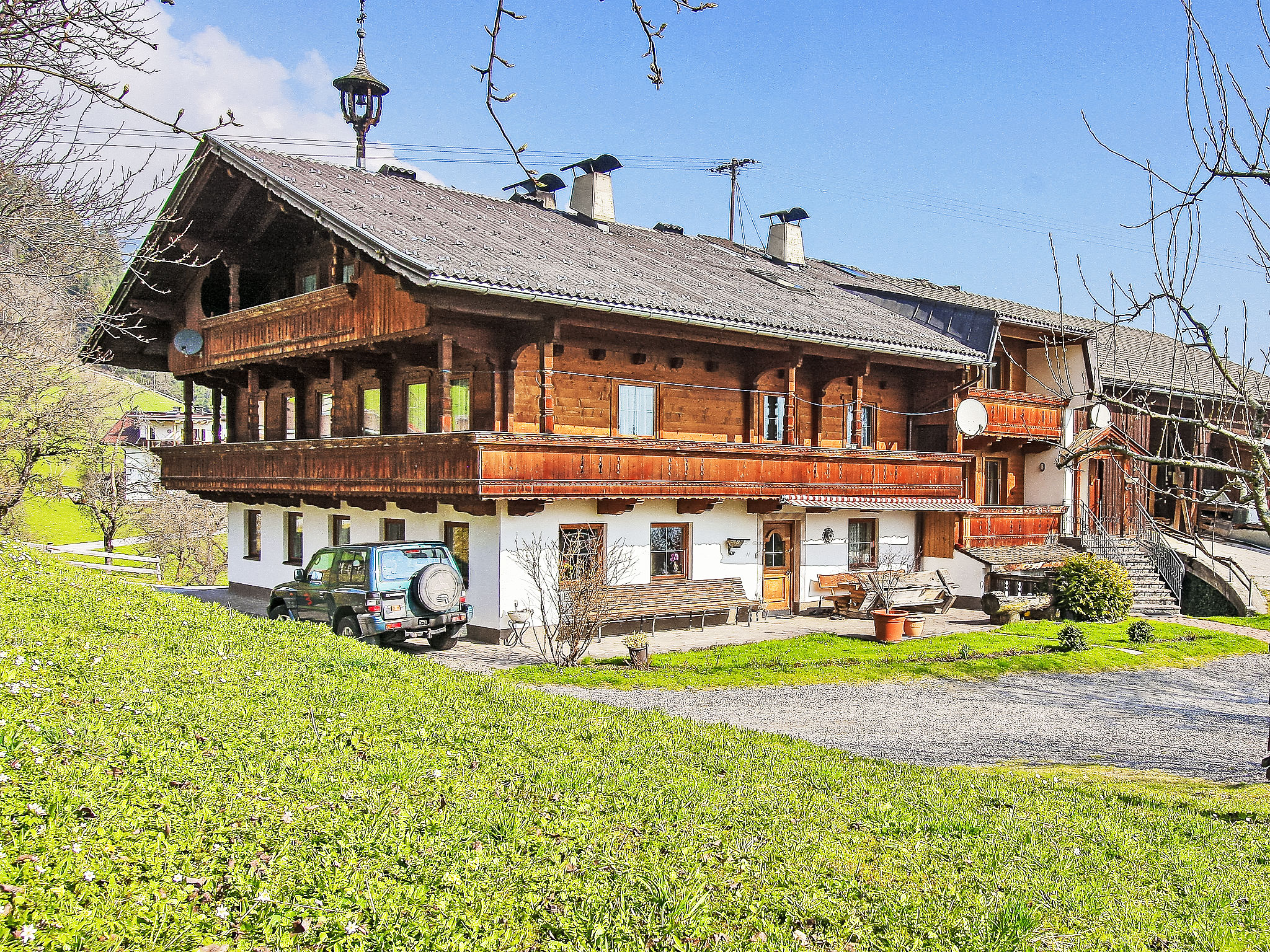
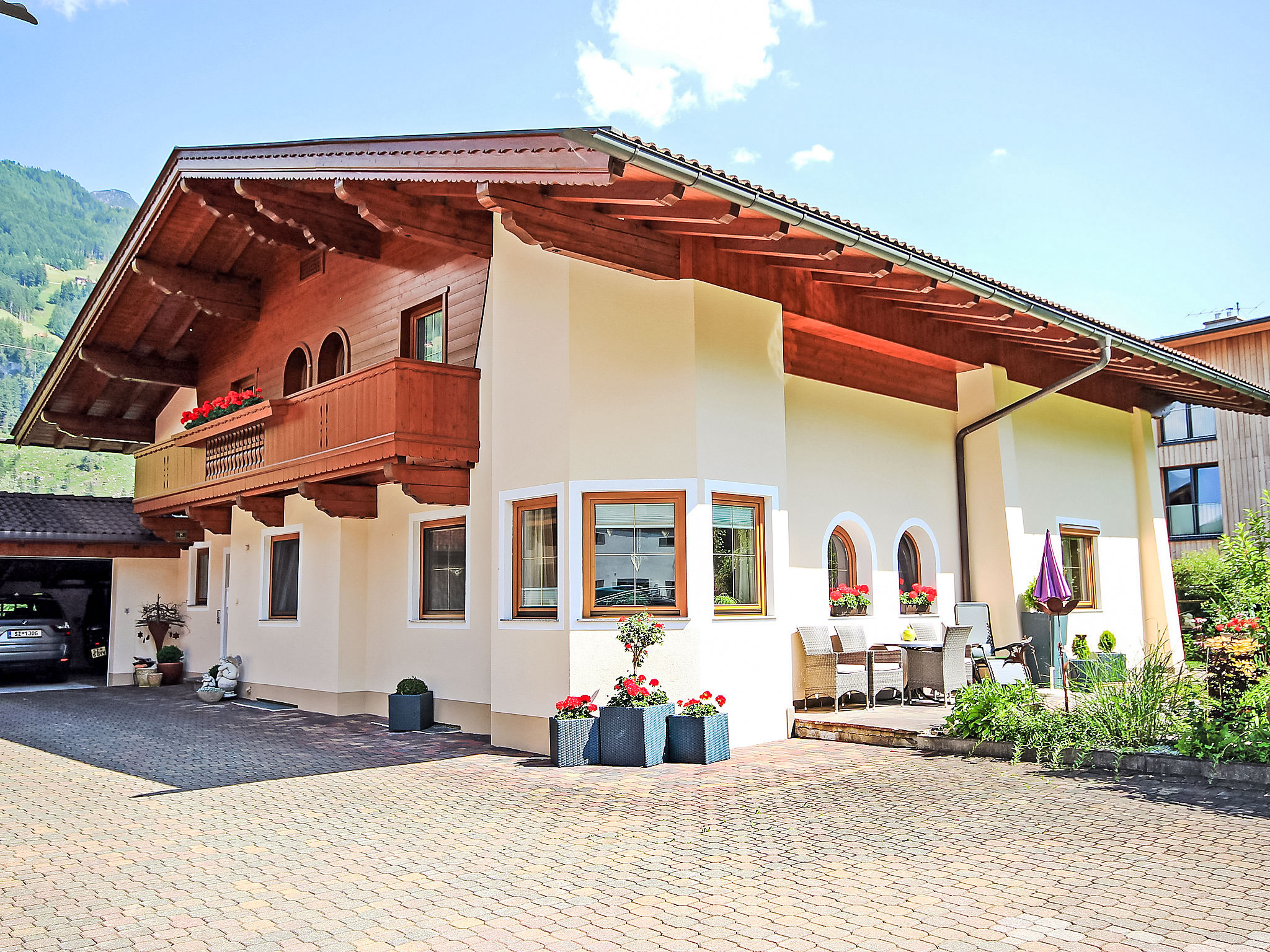
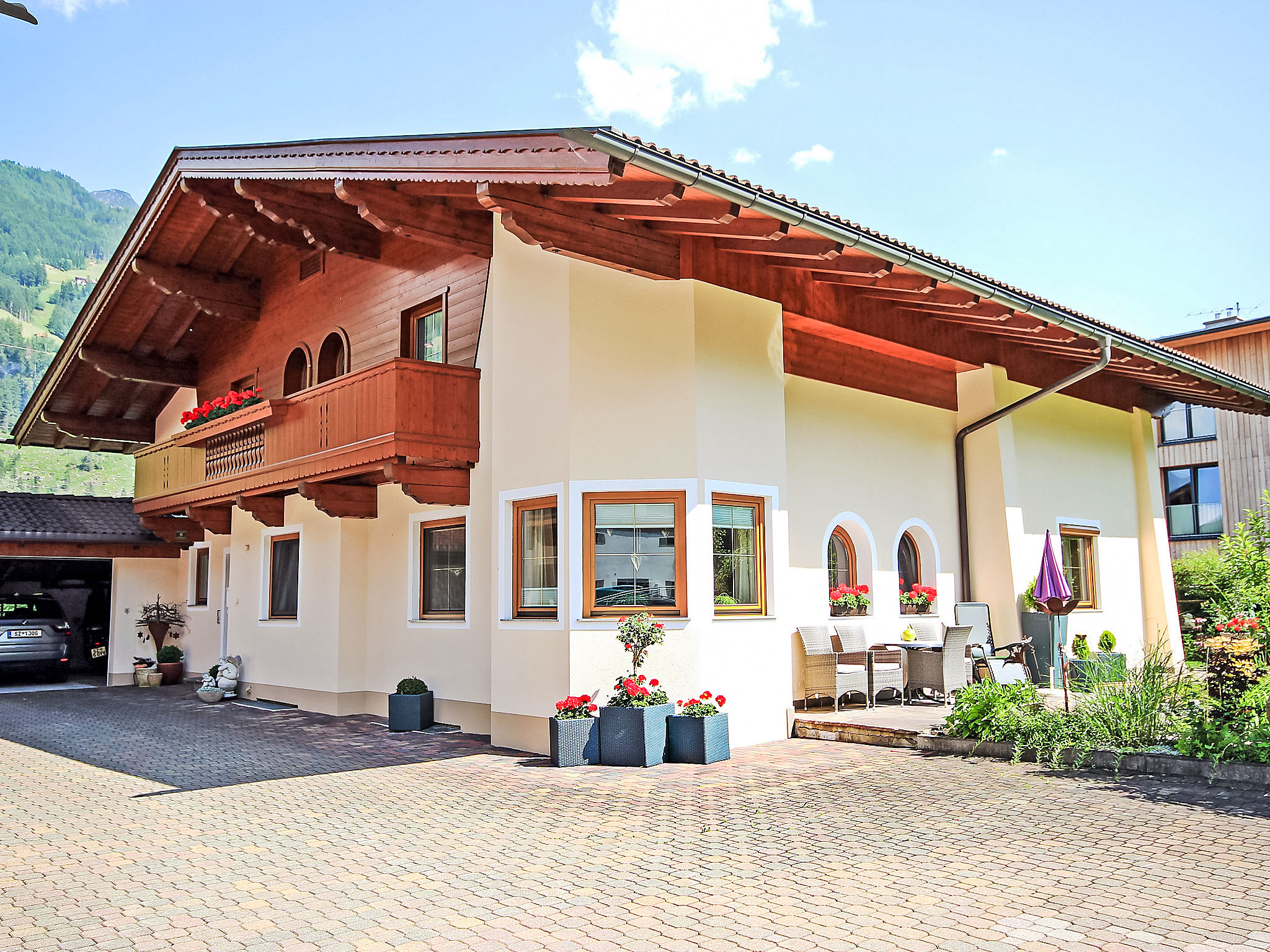
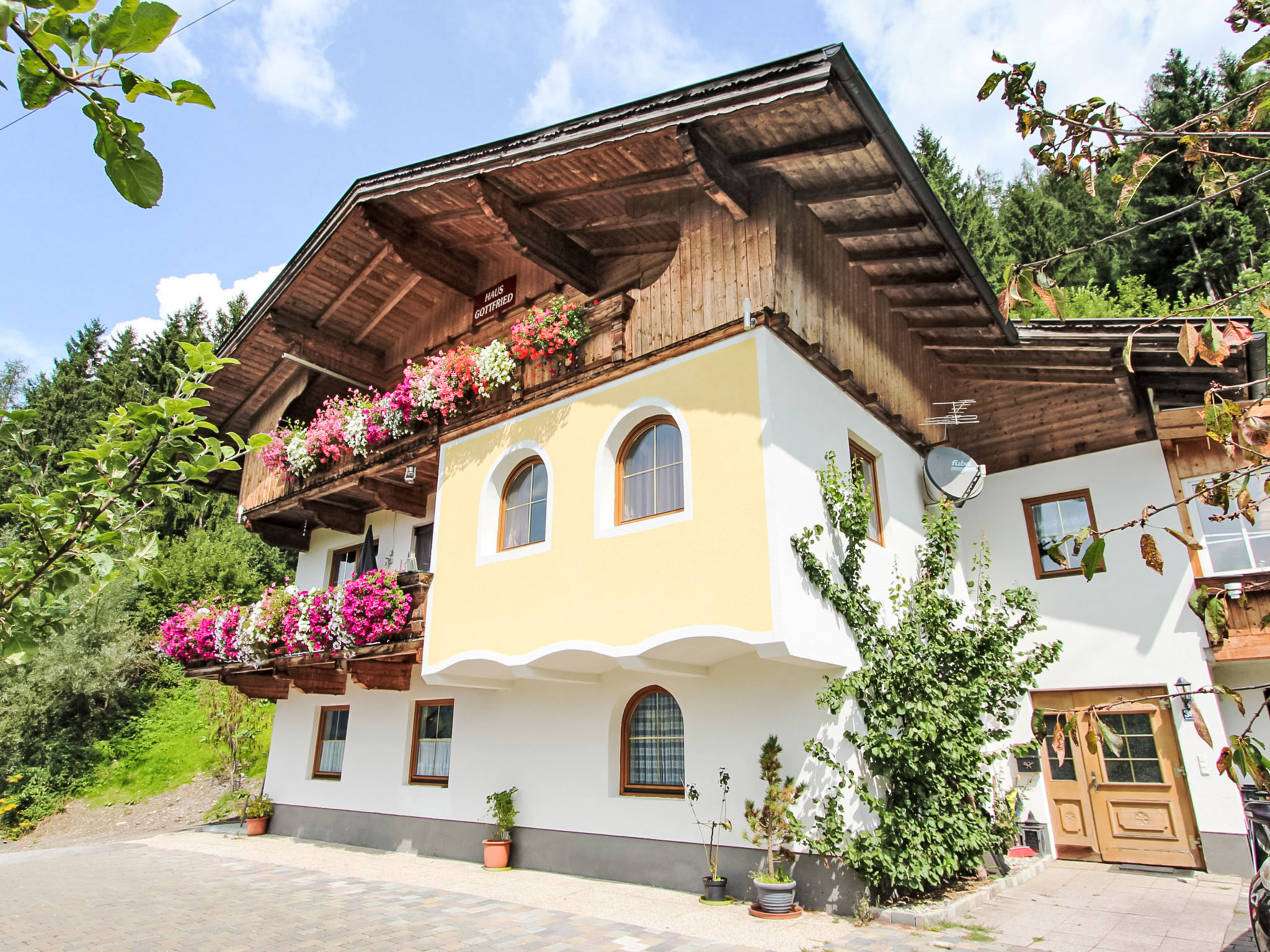
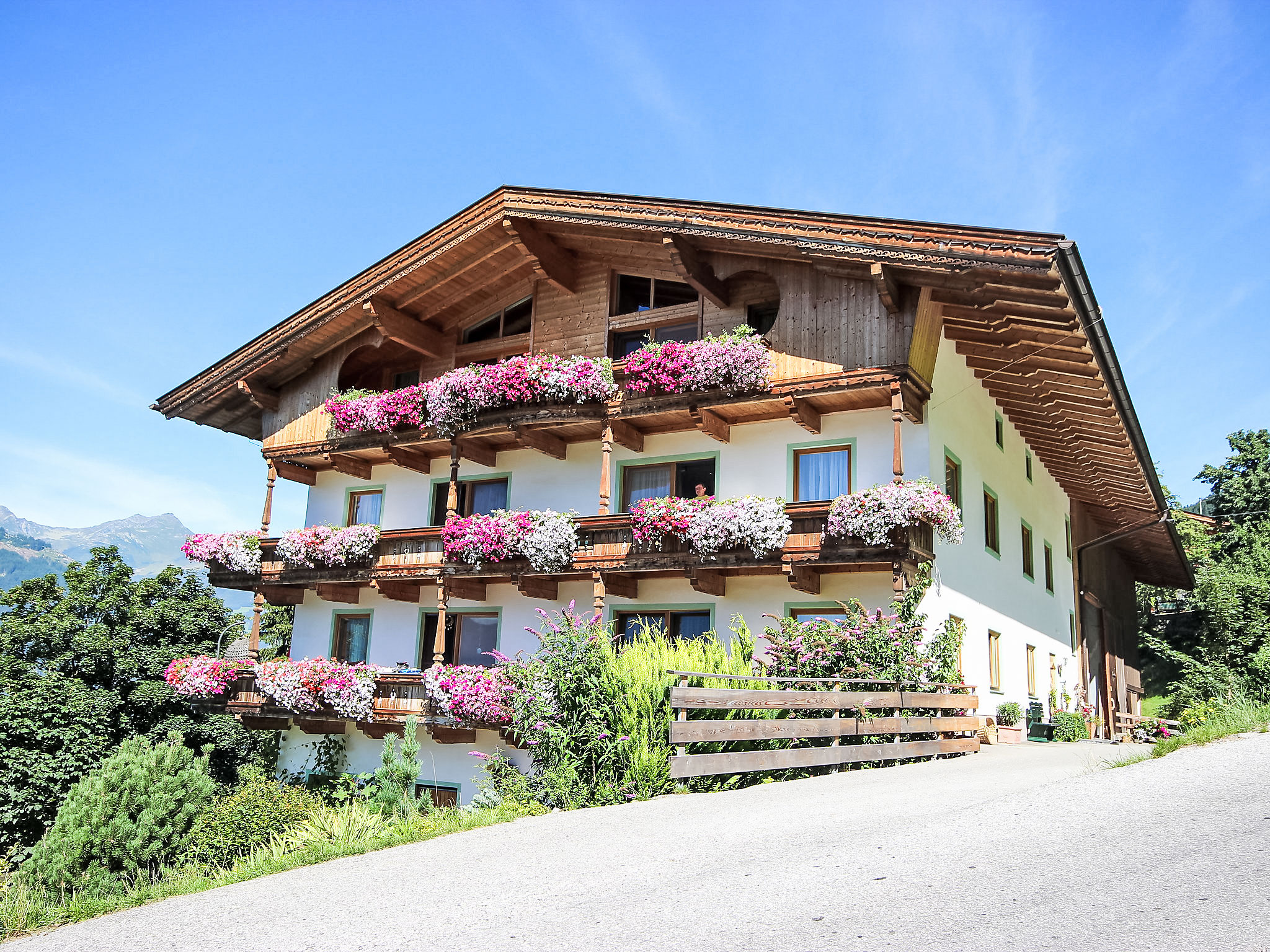
Zillertal has earned its reputation as Austria's hiking heartland through sheer sustained relentlessness—the valley runs 40km north-south with 344km of maintained trails branching upward. Villas scatter at various altitudes: valley-floor properties sit within earshot of towns and restaurants, while higher settlements deliver genuine silence and morning mist rolling through meadows. The valley creates its own climate—summer (June-September) feels reliably warm (20-25°C), with afternoon thunderstorms clearing quickly. Winter runs November-April with consistent snow above 1,200m. What makes Zillertal distinct from neighbouring Ötztal is accessibility—the hiking culture remains welcoming to mixed abilities, not just alpine specialists. You'll find family-friendly 2-4 hour loops alongside serious ridge traverses. Villas cater broadly: active families, couples, groups mixing fitness levels.
What Makes Zillertal Special
- 344km of signed hiking routes: More maintained trails per square metre than anywhere else in Austria; colour-coded difficulty means real route choice, not just "hard or harder".
- Glacier access without Ötztal intensity: Hintertux Glacier (3,628m) sits at the valley's head; summer skiing possible without serious mountaineering credentials.
- Traditional accommodation ecosystem: Gasthöfe, mountain huts, and family-run villas blend hospitality culture. Owners often appear with insider advice rather than vanishing after key handover.
- Relatively undercrowded May-June and September: Peak season (July-August) brings hikers; shoulder seasons offer identical weather with genuine solitude on many trails.
- Robust village infrastructure: Unlike truly remote valleys, Zillertal towns (Mayrhofen, Zell) offer supermarkets, doctors, schools, and restaurants daily. No supply anxiety for self-catering families.
Top Towns & Resorts in Zillertal
Mayrhofen
Mayrhofen anchors the lower valley as the region's commercial hub. Dual gondolas, ski resort infrastructure, restaurant density. Summer Mayrhofen buzzes with mountain bikers, hikers, paragliders, and families seeking event-culture. The compact town centre retains traditional architecture (steep-roofed farmhouses, church spire) despite tourism development. Villas near Mayrhofen trade absolute seclusion for easy restaurant access, events, and shops. Caveat: main-road properties hear traffic mid-morning through evening; request quieter side roads when booking. The pedestrian zone stays free of vehicles, though tourist crowds intensify July-August. Shoulder seasons (May-June, September) feel manageable without mid-summer congestion.
Zell am Ziller
Zell sits roughly mid-valley, quieter than Mayrhofen but equally lively in summer. The town feels more Tyrolean village than resort. Traditional shops, family-run bakeries, genuine resident population beyond seasonal workers. Church festivals and farmers' markets feel local rather than tourist-targeted. Hiking access is direct (good base for easy valley walks), and restaurant quality rivals Mayrhofen without quite the price markup. Villas here range from converted farmhouses (more charm, older utilities) to modern builds (consistent comfort). Caveat: the valley road runs through town mid-journey, creating periodic traffic noise. Request properties set back from main road. Zell suits couples and smaller groups valuing authenticity over resort amenities.
Find Villas in Zell am Ziller →
Längenfeld
Längenfeld marks the valley's upper transition zone. Altitude begins affecting climate noticeably (cooler summers, earlier snow). The town remains unpretentious, with family businesses and working farmers visible. Hiking intensity increases here: nearby Ötztal connection means serious ridges become day-trip feasible. Villas scatter through surrounding meadow-lands; many feature sauna and outdoor hot-tub options (cooler nights warrant these). Village infrastructure remains solid (shops, restaurants) but with reduced late-night amenities. Caveat: late August through September sees occasional afternoon thunderstorms (brief, intense); pack waterproofs. The quieter setting suits those tiring of Mayrhofen's constant activity.
Tux
Tux perches at the valley head (1,290m), genuinely Alpine in feel and atmosphere. The village is tiny. A church, a school, a handful of shops. But hiking saturates the landscape. Skiing (via Hintertux Glacier) runs summer and winter, making this Austria's most year-round-active location. Villas here attract serious hikers and skiers; casual tourists feel out of place. Summer nights run genuinely cool (10-12°C), demanding heating comfort. Winter brings reliable heavy snow and avalanche culture. This isn't gentle valley skiing. Caveat: summer season shortens (June-September peak only), winter requires avalanche awareness, and autumn transitions are brief and unpredictable. Only suitable for active, well-equipped families and groups.
Aschau
Aschau sits mid-valley on the valley's eastern flank. Genuinely quiet alternative to busier Mayrhofen-Zell axis. The village remains genuinely working, with agriculture visible in surrounding meadows. Hiking access is good (most trails are less crowded than valley-floor equivalents), and views across the valley dominate villa vistas. Summer temperatures range 18-24°C (slightly cooler than valley floor due to altitude). Restaurants lean authentic over tourist-focused. Villas here often feature more character. Converted farmhouses with traditional elements. And cost 10-20% less than Mayrhofen equivalents. Caveat: limited late-night dining and shopping requires early evening planning. Best for couples and self-catering families who enjoy quiet and aren't seeking nightlife or heavy commerce.