Villas in Heiligenblut
Heiligenblut suits walkers, drivers and skiers who want a holiday home at the foot of the Grossglockner, Austria's highest mountain. The village sits at the southern start of the Grossglockner High Alpine Road and has its own ski area. It is a long way from any airport, and evenings are quiet.
- Villas
- 7
- From, per week
- £313
About Heiligenblut
Heiligenblut is a mountain village of around a thousand people at about 1,300 metres in the High Tauern. The Gothic pilgrimage church of St Vincent, with its prominent spire, is the village landmark, and the Holy Blood relic that gave the village its name is kept in a sacrament house there. The homes are in and just around the village. Evenings are low-key. In summer the village is the southern gateway to the alpine road (opened in 1935). Most homes sleep four to six, with a few larger ones, and some have a fireplace; check each listing.
Is Heiligenblut right for you?
- Best for
- Alpine hikers, road-trippers and skiers wanting a quieter village base
- Not for you if
- You want lakes, nightlife or a short airport transfer, because Heiligenblut is a two-hour drive from Klagenfurt with little to do after dark.
Near Heiligenblut
Kaiser-Franz-Josefs-Höhe
Visitor centre at the end of a spur off the Grossglockner High Alpine Road, looking across to the Pasterze glacier.
Edelweißspitze
A short dead-end spur off the Grossglockner High Alpine Road leads up to this viewpoint at about 2,570 metres.
Apriach mills
The Apriacher Stockmühlen are a group of nine flume mills at Apriach, one of the sights in the Heiligenblut area.
Getting to Heiligenblut
Fly to Klagenfurt: from the city it is about two hours to Heiligenblut by car. Public transport is a train to Spittal-Millstätter See, then bus 100 to the cable car station in Heiligenblut. A car is far easier, especially if you plan to drive the alpine road.
When to go to Heiligenblut
Summer is the main season: the Grossglockner High Alpine Road normally opens at the beginning of May and closes at the beginning of November, and it shuts overnight. Outside those months the pass is closed and Heiligenblut turns into a ski village, with lifts running up to the Schareck.
Villas in Heiligenblut

4-star property
Glockner
Heiligenblut, Carinthia, Austria
6
3
0
DishwasherFireplaceMicrowave+9 more
from£142
per night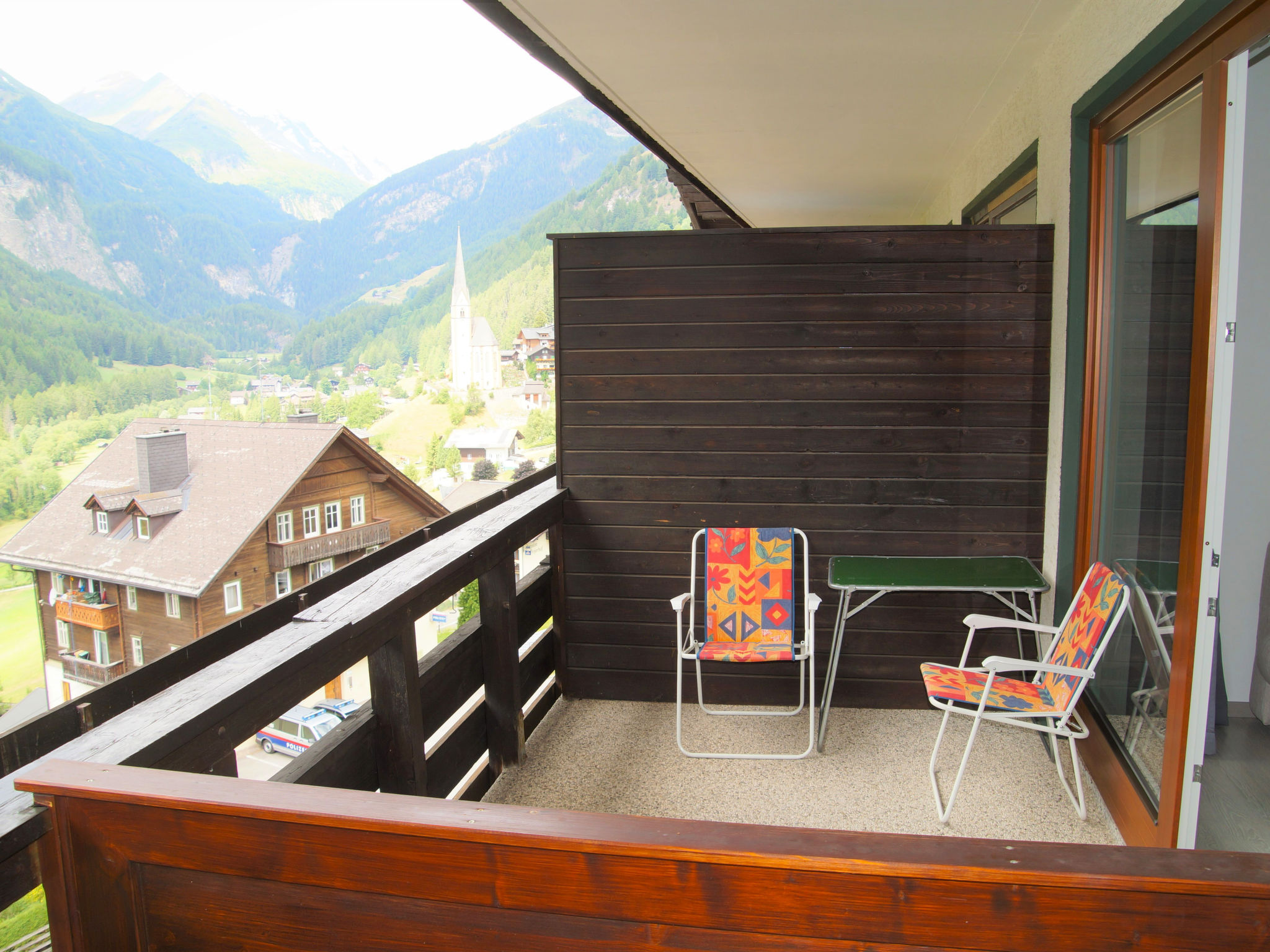
3-star property

4-star property
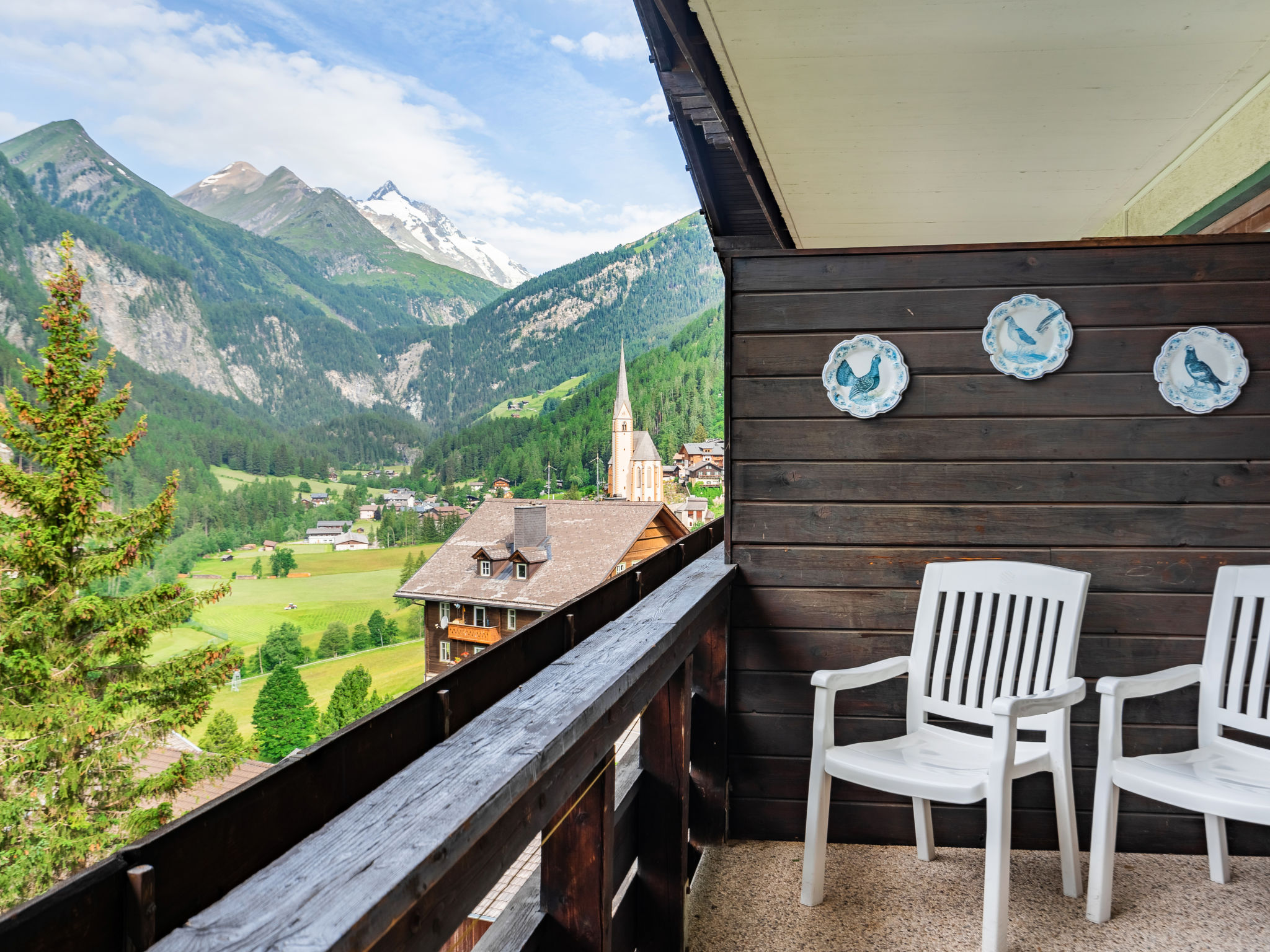
3-star property
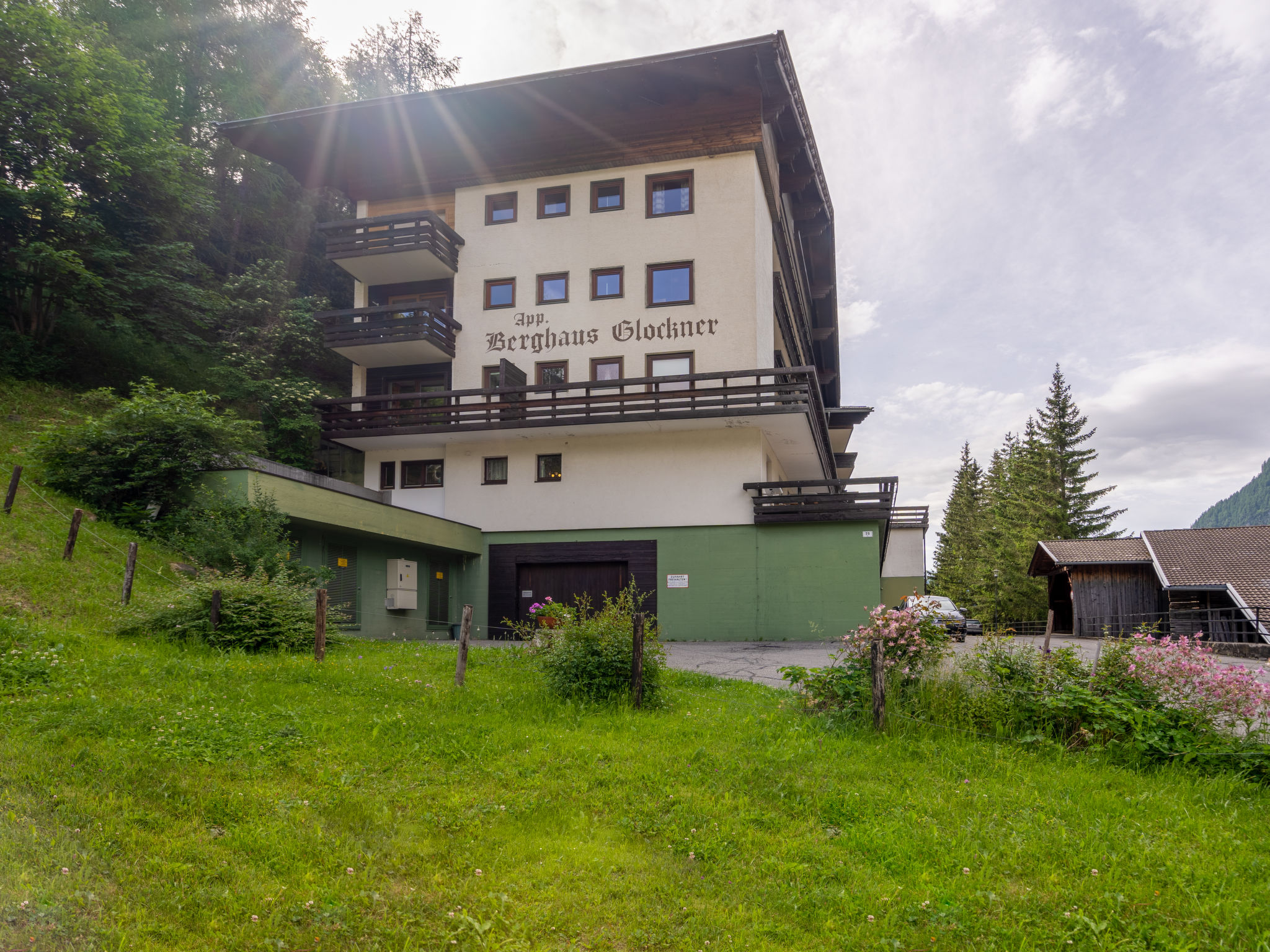
3-star property
Top 49A
Heiligenblut, Carinthia, Austria
3
1
0
ParkingFridgeNon-Smoking+1 more
from£53
per night
3-star property
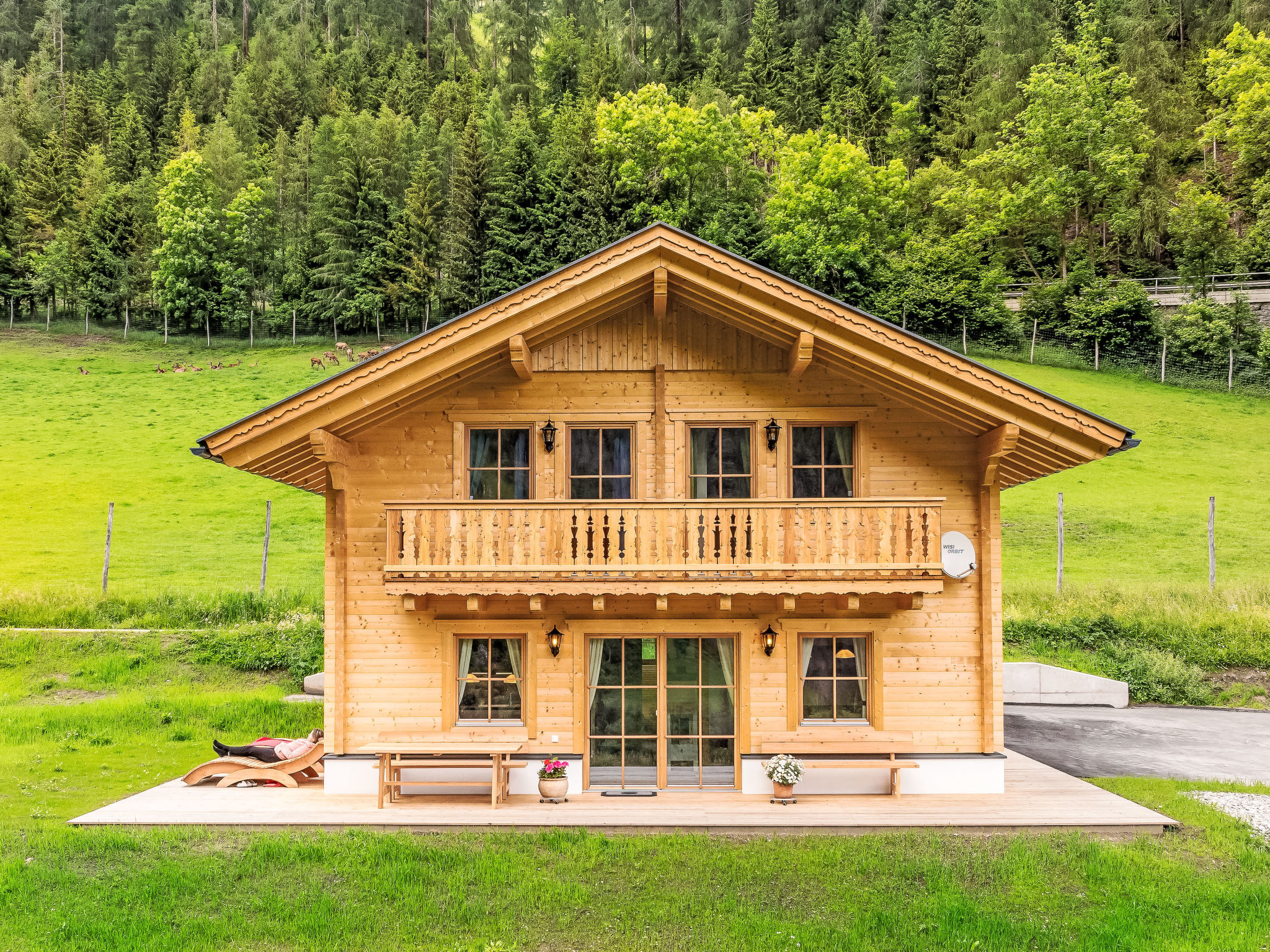
4-star property
Glockner
Heiligenblut, Carinthia, Austria
6
3
0
DishwasherFireplaceMicrowave+10 more
from£142
per nightHeiligenblut villa holidays: questions answered
Can you ski in Heiligenblut?
Yes. The Grossglockner/Heiligenblut ski area has about 55 km of slopes and 12 lifts, with gentle runs for beginners and families as well as harder pistes. The Schareck cable car climbs to about 2,600 metres.
When is the Grossglockner road open from Heiligenblut?
Normally from the beginning of May to the beginning of November. It is a toll road, it closes at night, and in snow you may need chains or a four-wheel-drive car to be allowed on, so check conditions on the day.
Why is Heiligenblut called Heiligenblut?
The name means Holy Blood. Legend says a knight called Briccius carried a flask of Holy Blood from Constantinople and was caught in an avalanche on his way back; the flask is kept in the Gothic pilgrimage church of St Vincent, built between 1460 and 1491.
Can you climb the Grossglockner from Heiligenblut?
Experienced mountaineers can, but none of the routes to the 3,798-metre summit is easy and most take one or two days. For the unmarked northern routes, take a specialist mountain guide. Walkers can reach the Oberwalderhütte in about six hours from the village.
Nearby towns to Heiligenblut
Written by the TrustedVillas team. Last reviewed November 2026.
Find Your Perfect Villa in Heiligenblut
Our villa experts are here to help you find the ideal property for your vacation. Contact us for personalized recommendations.