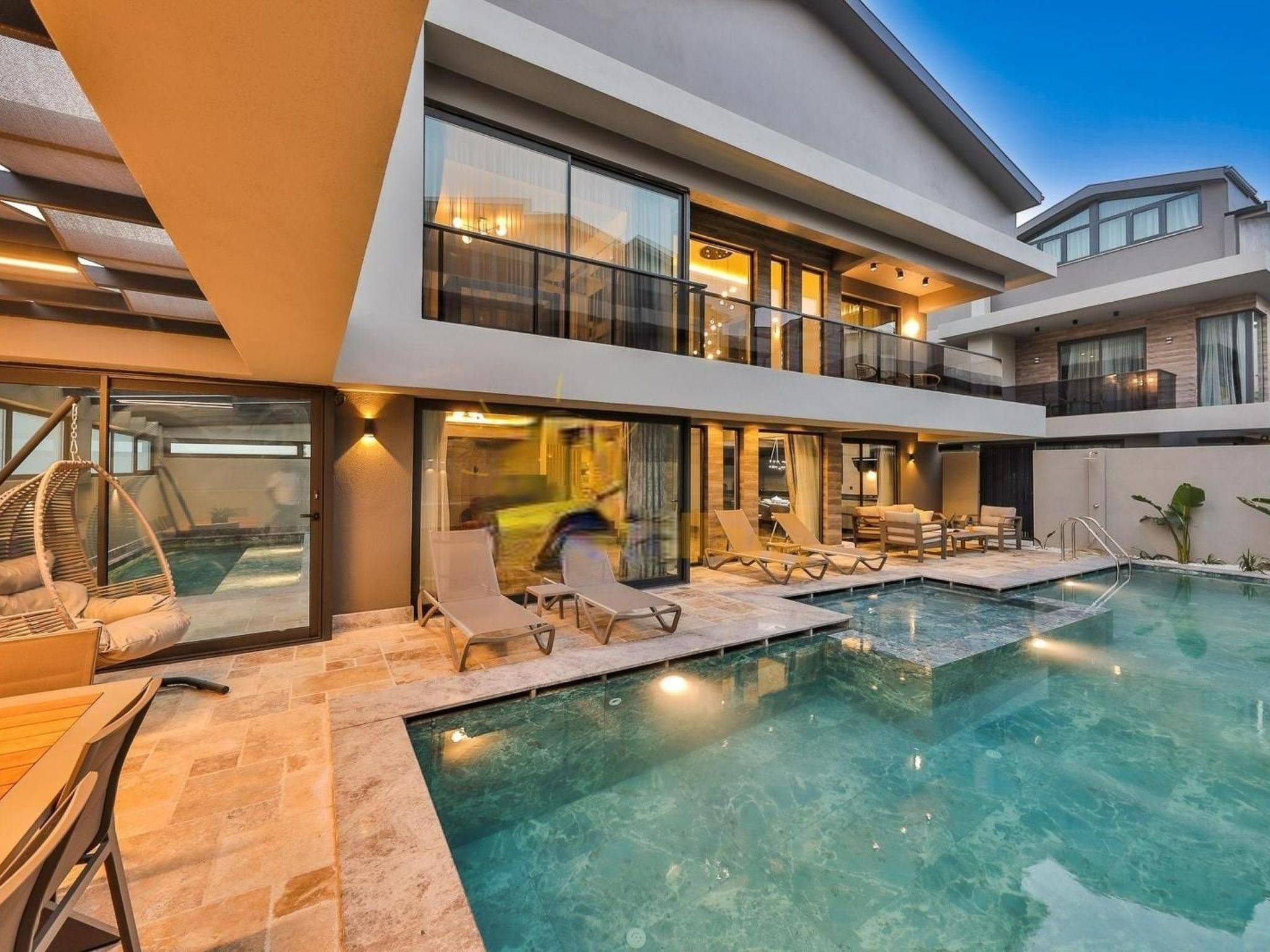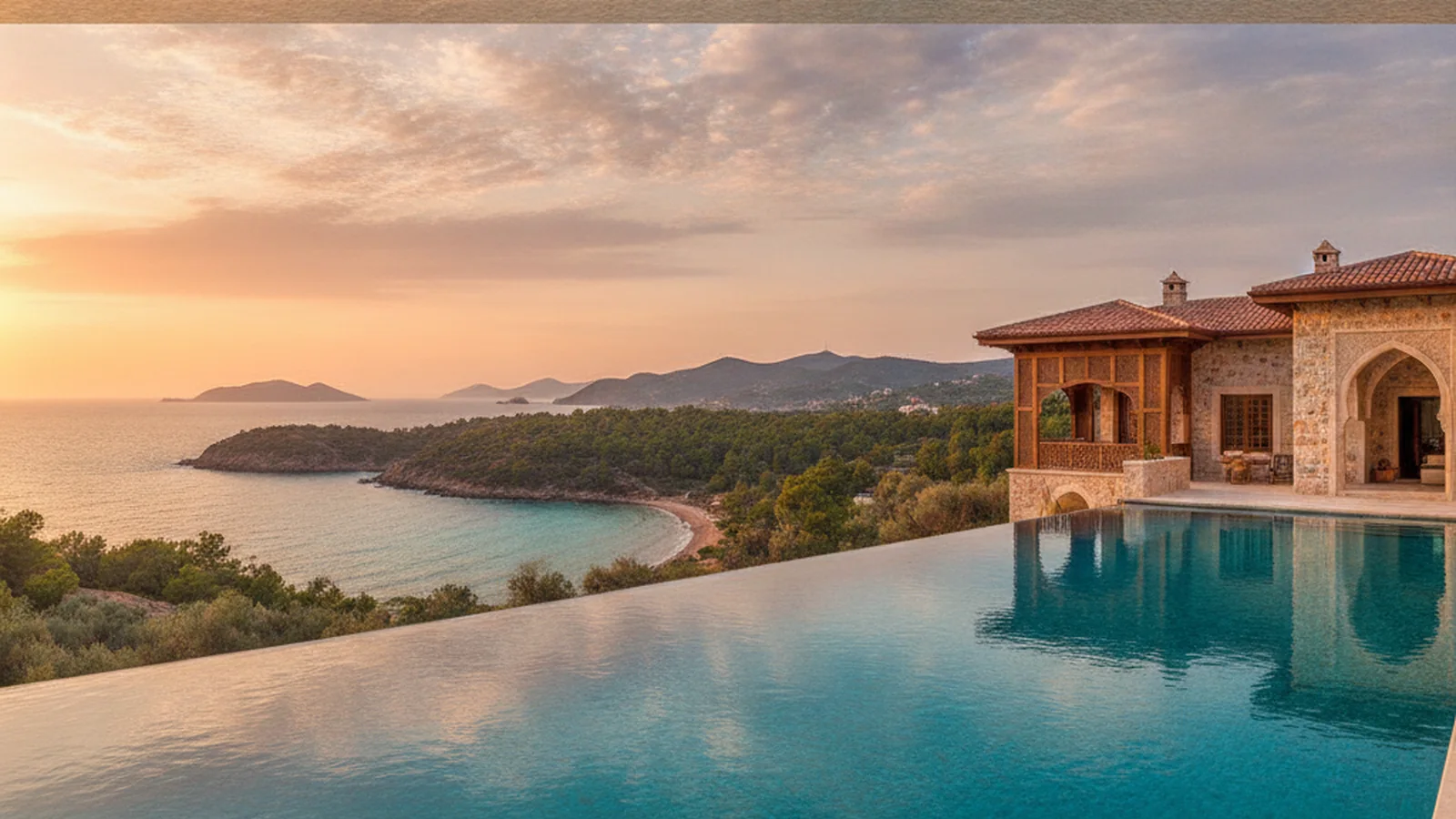
Turkey Villa Rentals
Turkey sits at the crossroads of Europe and Asia, and that geographical duality shapes everything about it. You get Mediterranean beaches alongside Byzantine history, cosmopolitan Istanbul alongside remote Cappadocia, and year-round sunshine with weather patterns that vary dramatically from region to region. Renting a villa here means choosing your own pace — whether that's lazy weeks by the Aegean, cultural immersion in museum-dense cities, or something altogether quieter. The Turkish hospitality is genuine, and the cost-to-value ratio remains hard to beat compared to Western European alternatives. We find villa stays work particularly well in Turkey because they give you space to settle rather than rush between hotels.
Why Choose a Turkey Villa
- Three distinct coastlines: The Mediterranean (warm, sheltered, built-up), the Aegean (cooler, more rugged, less commercialised), and the Black Sea (green, rainy, rarely visited by villa seekers).
- Seasonality works in your favour: July–August are hot and crowded; shoulder months (April–June, September–October) offer better value and more comfortable temperatures.
- Archaeology isn't a side note: Ephesus, Troy, and Pergamon are within reach of villa regions, not sequestered in museums. You can visit them without tour groups if you plan carefully.
- Food and wine aren't imported: Local ingredients dominate menus. Turkish wines are underrated internationally but good regionally.
- Interior geography: Cappadocia's rock formations, the Lakes Region, and Gallipoli's historical sites appeal to travellers tired of coast-only holidays.
Top Regions for Villa Rentals
Mediterranean Region (Turquoise Coast)
The Mediterranean (or Turquoise Coast, as tourism boards call it) stretches from Dalyan in the west to Antalya in the east. You get resorts, marina towns, and quieter bays all within reach of the same infrastructure. Water temperatures peak at 28°C in August; winter highs sit around 15°C. This region sums up Turkish package holidays, which means crowds in peak season but good value outside July–August.
Explore Mediterranean villasAegean Region
The Aegean feels less developed than the Mediterranean, with smaller towns (Bodrum, Çeşme, Ayvalık) that have genuine local character. Water is cooler (around 20–22°C even in summer), which means fewer sunbathers but more swimmers. The landscape is hillier, the light has a different quality, and Turkish nationalists get slightly more vocal about Greek islands just across the water. That said, the fewer tourists compared to the Mediterranean is precisely why many of our guests prefer it.
Explore Aegean villasIstanbul
Istanbul isn't a beach destination, but villa rentals here (typically modern apartments in Beyoğlu, Nişantaşı, or Cihangir) let you live like a local rather than camp in a hotel. The city's energy is genuinely unmatched in Turkey — mosques and markets, street food and galleries, all within walking or cheap tram distance. Weather can be unpredictable (autumn rain, winter chill), but the cultural payoff is immediate.
Explore Istanbul villasWhat's Trending in Turkish Villa Holidays
Gulet and traditional boat rentals: Alongside villas, many guests charter wooden gulets for multiday coastal cruises. They're expensive but include crew and meals, and the freedom to anchor in empty bays appeals to people tired of fixed-location weeks.
Longer stays in winter: Growing numbers of British travellers rent villas for 4–12 weeks November–March. Heating quality varies, and you'll need to manage your expectations about services closing down, but the daily cost is low and you genuinely settle.
Cappadocia expansion: Interior cave hotels and rural villas are attracting weekend trips and longer stays. The landscape is genuinely distinctive, though weather (especially winter) can be harsh.
Wellness tourism: Thermal springs (particularly around Pamukkale) have spawned a wave of "wellness villas" with private pools and spa packages. Most are new and aggressively marketed; quality varies.
How to Book a Turkey Villa
- Decide your region first. Turkey is big. Mediterranean suits families and beach lovers; Aegean suits people who like less-commercialised scenery; Istanbul suits culture seekers who want urban energy.
- Check airport proximity. Istanbul (IST) handles most international flights; Dalaman serves the Mediterranean coast; Bodrum serves the Aegean. Flights from UK are regular and reasonably priced.
- Book 6–8 weeks ahead for good availability, especially for July–August. Shoulder seasons (April–June, September–October) let you book closer to travel without major compromise.
- Read reviews carefully for infrastructure warnings. Turkish villas vary widely in finish, Wi-Fi reliability, and hot water systems. Look for recent guest feedback mentioning your specific needs.
- Verify your transport. Renting a car is cheap but driving can be chaotic outside major cities. Many villa guests hire drivers or rely on local taxis and dolmuş (minibus) networks.
Frequently Asked Questions
Do I need a visa to visit Turkey from the UK?
British citizens can enter Turkey visa-free for up to 90 days. Your passport must be valid for at least six months beyond your departure date. Electronically, you're logged on arrival, so keep your entry stamp safe (though border agents are used to tourists losing it).
What's the weather like during shoulder months (April–June, September–October)?
April–May bring warm days (22–26°C) and occasional rain, particularly in the north and interior. Mediterranean temperatures climb steadily; Aegean remains slightly cooler. September–October see warm (22–28°C) but not extreme heat, fewer tourists, and more comfortable sightseeing conditions. We generally recommend September–October for comfort and value.
Is tap water safe to drink?
In major towns and tourist areas, yes. In remote villages, locals might drink it but many villa guests use bottled water to avoid intestinal surprises. Most villa rentals provide filter jugs or have bottled water on hand.
Can I hire a car, and is it safe to drive?
Car rental is cheap (£20–40 daily). Driving is safe-ish, but Turkish roads are chaotic by UK standards — no lane discipline, aggressive overtaking, and poor signage outside main routes. Many guests prefer hiring drivers, which still costs far less than car rental in the UK.
What's the best region for families with young children?
Mediterranean (Dalyan, Marmaris, Antalya) offers calm, warm water, shallow beaches, and plenty of family-oriented infrastructure. Aegean has fewer families, quieter beaches, and good local food but less English-language support. Istanbul is great for older children interested in history but challenging with very young ones due to crowds and noise.
Do villas include air conditioning?
Most do, though older or rural properties might have window units rather than central systems. Always confirm in the listing — summer without AC in a concrete villa can be genuinely uncomfortable. Winter heating is less common and can be patchy.
How far in advance should I book?
High season (July–August) needs 8–12 weeks' notice for popular properties. Shoulder months allow 4–6 weeks. Winter, you can often book closer to travel. Easter and Turkish public holidays see price spikes despite being shoulder season.
What's the cost difference between villas and hotels?
A three-bedroom villa on the Mediterranean costs £60–150 nightly depending on season and location. Four-star hotels run £80–200. The advantage is kitchen facilities, space, and the option to self-cater . A significant saving if you're staying two weeks or longer. Short breaks (3–4 days) sometimes favour hotels.
Ready to Explore?
Updated March 2026