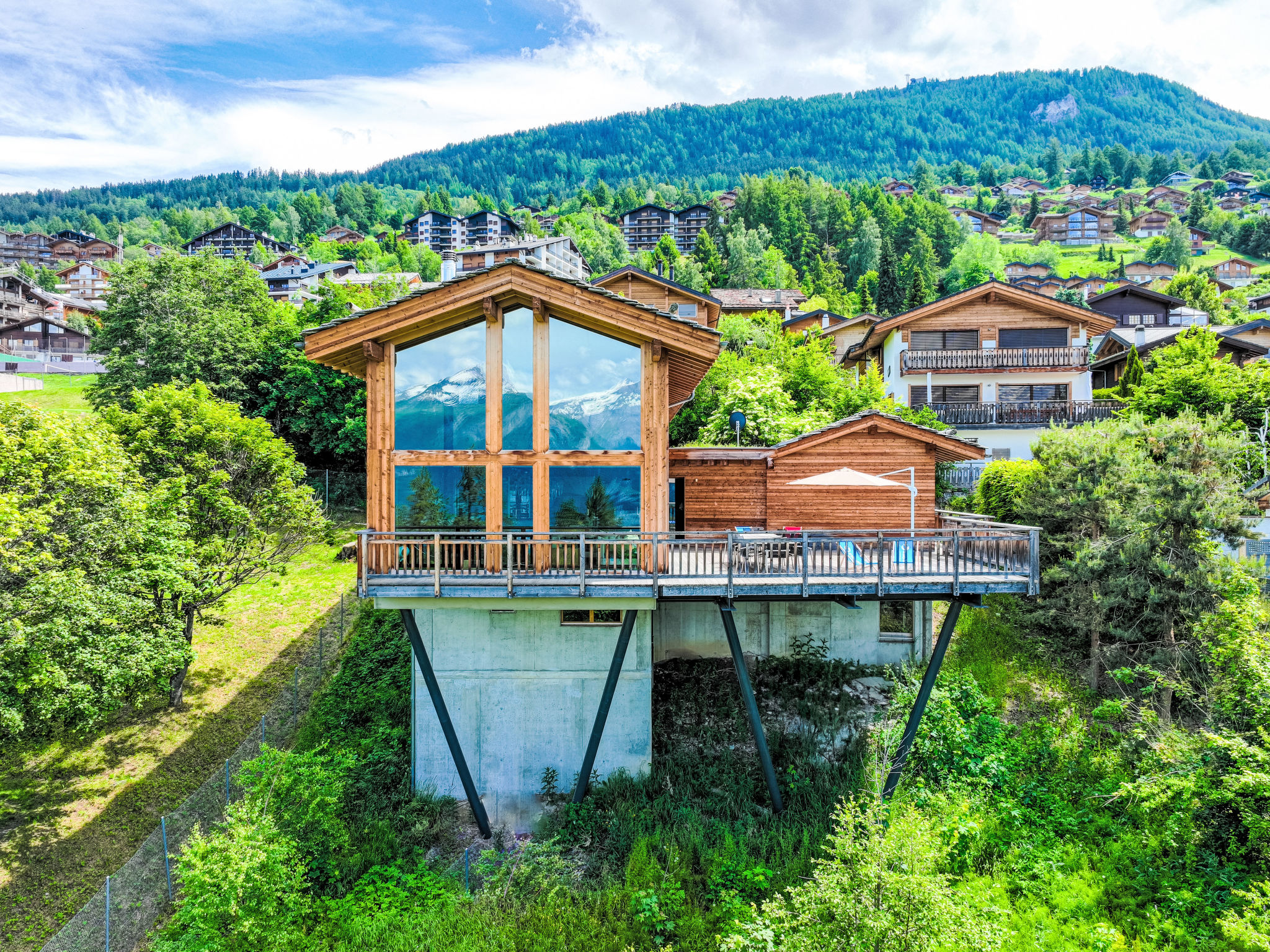
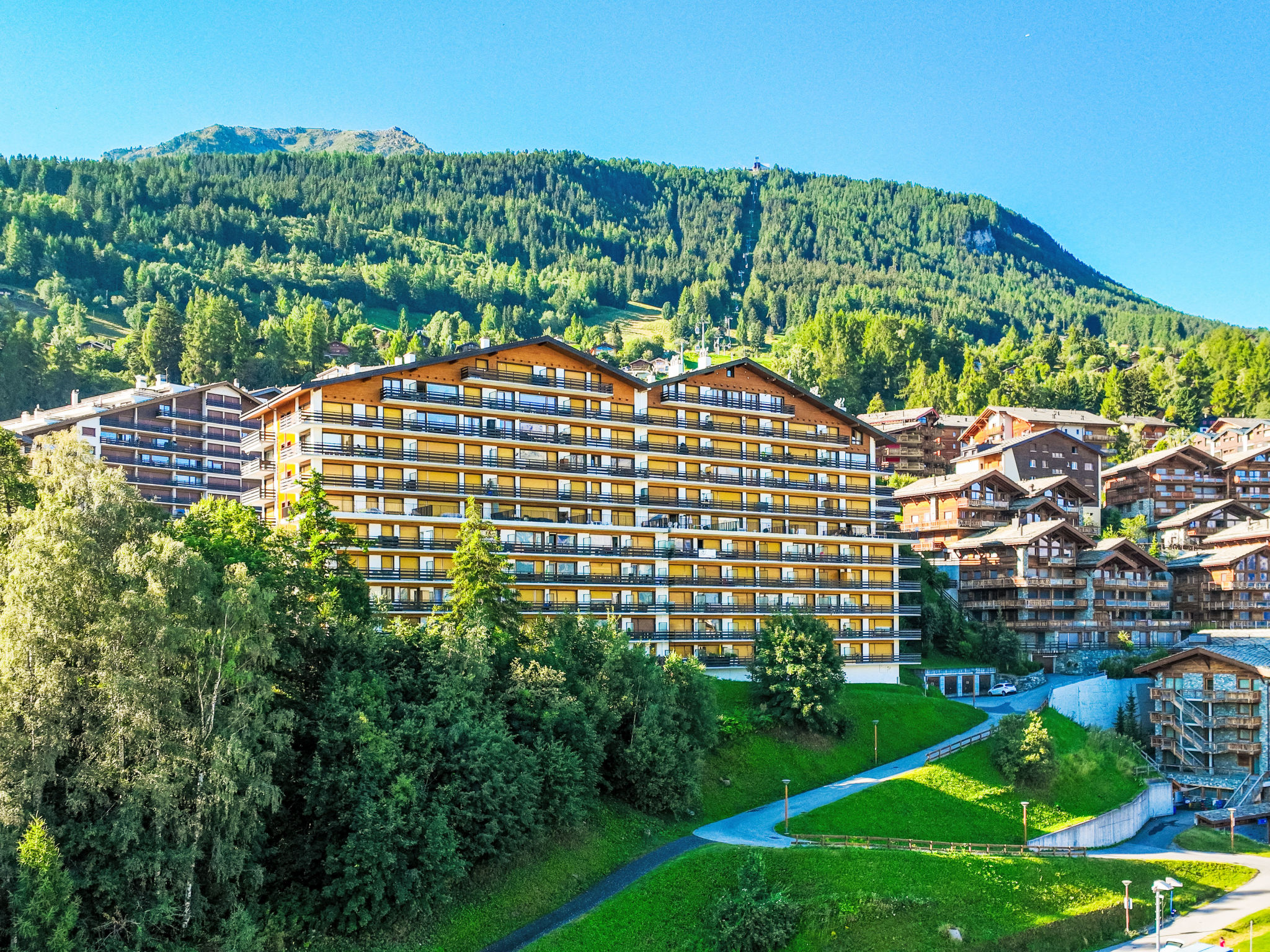
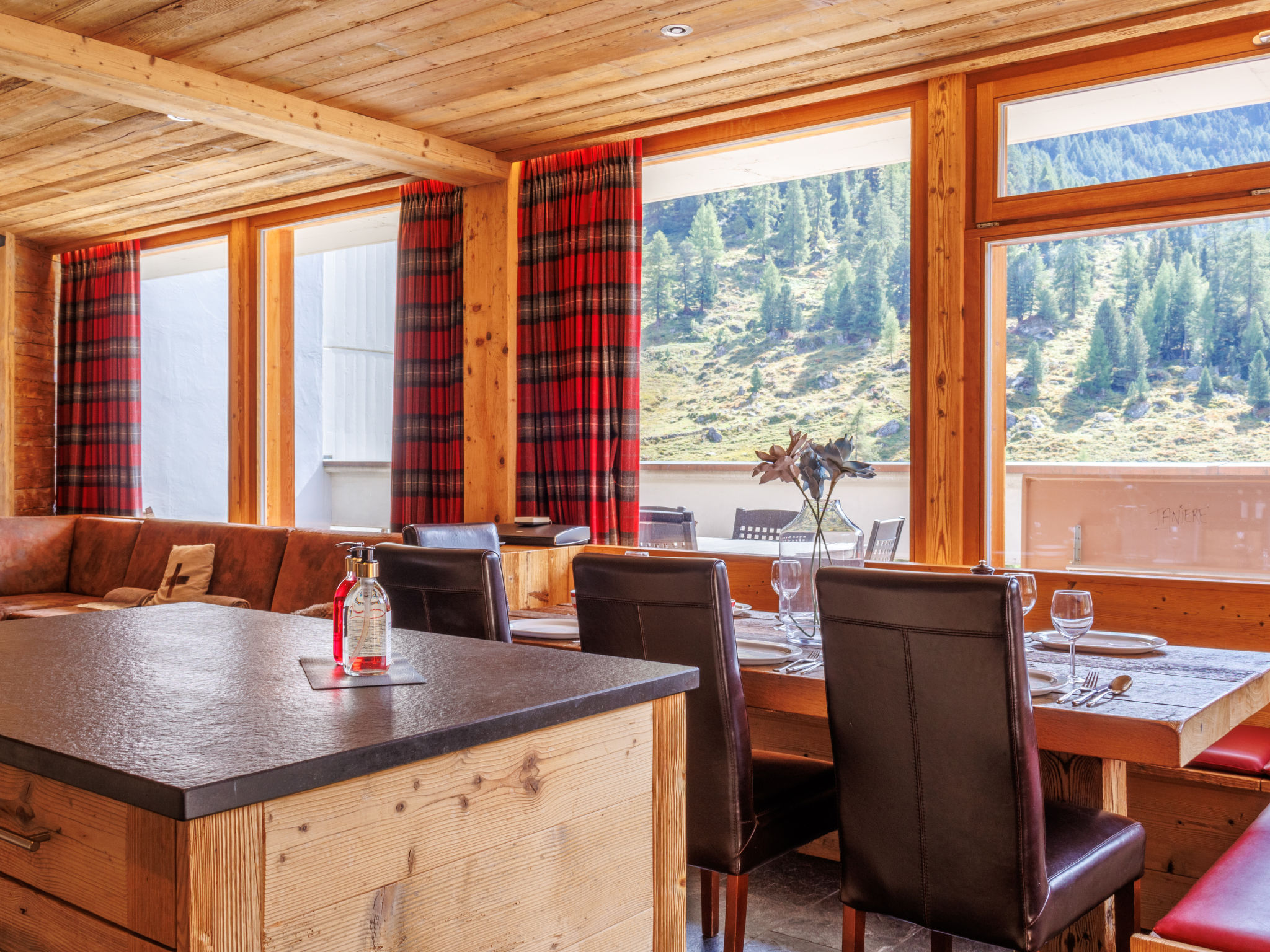
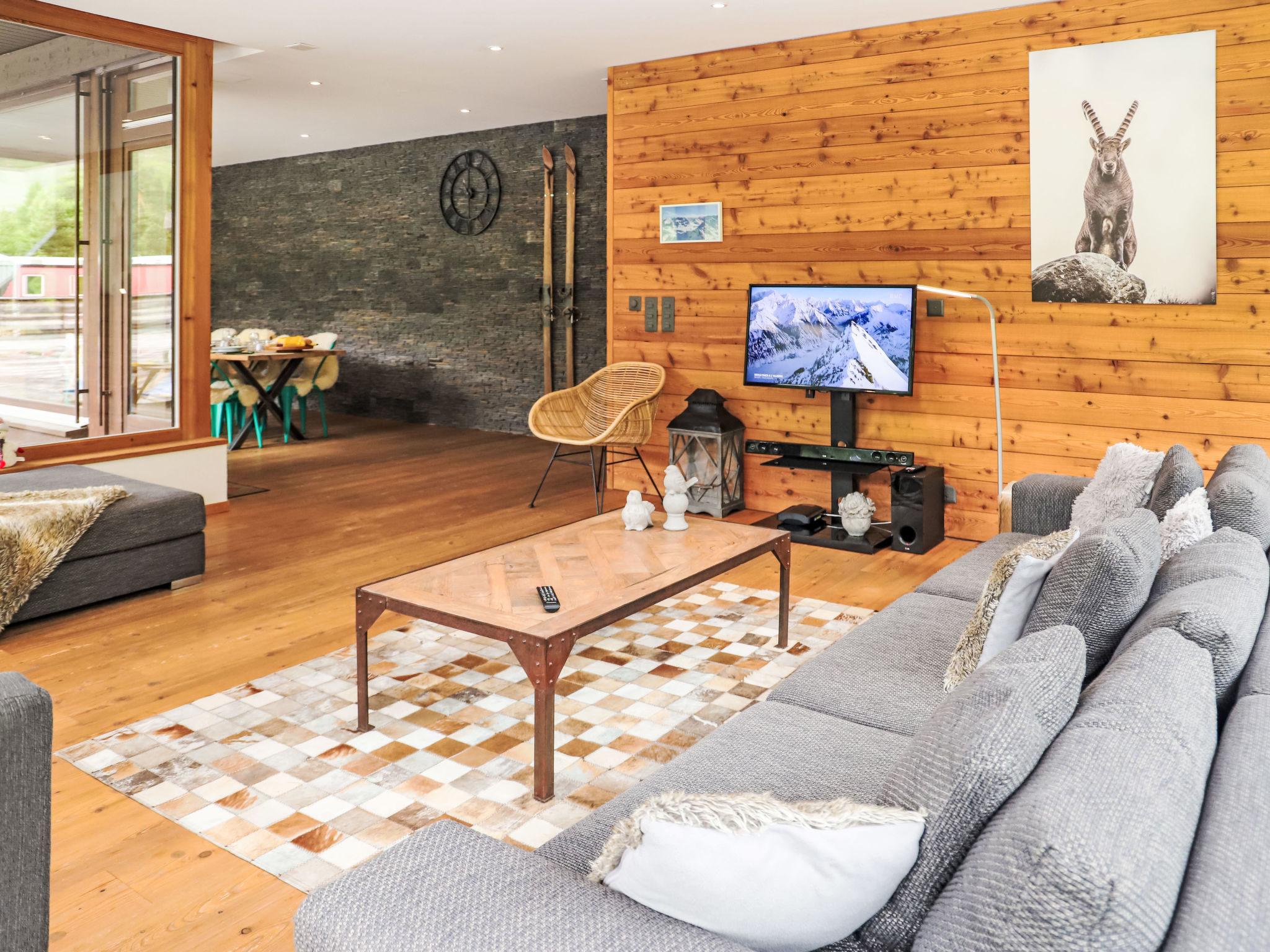
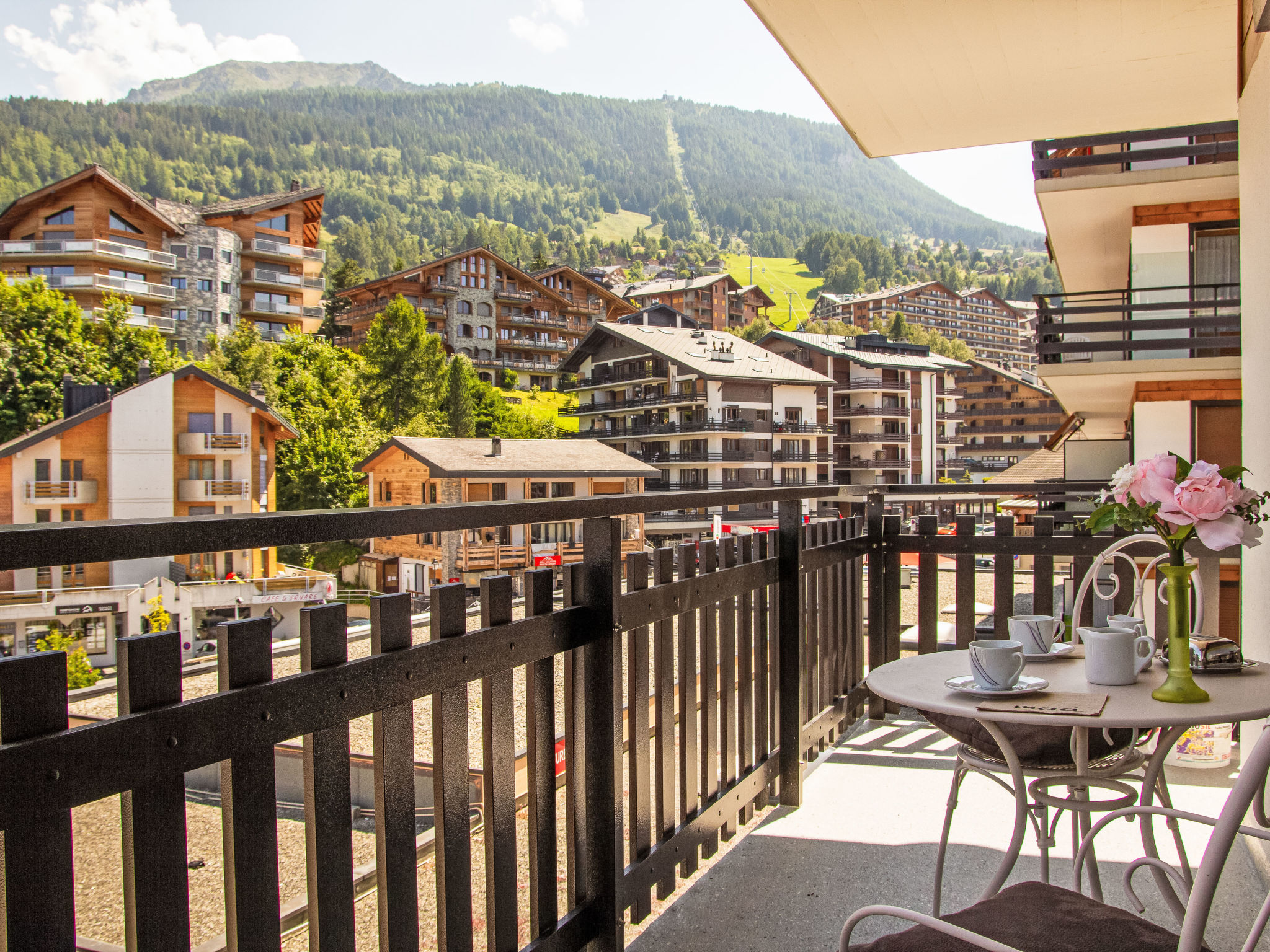
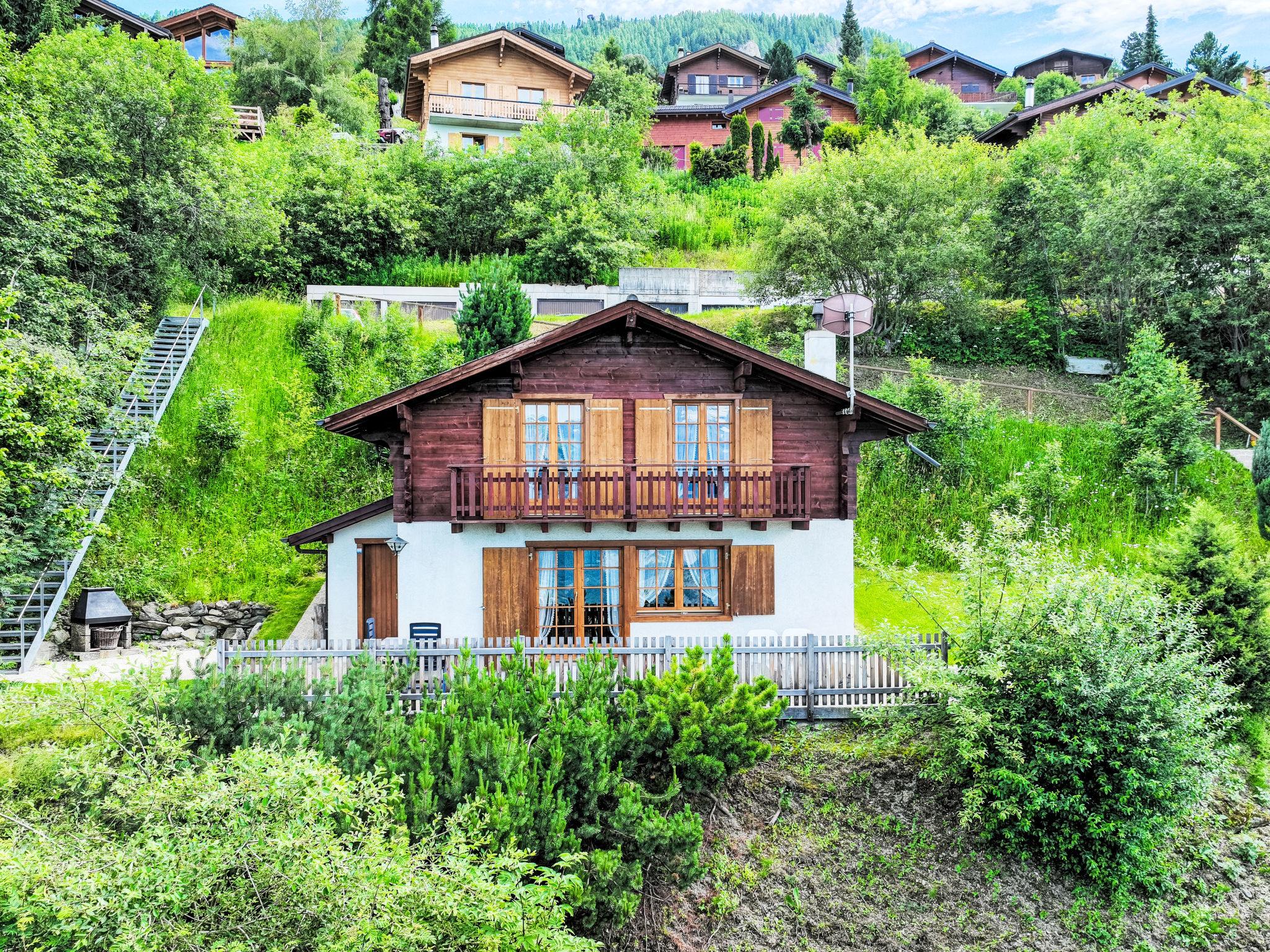
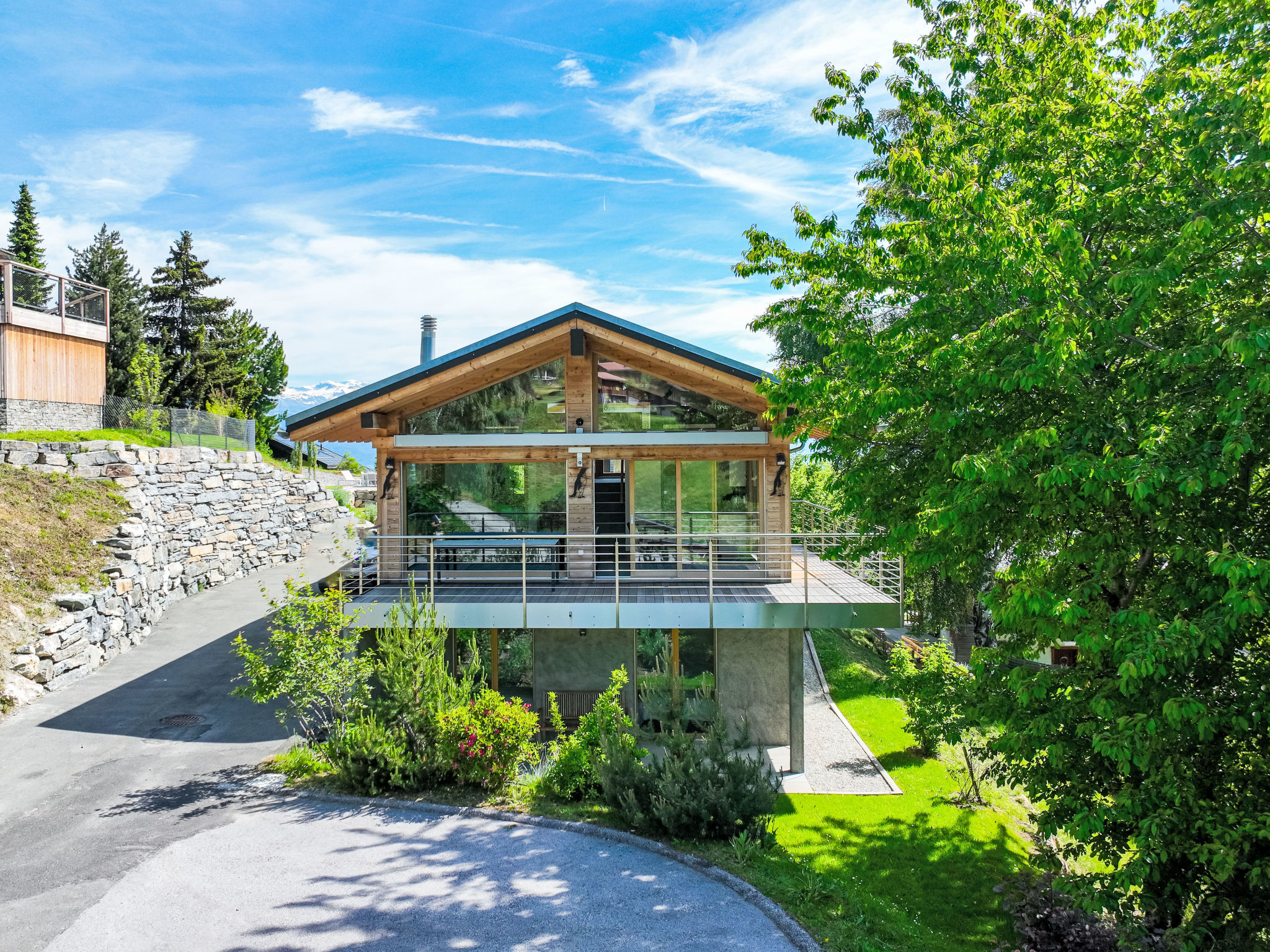
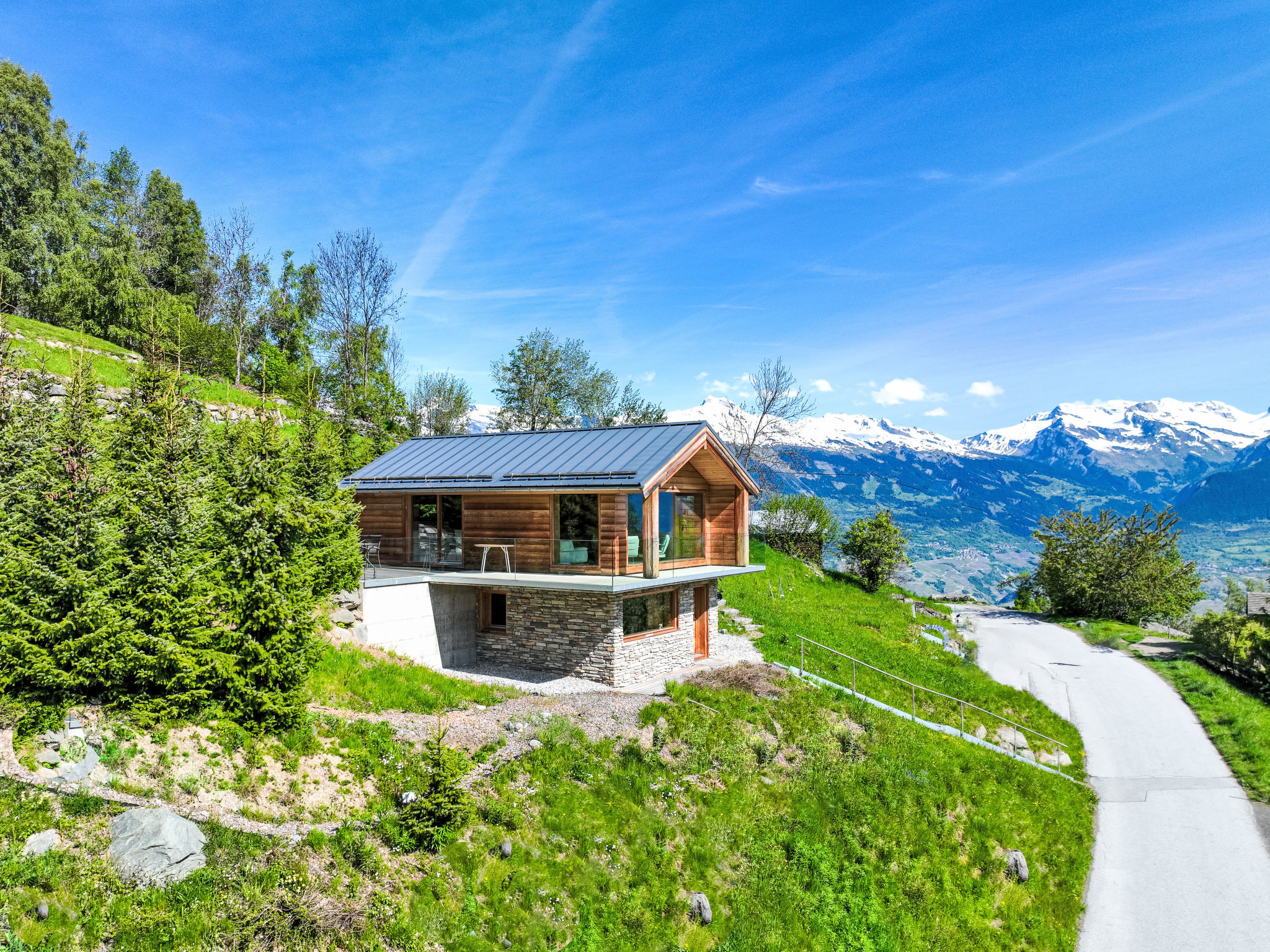
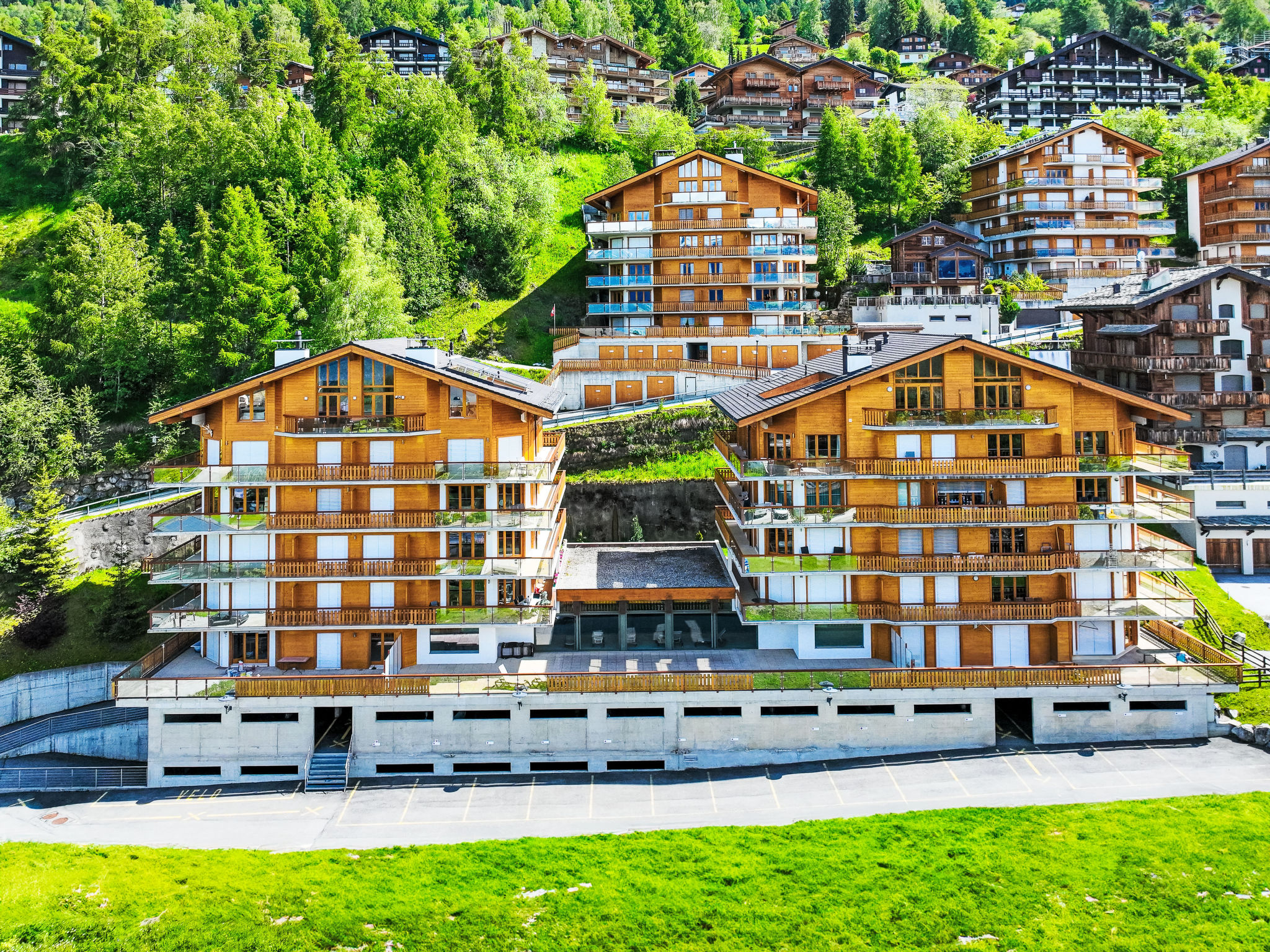
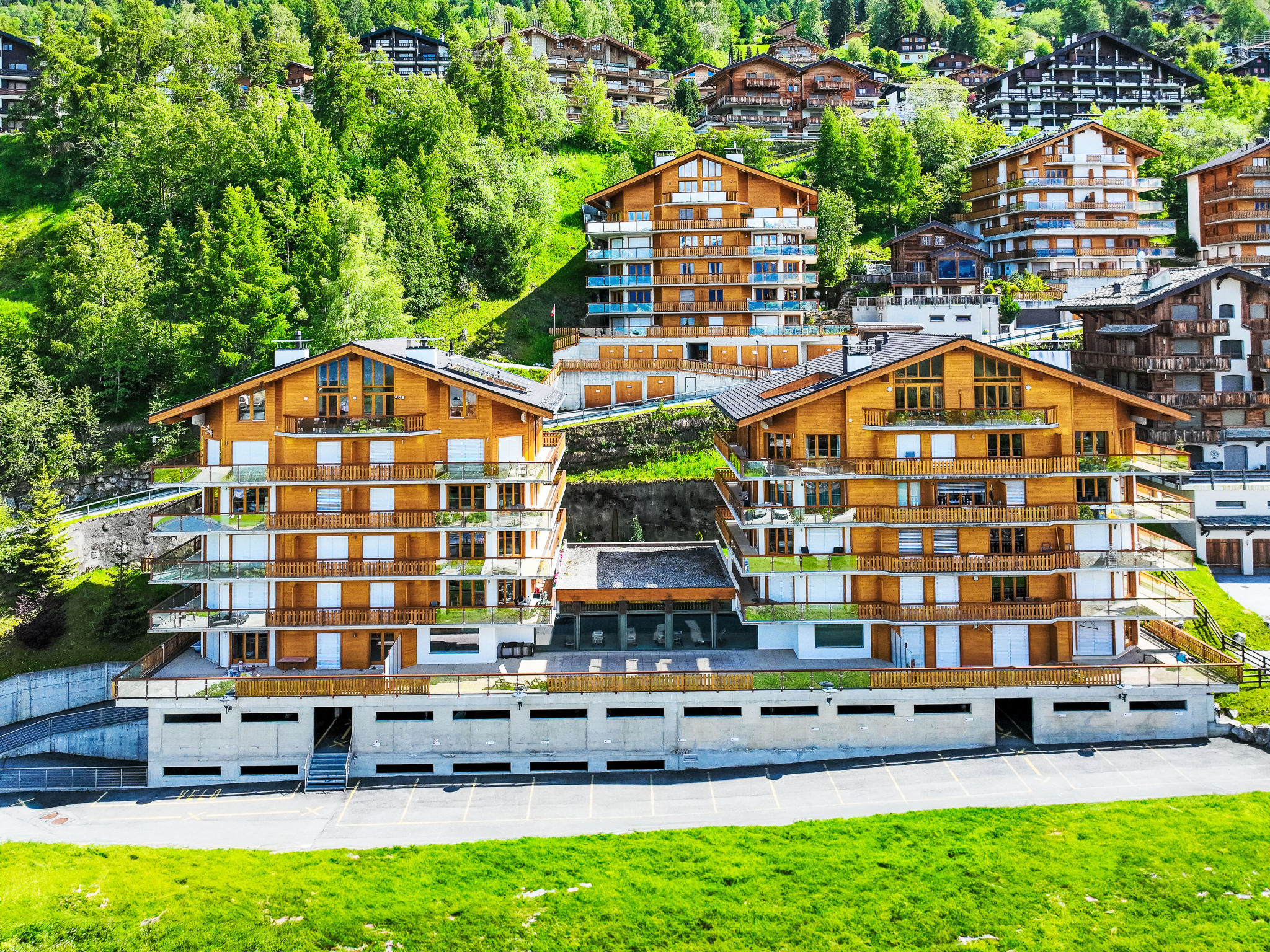
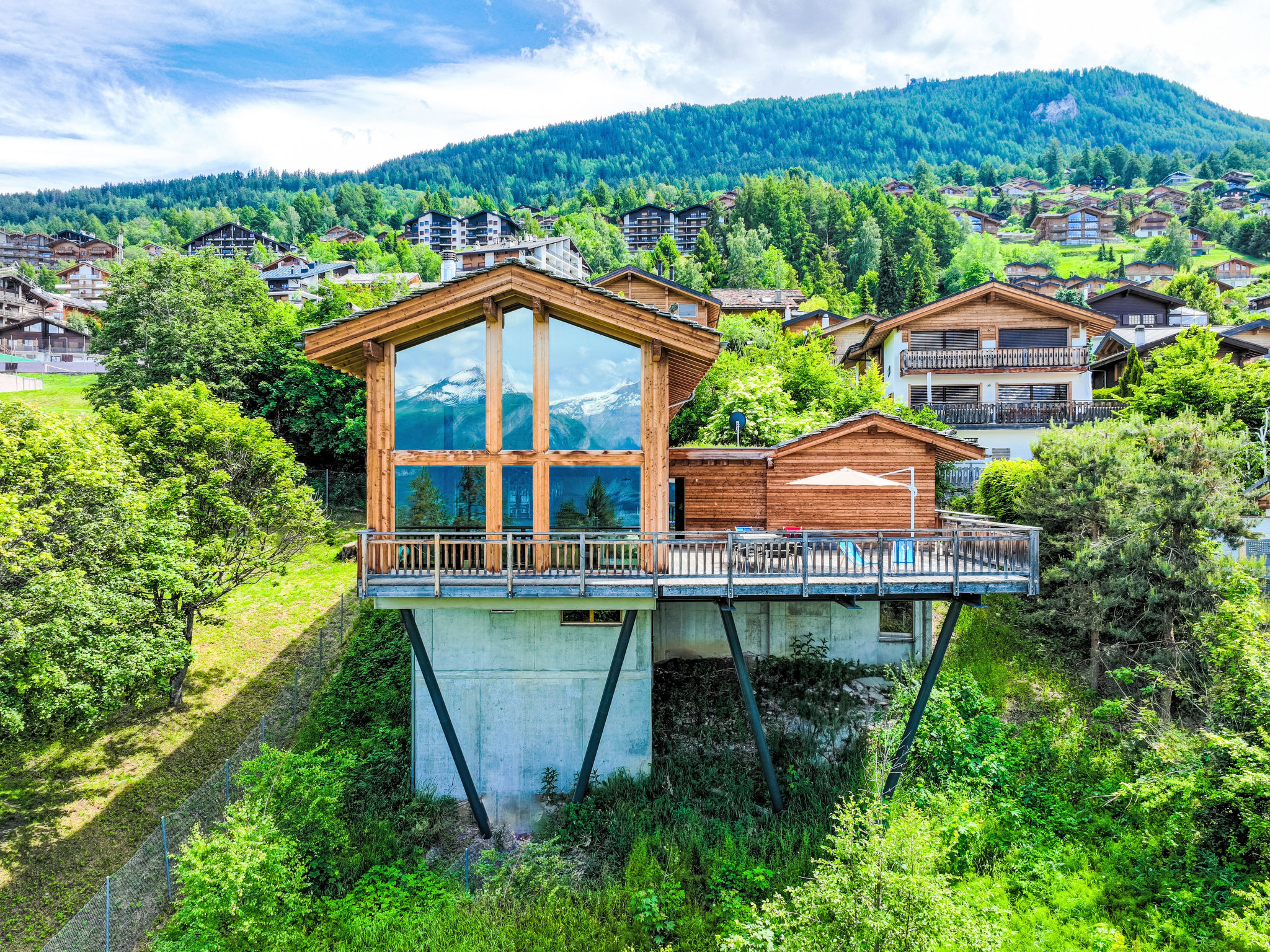
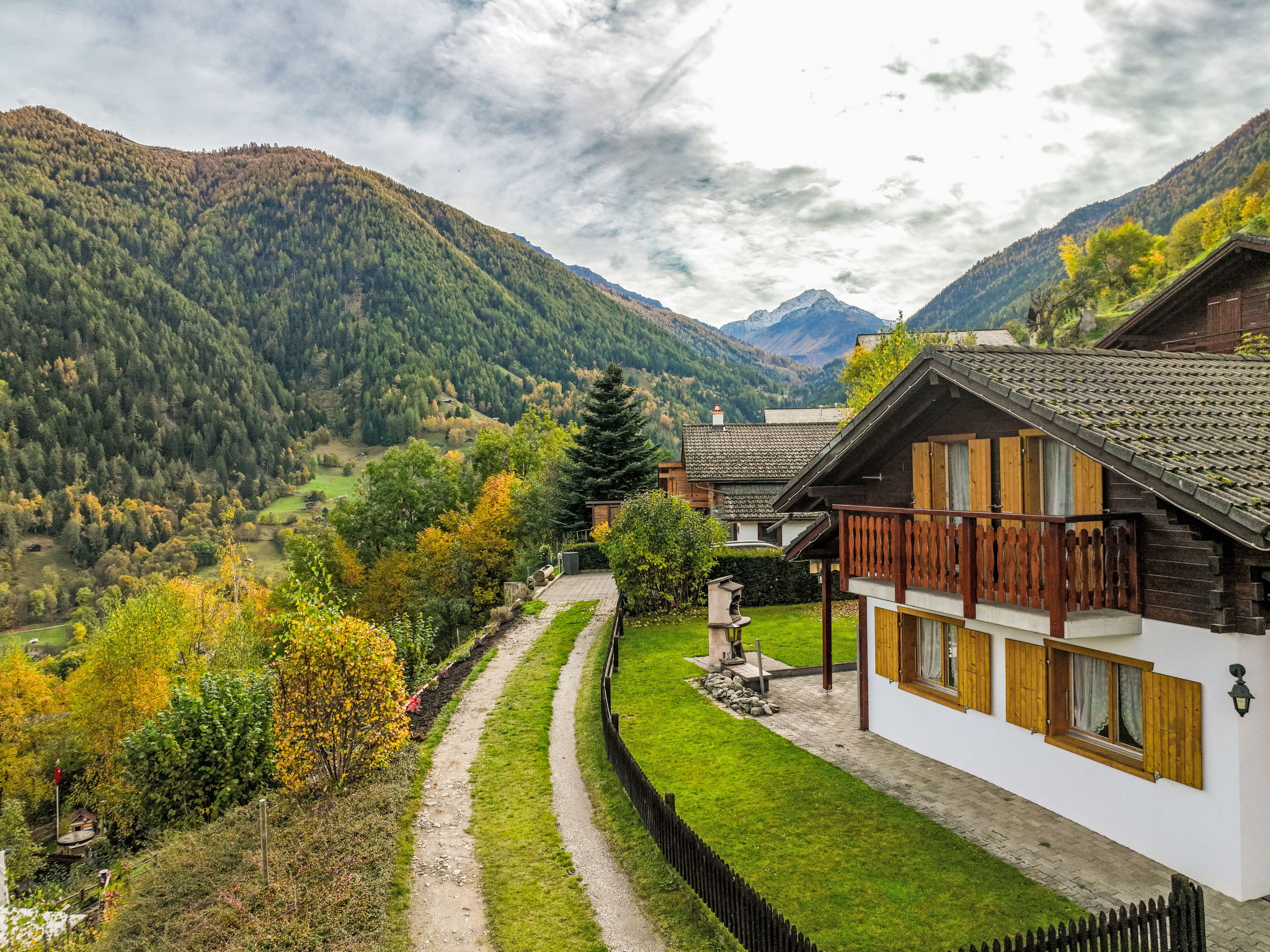
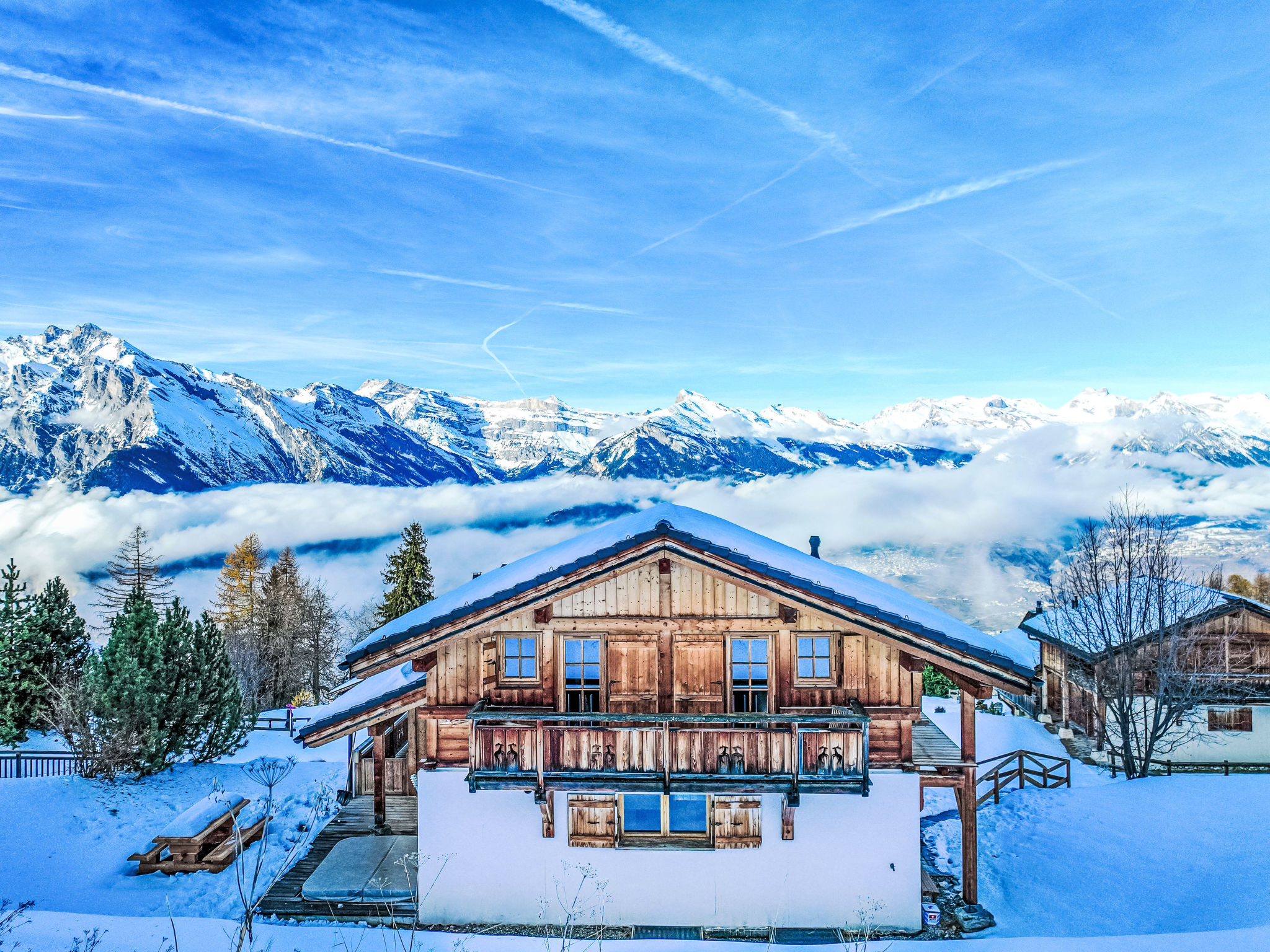
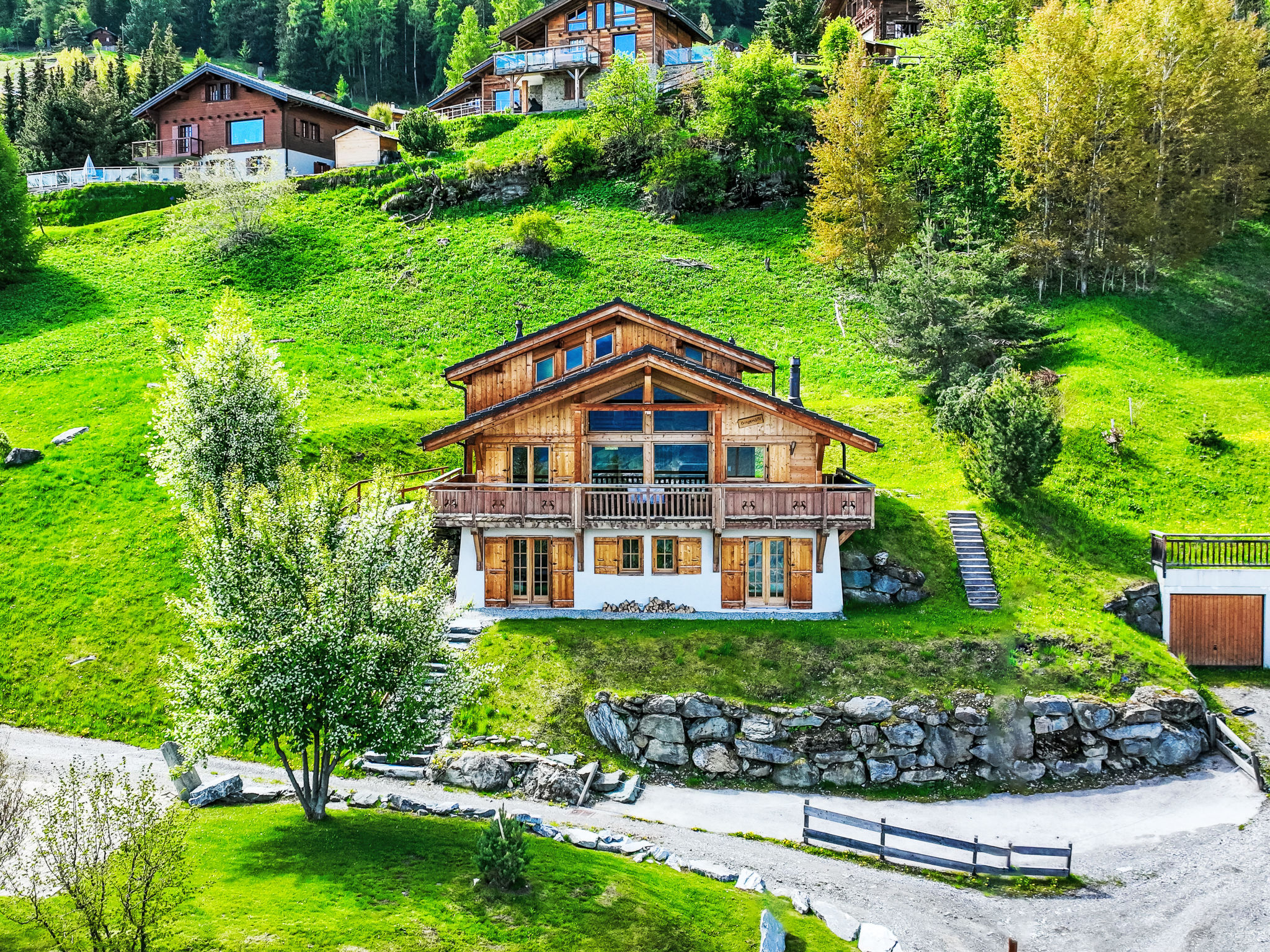
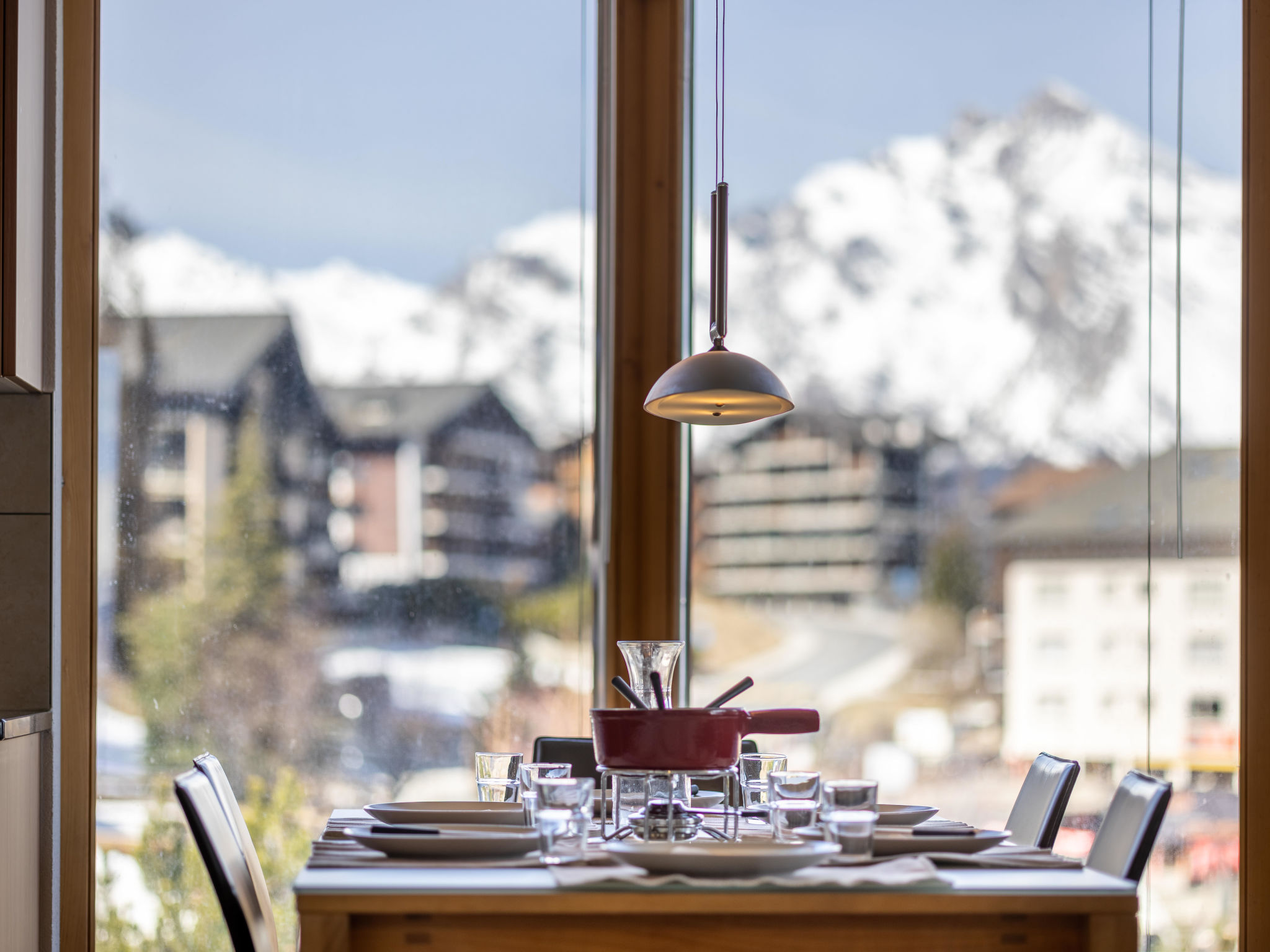
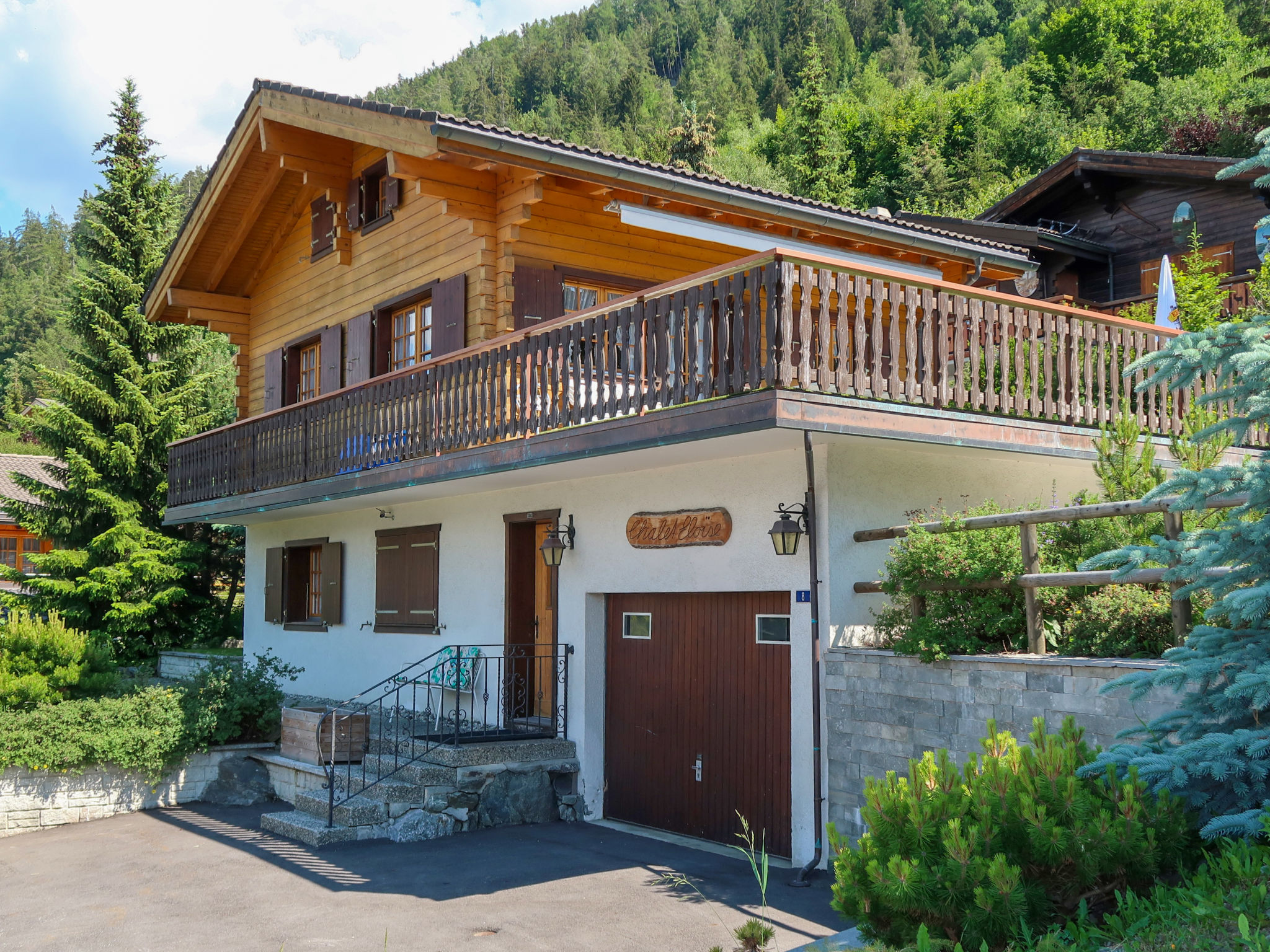
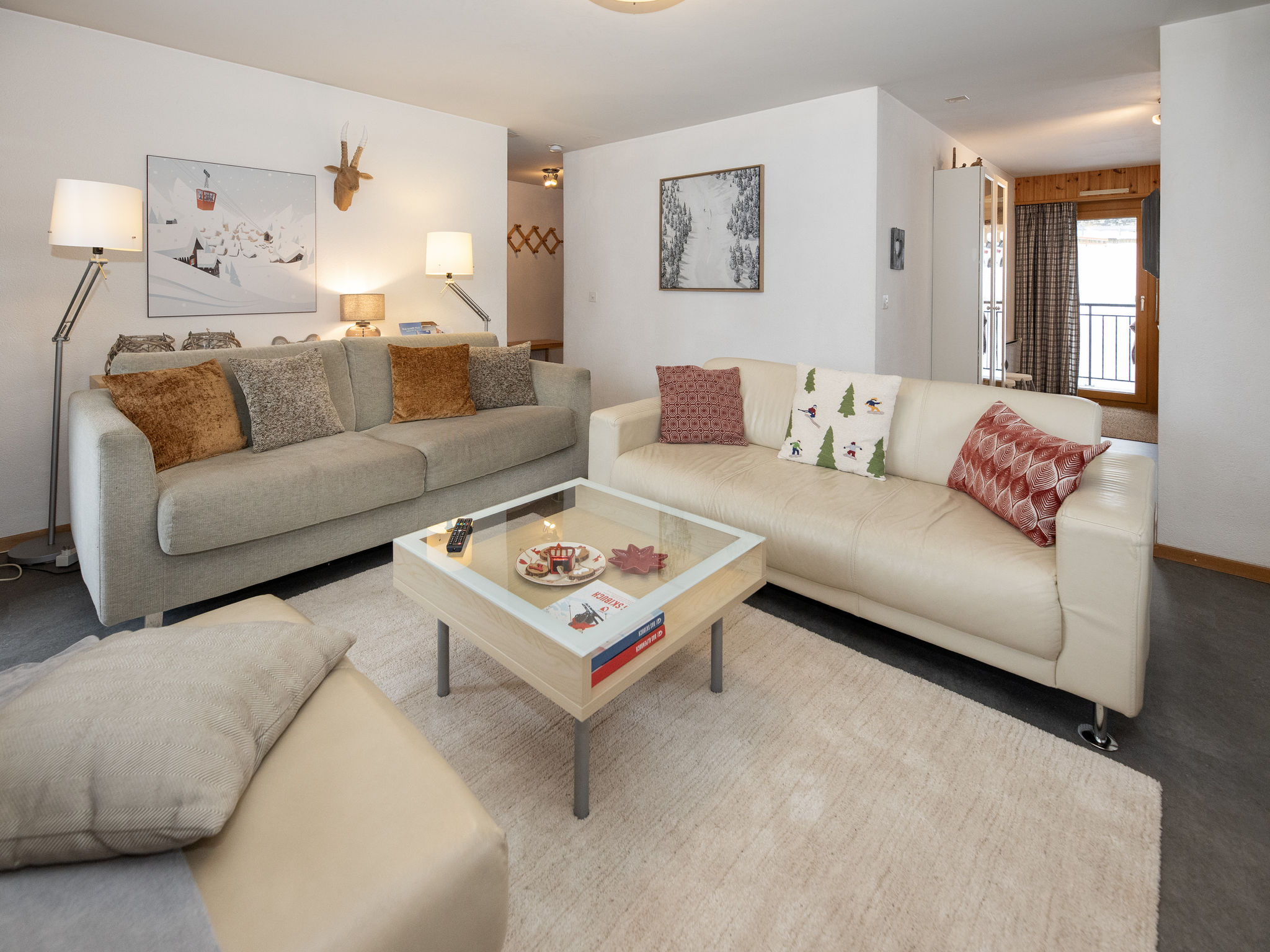
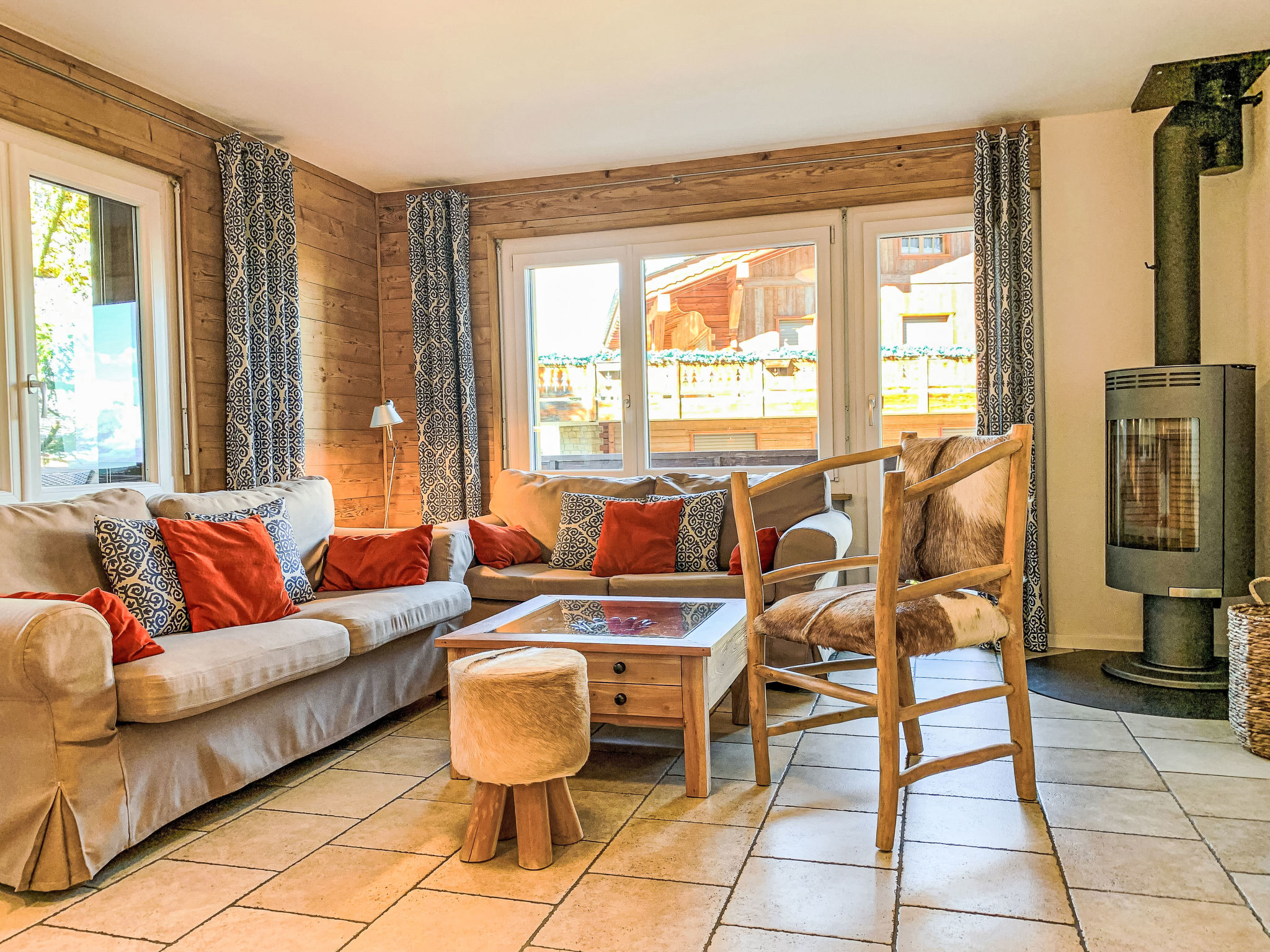
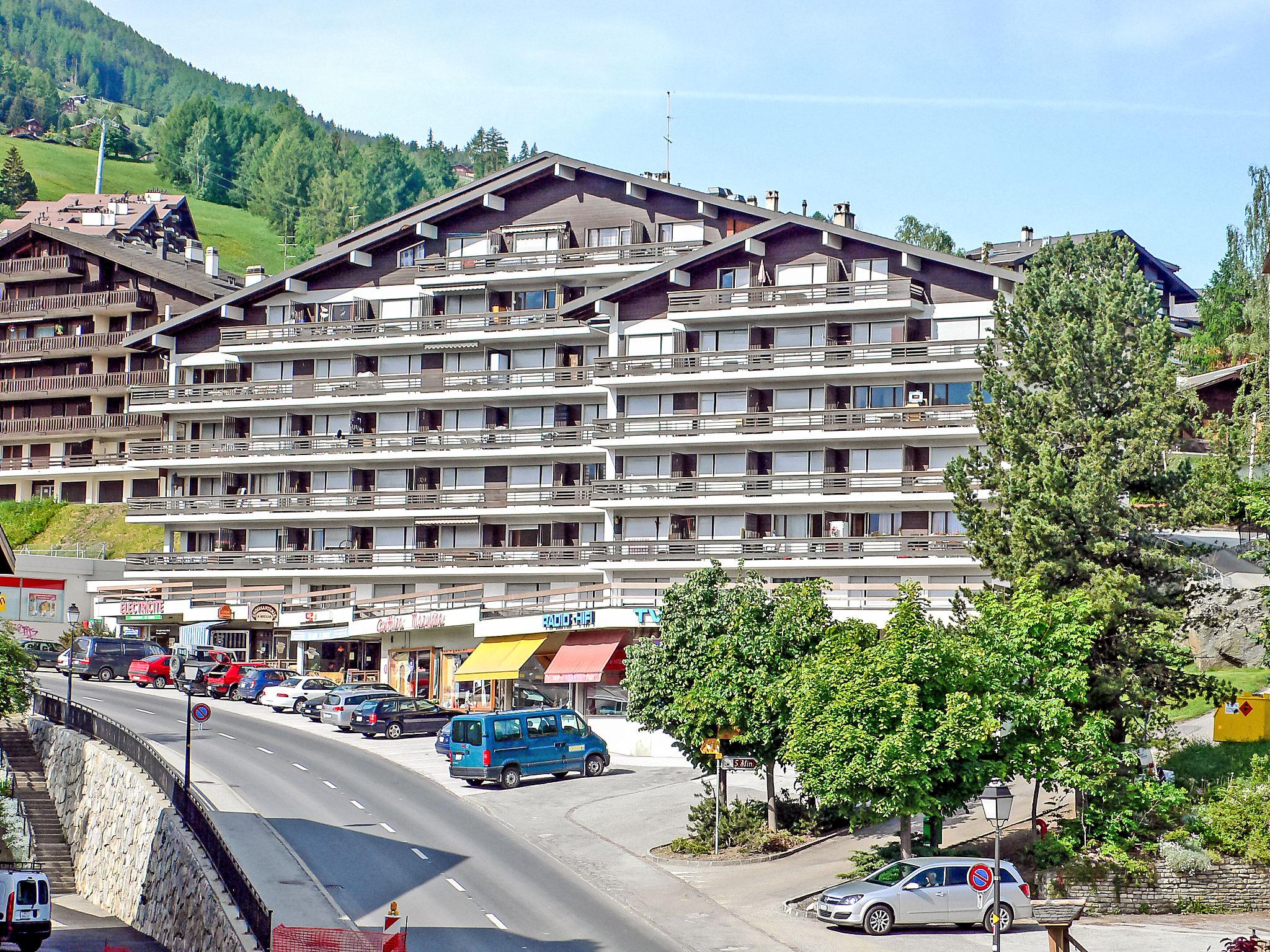
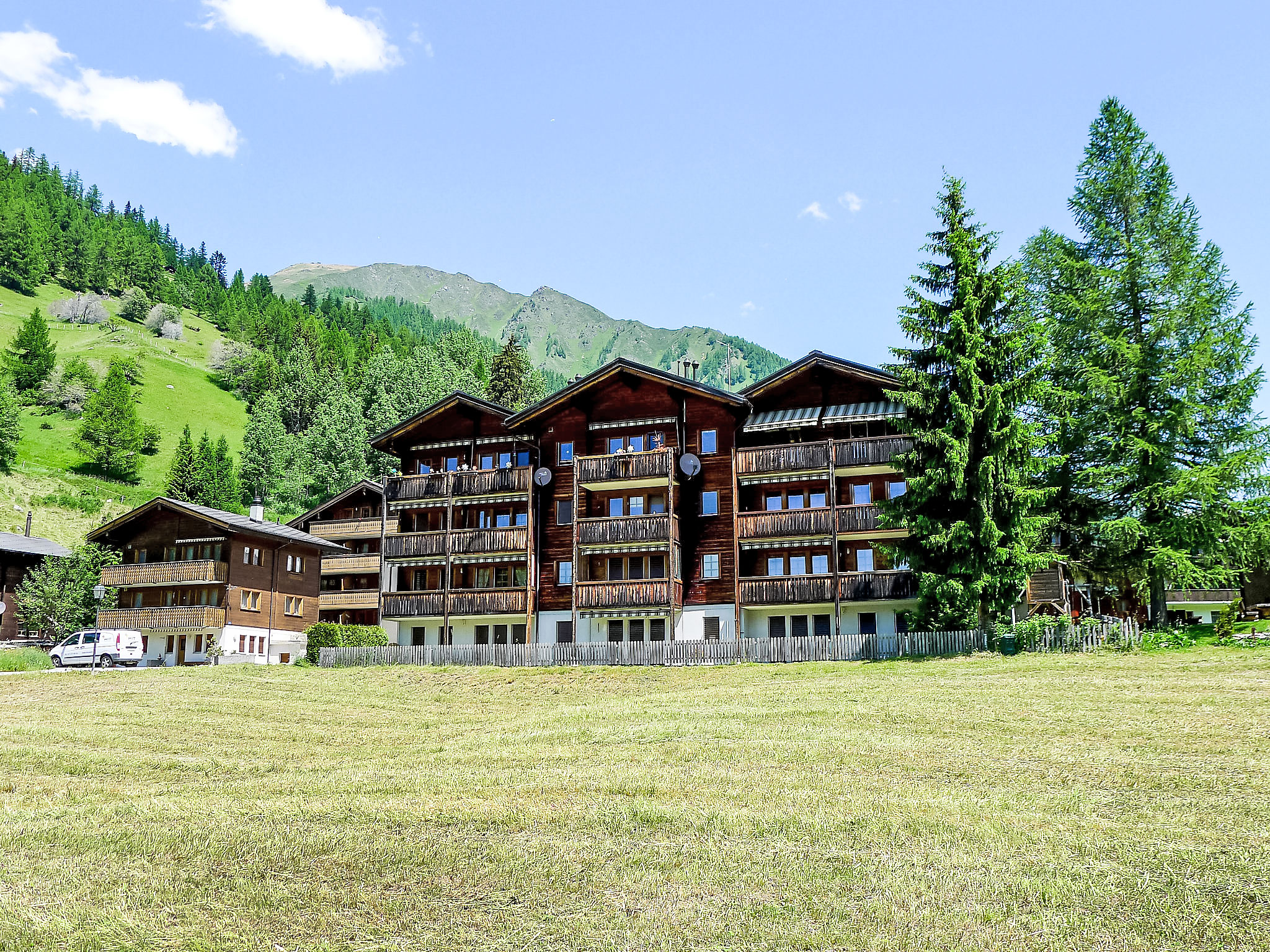
Valais is where Switzerland becomes visibly dramatic. The Matterhorn dominates, but this long southern valley contains considerably more: Zermatt's car-free perfection, Verbier's mix of skiing and culture, terraced vineyards that look hand-painted, and villages where local life continues without heavy tourism. We choose Valais when we want mountains that genuinely demand respect, combined with practical infrastructure and restaurants that shouldn't work but somehow excel at high altitude. The valley runs east-west, which means consistent morning sun on southern slopes and afternoon warmth in the villages. Spring snow here melts faster than in more northern regions, extending the hiking season earlier.
What Makes Valais Special
- The Matterhorn's presence is real, not distant. Even from valley-floor villas, you'll see it clearly, and its scale genuinely humbles. It's not metaphorical: it's a working, challenging mountain that shapes the entire region's character.
- Terraced vineyards create landscapes that change character hourly as light angles shift. Spring and autumn light here is exceptional for photography, but even more compelling for quiet afternoon walks.
- Elevation varies dramatically: valleys sit around 1,600 metres while peaks exceed 4,000 metres. This means climate variation within an hour's drive. You can ski in the morning and enjoy wine at lower elevations in the afternoon.
- Car-free mountain villages (Zermatt, Saas-Fee) preserve a specific quietness that motorised regions simply can't match. Even exploring by vehicle, you'll experience genuine tranquility.
- Wine culture here actually means something. Valais produces around 60% of Switzerland's wine (not a sideline, but a regional identity). Villas positioned in wine villages offer cooking with local ingredients that rarely travel beyond the valley.
Top Towns & Resorts in Valais
Zermatt
Zermatt eliminates vehicles entirely. You arrive by train (a decision that immediately shifts your mindset), and then everything moves on foot, via cable car, or via electric taxi. The Matterhorn dominates daily vision. We visit Zermatt when we want mountain immersion without the option of distraction. No drive to alternative activities. No car escape routes. Accommodation is genuinely tight here; a villa position overlooking the village and mountain is exceptional. Summer hiking from Zermatt reaches into terrain that requires genuine respect. Winter brings skiing integrated seamlessly with village life. The main caveat: it's expensive, and accommodation books years ahead for peak periods. Spring and September offer a middle ground (less crowded, better value, still good weather).
Saas-Fee
Saas-Fee copies Zermatt's car-free model with noticeably less fame, which means far fewer crowds but equally dramatic mountain exposure. Thirteen peaks exceed 4,000 metres visible from the village. The terrain here runs steeper and more serious than Zermatt's softer slopes. Summer hikers find themselves in genuine high-altitude landscape (not manicured trails but working mountain terrain). Winter skiing accesses glaciers reliably even in light snow years. Villas positioned here often offer better value than Zermatt equivalents, with comparable views and arguably wilder scenery. The village has developed thoughtfully; restaurants and shops maintain quality without tourist trap characteristics. A real caveat: the access road involves a steep, narrow climb. Winter driving here requires experience and winter tyre familiarity.
Verbier
Verbier sits at the western end of Valais, positioned as both a skiing destination and increasingly, a summer hub for hiking and mountain biking. The village occupies a high plateau (roughly 1,500 metres) with sweeping 360-degree views. Unlike the valley-floor villages, Verbier experiences markedly different light (more open, less enclosed by close peaks). Summer culture here runs strong; restaurants and bars operate at sophisticated levels, and the mix of Swiss, French, and international visitors creates genuine energy. Villas scatter across the plateau, many positioned for western and southern exposure. Snow reliability is reasonable, though the lower elevation compared to Saas-Fee or Zermatt means weather sensitivity. Access from Geneva takes roughly two hours, making it feasible as a base for combining mountain time with city visits.
Leukerbad
Leukerbad positions itself as Valais's wellness destination. Natural hot springs feed thermal baths integrated throughout the village, and the surrounding landscape offers serious hiking without Zermatt's fame premium. The village sits in a high valley (around 1,400 metres) with valley walls providing wind protection and afternoon shade. Summer hiking here accesses gentler terrain than the Matterhorn valleys, which suits those seeking mountain experience without technical challenges. The spa culture attracts visitors seeking recovery rather than pure adventure. Villas positioned with hot spring access or spa privileges command premium prices but deliver distinctive wellness experiences. Winter snow cover is less reliable than higher valleys, but when it arrives, the thermal baths surrounded by white landscape create memorable atmospheres. Access is approximately 75 minutes from Zurich by car.
Lower Valley Towns (Martigny, Sion)
The lower valley offers different territory entirely. Martigny and Sion sit at elevations around 500 metres, closer to French influence, with warmer temperatures and distinctly different architecture. Vineyards genuinely flourish here; the light has a southern quality that higher valleys can't match. These towns suit visitors wanting Swiss mountain accessibility without high-altitude commitment. You're a 30-minute drive from serious peaks but sleeping somewhere warm with reliable restaurants and cultural activity. Spring arrives visibly earlier here; April feels like May higher up. Summer temperatures sometimes exceed what higher valleys comfortably experience. The main drawback: lower valleys attract considerably more through traffic and commercial activity. Quietness requires specific villa positioning away from main roads. Property costs run notably lower than mountain villages, making extended stays genuinely affordable.