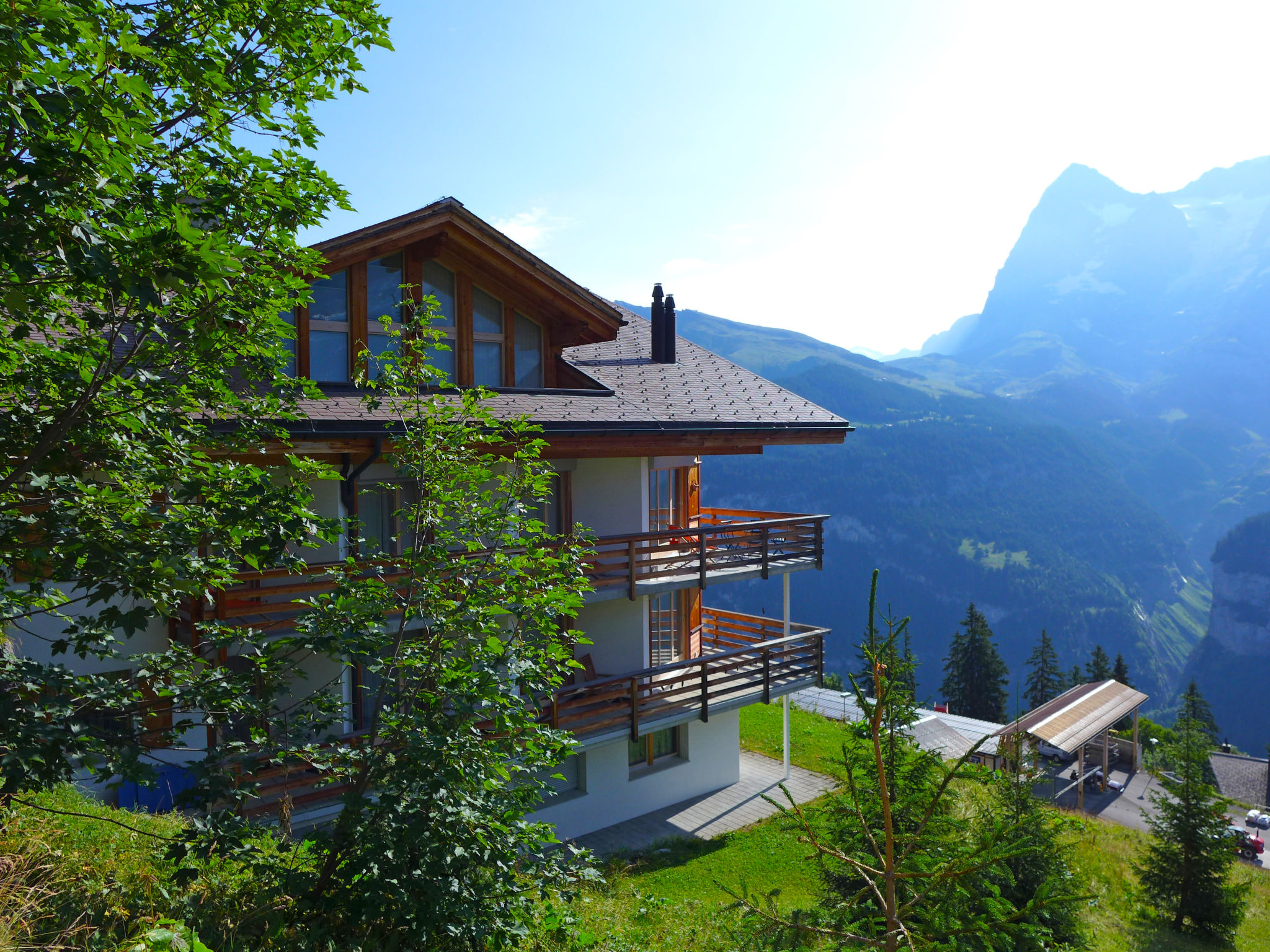
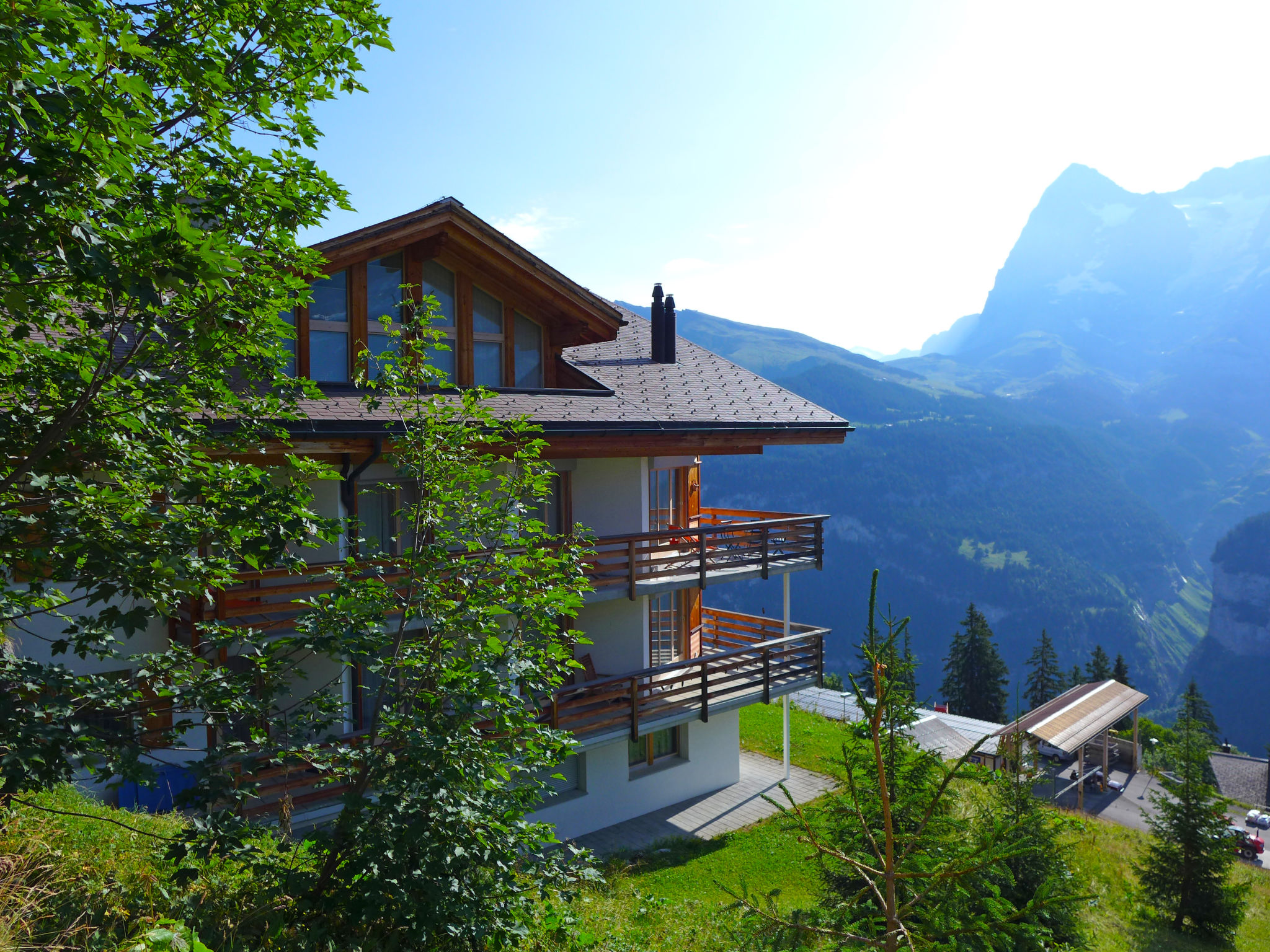
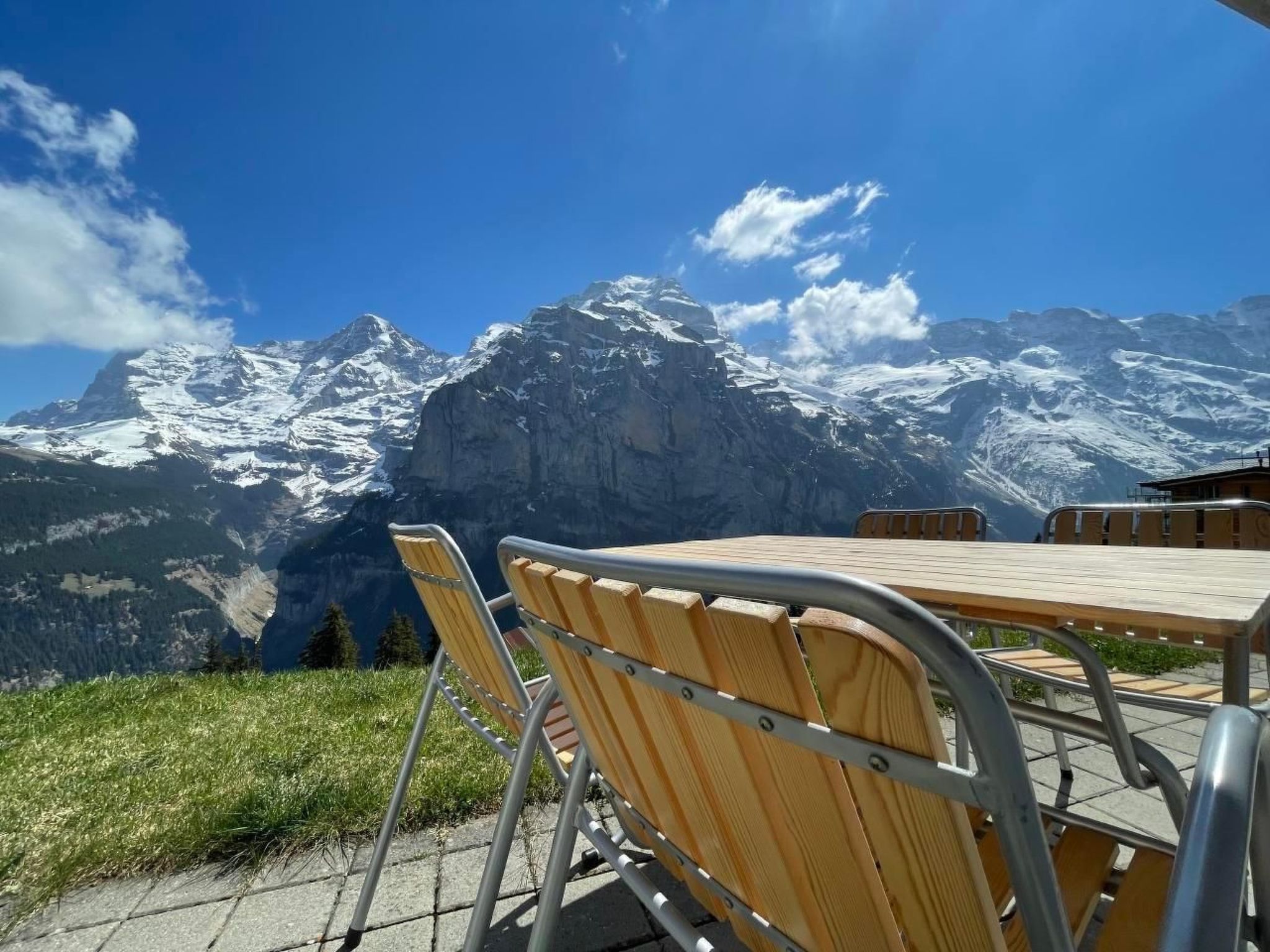
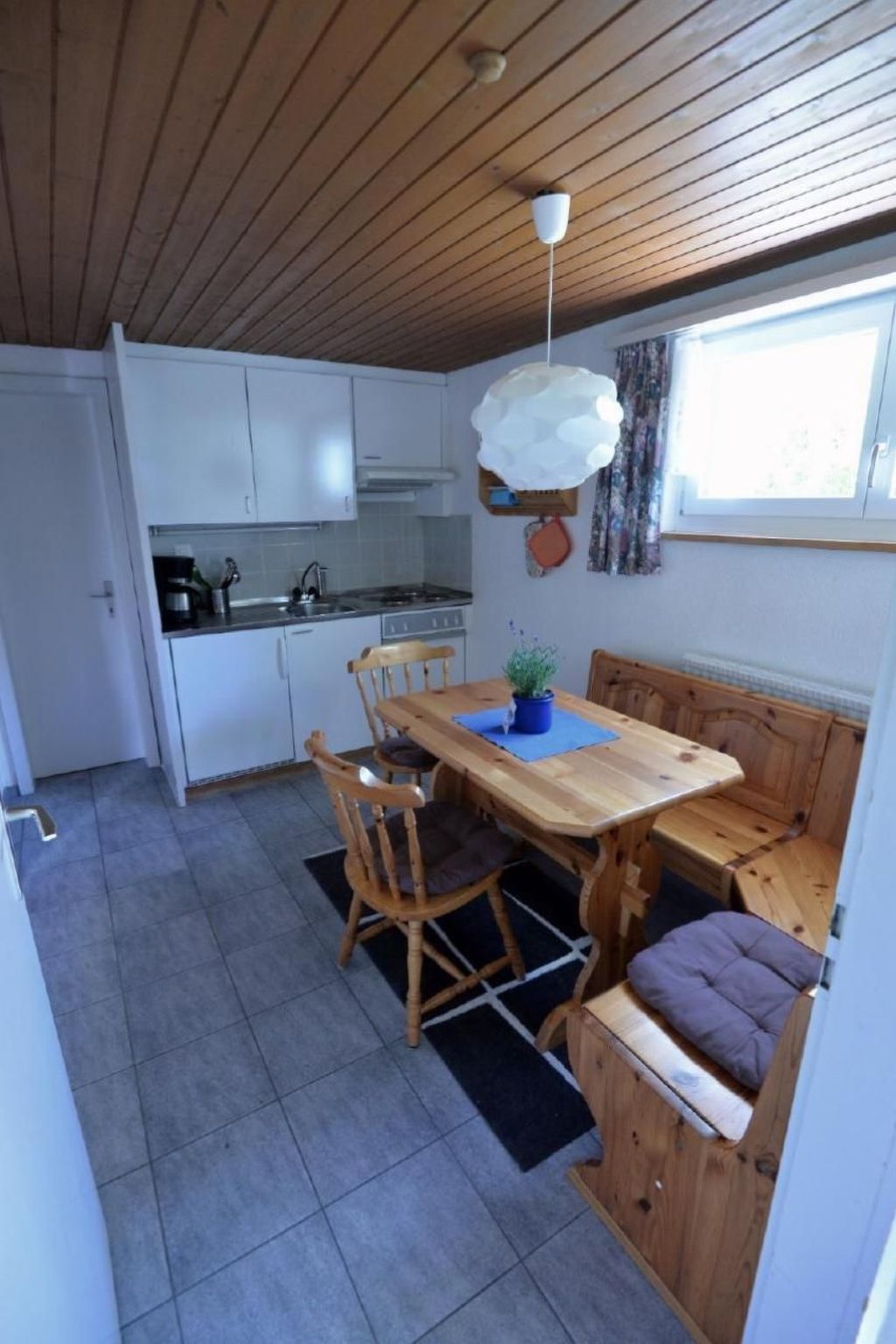
The Bernese Oberland contains Switzerland's most famous peaks (the Eiger and Jungfrau are global icons), yet it avoids the crowded, theme-park quality that famous places often acquire. The region manages this balance through deliberate infrastructure investment and a regional culture that refuses to be diluted. Interlaken serves as the gateway, but the real character lives in the valleys and villages surrounding it. We visit here for hiking reliability. Trails in the Bernese Oberland are exceptionally well-maintained and offer genuine variety, from gentle valley strolls to serious alpine traverses. The region benefits from consistent weather patterns that favour the hiking season. Proximity to Bern and Basel means you're never far from urban culture if you need a break from peaks.
What Makes Bernese Oberland Special
- The scale of accessible infrastructure is genuinely unusual. Cable cars, mountain trains, hiking trails (all maintained to engineering precision) mean you can reach remarkable elevations with minimal physical strain. The Jungfraujoch train climbs to 3,454 metres directly from the valley.
- Lakes integrate seamlessly with mountains. Thun and Brienz lakes sit at the region's heart, their reflections multiplying the peaks' visual impact. Villas positioned on lakefronts combine water access with mountain views in ways few regions match.
- The hiking season runs longer here than in more southern or exposed valleys. Earlier spring starts and later autumn finishes extend your active options. Weather systems here behave somewhat predictably, allowing plan-ahead confidence.
- Village character persists. Despite the fame, towns like Grindelwald, Wengen, and Lauterbrunnen maintain genuine local culture. You'll encounter visitors, yes, but you'll also encounter people who actually live and work here.
- Train routes connecting the major villages mean you can explore widely without vehicle dependency. This liberates you from driving and opens alcohol-inclusive evenings in restaurants.
Top Towns & Resorts in Bernese Oberland
Interlaken
Interlaken sits perfectly between two lakes (Thun and Brienz) and serves as the region's practical gateway. The town pulses with activity (adventure tourism businesses cluster heavily here), but the surrounding landscape absorbs the energy without feeling overrun. Hotels and restaurants service visitors without compromising local life. We'd call it touristy without being artificial. Villas positioned in Interlaken offer accessibility to all regional attractions within 30–60 minutes. Summer culture here runs high; restaurants, cafes, and outdoor markets operate at full capacity. The main drawback: you're sharing space with considerable visitor traffic. Quieter alternatives sit 10–20 minutes away in smaller villages. Interlaken winter is quieter but less reliably snow-covered than higher valleys.
Grindelwald
Grindelwald positions itself as the region's hiking heart. The Eiger's north face dominates the skyline; valley trails range from gentle to serious. The village has invested heavily in infrastructure without losing character. Restaurants here actually excel at both tourist hospitality and local cuisine. Cable cars access high terrain efficiently; trails branch from multiple elevations, allowing flexible planning based on daily mood and weather. Summer crowds are genuine (July-August sees serious numbers), but shoulder seasons offer the same hiking quality with substantially fewer people. Winter brings reliable snow and skiing integrated with the village. Accommodation books far ahead during July and August; late June and early September deliver better value and genuine quietness.
Wengen & Lauterbrunnen Valley
Wengen sits car-free on a mountain shelf accessed via cable car from Lauterbrunnen valley floor. The valley below contains one of Switzerland's most dramatic landscapes: towering rock walls, thundering waterfalls, dramatically steep terrain. Wengen offers mountain village atmosphere with village commerce; Lauterbrunnen provides valley access and somewhat simpler accommodation. We'd choose Lauterbrunnen for budget flexibility and access to valley trails, Wengen for higher-elevation immersion and quieter evenings. The valley experiences significant waterfalls after heavy rain and during spring snow melt; the sound becomes atmospheric (or occasionally oppressive, depending on preference). Winter access to Wengen requires cable car reliability; the system is good but weather-dependent. Summer trails from both locations offer genuine variety: meadow walks, forest hikes, and technical alpine approaches all cluster within close proximity.
Find Villas in Lauterbrunnen Valley →
Kandersteg
Kandersteg sits at the southern end of the Bernese Oberland, experiencing markedly fewer crowds than Grindelwald or Interlaken despite offering comparable mountain access. The Oeschinen lake sits nearby (about 30 minutes uphill), delivering impressive reflections and easy half-day hiking. The village maintains a genuinely local character while offering adequate tourism infrastructure. Summer hiking here feels less crowded; trails branch in all directions without the bottleneck effect you encounter in more famous valleys. Winter brings reliable snow and quietness. The season here actually feels like a season rather than a commercial event. Regional wines and cheeses from surrounding farms integrate into local restaurants in ways that feel integrated rather than performed. A practical caveat: it's more remote than Interlaken or Grindelwald, requiring roughly 1.5 hours from either by car. Transport between villages relies more on cars than the train network covering northern valleys.
Jungfrau Region (Schilthorn, Eiger experiences)
The Jungfrau region encompasses the highest peaks and most dramatic alpine experiences. Cable cars access the Schilthorn (2,970 metres) with a rotating restaurant and 360-degree views covering four countries on clear days. The Jungfraujoch train climbs to Europe's most accessible high-altitude experience (3,454 metres). While genuinely touristy, the scenery overwhelms the commerce. Spring and autumn visits (May or September) deliver better value and fewer crowds. Winter sees school holiday surges but maintains quietness outside those weeks. Villages around the base (Gimmelwald, Mürren) preserve car-free mountain living. Hiking from these elevations descends through constantly shifting terrain and vegetation: one day's hike encompasses multiple seasonal ecosystems.