Villas in Caldes de Boi
Caldes de Boí suits walkers and spa-goers who want a mineral-spring spa at about 1,470 metres in the Vall de Boí. Only a handful of people live here, and the airports are a long way off.
- Villas
- 47
- From, per week
- £532
About Caldes de Boi
Caldes de Boí is a spa, not a village. Its 37 mineral-medicinal springs have fed a bathing place of Roman origin, and today there are natural steam rooms and two hotels, on the right bank of the Noguera de Tor. The road reached it only in the late 1950s, and it sits at km 20 of the L-500, 8.5 km north of Barruera. A tiny number of people live here. Our homes are all together at the spa, mostly for around four with one bedroom, many with a fireplace and a garden, and few list WiFi, so check before you book. The valley borders the Aigüestortes i Estany de Sant Maurici National Park to the north-east.
Is Caldes de Boi right for you?
- Best for
- Walkers and spa visits at the end of the valley
- Not for you if
- You want a village with shops and restaurants at your door.
Near Caldes de Boi
Barruera
The municipal seat, 8.5 km south of Caldes de Boí, with the Romanesque church of Sant Feliu just north of the village.
Taüll
Home to the Romanesque churches of Sant Climent and Santa Maria, consecrated a day apart in December 1123; Sant Climent has a six-storey bell tower.
Erill la Vall
A valley village whose Romanesque church of Santa Eulàlia has a bell tower 23 m high.
Aigüestortes National Park
More than 200 lakes in 14,119 hectares, with a park visitor centre in Boí and another in Espot.
Boí-Taüll
The highest ski resort in the Pyrenees, in the same valley.
Getting to Caldes de Boi
Andorra-La Seu d'Urgell is the nearest airport, about two hours away by car. From Barcelona, public transport takes around five hours, with two trains and a taxi, so hiring a car or booking a transfer is the realistic choice. Once in the valley, a car is the practical way around.
When to go to Caldes de Boi
The national park's 27 signposted walking routes run from 1,200 to 3,000 metres. Boí-Taüll, said to be the highest ski resort in the Pyrenees, covers winter. Each June or July, from the summer solstice, the Fallas fire festival takes place in five villages including Boí, Taüll and Barruera. Check which hotels and the spa are open before booking outside summer.
Villas in Caldes de Boi

3-Bedroom Home, Caldes de Boi
Caldes de Boi, Pyrenees, Spain
4
3
0
ParkingDishwasherGarden+9 more
from£111
per night
1-Bedroom Home, Caldes de Boi
Caldes de Boi, Pyrenees, Spain
4
1
0
FireplaceMicrowaveWashing Machine+4 more
from£96
per night
2-Bedroom Home, Caldes de Boi
Caldes de Boi, Pyrenees, Spain
4
2
0
MicrowaveWashing MachineFridge+2 more
from£118
per night
3-Bedroom Home, Caldes de Boi
Caldes de Boi, Pyrenees, Spain
7
3
0
ParkingFireplaceGarden+5 more
from£123
per night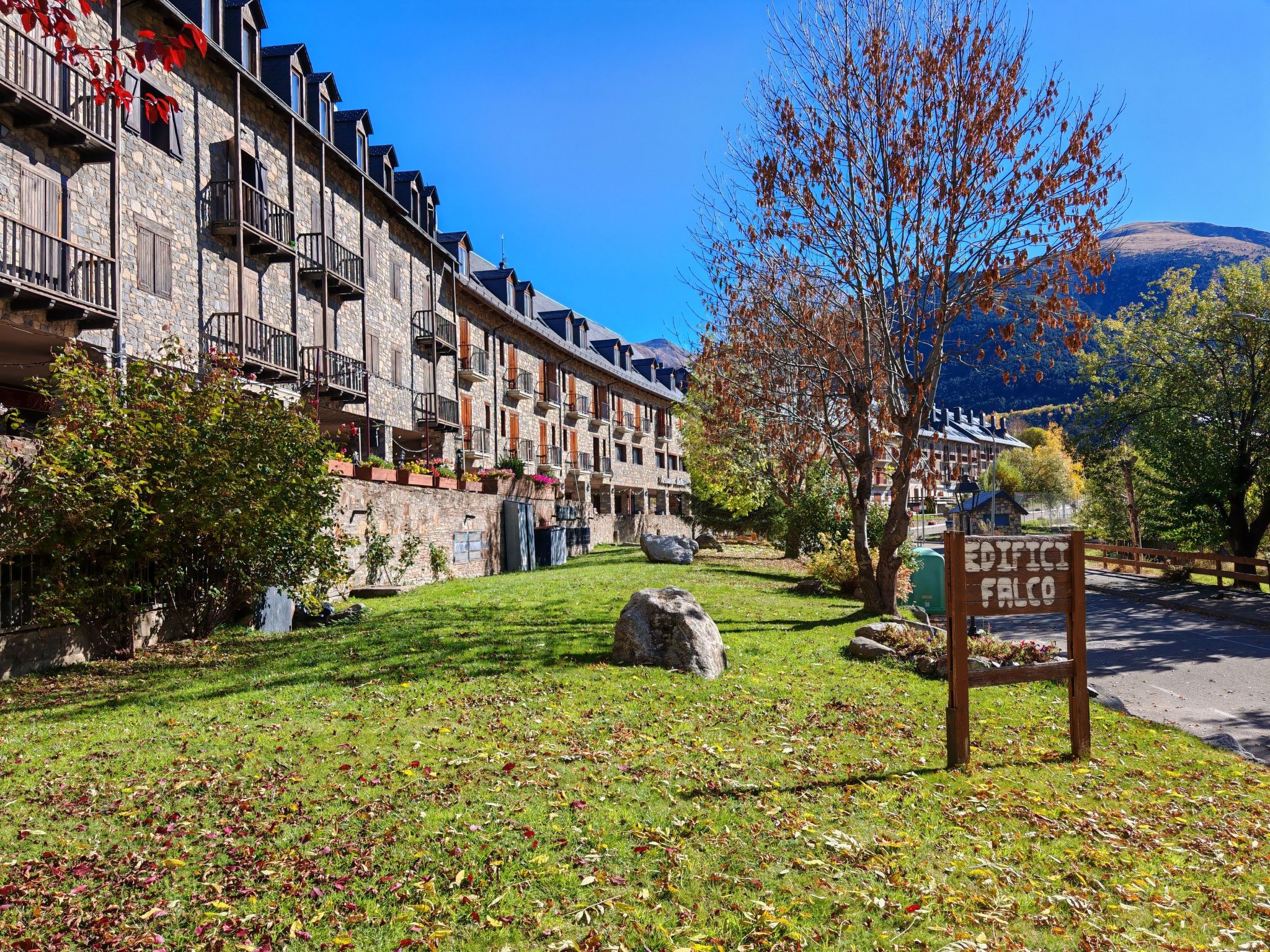
1-Bedroom Home, Caldes de Boi
Caldes de Boi, Pyrenees, Spain
4
1
0
FireplaceMicrowaveWashing Machine+4 more
from£96
per night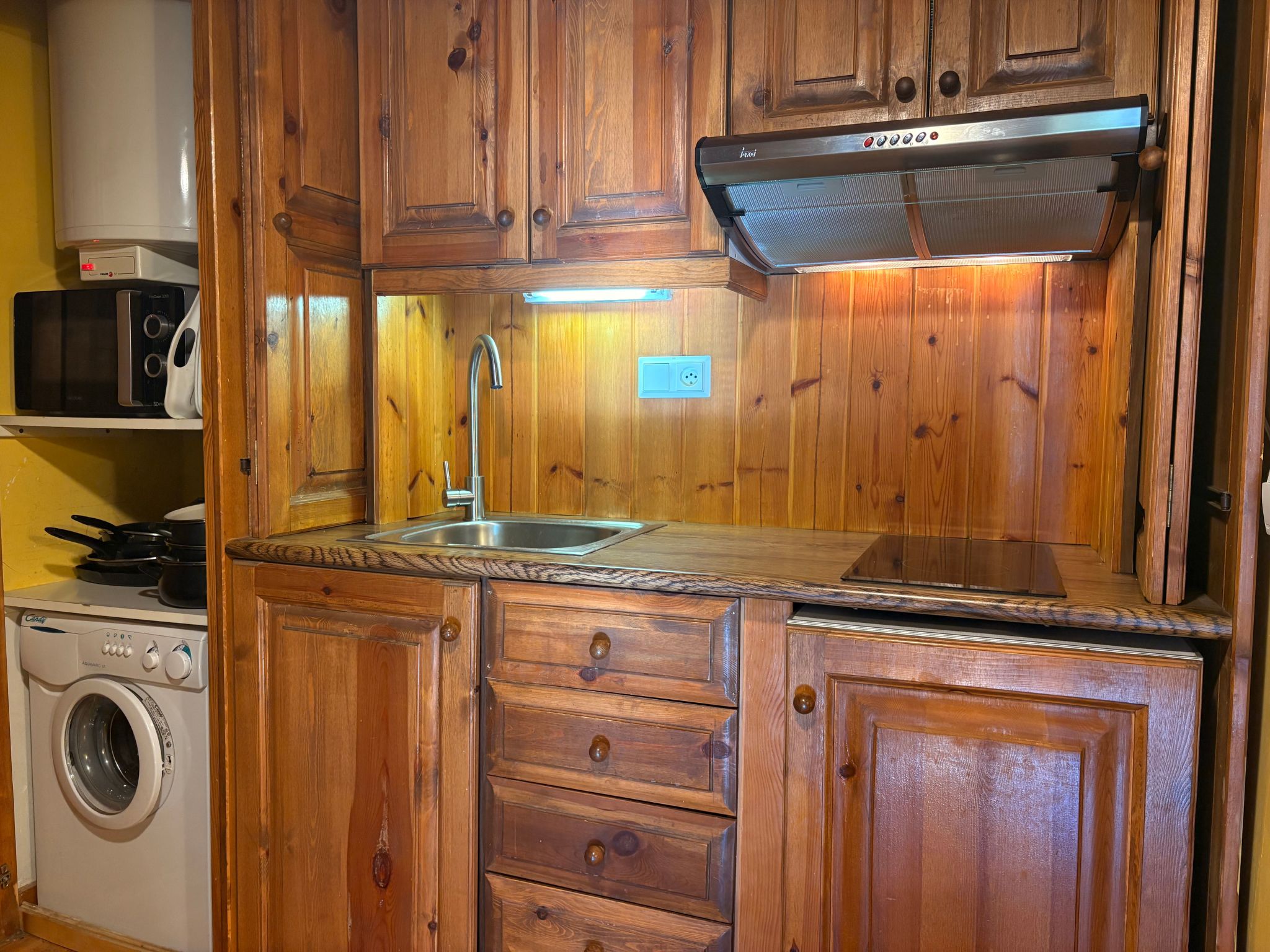
1-Bedroom Home, Caldes de Boi
Caldes de Boi, Pyrenees, Spain
3
1
0
MicrowaveTerraceWashing Machine+5 more
from£90
per night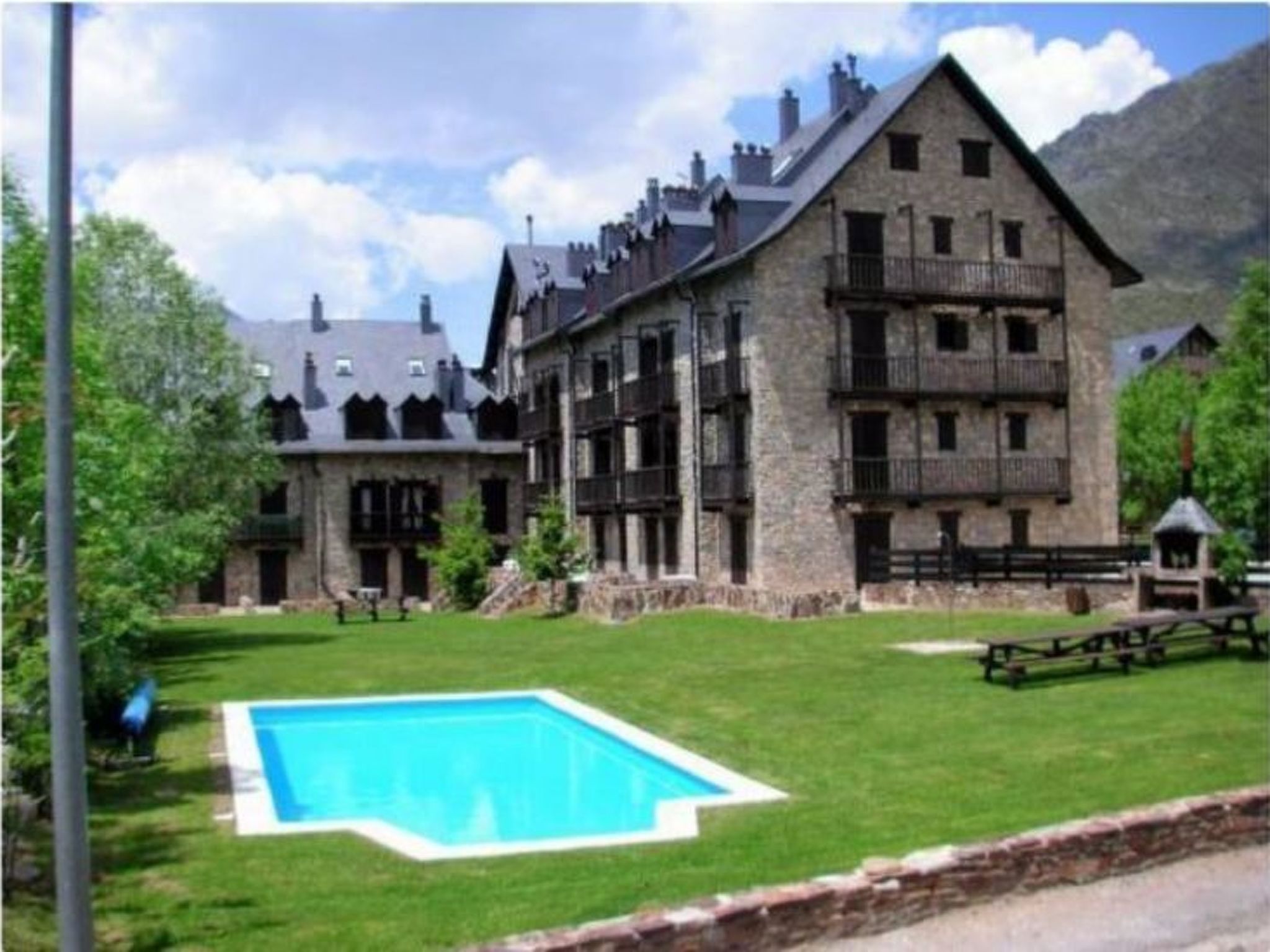
1-Bedroom Home, Caldes de Boi
Caldes de Boi, Pyrenees, Spain
4
1
0
BBQFireplaceGarden+8 more
from£90
per night
3-Bedroom Home, Caldes de Boi
Caldes de Boi, Pyrenees, Spain
6
3
0
BBQFireplaceGarden+7 more
from£152
per night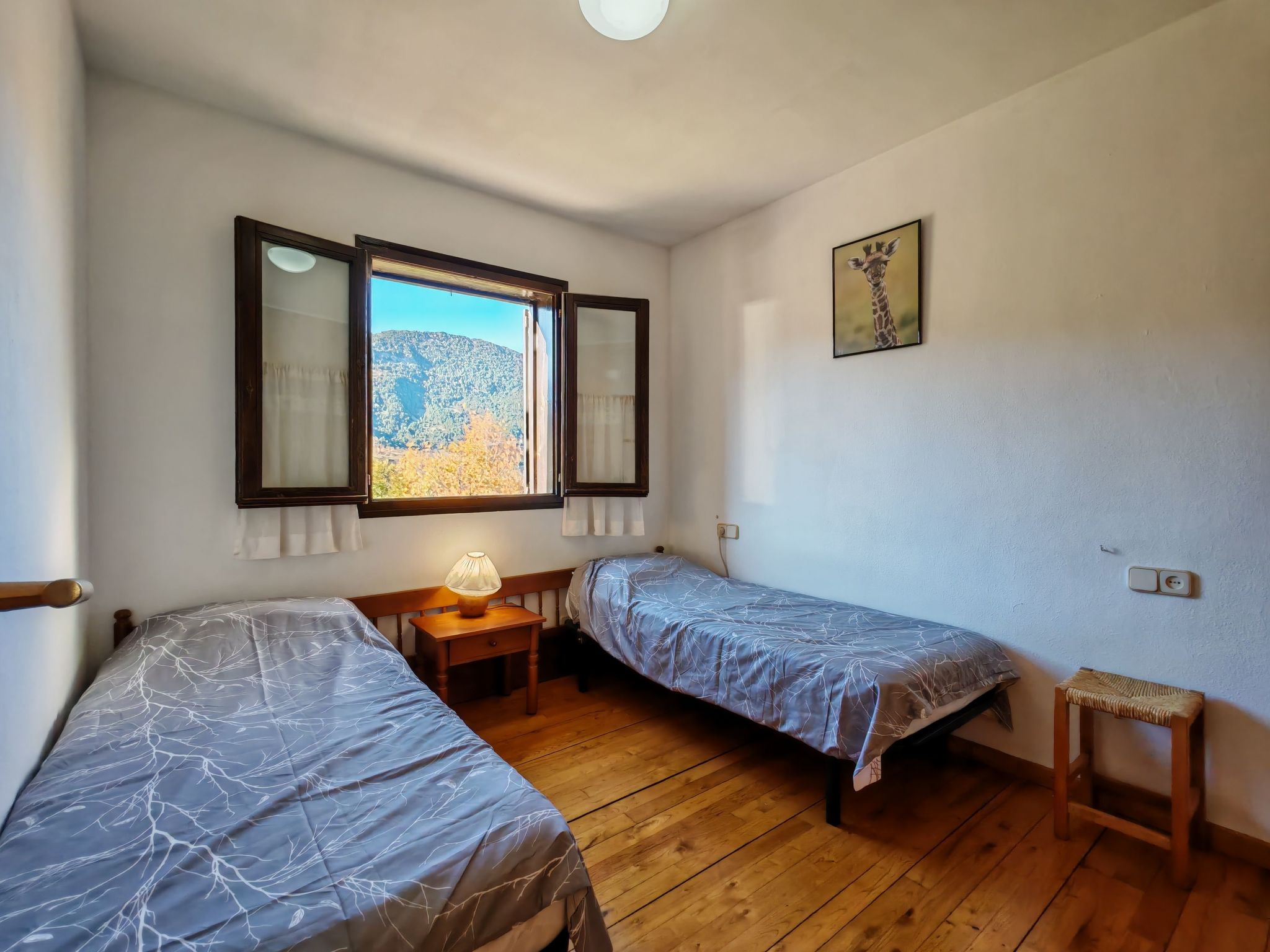
1-Bedroom Home, Caldes de Boi
Caldes de Boi, Pyrenees, Spain
4
1
0
FireplaceMicrowaveWashing Machine+4 more
from£90
per night
1-Bedroom Home, Caldes de Boi
Caldes de Boi, Pyrenees, Spain
2
1
0
GardenMicrowaveWashing Machine+4 more
from£90
per night
3-Bedroom Home, Caldes de Boi
Caldes de Boi, Pyrenees, Spain
8
3
0
BBQGardenMicrowave+5 more
from£130
per night
1-Bedroom Home, Caldes de Boi
Caldes de Boi, Pyrenees, Spain
4
1
0
MicrowaveWashing MachineFridge+2 more
from£90
per night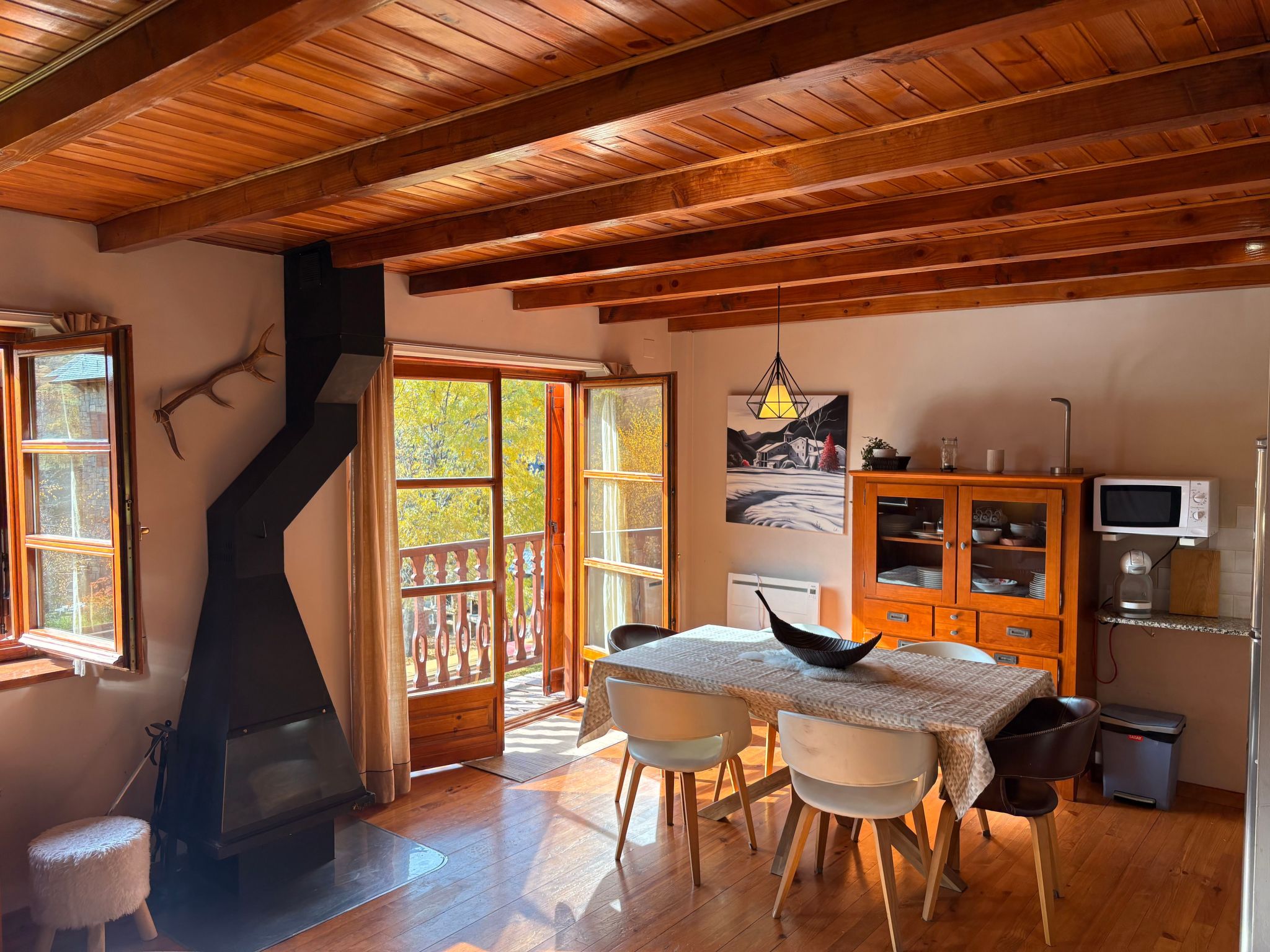
3-Bedroom Home, Caldes de Boi
Caldes de Boi, Pyrenees, Spain
6
3
0
BBQDishwasherFireplace+7 more
from£130
per night
1-Bedroom Home, Caldes de Boi
Caldes de Boi, Pyrenees, Spain
4
1
0
GardenMicrowaveTerrace+4 more
from£90
per night
3-Bedroom Home, Caldes de Boi
Caldes de Boi, Pyrenees, Spain
8
3
0
DishwasherFireplaceMicrowave+5 more
from£123
per night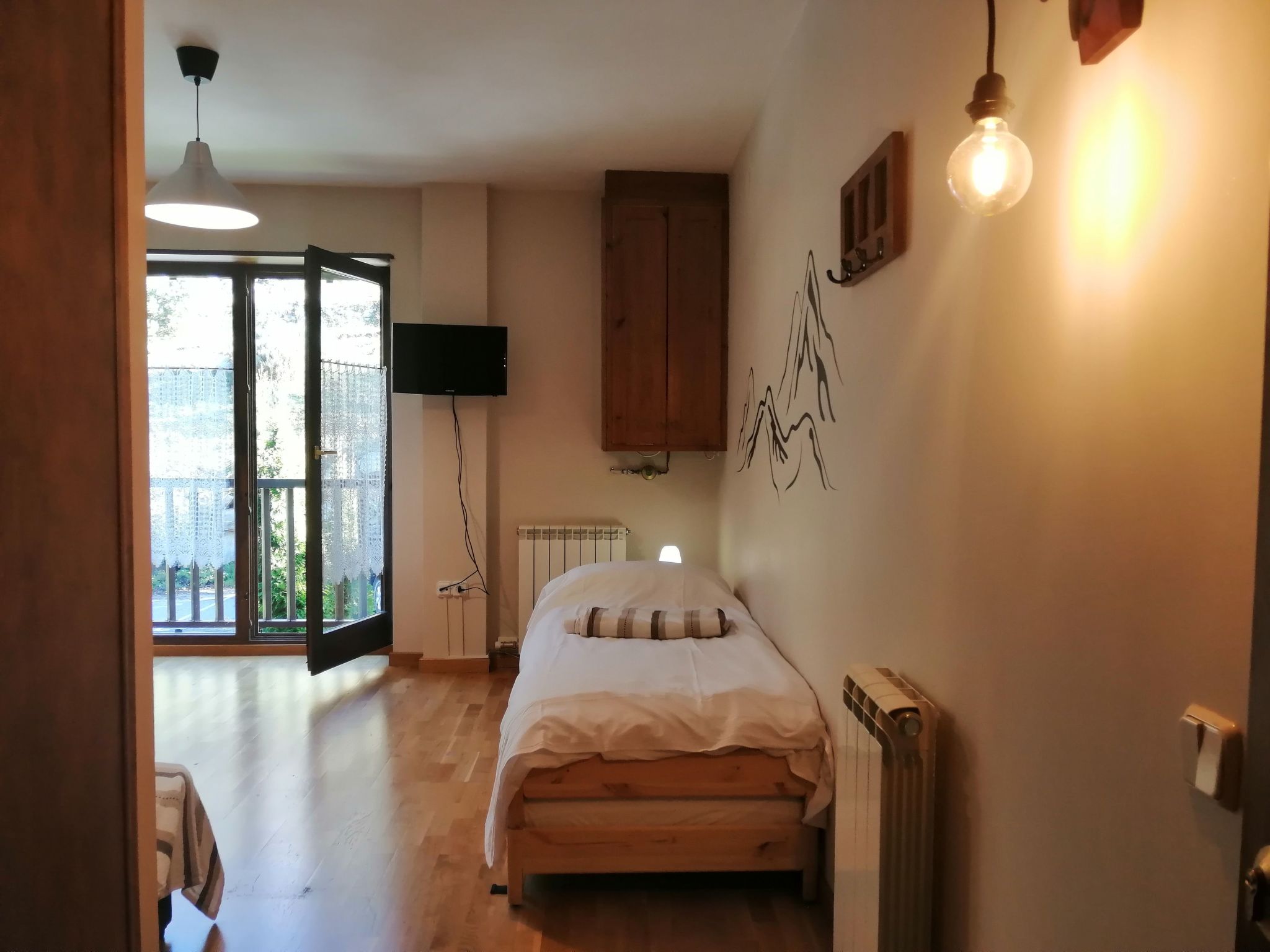
1-Bedroom Home, Caldes de Boi
Caldes de Boi, Pyrenees, Spain
4
1
0
GardenMicrowaveWashing Machine+5 more
from£81
per night
1-Bedroom Home, Caldes de Boi
Caldes de Boi, Pyrenees, Spain
3
1
0
GardenMicrowaveWashing Machine+4 more
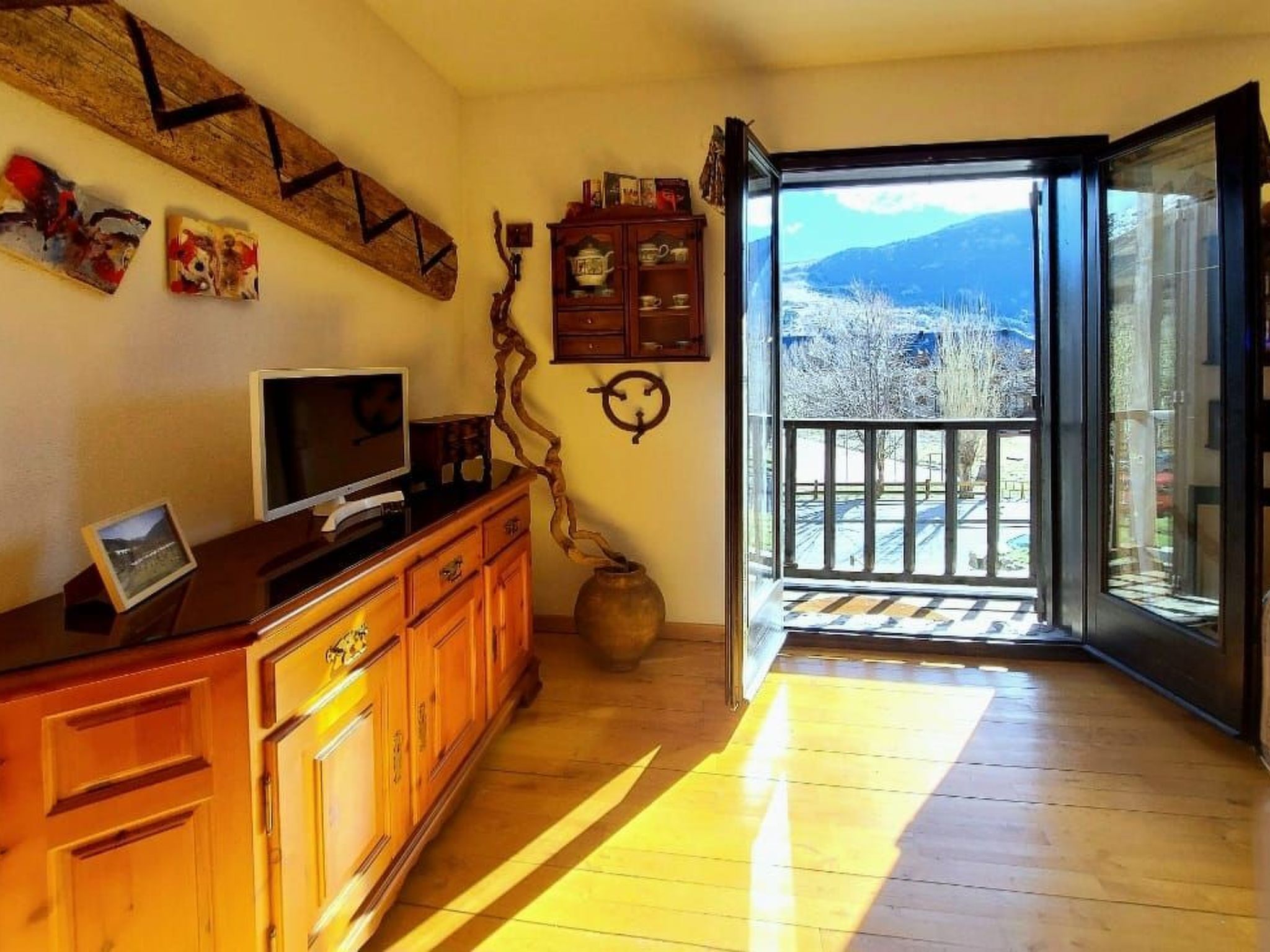
Falcó 10
Caldes de Boi, Pyrenees, Spain
2
1
0
MicrowaveWashing MachineFridge+3 more
from£90
per night

1-Bedroom Home, Caldes de Boi
Caldes de Boi, Pyrenees, Spain
4
1
0
BBQGardenMicrowave+5 more
from£90
per night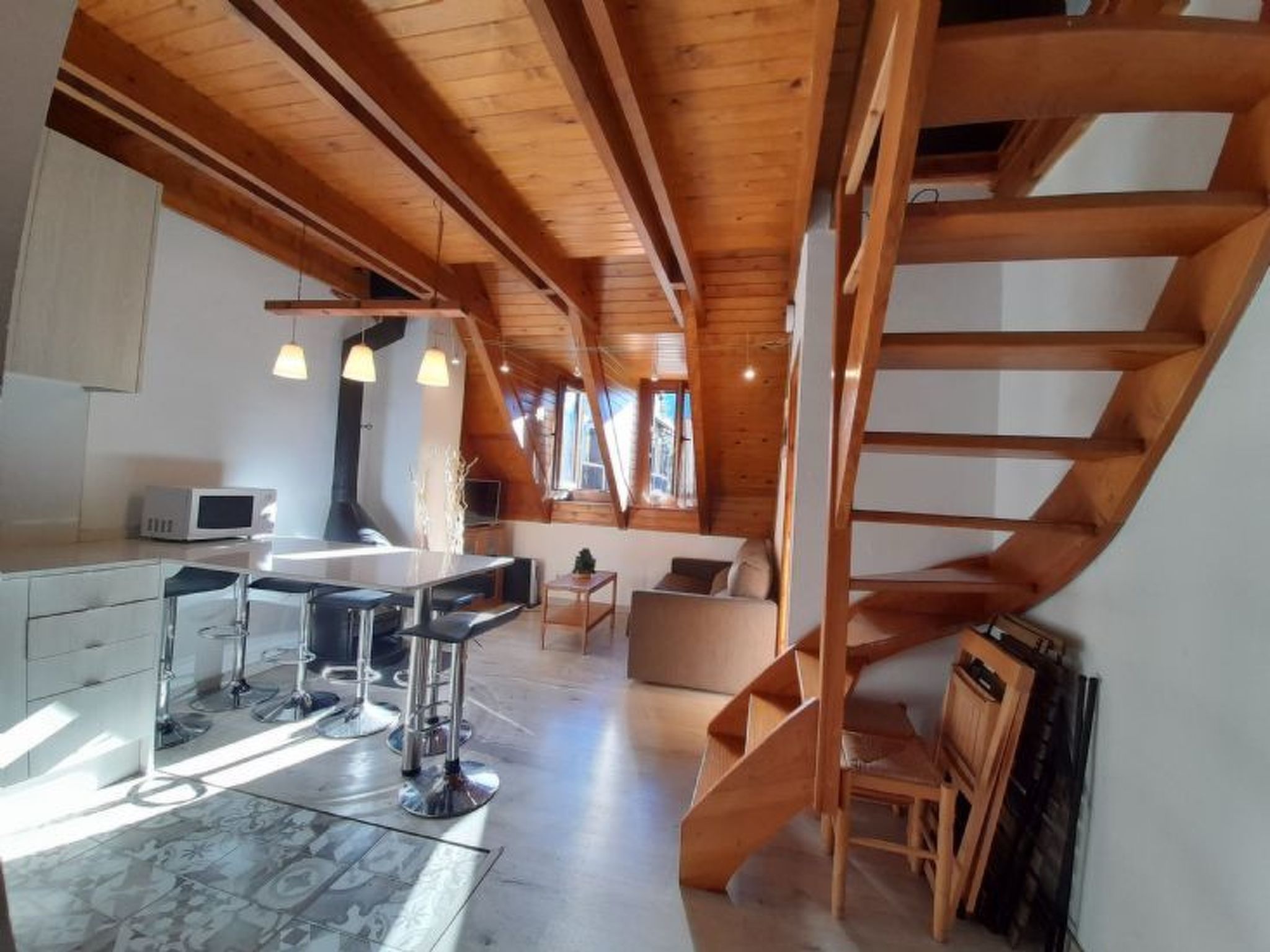
"Herbasabina 4".
Caldes de Boi, Pyrenees, Spain
6
2
0
BBQFireplaceGarden+6 more
from£111
per night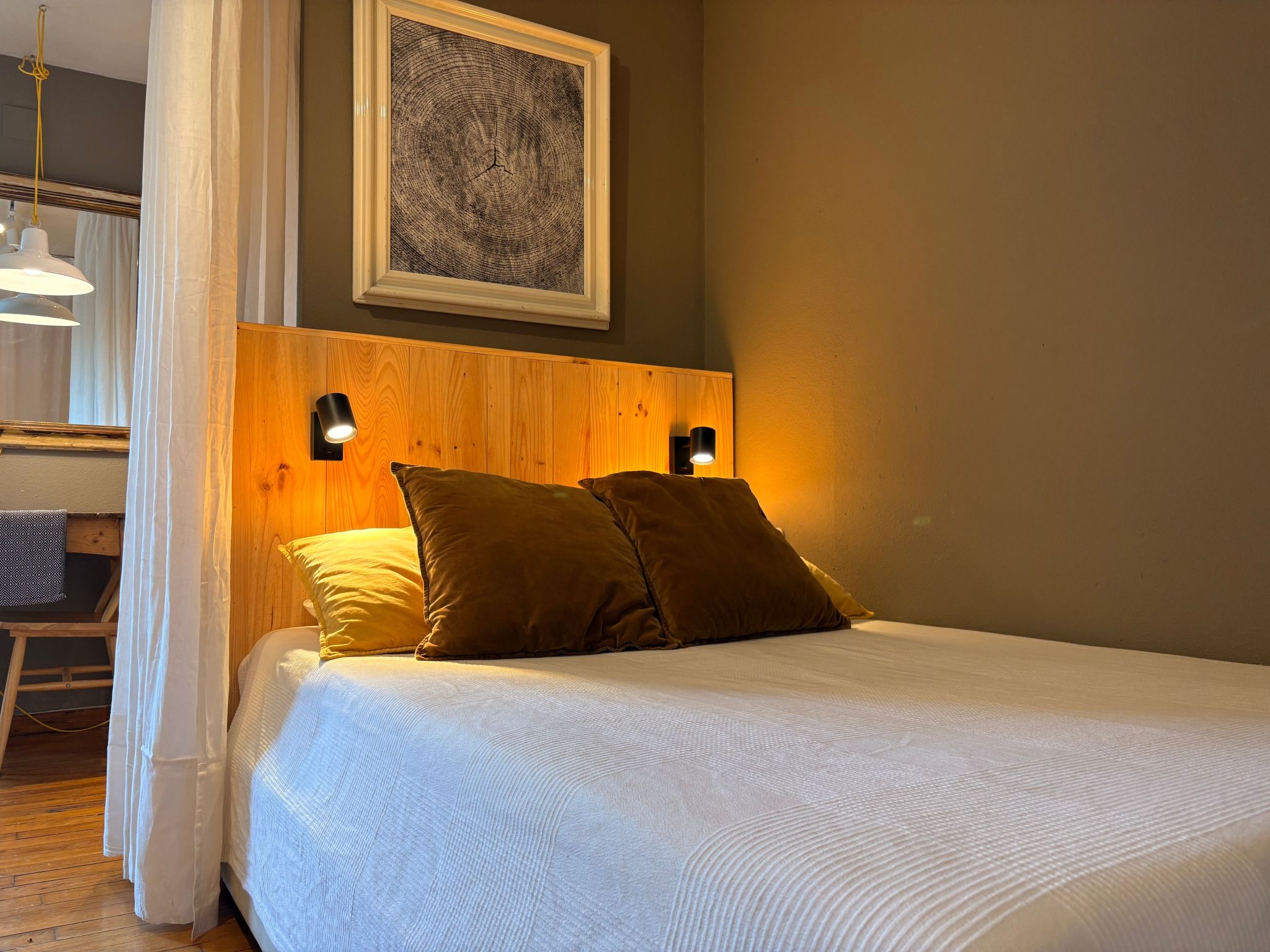
1-Bedroom Home, Caldes de Boi
Caldes de Boi, Pyrenees, Spain
4
1
0
BBQGardenMicrowave+6 more
from£76
per night
Falcó 4 - Nórdico y acogedor
Caldes de Boi, Pyrenees, Spain
4
1
0
MicrowaveParkingWashing Machine+4 more
from£98
per nightCaldes de Boi villa holidays: questions answered
Is Caldes de Boí a village?
Not really. It is a spa at about 1,470 metres on the Noguera de Tor, with two hotels and natural steam rooms, and it had around a dozen residents in 2018.
What are the springs at Caldes de Boí?
There are 37 mineral-medicinal springs, and the spa is of Roman origin. The waters are used for skin conditions and rheumatism, and some are sulphurous.
What are the Romanesque churches near Caldes de Boí?
Nine churches in the valley were inscribed as a UNESCO World Heritage Site on 30 November 2000, among them Sant Climent and Santa Maria in Taüll and Sant Feliu in Barruera. The valley has the densest concentration of Romanesque architecture in Europe.
Which airport is nearest to Caldes de Boí?
Andorra-La Seu d'Urgell, about two hours away by car. Barcelona has far more flights, but public transport from there takes around five hours with a taxi leg, so renting a car or booking a transfer makes more sense.
Can I walk into Aigüestortes from Caldes de Boí?
Yes, the valley borders the national park to the north-east. It has 27 signposted walking routes, more than 200 lakes, and visitor centres in Boí and Espot. Take a map and proper footwear.
Nearby towns to Caldes de Boi
Written by the TrustedVillas team. Last reviewed October 2026.
Find Your Perfect Villa in Caldes de Boi
Our villa experts are here to help you find the ideal property for your vacation. Contact us for personalized recommendations.