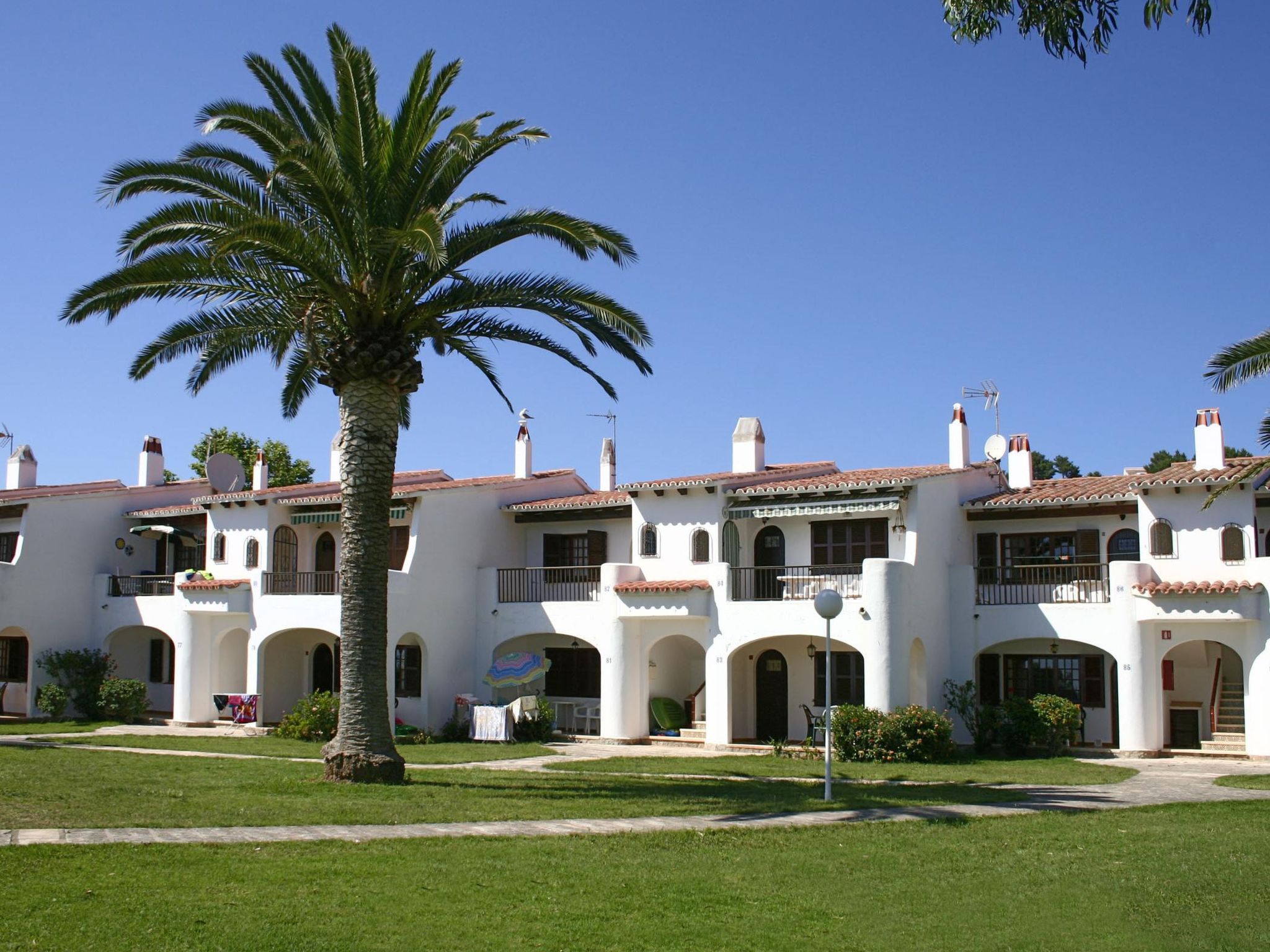
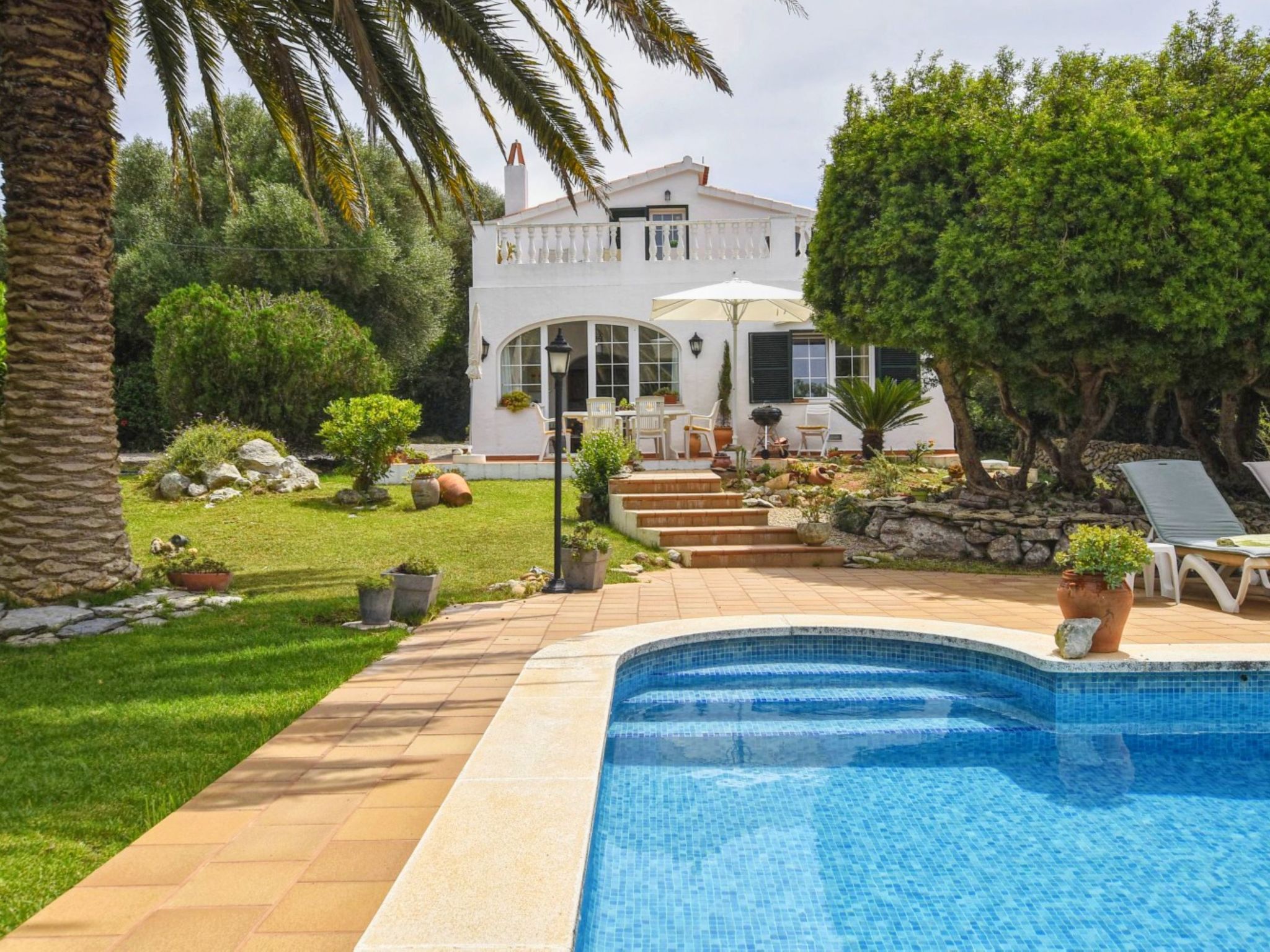
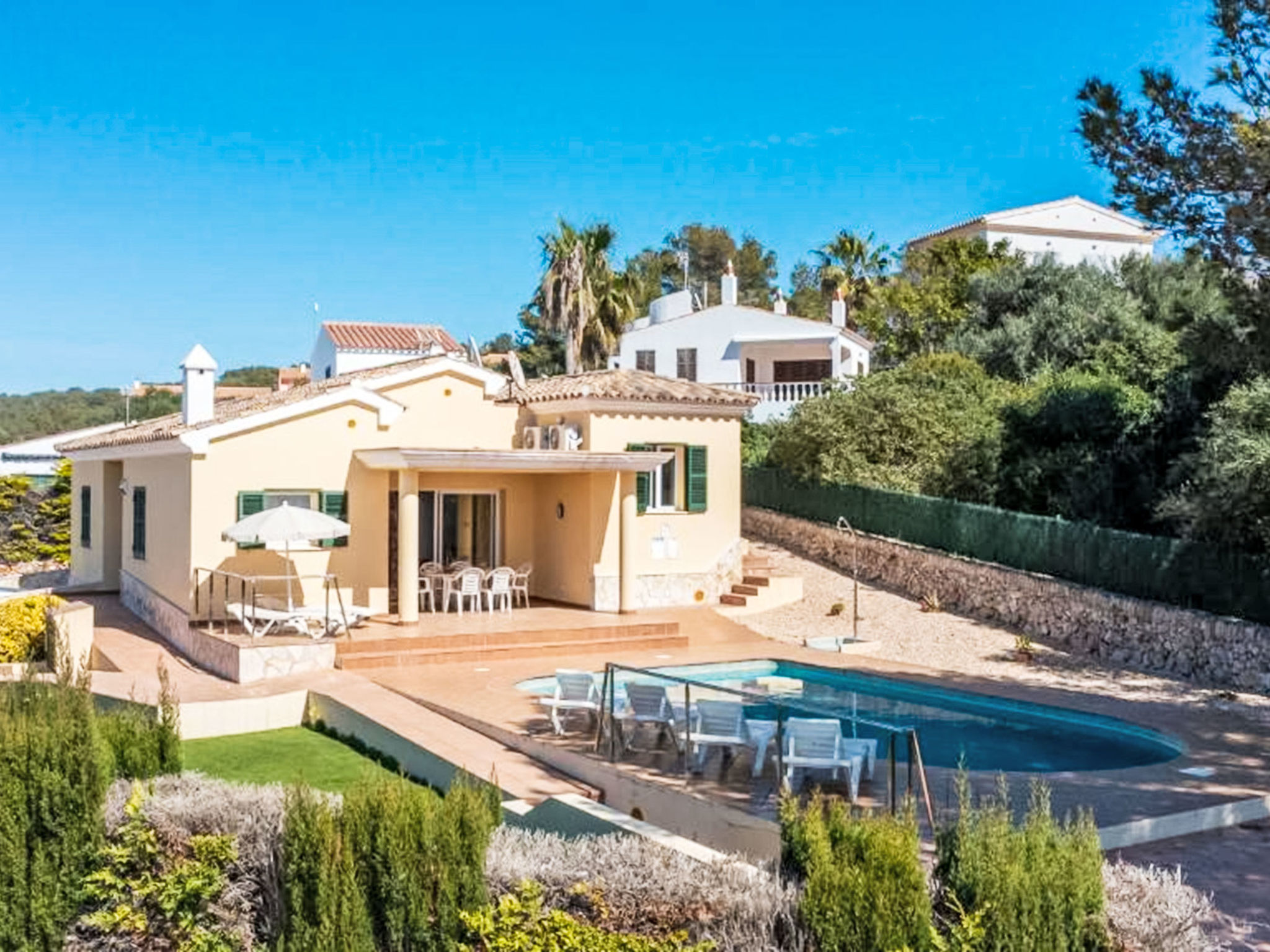
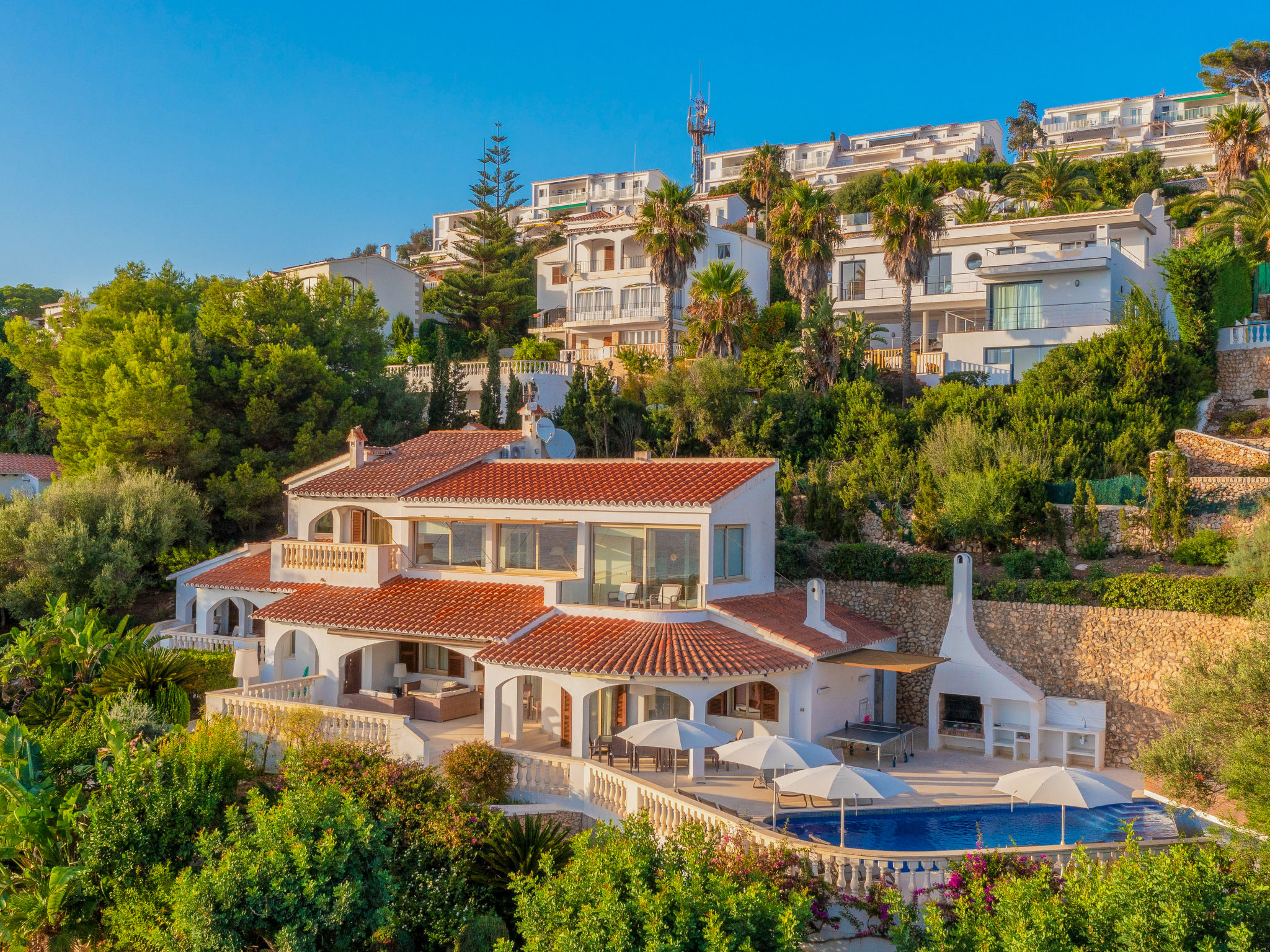
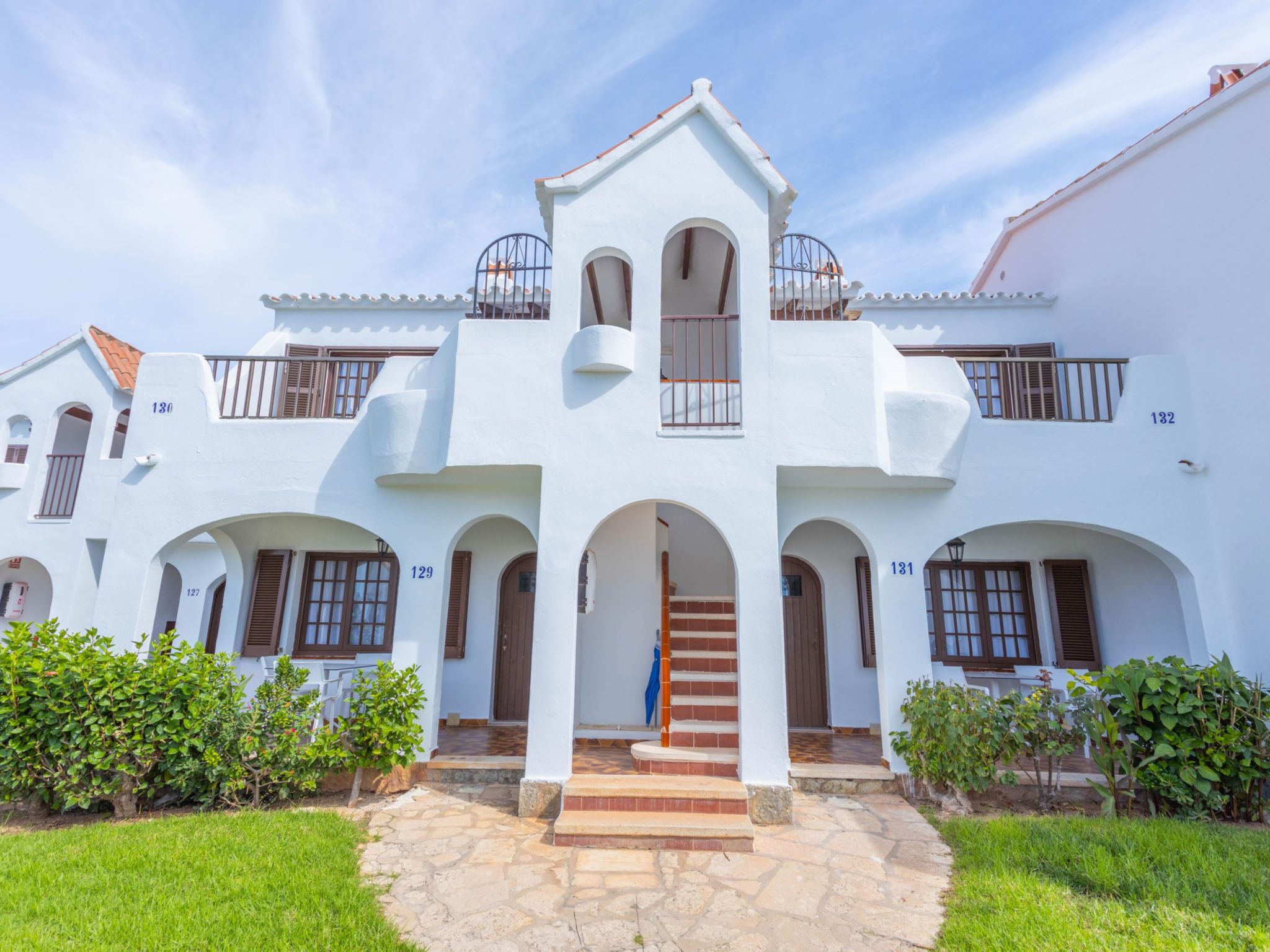
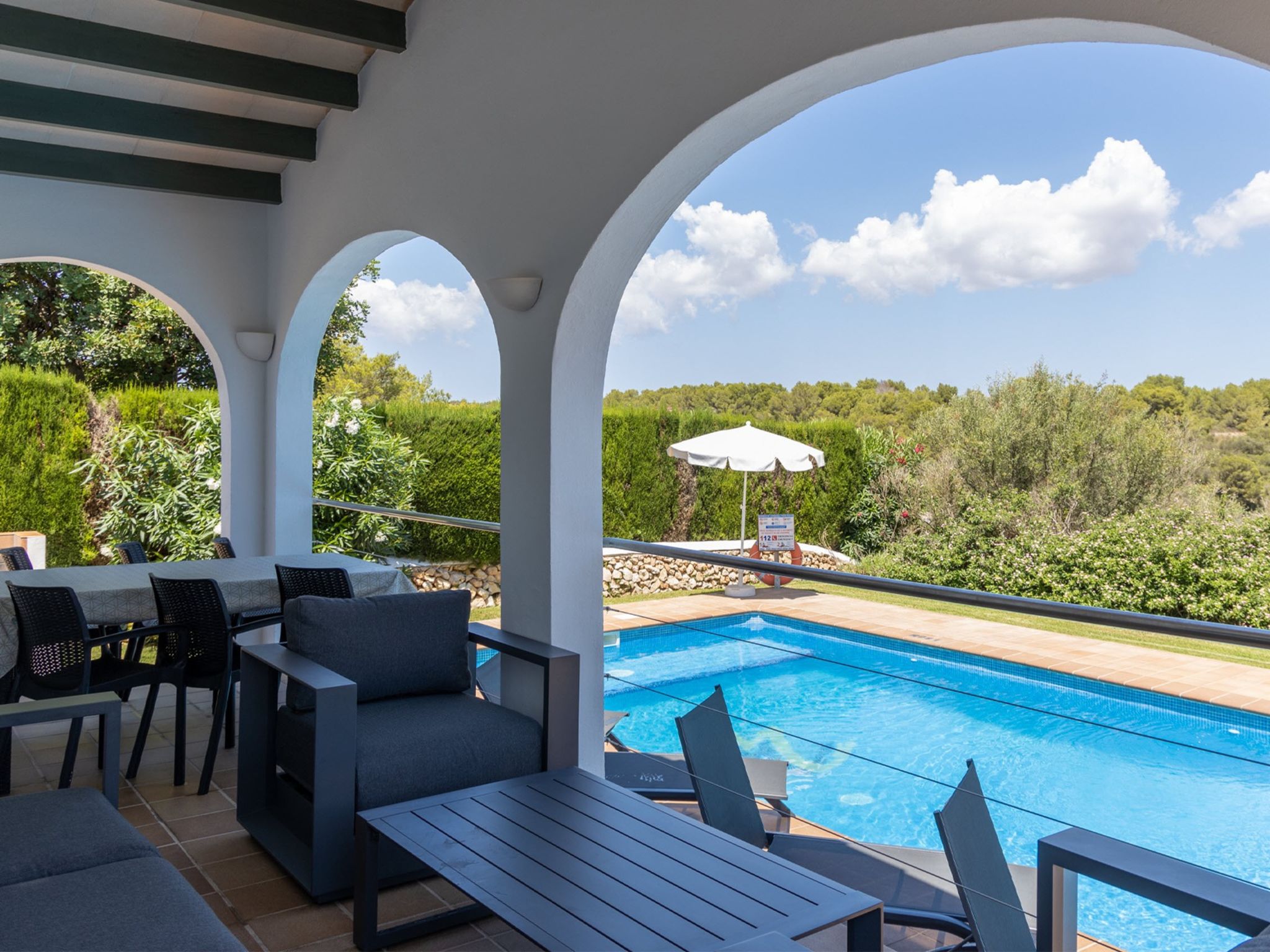
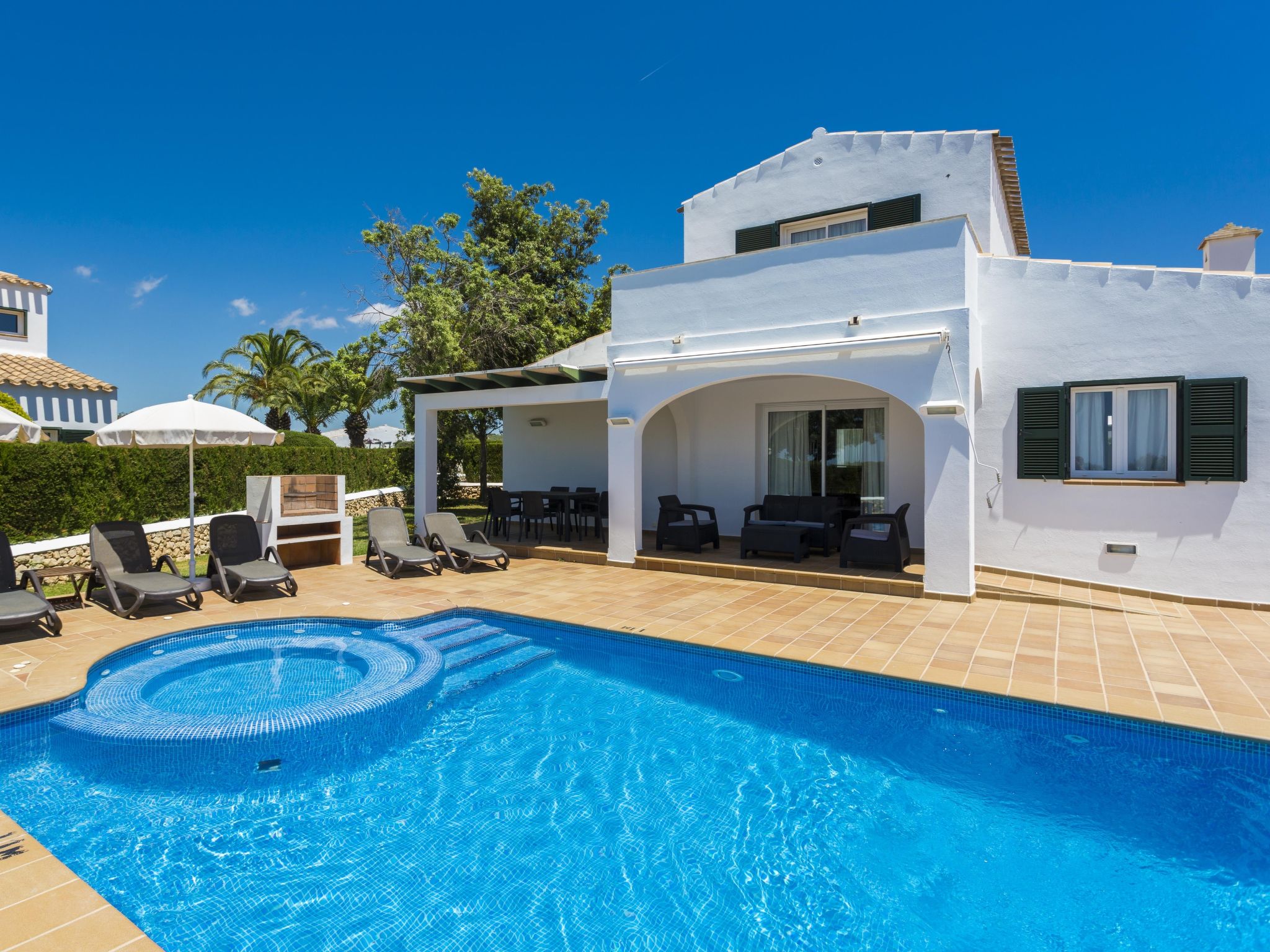
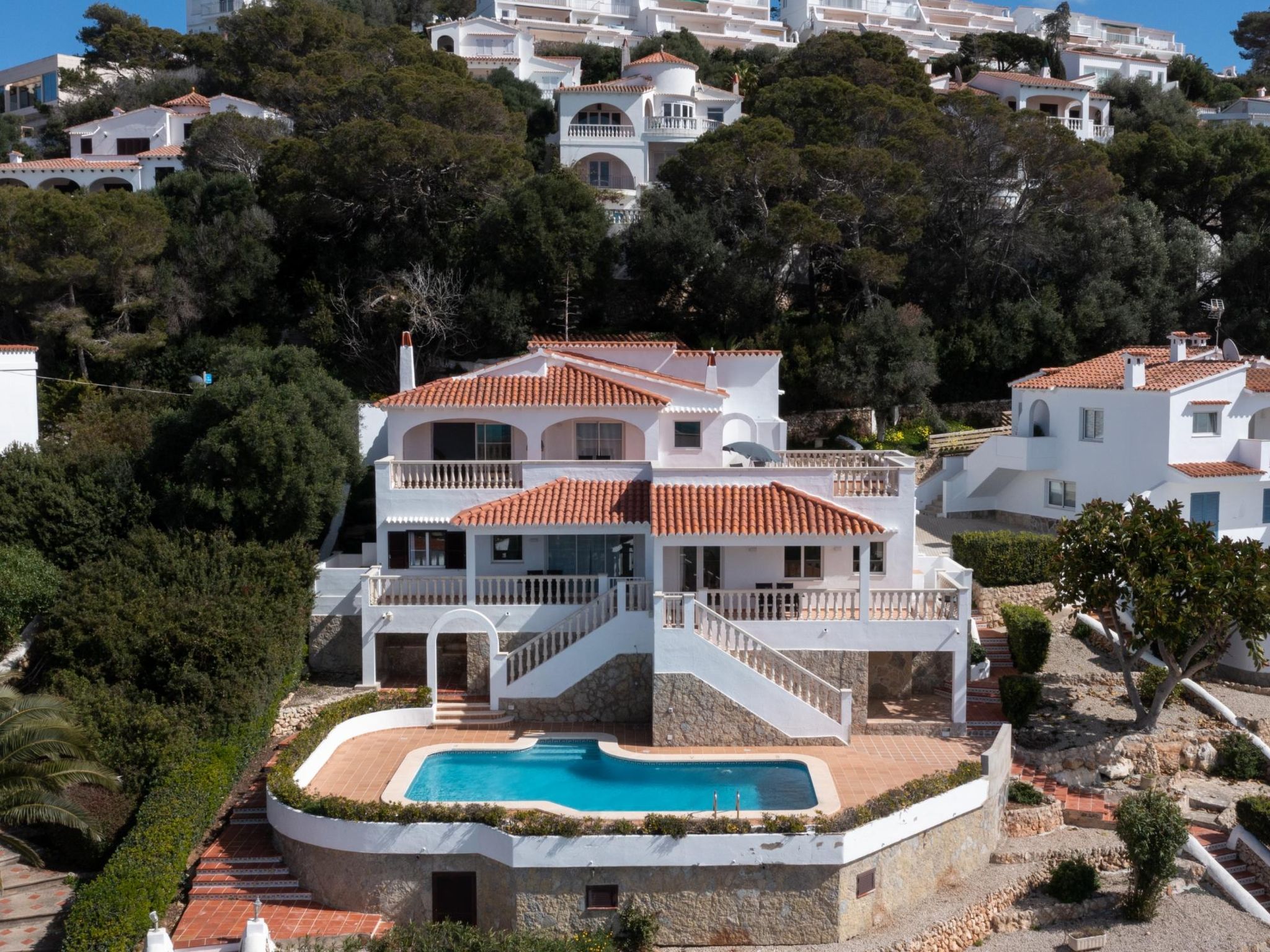
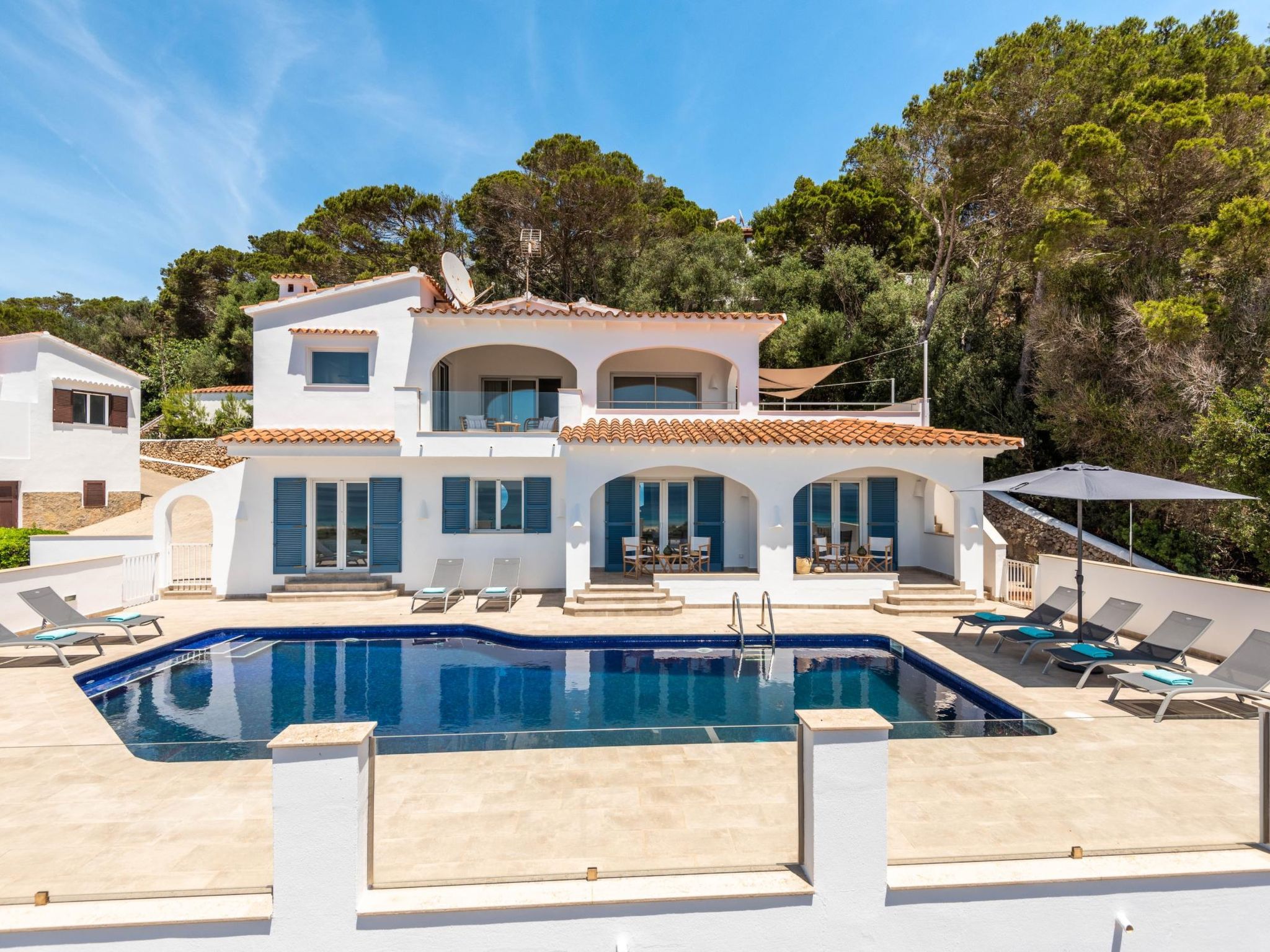
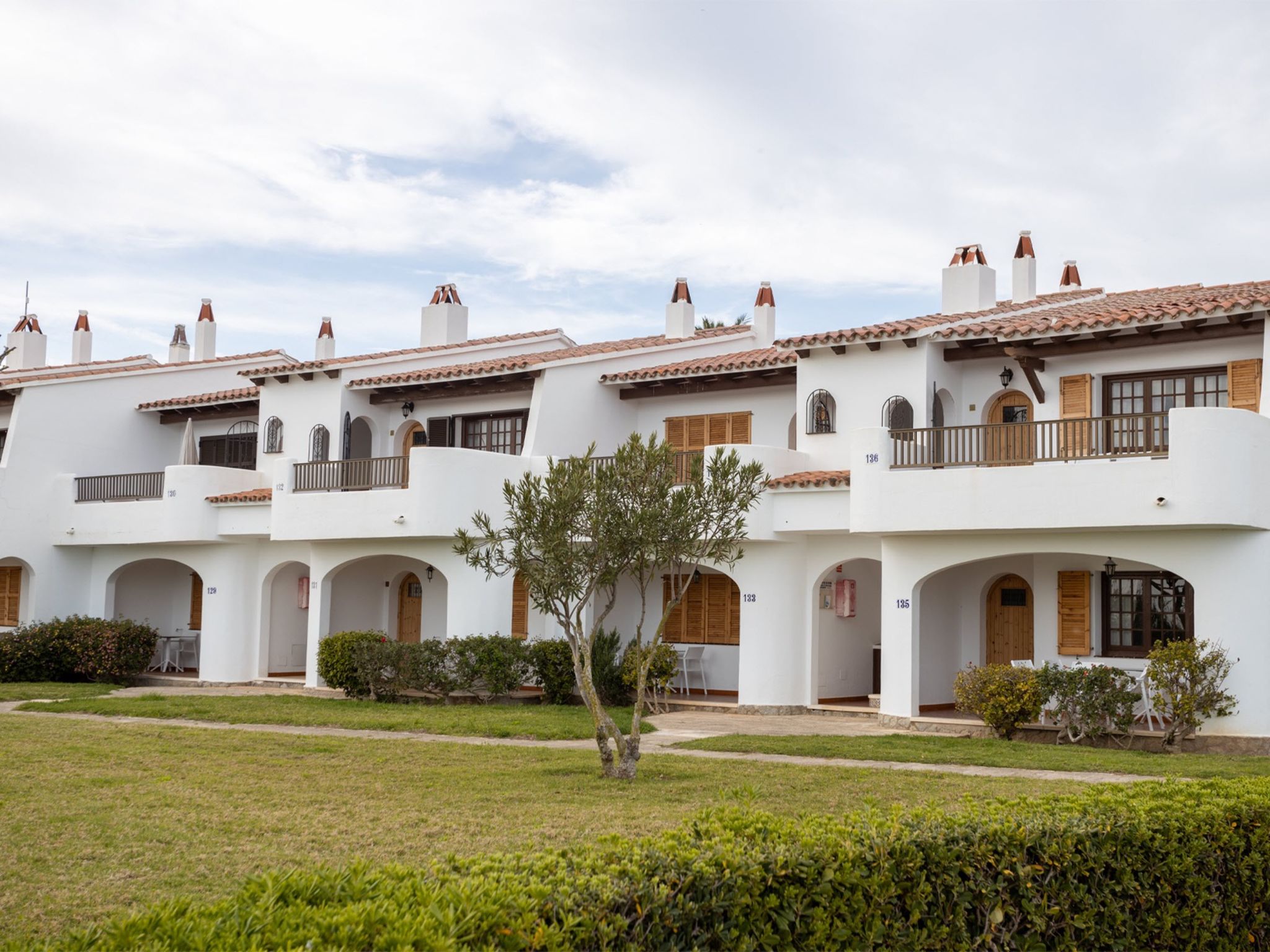
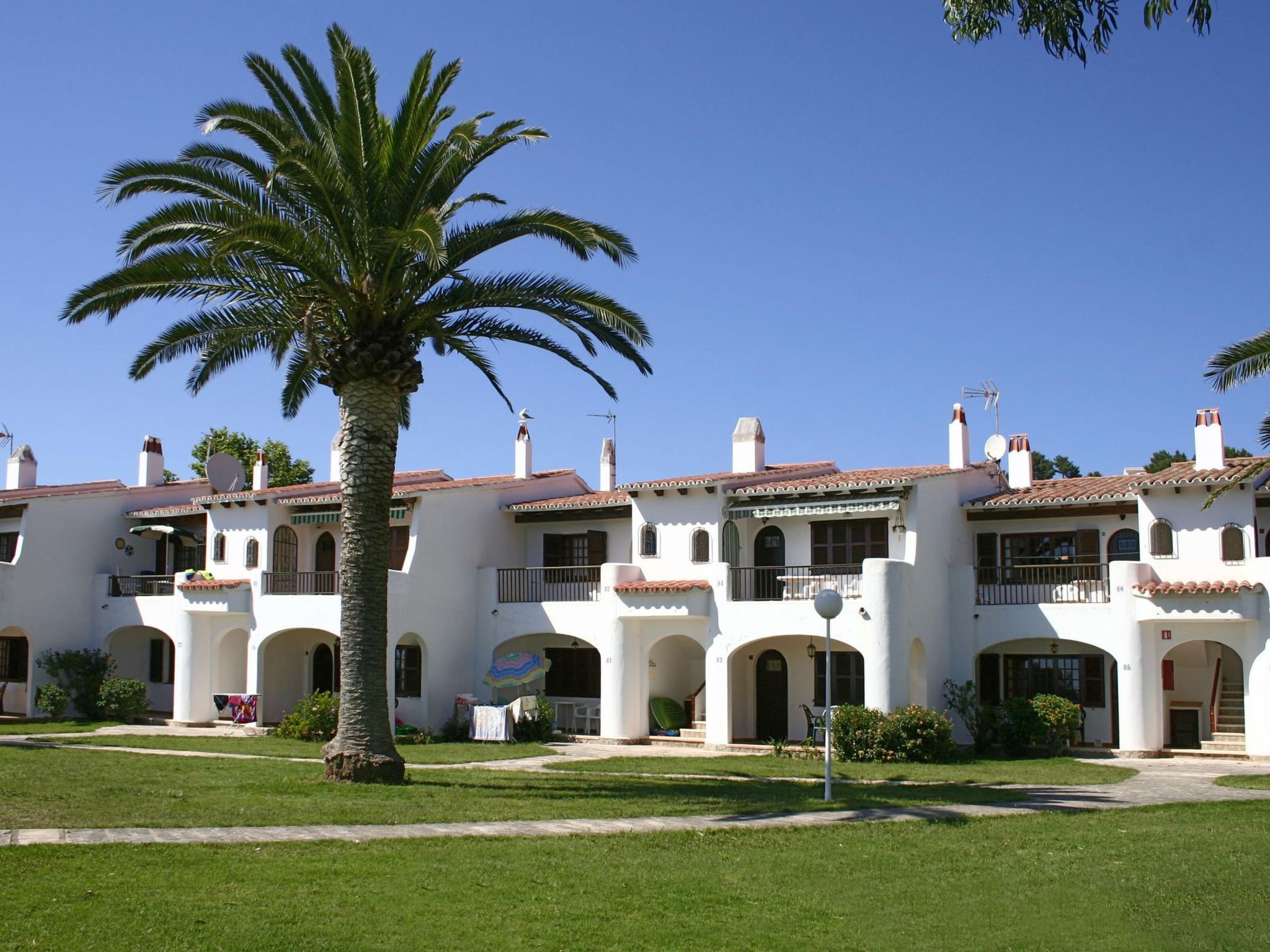
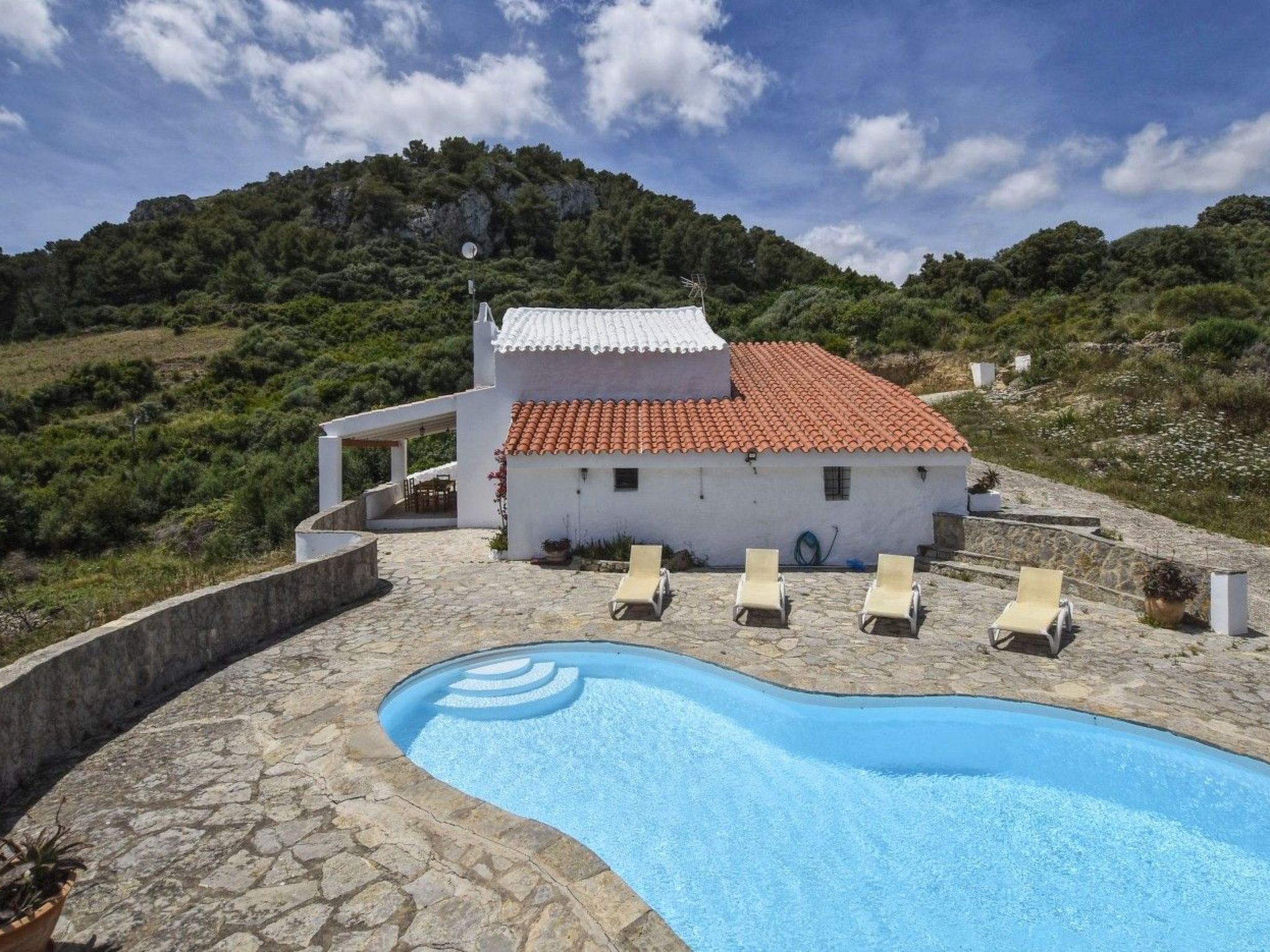
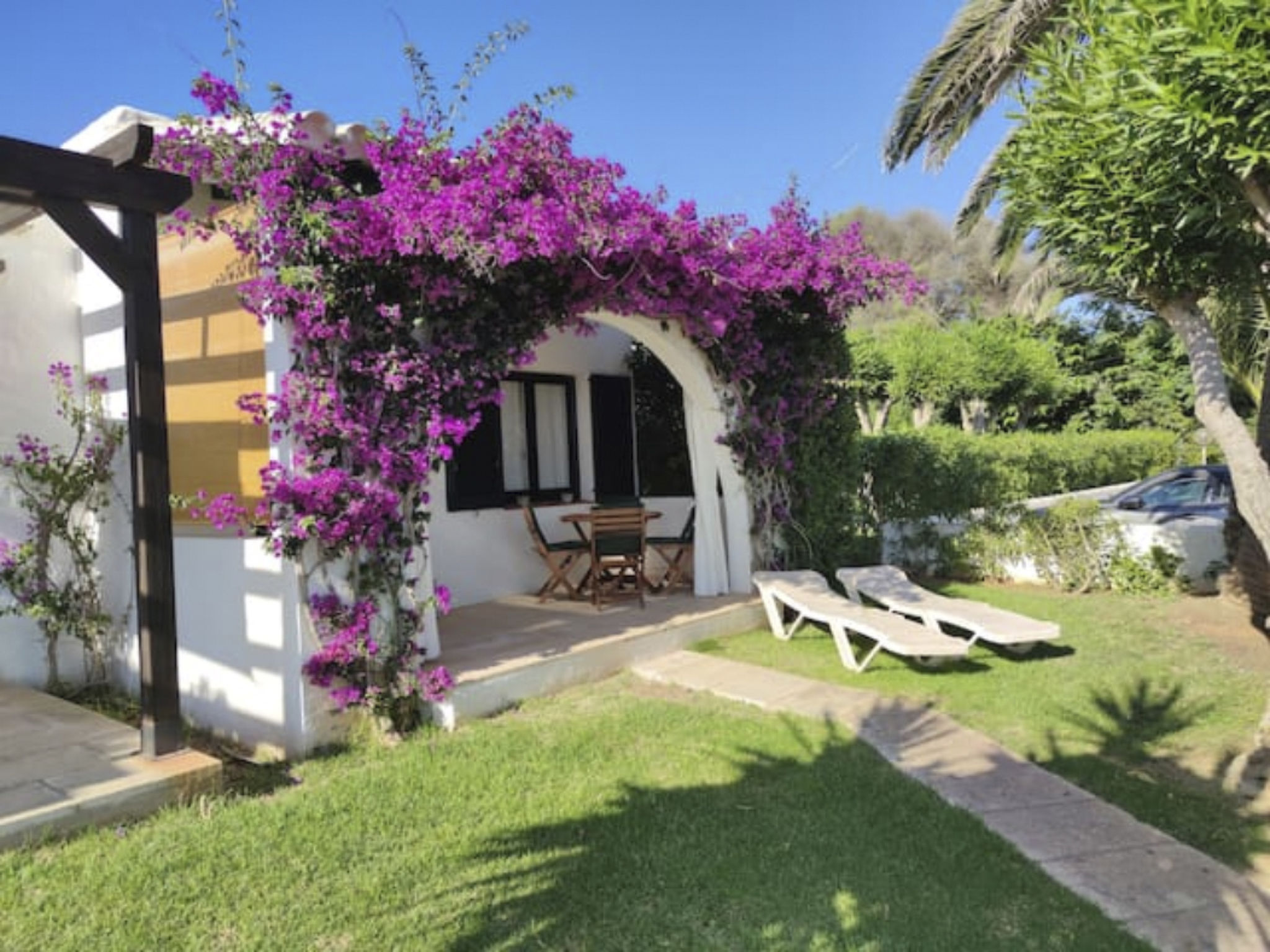
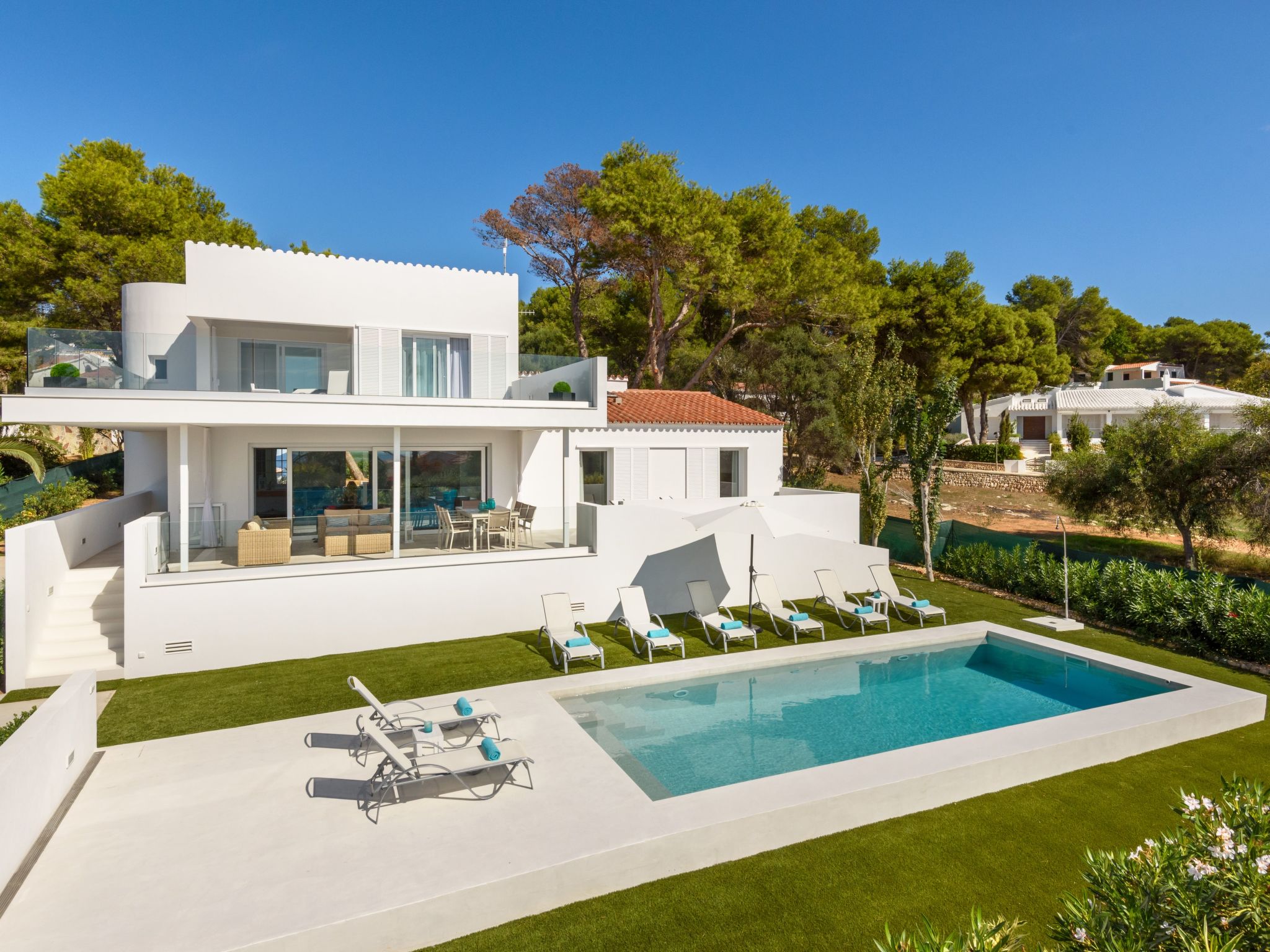
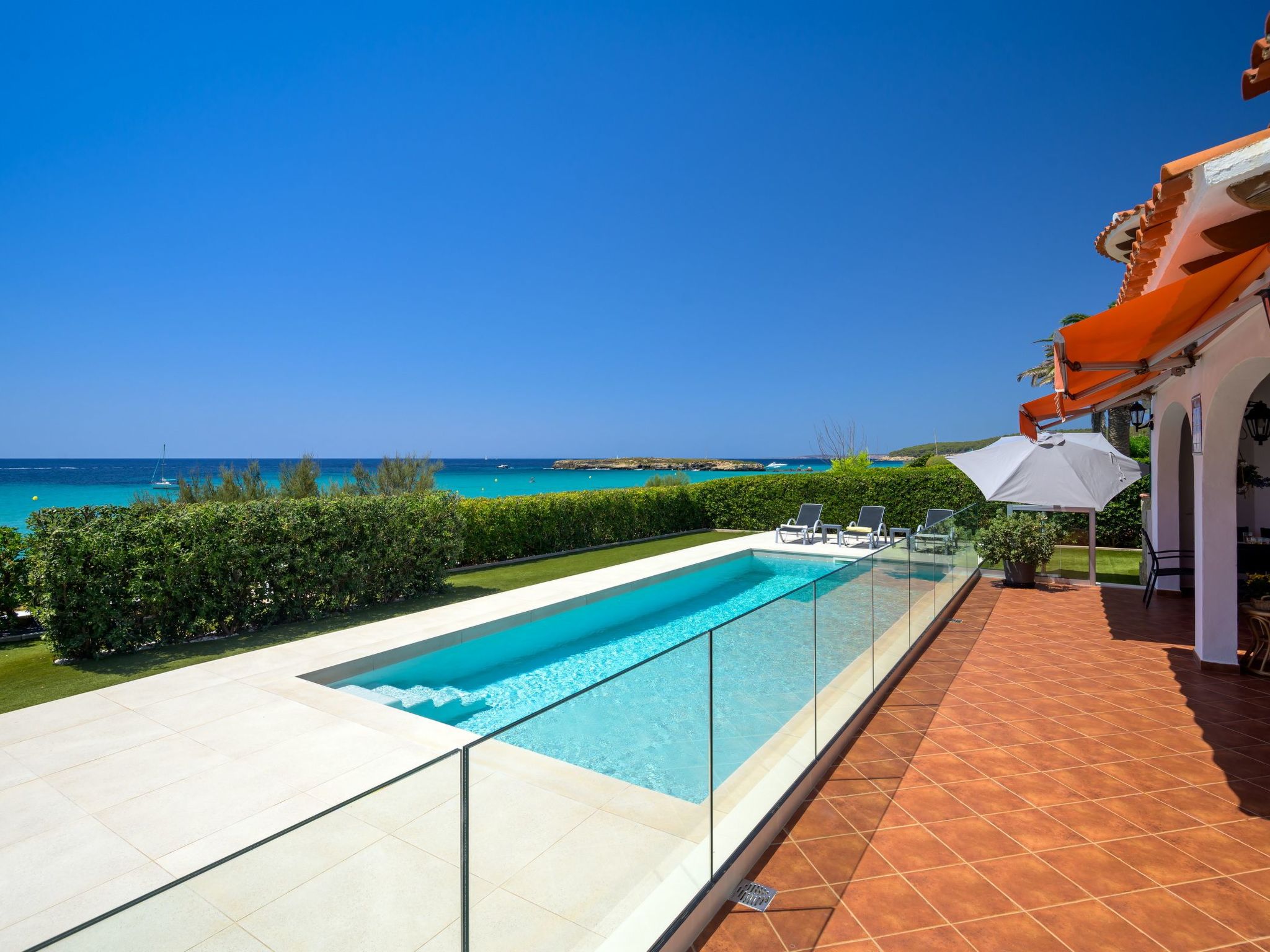
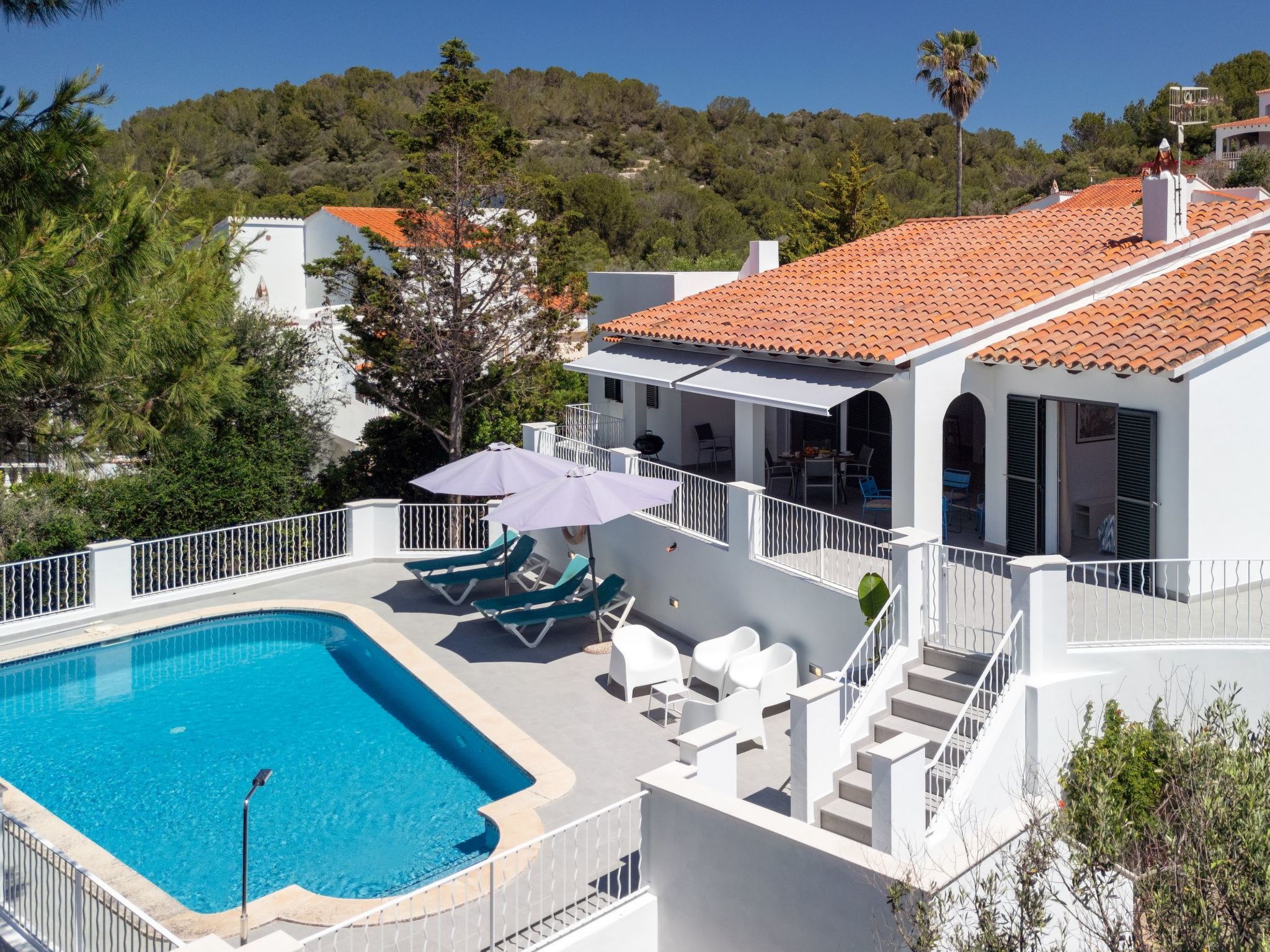
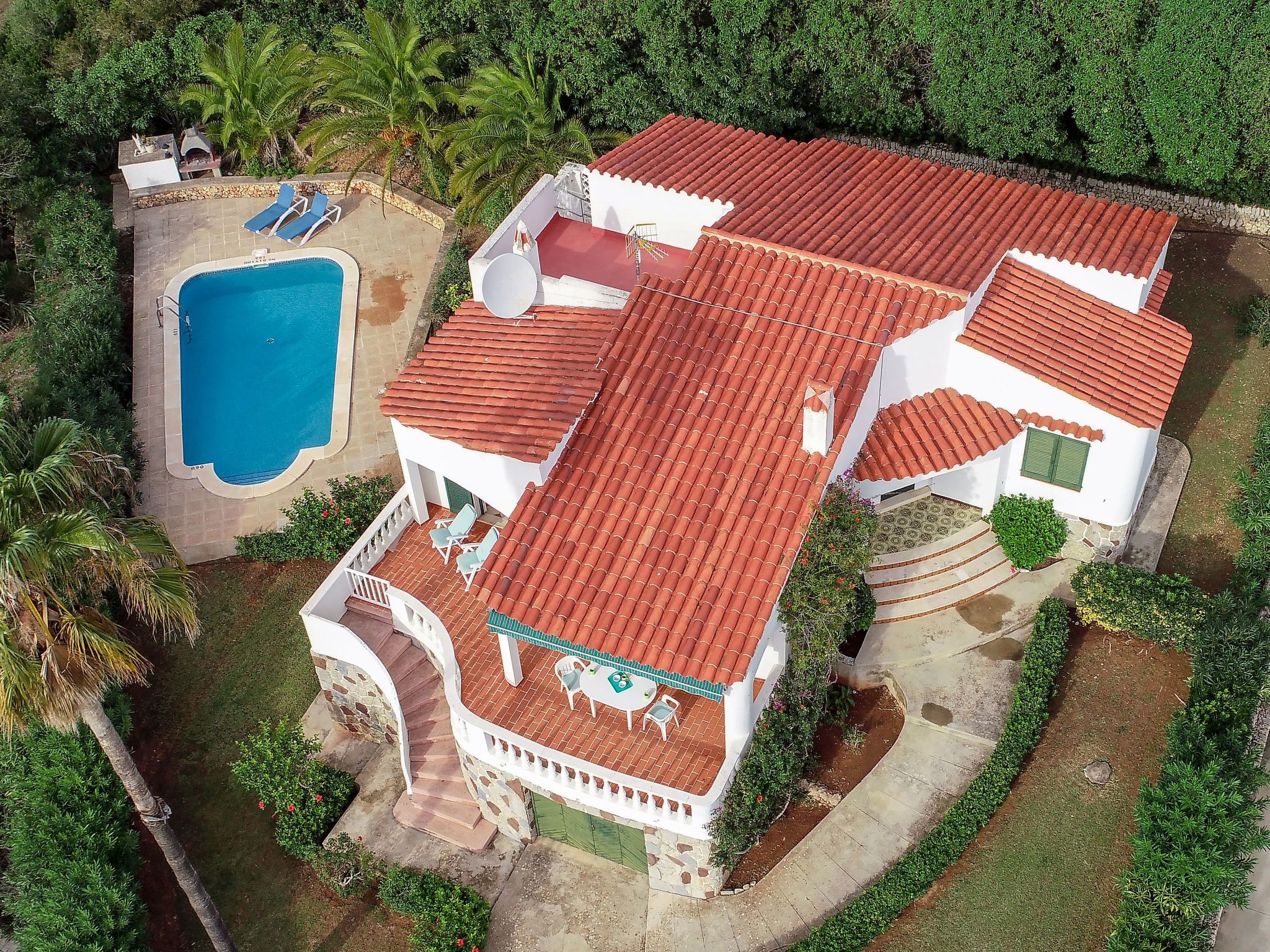
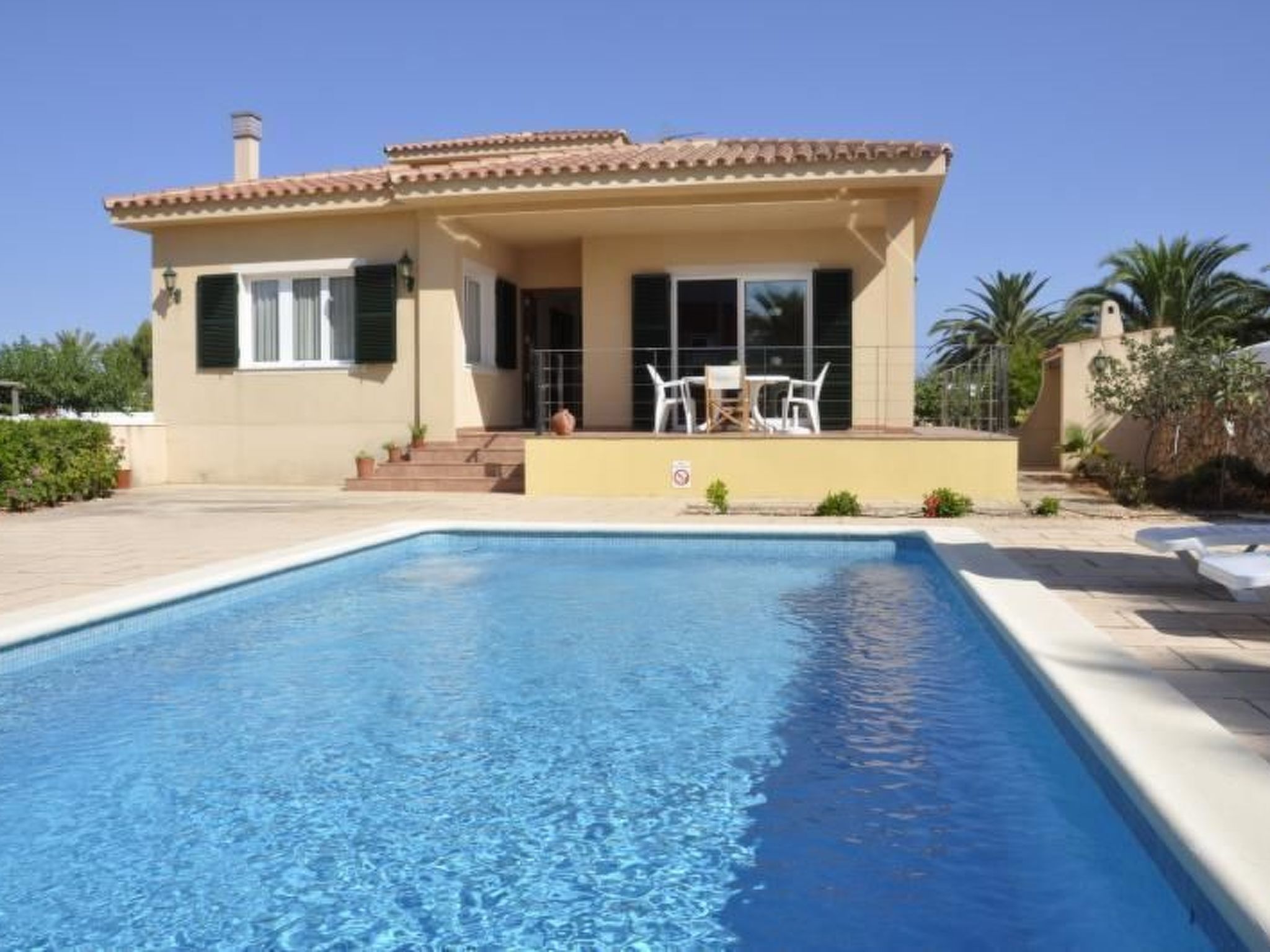
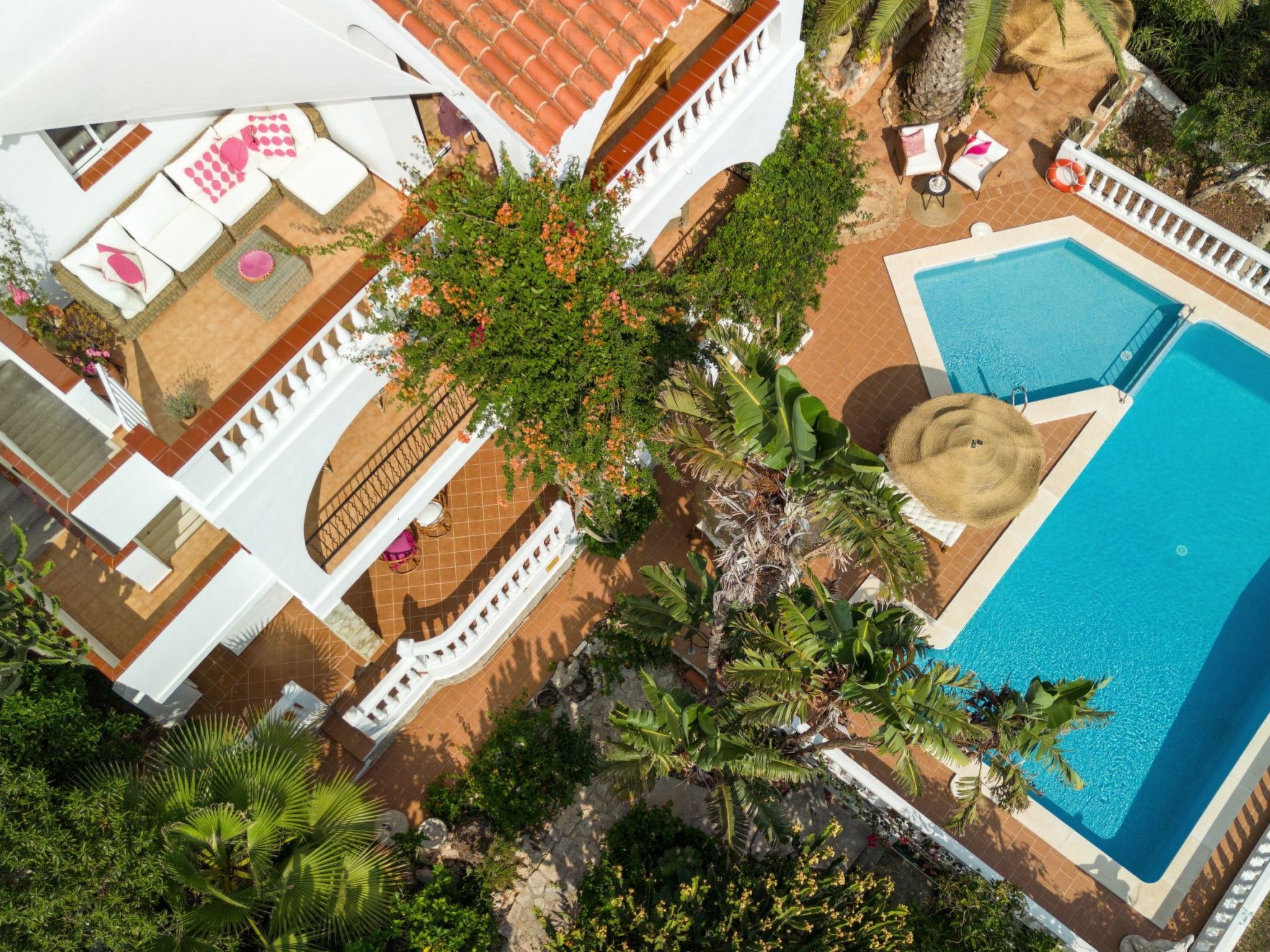
Menorca is the Balearic island that deliberately stayed small. Unlike Mallorca's sprawl or Ibiza's noise, Menorca resisted mass tourism and kept something genuine. The landscape is more English than Mediterranean: rolling greens, stone walls, quiet lanes. Beaches are distributed all around the coast, many accessible only by car or boat, which filters out day-trippers. Two towns (Mahón and Ciudadela) provide charm without chaos. We appreciated the space here; we found ourselves on beaches where we could count other people on one hand. The trade-off: fewer nightlife options, less cosmopolitan dining than the party islands, and you genuinely need a car.
What Makes Menorca Special
- Protected status and genuine quietness. The entire island is a UNESCO Biosphere Reserve, with strict building limits. You won't see sprawl or overdevelopment. Beaches are wilder and less commercialised.
- More beaches than you can visit. Over 100 along the coast, from sandy bays to rocky coves. Many are small, some are hard to access, and many see few tourists. Discovering your own beach is genuinely possible.
- Mahón and Ciudadela contrast. The two towns sit at opposite ends, each with distinct character. Mahón is East Coast formal; Ciudadela is West Coast relaxed. The rivalry is friendly, the drive between them is scenic.
- Agricultural interior and rural quiet. The island is green, with fields, stone walls, and rural villages. It feels more like countryside than Mediterranean resort.
- Local food culture focused on cheese and seafood. Mahón cheese is famous (and expensive). Seafood is fresh and simple. Dining reflects local tradition rather than tourist expectation.
Top Towns & Resorts in Menorca
Mahón
The capital on the east coast, Mahón has a vast natural harbour surrounded by Georgian and French colonial architecture. It's the more formal, important of the two main towns. The old town climbs a hill; the waterfront is lined with restaurants. Shopping, museums, and markets cluster here. The trade-off: it's not a beach town. The waterfront is functional rather than resort-focused. You come here for atmosphere and services, then drive to beaches. Search villas in Mahón.
Ciudadela
The west coast's main town, Ciudadela is smaller and more relaxed than Mahón. Its old town is walled and compact, the waterfront is prettier, and the general atmosphere is more bohemian. Less commerce, more leisure. Fewer restaurant options than Mahón but they're better curated. Some days it feels sleepy; weekends it wakes up. Close to the island's best western beaches. Search villas in Ciudadela.
Es Grau
A tiny fishing village on the northeast, Es Grau has a small sandy beach, a lagoon, and minimal development. A few seafood restaurants operate here. It's genuinely quiet: the kind of place where you might see locals rather than tourists. Limited accommodation and services means most visitors are staying elsewhere. Good for a lunch or afternoon visit. Search villas in Es Grau.
Mercadal Central
Not a beach resort. Rather, a village in the island's interior. It's where residents live and local life happens. Market days, simple restaurants, and real Menorca. It's a detour for tourists, but rewarding if you're not staying on the coast. Several good restaurants; no nightlife. Come for authenticity, not tourism infrastructure. Search villas in Mercadal.
Cala Galdana
A south-coast beach resort with a sandy bay backed by pine forests. More developed than Es Grau but far less built-up than Spanish mainland resorts. Apartments, restaurants, and water sports cluster here. The beach is beautiful, the surrounding cliffs are dramatic, and it's genuinely quiet even in summer. Access to other south coast beaches is easy from here. Search villas in Cala Galdana.