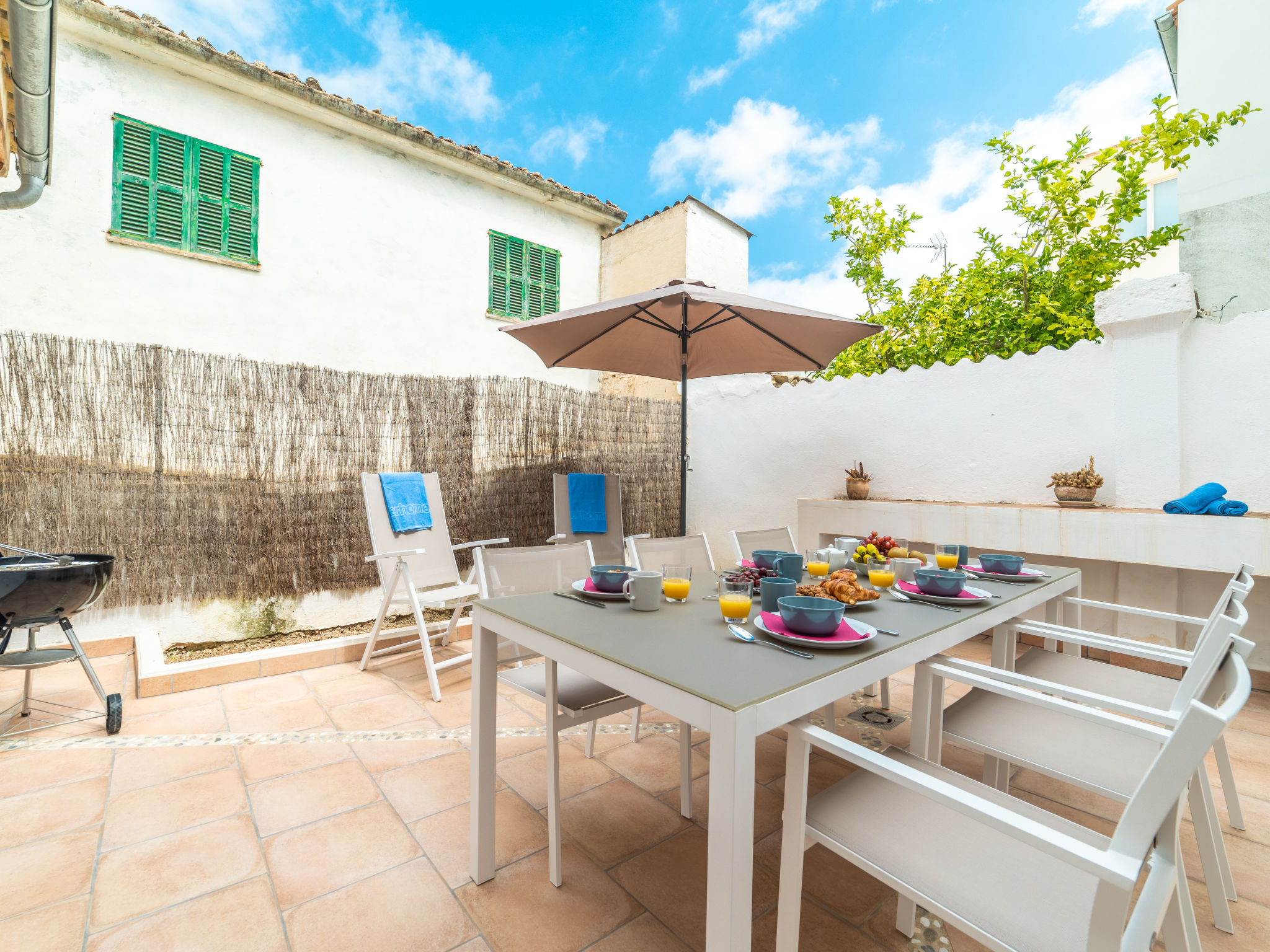
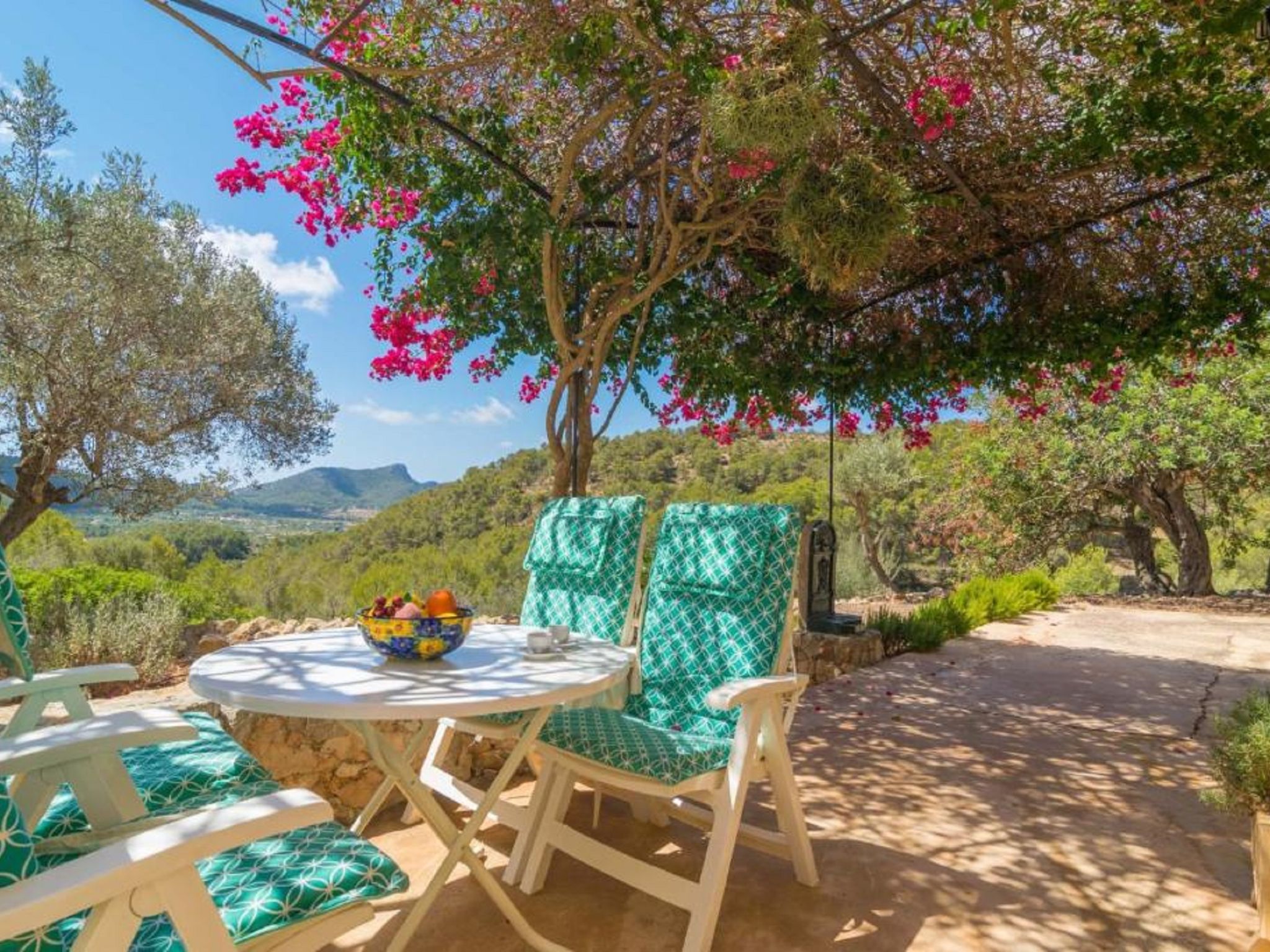
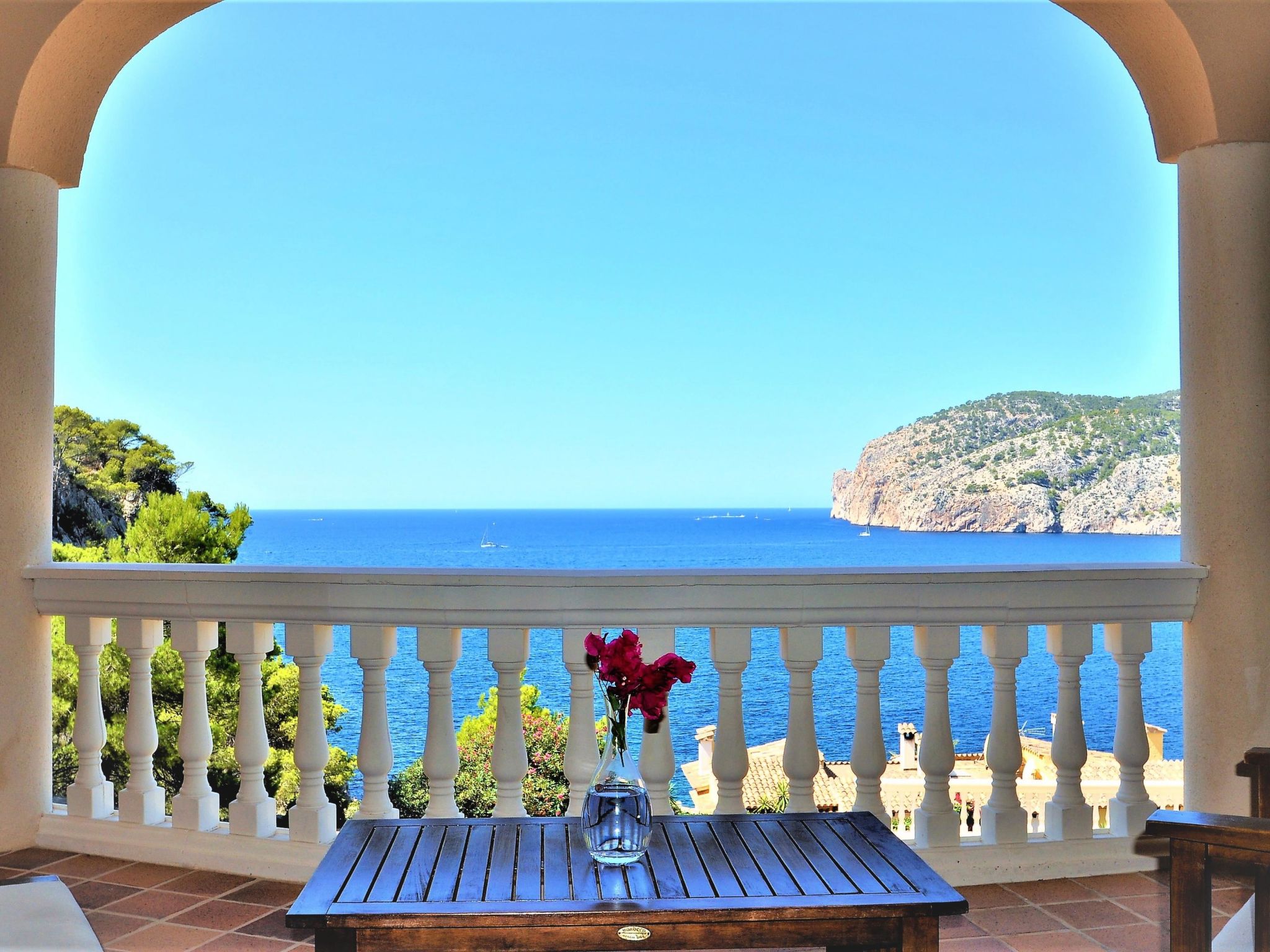
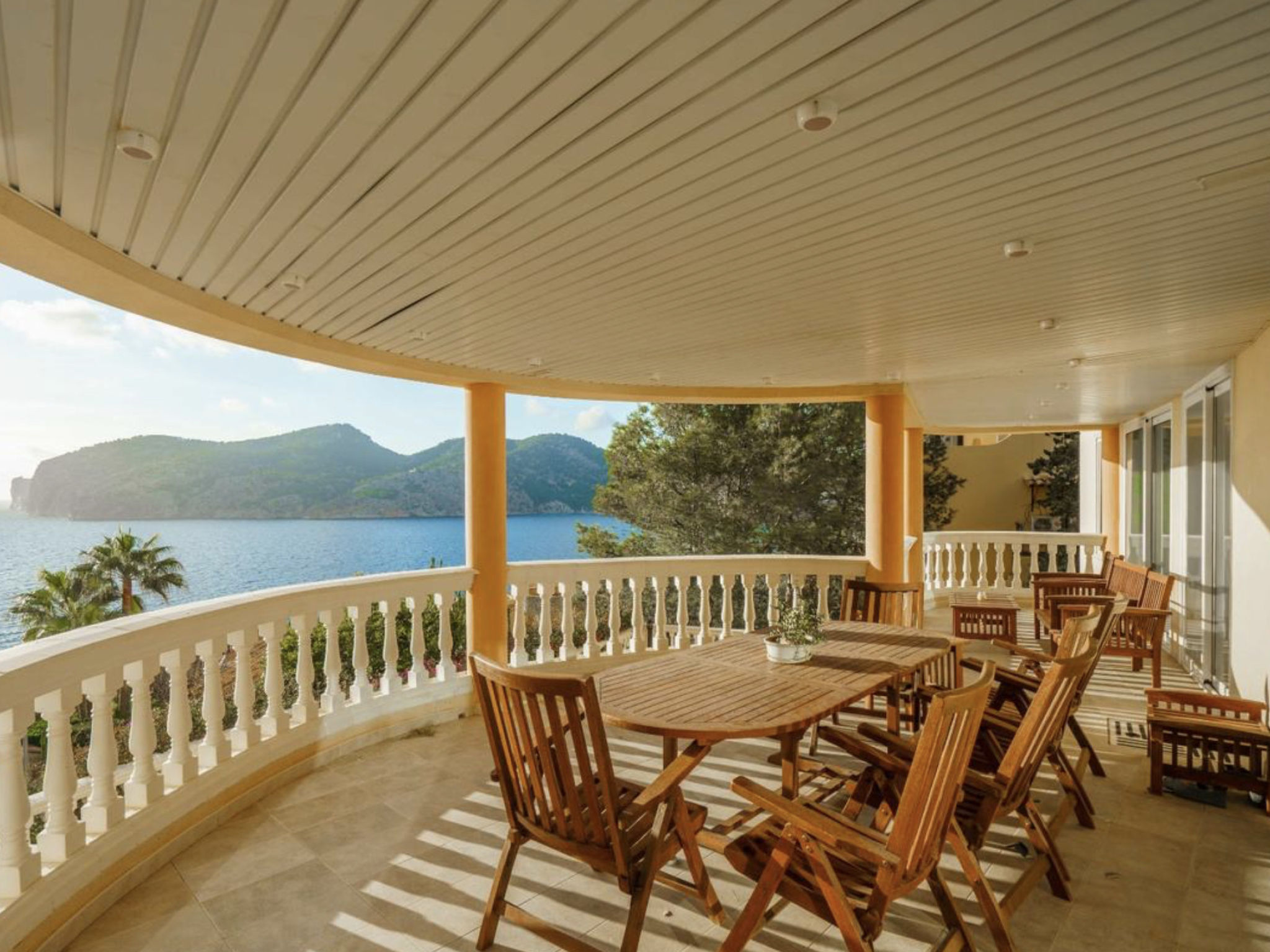
Mallorca dominates the Balearics conversation, which makes sense. It's genuinely large enough to avoid feeling like a resort-island cliché. Package tourism has colonized Palma harbour and coastal towns like Magaluf, but the island's interior remains agricultural and quiet. Drive inland to Valldemossa or Deiá, and you're in medieval villages surrounded by almond groves and local restaurants where tourists are genuinely unusual. We've watched family travellers discover that "Mallorca" doesn't have to mean party boats and resort infrastructure. Instead, you pick your neighbourhood carefully and find something genuinely compelling: dramatic mountain coastlines, working villages, good food culture, and villas ranging from converted rural farmhouses to contemporary cliff-side builds.
What Makes Mallorca Special
- Dramatic geographical variety: 360km of coastline includes rocky coves, golden beaches, and dramatic limestone cliffs (Tramuntana mountains), plus an interior of working agricultural villages and almond groves.
- Island pace without feeling remote. Everything's accessible (you can circumnavigate the island in a day), yet tourism hasn't reached everywhere, and locals still inhabit neighbourhoods outside the resort bubble.
- Balearic wine production and food culture often overlooked compared to mainland Spain. Local wines are exceptional, seafood restaurants remain genuinely good value, and markets still function primarily for locals.
- Dual-season potential. Package-tour chaos July-August can be avoided entirely for May-June or September-October, when weather remains good and you encounter the Mallorca locals actually enjoy.
Top Towns & Resorts in Mallorca
Palma Old Town and Paseo Marítimo
Palma's cathedral sits dramatically on the waterfront, genuinely impressive architecture that's earned its postcard status. The old town has medieval streets, proper museums, and restaurants that take food seriously without pretension. Paseo Marítimo offers waterfront dining and marina walks. July-August brings consistent crowds; May-June and September-October feel manageable. Palma works as a villa base if you're seeking culture, shopping, and restaurant access, though the city sprawls significantly beyond the old town. Parking is genuinely annoying (use public car parks or marina parking rather than driving into the medieval quarter). Hotels dominate Palma; villas tend to be renovated old-town properties or contemporary builds on outskirts. It's sophisticated but expensive compared to quieter island towns.
Valldemossa and Deiá
These villages sit on Mallorca's dramatic northwest coast and represent the island at its most visually compelling: steep terrain, stone houses built vertically on cliffsides, narrow streets where cars barely squeeze through, and restaurants with terraces overlooking the sea. Valldemossa is famous for its monastery (where Chopin stayed); Deiá attracts artists and writers. Both get plenty of day-trippers in summer, turning streets into genuine mazes midday, but they're genuinely quiet mornings and evenings. Villas here tend toward upscale renovations; expect higher pricing than southern beaches. Driving is challenging (steep hills, narrow roads, no street parking). Yet both towns are small enough that taxis or walking reach everything within the village. The pace here is deliberately slow, attracting travellers prioritizing atmosphere over beach convenience.
Browse Villas in Valldemossa & Deiá →
Sóller and Port de Sóller
Sóller is a mountain town surrounded by orange groves, genuinely pretty with a functioning plaza where locals meet for coffee and conversation unrelated to tourism. Port de Sóller, 5km downhill, has beaches, restaurants, and water access without the tackiness of mass-tourism harbours. Getting there requires navigating a twisty mountain road (dramatically beautiful scenery; genuinely slow driving), which deters day-trippers and maintains local character. An elderly tram line connects town and port (slow, atmospheric). Villas range from traditional Mallorcan homes in the town proper to modern builds with pools overlooking groves. Winter gets damp (the windward side of the island), but spring and autumn are good. This suits travellers seeking peace and village atmosphere over beach convenience.
Pollença and Alcúdia
These are Mallorca's northern towns. Pollença sits inland with a welcoming plaza and mountain backdrop; Alcúdia is coastal with a medieval walled old town and dual beaches (bay side is calm, Mediterranean side rougher). Together they offer a working balance of local life and tourist infrastructure. Beaches are sandy and safe; the bay is warm and protected. Less developed than southern resorts, they attract families over party travellers. August gets busy (expected); other months are manageable. Villas scatter across the northern coast and inland, good value for what you get, with enough separation from each other that they don't feel developed. A market functions mornings in Pollença (locals and tourists mixing genuinely); restaurants range from family-run to upmarket. It's authenticity-leaning without sacrificing convenience.
Browse Villas in Pollença & Alcúdia →
Artà and East Coast Quiet Towns
East-coast towns like Artà, Capdepera, and Manacor remain genuinely local with tourism as secondary activity rather than economic driver. Beaches are less dramatic than north or northwest coasts (sandier, less dramatic) but are genuinely quiet. Artà has a castle silhouetted on a hilltop and proper plaza life; Capdepera mirrors the castle aesthetic; Manacor is larger and more working-town than resort. These towns suit families seeking quiet without pretension. Local restaurants are affordable, beaches are safe and manageable, and villas are good value. Tourism infrastructure is basic compared to Palma or Pollença (fewer English speakers, fewer upmarket restaurants), which is precisely why prices remain reasonable and local life continues unchanged. The trade-off: driving to "proper attractions" (Valldemossa, Palma) takes 1.5+ hours. But if your goal is peaceful seaside stay without tourist overlay, east-coast villages deliver.