Gran Canaria
Gran Canaria is small enough to explore thoroughly and large enough to surprise you. The island's reputation rests on a few mega-resorts (Maspalomas), which dominate the south coast. But venture north, and you find dramatic coastal villages, a mountainous interior, and actual Canarian culture. We come here for the variety: you can sunbathe on a black-sand beach, hike through pine forests at altitude, explore cobblestone villages, and eat in restaurants where Spanish is the default language, all in a single day. The southern resorts are unashamedly commercial, which is fine if you know what you're getting. But the island's real appeal is balance: beach-resort convenience with genuine culture not far away. Winter brings reliable sun and warmth. Summer heat is intense, especially inland.
What Makes Gran Canaria Special
- Compact geography with real diversity. The island is small (50km across), but you get completely different landscapes: dune deserts, pine forests, rocky coasts, lush valleys. Nothing is more than 45 minutes away.
- Authentic villages exist alongside resorts. The south has Maspalomas and Puerto de Mogán (appealing). The north has real towns where locals live. It's not all tourism infrastructure.
- Year-round warmth. Daytime temperatures stay above 20°C in winter, pushing 30°C in summer. Unlike mainland Europe, there's no "cold" season; just less hot.
- Distinct microclimates. South is dry and desert-like. North is greener with trade winds. East coast is windier, often cooler. You have genuine options depending on preference.
- Reasonable value. Accommodation costs less than Canaries average. Food and restaurants are cheaper than southern Tenerife. You get Canary Islands quality at reasonable rates.
Top Towns & Resorts in Gran Canaria
Maspalomas
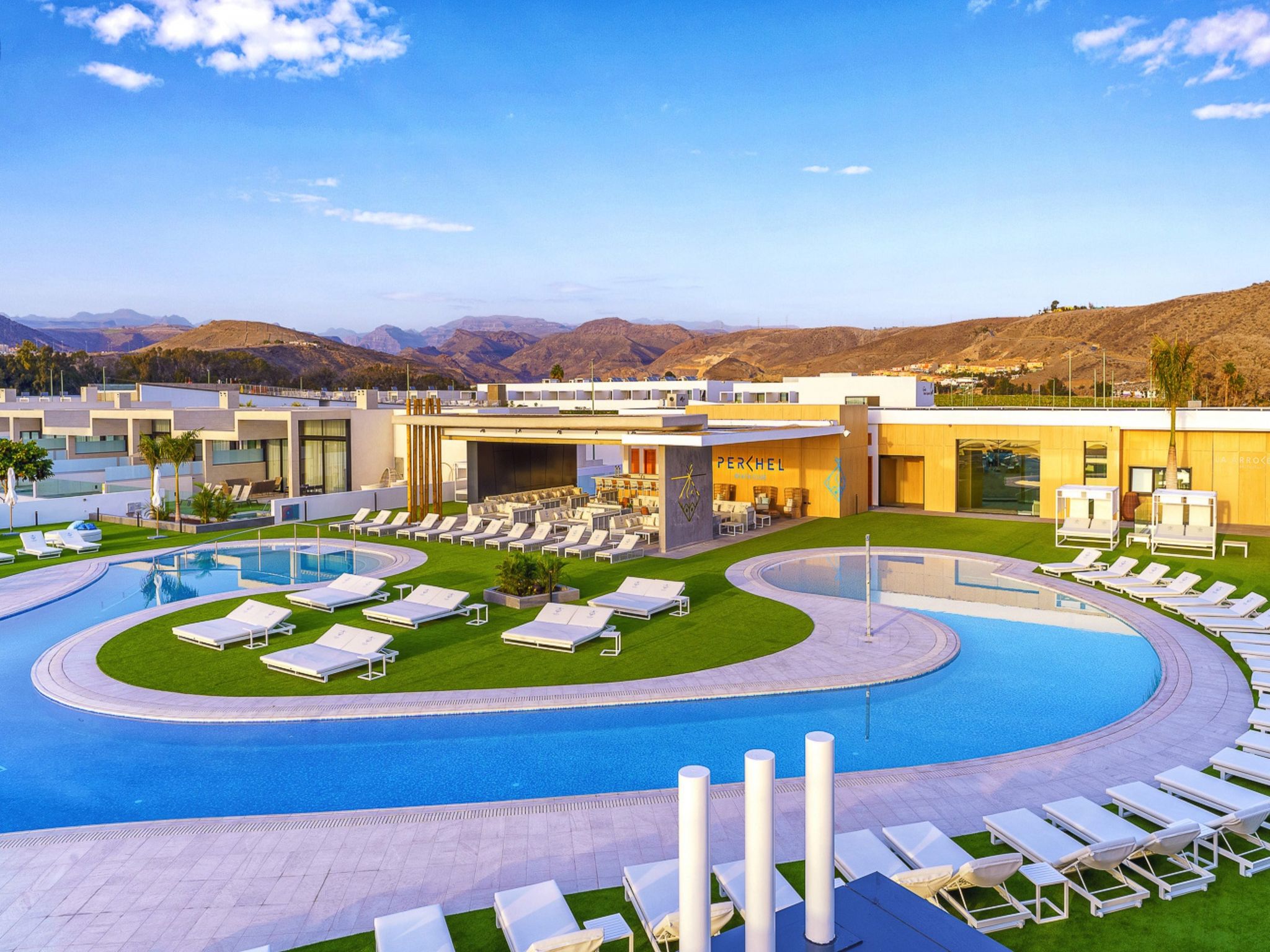
The major resort: where the southern coast concentrates most tourism. Maspalomas means giant sand dunes (genuinely impressive), long beaches, hundreds of restaurants, and complete infrastructure. It's functional and busy, especially July-August. The town itself is sprawling and commercial without much character. If you want zero friction—everything available, English spoken everywhere—Maspalomas works. The downside: you're living in a tourism bubble. Locals are service workers, not residents. Authenticity is absent.
Puerto de Mogán
A small fishing village on the west coast, about 50km from Maspalomas. It's genuinely appealing: narrow streets, coloured houses, a working harbour, and restaurants serving daily catches. Tourism exists but at a manageable level. You can walk the town in an hour. It attracts older Europeans and people seeking authenticity over nightlife. The beach is small and rocky. Amenities are limited compared to Maspalomas; fewer restaurants, fewer shops. But the character is real. Summer gets busy; shoulder seasons are ideal.
Las Palmas (City)
The regional capital on the northern coast: a proper working city where tourism is secondary to local life. It has museums, markets, university students, office workers, and a port. The cathedral is impressive. The beaches (Playa de Las Canteras) are decent and long. Weather is slightly cooler and windier than the south due to trade winds. Summer is hot (28-30°C); winter is still warm (20-22°C). If you want urban culture, good food, and a real city experience rather than a resort, Las Palmas is good. The trade-off: it's a city, not a holiday zone, so you need to be comfortable with urban pace.
Agaete & Gáldar (North Coast)
Two northern coastal towns: fishing villages with genuine Canarian atmosphere. Agaete has natural pools (Piscinas Naturales), small rocky beaches, and a fishing harbour. Gáldar is slightly inland with a cave and archaeological heritage. Both are quiet, particularly outside summer. Tourism infrastructure is minimal compared to the south: fewer restaurants, less variety. This is real Canaria, for better or worse. Trade winds make the north breezier and slightly cooler. If you want solitude and authentic villages, this is your area. If you want amenities and convenience, it's limiting.
Tejeda (Interior Village)
A mountain village at 1,400m altitude, surrounded by volcanic rock formations and pine forests. Temperature is noticeably cooler than coastal areas (5-10°C lower). The village is quiet, with local restaurants and a strong sense of place. It's a hiking base more than a beach destination. In winter, frost is possible. Summer is ideal: you escape coastal heat. Getting there requires winding roads; it's 45 minutes from the coast. If you want a mountain retreat that's genuinely different from the beach, Tejeda is worthwhile. Don't come expecting resort amenities or nightlife.