Villas in Costa Calma
Costa Calma suits families and windsurfers wanting a self-catering base by a long white-sand beach in Fuerteventura's south. Most homes are two-bedroom places for four, and about a third have a pool. The trade-off: this is a purpose-built 1970s resort with little local life, and the airport is nearly an hour away.
- Villas
- 35
- From, per week
- £378
About Costa Calma
Costa Calma was developed as a tourist resort in the 1970s at the start of the Jandía peninsula, in the municipality of Pájara, and today has around 5,700 residents. The name means calm coast: the prevailing westerly winds usually leave this side of the island sheltered. The town beach runs for about 2.2 km of white sand, with lifeguards, sunbeds and watersports hire. Near the resort it is guarded and crowded, and further south the sand thins. Our homes are spread across the resort, within a few kilometres of each other, and many have a garden. It is a German-oriented place, and evenings are low-key: for a town that stays up late, Morro Jable is about 20 minutes away. Winters are mild.
Is Costa Calma right for you?
- Best for
- Families and windsurfers wanting a calm sandy beach
- Not for you if
- You want a Canarian town with character and nightlife on your doorstep.
Near Costa Calma
Playa de Sotavento
The golden beach between Costa Calma and Morro Jable, home of the International Windsurfing and Kiteboarding Championship since 1985.
Morro Jable
About 19 minutes by car or 40 by hourly bus: a town centre that stays lively late, and a daily ferry to Las Palmas.
La Pared
A short 250-metre beach of golden sand in Pájara municipality, with strong waves and a name for surfing.
Cofete
A very wide beach with few visitors on the west side of the Jandía peninsula, reached by an hour's drive on a narrow, bumpy gravel road.
Jandía Natural Park
Covers most of the Jandía peninsula and includes Pico de Jandía, at 807 metres the highest peak on the island.
Getting to Costa Calma
Fuerteventura Airport is about 62 km away, around 54 minutes by car. The L10 bus covers the route in about an hour and a quarter but runs only every few hours, so most people hire a car. Morro Jable has a daily ferry to Gran Canaria.
When to go to Costa Calma
Fuerteventura is mild all year and windy most of it. Summer trade winds and winter Atlantic swells keep surfers coming in every season. What little rain there is falls mostly in autumn and winter, with December the wettest month. Watch for the calima, a dust-laden wind from the Sahara that can push temperatures up sharply and cut visibility to a couple of hundred metres or less.
Villas in Costa Calma

2-star property

4-star property
1-Bedroom Home, Costa Calma
Costa Calma, Fuerteventura, Spain
4
1
0
GardenMicrowavePool+8 more
from£90
per night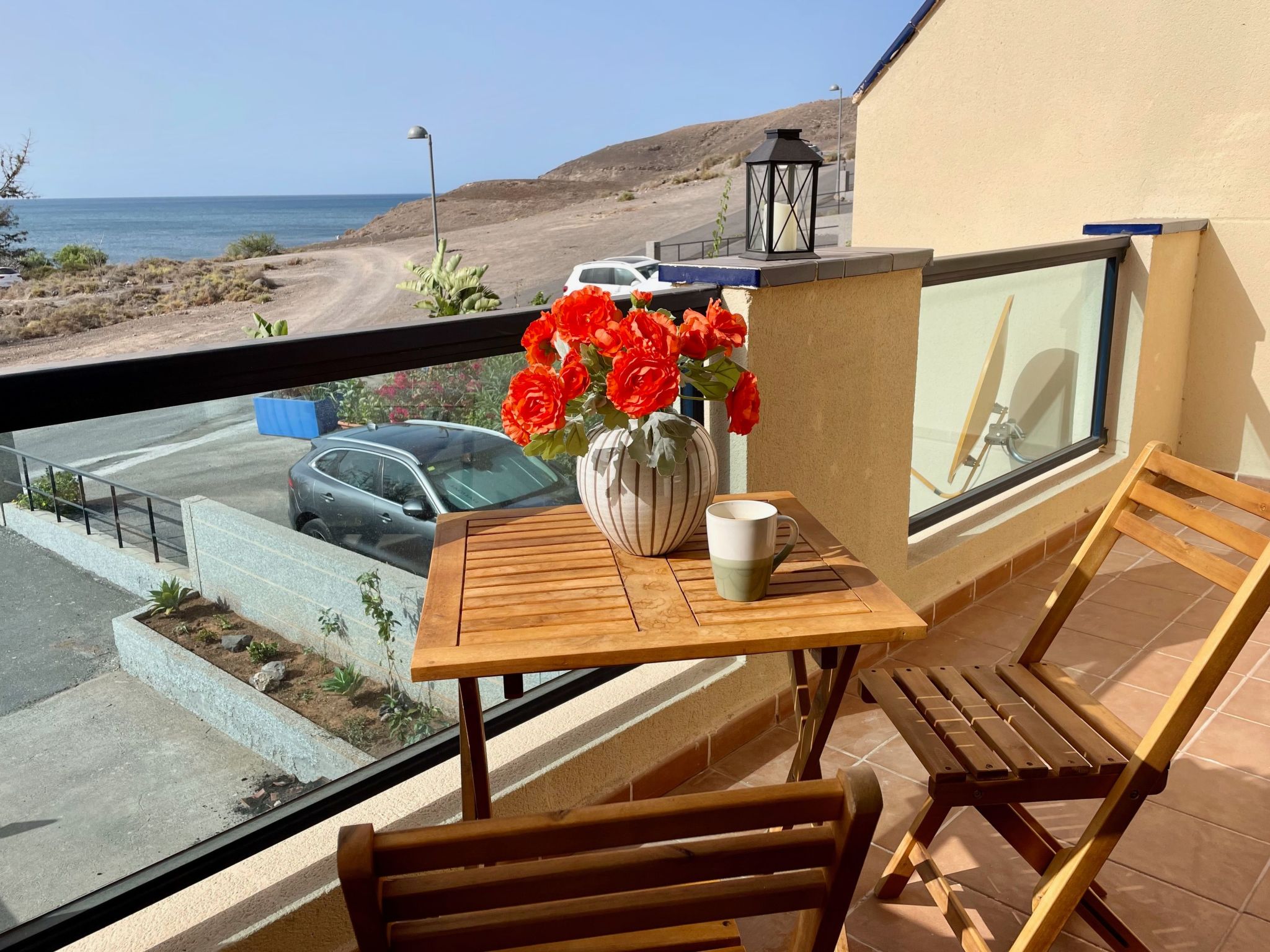
3-Bedroom Home, Costa Calma
Costa Calma, Fuerteventura, Spain
6
3
0
BBQParkingDishwasher+9 more
from£93
per night
1-Bedroom Home, Costa Calma
Costa Calma, Fuerteventura, Spain
4
1
0
DishwasherGardenMicrowave+10 more
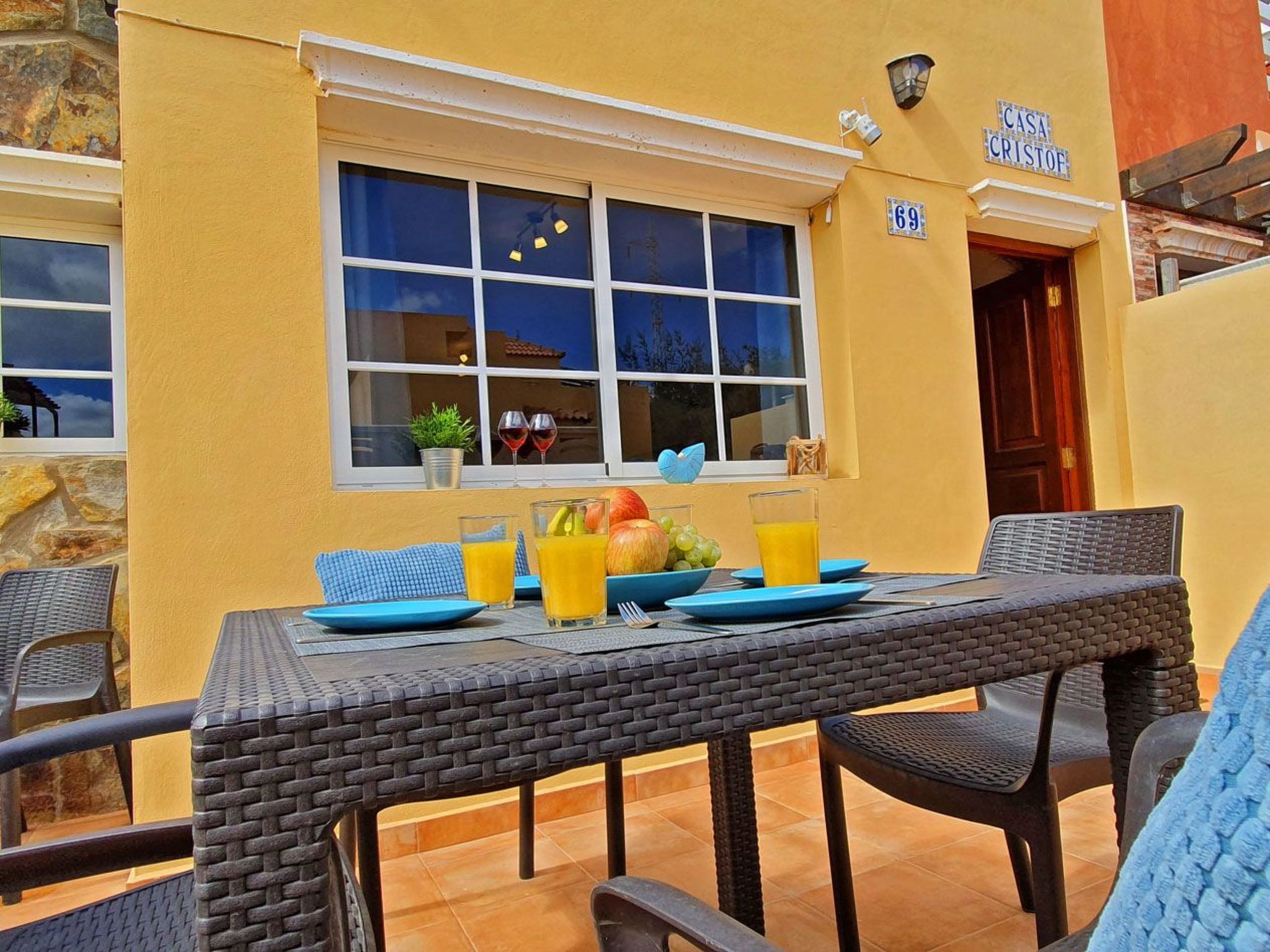
Casa Cristof
Costa Calma, Fuerteventura, Spain
6
2
0
MicrowaveTerraceWashing Machine+7 more
from£79
per night
4-star property
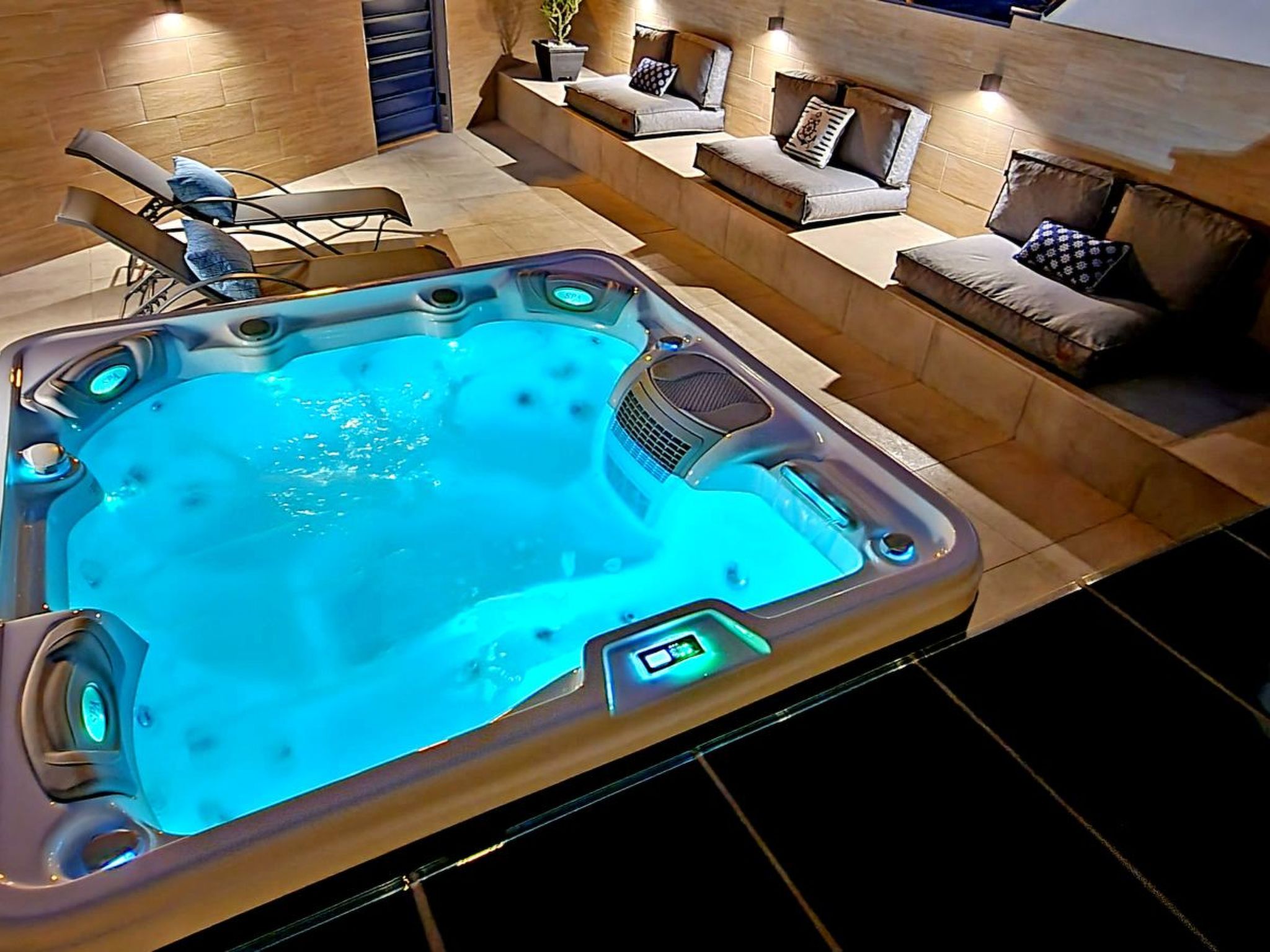
4-star property
3-Bedroom Home, Costa Calma
Costa Calma, Fuerteventura, Spain
7
3
0
BBQDishwasherMicrowave+11 more

2-Bedroom Home, Costa Calma
Costa Calma, Fuerteventura, Spain
6
2
0
DishwasherMicrowavePool+8 more


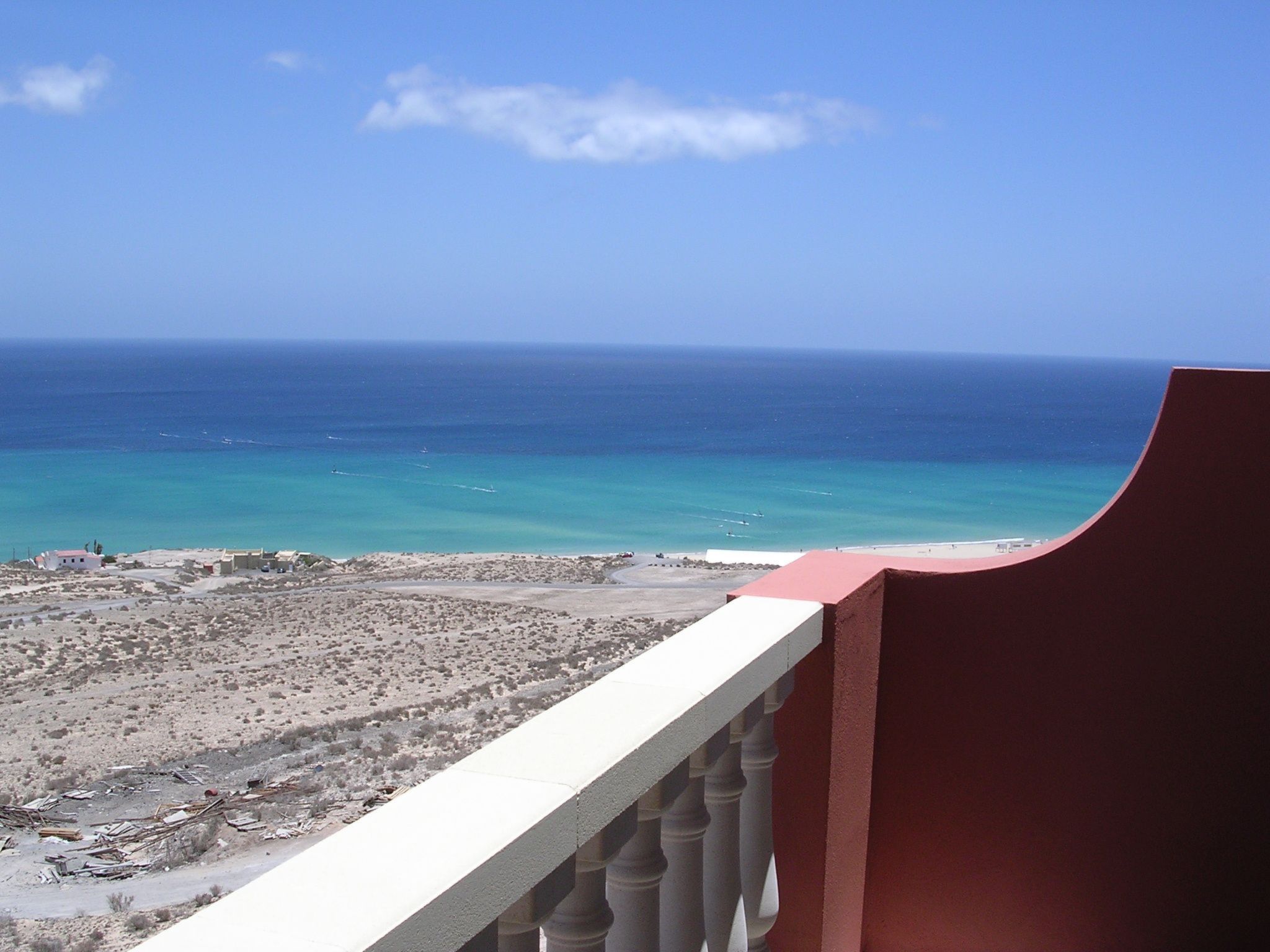
2-Bedroom Home, Costa Calma
Costa Calma, Fuerteventura, Spain
5
2
0
MicrowavePoolTerrace+8 more
from£119
per nightCosta Calma villa holidays: questions answered
Is the beach at Costa Calma sand or pebble?
Sand. The main beach is about 2.2 km of white sand with lifeguards, sunbed hire and watersports, and the sea is usually calm, though it can be windy. Further south the beach turns less sandy.
Is Costa Calma windy?
Sheltered, by Fuerteventura standards. The prevailing westerlies usually leave this coast calm, which is where the name comes from, but the island is windy year-round and Sotavento next door hosts international windsurfing contests.
Costa Calma or Morro Jable for a holiday home?
Morro Jable has a real town centre that stays lively until late, plus the ferry port. Costa Calma is quieter and more spread out, with its long beach and Sotavento on the doorstep, and the two are about 19 minutes apart by car.
Is Costa Calma good for families?
For small families, yes. The water off the main beach is usually calm and guarded, and most homes sleep four in two bedrooms. Larger groups have little choice, since none of our homes here sleeps eight or more.
Can you manage in Costa Calma without a car?
Just about. The L10 bus links the airport in around an hour and a quarter but only every few hours, and an hourly bus runs to Morro Jable. For Cofete, La Pared or the north of the island, hire a car.
Nearby towns to Costa Calma
Written by the TrustedVillas team. Last reviewed October 2026.
Find Your Perfect Villa in Costa Calma
Our villa experts are here to help you find the ideal property for your vacation. Contact us for personalized recommendations.