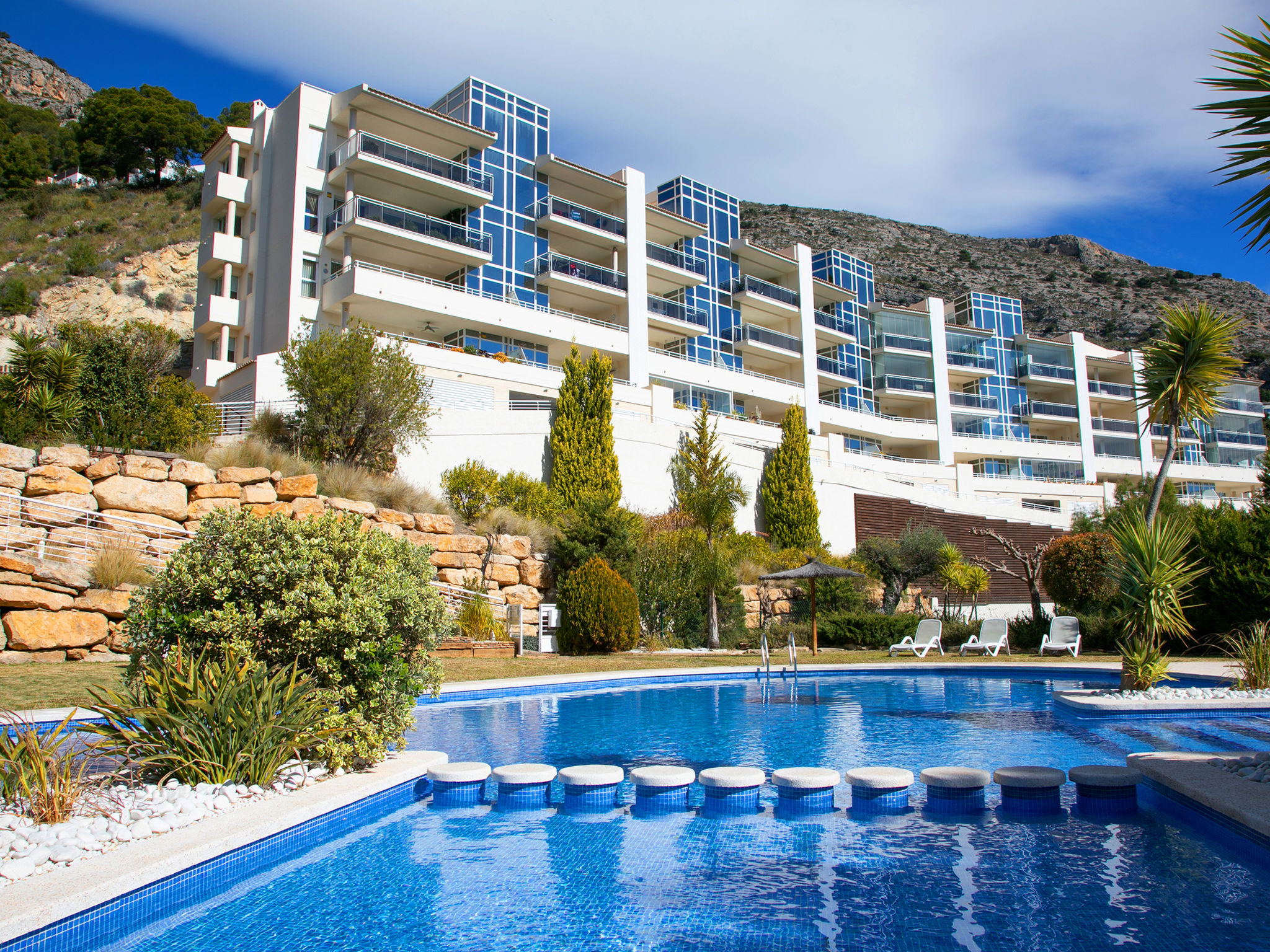
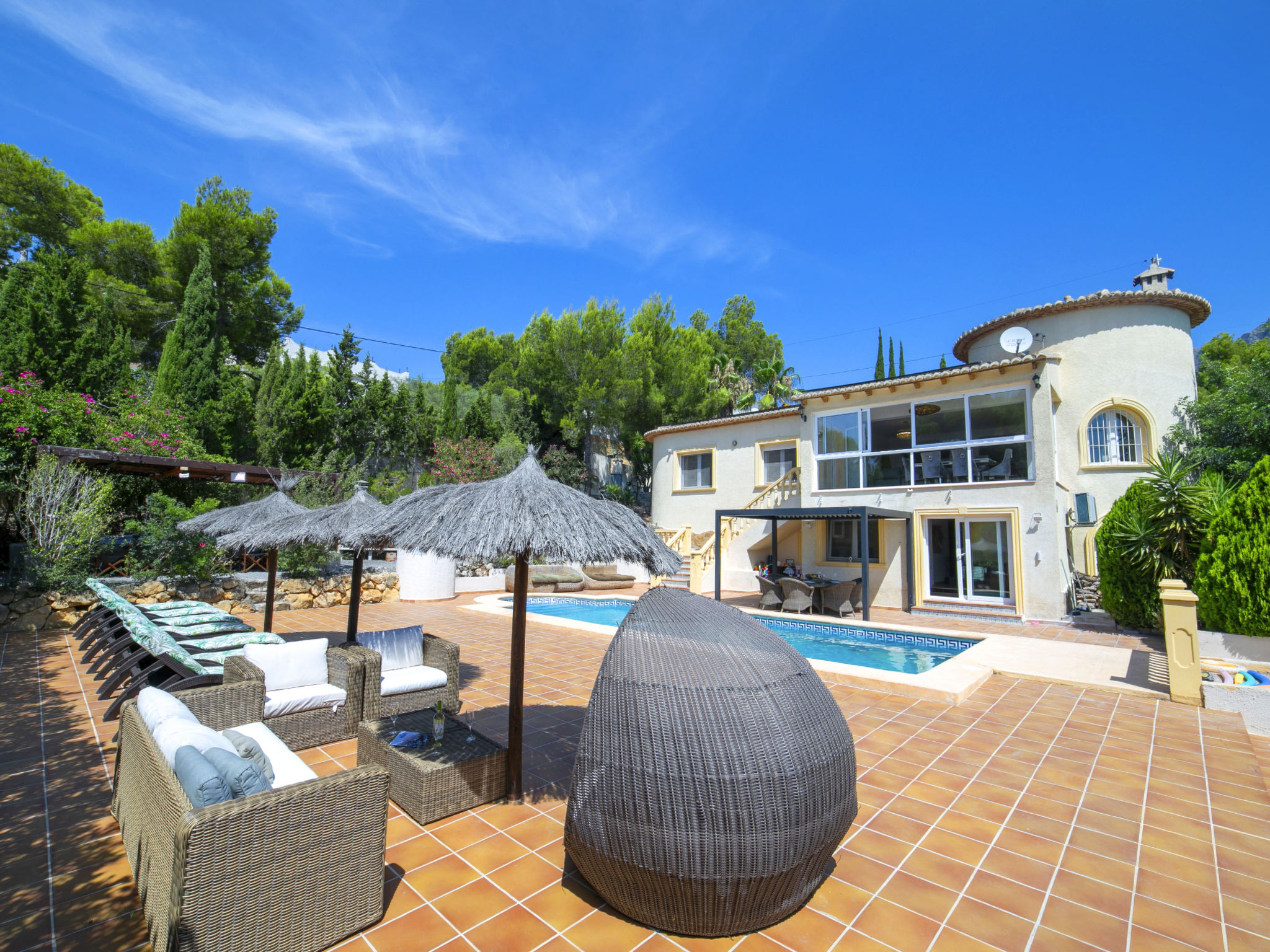
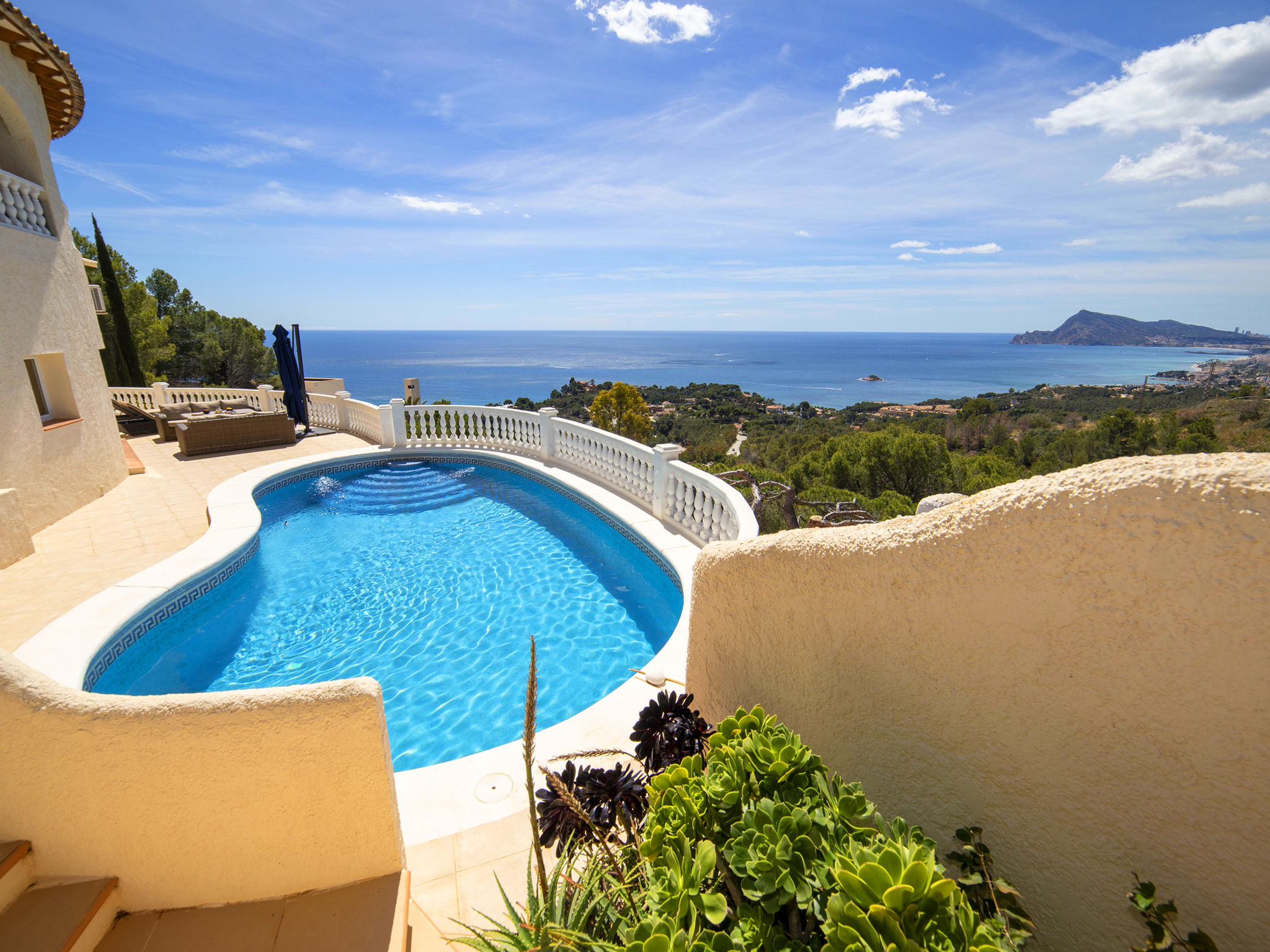
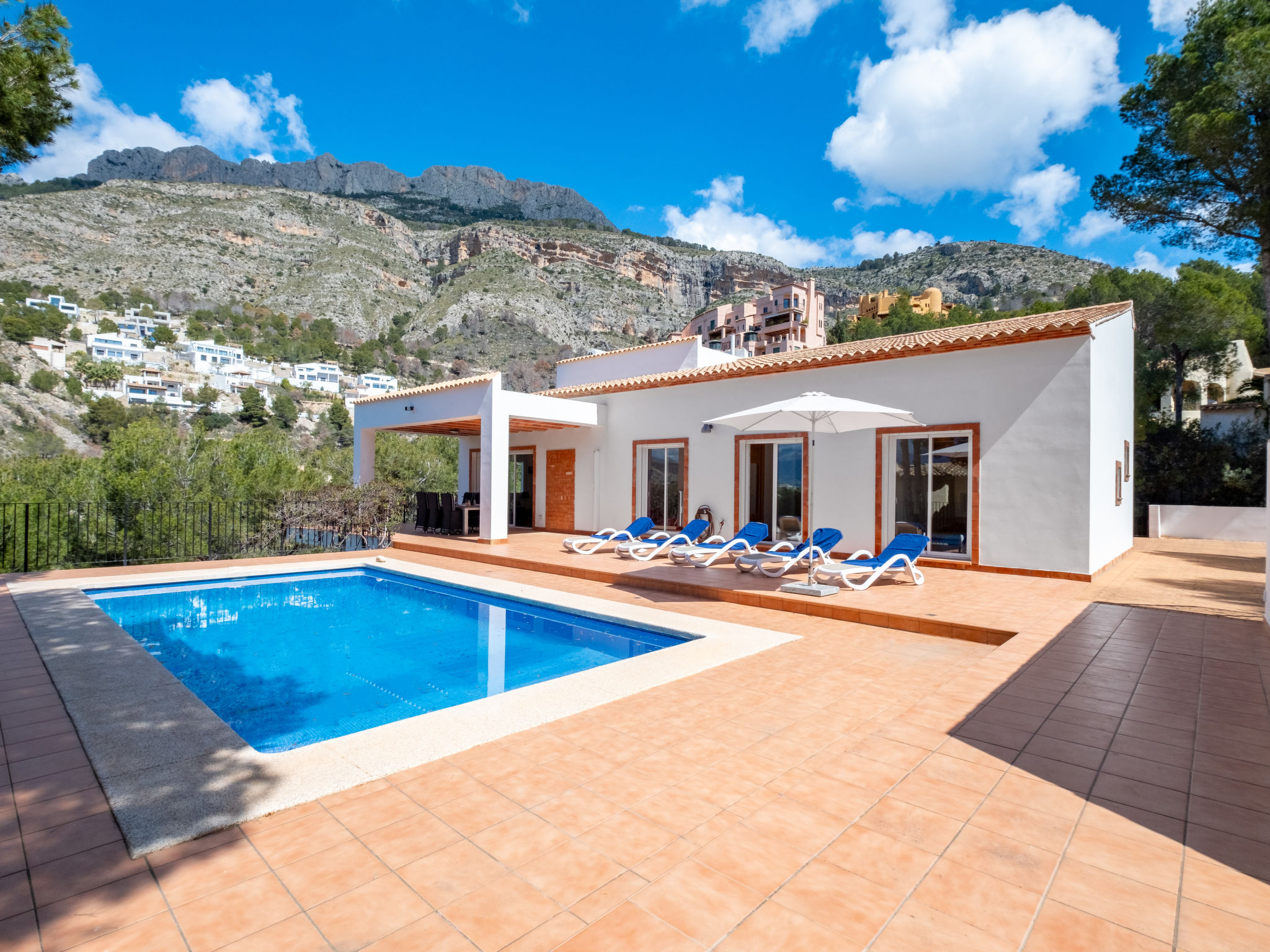
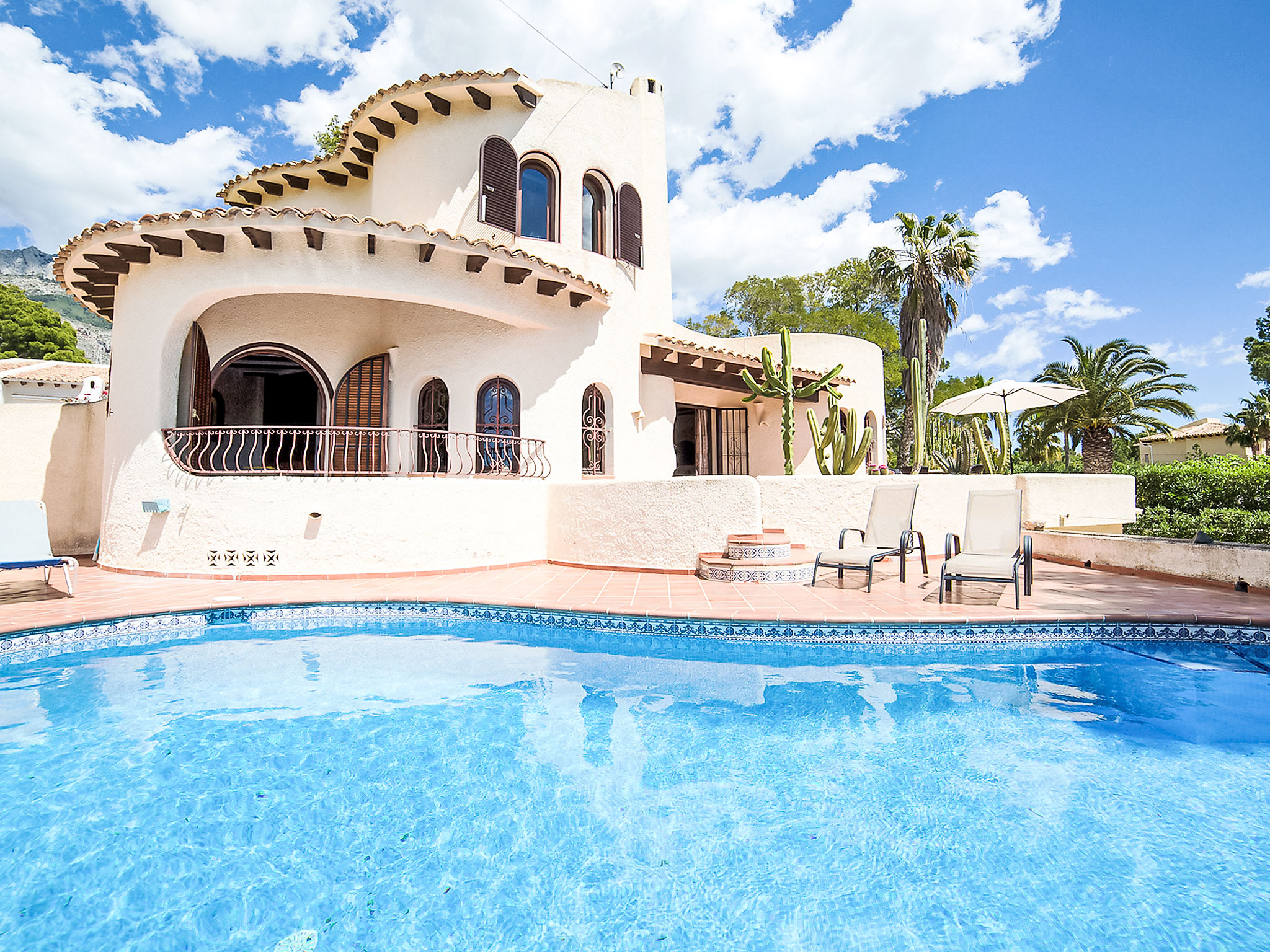
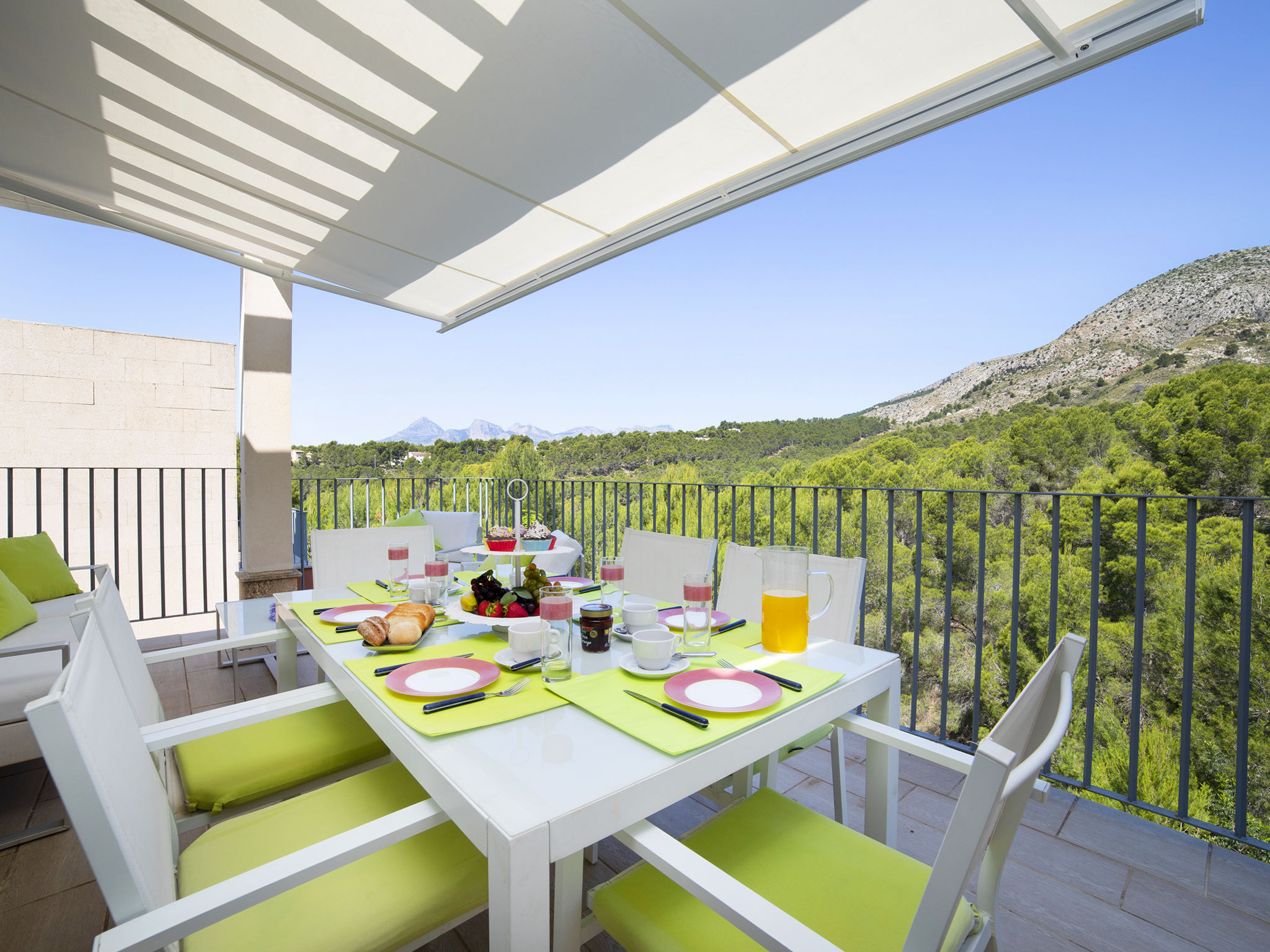
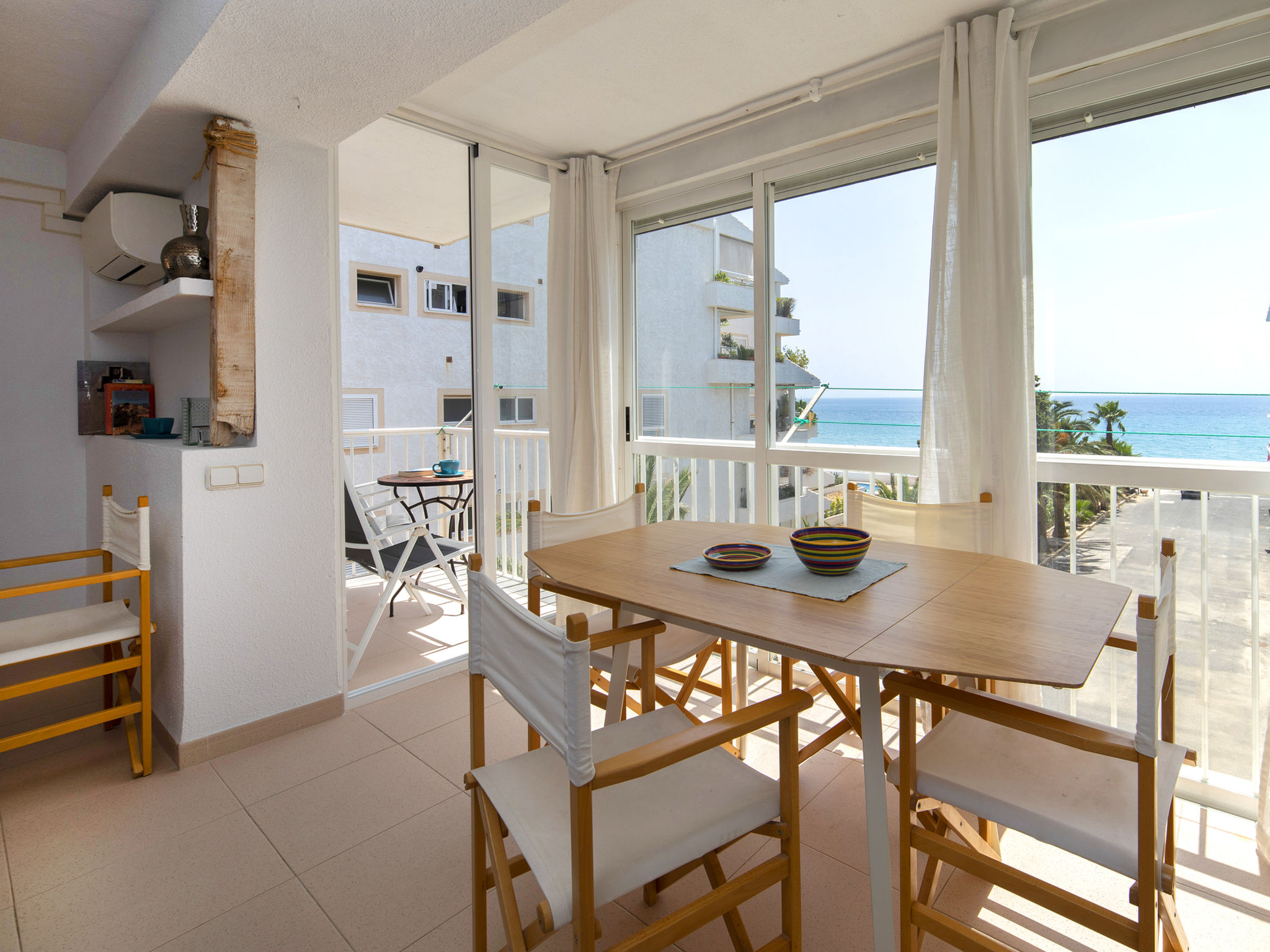
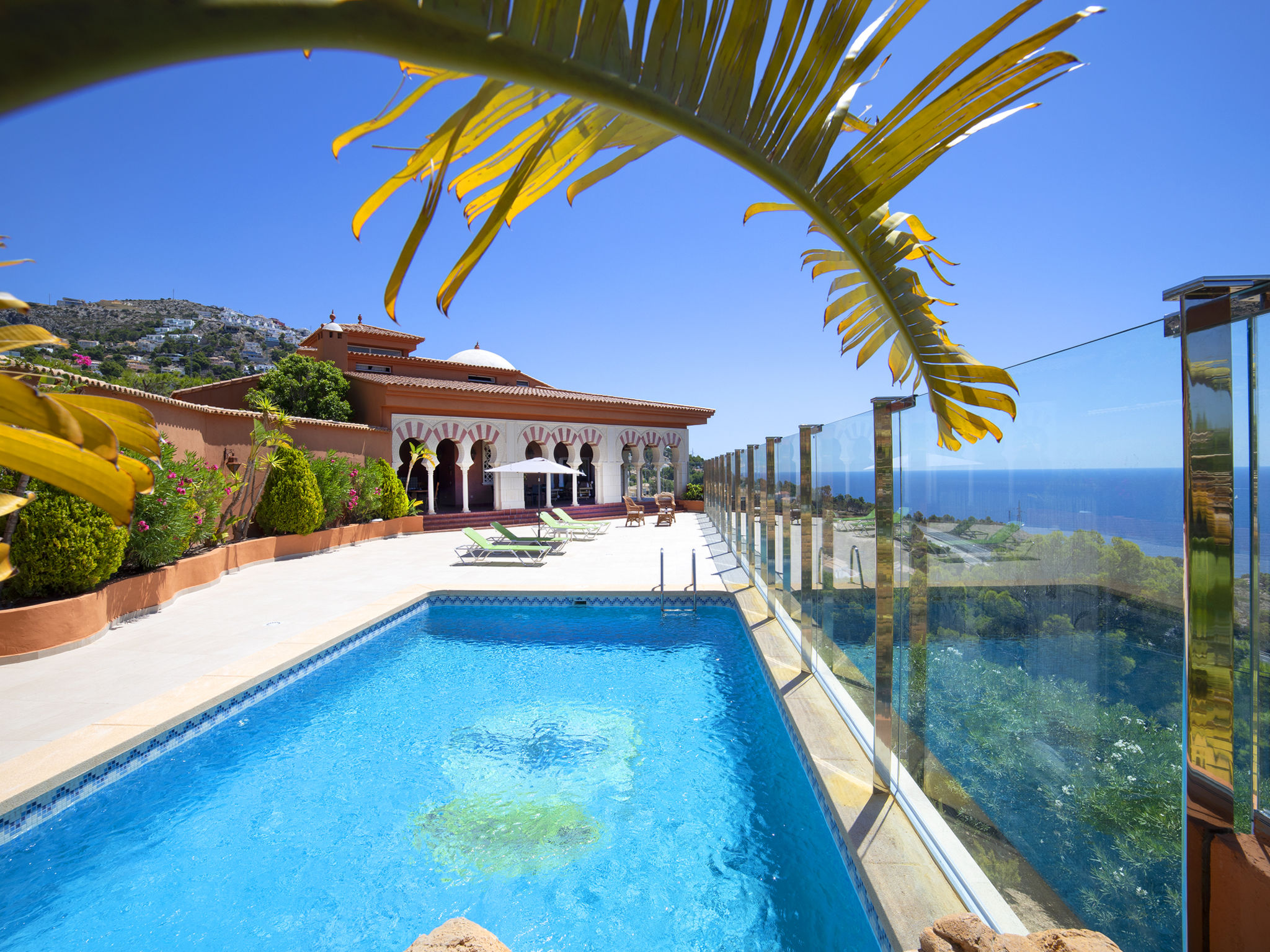
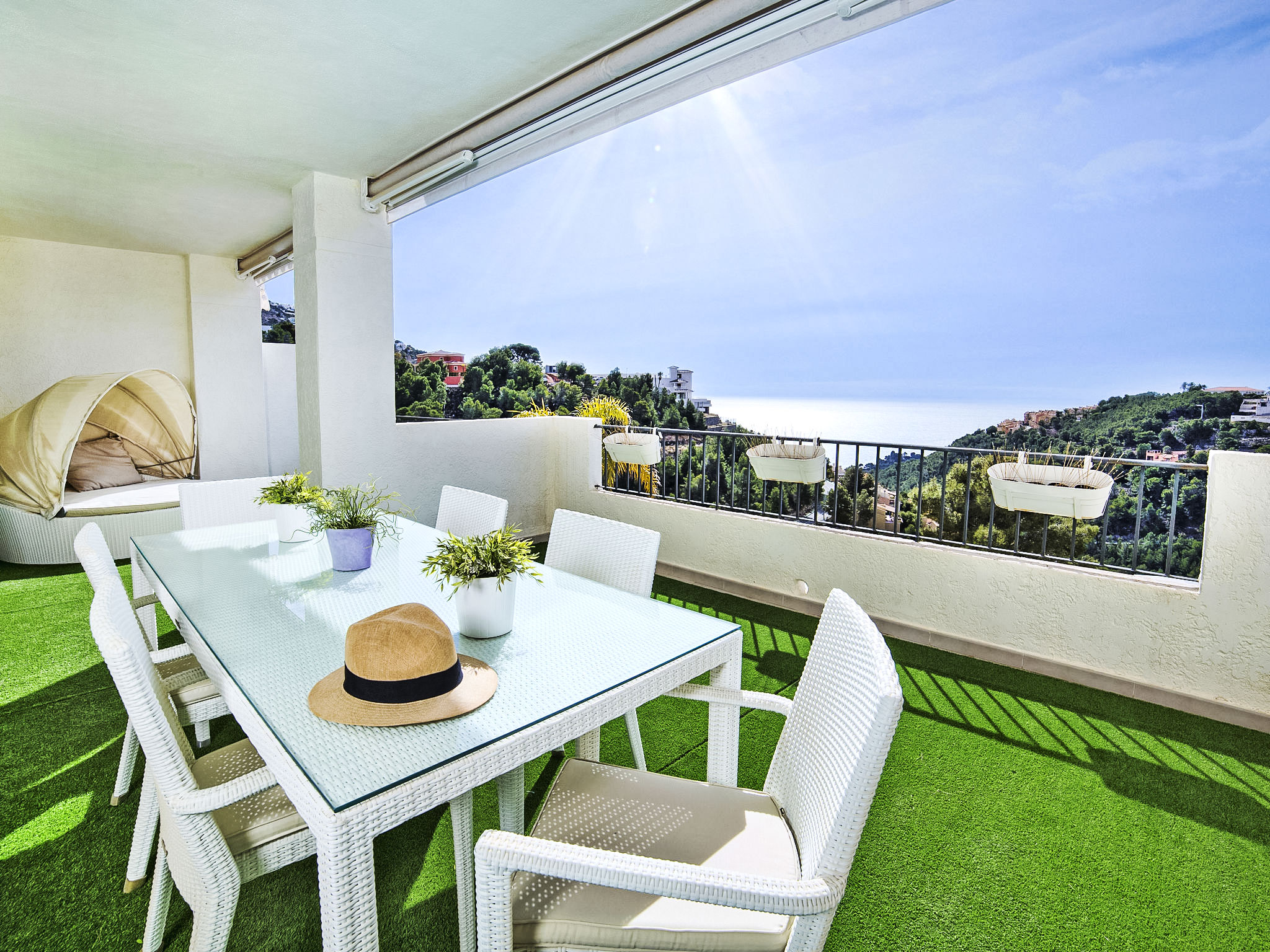
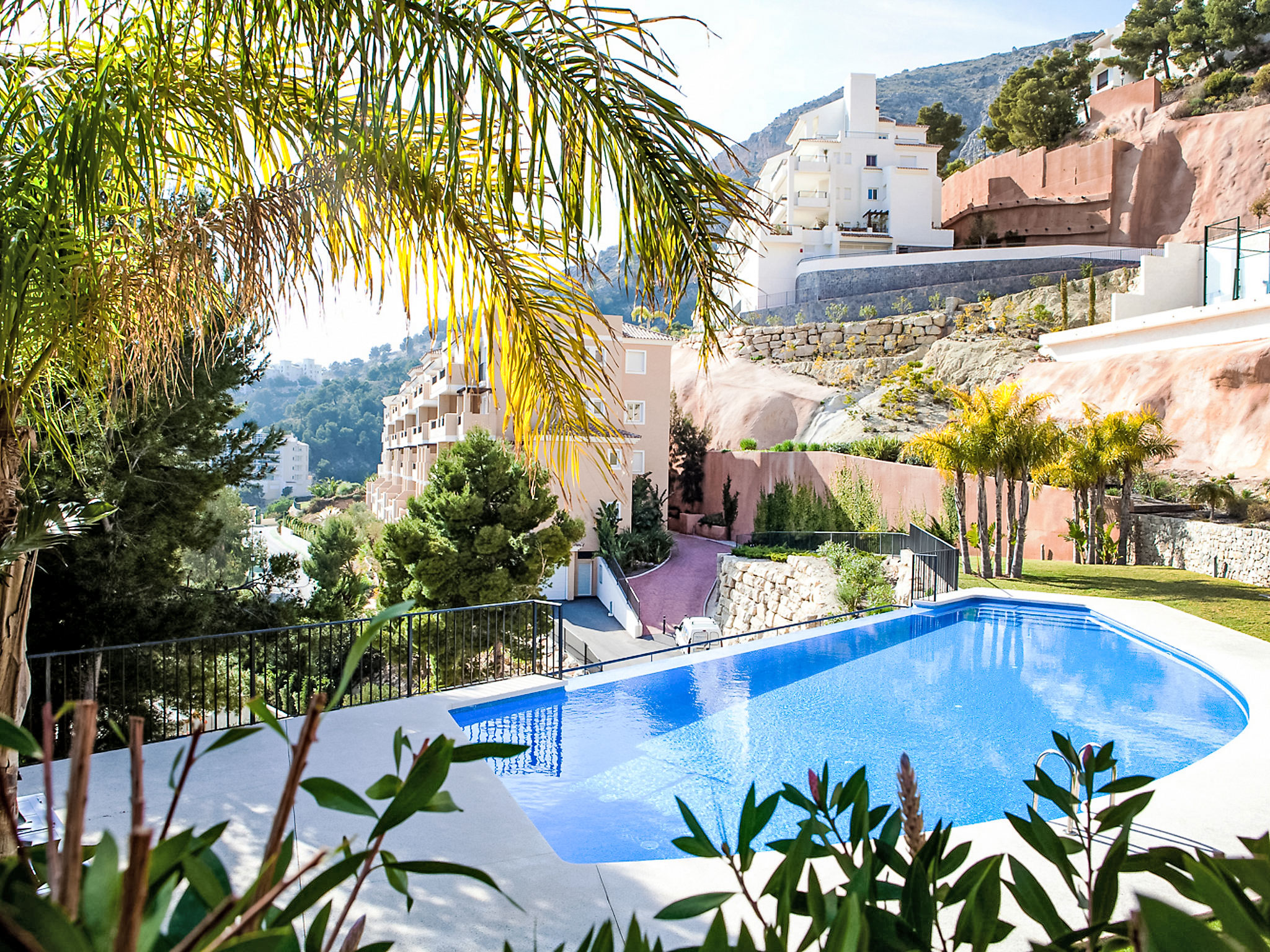
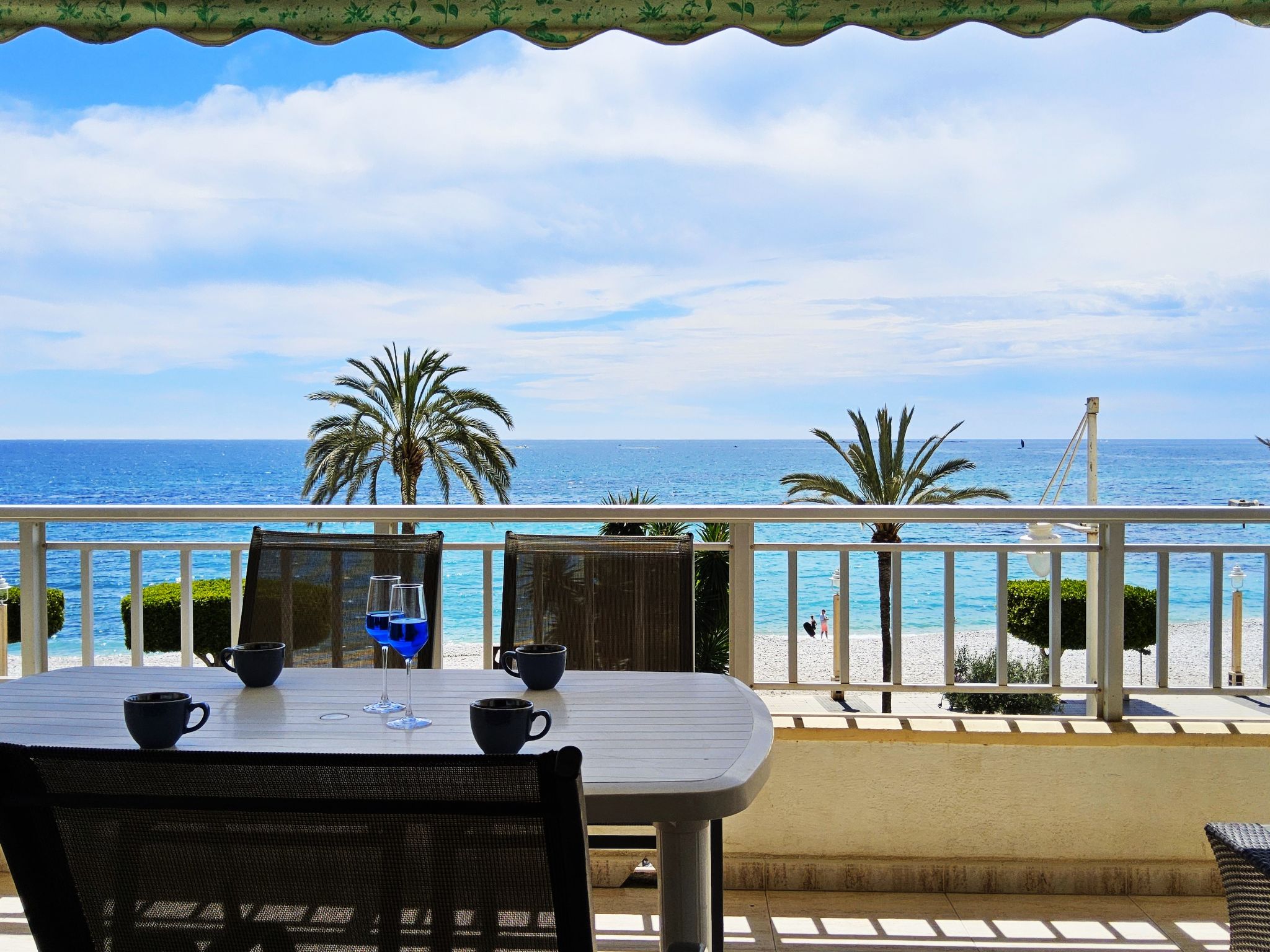
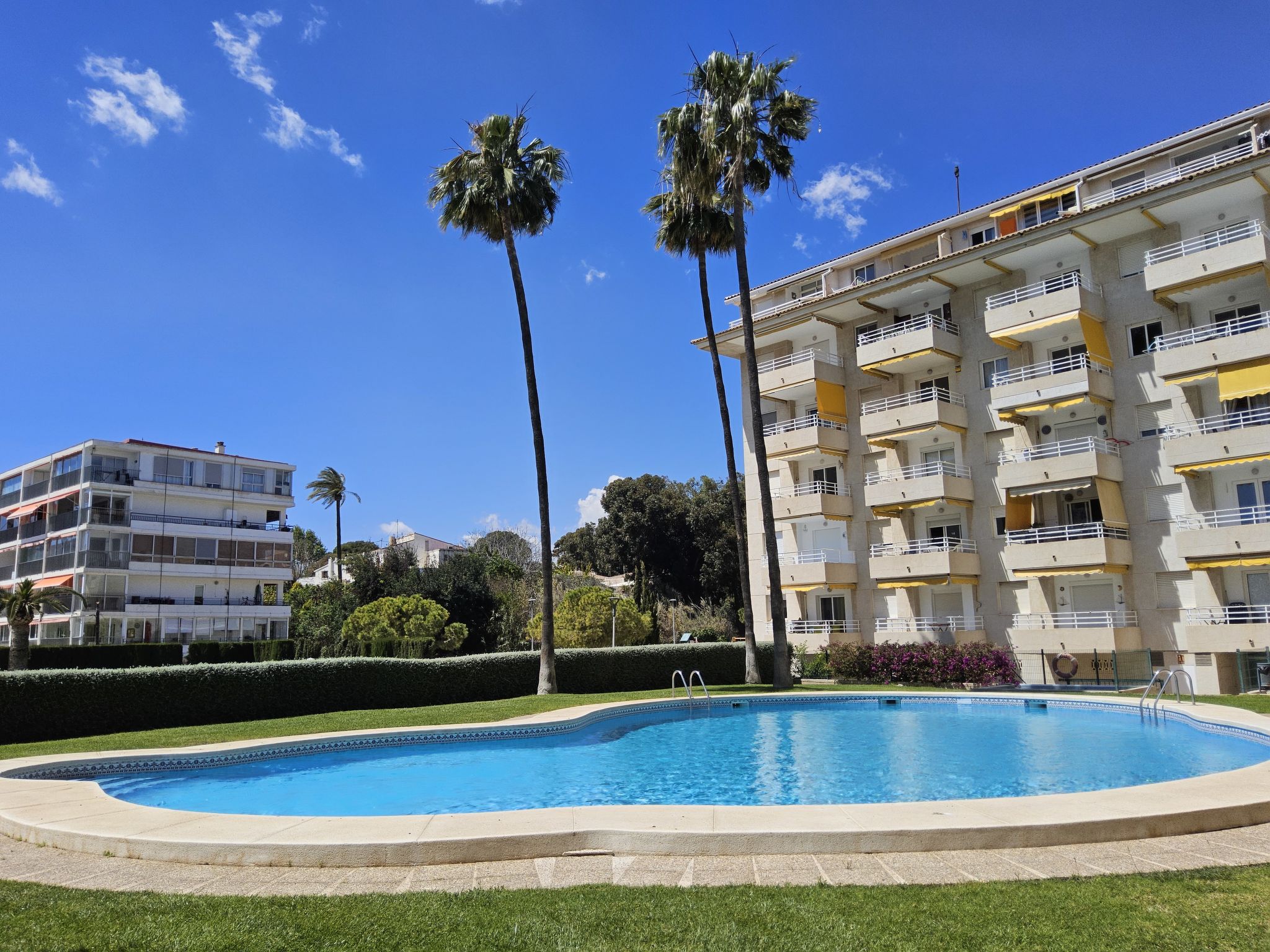
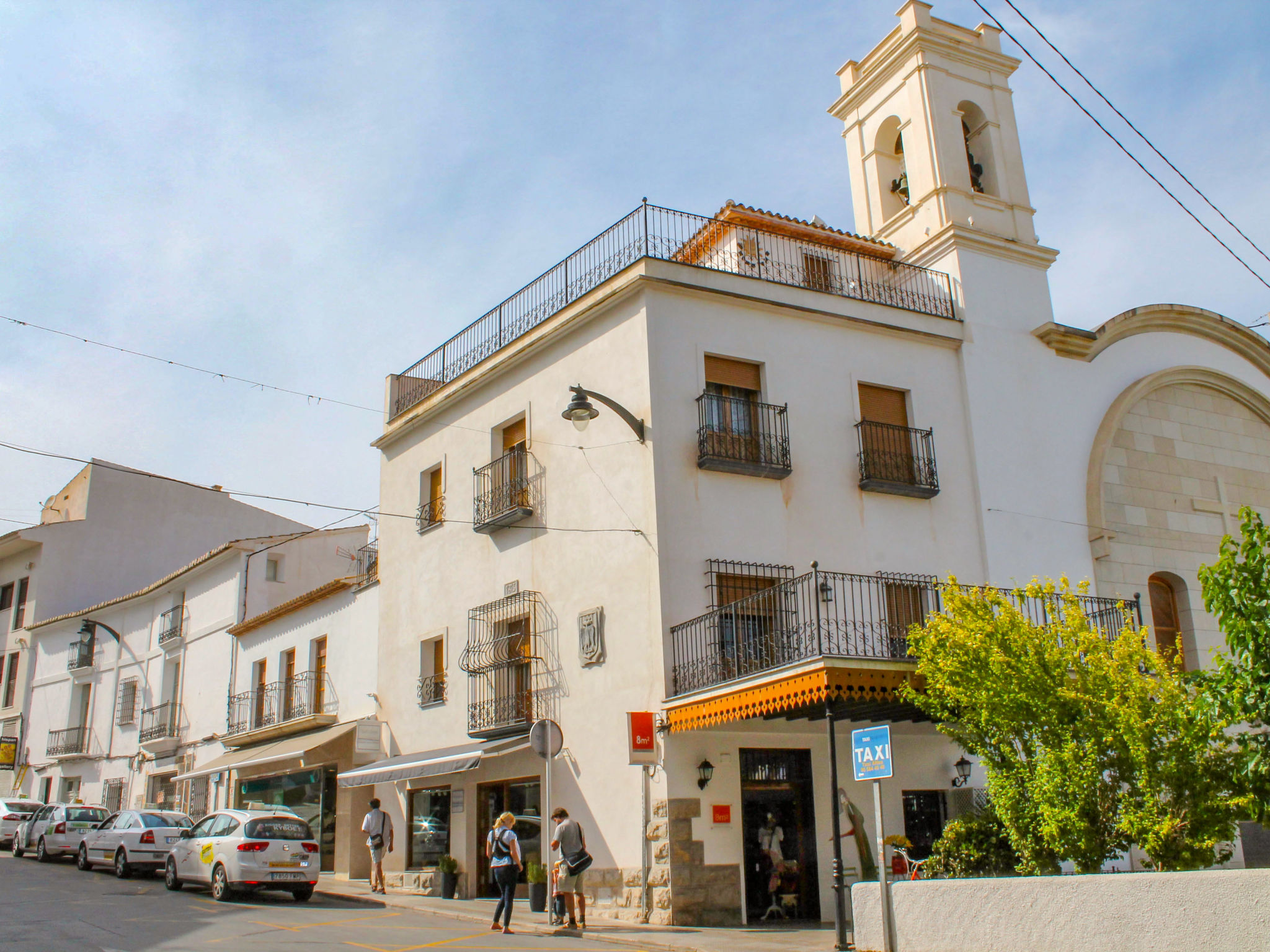
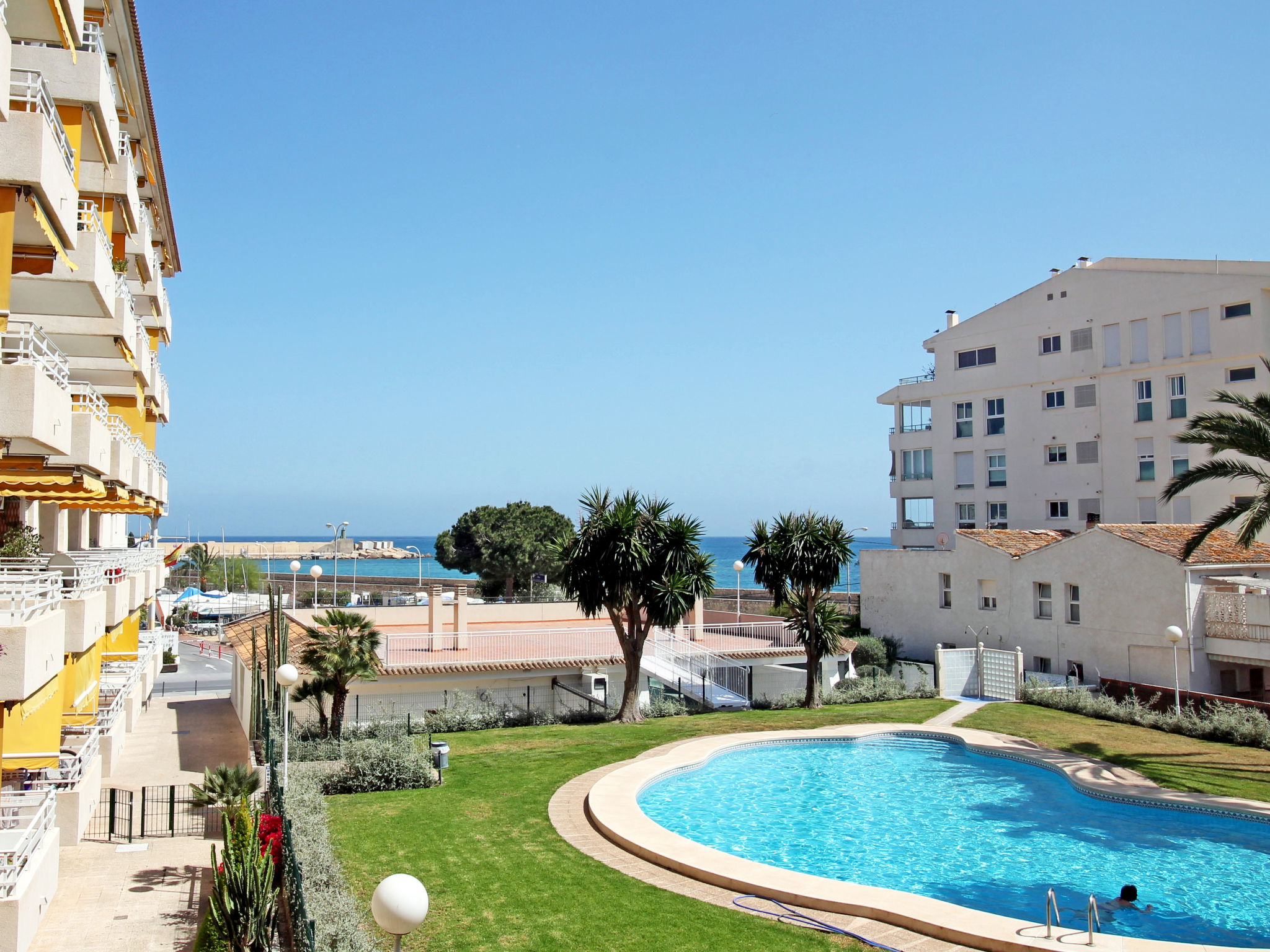
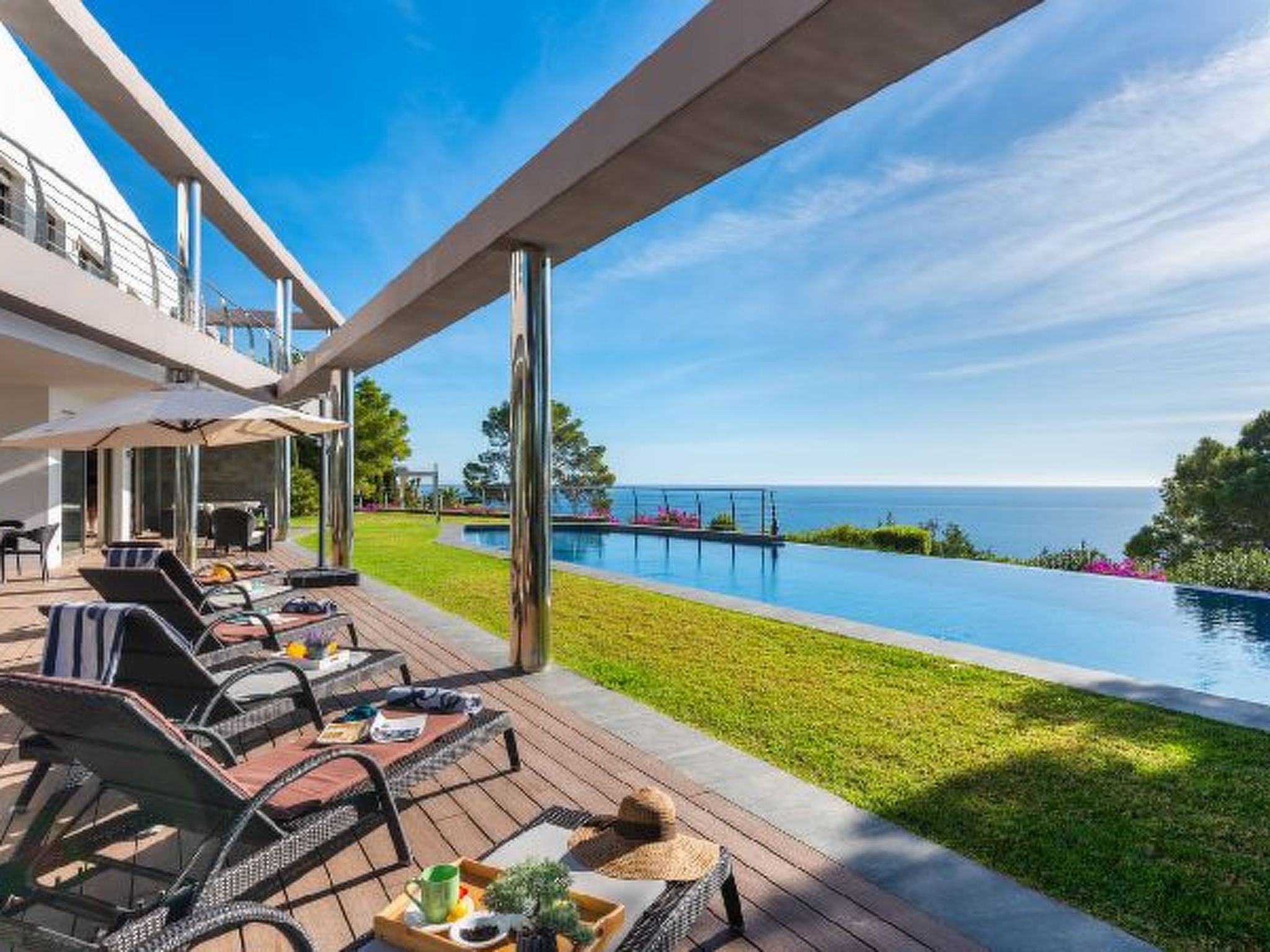
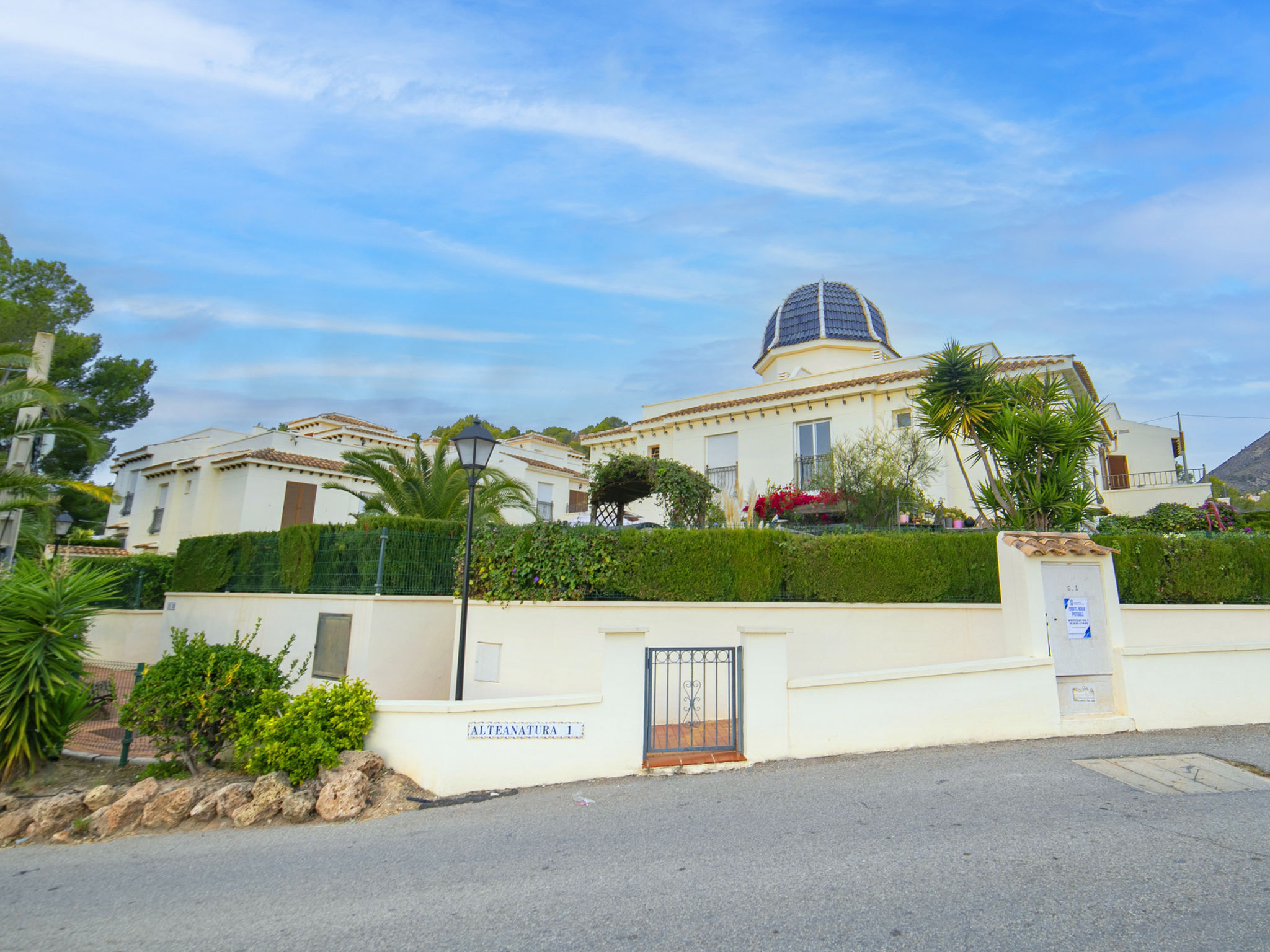
Altea sits on a hillside overlooking the sea, its white houses stacked in layers, the church with its distinctive blue-tiled dome visible from kilometres away. Unlike Benidorm's sprawl or Javea's fishing-village energy, Altea is a town designed for looking. The old quarter is genuinely photogenic, the views are genuine, and the waterfront offers a lower-key alternative to busier resorts. It's become popular with artists and expats seeking both beauty and space. The cost reflects this popularity, but the reward is tangible.
Why Stay in Altea
- The old town's architecture and views are the real draw. Narrow cobbled streets, whitewashed walls, flowering bougainvillea, and restaurants tucked into centuries-old buildings create atmosphere without feeling false.
- The waterfront has a relaxed vibe – bars and restaurants with reasonable prices by Costa Blanca standards, where people linger. It's less aggressive than Benidorm, less sleepy than some villages.
- Art galleries, independent shops, and small cultural spaces reflect an artistic community that's genuine rather than curated. The town attracts creatives, which changes the flavour.
- Altea's popularity means prices are elevated, especially accommodation and restaurants. The pebble beach is small and gets busy. Summer crowds are substantial, though less frantic than Benidorm. Parking near the old town is limited and paid.
Things to Do in Altea
Exploring the old town is the primary activity. Start at the waterfront, wander uphill through narrow streets, stop for a drink or ice cream, and let yourself get pleasantly lost. The church at the top has a small plaza with views across the coast. Even if you're not religious, the interior is worth seeing – the blue dome creates an otherworldly light. Time an evening visit to catch sunset light on the white houses.
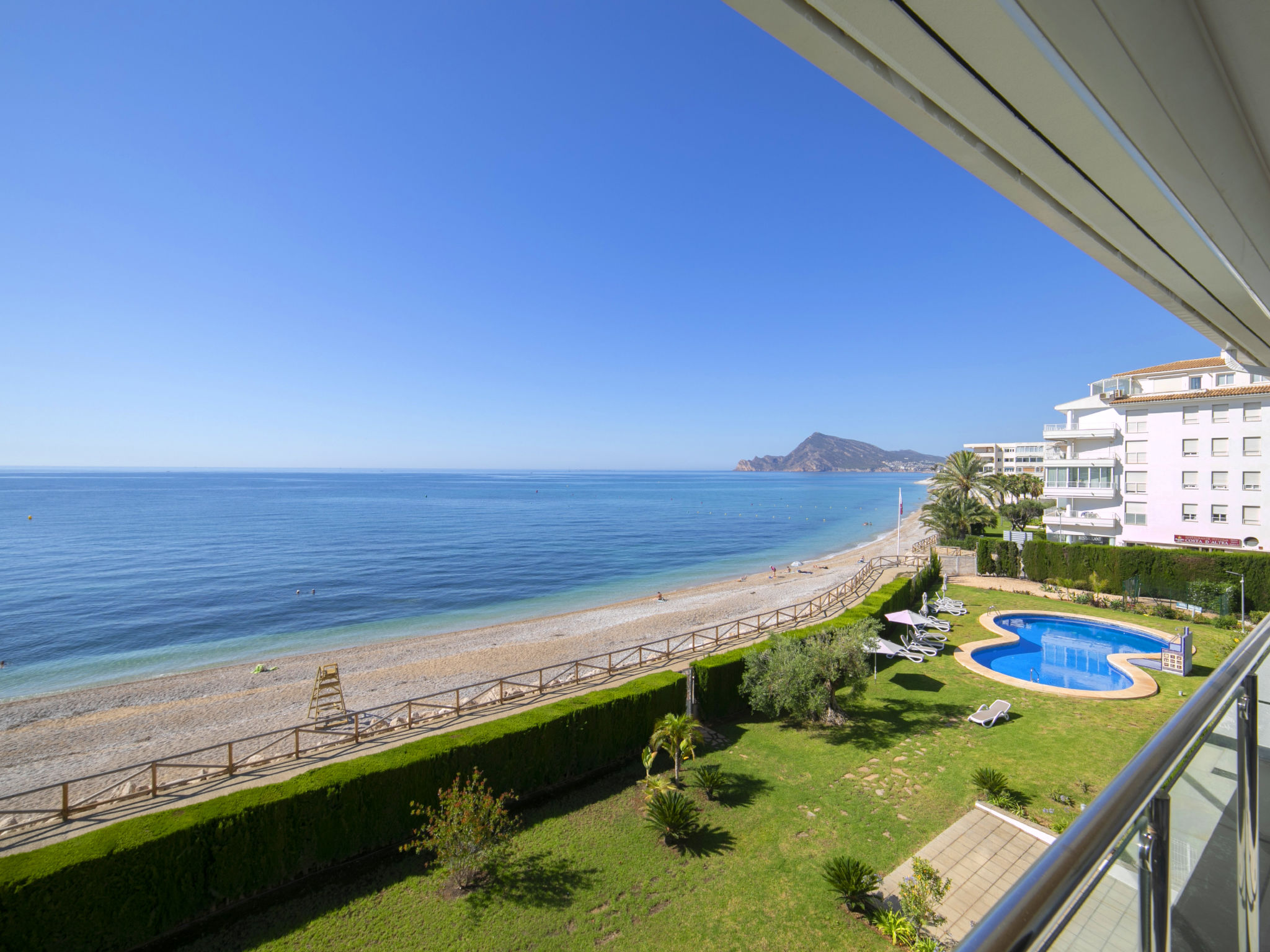
The waterfront restaurants range from casual beach bars (paella and beer, 12–15 euros) to fancier establishments (20–30 euros per course). The pebble beach itself is small and somewhat busy, but the setting is scenic. Swimming is fine if you don't mind smooth pebbles underfoot. Bring water shoes.
Art galleries line the old town's main streets. Several are worth a browse, and some host local artists' work at low prices. The Museo de Arte Moderno (Modern Art Museum) is tucked into a villa on the hillside with a small collection and a rooftop cafe with views. Entry is modest (around 5 euros); the cafe is worth visiting independently.
The Thursday market (in the municipal area, below the old town) sells fresh produce, flowers, textiles, and local goods. Arrive before 10am for selection. It's not large, but it's genuine – locals shop here, not just tourists.
Day trips are easy. Calpe and the Peñol d'Ifach rock are 15 kilometres away (20 minutes). Moraira is 10 kilometres south (15 minutes) and quieter. Benidorm is 15 kilometres south (20 minutes). Inland mountain villages offer hiking and entirely different landscapes – Polop and Aitana are 30–40 minutes inland with cooler air and old architecture.
A short walk up the coast path toward Moraira (starting from the western edge of the pebble beach) leads to quieter coves. The walk is easy and takes 30 minutes to a small unnamed cove where snorkelling is good.