Villas in Ruinen
Ruinen suits families and cyclists who want heath, fens and woods beside Dwingelderveld National Park, in the Dutch province of Drenthe. It is a village, so restaurants are few, and there is no coast or big-town shopping close by.
- Villas
- 36
About Ruinen
Ruinen is a village of around 3,400 people in the De Wolden municipality of Drenthe, low-lying country about eight metres above sea level. It was first mentioned in 1139. The church tower was built in 1423, and the De Zaandplatte windmill, rebuilt in 1964, is open to the public. The draw is Dwingelderveld National Park, about 3,700 hectares of heath, fens, woods and shifting sands, the largest contiguous area of wet heathland in north-west Europe. Our homes are grouped inside roughly a kilometre, around the village. Some have a private pool, a few a sauna, and fewer than a third have a garden. Evenings are village-quiet.
Is Ruinen right for you?
- Best for
- Families and cyclists wanting heath and woods from the door
- Not for you if
- You want a beach, nightlife or a choice of restaurants, because this is a quiet inland village.
Near Ruinen
Dwingelderveld National Park
About 3,700 hectares of heath, fens and woods with more than 60 fens and peat bogs, a national park since 1991.
Hoogeveen
Town about 10 km south-east of Ruinen, the bigger place to head for when the village is too small.
Meppel
Railway town on the Intercity line from Amsterdam Zuid; bus 32 runs from the station to the centre of Ruinen.
De Zaandplatte windmill
Windmill in the village, rebuilt in 1964 and open to the public.
Getting to Ruinen
Amsterdam Schiphol is the practical airport, and Amsterdam is about an hour and three quarters away by road. Without a car, take the Intercity to Meppel and bus 32 to Ruinen, about three hours from Amsterdam. Bikes cover most local trips.
When to go to Ruinen
Dwingelderveld has a different colour in every season, with heather and bell heather flowering on the heath. In summer you can ride a covered wagon across the heath or watch sheep-herding demonstrations. Look out for many species of colourful dragonflies. Out of season the village is quiet, so check which cafes and shops are open.
Villas in Ruinen

Vakantiepark De Wiltzangh - Zandborg Lodge
Ruinen, Drenthe, Netherlands
6
1
0
ParkingDishwasherGarden+6 more

Vakantiepark De Wiltzangh - Familiehuis Wellness
Ruinen, Drenthe, Netherlands
19
1
0
ParkingDishwasherGarden+7 more

Vakantiepark De Wiltzangh - Houtenborg Lodge
Ruinen, Drenthe, Netherlands
4
1
0
ParkingDishwasherGarden+6 more

Vakantiepark De Wiltzangh - Veenborg Lodge
Ruinen, Drenthe, Netherlands
4
1
0
ParkingDishwasherGarden+5 more

Vakantiepark De Wiltzangh - Venneborg Lodge
Ruinen, Drenthe, Netherlands
6
1
0
ParkingDishwasherGarden+6 more

Vakantiepark De Wiltzangh - Esborg Lodge 6
Ruinen, Drenthe, Netherlands
6
1
0
ParkingDishwasherGarden+5 more

Vakantiepark De Wiltzangh - Esborg Lodge Hottub 6
Ruinen, Drenthe, Netherlands
6
1
0
ParkingDishwasherGarden+5 more

Vakantiepark De Wiltzangh - Sterrenborg Lodge
Ruinen, Drenthe, Netherlands
4
1
0
ParkingDishwasherGarden+6 more

Vakantiepark De Wiltzangh - Tiny Borg
Ruinen, Drenthe, Netherlands
4
1
0
ParkingDishwasherGarden+6 more

Vakantiepark De Wiltzangh - De Havezate Wellness
Ruinen, Drenthe, Netherlands
8
1
0
ParkingDishwasherGarden+6 more
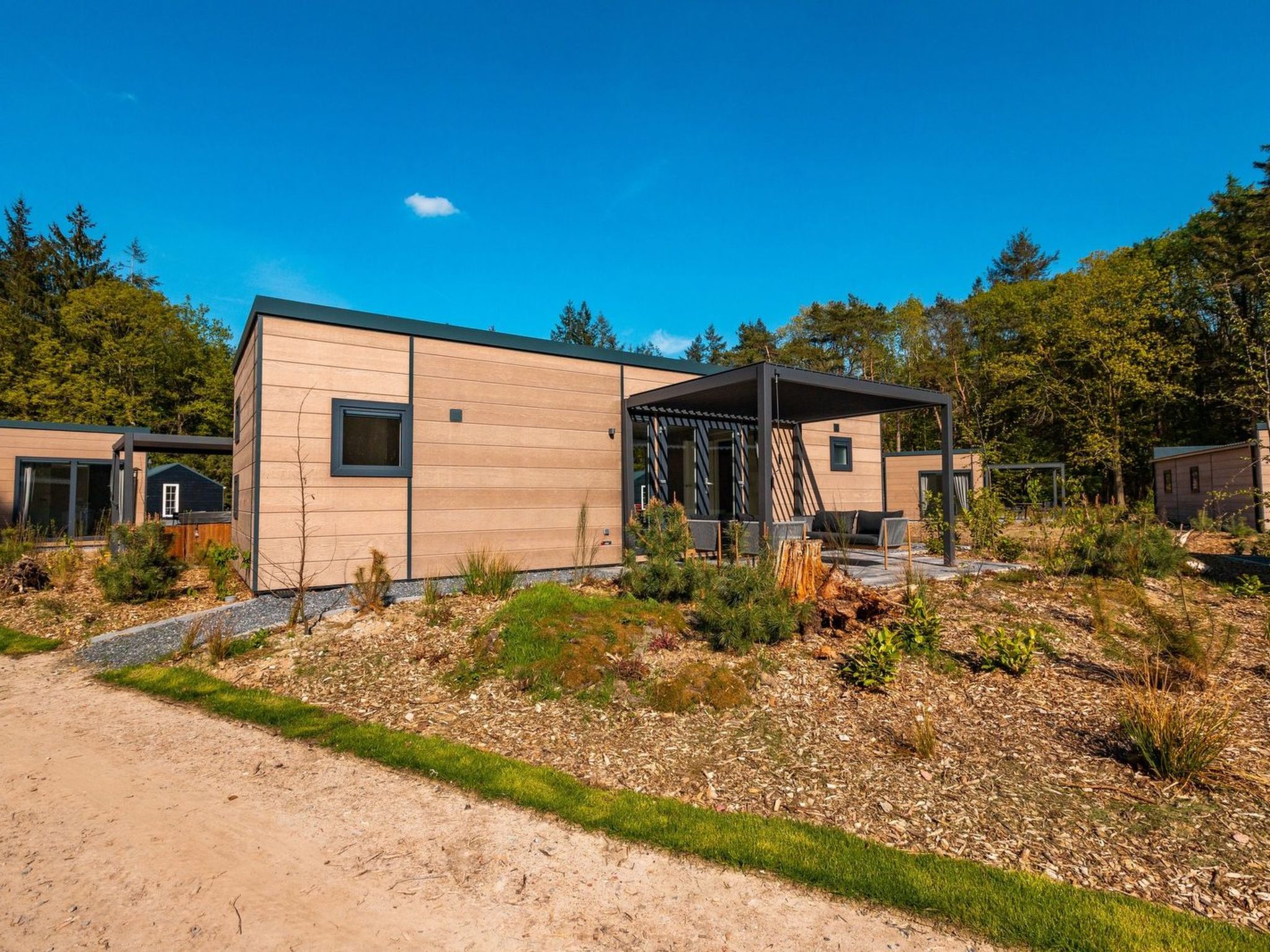
De Wiltzangh - Groeneborg lodge met Hottub | 6 p
Ruinen, Drenthe, Netherlands
6
3
0
DishwasherMicrowaveParking+5 more
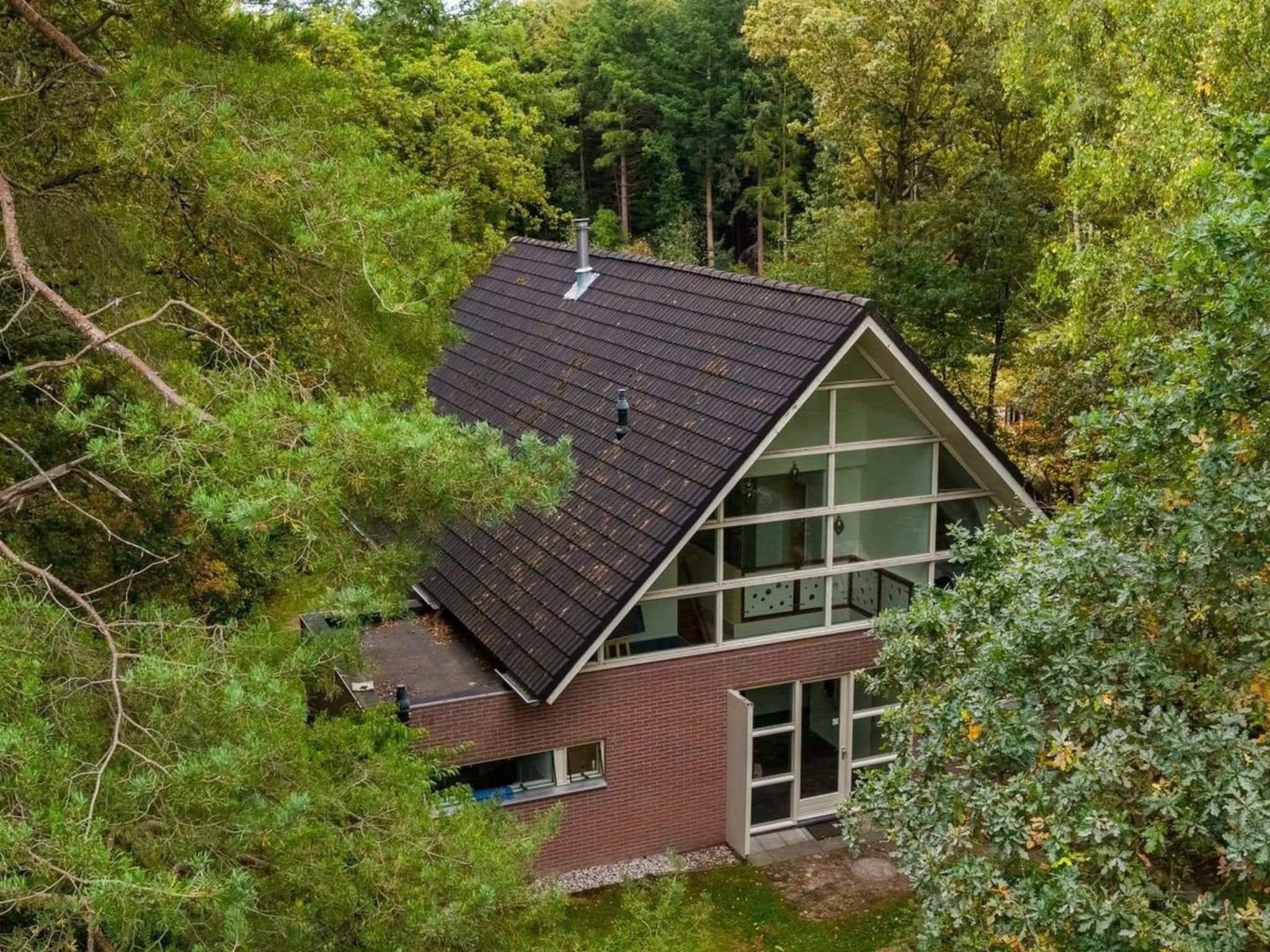
De Wiltzangh - Familiehuis Wellness | 18p
Ruinen, Drenthe, Netherlands
19
5
0
DishwasherMicrowaveParking+5 more
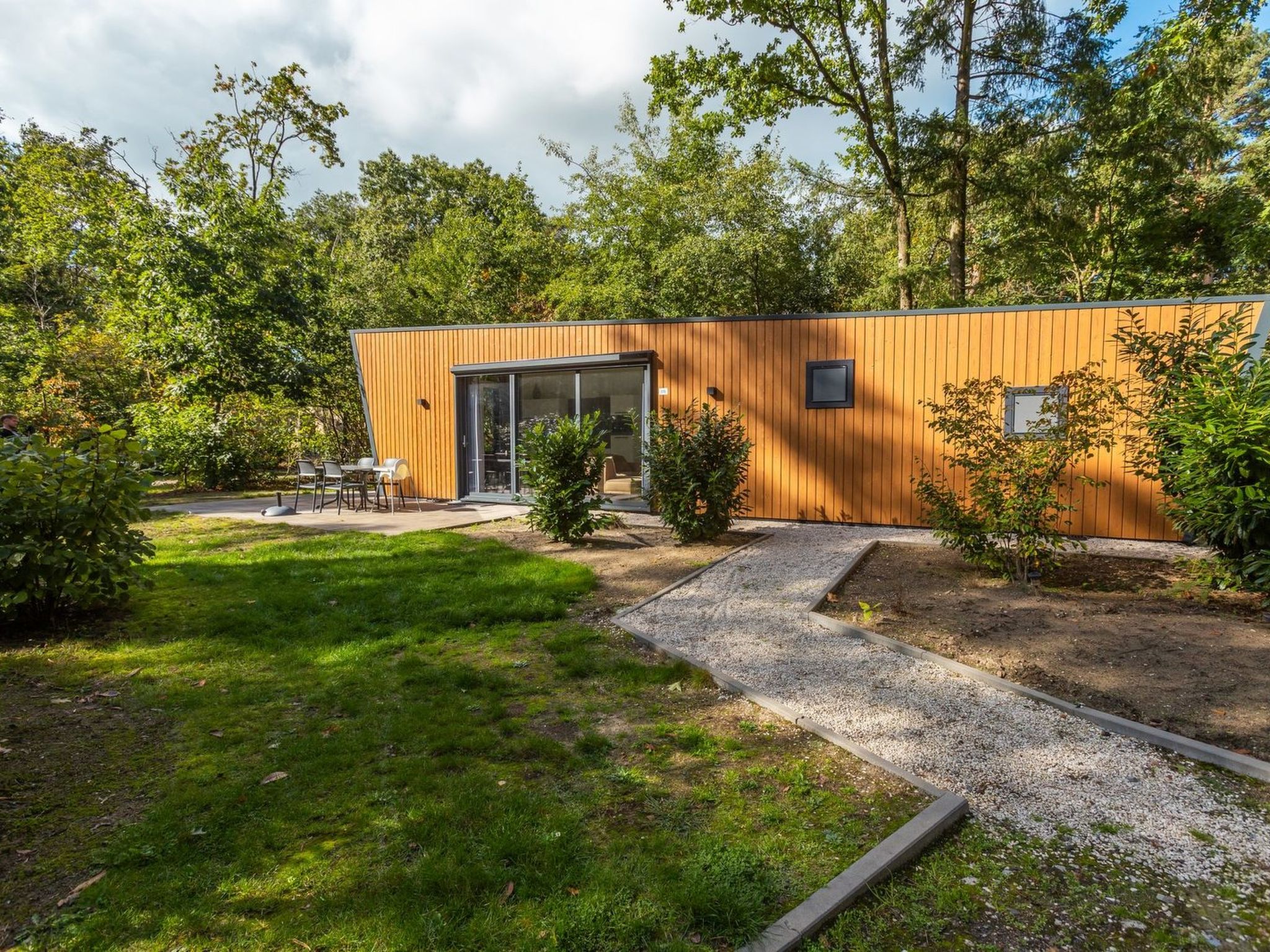
De Wiltzangh - Heideborg Lodge Hottub | 4p
Ruinen, Drenthe, Netherlands
4
2
0
DishwasherMicrowaveParking+5 more
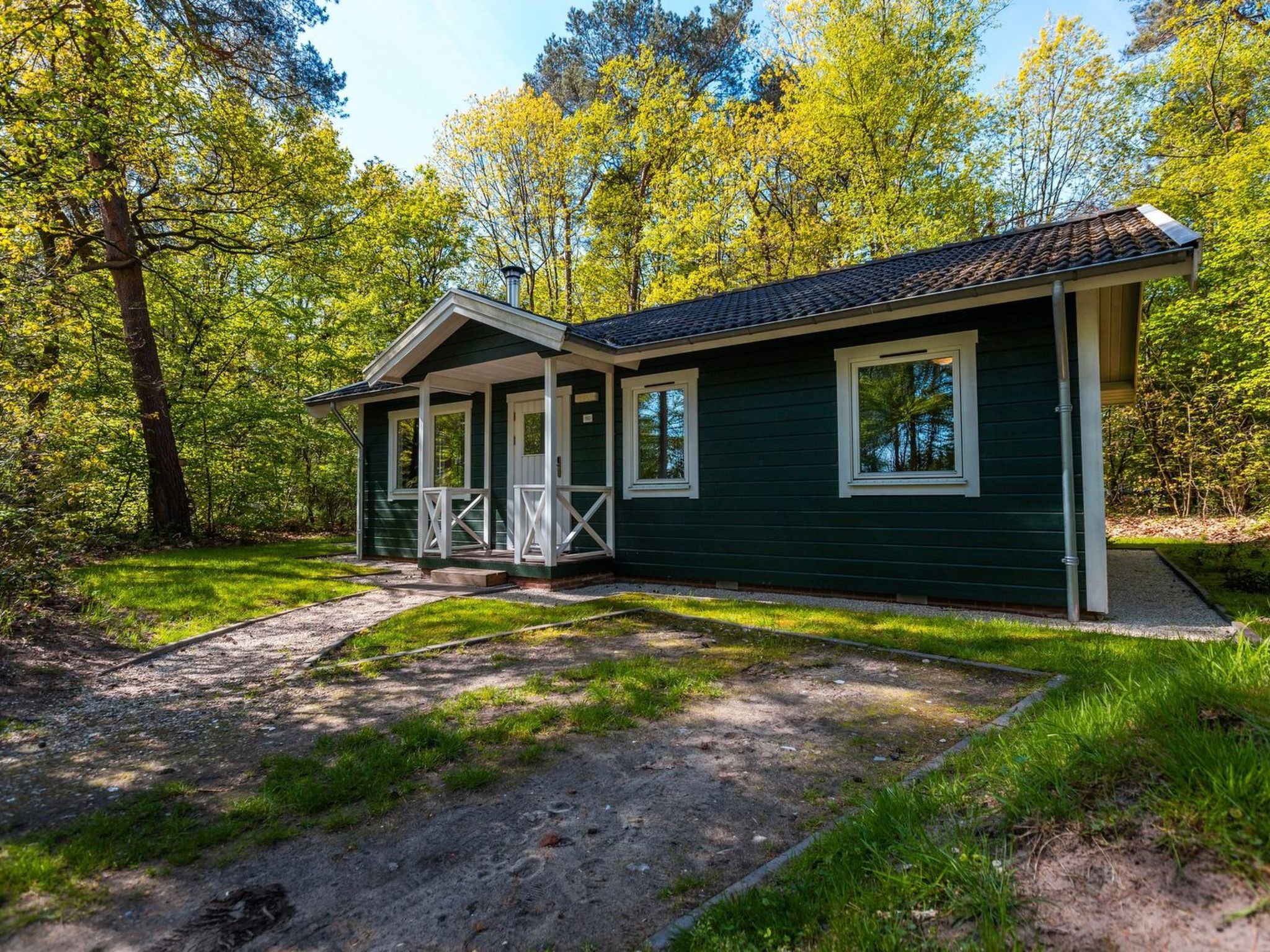
De Wiltzangh - Vennenborg Lodge Hottub | 6p
Ruinen, Drenthe, Netherlands
6
3
0
DishwasherMicrowaveParking+5 more
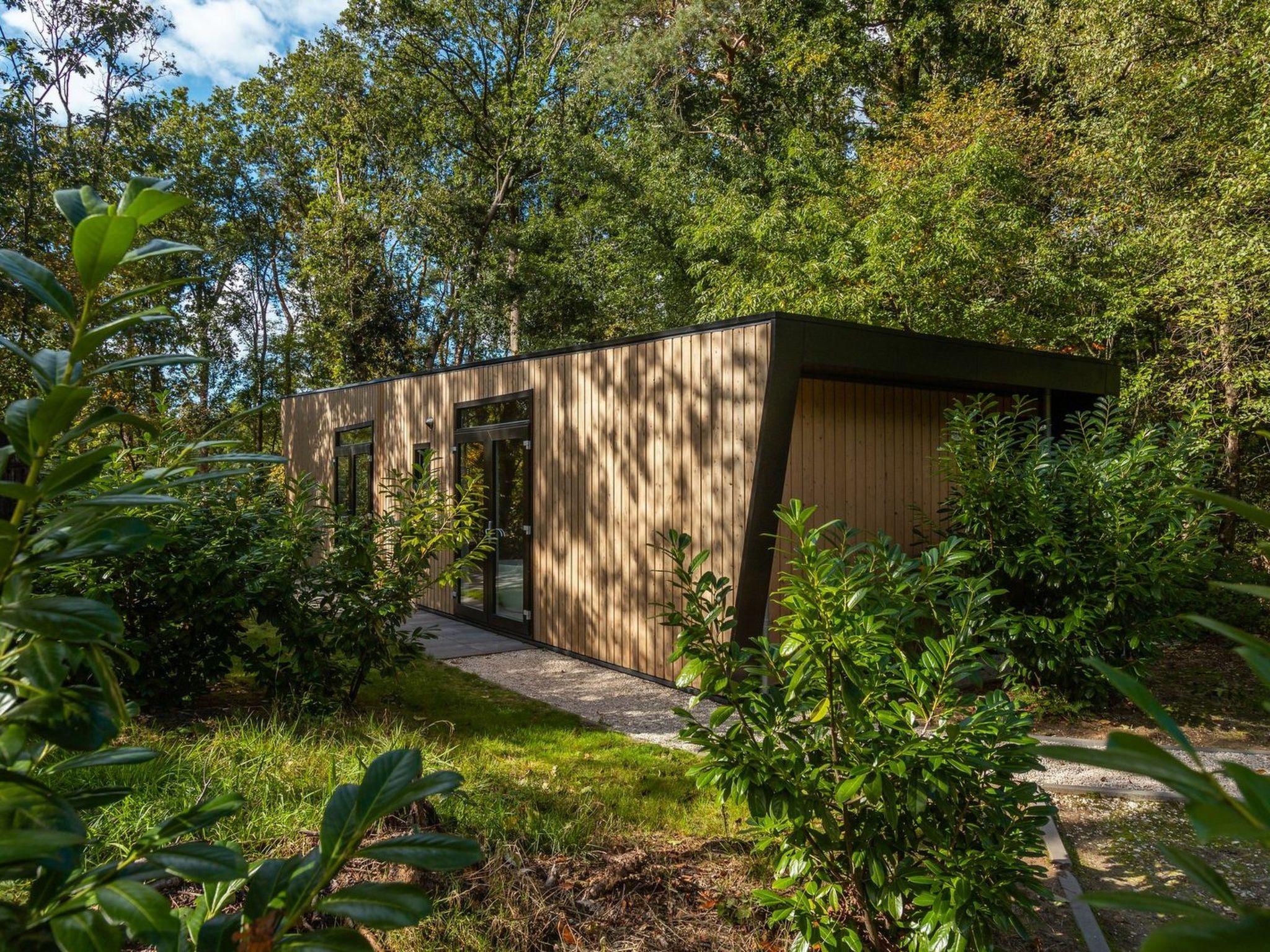
De Wiltzangh - Bosrand Wellness Cabin Premium | 2p
Ruinen, Drenthe, Netherlands
2
1
0
DishwasherMicrowaveParking+6 more
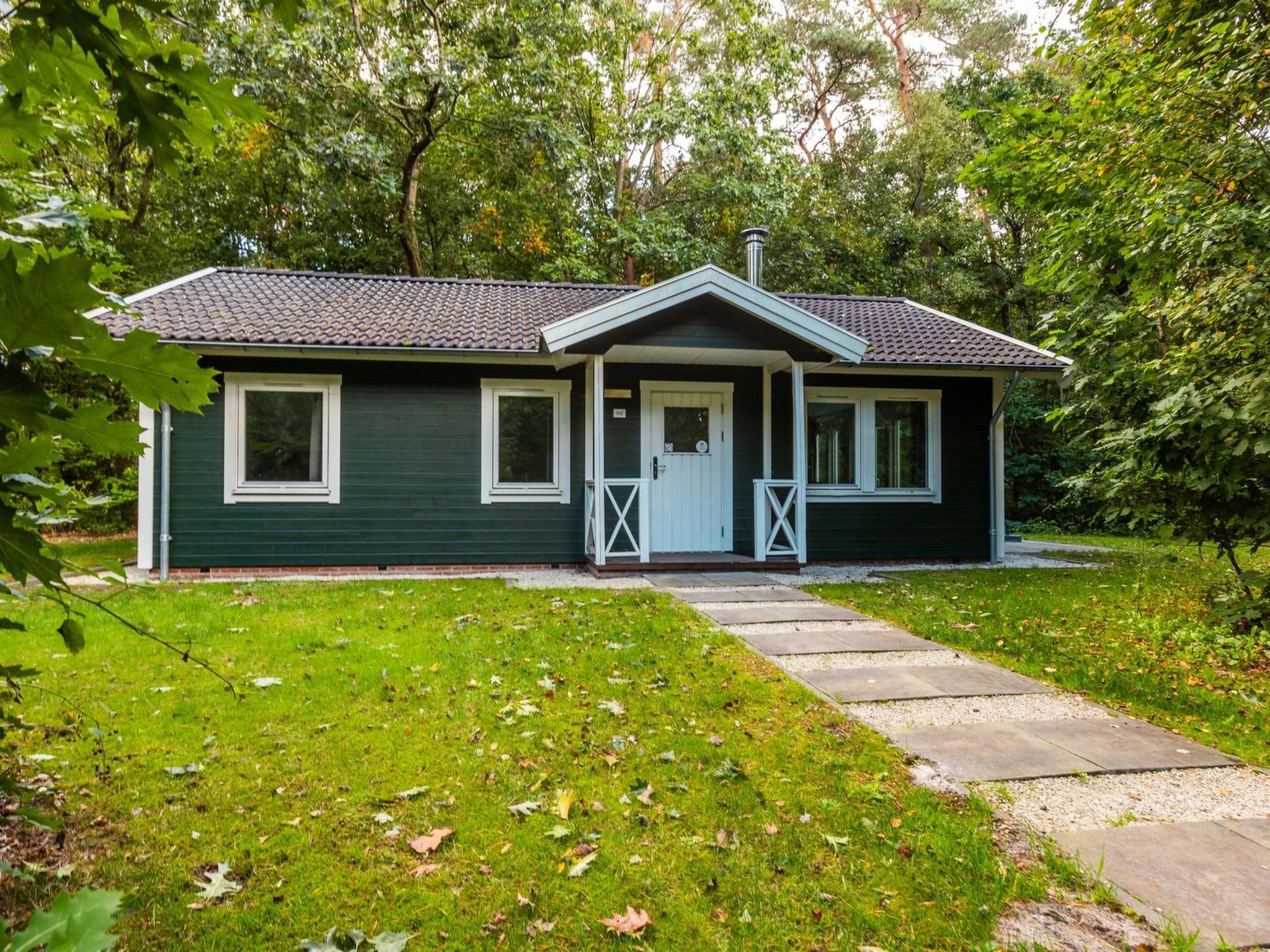
De Wiltzangh - Vennenborg Lodge | 6p
Ruinen, Drenthe, Netherlands
6
3
0
DishwasherMicrowaveParking+5 more
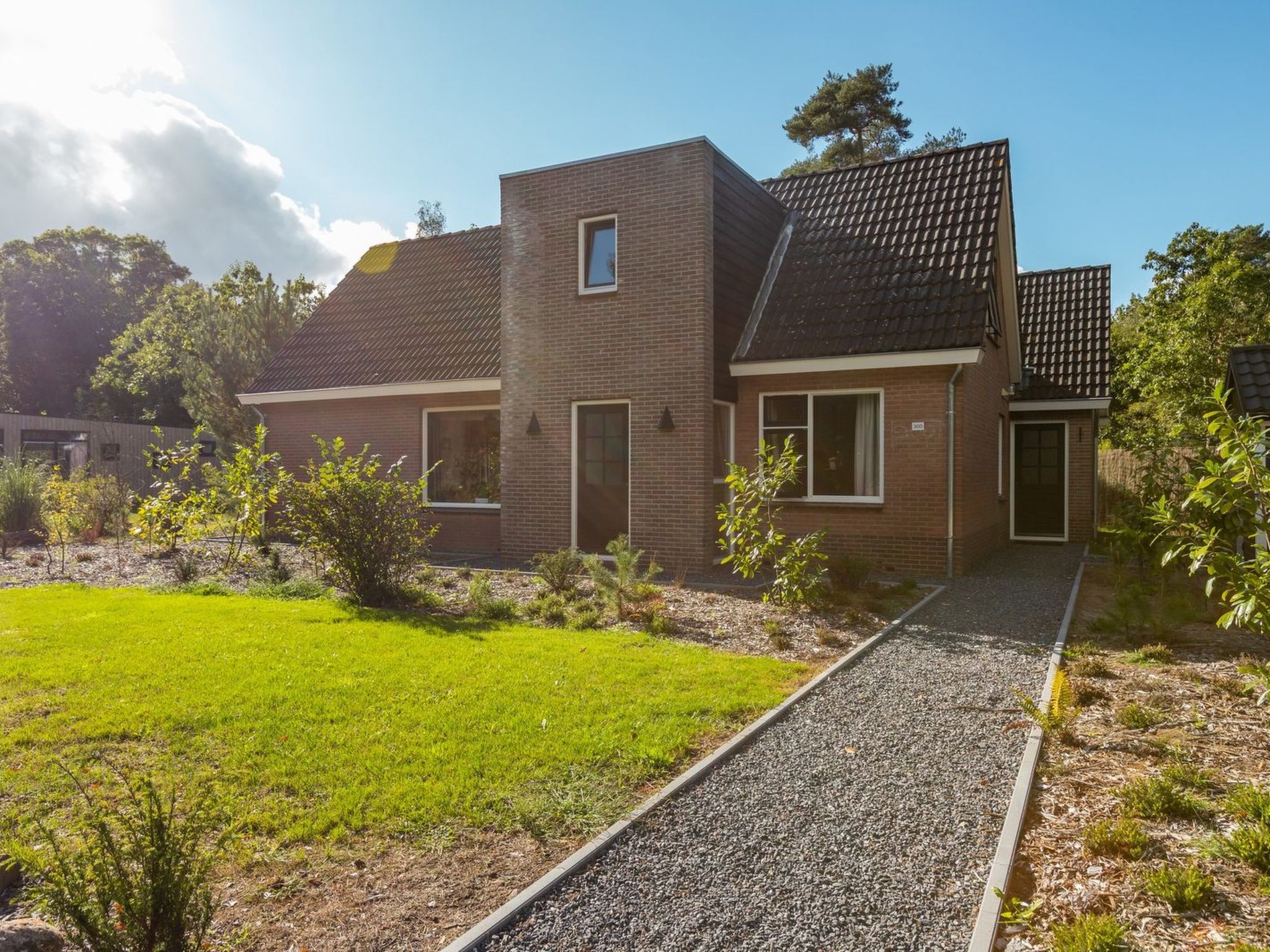
Vakantiepark De Wiltzangh - De Havezate Wellness
Ruinen, Drenthe, Netherlands
10
5
0
DishwasherMicrowaveParking+6 more
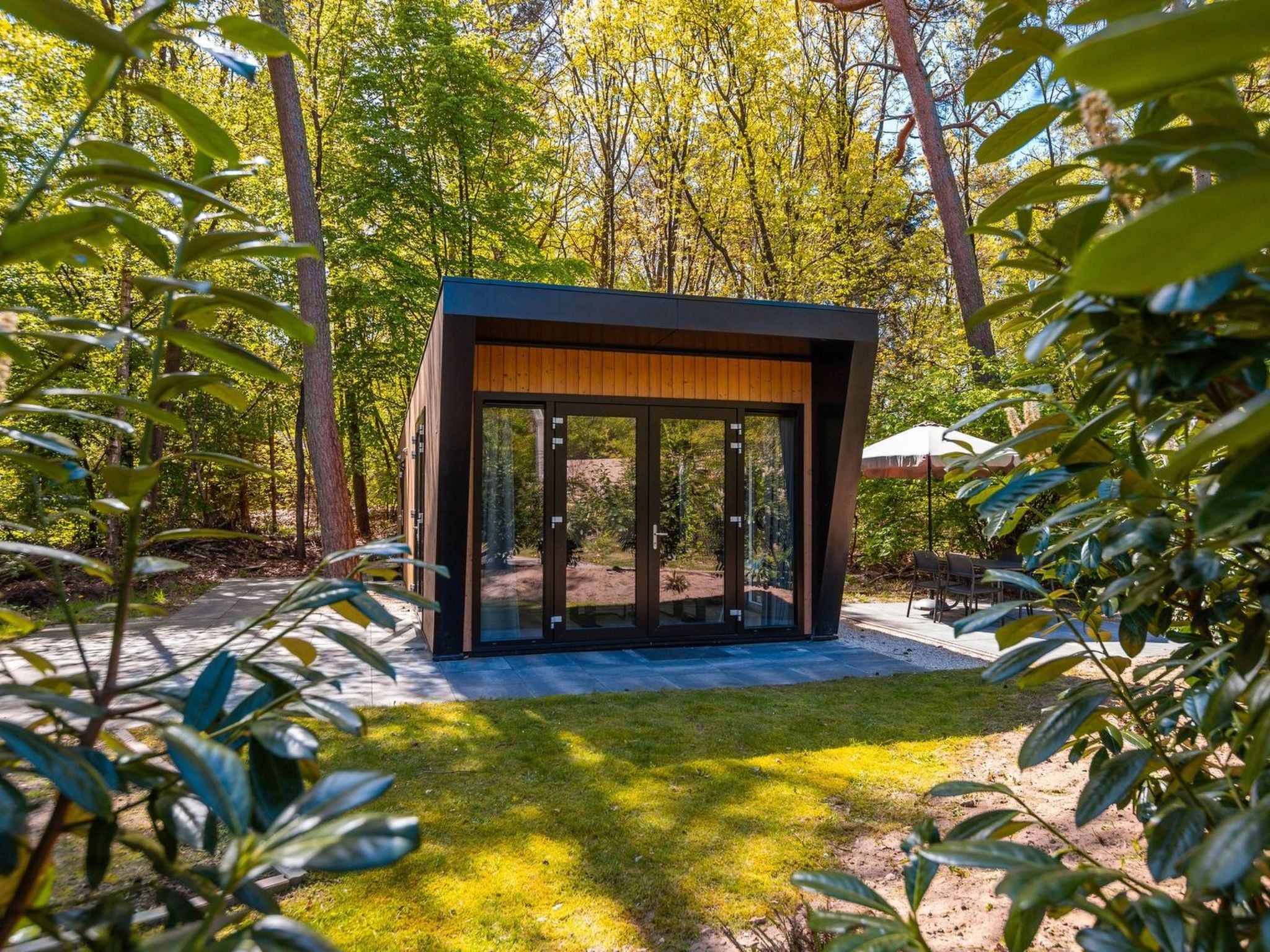
De Wiltzangh - Heideborg Lodge | 4p
Ruinen, Drenthe, Netherlands
4
2
0
DishwasherMicrowaveParking+5 more
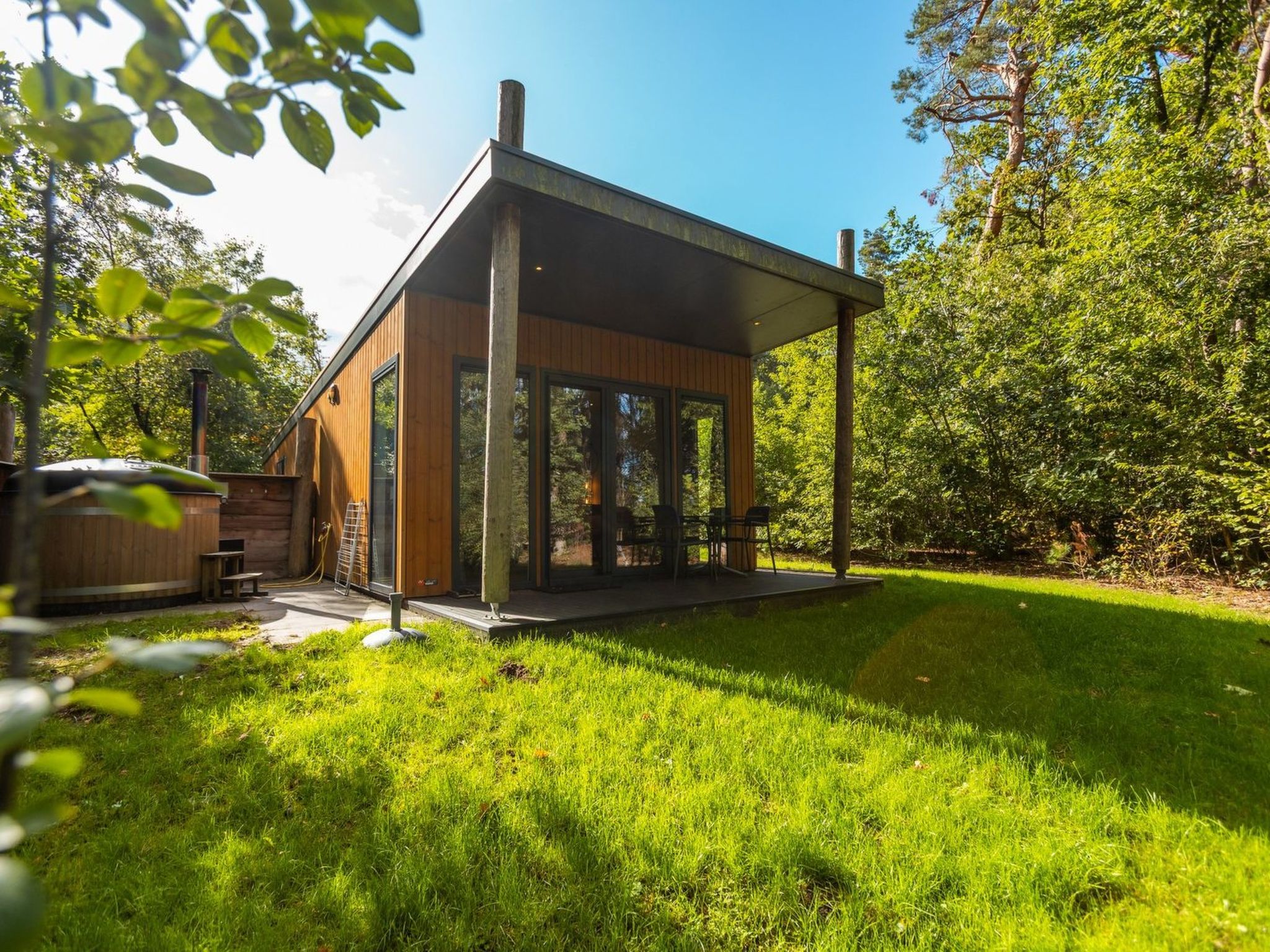
De Wiltzangh - Bosrand Wellness Cabin | 2p
Ruinen, Drenthe, Netherlands
2
1
0
DishwasherMicrowaveParking+6 more
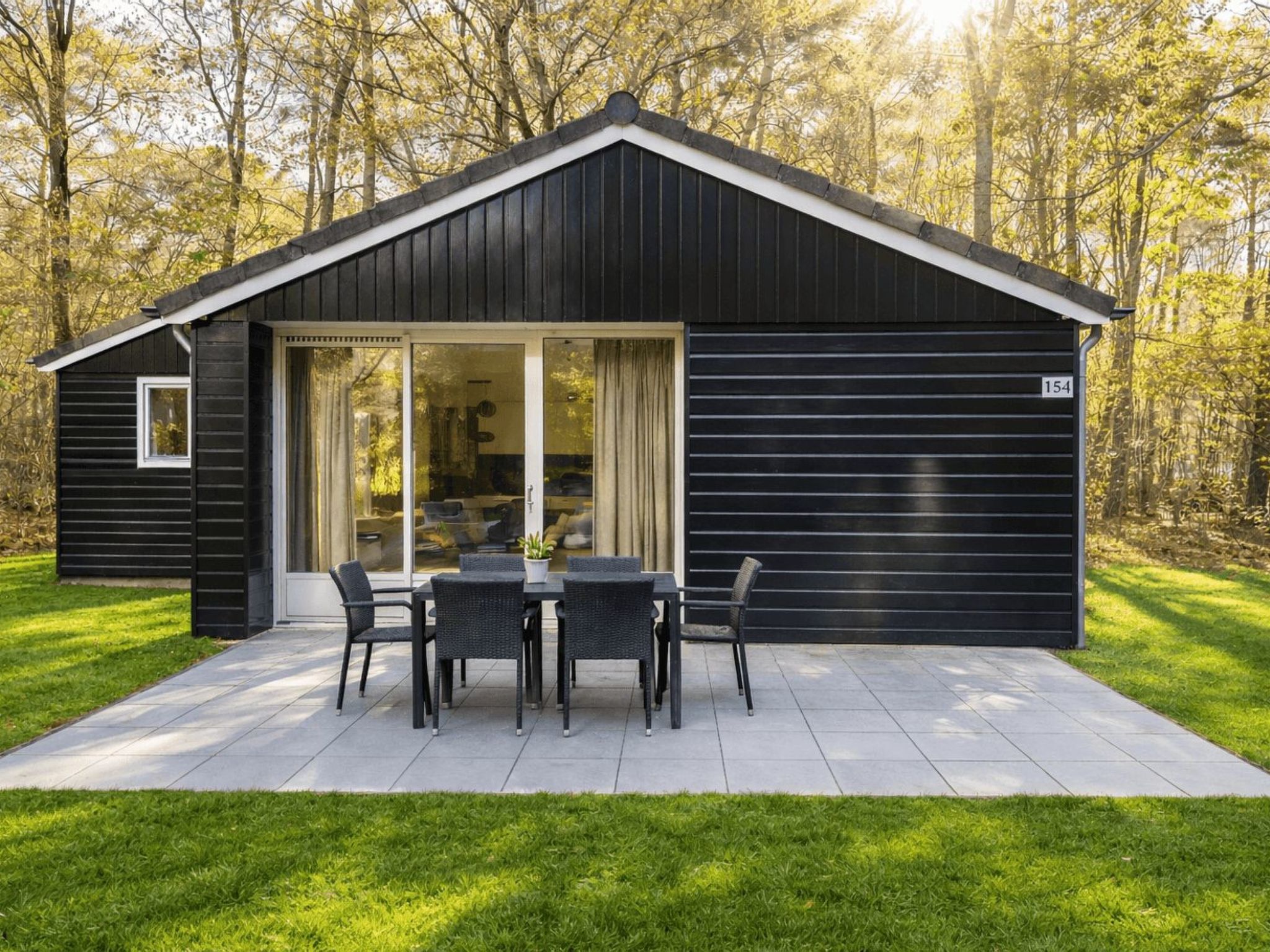
De Wiltzangh - Boschborg Lodge | 4p
Ruinen, Drenthe, Netherlands
6
2
0
DishwasherMicrowaveParking+5 more
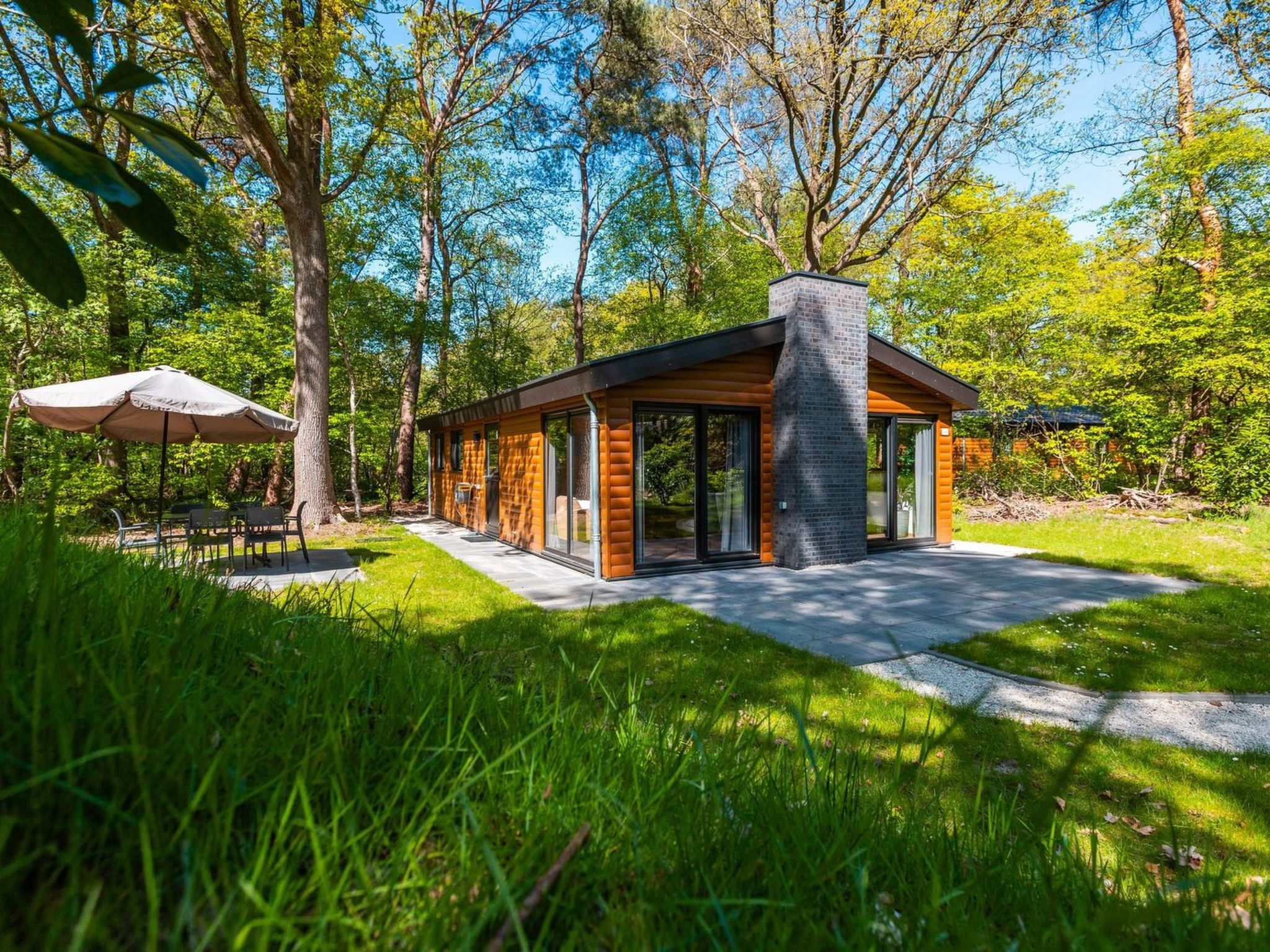
De Wiltzangh - Esborg Lodge Hottub | 6p
Ruinen, Drenthe, Netherlands
6
3
0
DishwasherMicrowaveParking+5 more
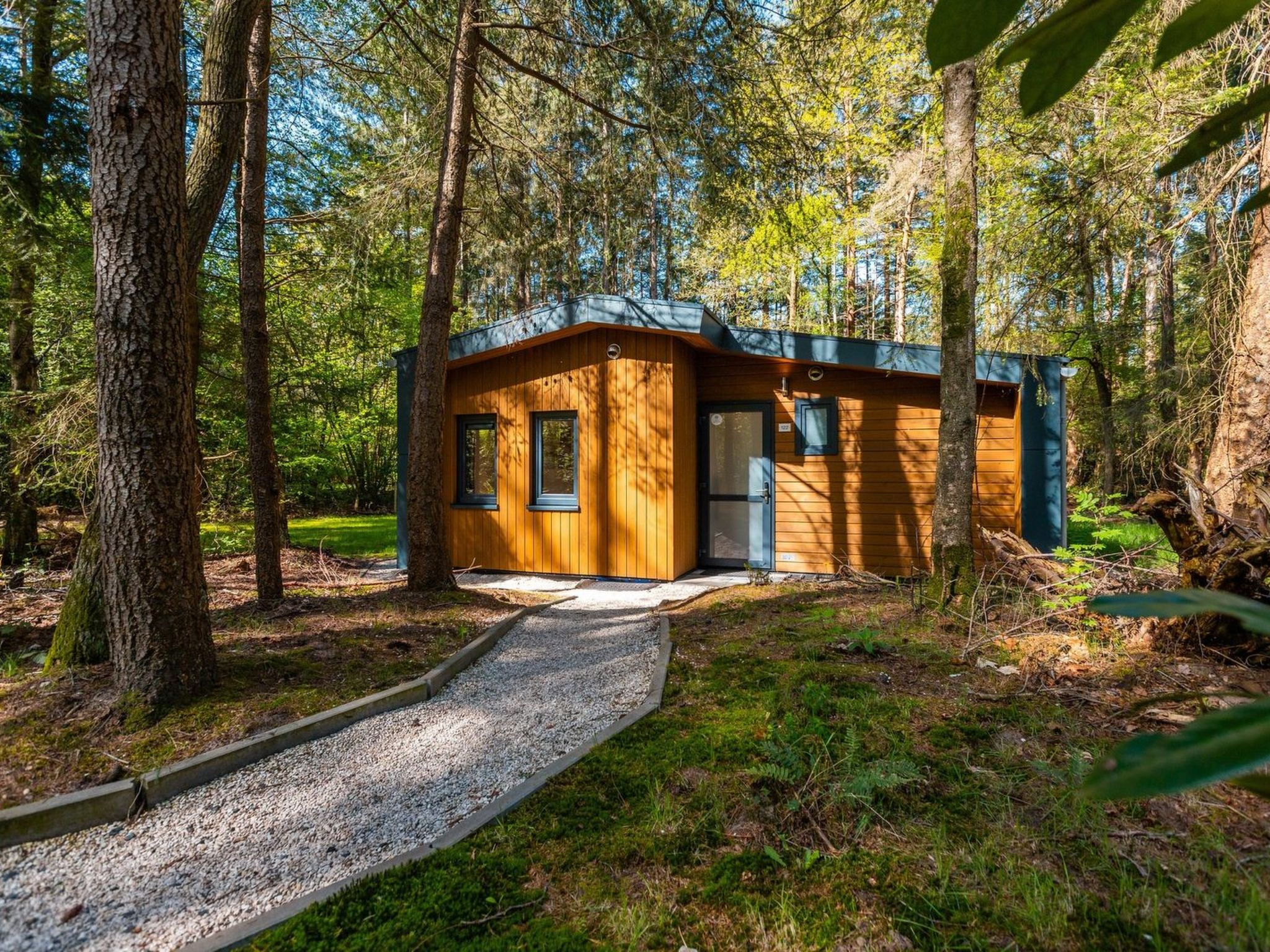
De Wiltzangh - Zandborg Lodge | 6p
Ruinen, Drenthe, Netherlands
6
3
0
DishwasherMicrowaveParking+5 more
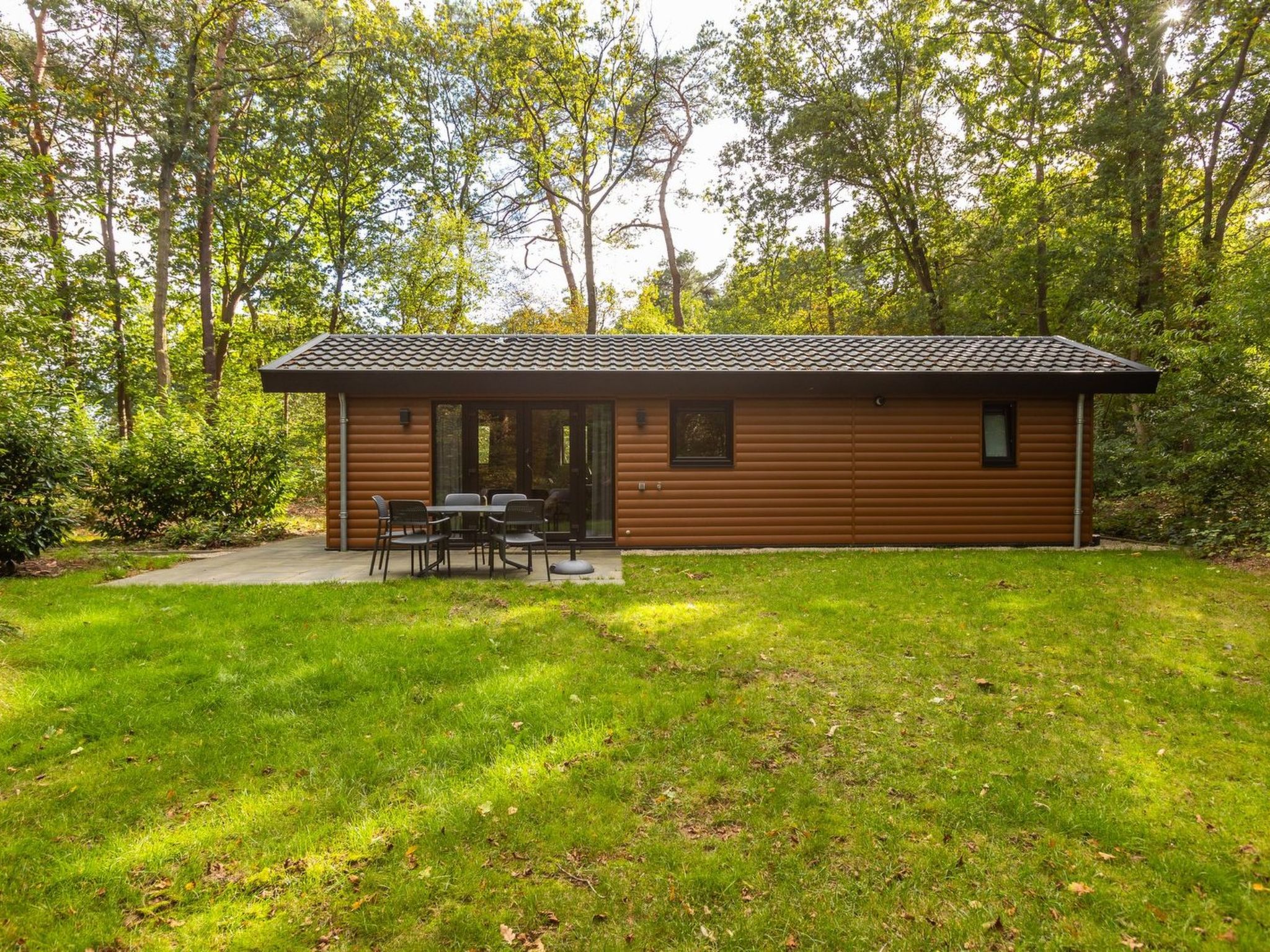
De Wiltzangh - Sterrenborg Lodge | 4p
Ruinen, Drenthe, Netherlands
4
2
0
DishwasherMicrowaveParking+5 more
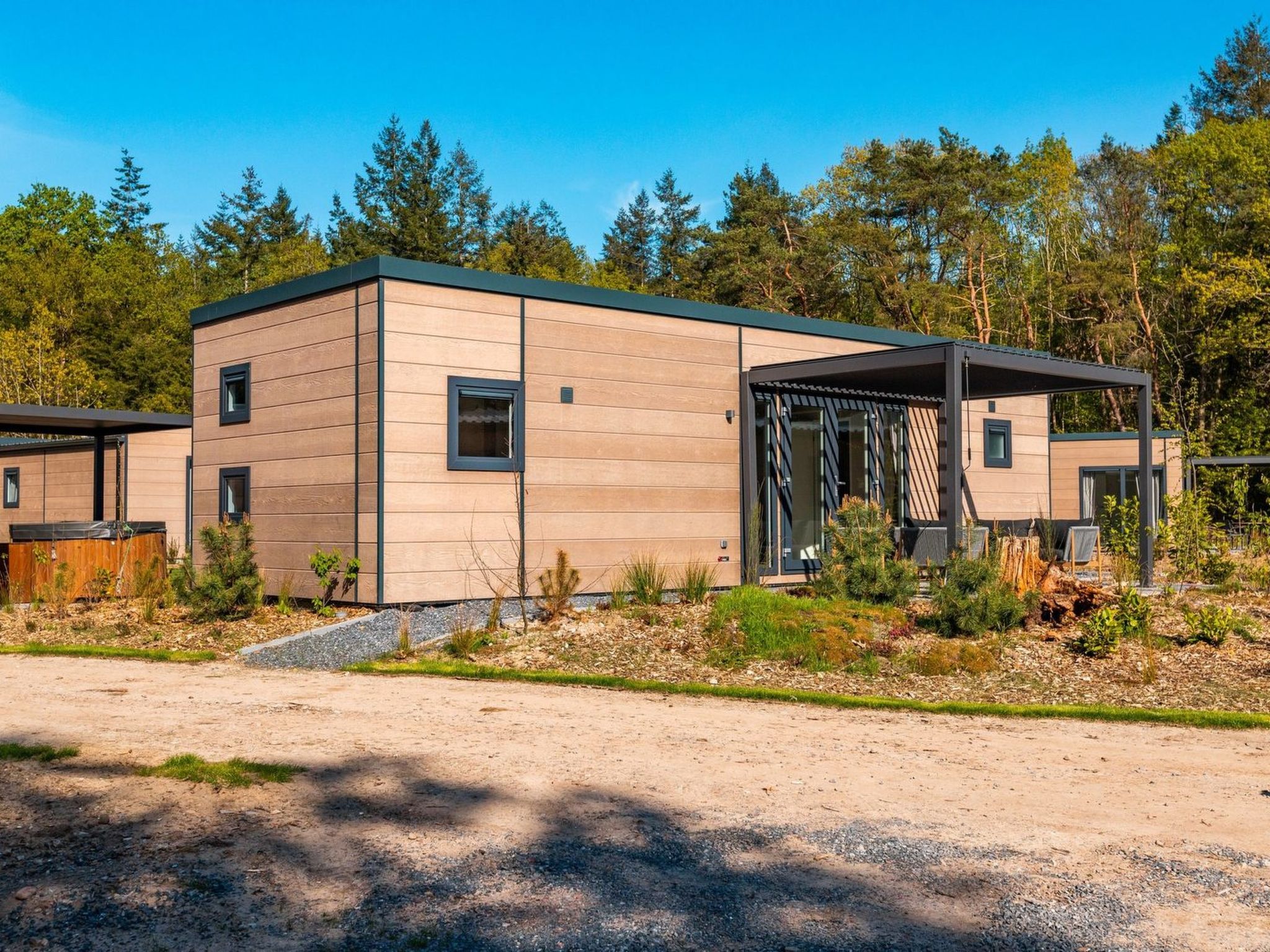
De Wiltzangh - Groeneborg lodge met Hottub | 5p
Ruinen, Drenthe, Netherlands
5
2
0
DishwasherMicrowaveParking+5 more
Ruinen villa holidays: questions answered
Is Ruinen good for cycling?
Yes. Dwingelderveld National Park lies near the village, its paths are built above the wet areas, and it is easy to explore by bike or on foot. The village stands only about eight metres above sea level, so there are no big climbs.
How big is Dwingelderveld National Park near Ruinen?
About 3,700 hectares, with heath, fens, woods and shifting sands. It has more than 60 fens and peat bogs, two flocks of sheep tended by shepherds, and has been a national park since 1991.
Can you reach Ruinen without a car?
Yes, though it is slow. Take a train from Amsterdam to Meppel, then bus 32 from Meppel station to Ruinen Centrum, which takes about three hours in all. A car is faster, at around an hour and three quarters from Amsterdam.
What wildlife can you see around Ruinen?
Dwingelderveld has adders, rare butterflies and roe deer, plus many species of colourful dragonflies. Sheep and cattle graze in fenced areas, and two flocks of sheep are out with their shepherds.
Do homes in Ruinen have saunas and pools?
Some have a private pool and a few have a sauna, but most do not. Filter on the listing for the feature you want. Capacity runs from couples to large groups.
Written by the TrustedVillas team. Last reviewed October 2026.
Find Your Perfect Villa in Ruinen
Our villa experts are here to help you find the ideal property for your vacation. Contact us for personalized recommendations.