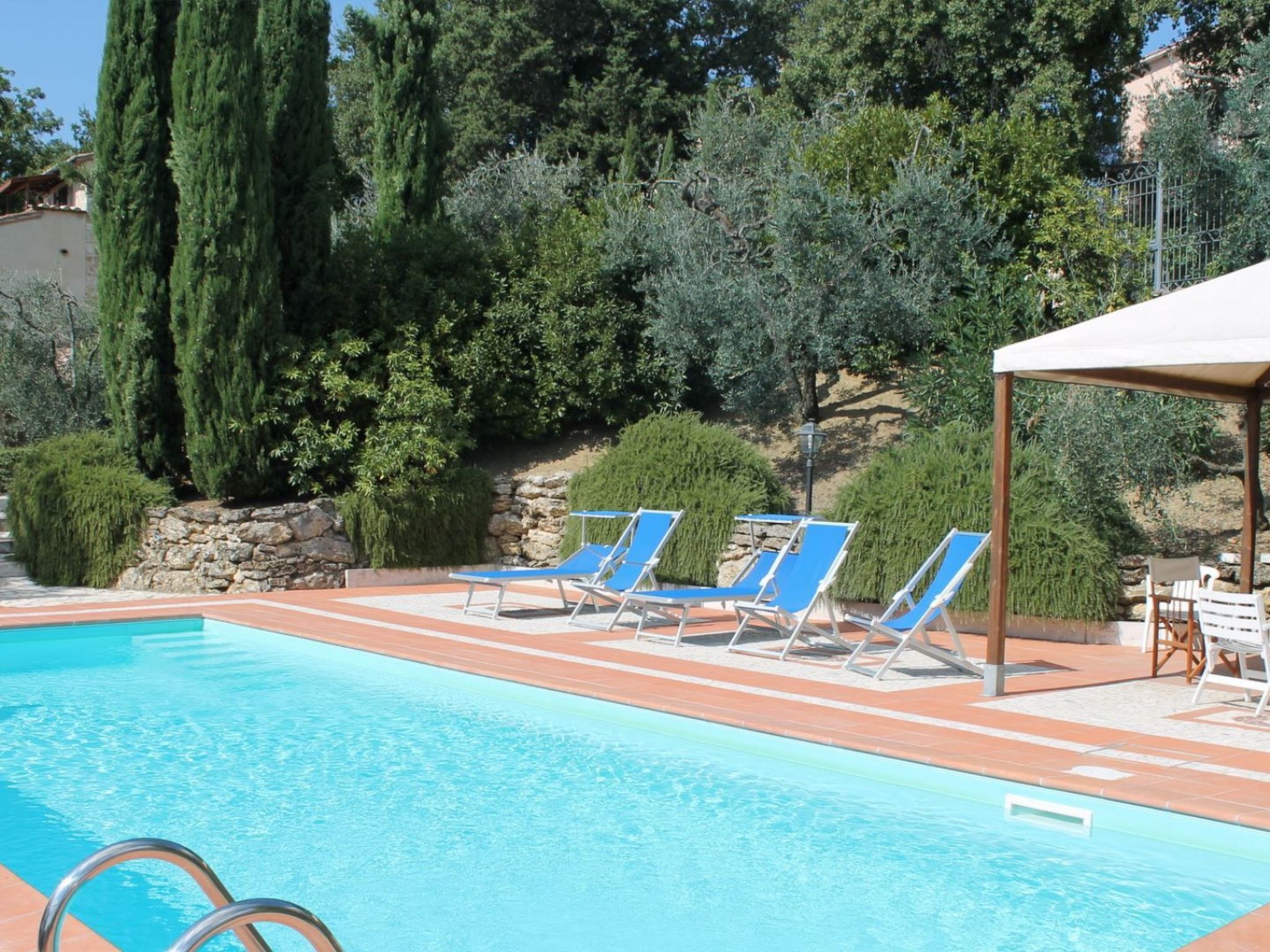
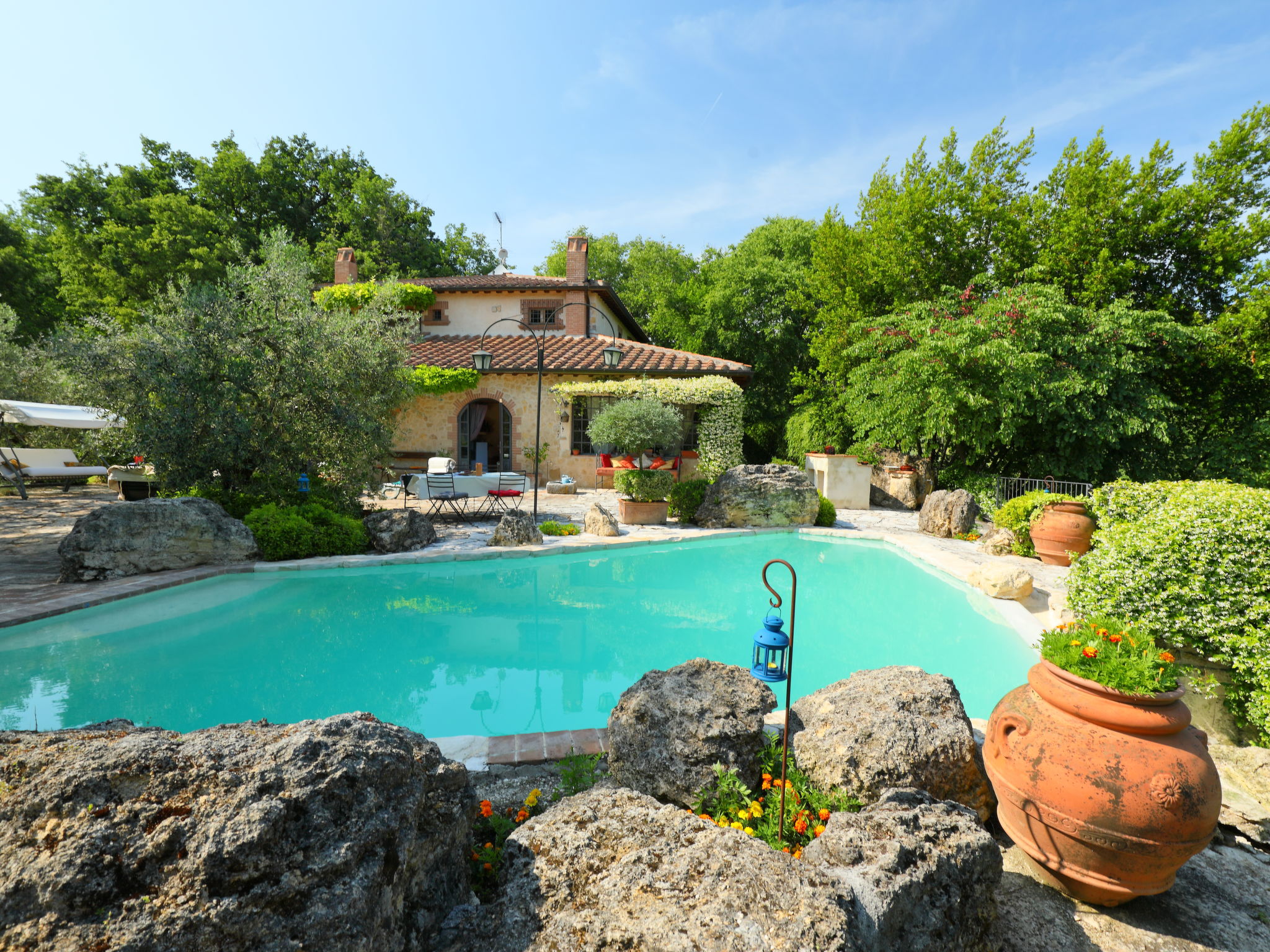
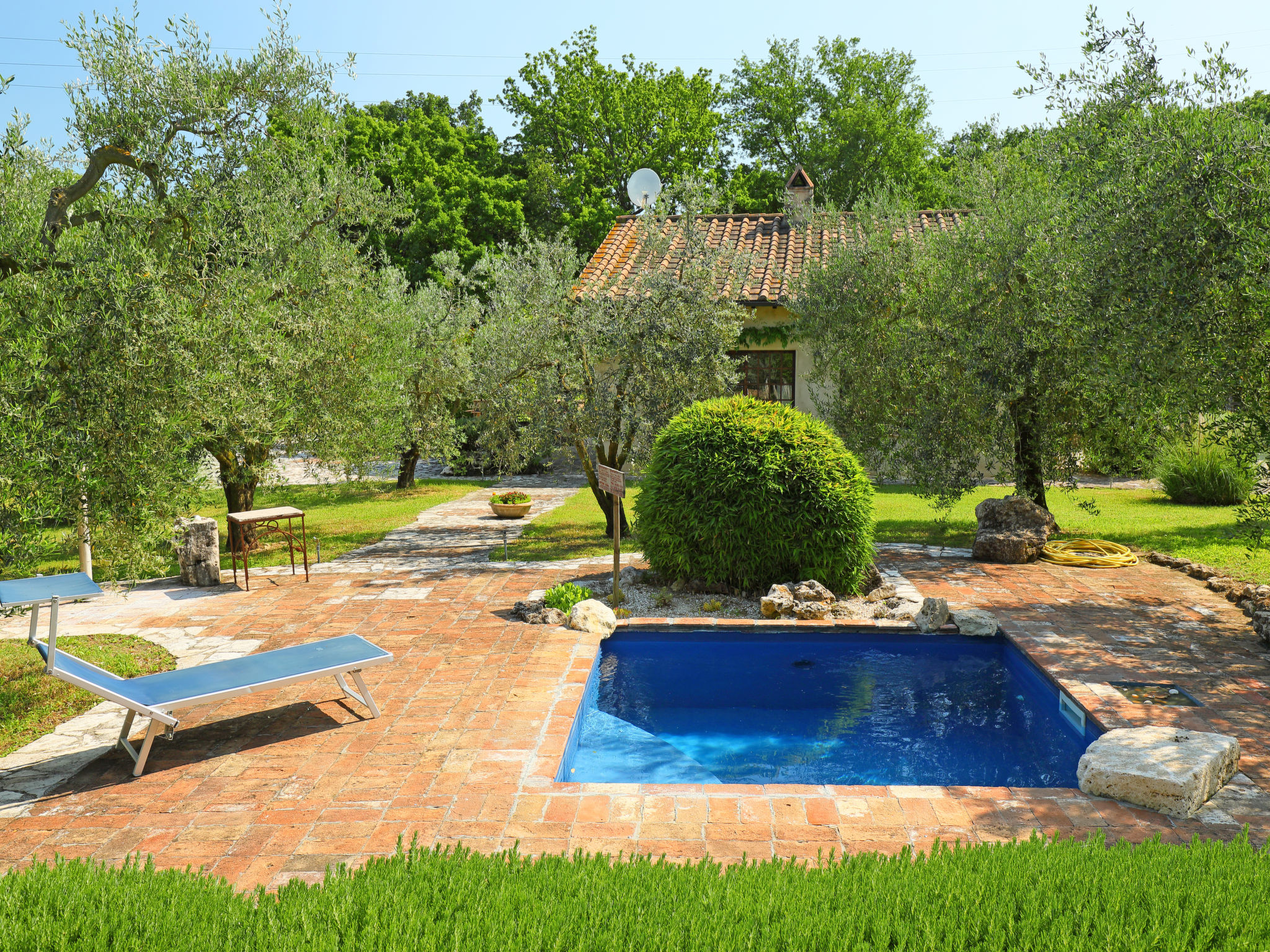
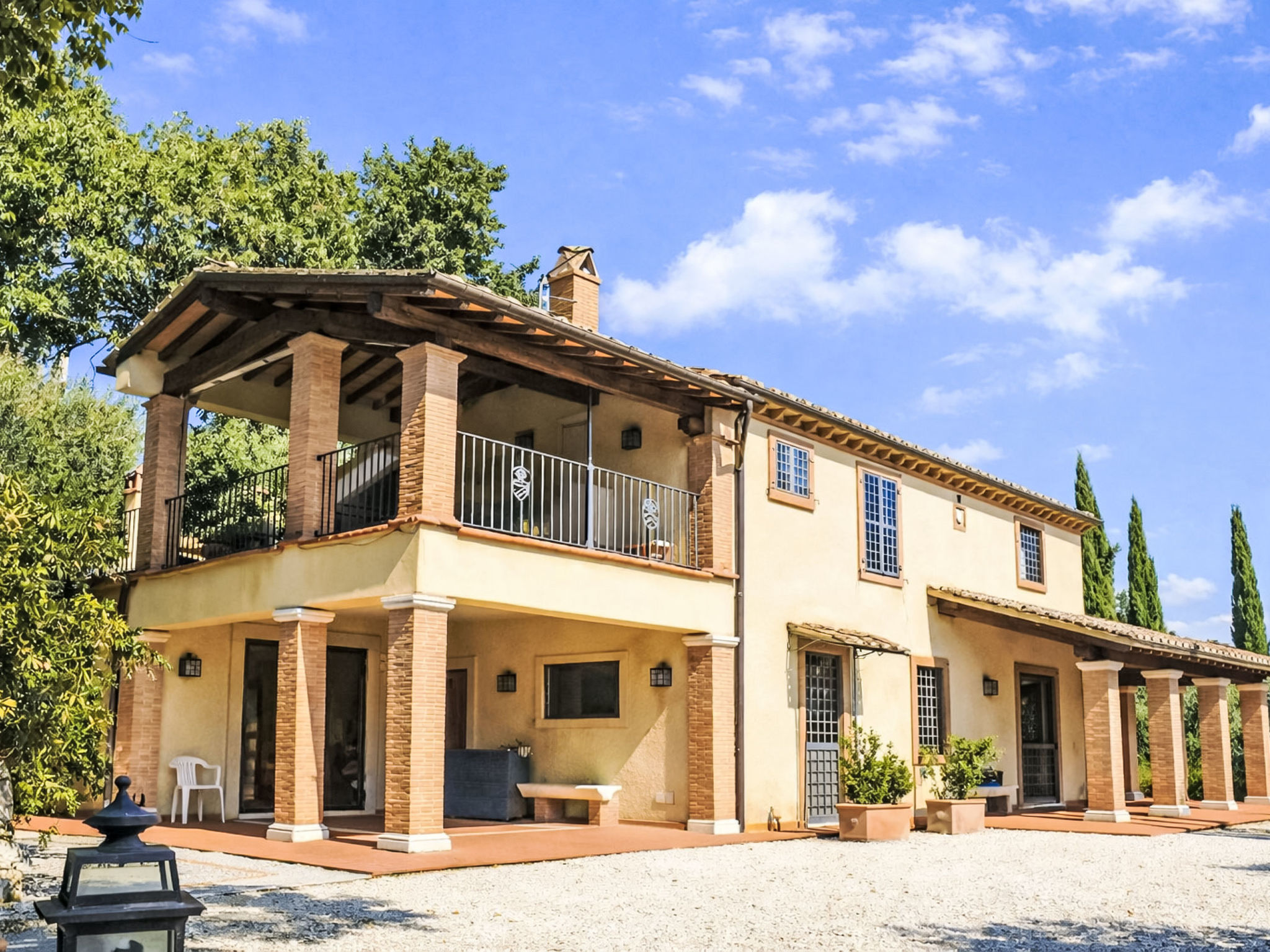
If you've watched everyone flock to Tuscany but wondered if there's something quieter nearby, Umbria is your answer. It's central Italy at its most authentic: medieval hilltop towns, wine estates tucked into rolling green valleys, and food you'll actually remember. Fewer English speakers here means fewer tourist buses, but also fewer people rushing through the piazzas at sunset. The landscapes are genuine—not postcard exaggerations. You get farmhouse stays at prices that won't trigger a credit card alert, and locals who are genuinely interested in talking to you rather than extracting euros. This is where to come if you want to slow down, cook something from what you've found at the market, and understand why someone chose to plant vines on this exact hillside 300 years ago.
What Makes Umbria Special
- Wine beyond the obvious: Sagrantino di Montefalco is a serious red wine, rich and age-worthy—we prefer it to many Tuscan offerings, and a bottle costs half the price.
- Truffle capital of Italy: The rolling countryside is truffle country. October to December you'll see truffle hunters with their dogs, and restaurants list them on menus without pretension.
- Authentic medieval towns, not theme parks: Perugia, Assisi, Spoleto, and Orvieto are real towns where people live, work, and run legitimate businesses—not museums with restaurants.
- Green, not scorched: The climate is cooler and damper than Tuscany. In summer you won't wilt. In winter it's genuinely quiet. Expect rain, which keeps everything absurdly green.
- Value that actually exists: Farmhouse rentals cost significantly less than equivalent properties in Tuscany or Lazio, with fewer compromises on location or authenticity.
Top Towns & Resorts in Umbria
Perugia
The region's de facto capital: a university city with genuine energy and the Umbria Jazz Festival each July. The medieval centre is perched high, so expect steep streets and stairs. lots of them. You'll find excellent restaurants (locals outnumber tourists), a food market worth visiting, and free galleries with Perugino paintings. The chocolate heritage is real, though the Perugino factory outlet is now more tourism machine than charming shop. The downside: August can feel overcrowded with students, and traffic getting in and out is genuinely frustrating. Perugia has a small airport, though flights from the UK are limited.
Assisi
St Francis's birthplace, and yes, it's pilgrim-heavy, especially May through September. The Basilica of San Francesco is genuine religious art and architecture, not a tourist attraction pretending to be one. Outside the peak season window, you can actually walk the medieval streets without navigating crowds. The town itself is smaller than Perugia. quieter, more devotional in atmosphere. Accommodation here tends toward guesthouses and religiously-run facilities rather than secular rentals. If you want the spiritual weight of the place without thousands of other visitors, come in March or October. The downside: the constant stream of religious tourists can feel exhausting, and restaurants here cater to them.
Spoleto
Home to the Festival dei Due Mondi (Festival of Two Worlds) each June, and historically significant enough to matter. The Roman aqueduct and medieval architecture are substantial. The town has real character beyond its festival reputation. It's less swarmed than Assisi, more lively than smaller hill towns. The surrounding countryside is quiet. good farmhouse territory. Transport here is easier than to some of the tinier villages. During festival season (June) the place is booked solid and expensive. Outside that window, it's a legitimate base with proper restaurants and services that aren't aimed at day-trippers.
Orvieto
The cathedral here. the Duomo. is genuinely overwhelming. Black and white marble Gothic work that justifies the journey. The town itself sits on a volcanic plateau, which means striking views and geological oddity. There are underground caves and tunnels (accessible by tour) that are historically real. The drawback: Orvieto is slightly more geared to passing tourists than Perugia or Spoleto. Restaurants near the cathedral cater to coach-tour arrivals. But venture away from the main piazza and you'll find locals living proper lives. The town is small enough to walk, but not so tiny that you can't find a decent meal at a fair price outside the obvious spots.
Todi & Gubbio
Both are smaller, quieter than the names above. Todi sits on a hilltop with genuine silence in the off-season. Gubbio is known for ceramics and climbing celebrations. Neither is overrun, which is their advantage and also why fewer tourist services exist. You'll need a car here. Both are excellent for base stays in farmhouses, with the towns themselves worth a day trip each. The quietness is real, but so is the lack of nightlife and evening bustle. which suits some travellers and not others.
Norcia
In the foothills, known for lentils and truffles. the culinary reputation is earned, not invented. The food here tastes of actual ingredients. The town was damaged in the 2016 earthquakes and has rebuilt thoughtfully. It's remote enough that you won't stumble on it by accident, and small enough that you'll know it thoroughly after two days. Worth visiting if you're serious about local food, less interesting if you're not. The drive is longer than to other towns mentioned here.