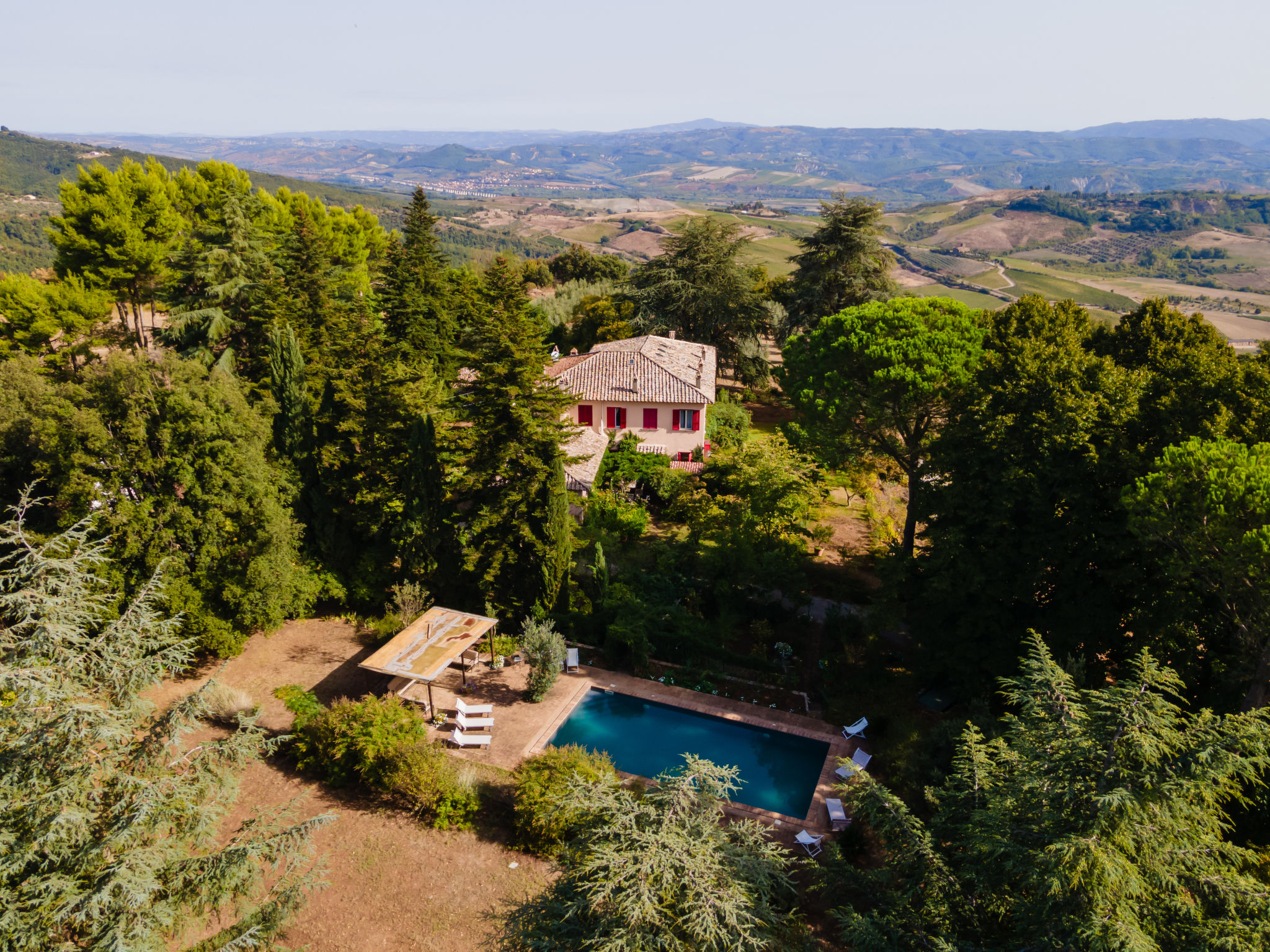
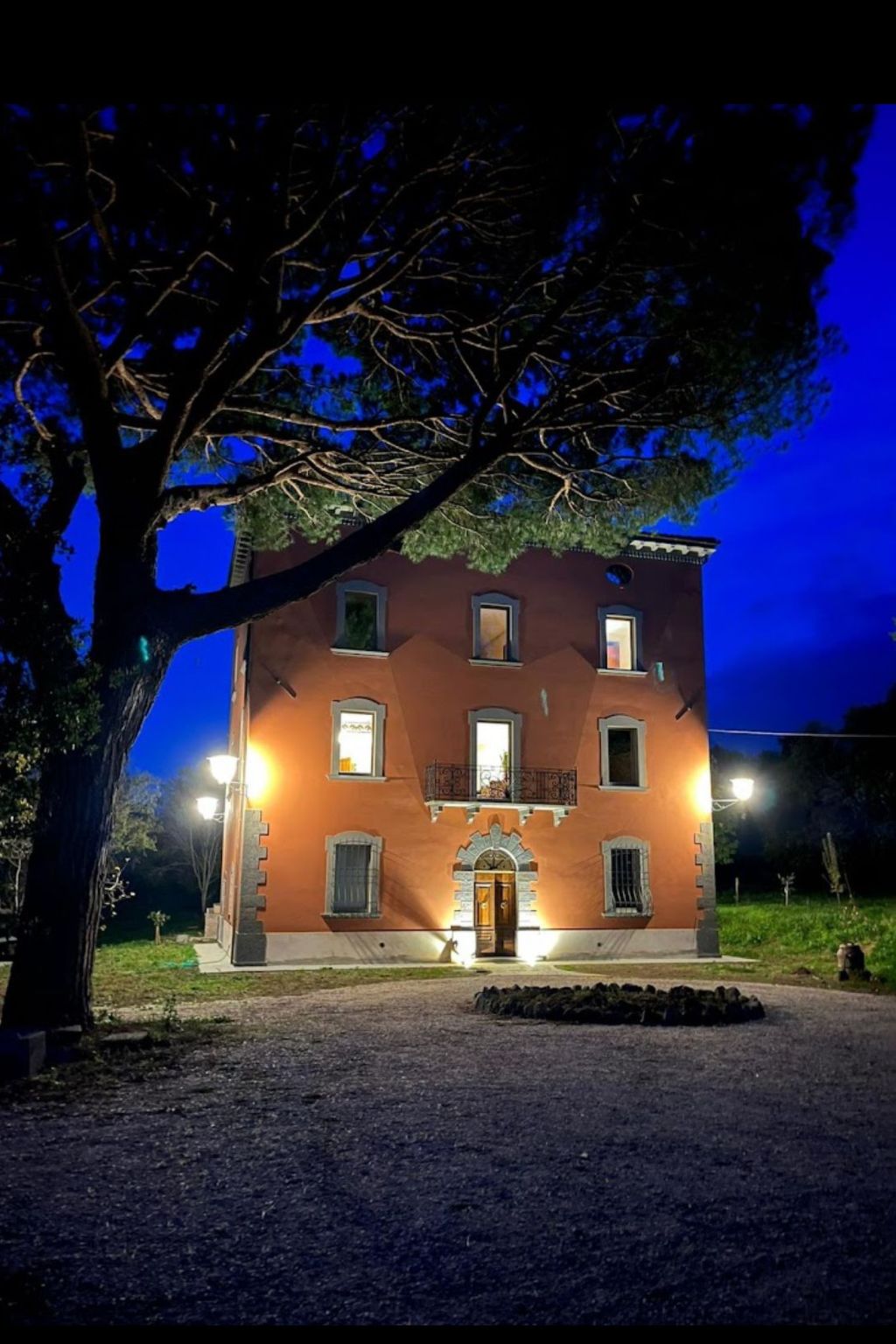
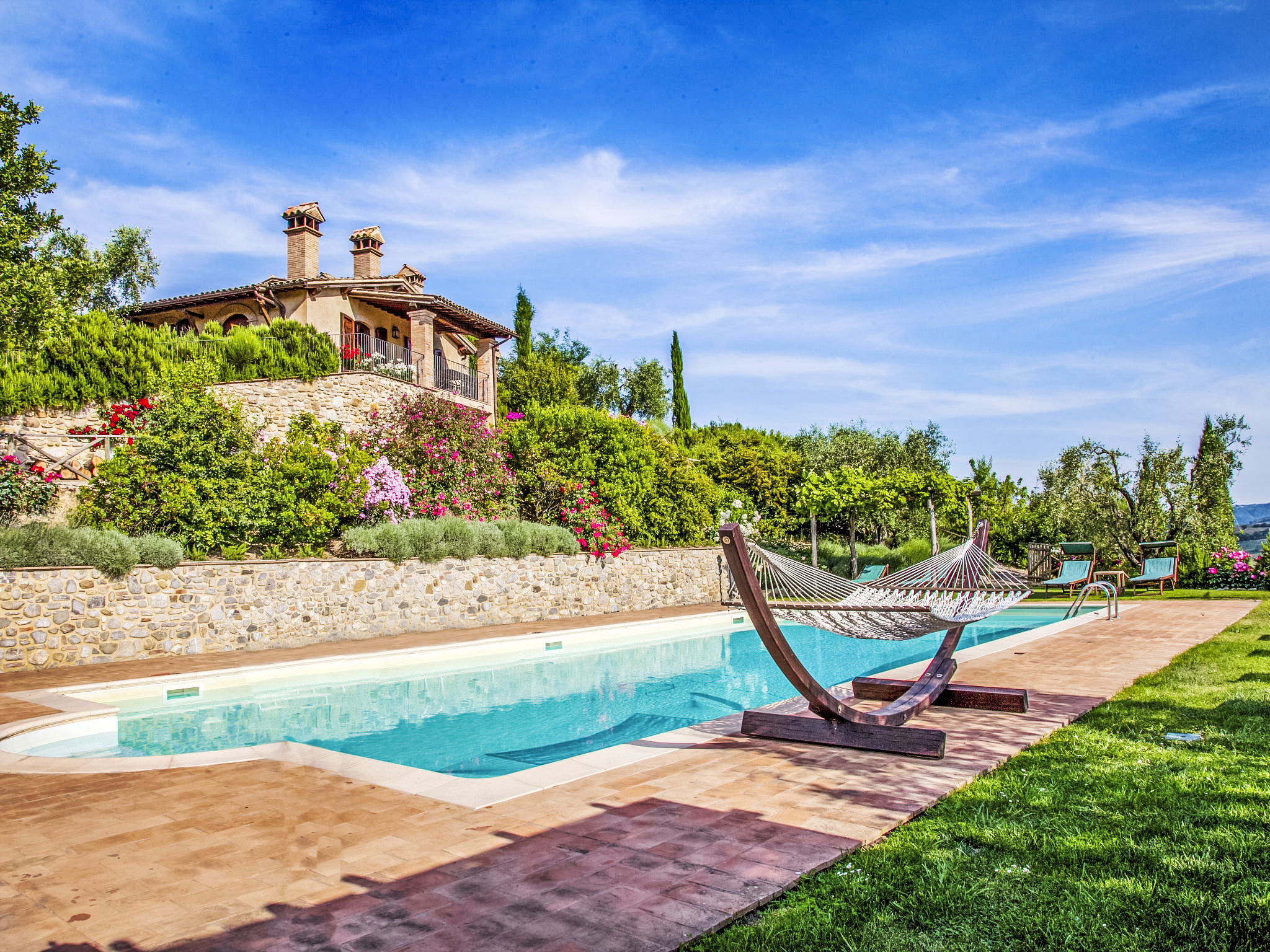
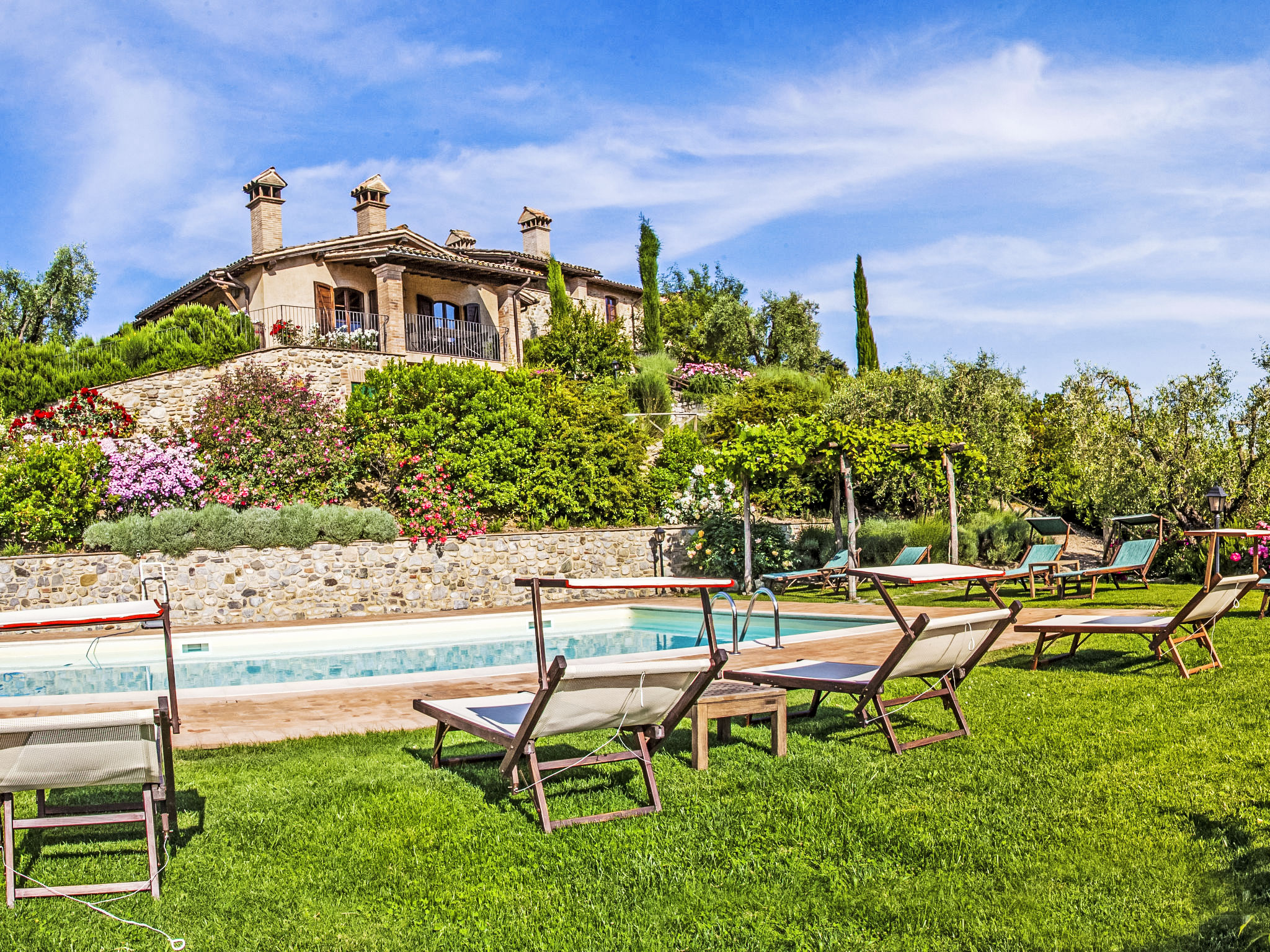
Orvieto rises on a flat-topped volcanic plateau above the Umbrian countryside, visible for miles in every direction. The cathedral facade — a wall of gold mosaics and carved marble — is one of Italy's most arresting church fronts. Below the plateau, a network of Etruscan and medieval tunnels and caves runs through the tufa rock. The town has good restaurants, Orvieto Classico white wine, and a slower pace than the Tuscan hill towns an hour north. It's also one of the few Umbrian destinations with a fast-train station (25 minutes from Rome on the high-speed line), which makes it practical as well as attractive.
Why Stay in Orvieto
- Cathedral (Duomo): The 14th-century facade is covered in gold-ground mosaics and carved bas-reliefs. Inside, the Chapel of San Brizio has Luca Signorelli's Last Judgement frescoes, a work that influenced Michelangelo. The building alone justifies a visit.
- Underground city: Guided tours descend into Etruscan-era caves, medieval wells, and pigeon houses carved into the tufa. The Pozzo di San Patrizio (St Patrick's Well) is a Renaissance engineering marvel. a double-helix staircase spiralling 62 metres down.
- Wine: Orvieto Classico is Umbria's most recognised white wine. The vineyards around the town produce dry and sweet versions. Several estates offer tastings within a short drive.
- Food: Umbrian cooking at a high level. Truffle dishes (black truffle is the Orvieto speciality), wild boar, and house-made pasta feature on most menus. Quality is consistent and prices are lower than equivalent restaurants in Tuscany.