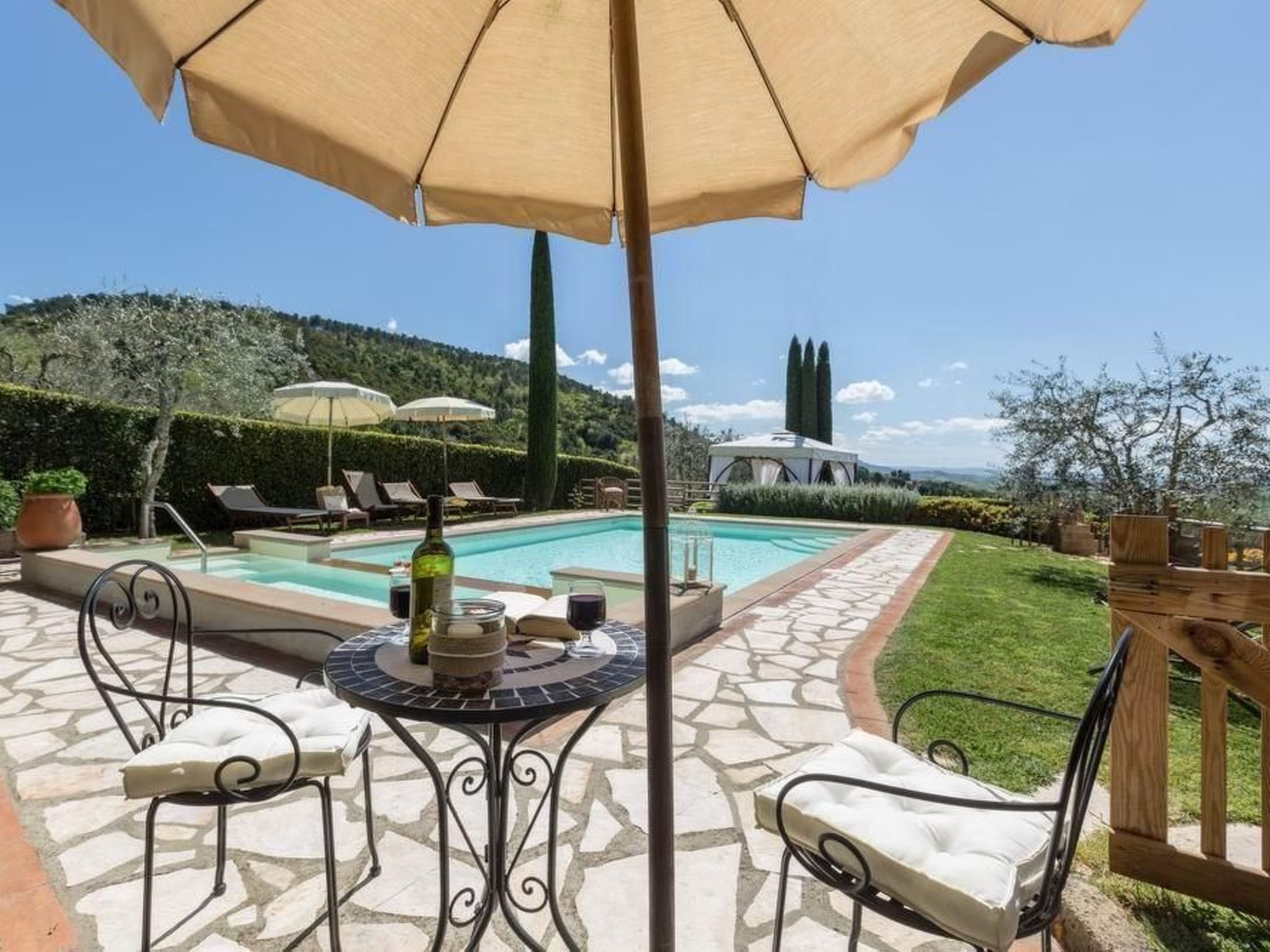
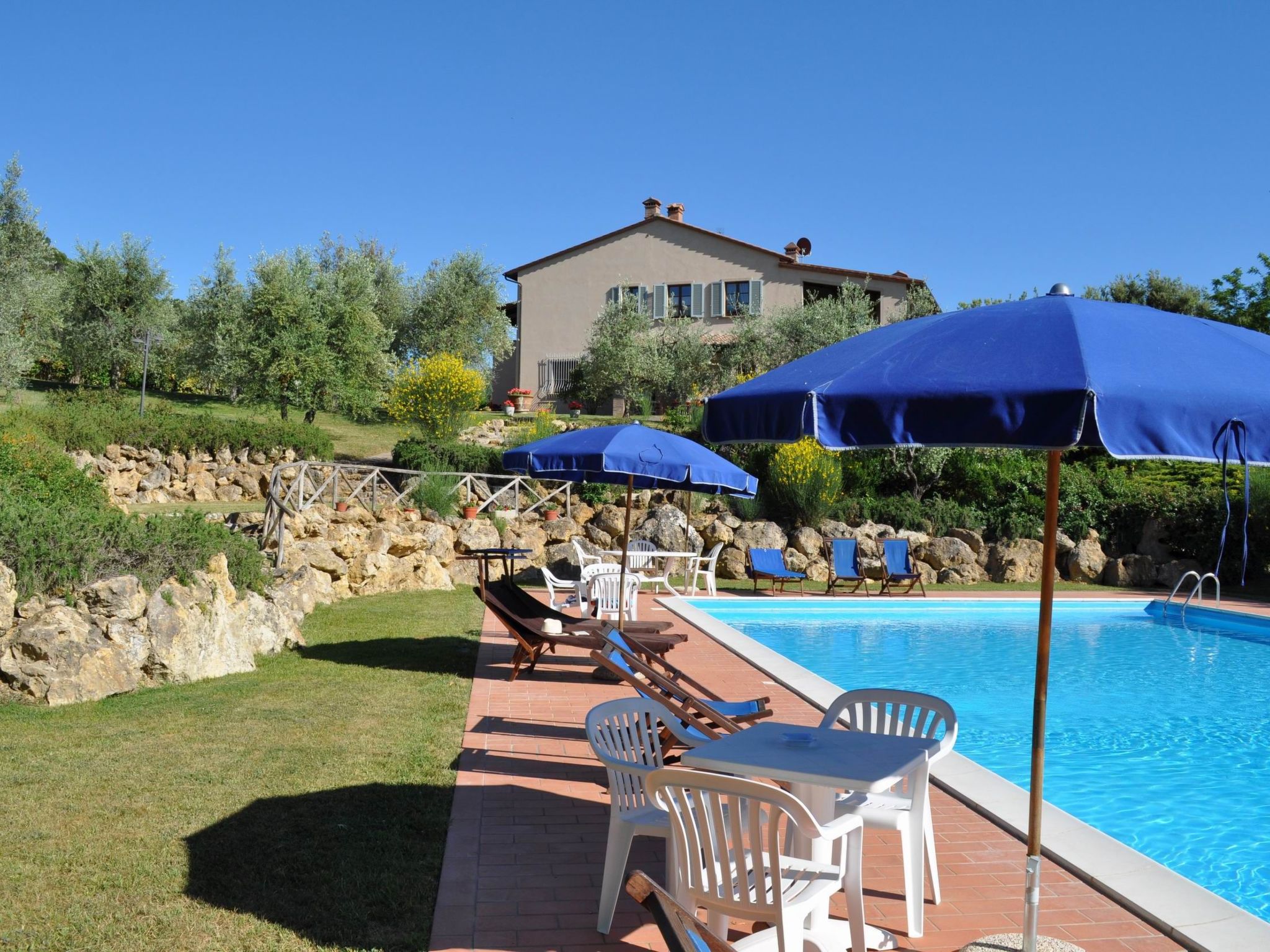
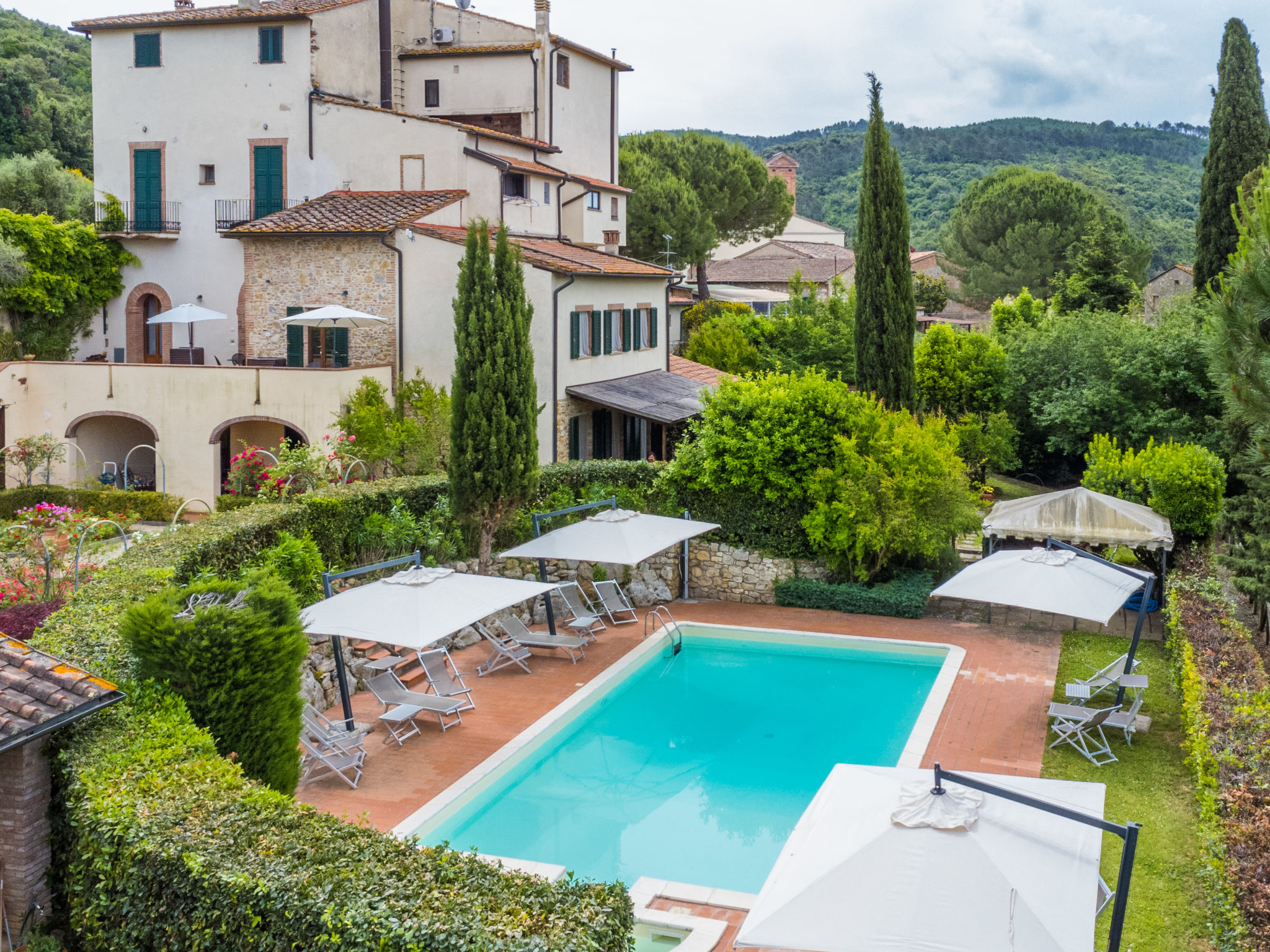
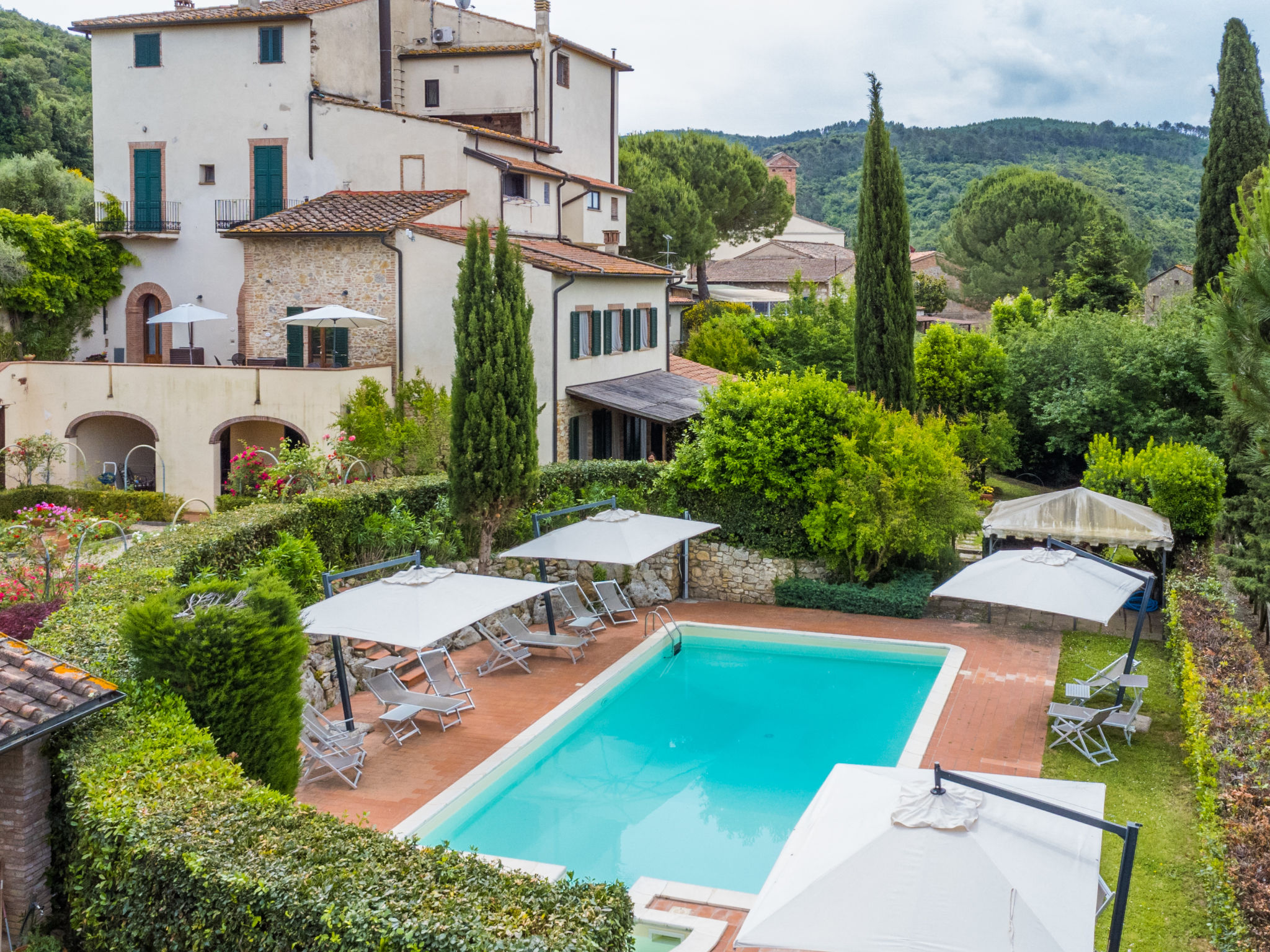
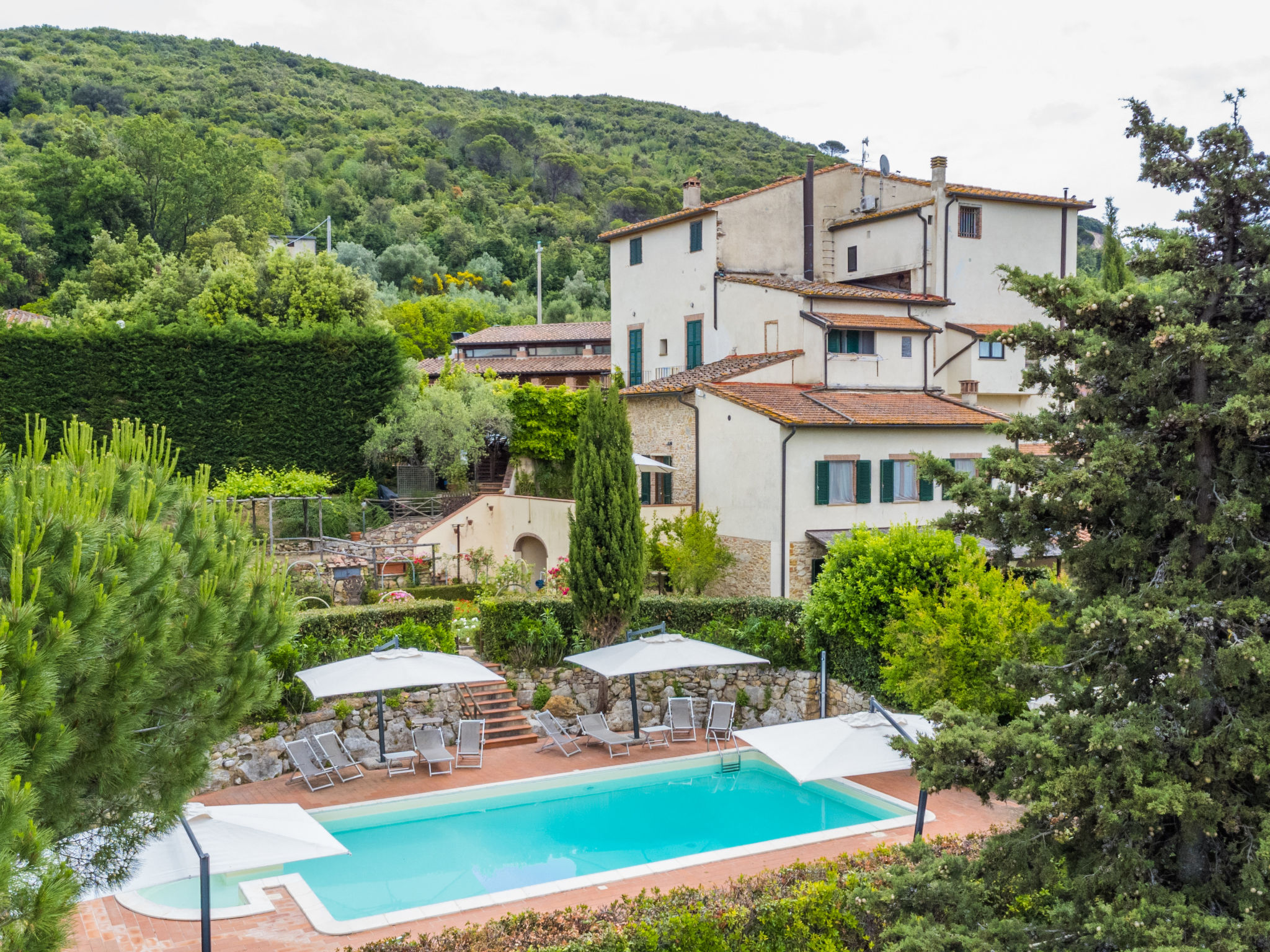
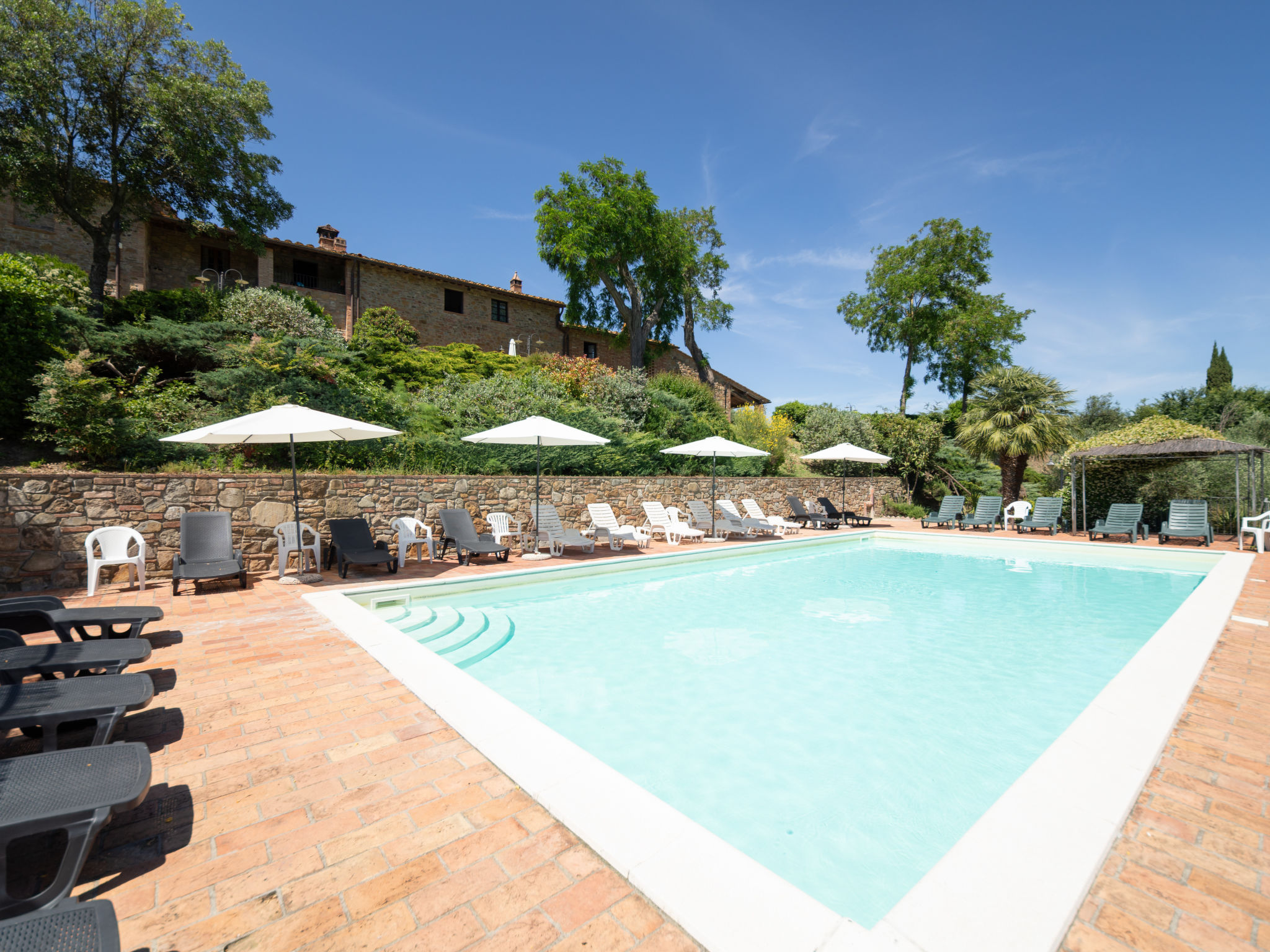
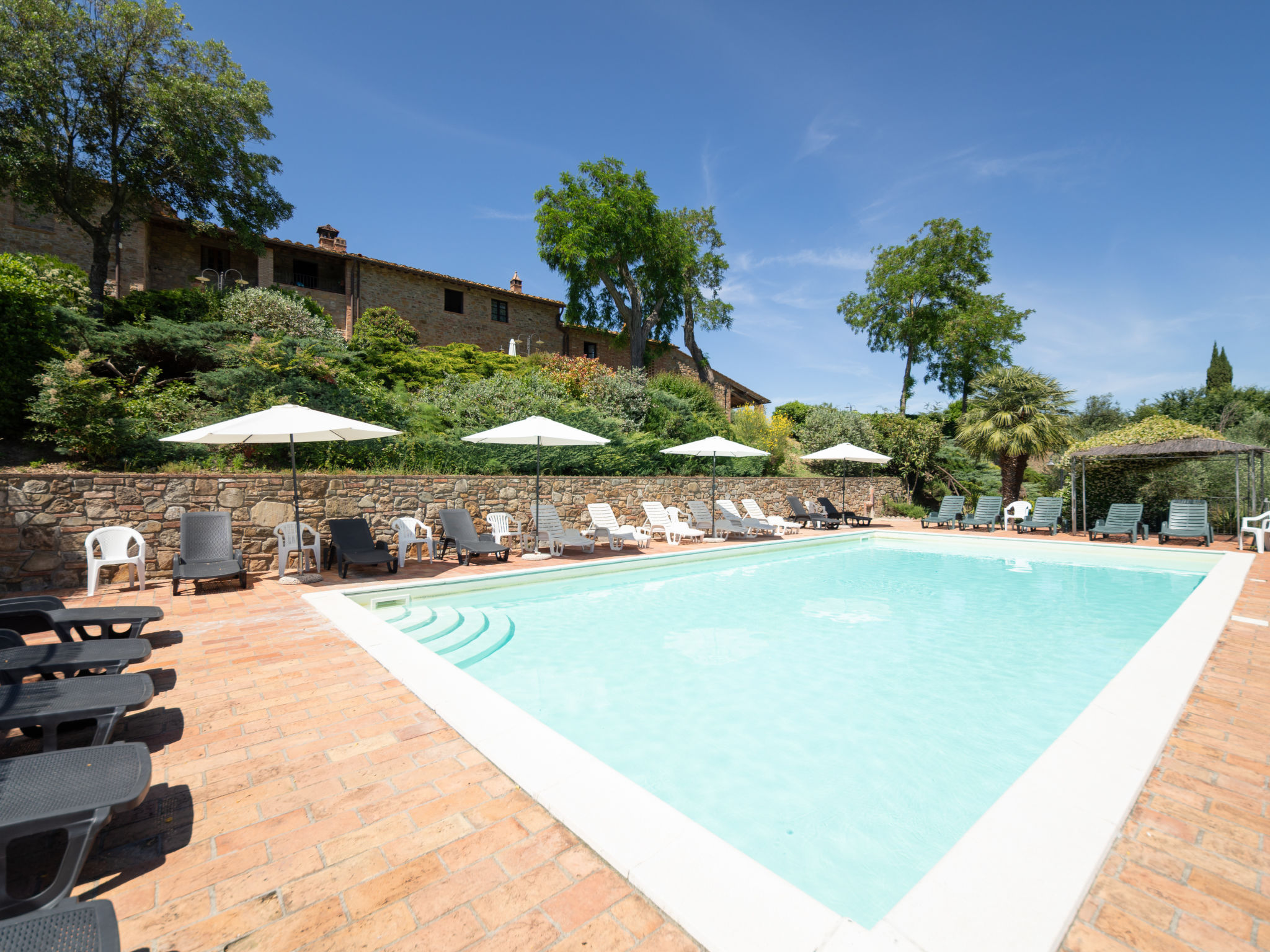
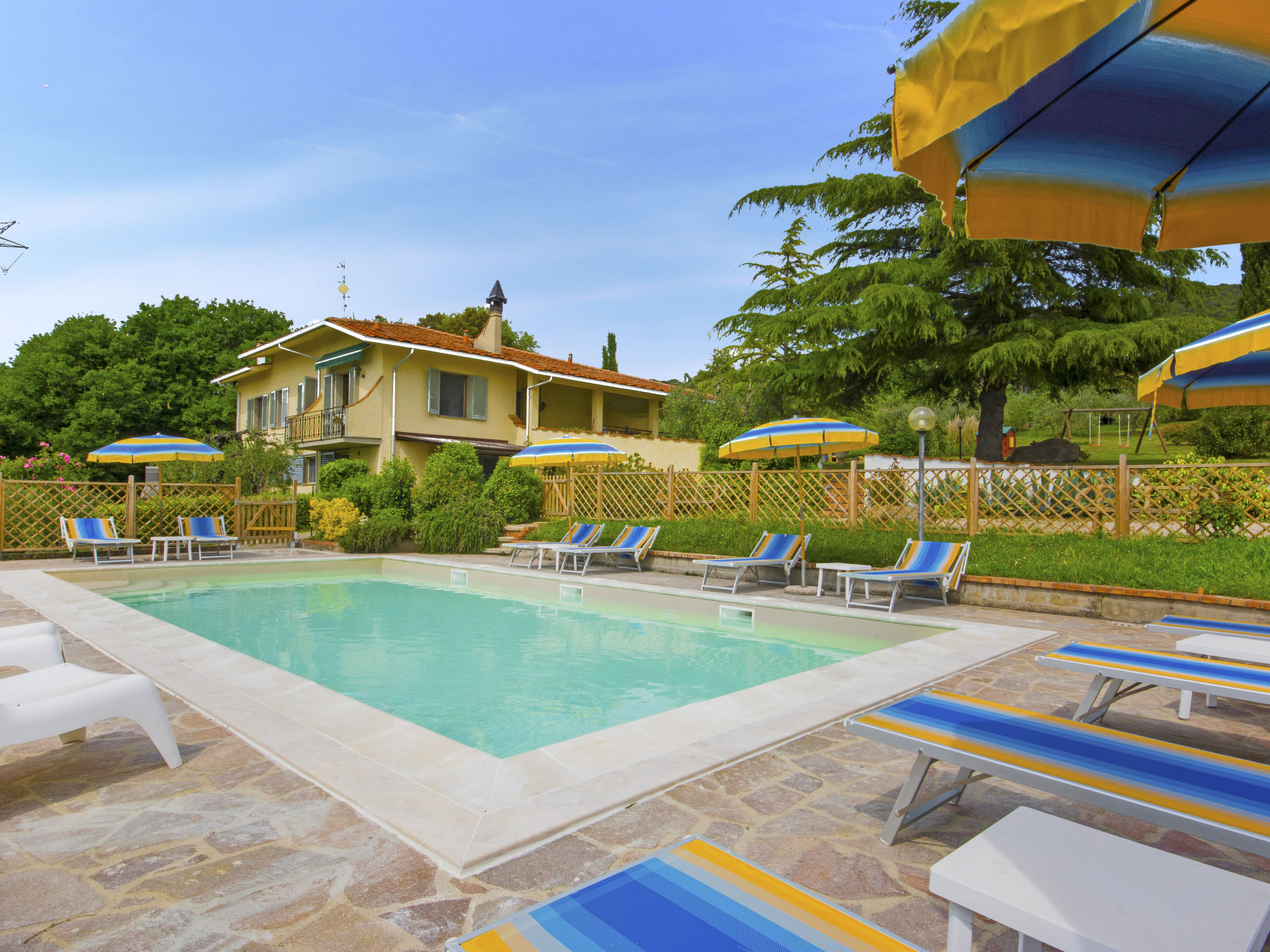
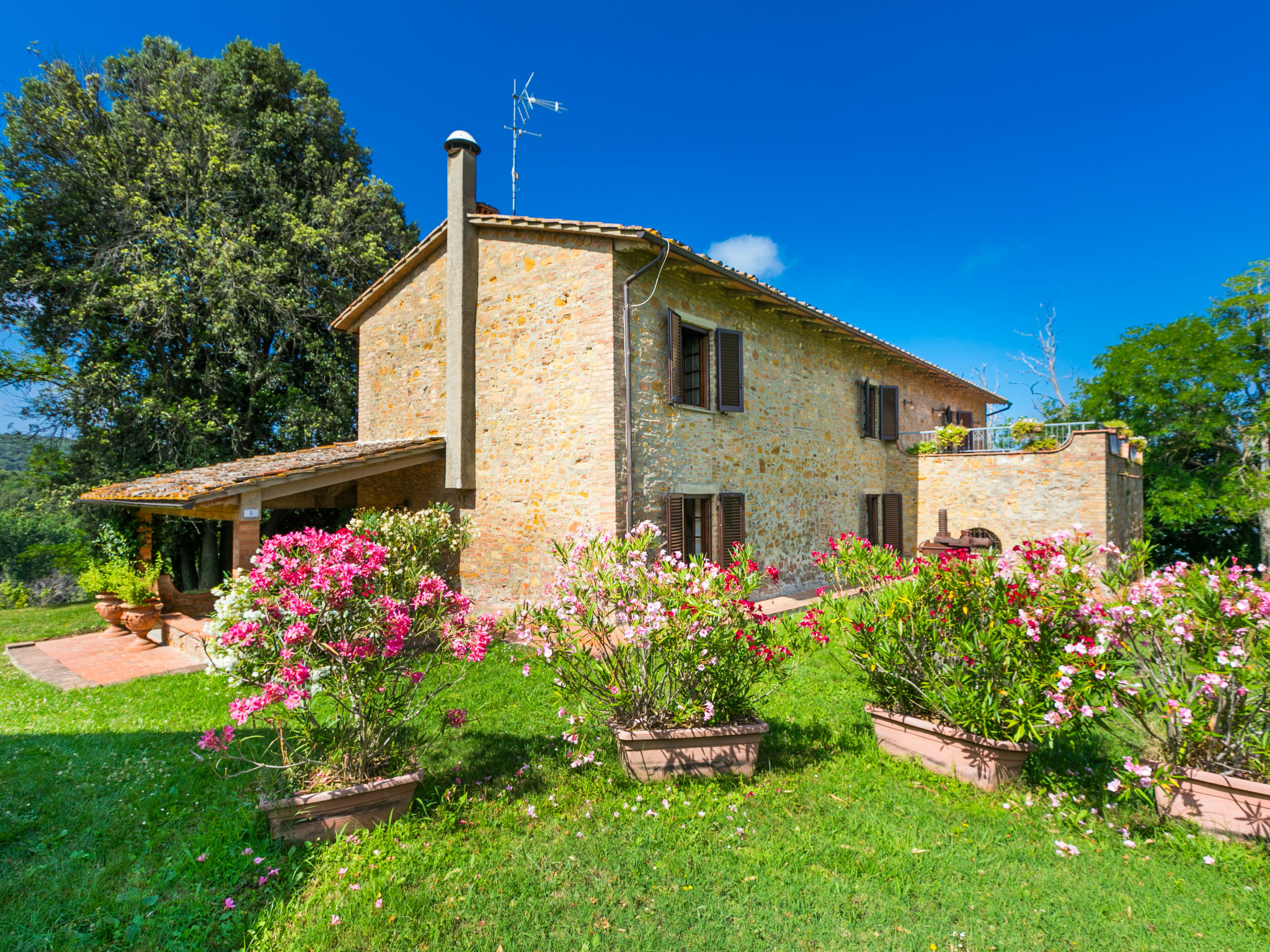
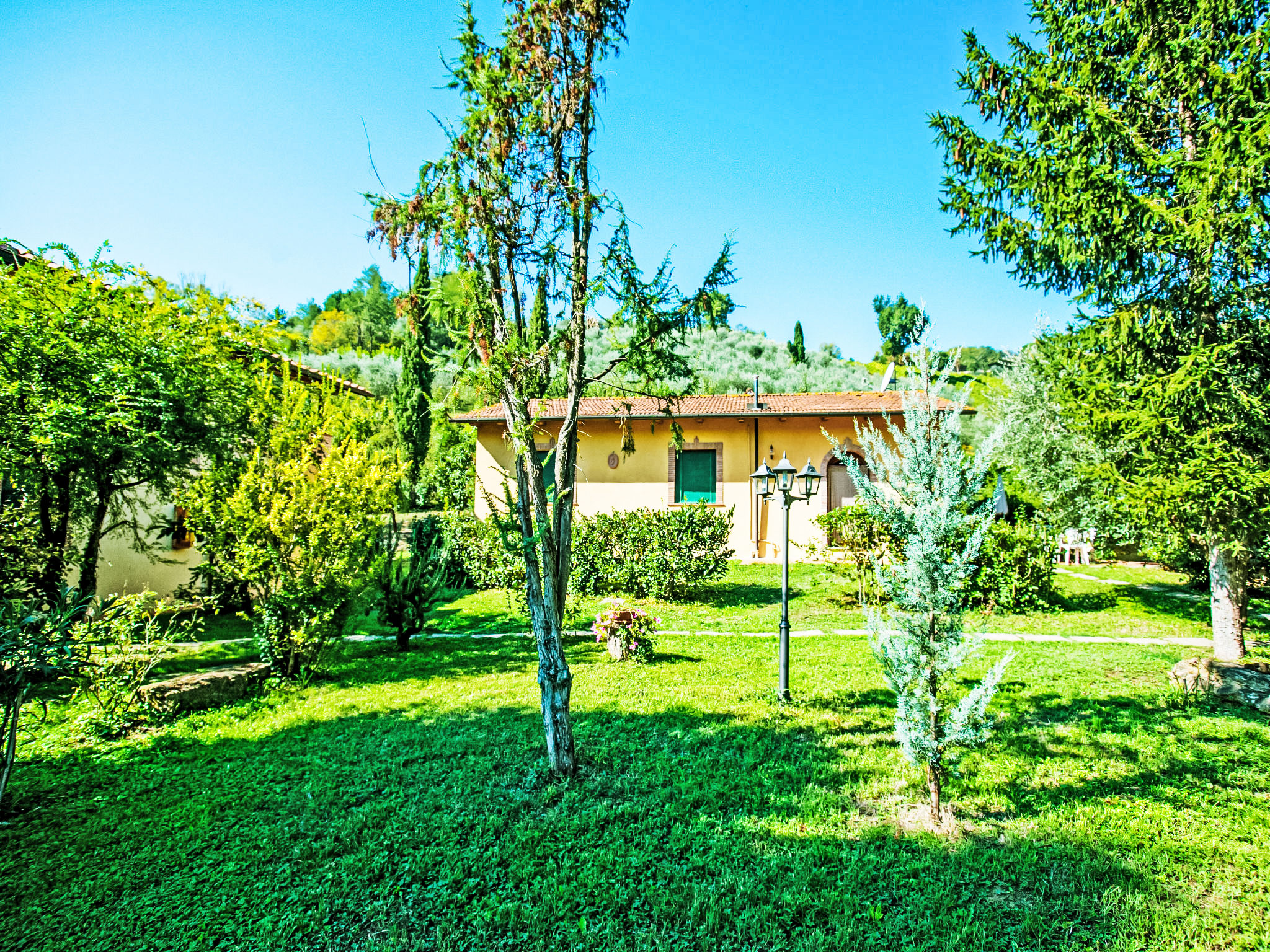
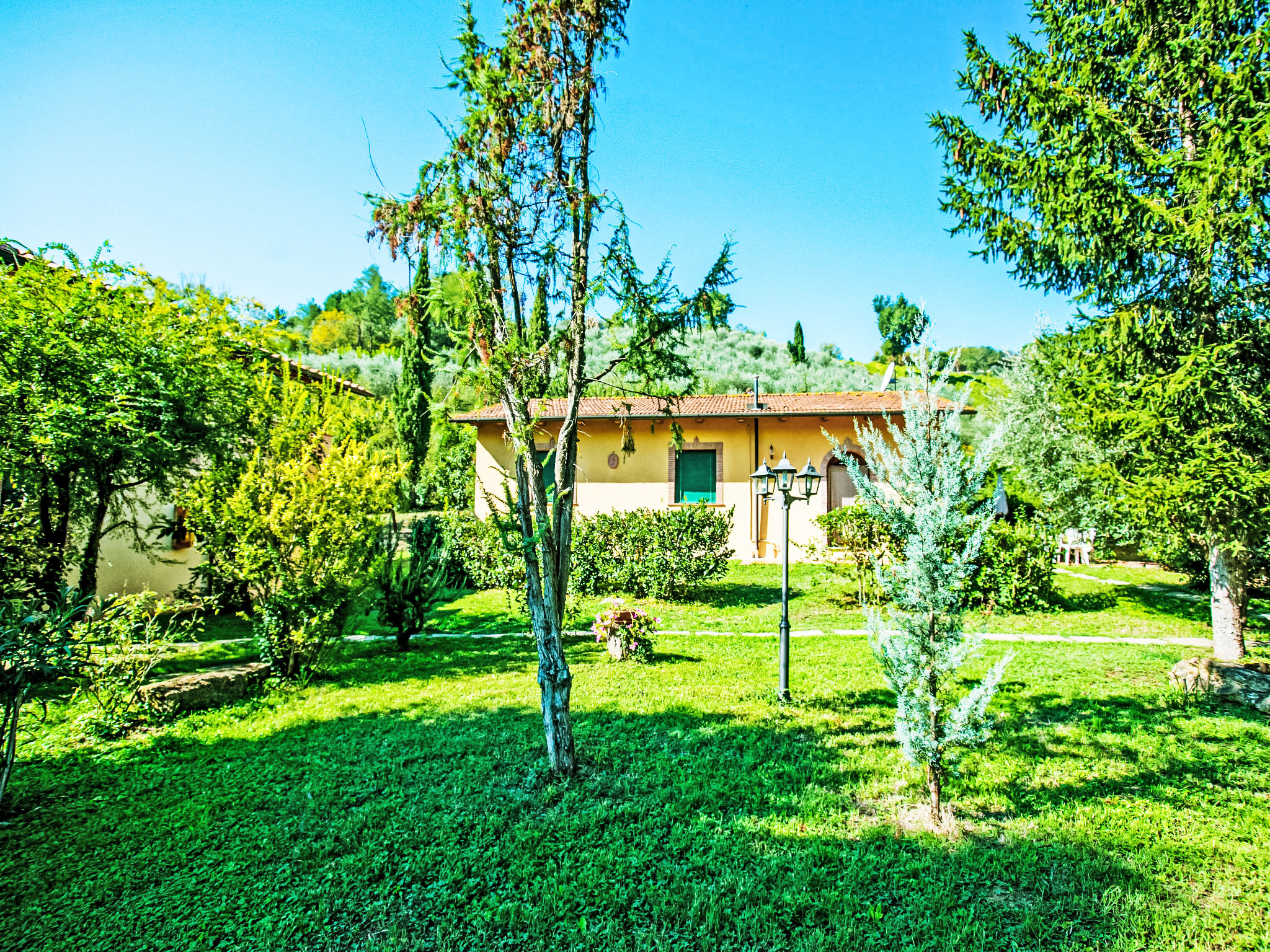
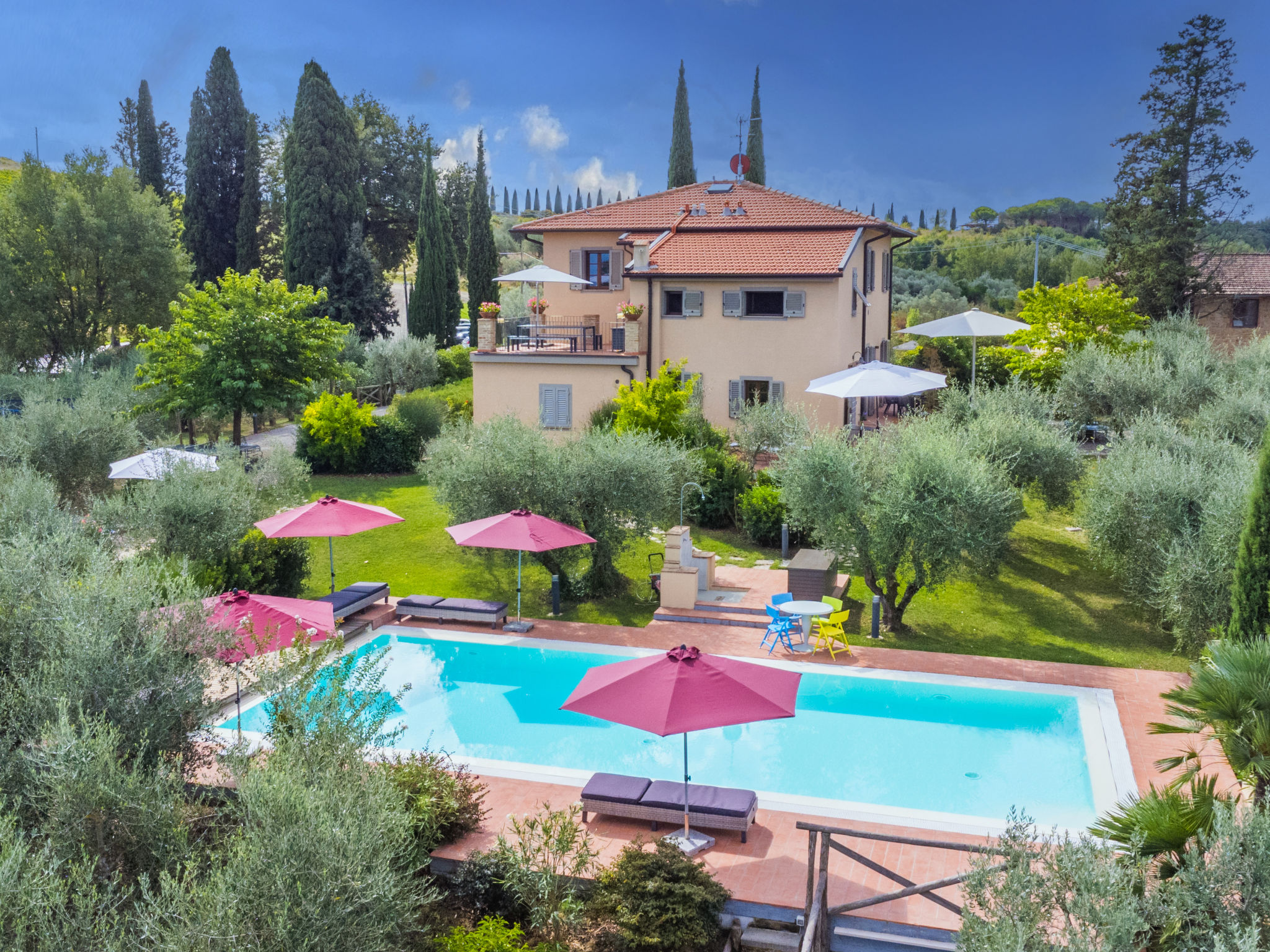
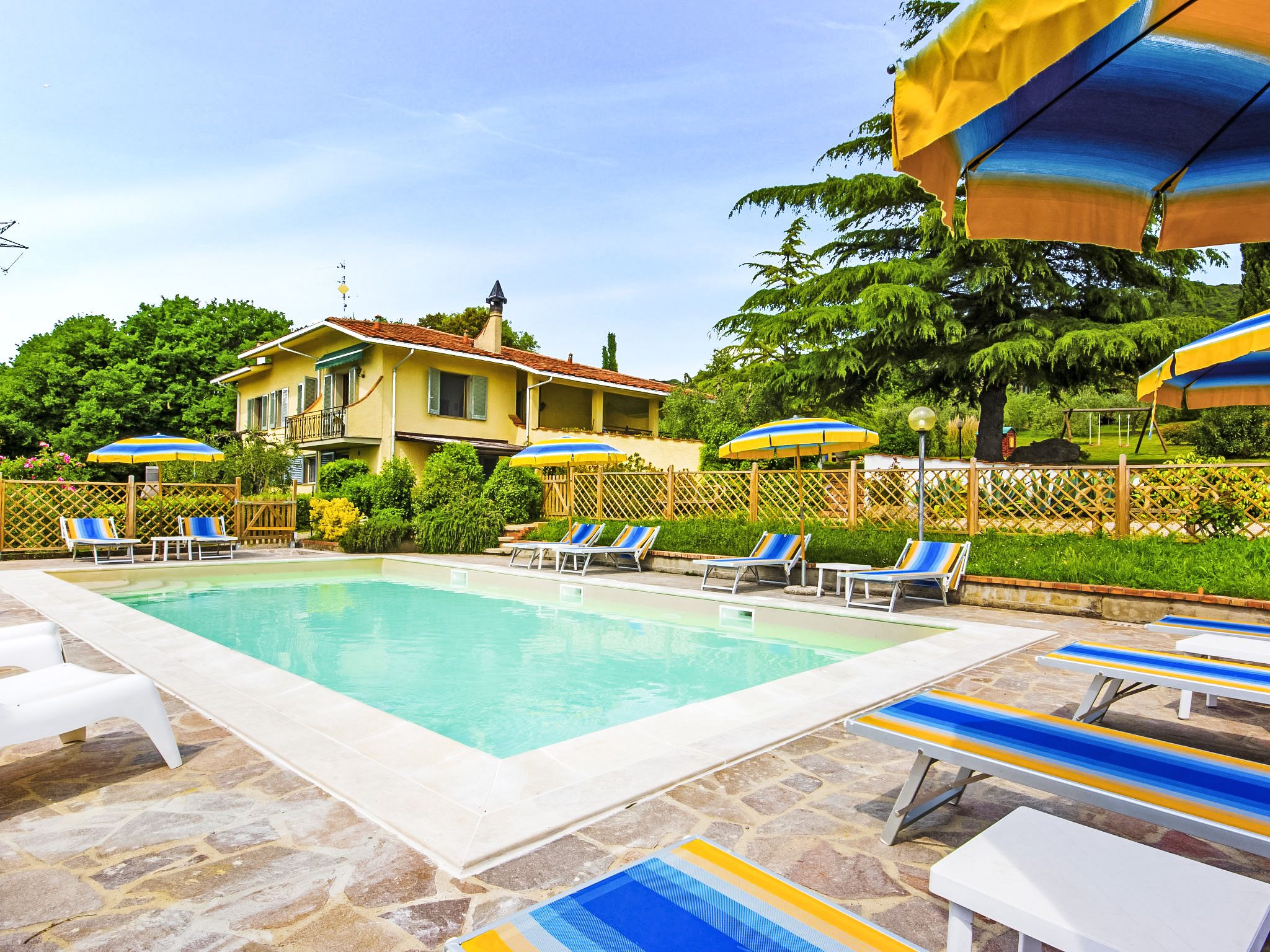
The Chianti region sits in the rolling countryside between Florence and Siena, and it's nothing like the Tuscan coast. Here, endless vineyards climb gentle hillsides, cypress trees puncture the skyline, and the road signs seem designed purely to confuse. We find it's where you go if you actually want to understand why Tuscan wine matters, and why serious wine lovers keep coming back. Fair warning: it's pricier than the wider region, often crowded in summer, and decidedly more about working estates than holiday tourism. But the vines, the light, and the slow pace of things make that feel worth it.
What Makes Chianti Special
- Classico wines you can taste where they're made. The Chianti Classico zone is legally defined and serious about its reputation. Dozens of working estates offer tastings, and many let you wander the cellars and chat with actual winemakers (not corporate tour operators).
- Roads that go nowhere useful. Narrow, winding, sometimes unpaved, often one-way in spirit if not in law. It's maddening if you're in a hurry, but it's also why you see what you see: no tour buses, no chains, no shortcuts to anywhere.
- Towns that actually work. Greve, Radda, Castellina, and Gaiole exist for agriculture first and tourists second. Locals still run the shops, the restaurants, the farms. You're a visitor, not a customer in a theme park.
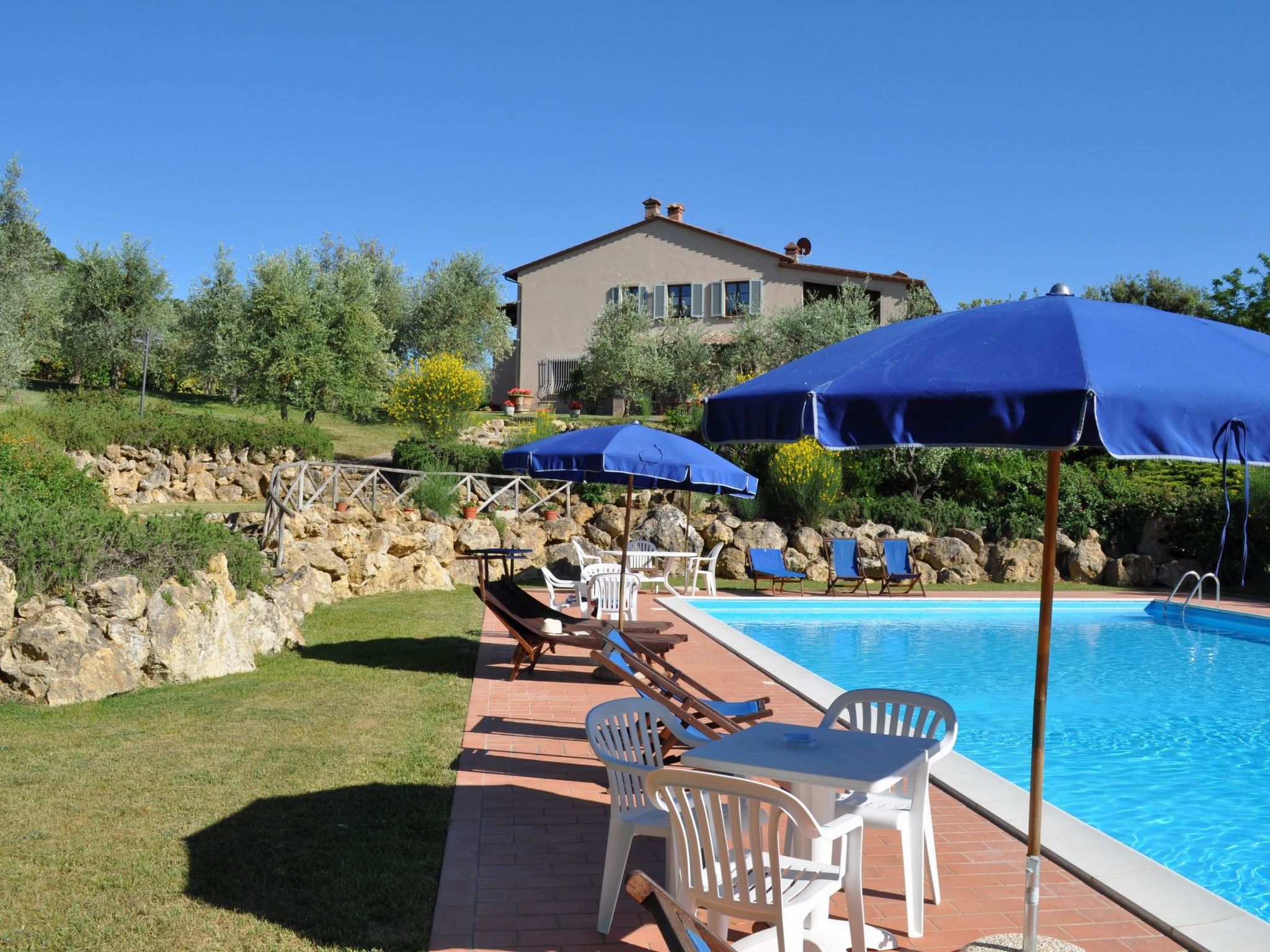
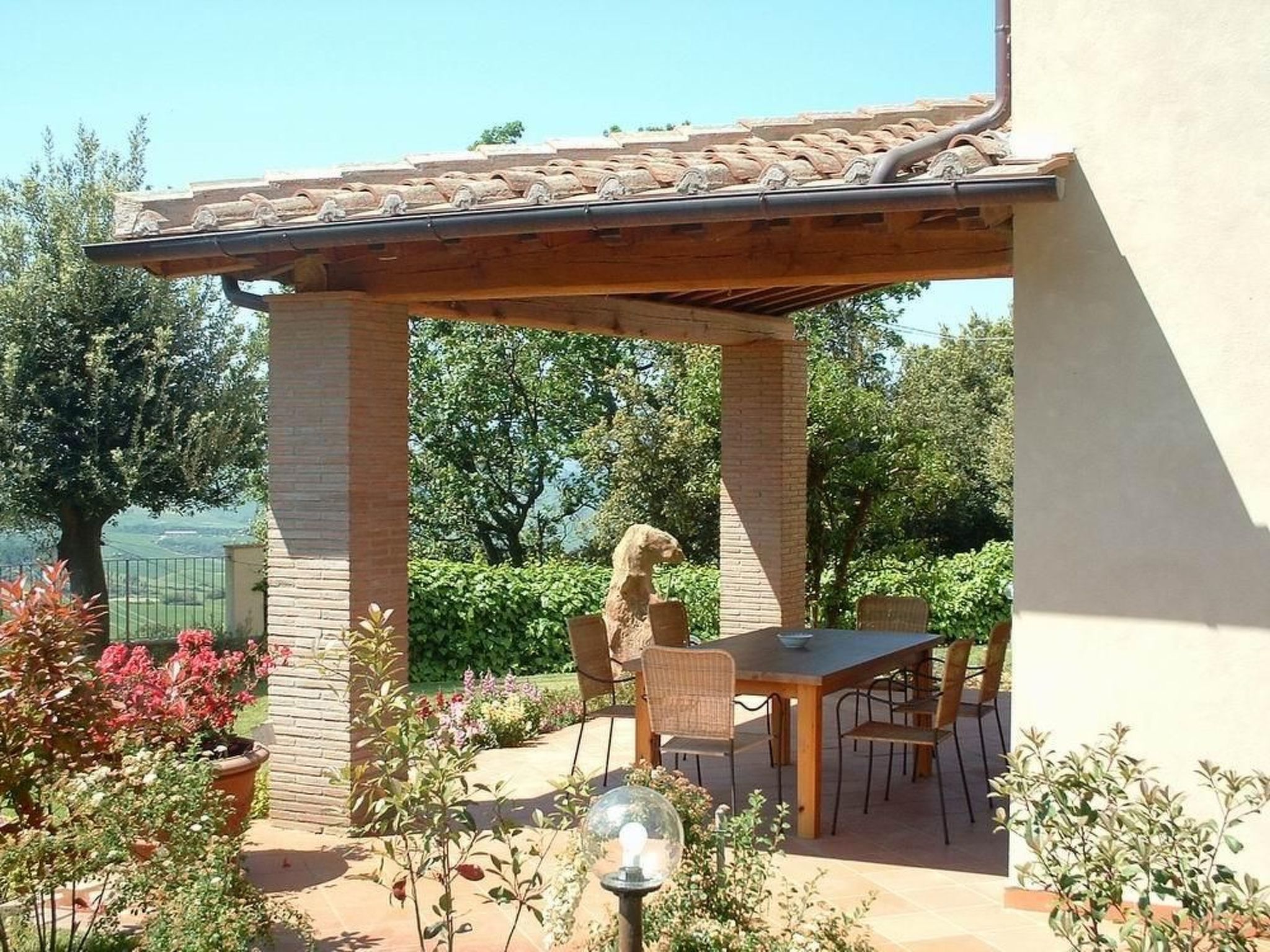
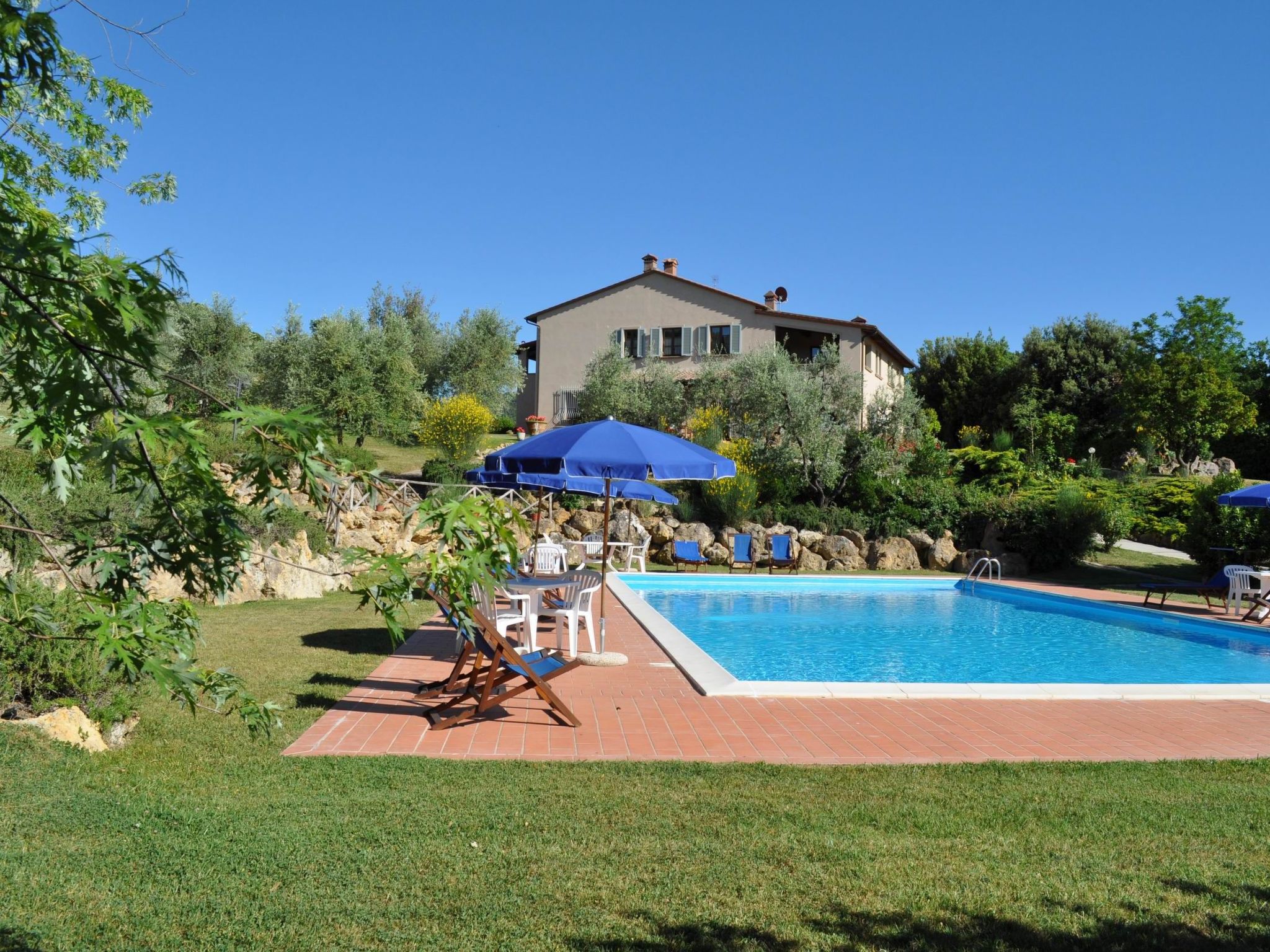
- Genuine agritourism, done properly. Many farmhouses rent apartments by the week or month at rates that feel fair. They're not hotel operations, and there are plenty of them competing honestly on price.
- A specific microclimate. The elevation and exposure create wines you won't find replicated elsewhere. That's not marketing; it's geology and centuries of trial and error.
Top Towns & Resorts in Chianti
Greve in Chianti
The largest town in the region and the most visitor-friendly entry point. The central piazza is still genuinely functional: it's where locals buy groceries, eat lunch, and park their cars. The surrounding hills are covered in vineyards, and the town has proper restaurants, wine shops, and enough services that you won't feel stranded. We'd stay here if we wanted ease of access without sacrificing authenticity, though August can feel overwhelming with tour groups.
Radda in Chianti
Higher elevation than Greve, surrounded by some of the finest vineyard landscapes in the region. The town itself is compact and medieval, with narrow streets that genuinely look medieval (not rebuilt for tourism). It's quieter than Greve and feels more "real", but also more remote. Plan on 30 minutes to reach proper amenities. Several well-regarded wineries sit within walking distance, and the surrounding countryside is where you'll find some of the most photographed views in Tuscany. Summer crowds are real; shoulder seasons feel far more civilised.
Castellina in Chianti
Perched on a ridge between two river valleys, Castellina has one of the most dramatic locations in the region. The town is small and genuinely medieval, with covered walkways built into the fortifications. What you'll notice immediately is that it's exposed (the weather can turn fast, and there's not much shelter from wind). The views are remarkable, especially from the castle remains. Several major wine producers are nearby, and the town feels less tourist-focused than Greve but still has cafes and restaurants.
Gaiole in Chianti
The least "polished" of the main towns, Gaiole sits at a junction and feels more functional than romantic. It's the place you drive through to reach villages further east, but it's also got character precisely because of that. The wider valleys around Gaiole produce softer wines and feel less worked-over than the ridge-top vineyards. Services are solid, prices are reasonable, and you can rent a decent apartment without overpaying for views. It's honest, which some find refreshing and others find forgettable.
Panzano in Chianti
Smaller and steeper than most, Panzano sits on the edge of the main wine route, surrounded by some of the best vineyards in the region. It's the sort of place you can walk through in ten minutes, but you'll want to stay longer. A couple of serious restaurants sit here (worth booking ahead), and the surrounding farmland is genuinely quiet. The trade-off is isolation. There's no supermarket, no petrol station, and the approach roads are narrow and winding. It's perfect if you want to disappear; not recommended if you want convenience.