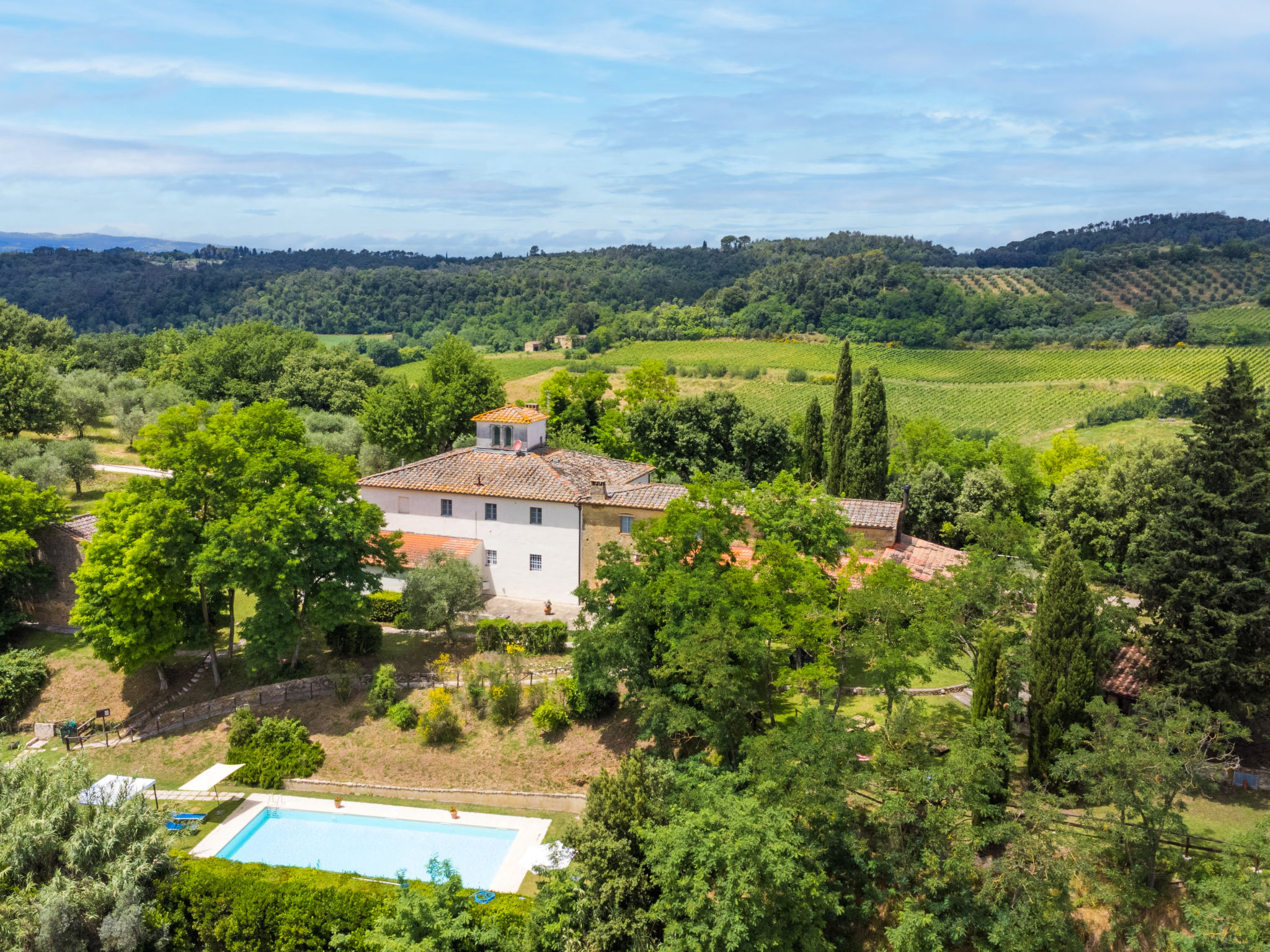
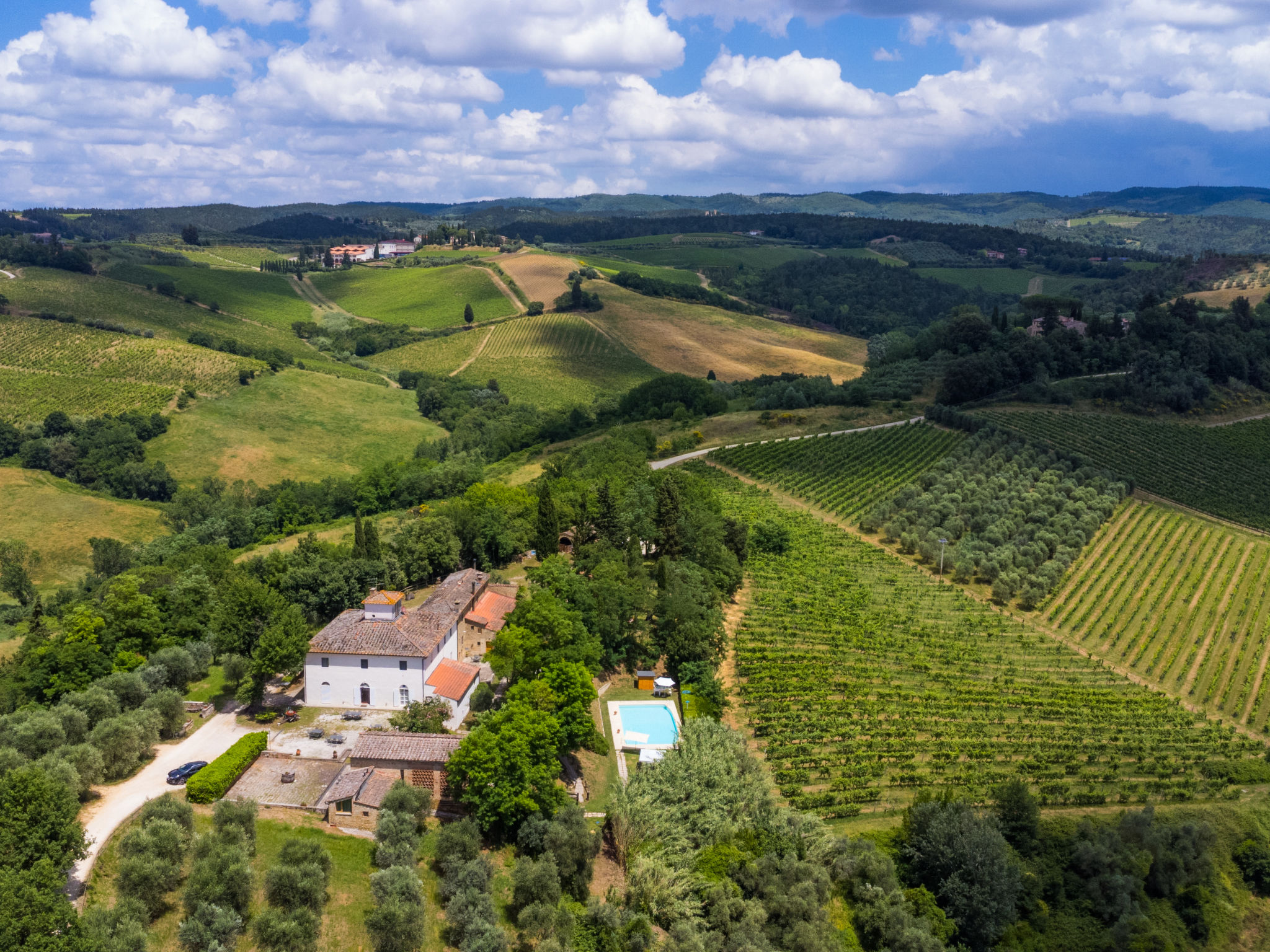
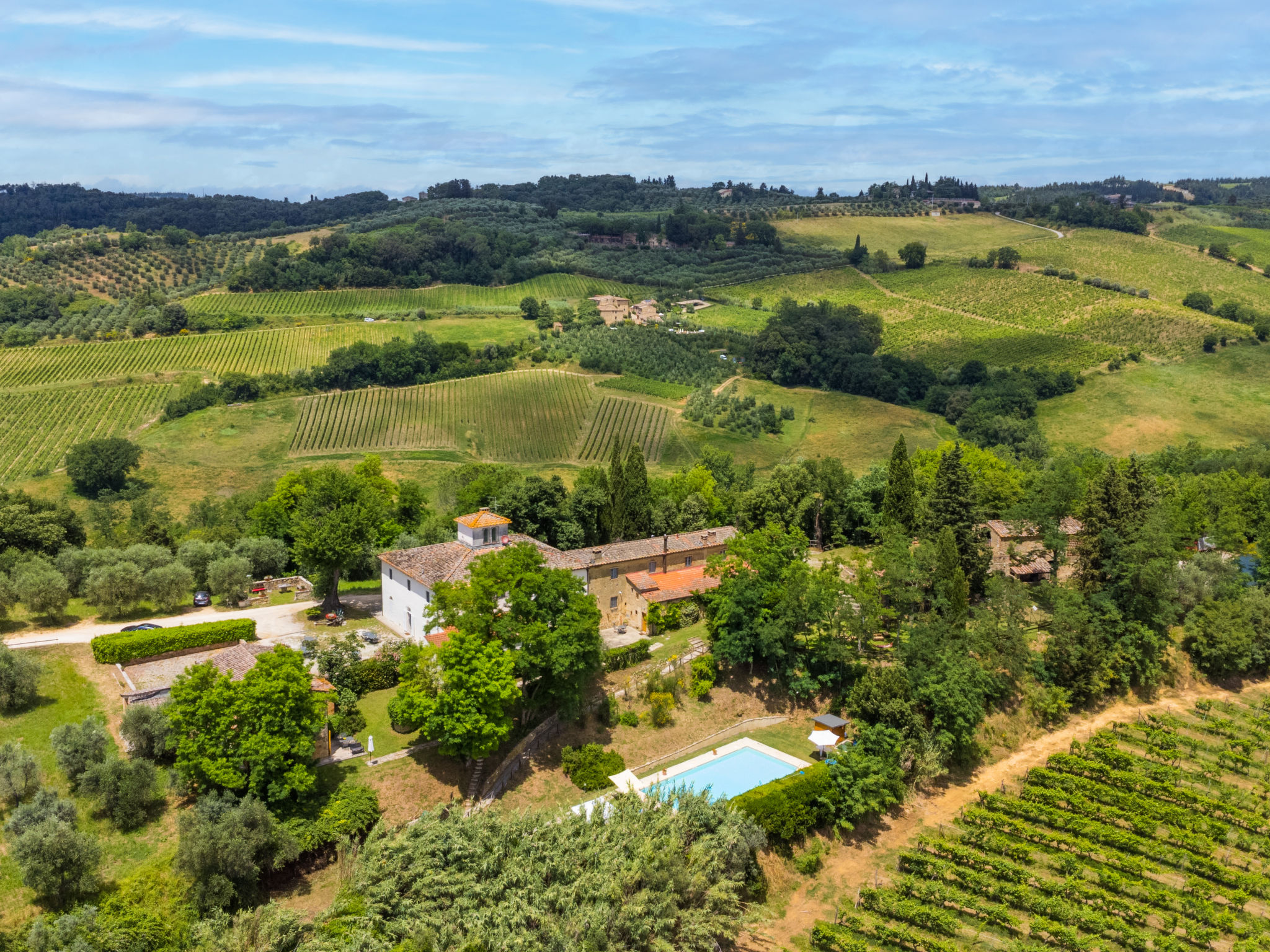
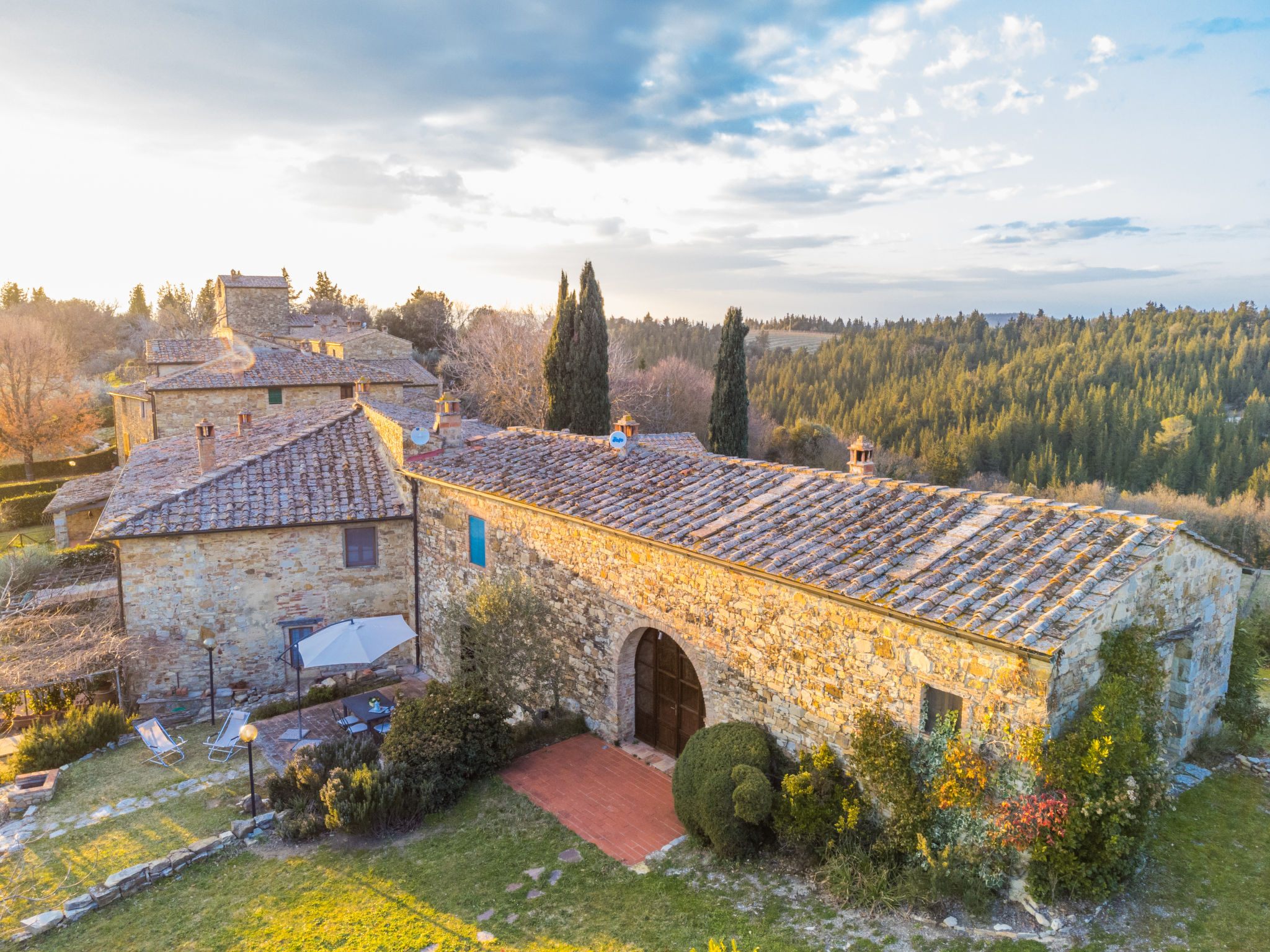
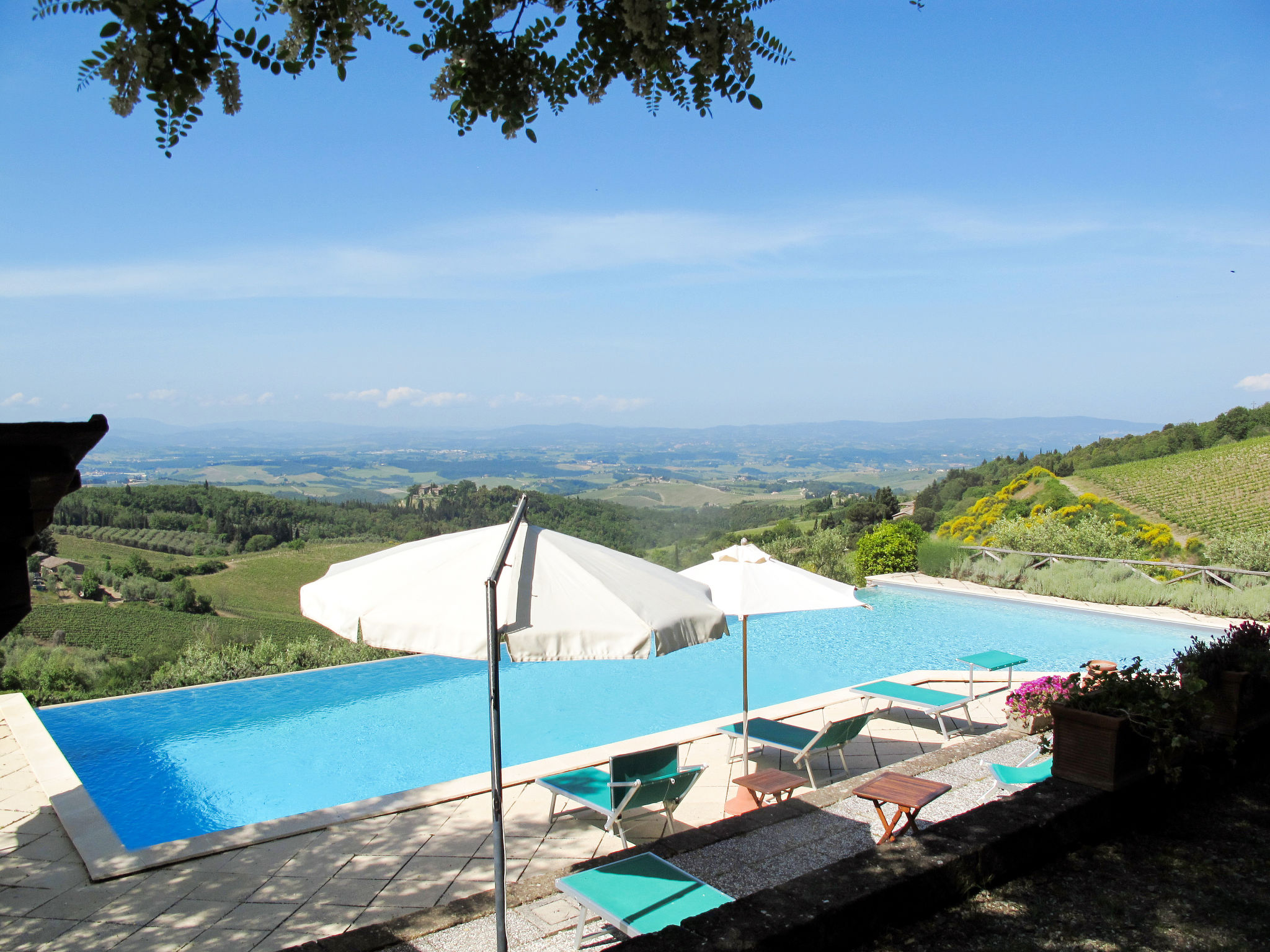
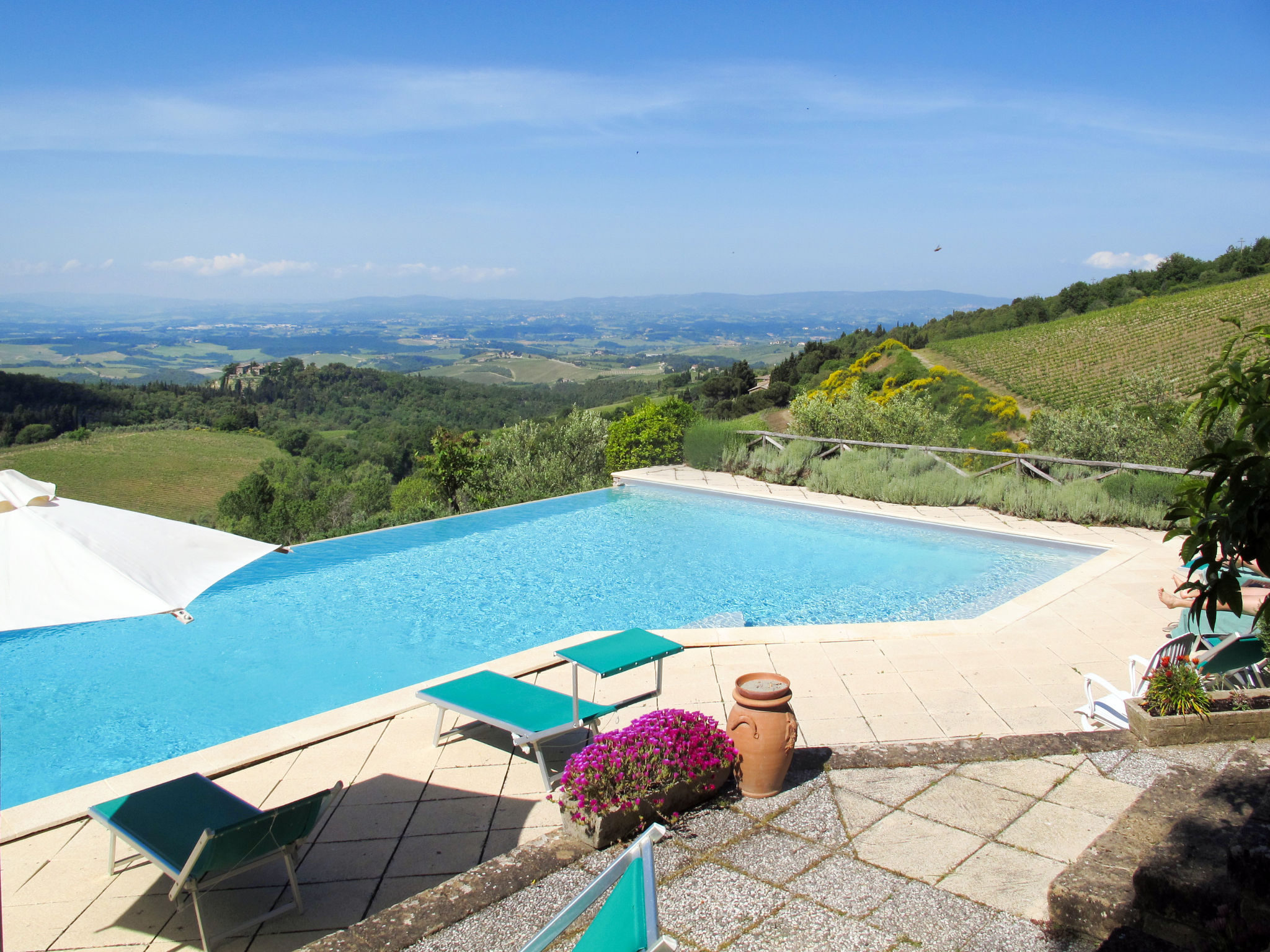
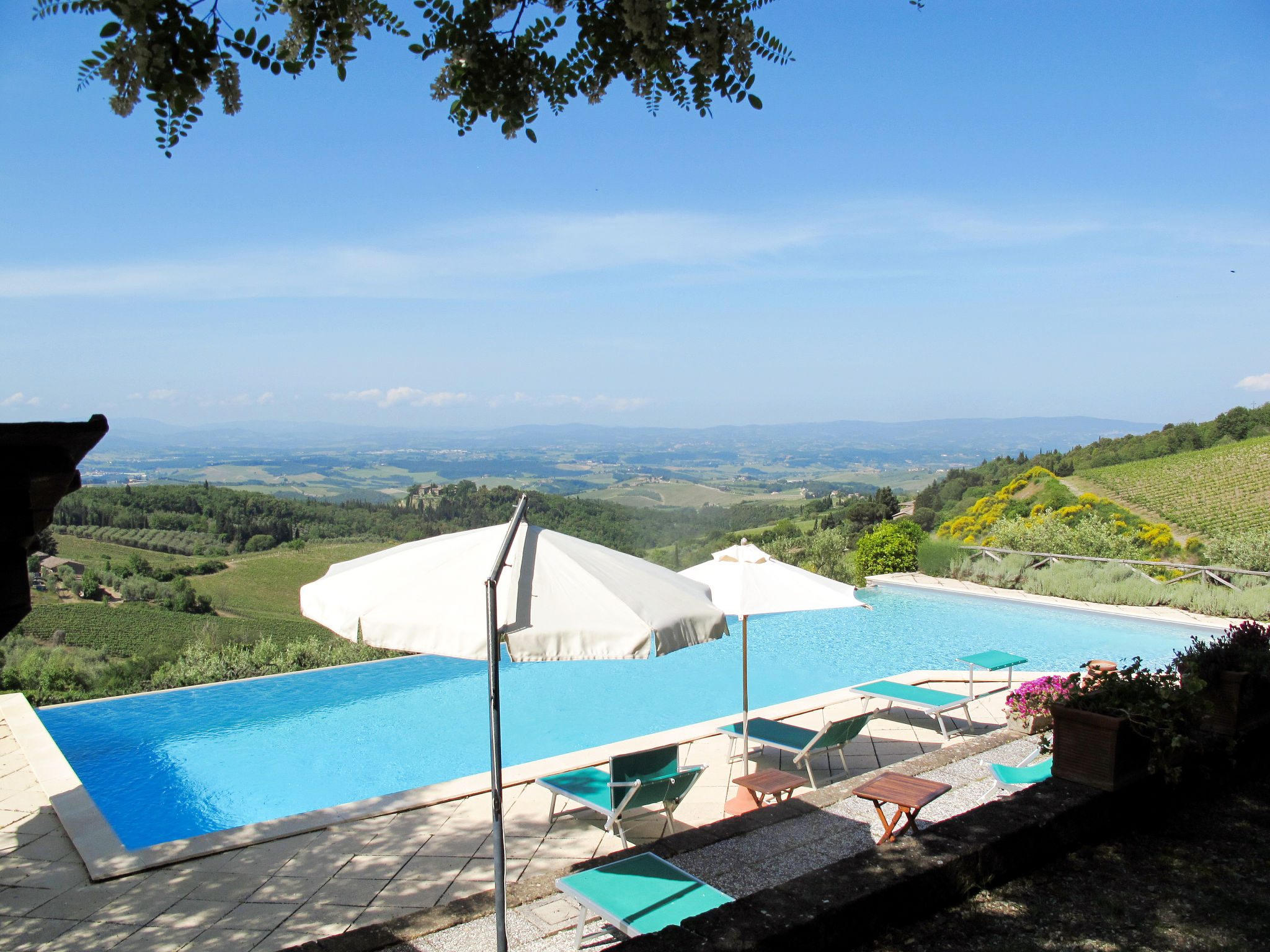
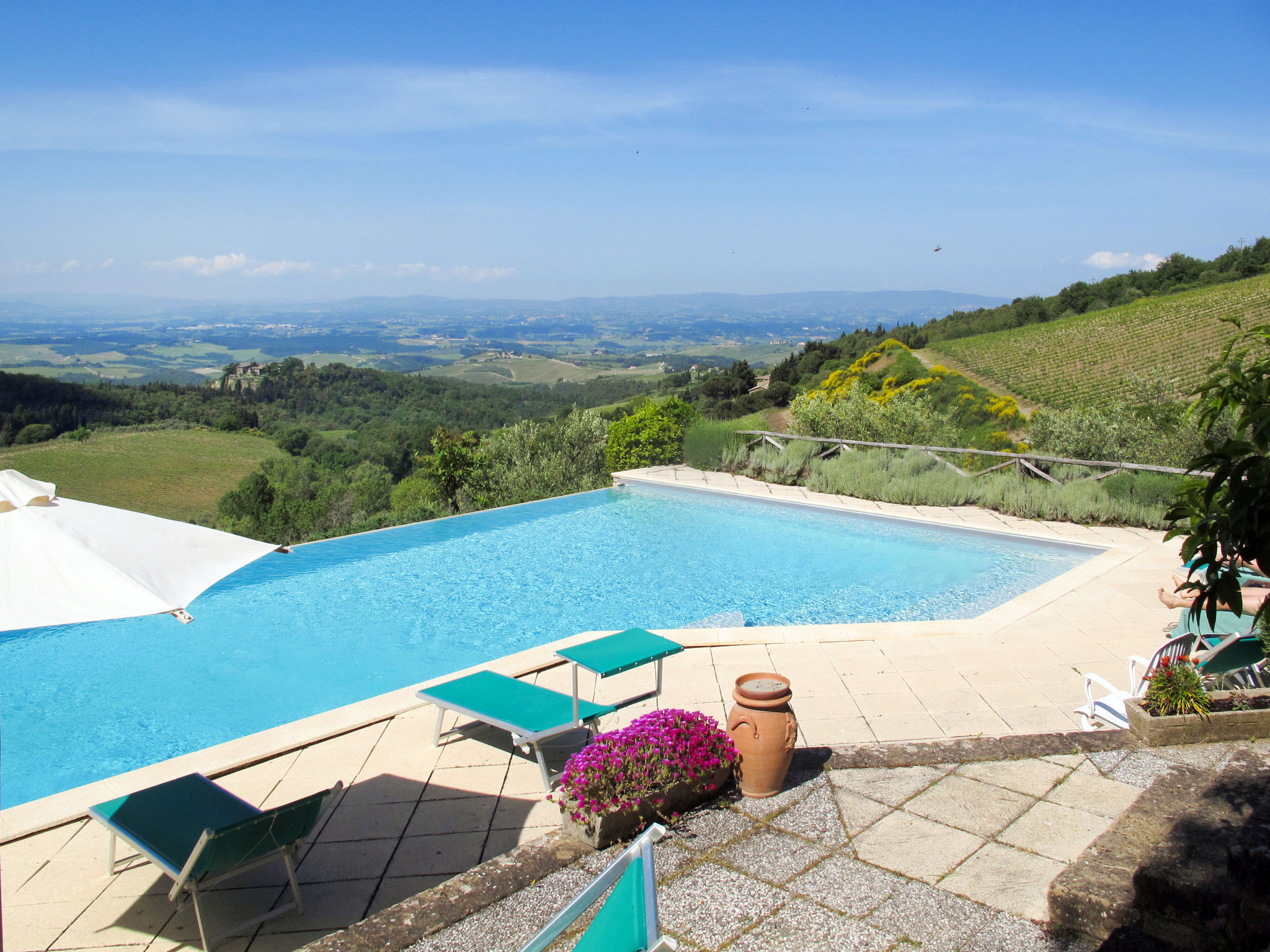
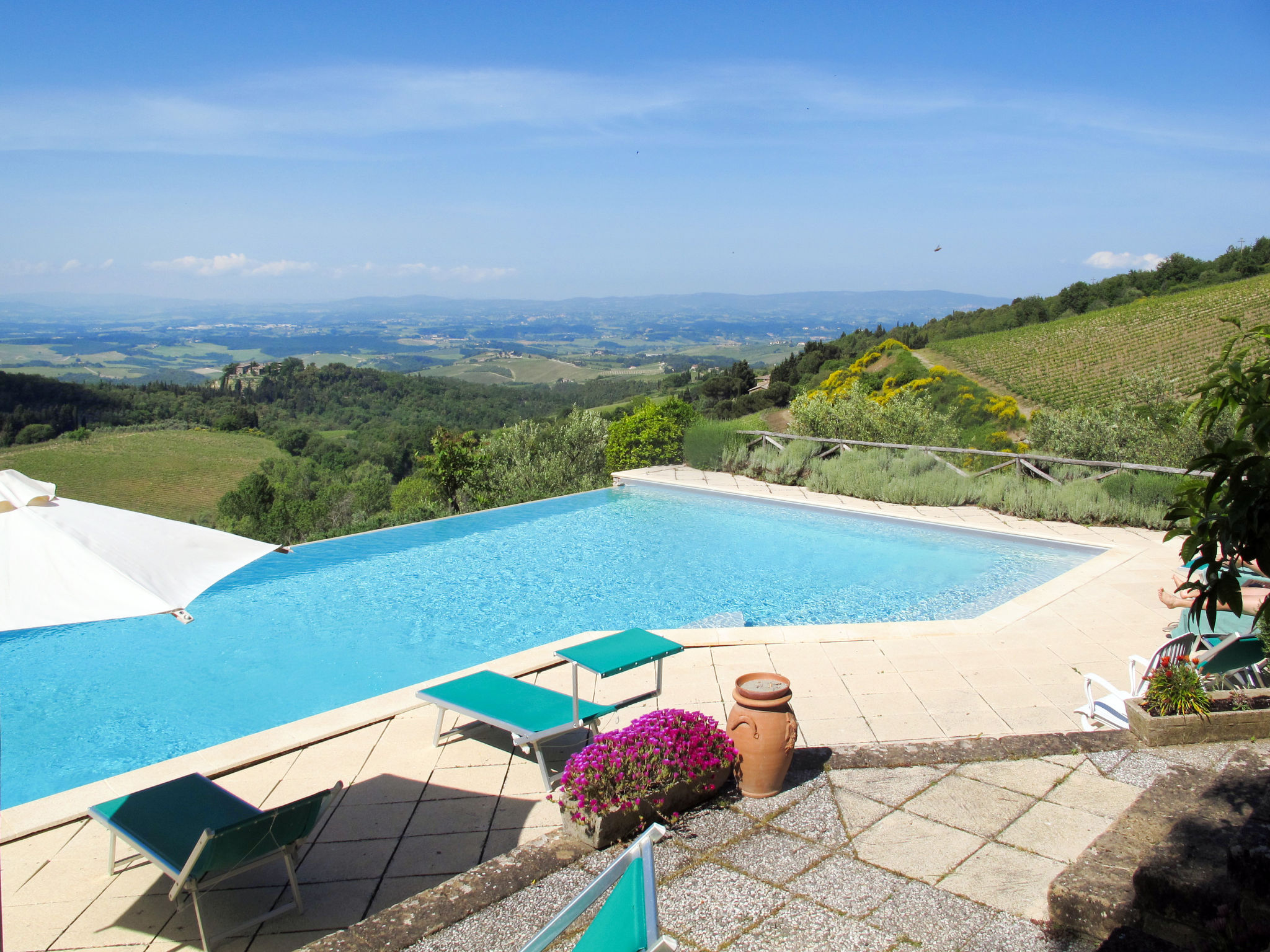
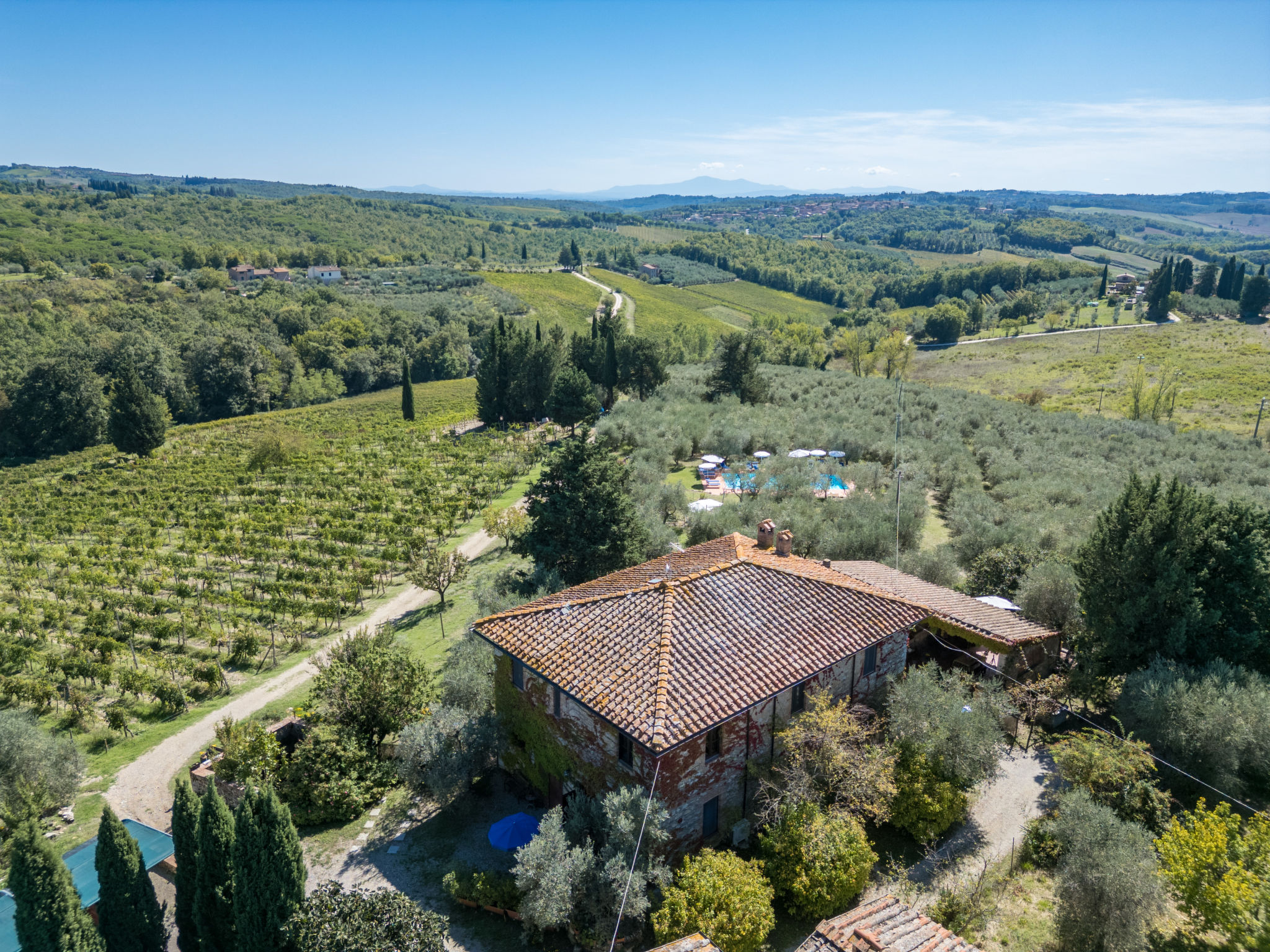
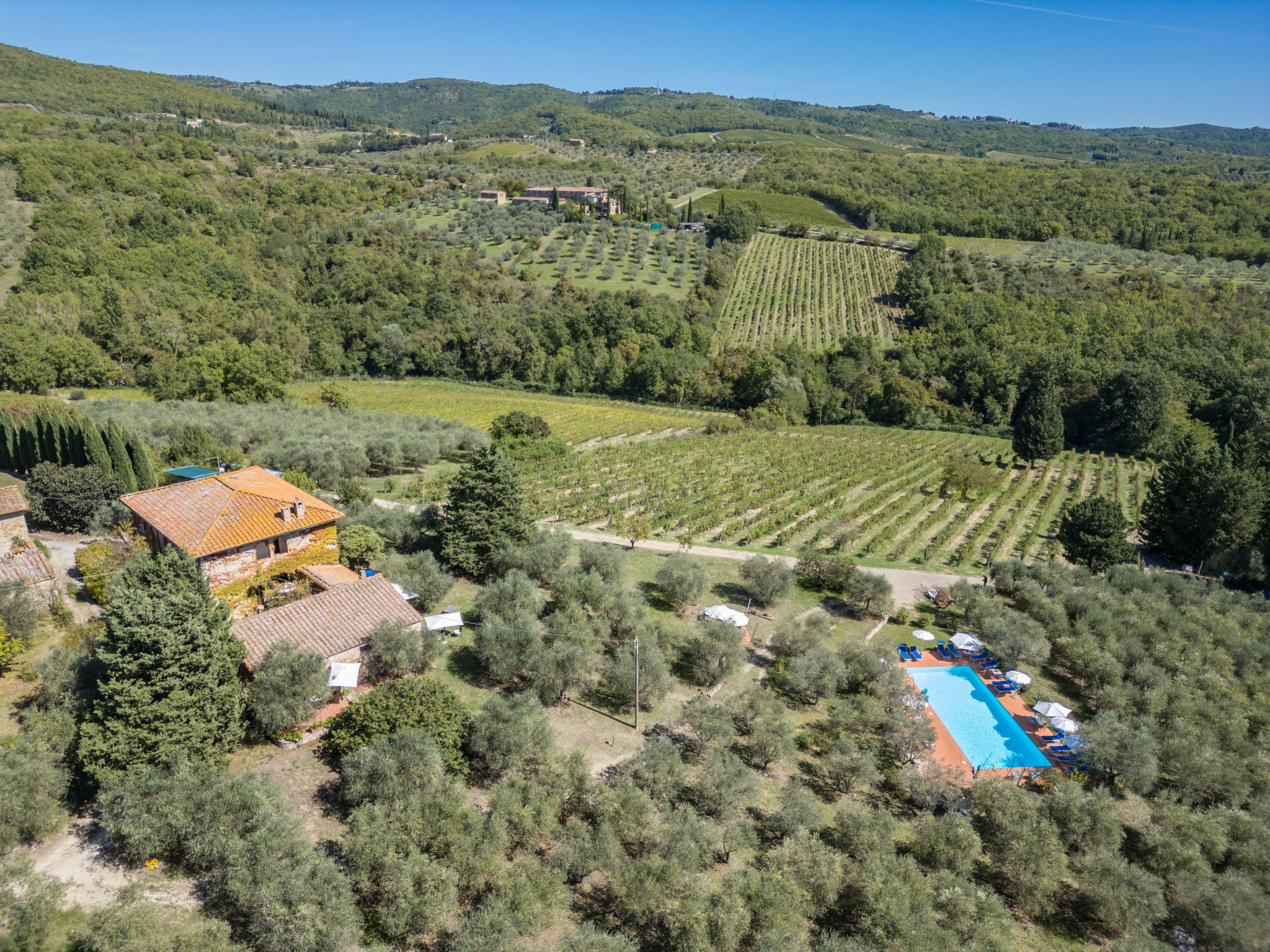
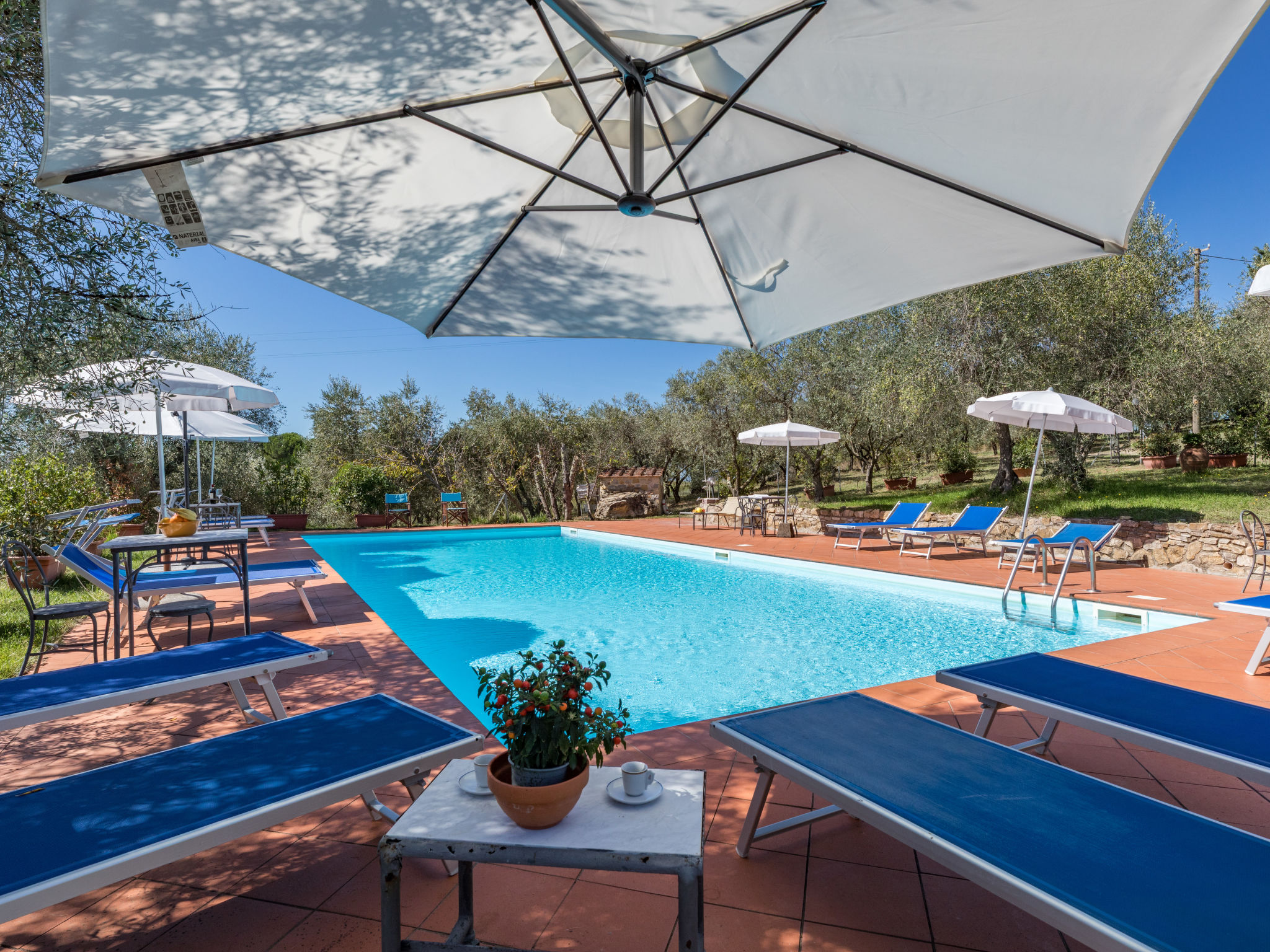
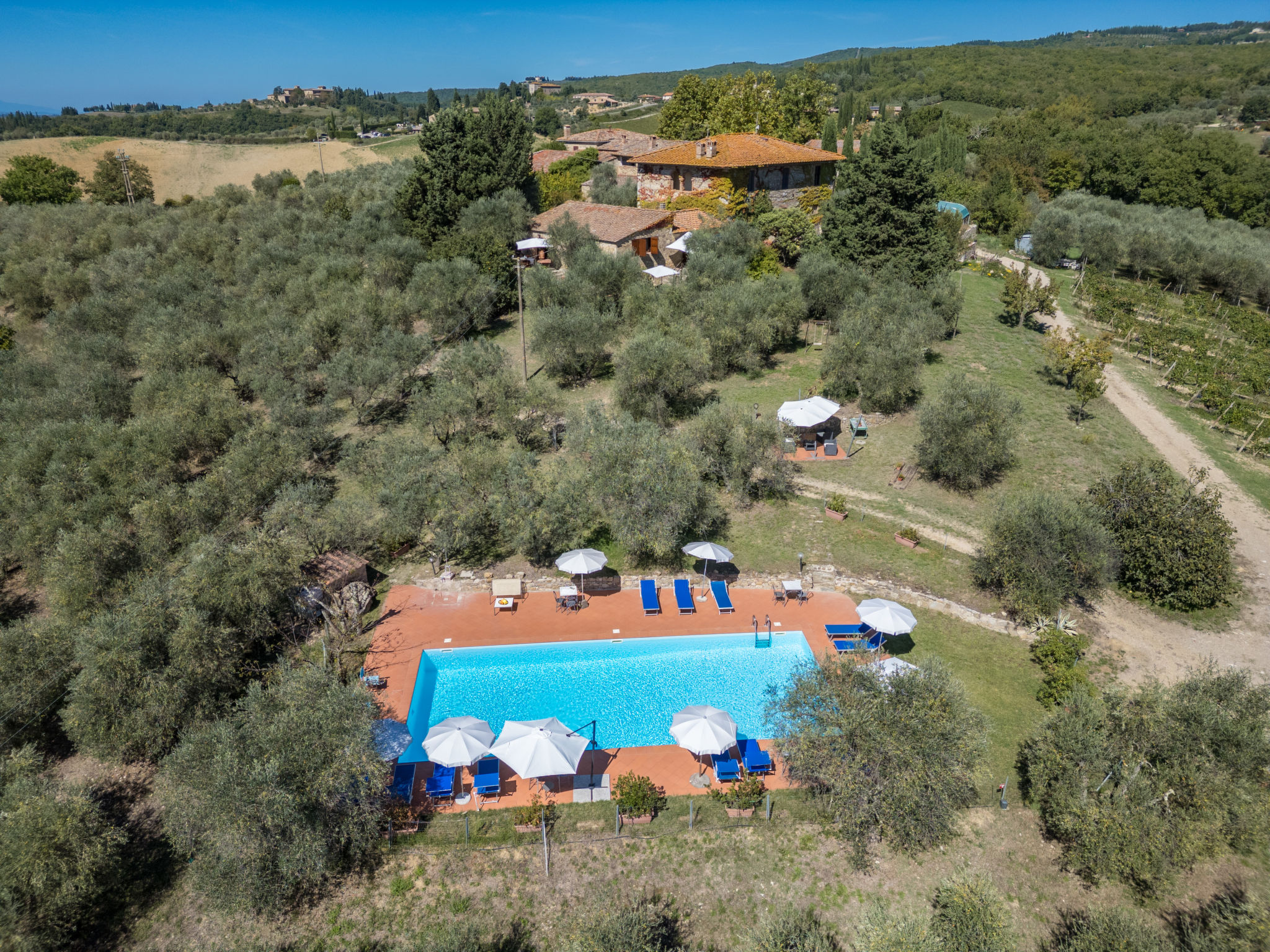
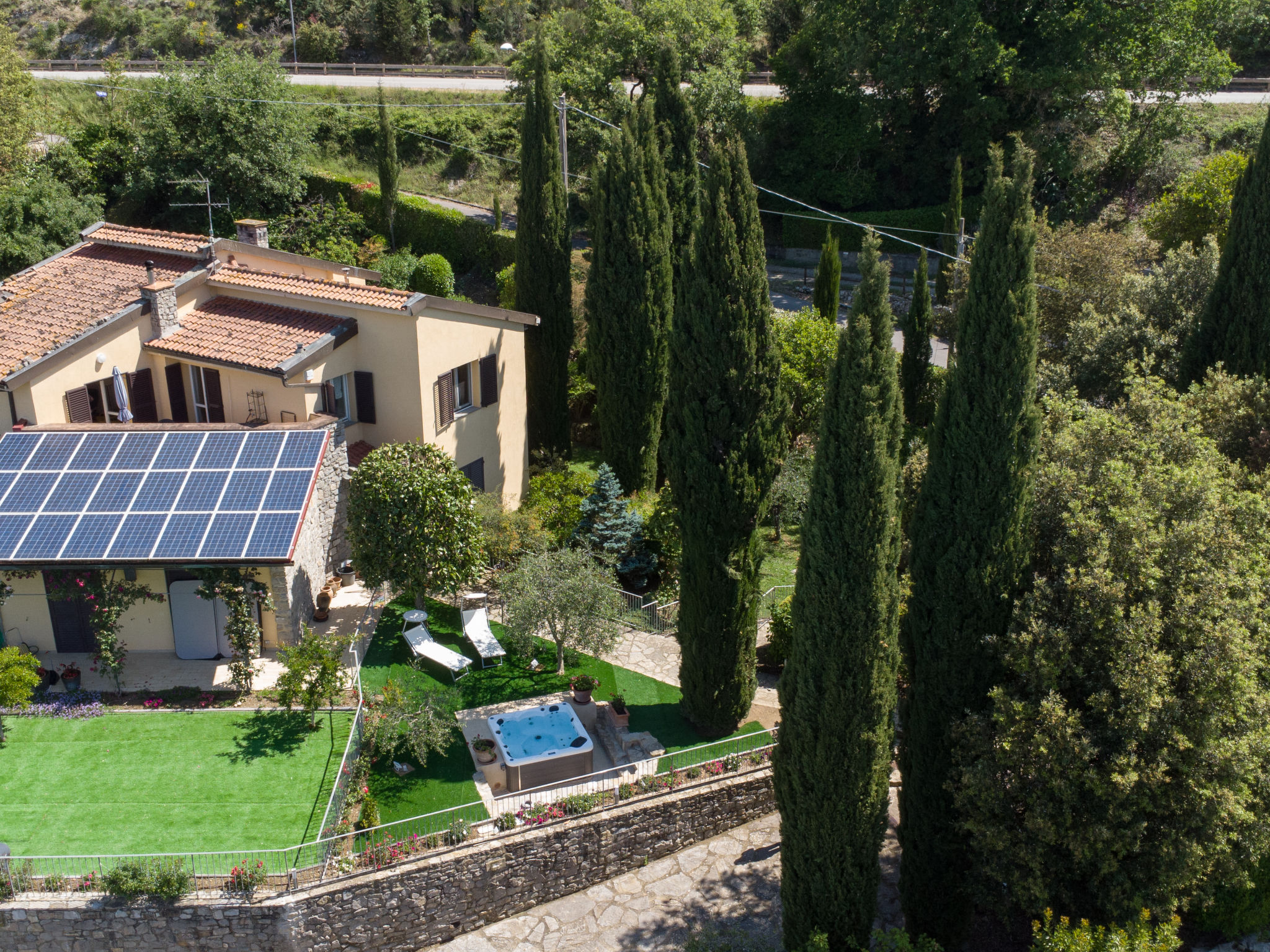
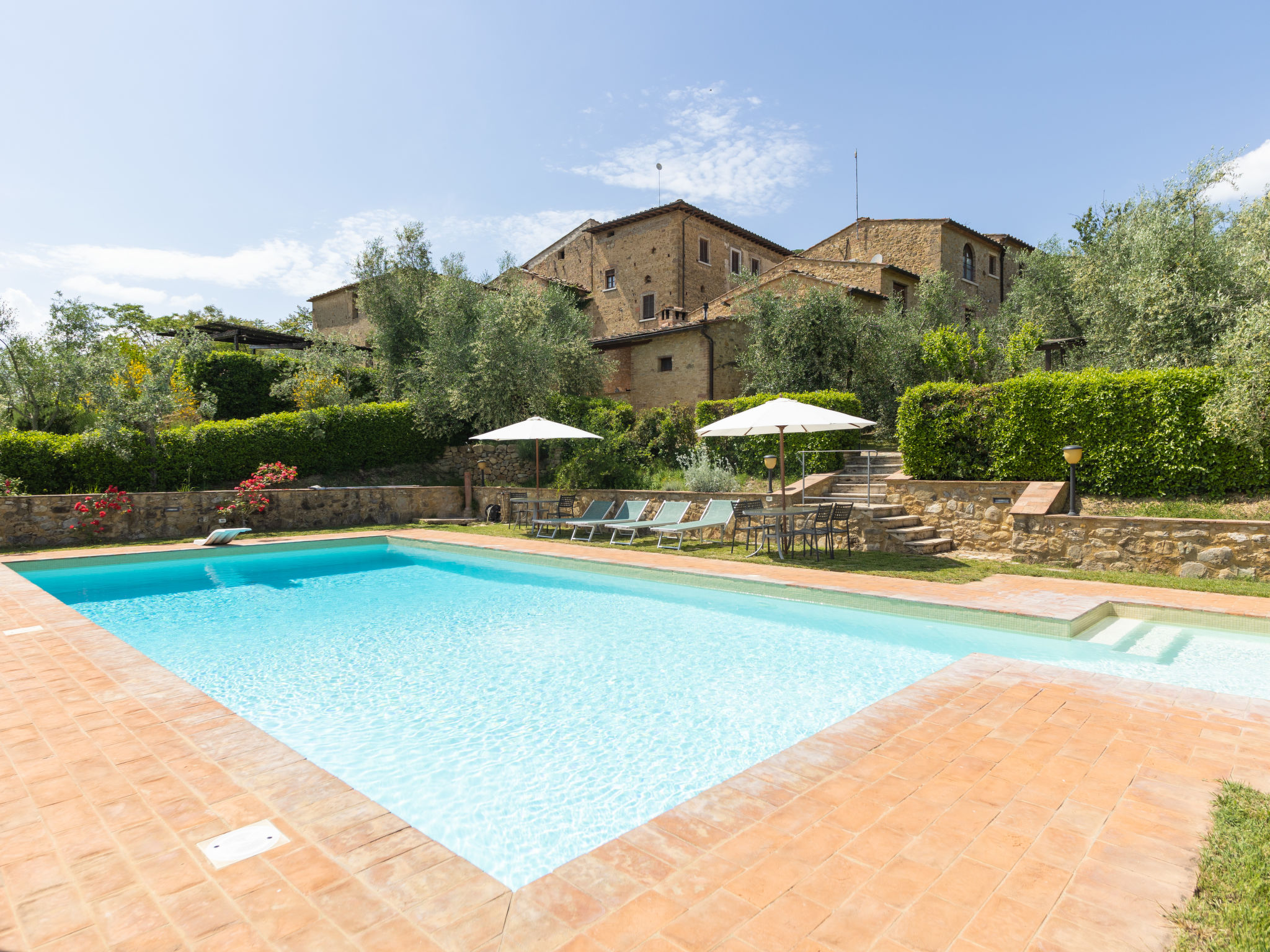
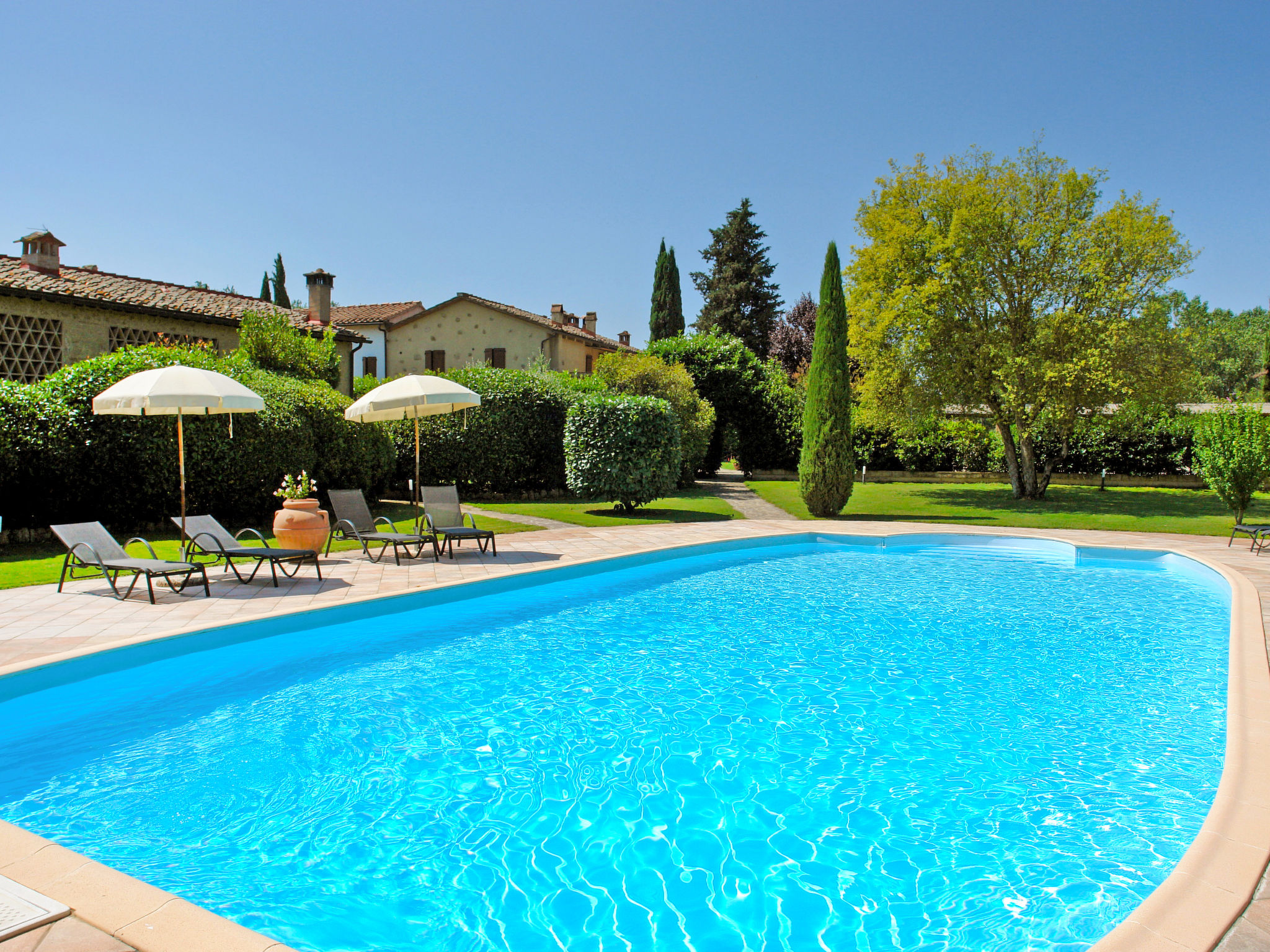
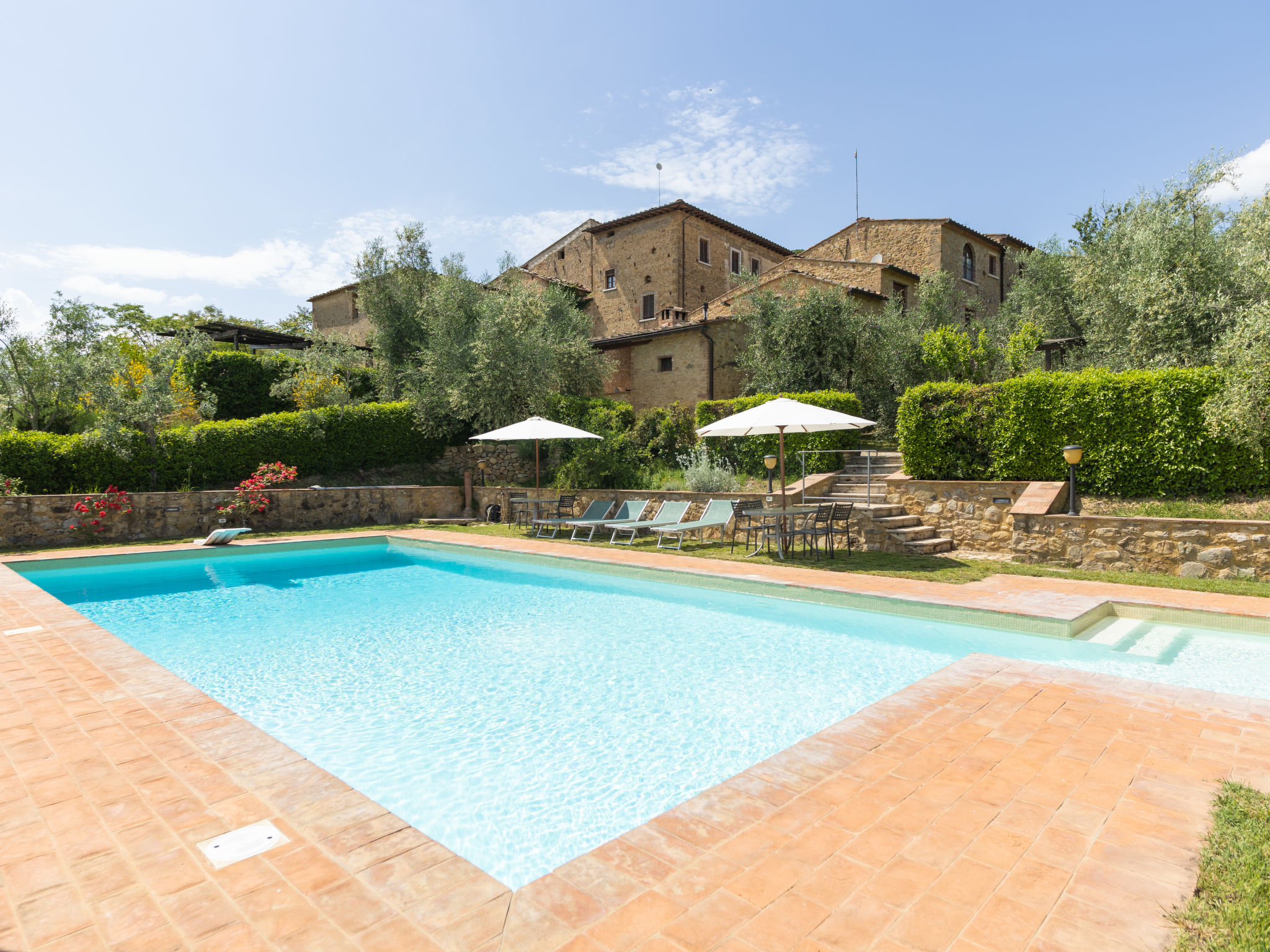
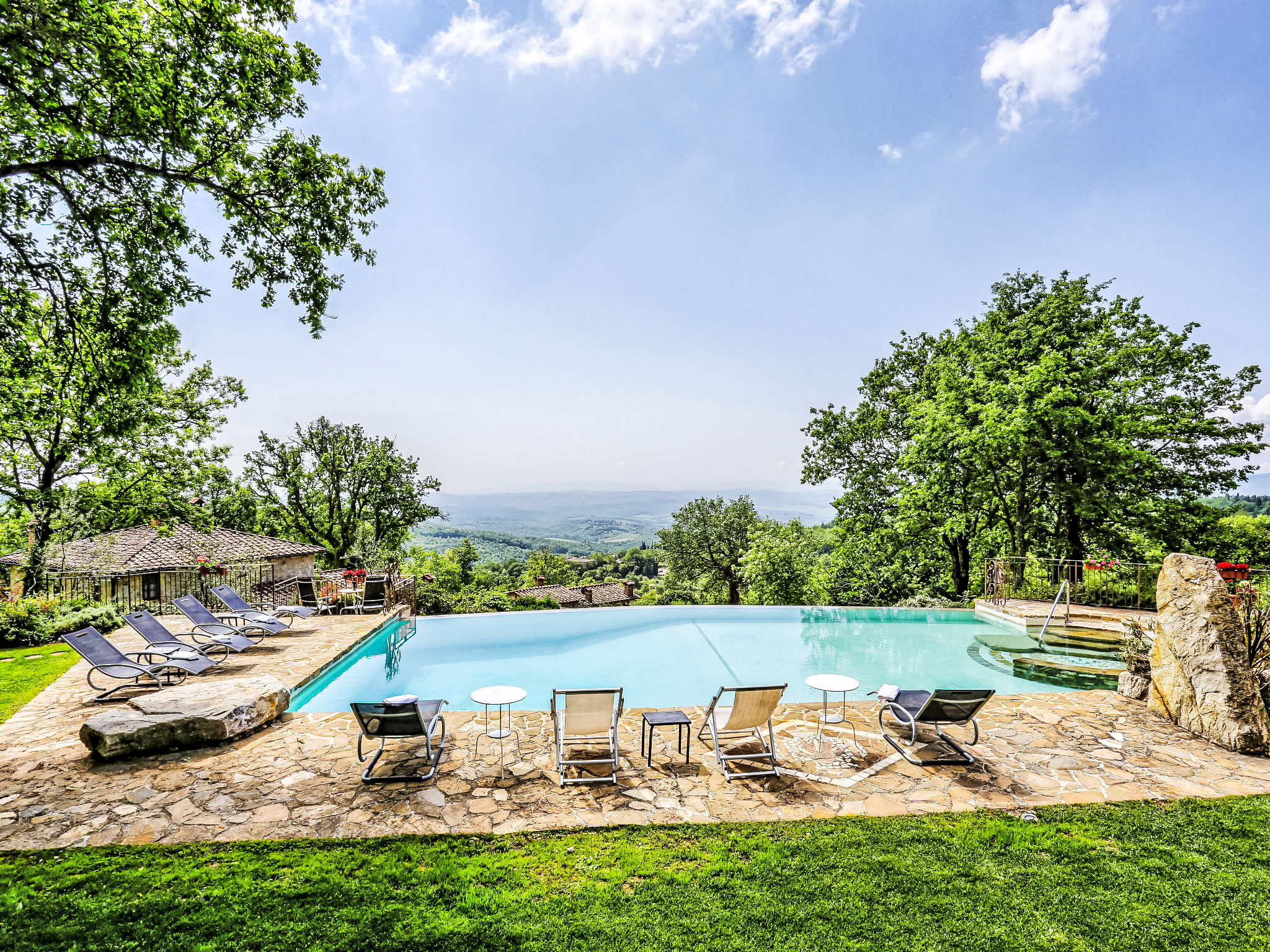
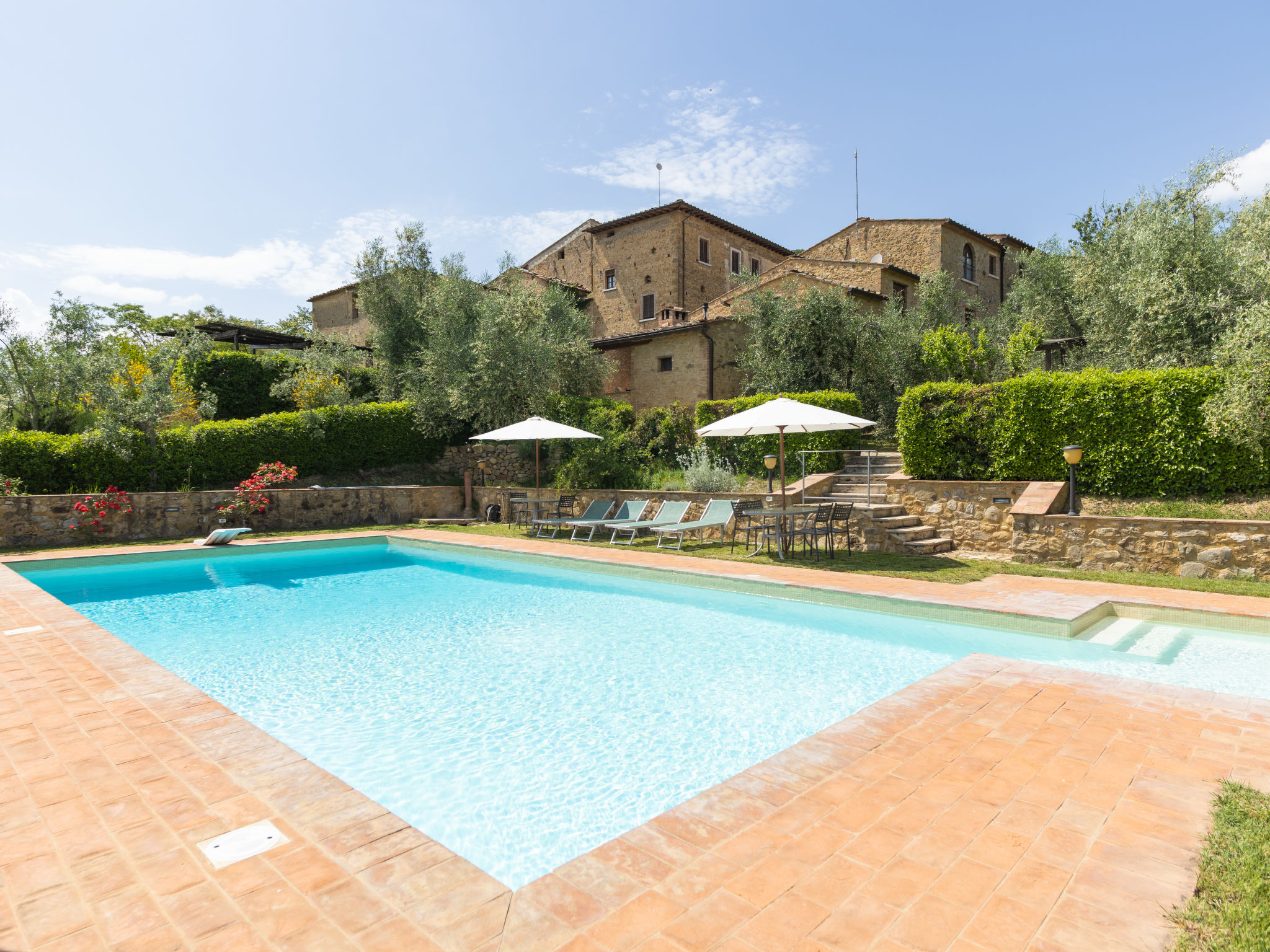
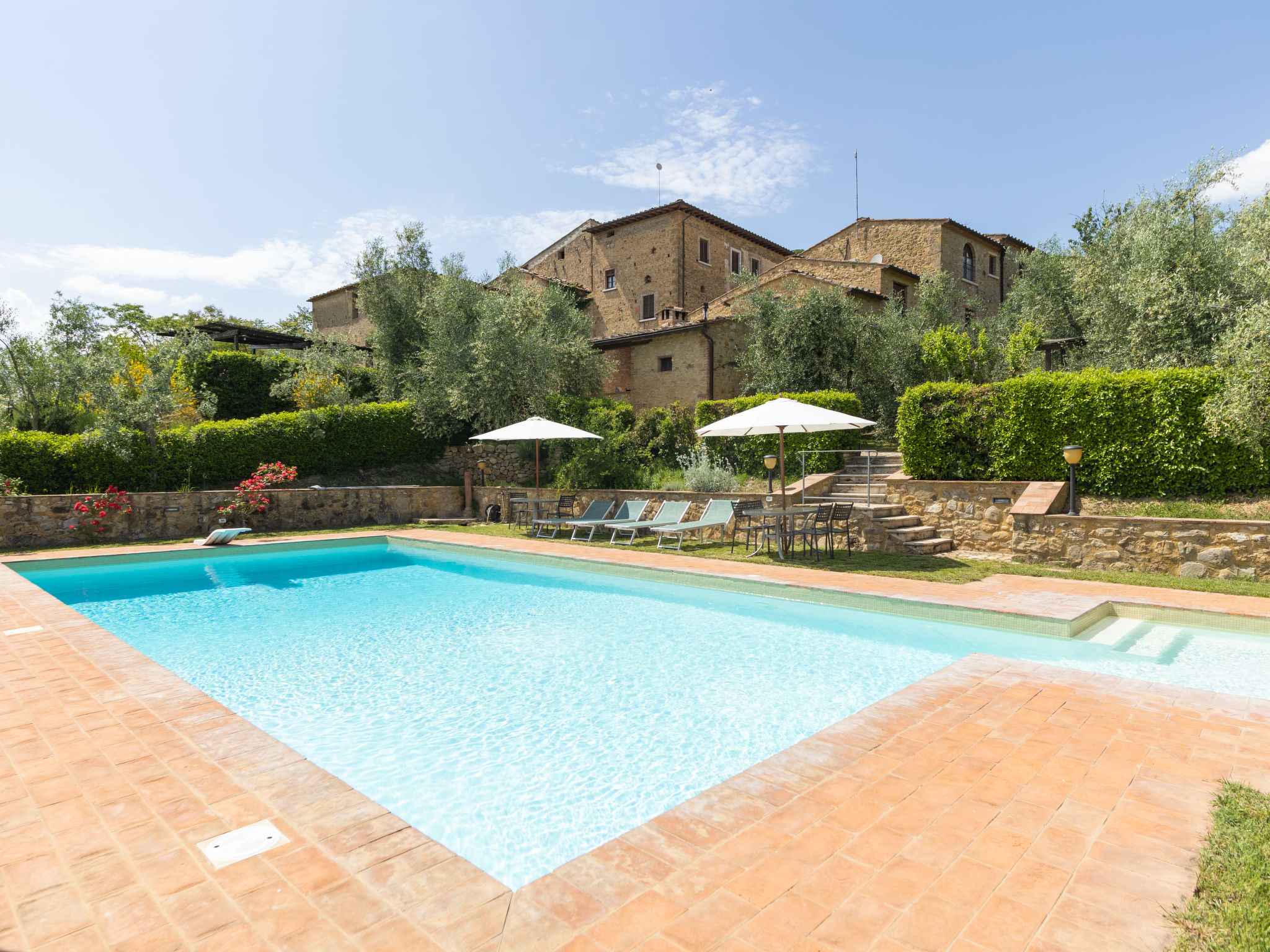
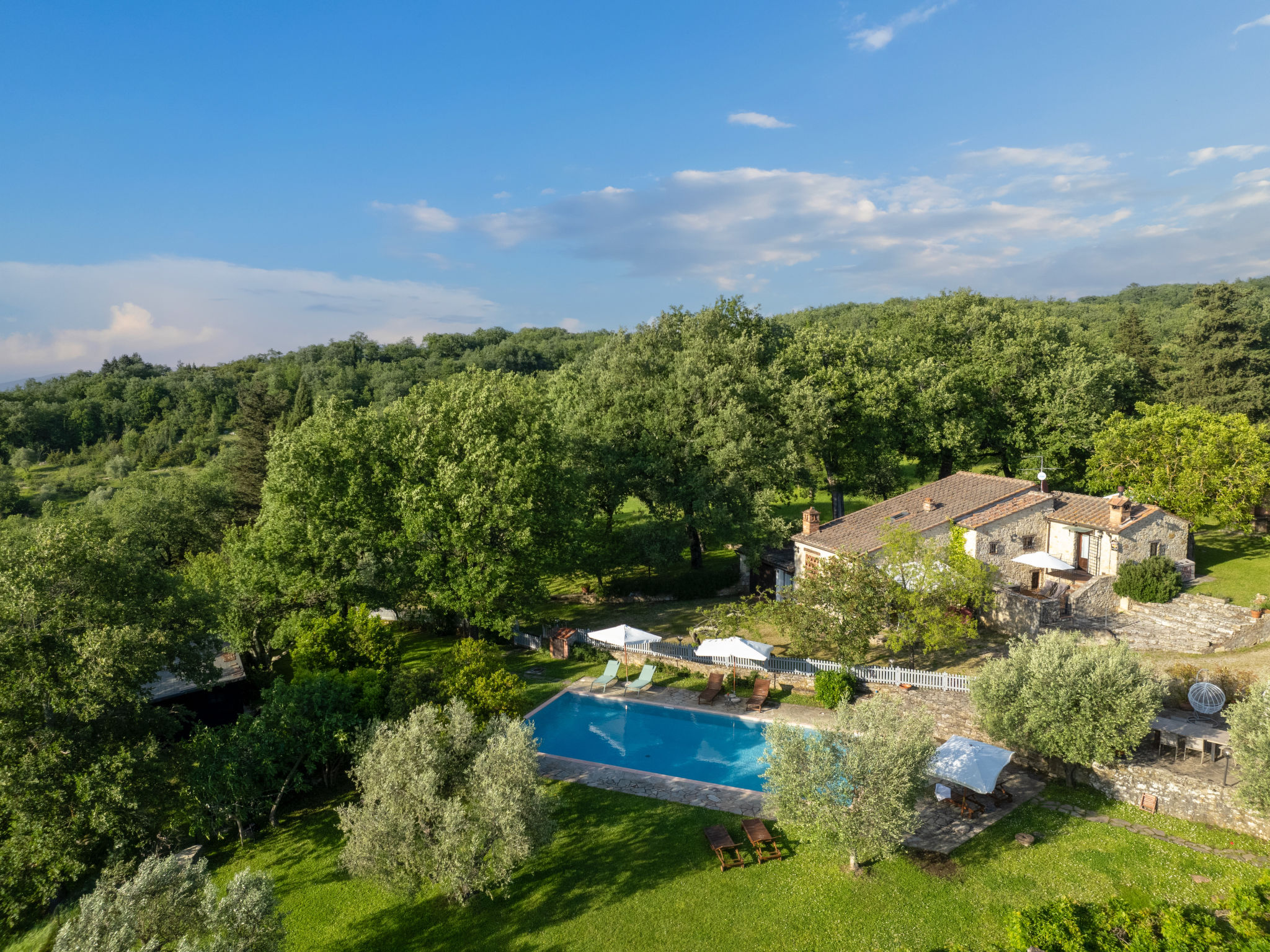
Castellina sits in the Chianti heart. Rolling vineyards spread in every direction, cypress-lined farm roads connect small towns, and medieval stone villages scatter across the hills. Unlike Siena or Florence, it doesn't depend on footfall. The village proper is small (maybe 2,500 people) with a covered medieval street that solves summer heat. We've found it appeals to people wanting proper countryside immersion without fighting queues at major sites. The trade-off is silence. If you need organized entertainment and restaurants on every corner, this will feel quiet rather than restful.
Why Stay in Castellina in Chianti
- Wine culture isn't performative here. Wineries are working farms where you can actually taste and buy. Many welcome visitors without advance booking. The Chianti Classico designation means legitimate wine production, not tourist theatrics. You can learn something real.
- The landscape is genuinely arresting. Driving (or hiking) between towns, you drop into valleys and climb back out. The light on rolling hills changes hourly. It's the Italy people imagine but often can't find at major sites.
- Food reflects what grows locally. Restaurants serve seasonal cooking. Wild boar arrives in autumn, spring vegetables in May. Prices are reasonable for rural Tuscany (mains 10-16 euros at good local spots). Ingredients matter more than decoration.
- The honest point: you need a car. Public transport barely exists. If you're after walkable village life, the centre works but exploration demands wheels. Summer heat also builds rapidly in stone villages. Plan indoor time midday.
Things to Do in Castellina in Chianti
Winery visits form the obvious focus. Volpaia and Fonterutoli are nearby and reception-friendly. Appointment-based wineries include Ricasoli (Chianti's oldest estate), which offers tours and tastings. Expect 15-25 euros per person for proper tastings. The landscape between wineries matters as much as the wine itself. Drives through vineyards are the activity.
San Gimignano, 30 minutes south, offers hilltop medieval town experience without Florence's scale. The famous tower-filled skyline is real, though touristy. The Piazza della Cisterna and church interiors are worth time. Go early or very late to beat day-trippers. Parking is paid and slightly chaotic.
Siena (45 minutes southwest) is Tuscany's real medieval city. The Piazza del Campo and Duomo are extraordinary. It's famous enough that crowds arrive constantly, so come at dusk or before 9am. The Pinacoteca and opera museum suit specific interests. Allow a full day.
Hiking between villages works well if you're reasonably fit. Tracks connect nearby towns (Radda, Gaiole, Castellina itself). A map and sensible shoes suffice. The terrain is rolling rather than technical. Early morning avoids heat and other hikers.
Food markets and roadside produce stands operate seasonally. The Castellina market happens Tuesday mornings (vegetables, local goods, cheese stalls). Truffle season (autumn and early winter) brings seasonal restaurants and opportunistic pricing. Ask locals where real truffles are versus the "truffle" oil sold everywhere.