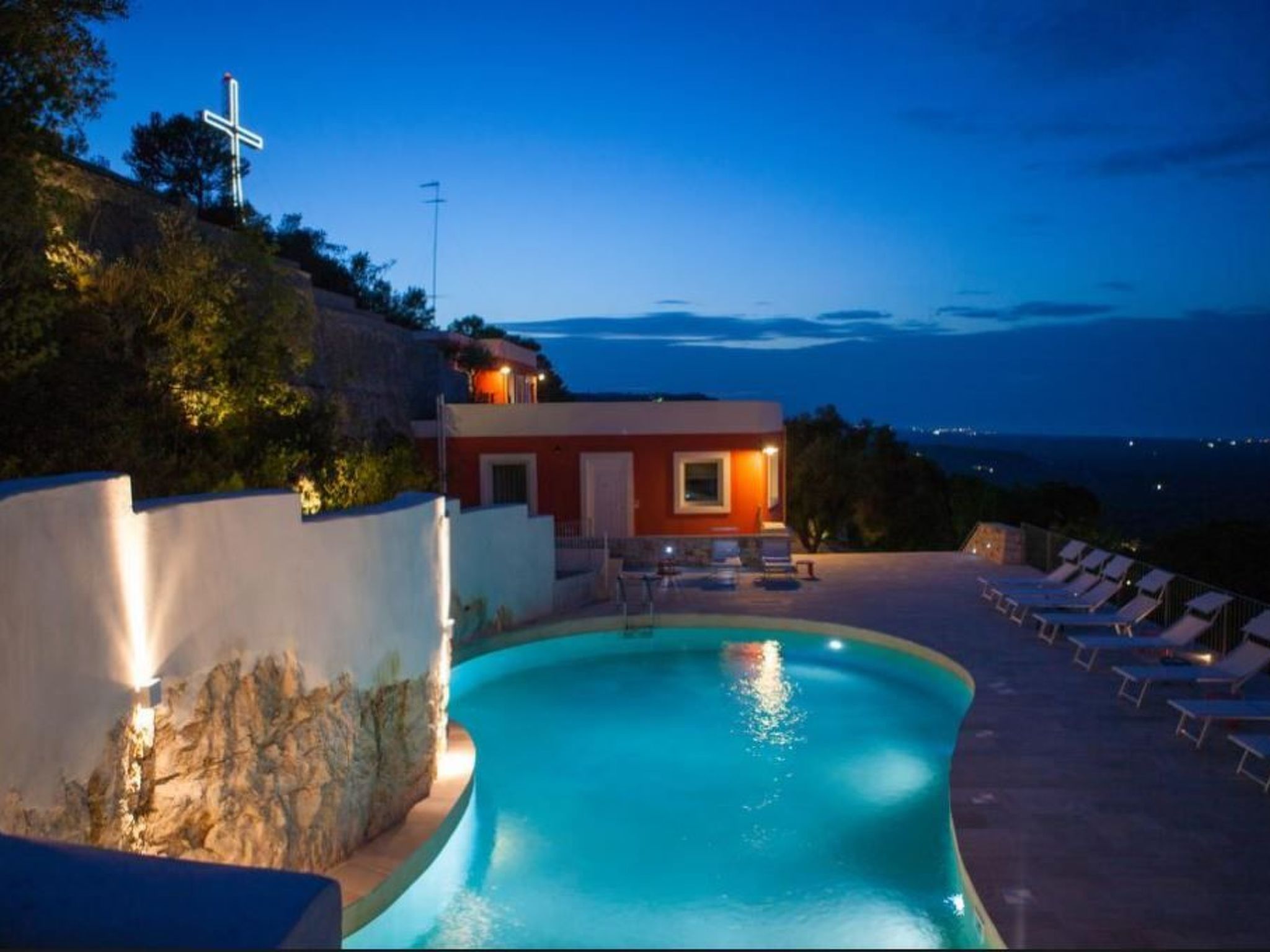
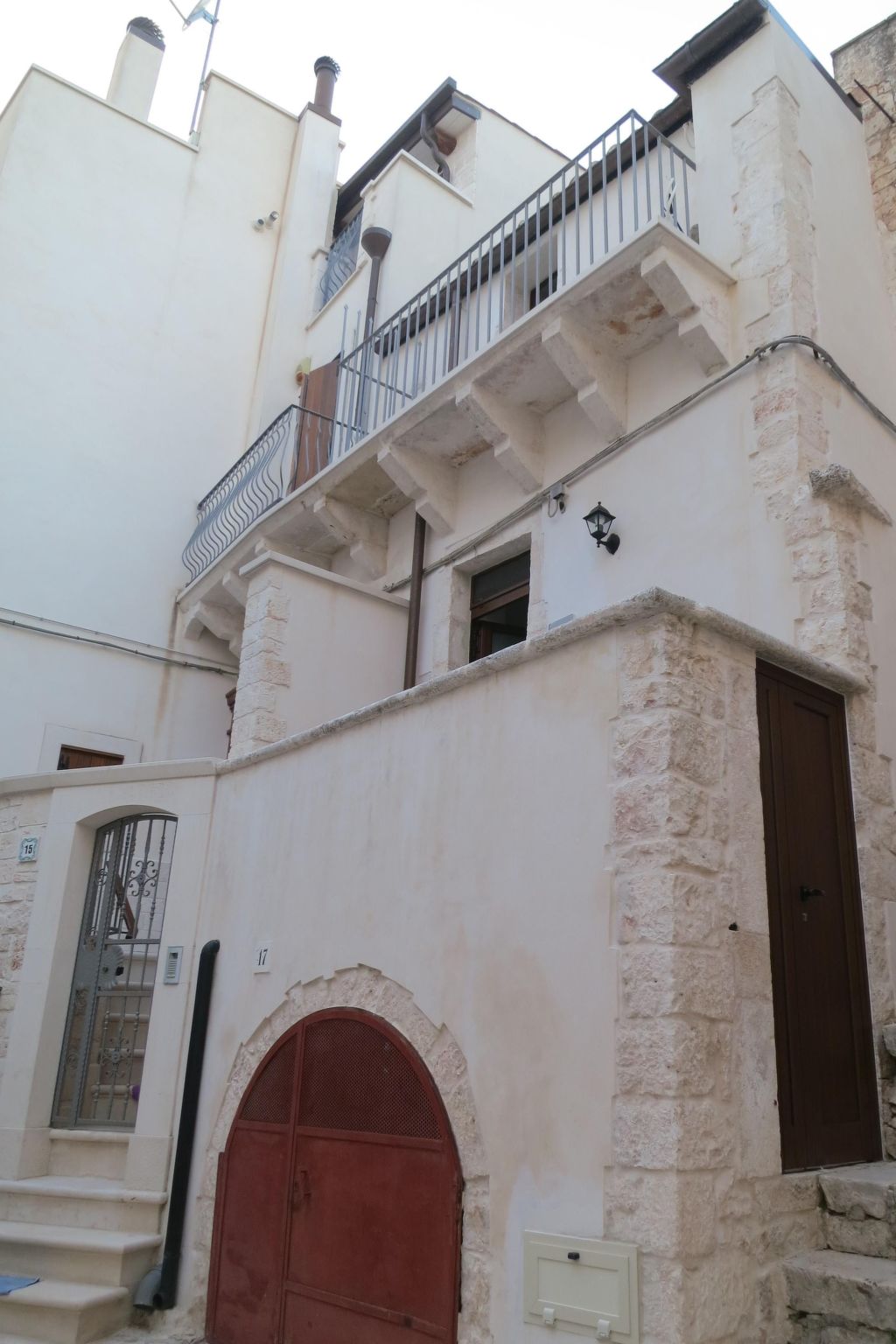
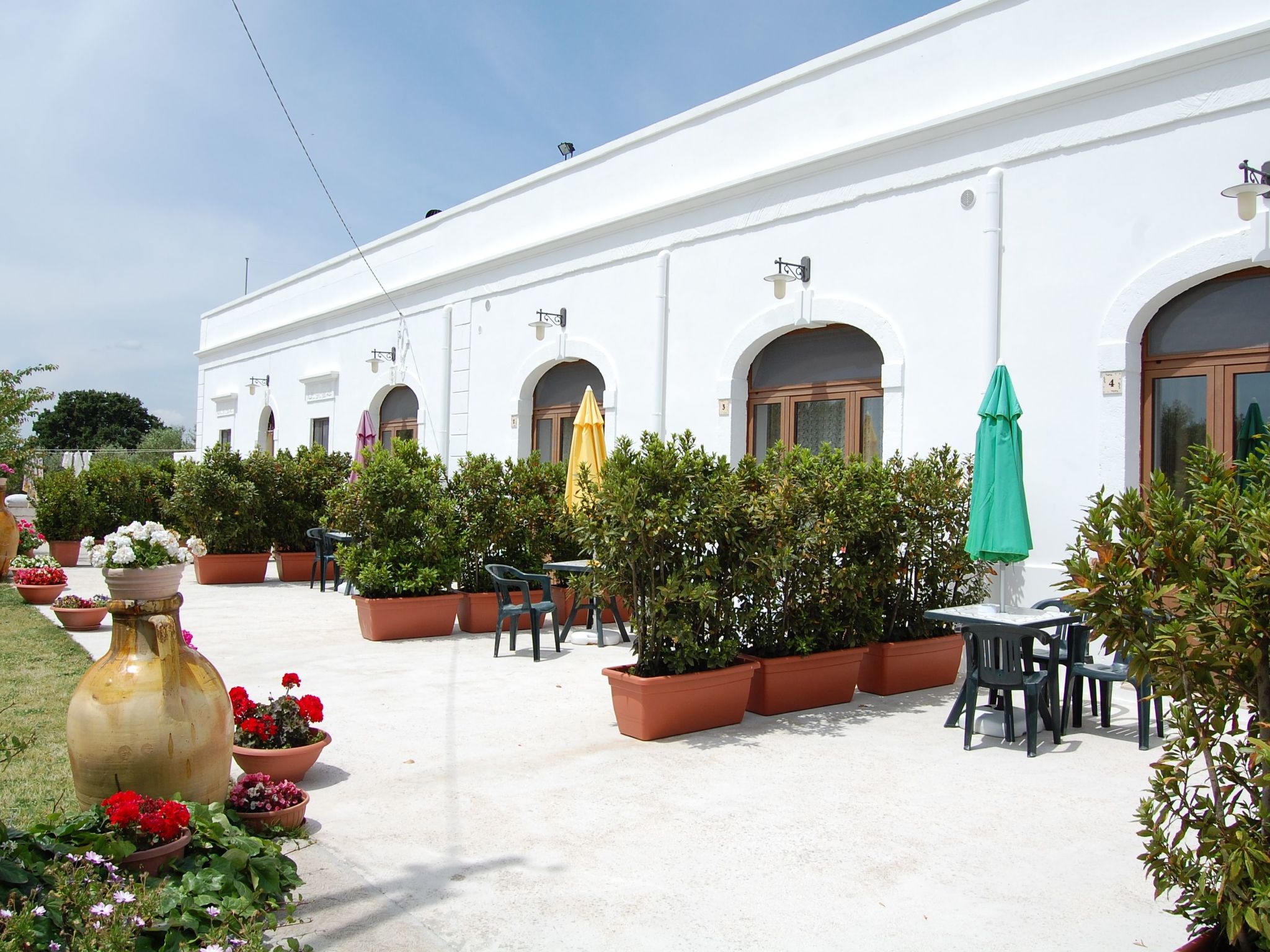
Trulli, Puglia
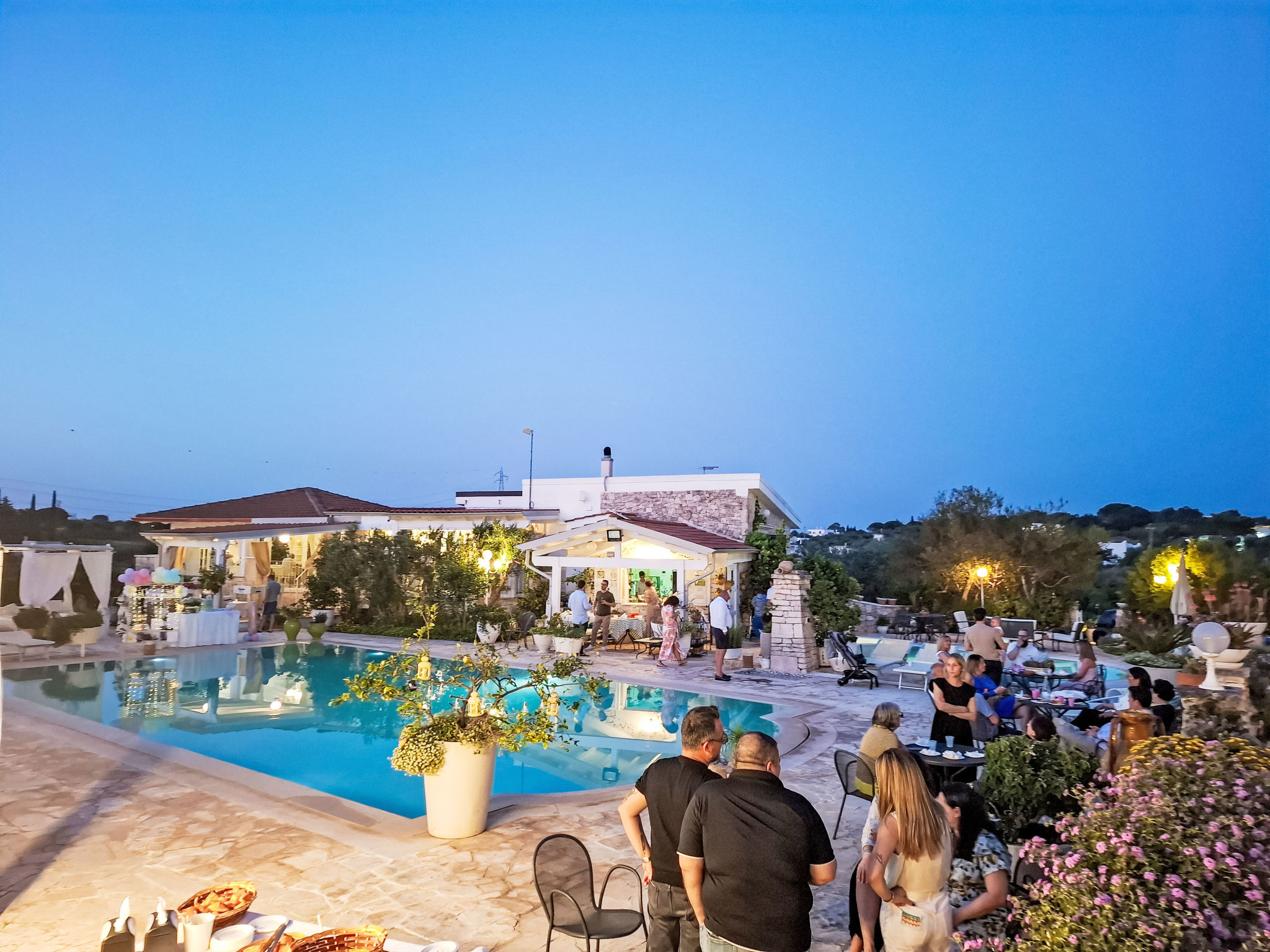
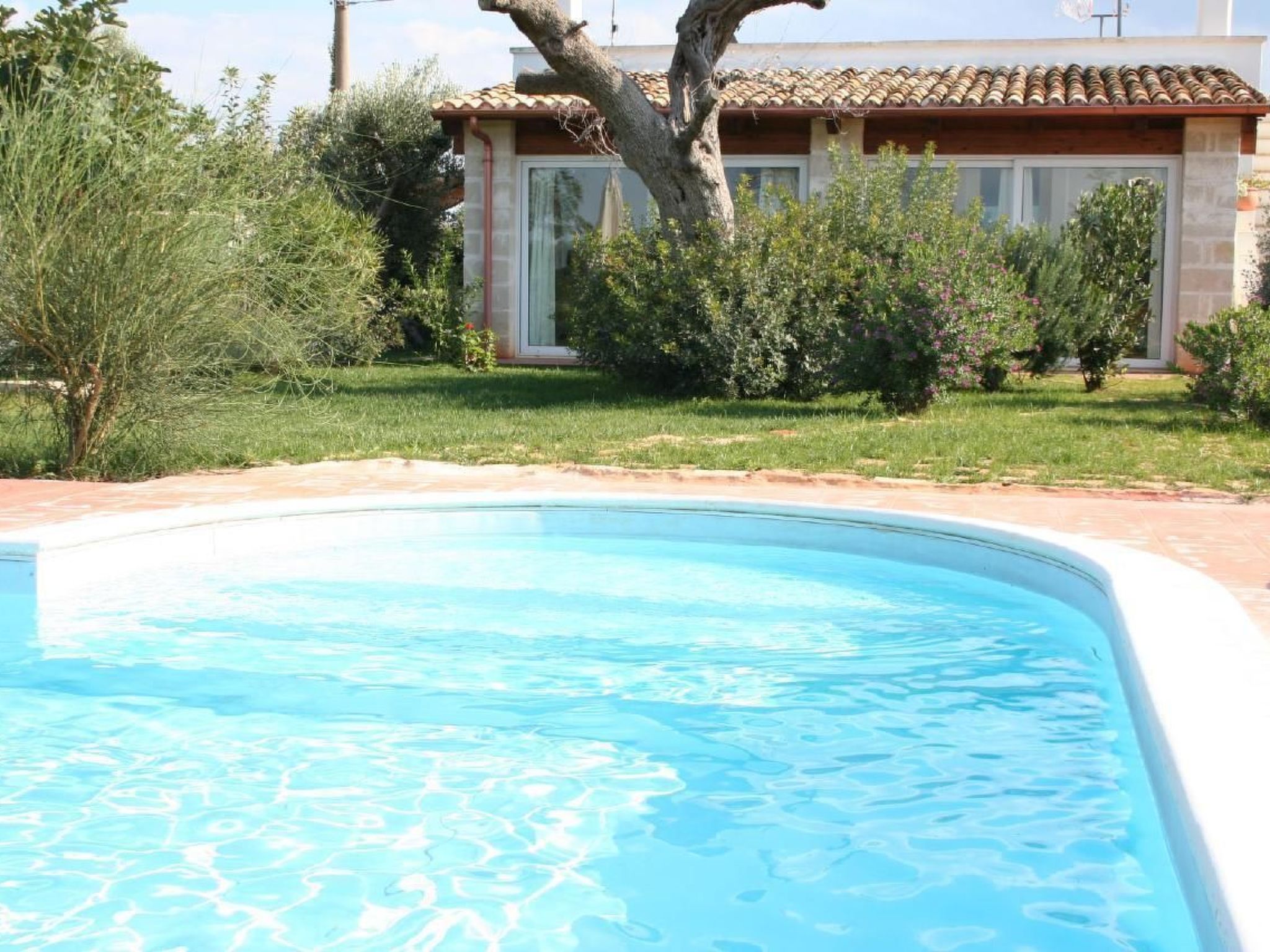
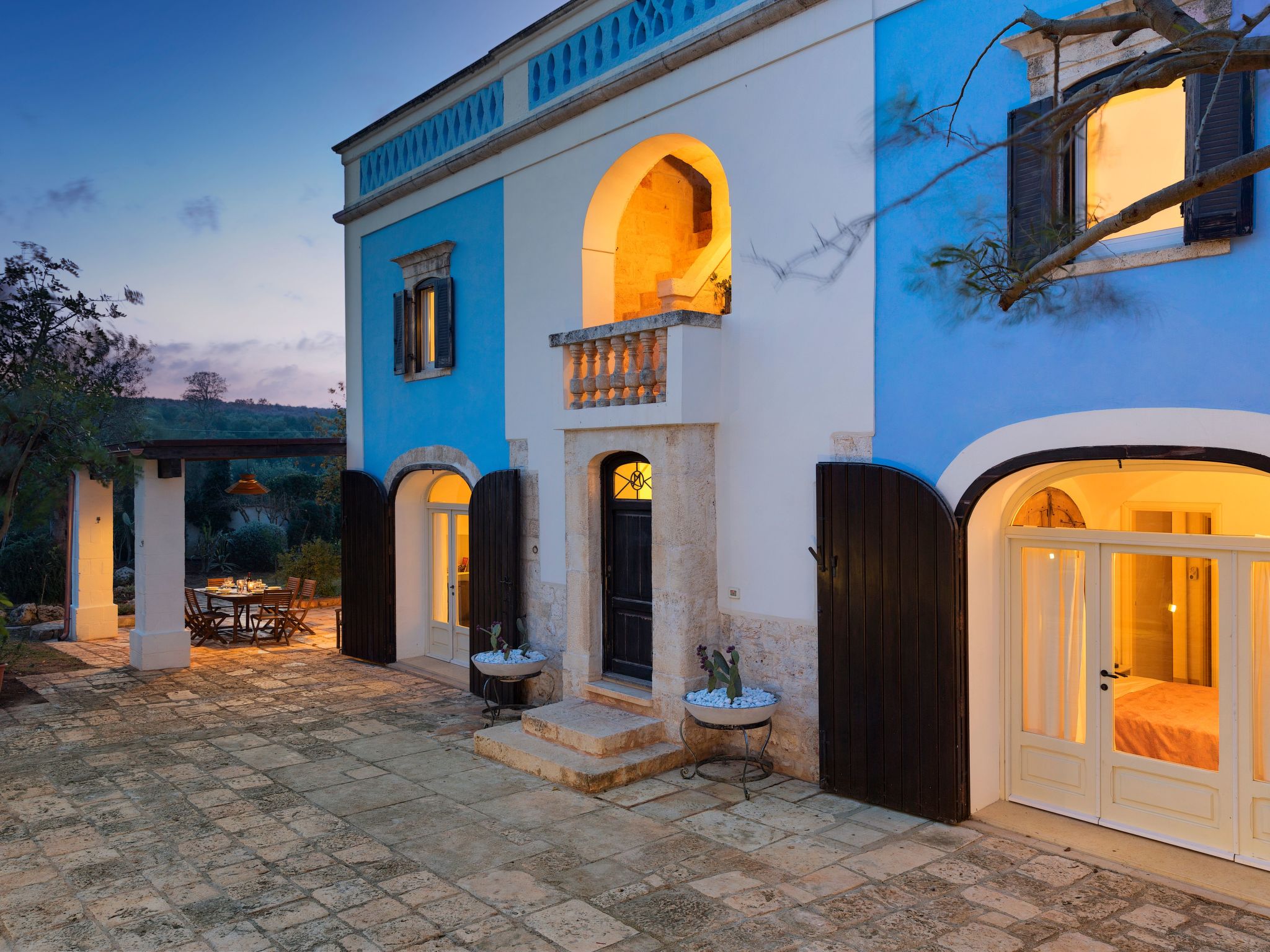
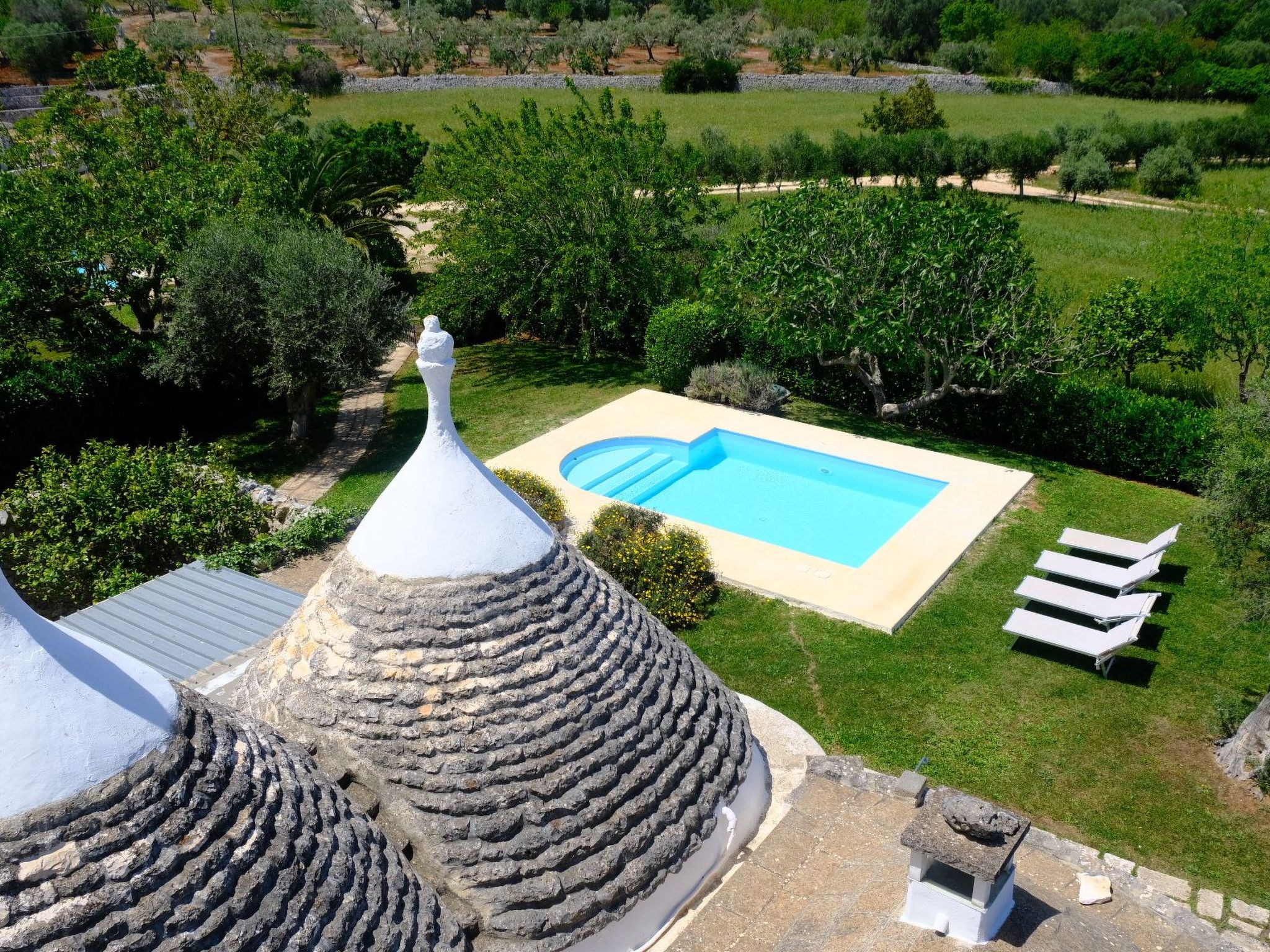
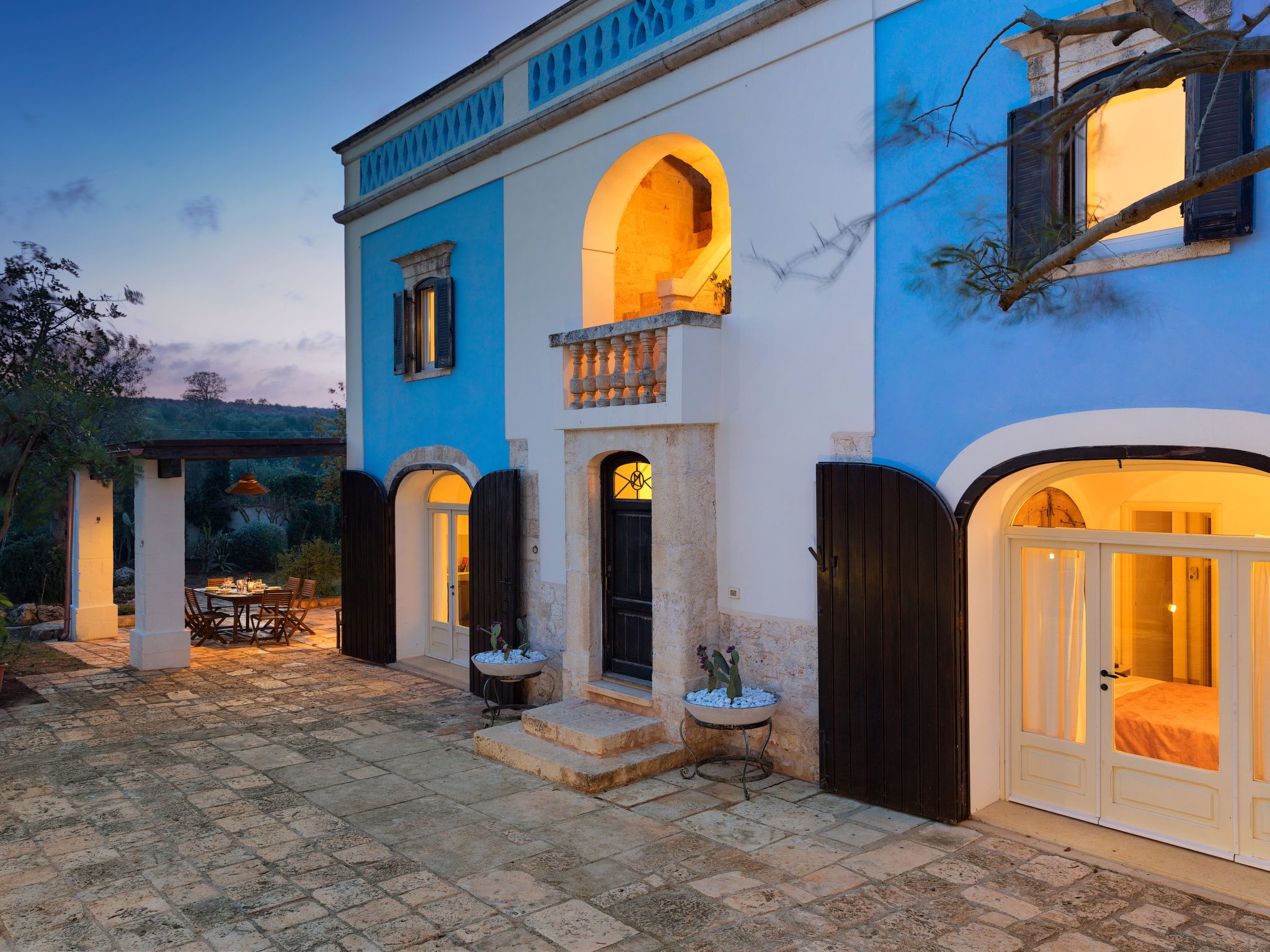
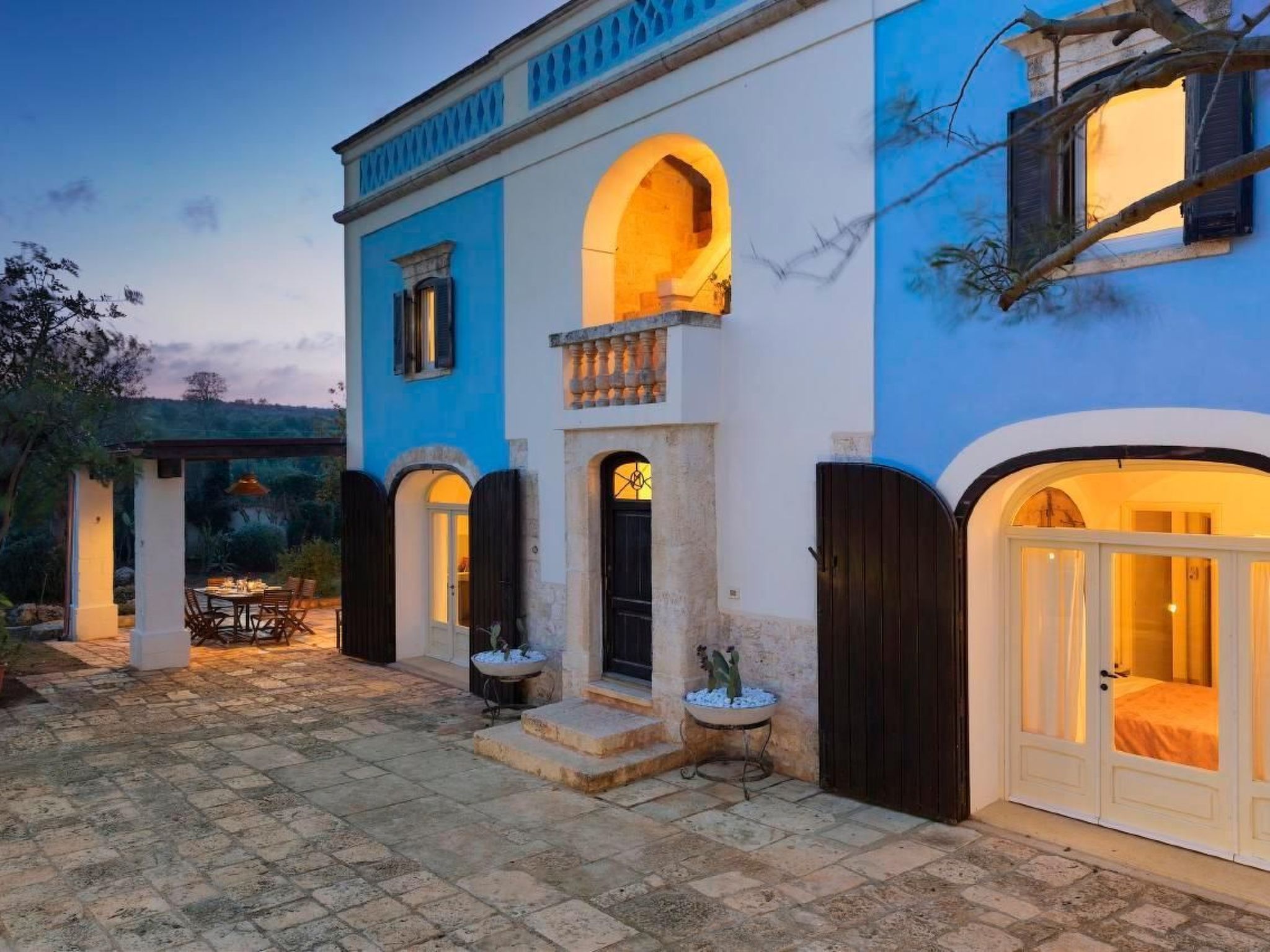
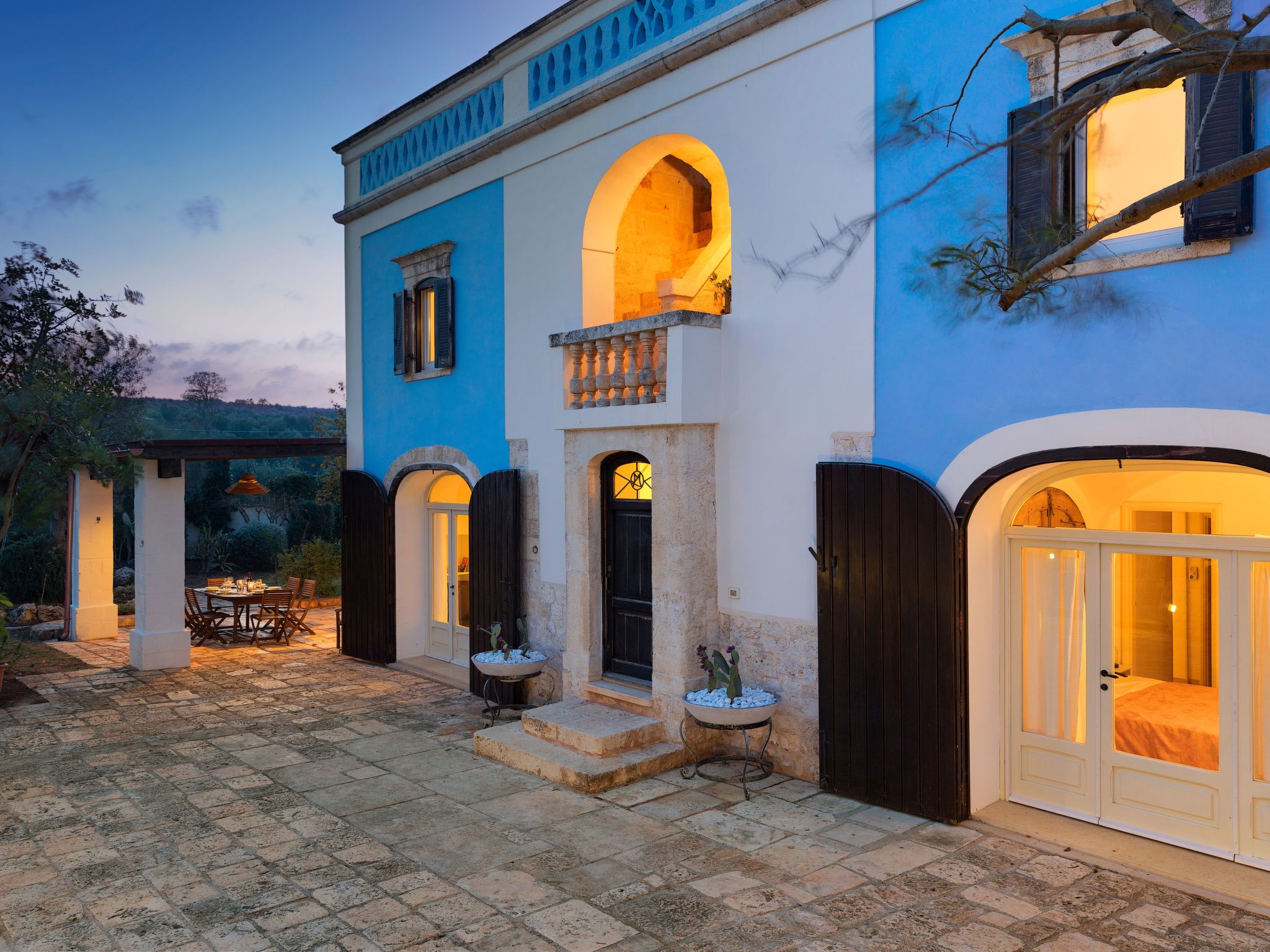
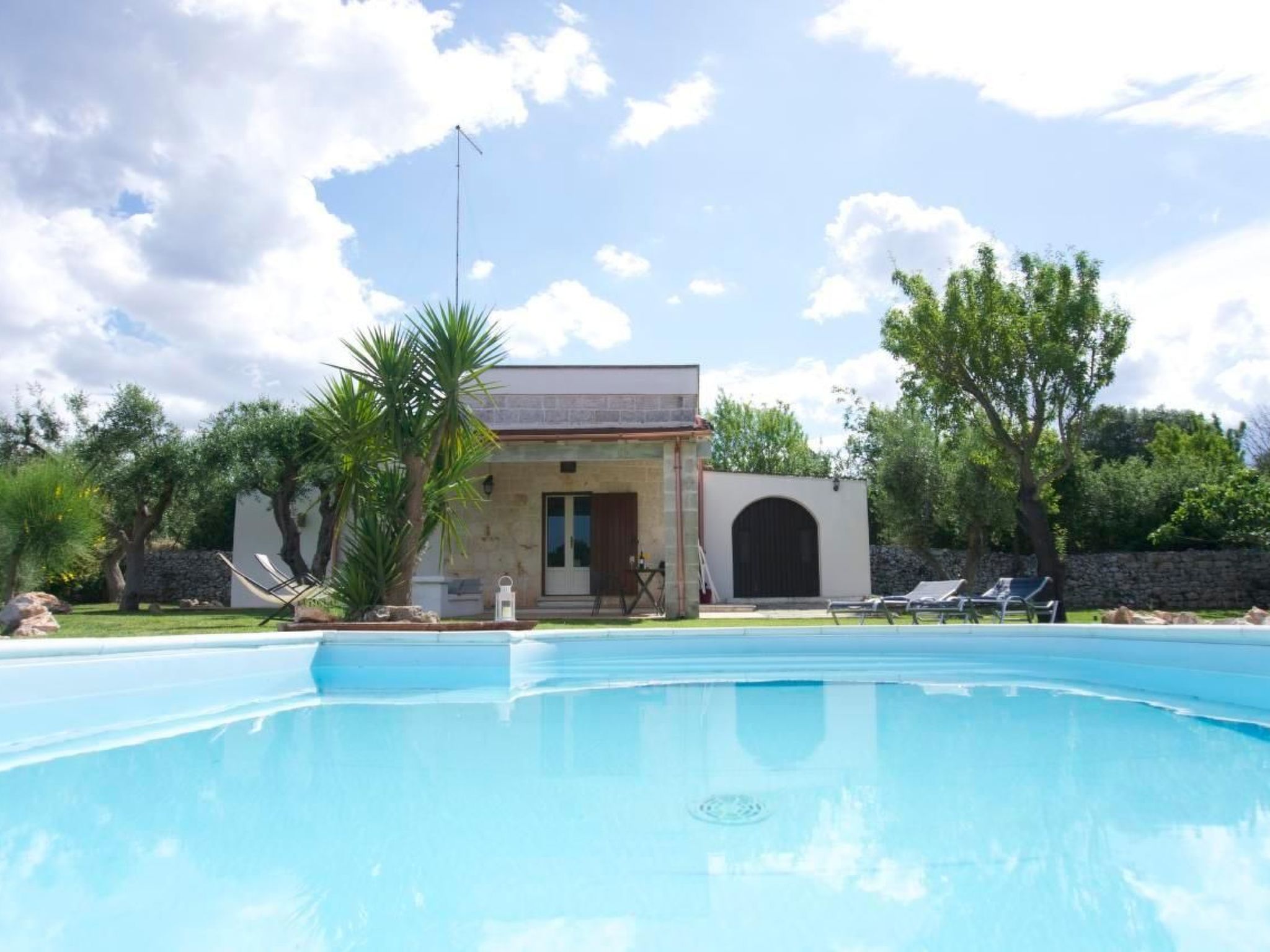
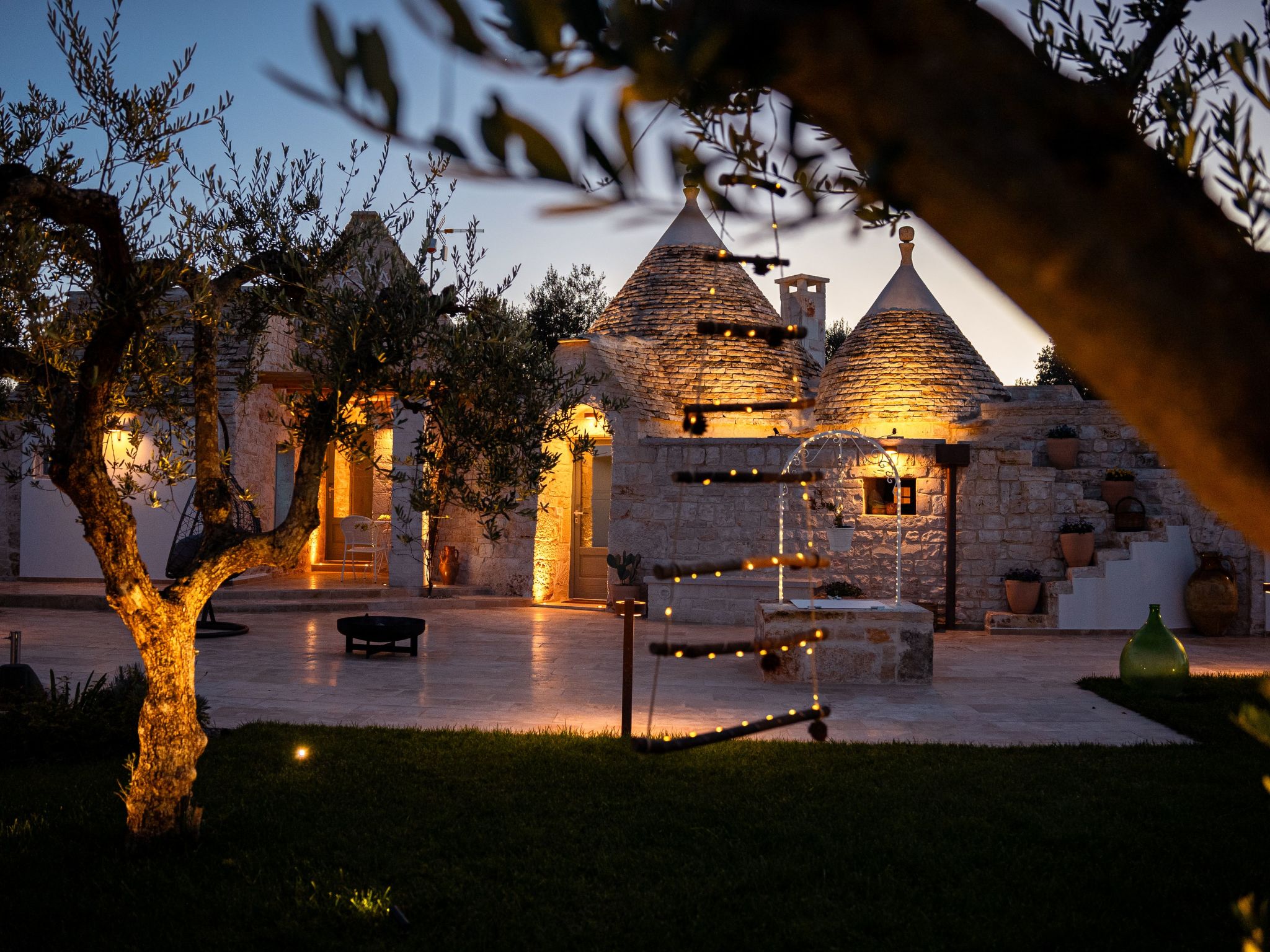
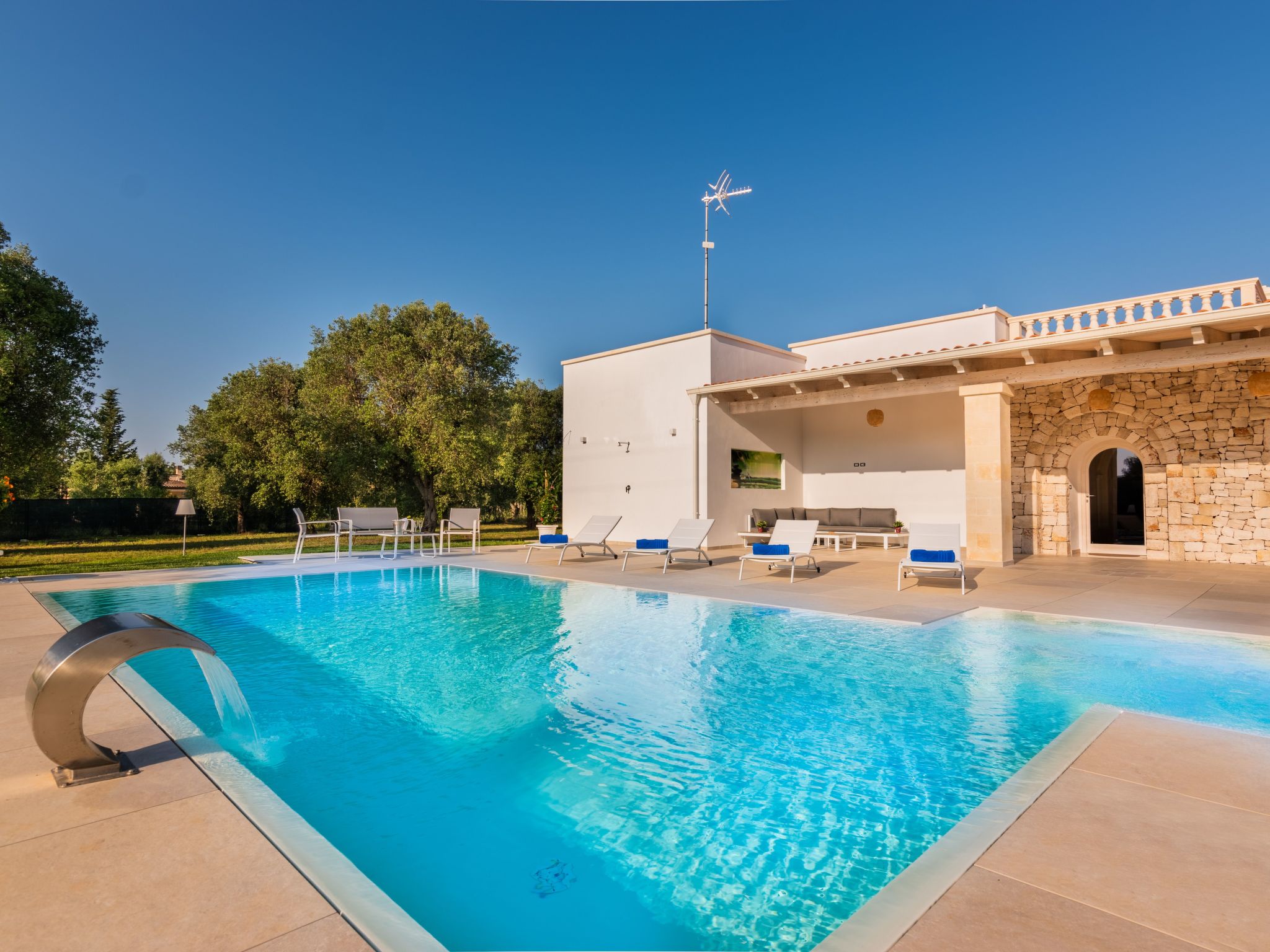
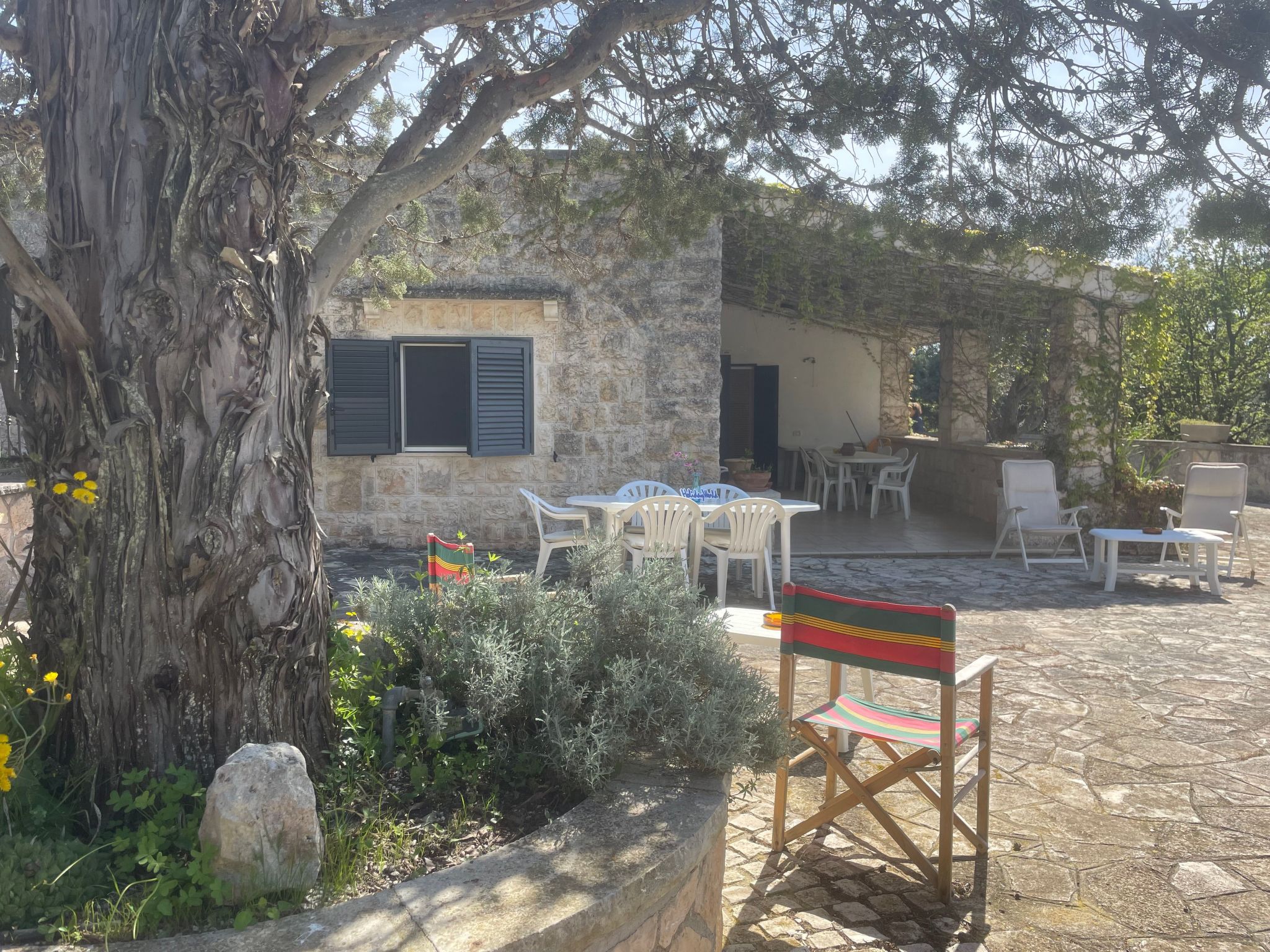
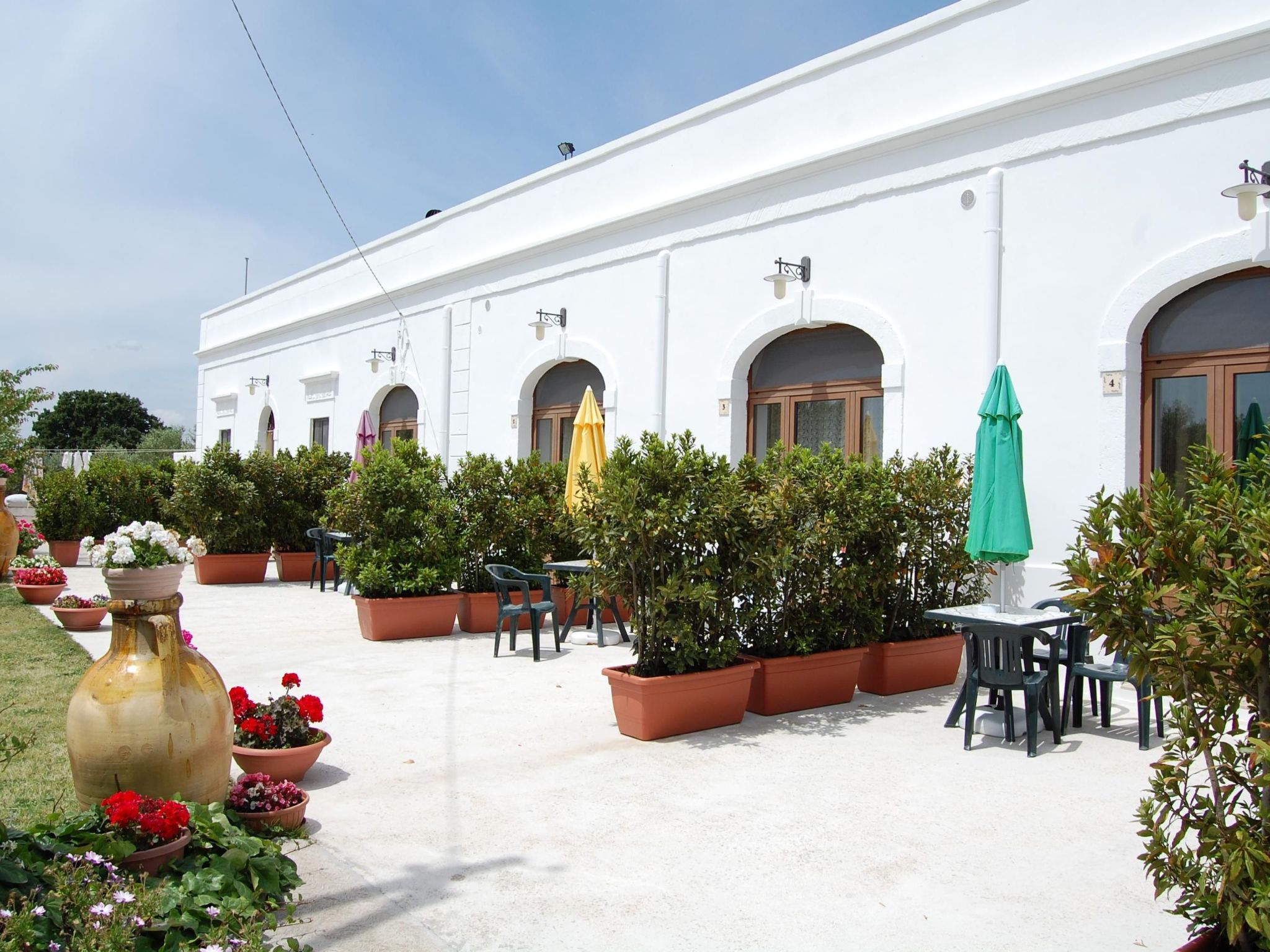
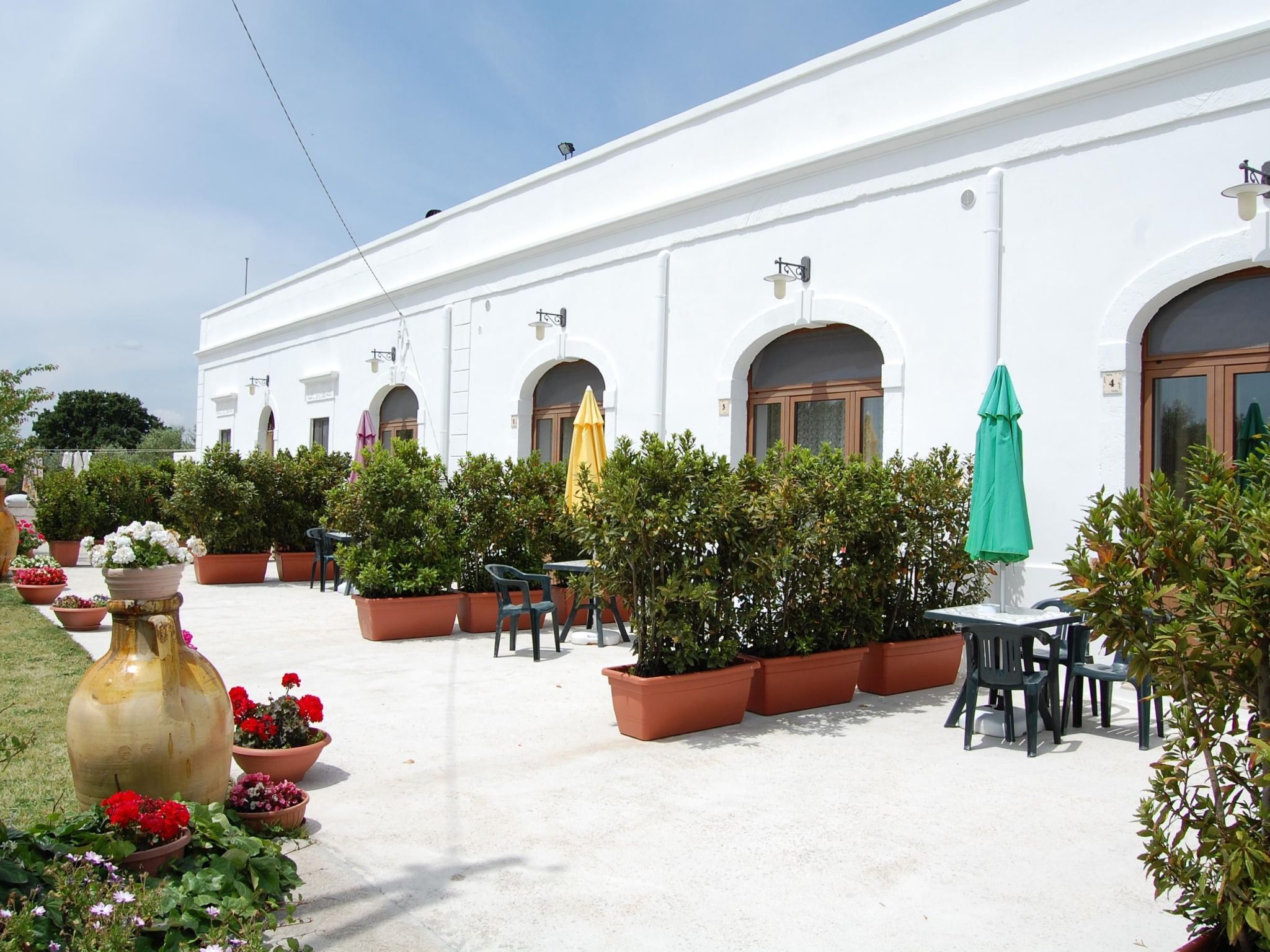
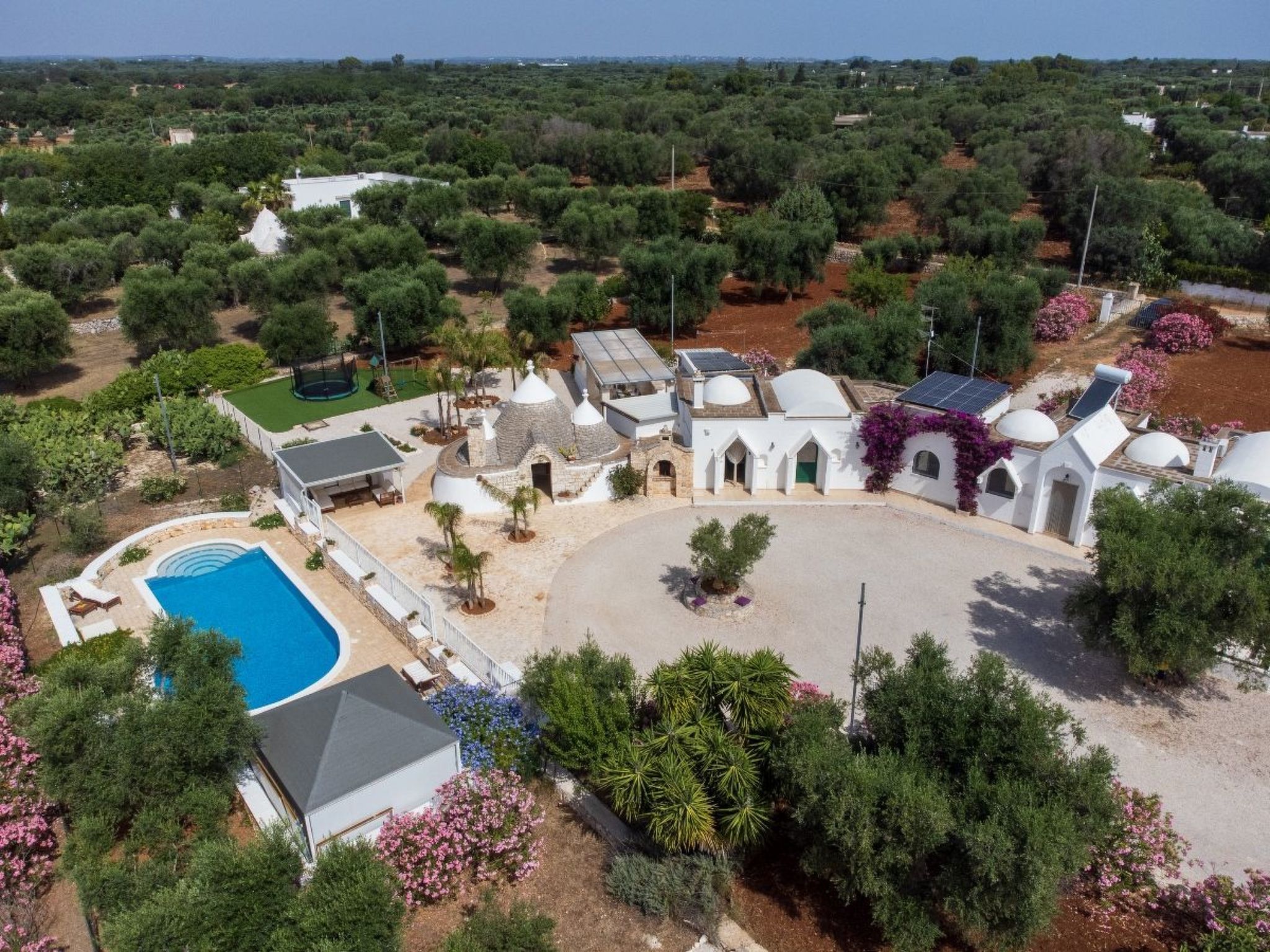
Trulli is one region where the landscape itself is the draw. These are the cone-roofed stone houses, ancient and peculiar to the Itria Valley in Puglia, and staying in one (a converted trullo villa) remains a uniquely Italian experience. Alberobello is the famous UNESCO town where trulli pack the hillside cheek-by-jowl; it's touristy in the centre but worth seeing. Around it spread smaller, quieter towns: Locorotondo, Cisternino, Martina Franca. The food is exceptional. Burrata originates here, as does Primitivo wine. Summers are scorching; the best visits happen in shoulder seasons when heat breaks and crowds thin. This is southern Puglia at its most atmospheric and strangest.
What Makes Trulli Special
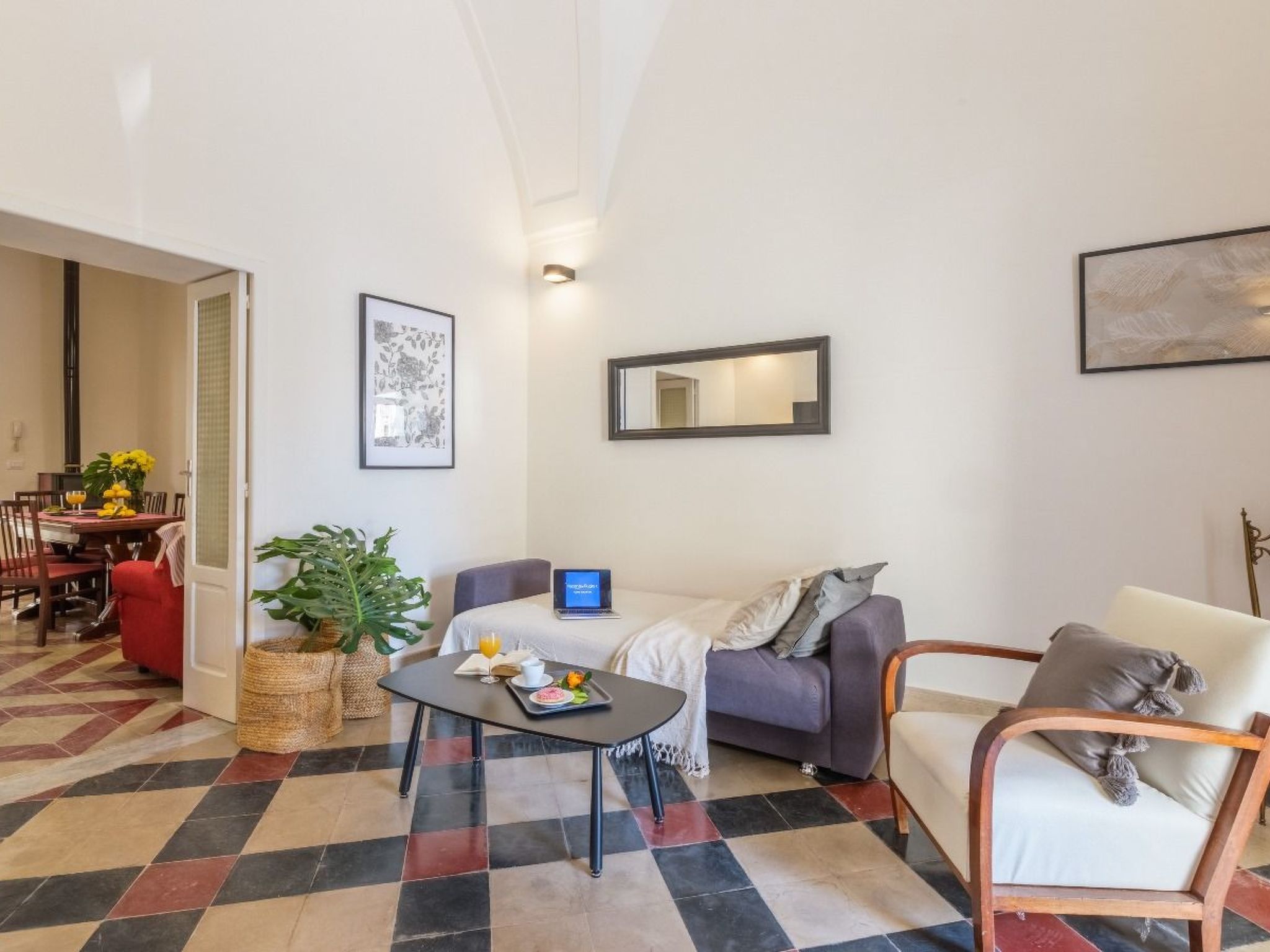
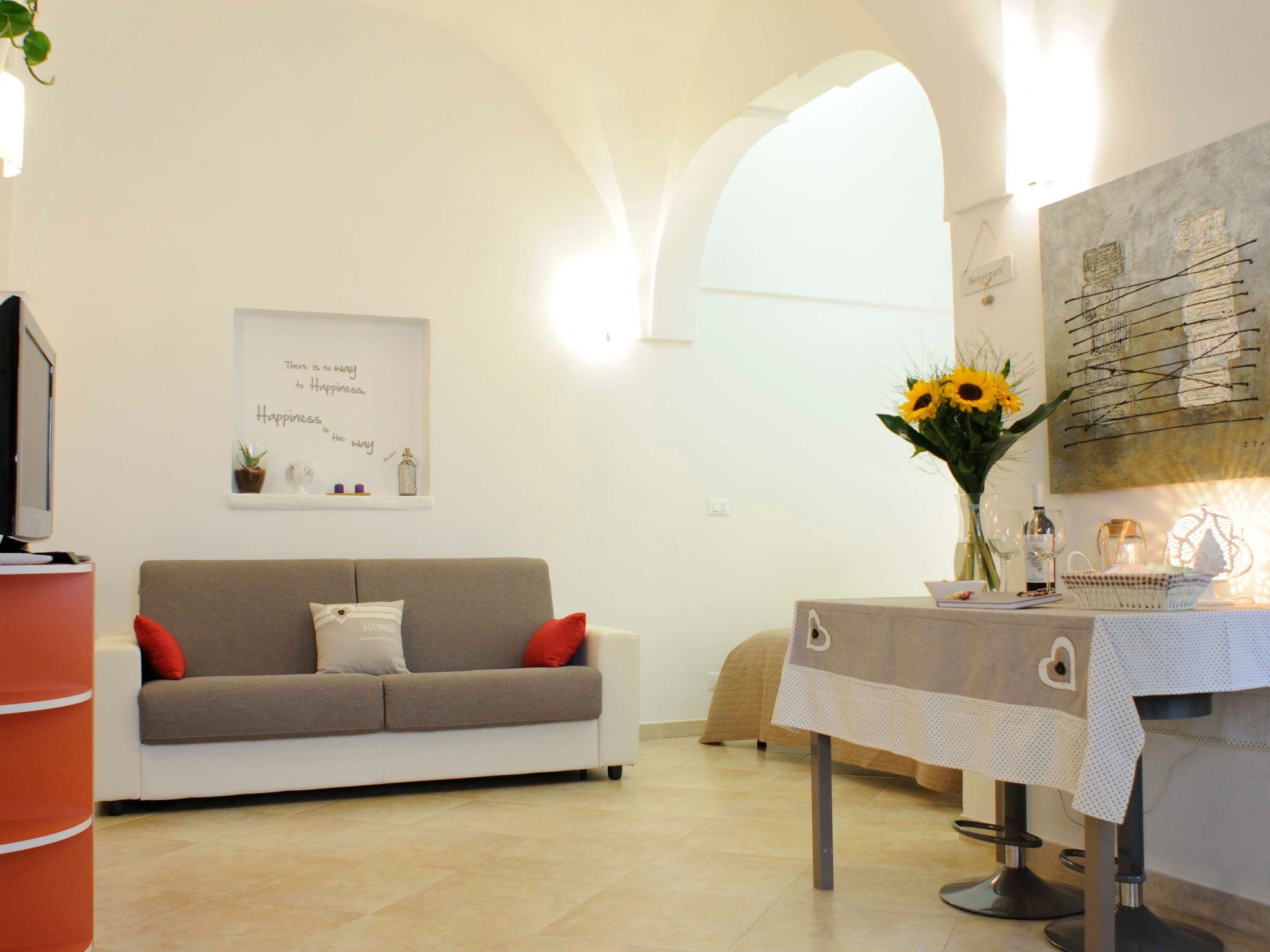
- You can stay inside a trullo. These cone-roofed houses date back centuries and sleeping in one is closer to living history than hotel tourism.
- Alberobello is genuinely odd. White-washed stone villages stacked on a hillside look more Cappadocia than Italy, yet it's real and working.
- Food here is distinct: burrata cheese, orecchiette pasta with turnip greens, wine from nearby Primitivo vineyards. Markets smell right.
- The surrounding countryside is rural and quiet. Leave the town centres and you find dry-stone walls, olive groves, and villages where tourism hasn't arrived.
Top Towns & Resorts in Trulli
Alberobello
The famous one. UNESCO-listed, mobbed in peak season with tour coaches, but it's famous for a reason: the Old Town (Rione Monti) is a genuine climb of white trulli against a hillside. Walk the narrow lanes early morning or late afternoon to avoid the midday crush. The Rione dei Trulli (residential neighbourhood) is quieter and gives a truer sense of local life. Restaurants cluster in the touristy zone, prices reflect this. The town's appeal is real, but come expecting crowds between May and September, and visit restaurants away from the main piazza if you want fair prices and non-tourist food.
Locorotondo
A step quieter than Alberobello, and architecturally just as lovely. The old town sits on a hilltop in a perfect circle: loco rotundo means "in a round place." Spiral streets and white-washed facades give it distinctive character. Fewer day-trippers arrive here, so restaurants feel less machine-like. Wine bars and family osterias dominate. The surrounding countryside is rolling, dry vineyards and stone walls. If Alberobello feels overrun, Locorotondo gives you trulli without the theatre, though it's still not unknown to visitors.
Cisternino
Even quieter than Locorotondo. A workmanlike village with whitewashed streets, a proper piazza, and restaurants that serve locals first. The trulli here are fewer and working buildings, not museum pieces. Cisternino lacks the hilltop drama of its neighbours but feels more authentic because of it. Burrata is sold here (it's the origin point), and street markets reflect what locals actually eat. It's not "pretty" by postcard standards but rewards a slower visit. Summer heat can be punishing; spring and autumn are vastly more comfortable.
Martina Franca
The largest town in the region, where Baroque architecture mingles with trulli. It's a working town with real commerce: a proper market square, bars where locals actually drink. This makes it feel less preserved than Alberobello. In summer it hosts a baroque music festival, which brings crowds but also energy. The surrounding Primitivo vineyards are accessible from here. Martina Franca is less cutesy and more real than the hilltop villages, which is either a plus or a minus depending on whether you came for rural quiet or atmosphere.