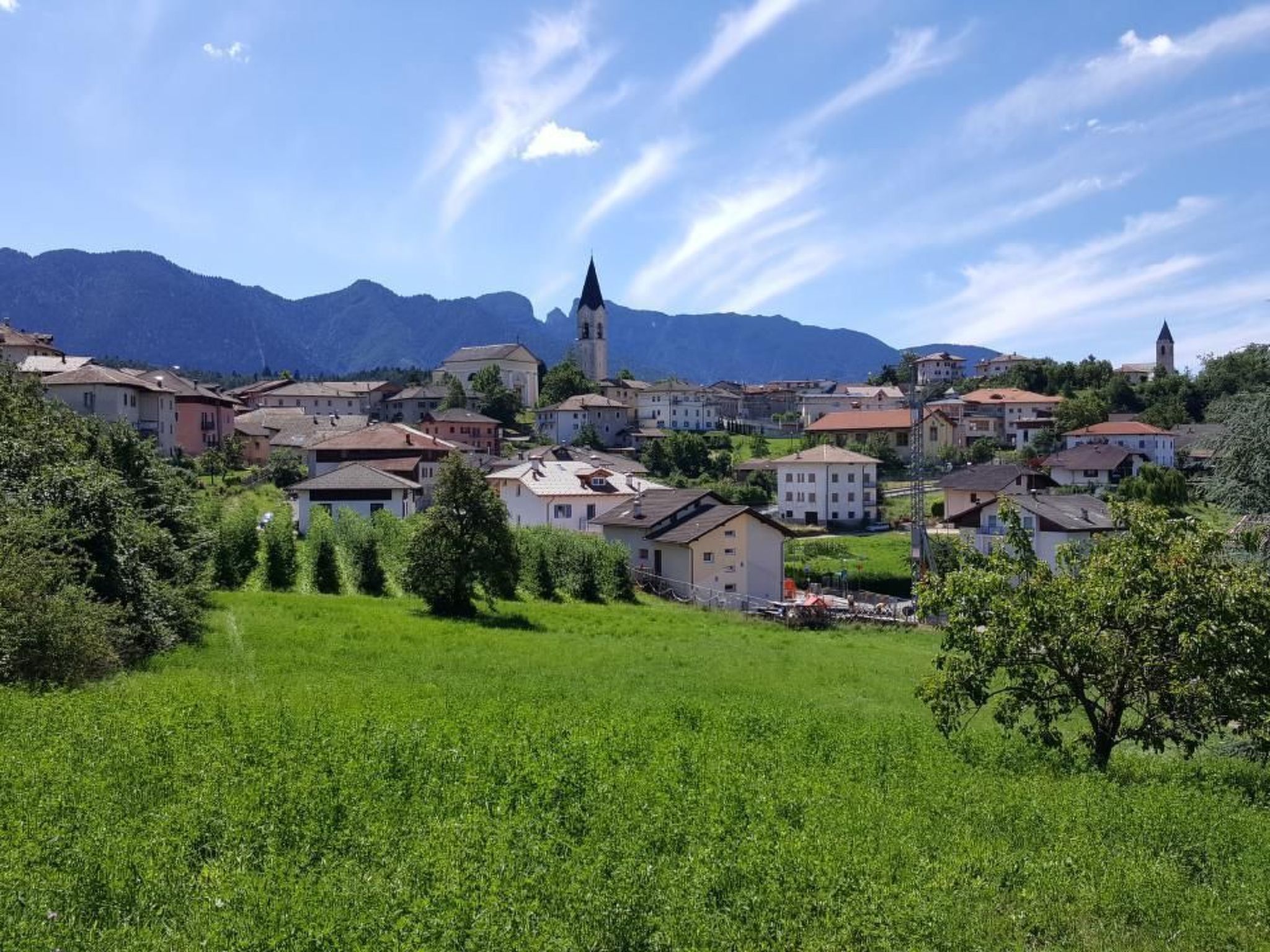
Trentino sits in Italy's northeast, and it genuinely doesn't feel Italian in the conventional sense. The Alps dominate. The food carries Austrian echoes. The summer hiking is world-class. The winter skiing draws serious skiers, not day-trippers. This is where Italy becomes Austrian, and that fusion is precisely the point. Summer means mountain huts, cable cars accessing 2,000-metre ridges, and hiking that measures in hours rather than leisurely strolls. Winter brings snowy slopes and that specific Alpine quietness. The lakes (Caldonazzo, Levico) offer swimming and water sports. Trento city, the regional capital, has genuine character. Come expecting mountains, not postcard villages. Come expecting hiking boots, not sandals.
What Makes Trentino Special
- The Dolomites aren't technically "Trentino," but their western slopes fall within the region and access routes run through Trento. These mountains are genuinely dramatic and UNESCO-listed for good reason.
- Summer hiking infrastructure is exceptional. Mountain huts dot the landscape at regular intervals, eliminating the need for heroic day marches. Walking a two-hour route brings you to a cafe serving coffee and apple strudel.
- Austrian influence permeates everything: architecture, food (fresh pasta with mushrooms, schnitzel, apple cake), beer culture, and a general sense of order and efficiency that feels distinct from southern Italy.
- The region doesn't push itself as aggressively as southern Italy. Tourism is developed but feels less packaged. Fewer Instagram selfies, more genuine hiking boots.
- Cycling infrastructure is exceptional. Dedicated bike paths and cable cars that transport bikes mean multiple days cycling is genuinely feasible.
Top Towns & Resorts in Trentino
Trento
The regional capital sits on the Adige River and has a long history as a medieval prince-bishopric. The duomo is extraordinary without being overwhelming. The castello (castle) sits above the city with views extending toward the surrounding mountains. Restaurants here are good and often cheaper than you'd expect in an Alpine region. The food is legitimately good: pasta with mushrooms, fresh trout, wines from nearby valleys. The city has character that extends beyond tourism. You'll find bars where locals actually drink, shops serving residents rather than visitors. Summer nights in the piazza are lively without feeling constructed. Very different from the southern Italian town experience.
Val di Non and the Apple Orchards
West of Trento, this valley produces roughly 80 percent of Italy's apples. The landscape is orderly (perhaps overly so if you prefer wild nature) with carefully aligned fruit trees. Cycling here is exceptional. Villages sit at regular intervals, many with small restaurants and accommodation. It's less dramatic than high mountain settings but offers accessibility and gentler exercise. The valley has a peculiar charm if you're seeking agricultural tourism and don't require rocks and altitude. August can feel slightly dull (harvest season crowds, industrial feeling). Spring brings apple blossoms and genuinely pleasant weather.
Lake Caldonazzo and Lake Levico
Two glacial lakes southeast of Trento offer swimming, water sports, and genuinely warm summer water (up to 24°C by August). The towns surrounding these lakes are modest and oriented toward family holidays. Caldonazzo's south shore has multiple beaches and water-sports rentals. Levico is slightly smaller and quieter. Neither lake has the social scene of Alpine ski resorts. Swimming is the main activity, plus restaurants and summer cycling. A reasonable choice for families or for anyone wanting water access without committing to sea-based holidays. Winter sees both lakes freeze and tourism drops dramatically.
Search villas near Lake Caldonazzo →
Madonna di Campiglio and Mountain Villages
set in the central Alps, Madonna di Campiglio is Trentino's main winter ski resort and summer hiking base. The village sits at 1,550 metres with cable cars accessing higher slopes. Summer hiking from here is exceptional. Winter brings serious skiers and families. Off-season (late April through May, and September through November) the place can feel genuinely quiet. Accommodation is abundant and professional. Food is solidly Austrian-influenced. The Alps surround everything, making the sense of scale and isolation real. This works if you want serious hiking or serious skiing. It's less appealing if you want an unprompted social experience or nightlife.
Search villas in Madonna di Campiglio →
Riva del Garda
Southeast on Lake Garda (technically in Trentino), Riva offers the largest lake in Italy with water sports, sailing, and windsurfing in abundance. The town itself has developed into a resort proper, with restaurants, shops, and nightlife that rival southern beach towns in scale. Beaches here are pebbly. Water is cool even in summer (21-22°C). The surrounding mountains create dramatic backdrops. This is Trentino's closest approximation to a traditional Italian resort, though with an Alpine overlay. It's more developed and touristy than other region options, but it offers accessibility and infrastructure. Good if you want lake swimming without total isolation.