Medieval Drama and Wine Country in Central Tuscany
Siena delivers what many come to Tuscany to find, but with sharper edges than the more polished regions. The Piazza del Campo is genuinely striking: a vast, sloping shell-shaped plaza ringed by cream and red buildings where thousands pack in twice yearly to watch the Palio, a horse race run with an intensity that would be comical if the riders weren't so absolutely serious about winning. Beyond the plaza, the medieval alleys twist with purpose rather than for Instagram angles. The surrounding countryside, particularly the Crete Senesi badlands to the south with their naked clay hills and distinctive light, feels genuinely remote in places. Wine matters here too. Montalcino and Montepulciano produce serious bottles (Brunello and Vino Nobile respectively) that actually justify their price tags. Food is abundant and unhowy. Real Siena stays busy year-round, but summers bring crowds that test your patience, making shoulder seasons genuinely better for exploration.
What Makes Siena and Surroundings Special
- The Palio belongs to the city, not the tourists. If you're here for the July or August race, you're witnessing something that matters deeply to Sienese identity, not a show staged for visitors. The drum practices beforehand and the genuine rivalry between city districts are palpable.
- Crete Senesi is landscape you won't see elsewhere. These clay badlands around Asciano shift color through the seasons. The light is particular and constantly changing. Driving through feels genuinely unusual, more like driving through Mars than postcard Tuscany.
- The wine estates are working farms, not tourist operations. Brunello producers in Montalcino take their bottles seriously, and many allow tasting room visits without advance booking. The difference between visiting a genuine producer and a marketed "wine experience" is real.
- Food here skips presentation in favor of execution. Pici pasta, wild boar, pecorino cheese from Pienza: these aren't beautiful to photograph but they're what the region actually eats. Restaurants feed locals as much as guests.
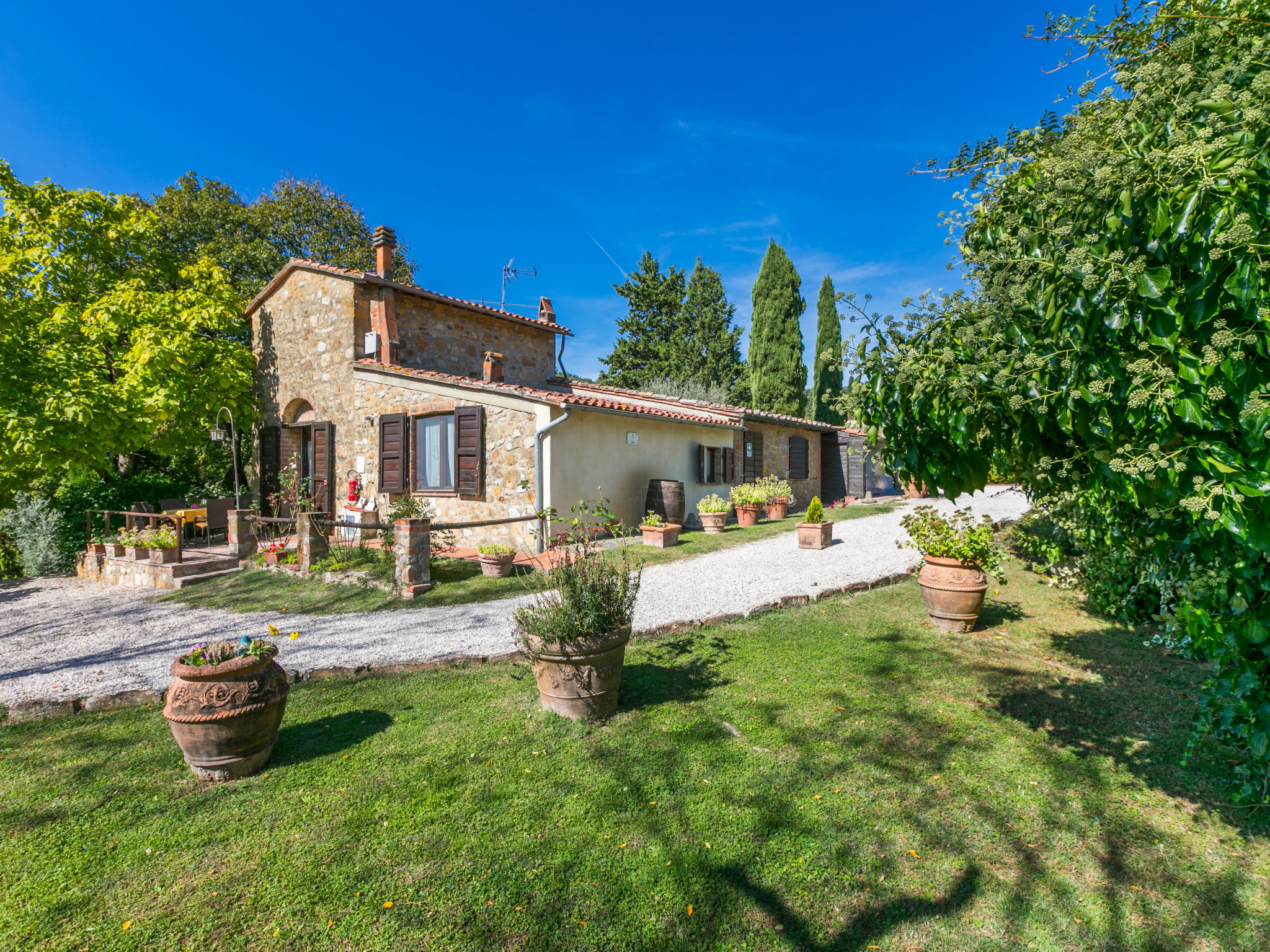
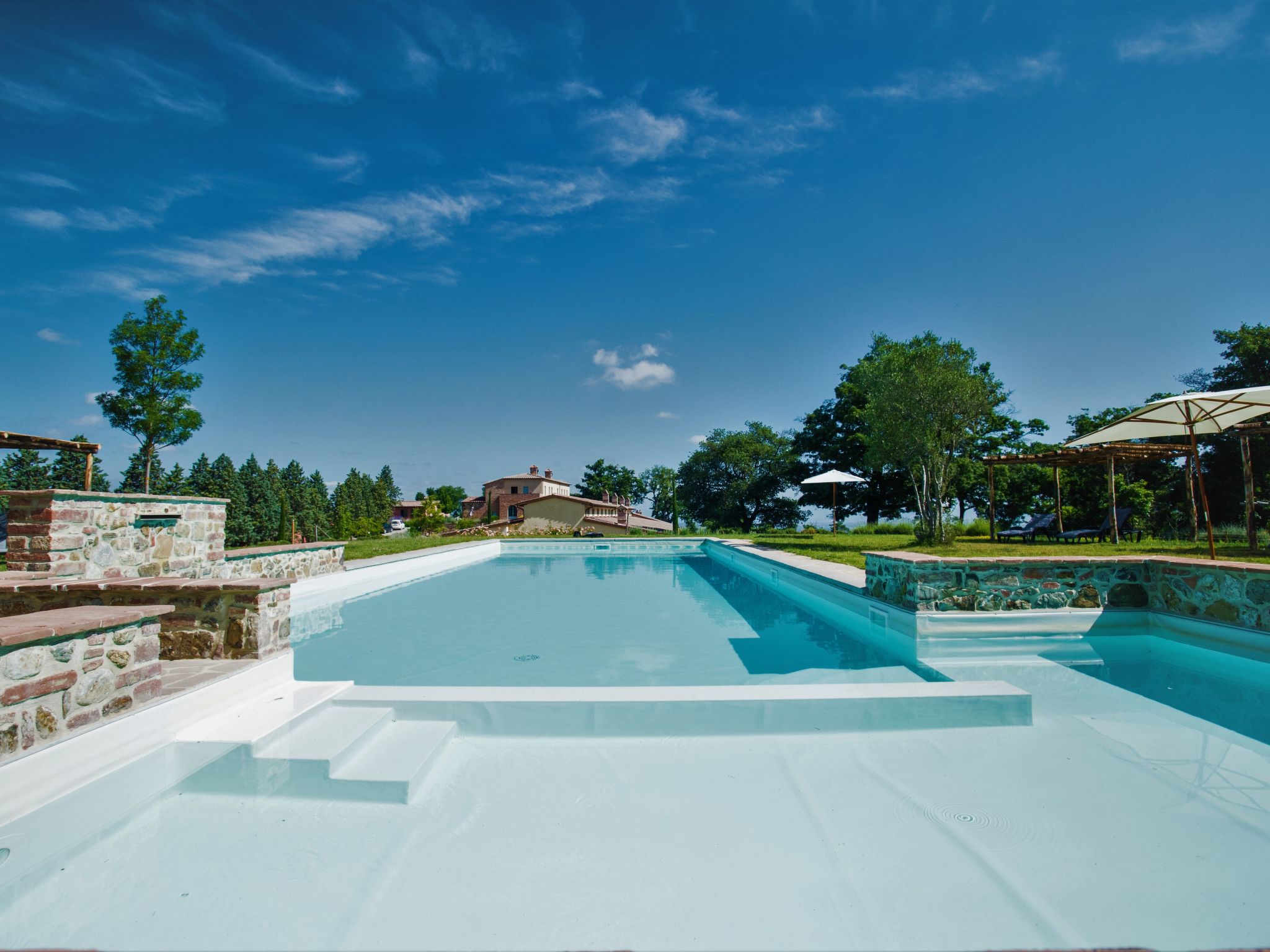
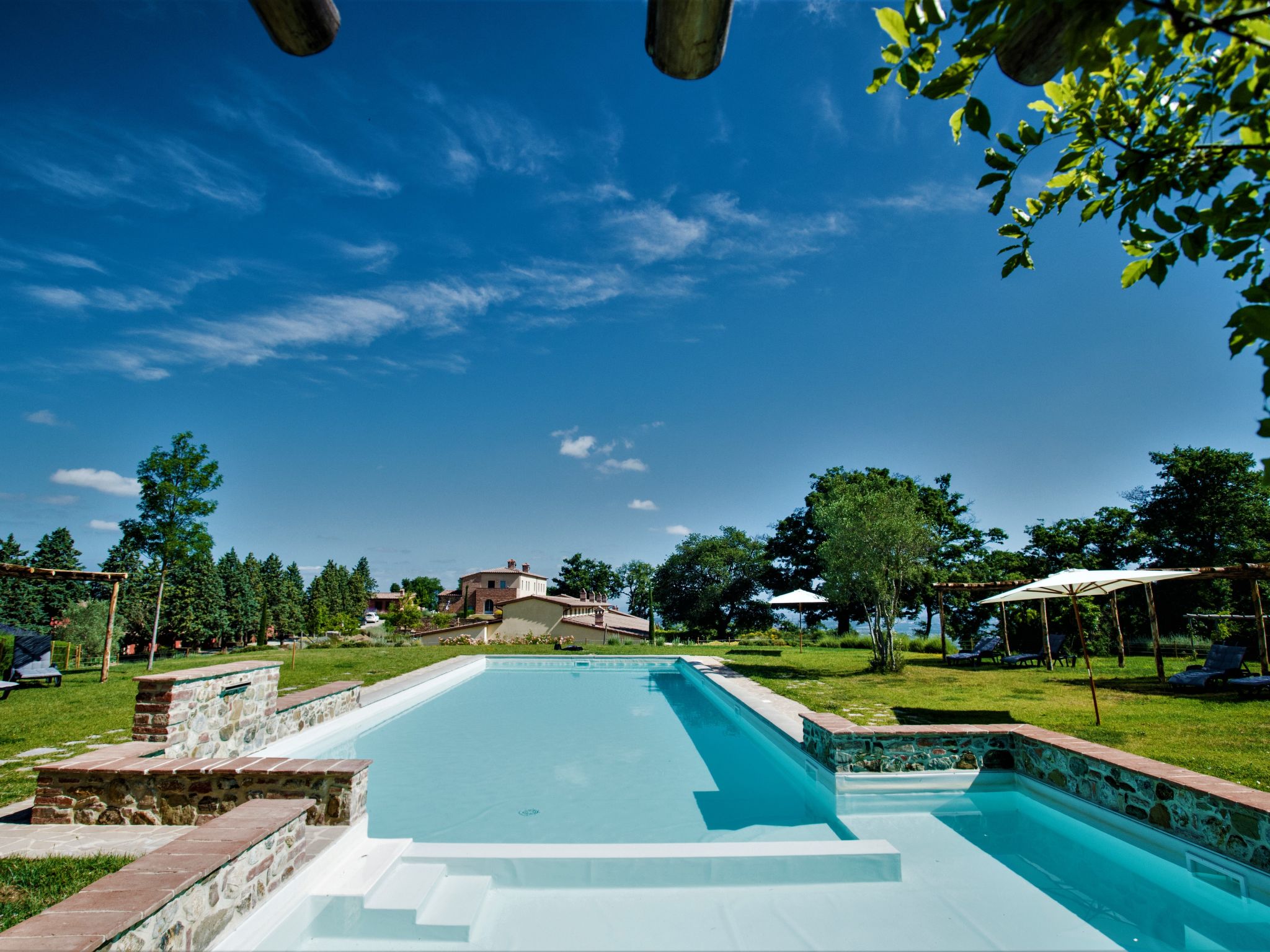
- Val d'Orcia is genuinely worth the hype (and cost). The UNESCO landscape between Montepulciano and Pienza (rolling hills with cypress trees, stone farmhouses, almost no visible modern development) justifies the premium prices for accommodation. Just accept that July-August will be crowded.
Top Towns & Resorts in Siena and Surroundings
Siena
Siena's medieval center is genuinely intact, and the Piazza del Campo is one of the few Italian piazzas that justifies the attention. The Duomo is ornate (striped marble, intricate inlays) and worth two hours. The Palazzo Pubblico tower offers views across the Crete Senesi. Most visitors experience Siena as a day trip, which is efficient but misses the rhythm of the city after tourist hours end. If you're based here for a week, you'll catch evening passeggiata (locals strolling), find restaurants where Sienese actually eat, and understand the city beyond the grid. The main caveat: medieval steep streets make this a tiring walk if you have mobility concerns, and summer heat concentrates in the plaza. Parking outside the historic center is necessary. August here is aggressively touristed and genuinely hot (30°C+). Visit May, June, or September if you can.
Montalcino & Brunello Wine Region
Montalcino sits high on a hilltop with unobstructed views across the southern countryside. The town itself is compact and manageable, with a fortress at the top that offers reasonable views. The real reason to base yourself here is proximity to Brunello producers. These estates (Baricci, Casanova di Neri, Caparzo) welcome visitors and produce wine that's genuinely interesting. Many have tasting rooms open to walk-ups mid-week; summer requires booking. The town attracts fewer day-trippers than Montepulciano, so restaurants serve food rather than theater. Food specifically includes wild boar pasta and local pecorino. The surrounding countryside is working agricultural land rather than Instagram-optimized landscape, which is refreshing. Fair warning: Montalcino can feel quiet outside summer season. Some restaurants and shops close entirely October through March, and the town loses foot traffic. If you visit shoulder season and want afternoon dining options, check ahead.
Montepulciano & Vino Nobile
Montepulciano sprawls down a long ridge overlooking the Val di Chiana. The main piazza at the top is genuinely handsome, ringed by Renaissance buildings and with a Duomo that contains significant Renaissance art. From the piazza, the town steps down steeply in layers, which creates a dramatic setting but also means every visit involves real climbing. The wine estates here (Vino Nobile producers like Contucci and Poliziano) are larger operations, more polished than their Montalcino counterparts, and require advance booking for tastings. The trade-off: they have better visitor infrastructure and longer opening hours. August is genuinely crowded, with tourists backing up the narrow streets and parking nearly impossible. June and September are dramatically better. Food culture is strong (pici all'aglione and local meats are genuinely good), but restaurant quality varies sharply between tourist traps and places that feed locals. Do your research before booking dinner.
Val d'Orcia & Pienza
The Val d'Orcia is the landscape from the guidebook photographs: rolling hills with minimal visible development, cypress trees on ridgelines, Renaissance villa estates scattered across the countryside. Pienza is the main town, designed in the 15th century as an ideal city by Pope Pius II. It's compact, handsome, and entirely focused on selling pecorino cheese to visitors. Spend an hour here, eat lunch, and move on. The real value is driving or walking through the countryside: the backroads between Pienza and Montepulciano, the drive toward Radicofani, the smaller villages like San Quirico d'Orcia. Accommodation here is expensive, and restaurants on the main tourist drag charge accordingly. Seek out local places away from the center. The main issue is popularity: this region has become genuinely crowded in summer, and prices have risen accordingly. It's still worth visiting, but understand you're paying premium rates for premium crowds. Early morning walks (5-7am) in the landscape offer solitude that disappears by midday.
Crete Senesi Badlands & Asciano
The Crete Senesi (the clay badlands south of Siena toward Asciano) are unlike any other Tuscan landscape. The hills are bare, rounded, chalky, and shift color constantly with light and season. Winter and spring turn them green. Summer bakes them to tan. Autumn tints them amber. There are few towns, minimal tourism infrastructure, and genuine emptiness. Asciano itself is small and ordinary, with a couple of decent restaurants and a museum of Sienese art. The draw is landscape and silence. This area is worth basing yourself in if you prefer solitude to attractions, and want to walk or photograph extraordinary hills rather than visit museums. Roads are well-maintained but often follow ridge lines, so plan for winding drives. Summer heat here is intense; winter rain is frequent. The trade-off for fewer crowds and lower prices is isolation. You'll be driving 30-45 minutes for a decent restaurant dinner, and attractions are distributed rather than clustered.