Villas in Stintino
Stintino is a small former fishing village on the north-west tip of Sardinia, and the base for La Pelosa beach and boat trips to Asinara. Homes are mostly small, sleeping two to six, so large groups have little choice. It is a summer resort and very quiet in winter.
- Villas
- 12
- From, per week
- £636
About Stintino
Stintino was founded in 1885 by 45 families, and its main square, Piazza dei 45, is named after them. It sits on a narrow peninsula: the west side has high cliffs and small coves, while the sheltered east side is low, with white pebble shorelines such as Le Saline. La Pelosa, the best-known beach, has fine white sand and water that stays ankle-deep for tens of metres, beside an Aragonese tower dated 1578. Three tourist ports serve the village. Most homes here have a garden and air conditioning; only a minority have a private pool.
Is Stintino right for you?
- Best for
- Beach days at La Pelosa and boat trips to Asinara
- Not for you if
- You want lively evenings or a year-round town, because the village drops to about 1,600 residents in winter.
Near Stintino
Asinara National Park
Boats leave from Porto Nuovo at Stintino. The island has marked trails, and the Asinara donkey is its symbol.
Capo Falcone
A wild promontory above La Pelosa with a Spanish tower, where peregrine and Eleonora's falcons fly overhead.
Capo Caccia
A promontory near Alghero with the Grotta di Nettuno, known for its stalactites, stalagmites and an underground salt lake.
Getting to Stintino
Fly to Alghero airport, about 40 minutes from Stintino by car. You will want a car for the beaches and the coast. A bus also runs from the airport to Stintino a few times a day.
When to go to Stintino
Summer fills the village: tens of thousands of visitors arrive against about 1,600 residents in winter. La Pelosa stays calm even when the north-westerly mistral blows hard, because a natural barrier shelters the water. In winter the village is very quiet, so check opening times before an off-season visit.
Villas in Stintino

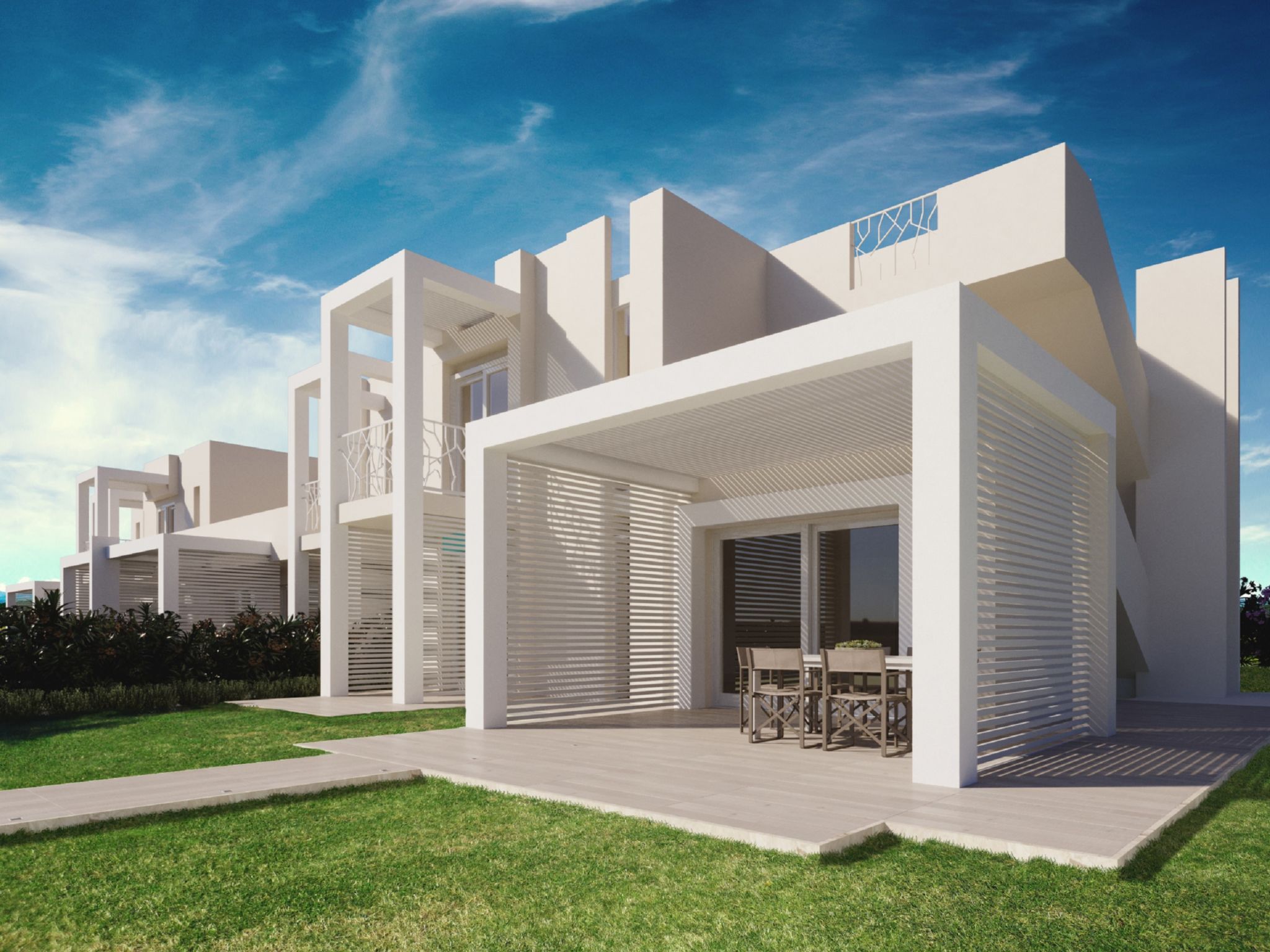
Appartamento Bilo Janna
Stintino, Sardinia, Italy
4
1
0
BBQParkingGarden+4 more
from£91
per night
3-star property
3-star property

3-star property

3-star property

3-star property

2-Bedroom Home, Stintino
Stintino, Sardinia, Italy
4
2
0
Air ConBBQParking+9 more
from£130
per night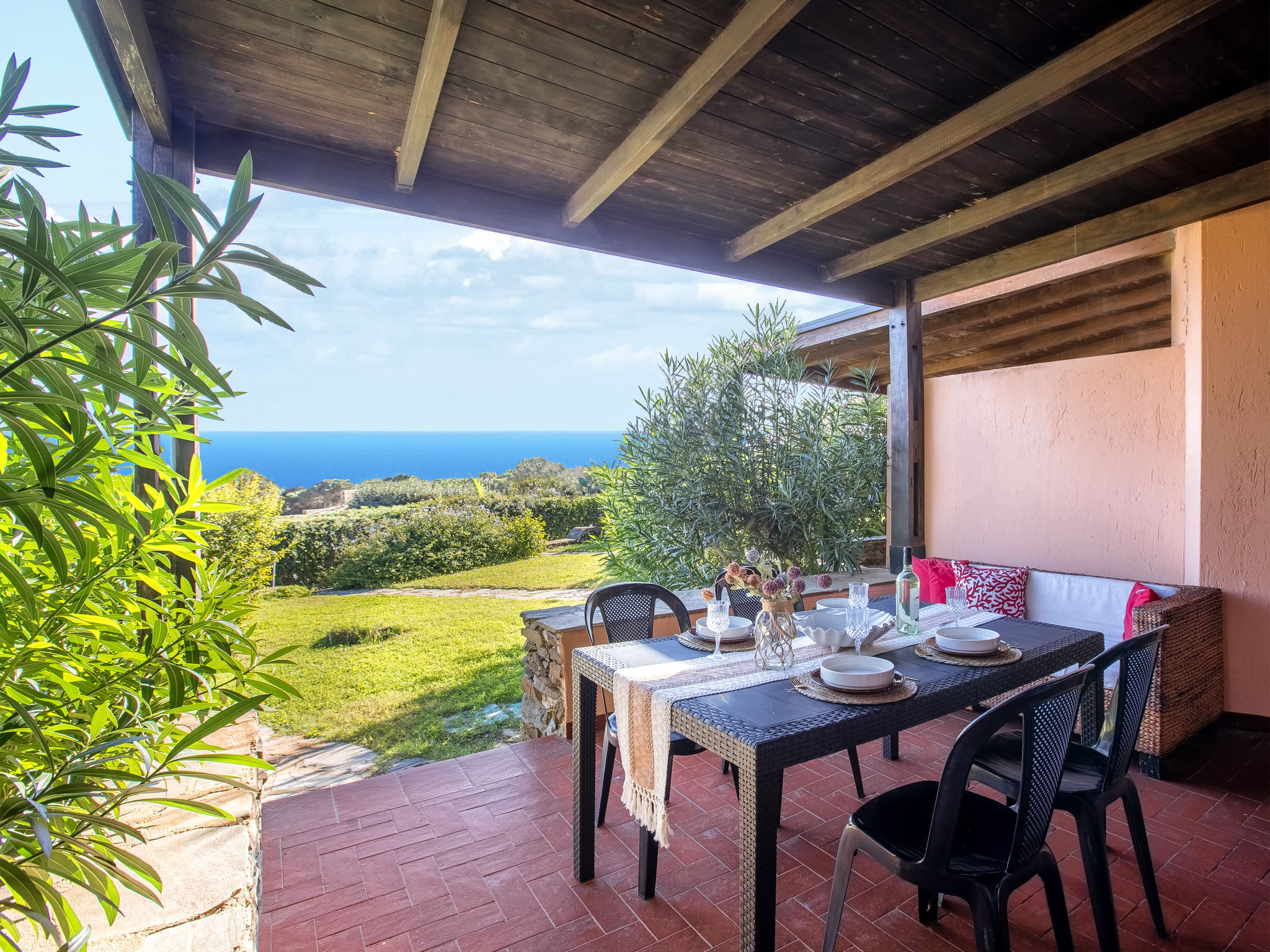
3-star property
3-star property

2-star property

3-star property
Stintino villa holidays: questions answered
Is La Pelosa near Stintino sand or pebble?
Sand. La Pelosa has fine white sand and a transparent, shallow seabed. Beaches on the sheltered east side of the peninsula, such as Le Saline, are white pebble shorelines instead.
Can you visit Asinara from Stintino?
Yes. Boats to the Asinara National Park leave from Porto Nuovo at Stintino. On the island, marked trails can be covered by mountain bike, on horseback, by off-road vehicle or on a tourist train; entry to the park is free.
Is Stintino windy?
The mistral blows from the north-west here, but La Pelosa stays calm even when it is strong, because Capo Falcone, Isola Piana and Asinara shelter it from open-sea swell. The west coast of the peninsula is more exposed, with cliffs and small coves.
Is Stintino worth visiting in winter?
It is very quiet, with about 1,600 residents against tens of thousands of visitors in summer. Treat it as a base for coastal walks and a peaceful stay, and check opening times for shops and restaurants first.
Nearby towns to Stintino
Written by the TrustedVillas team. Last reviewed October 2026.
Find Your Perfect Villa in Stintino
Our villa experts are here to help you find the ideal property for your vacation. Contact us for personalized recommendations.