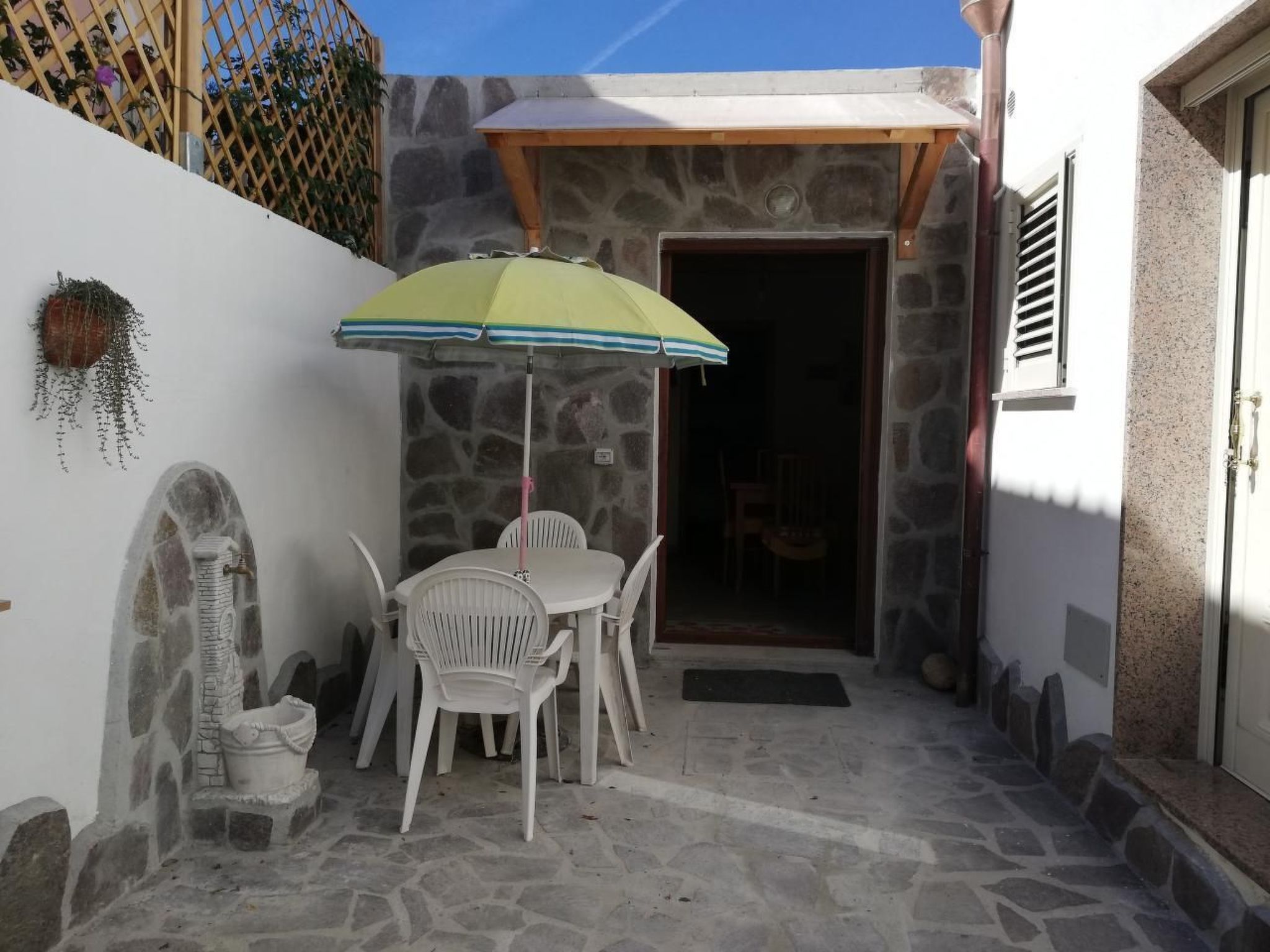
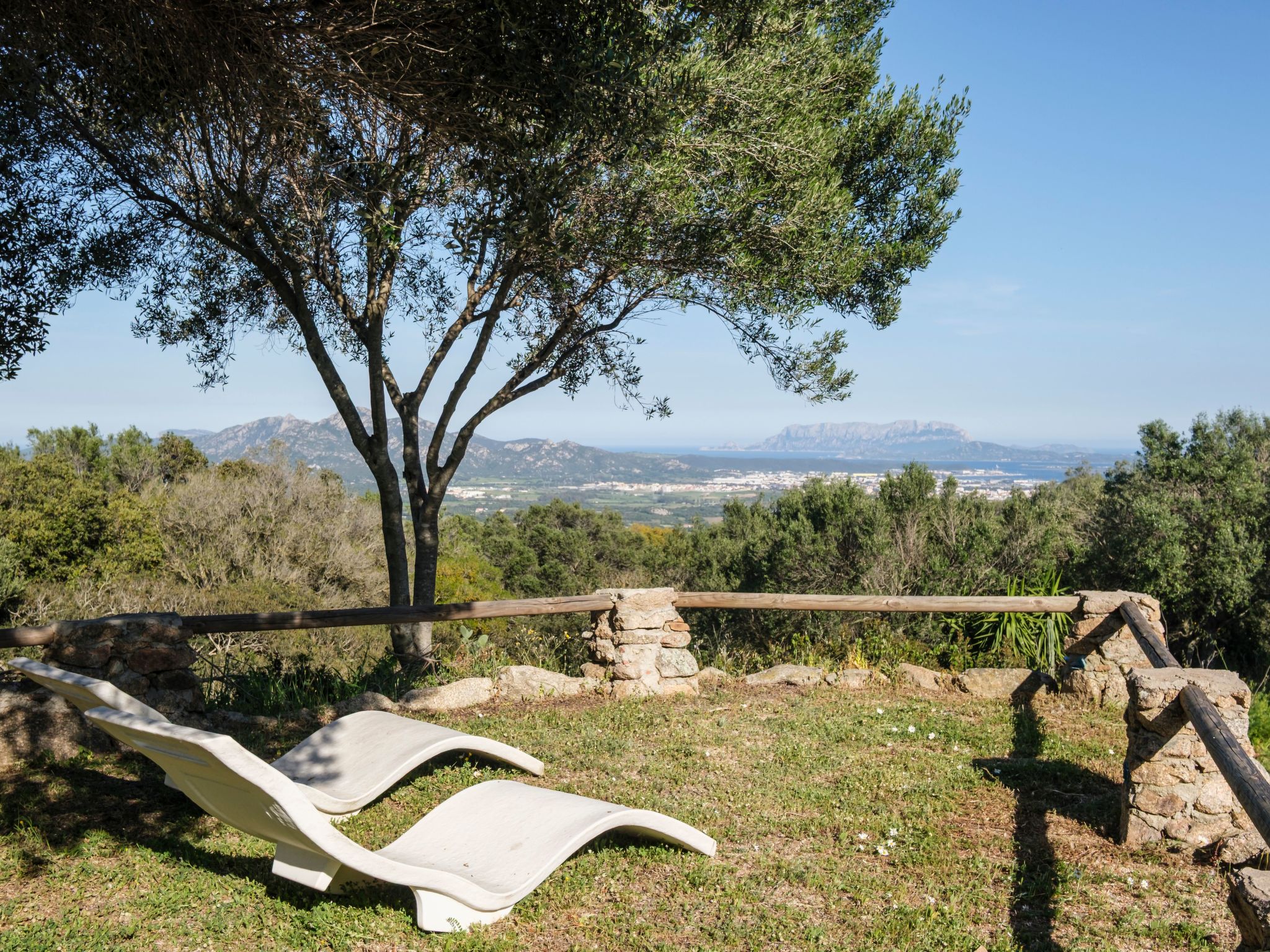
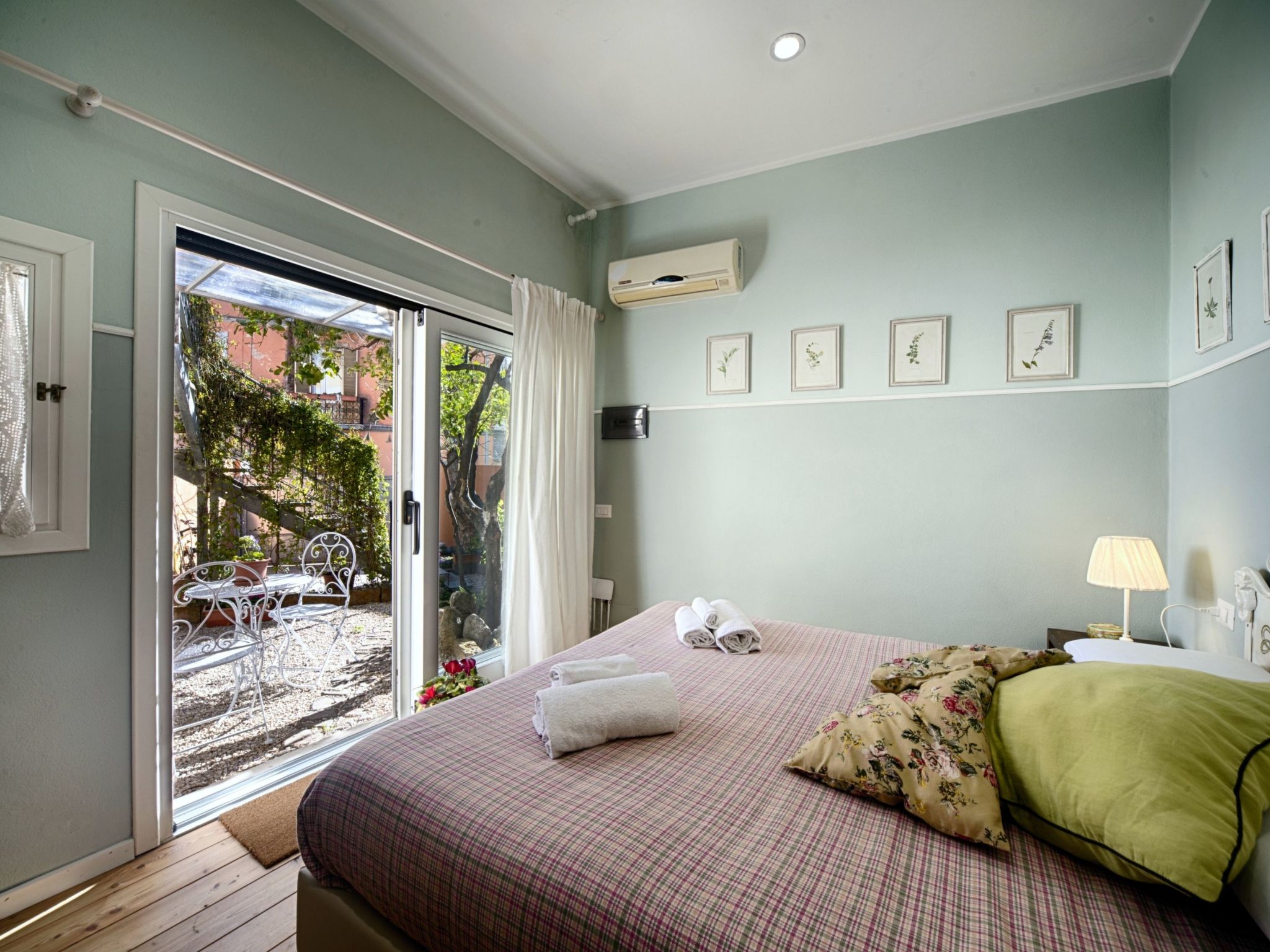
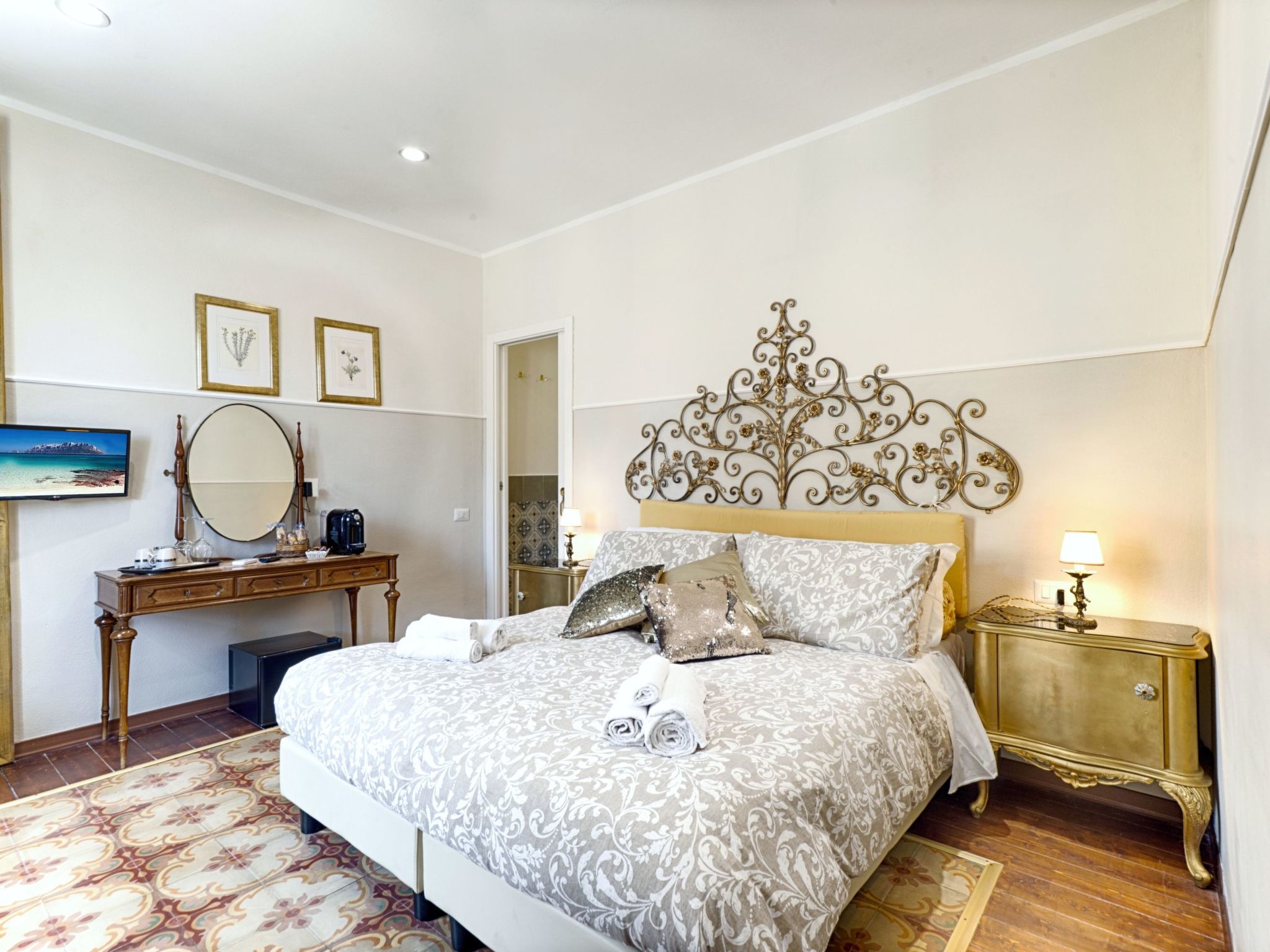
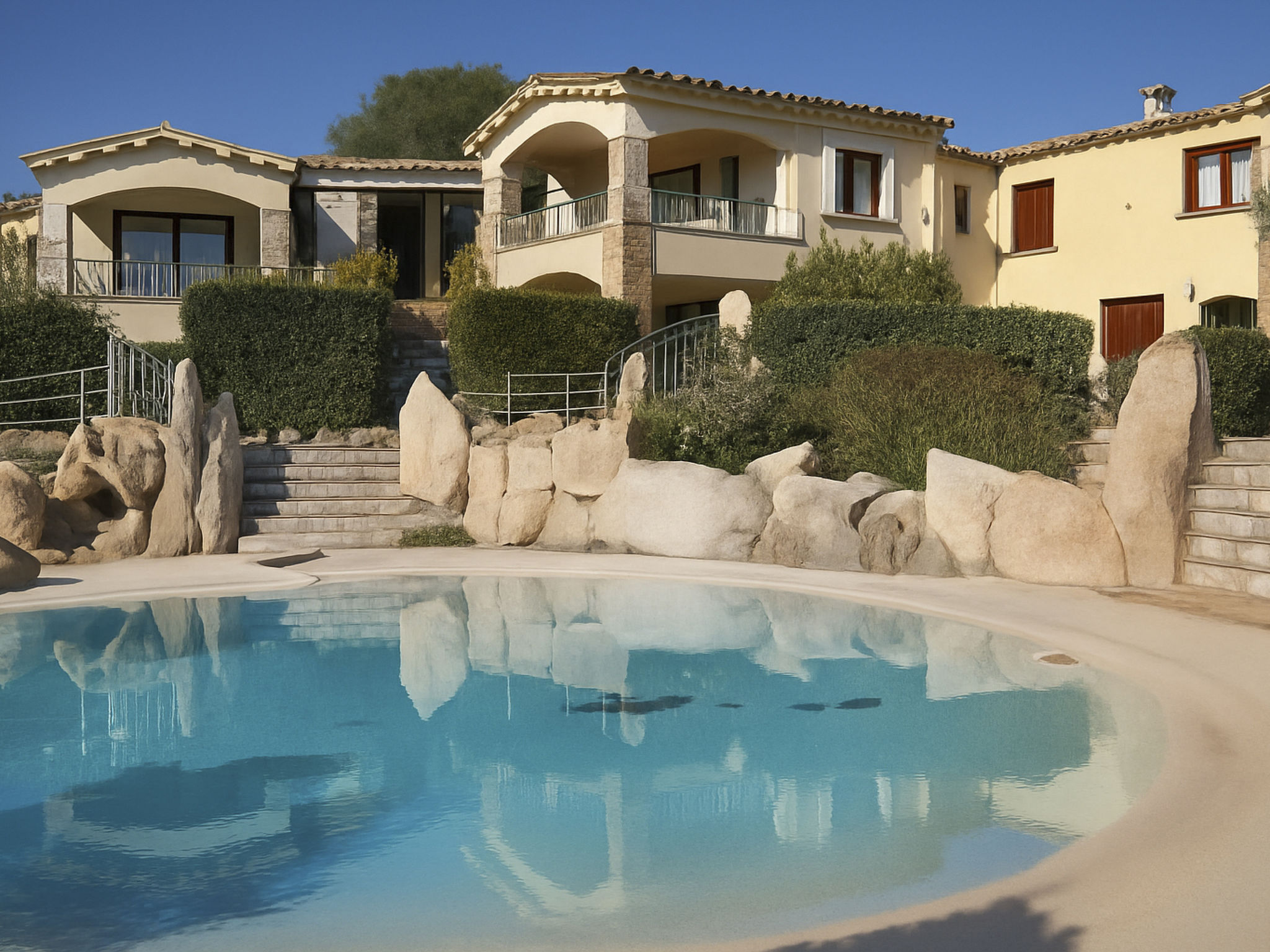
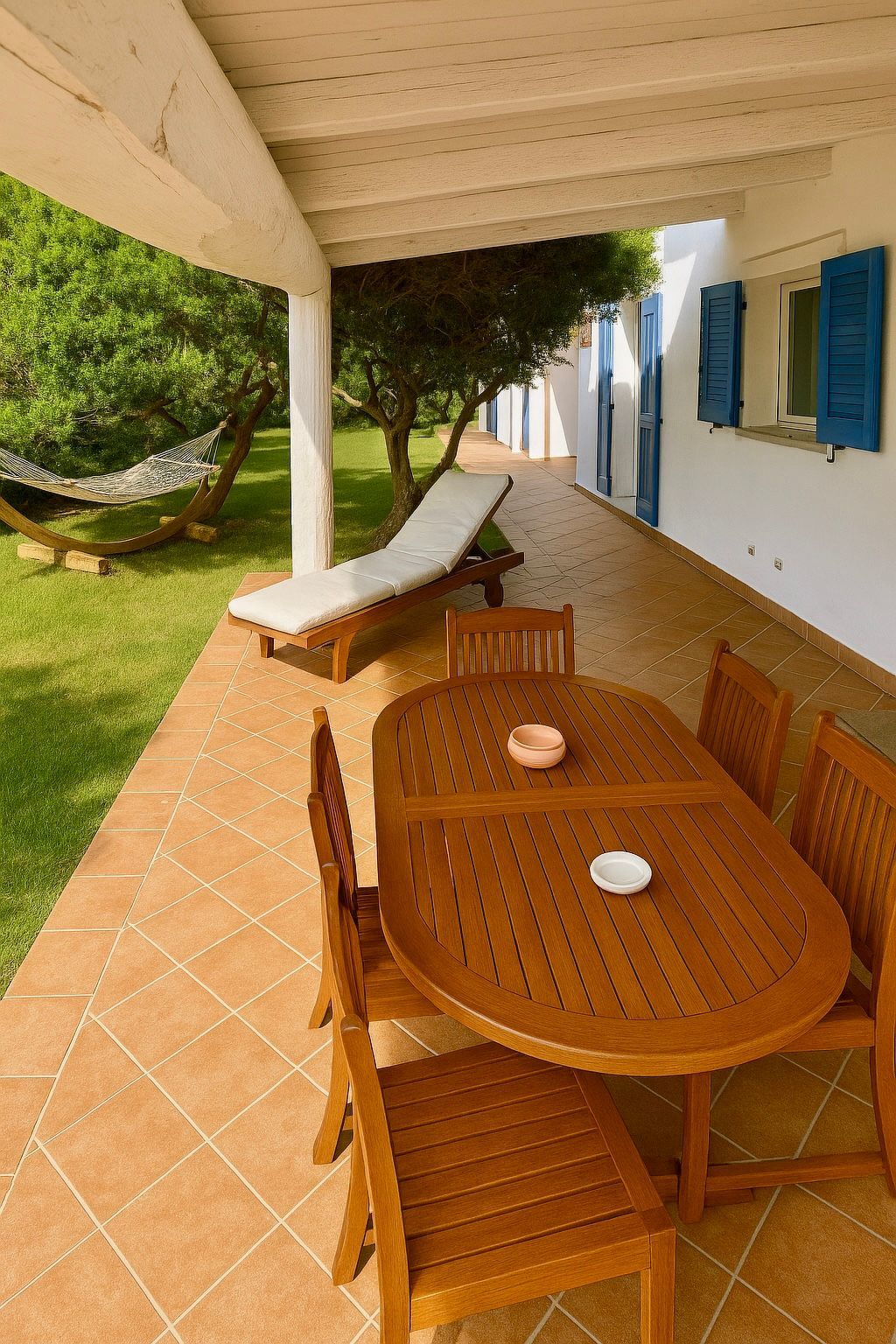
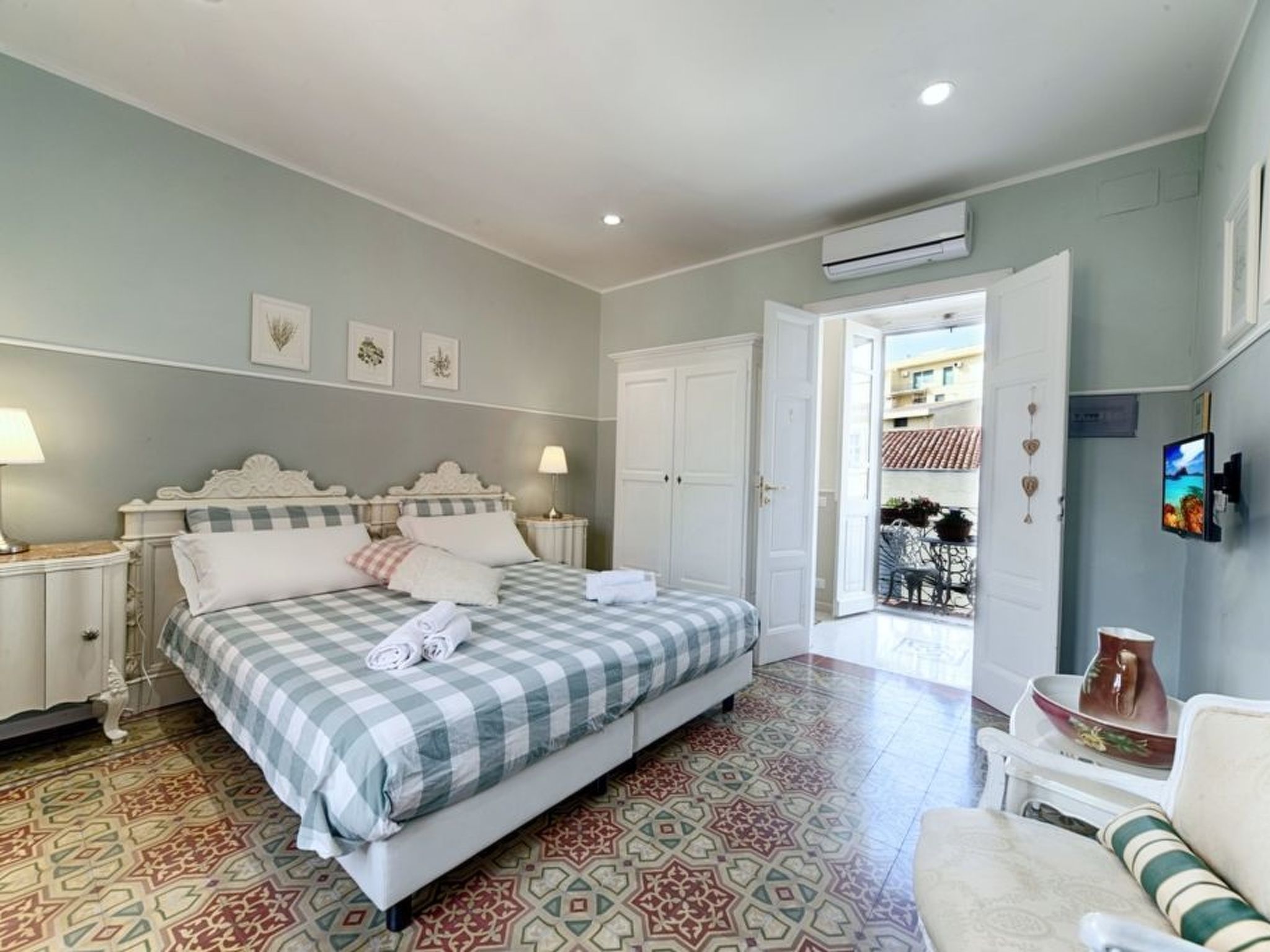
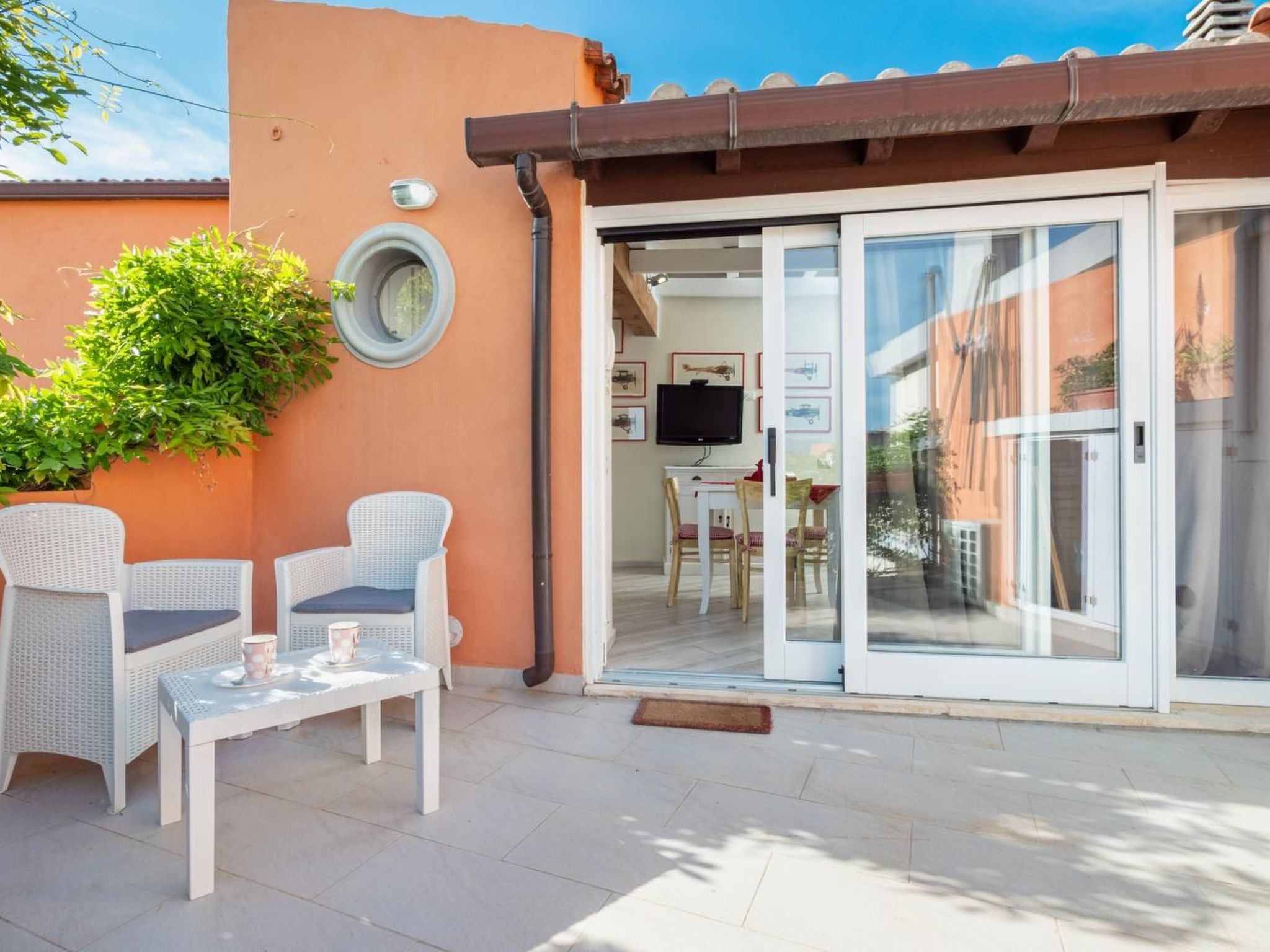
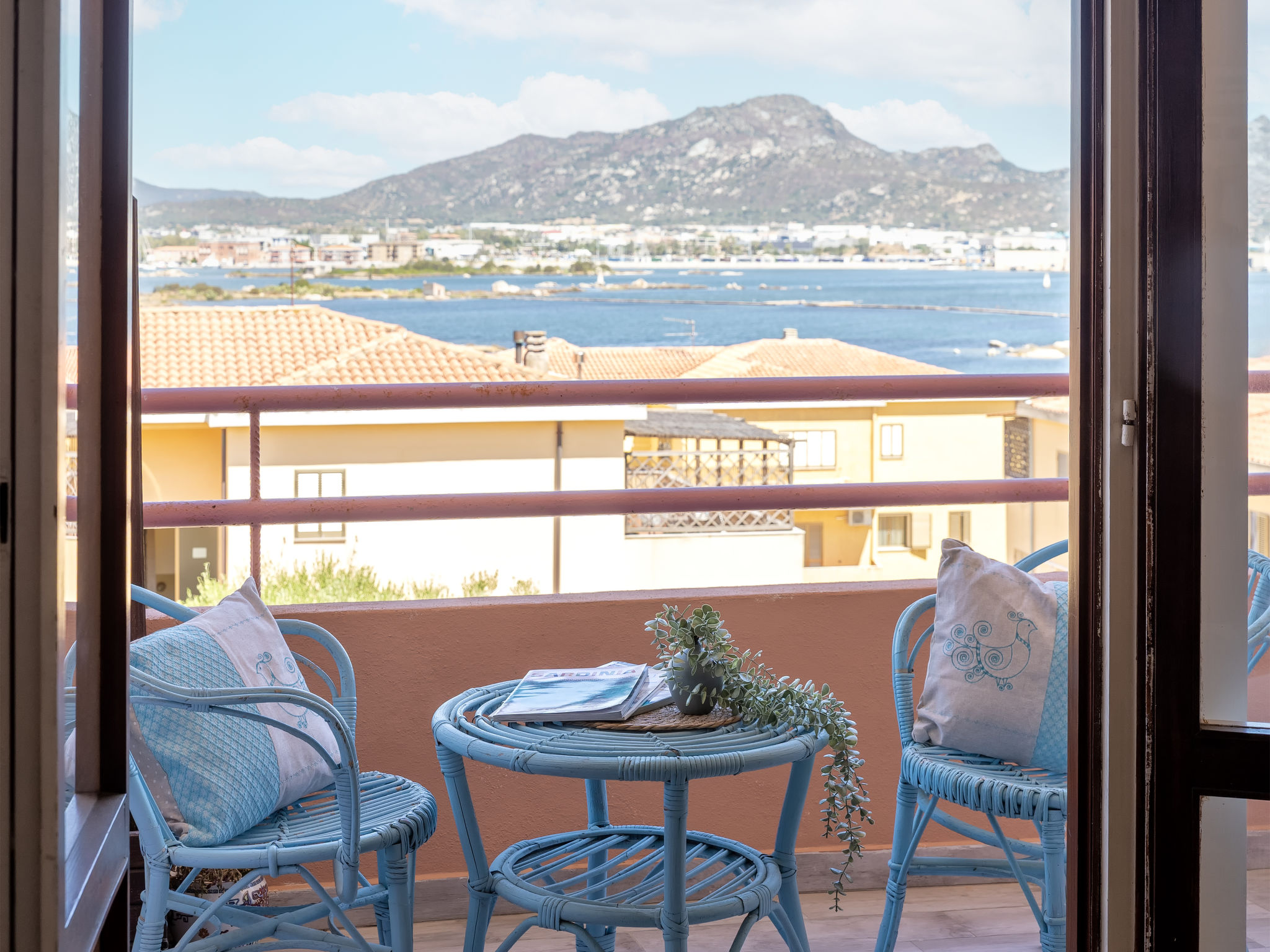
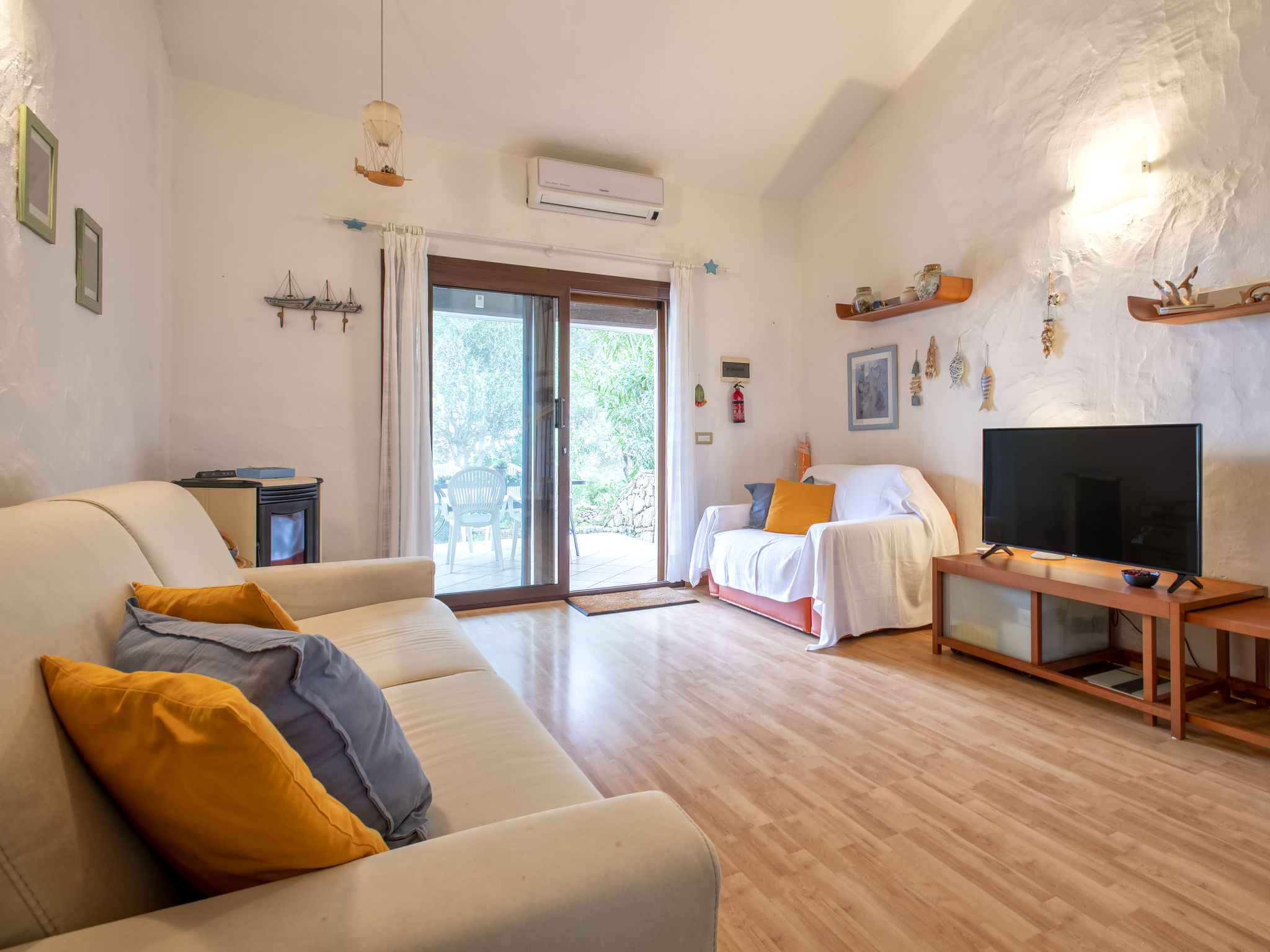
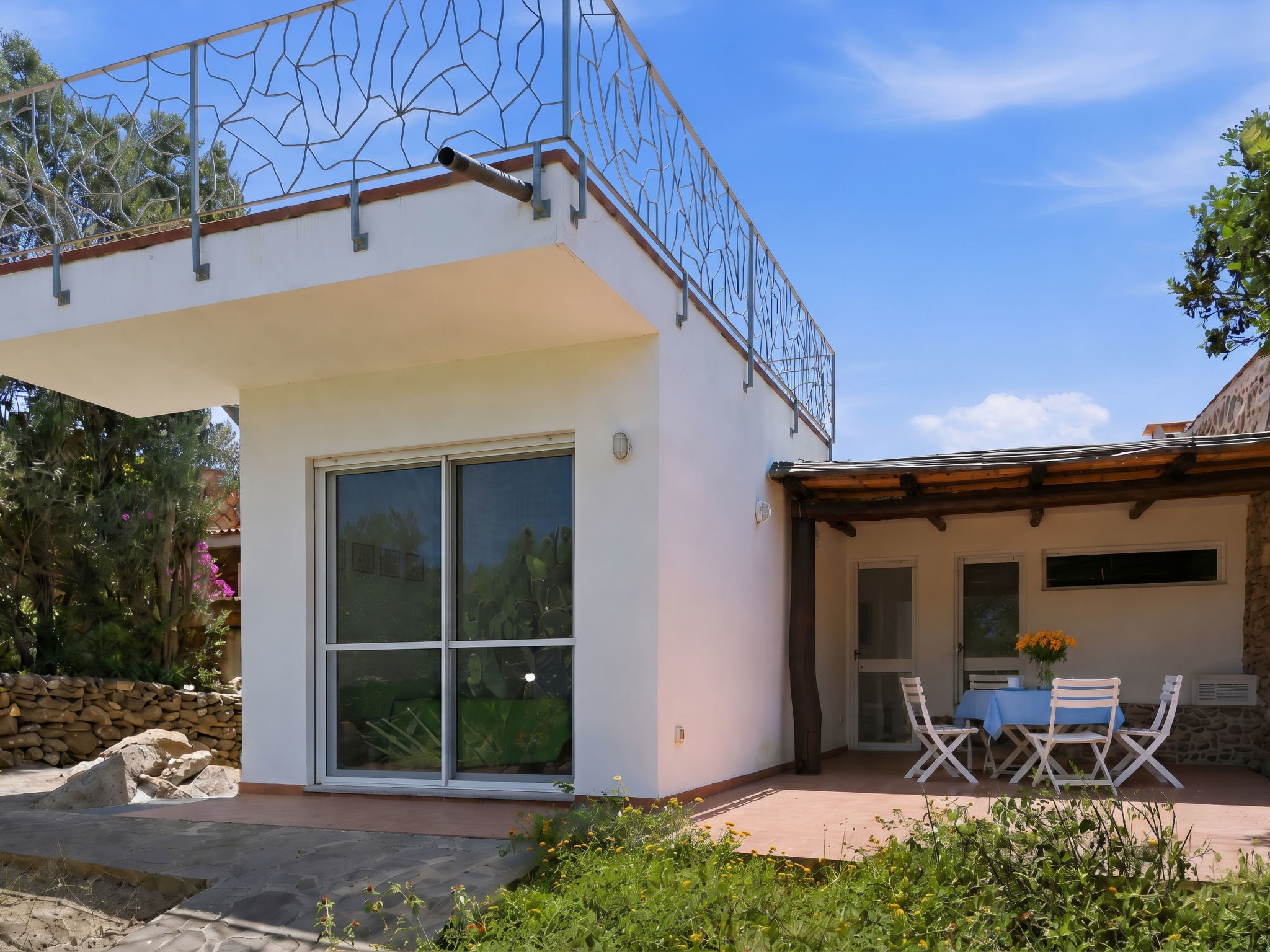
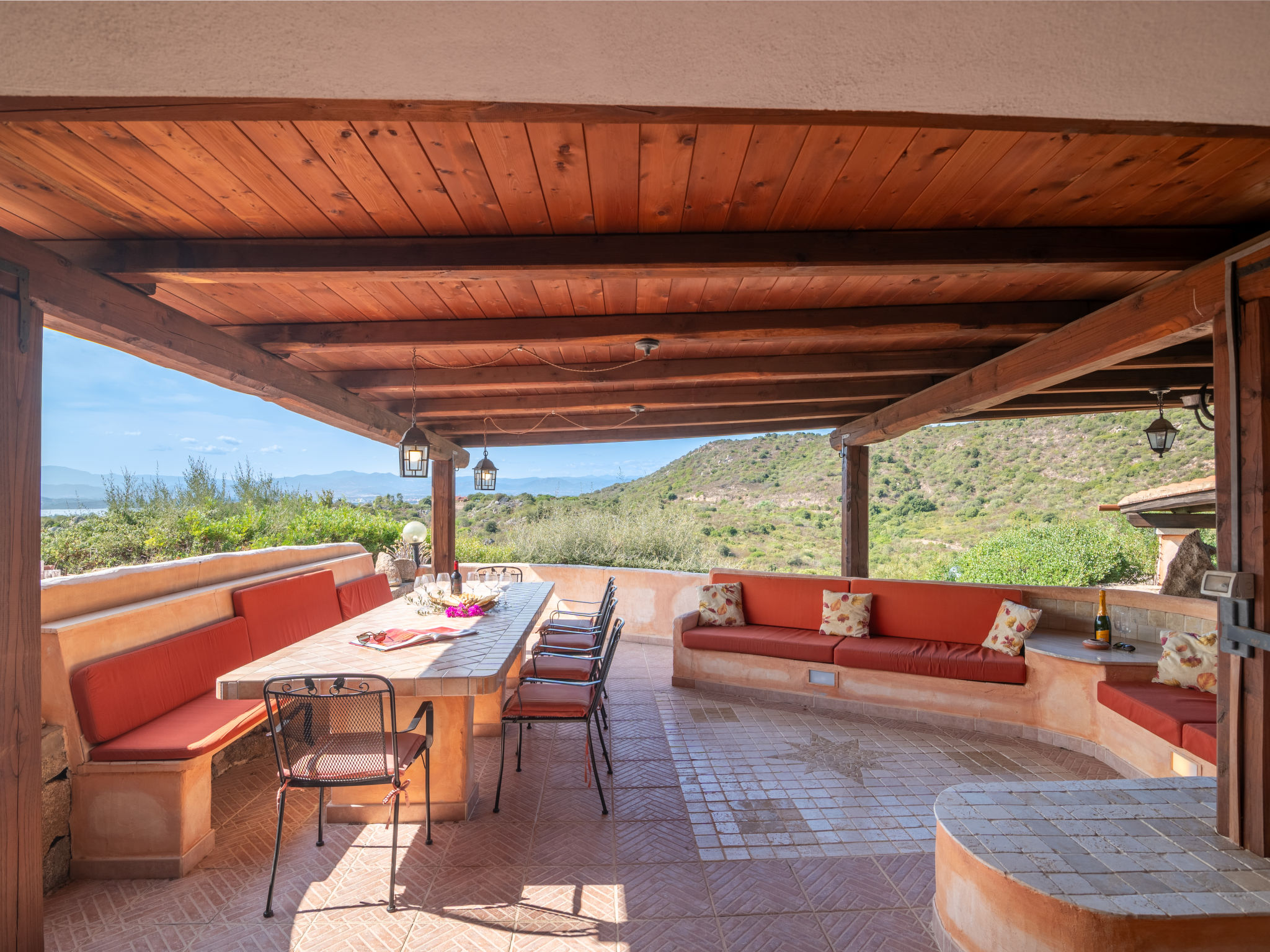
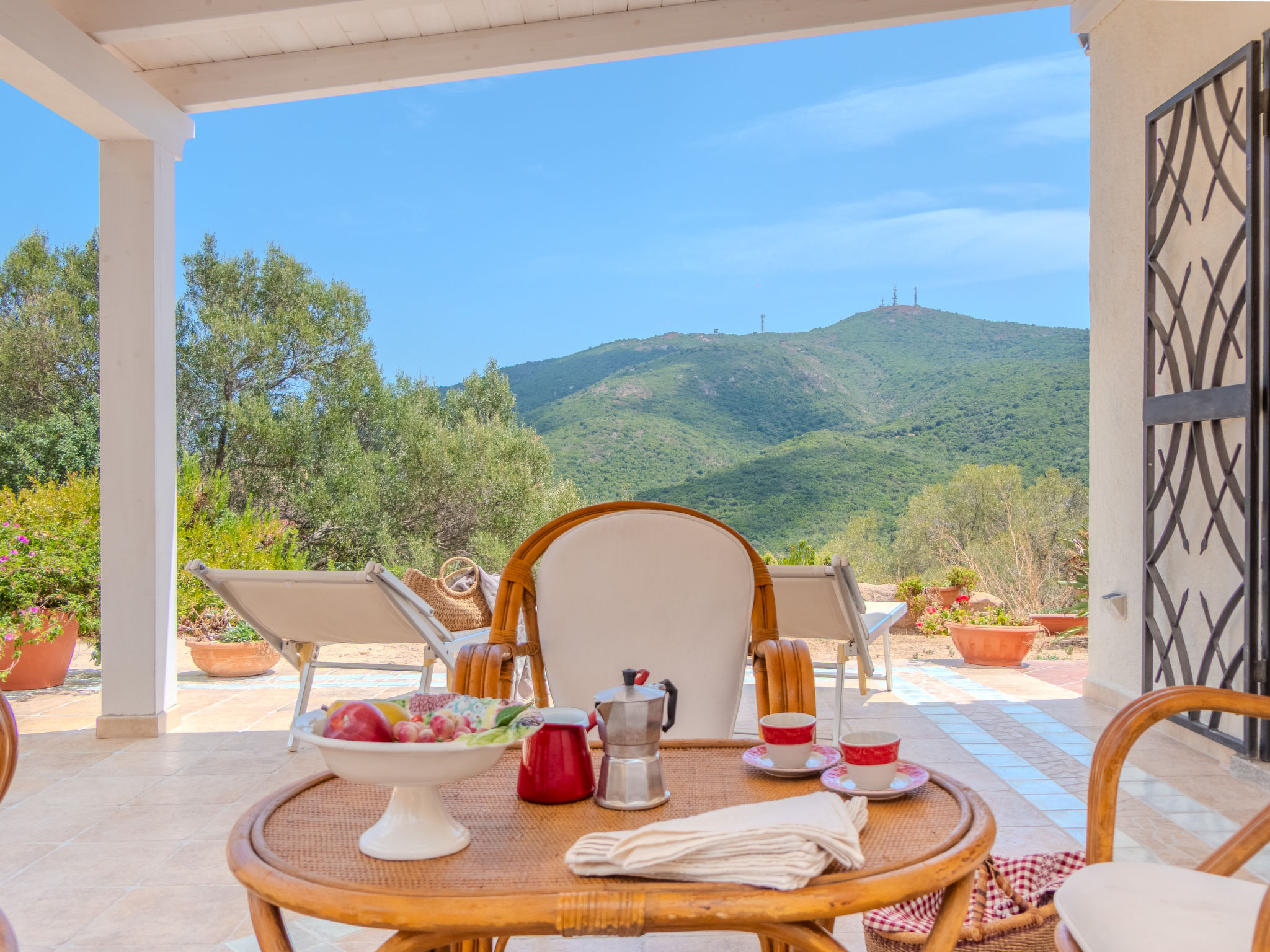
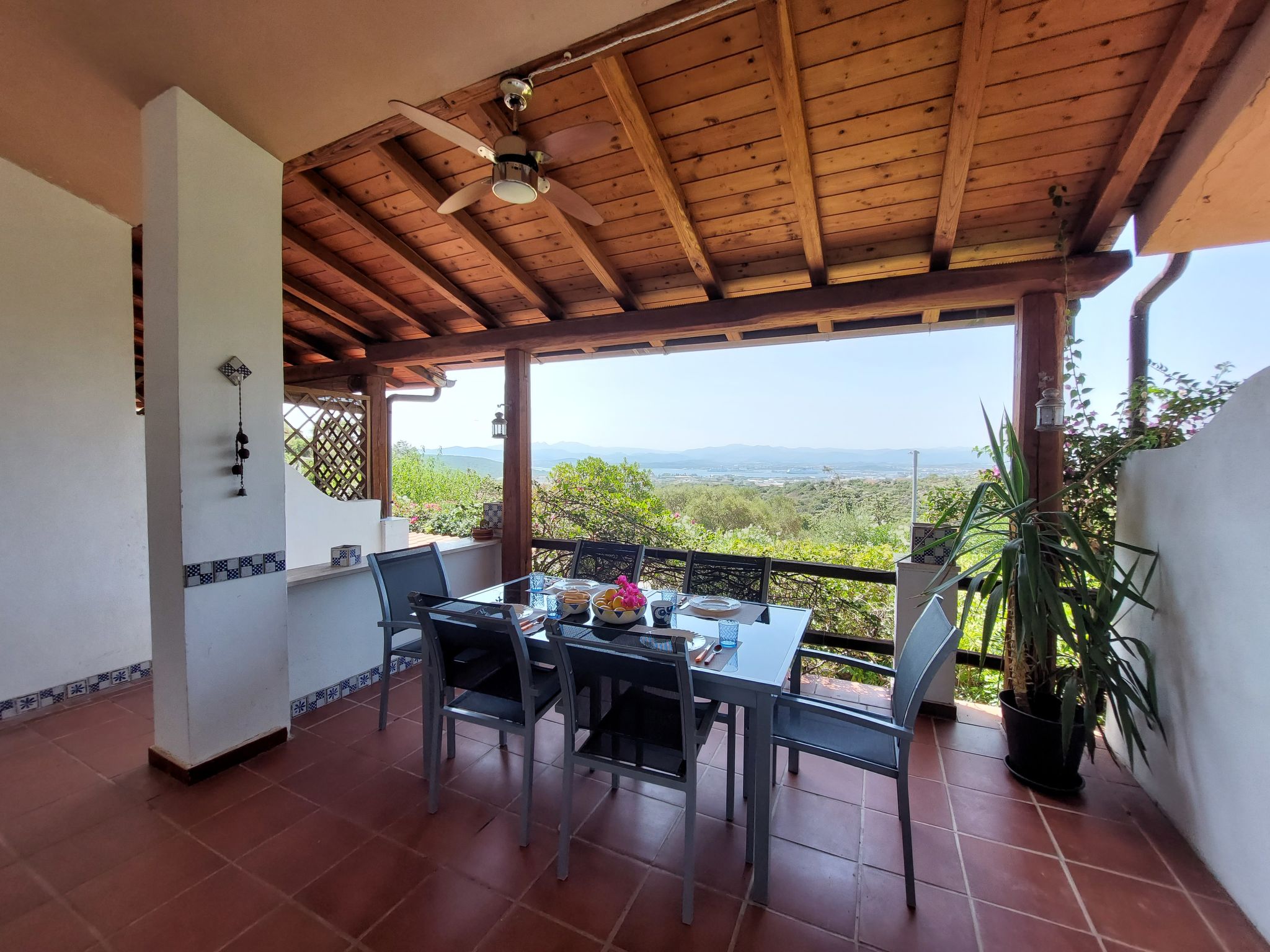
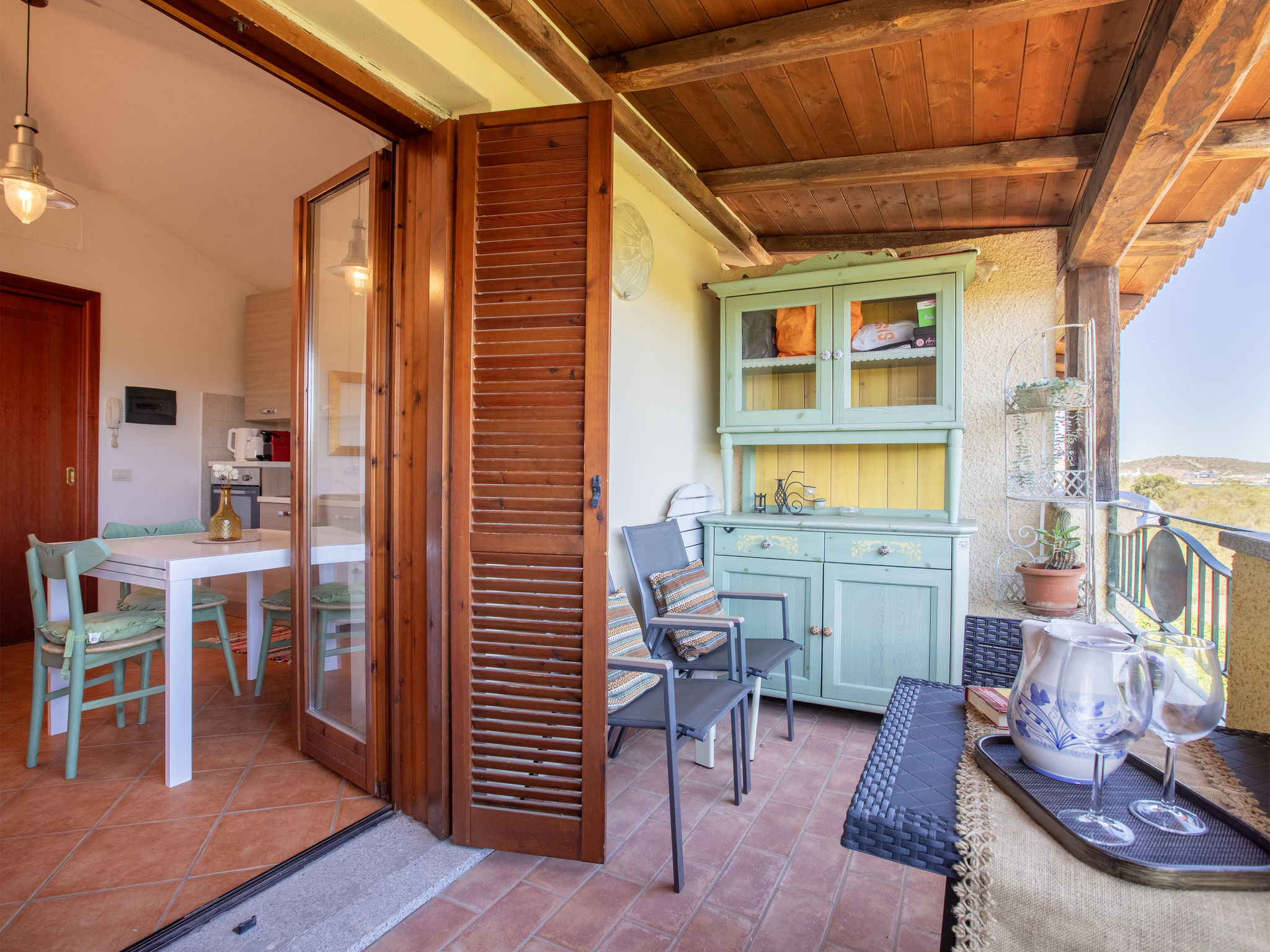
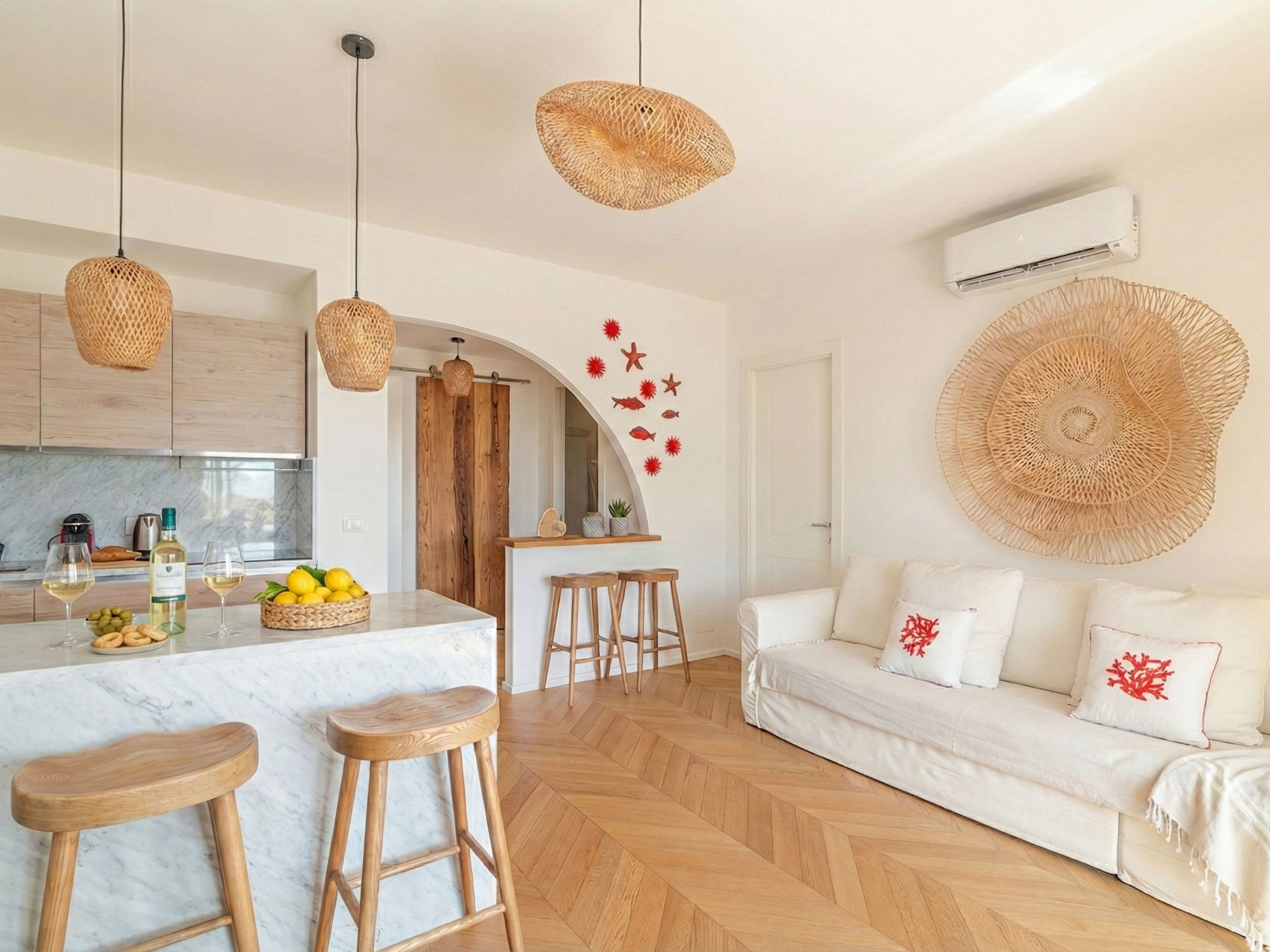
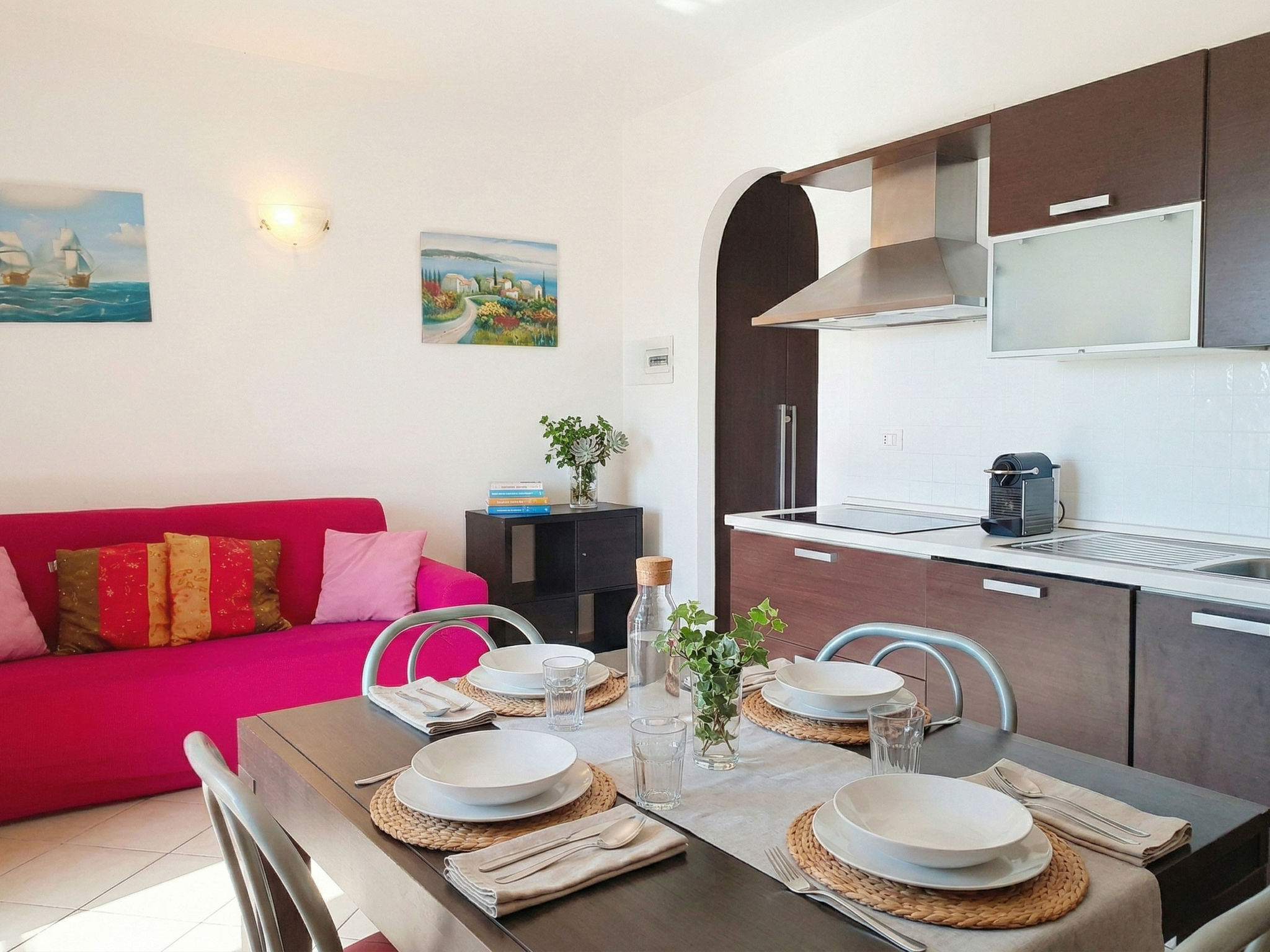
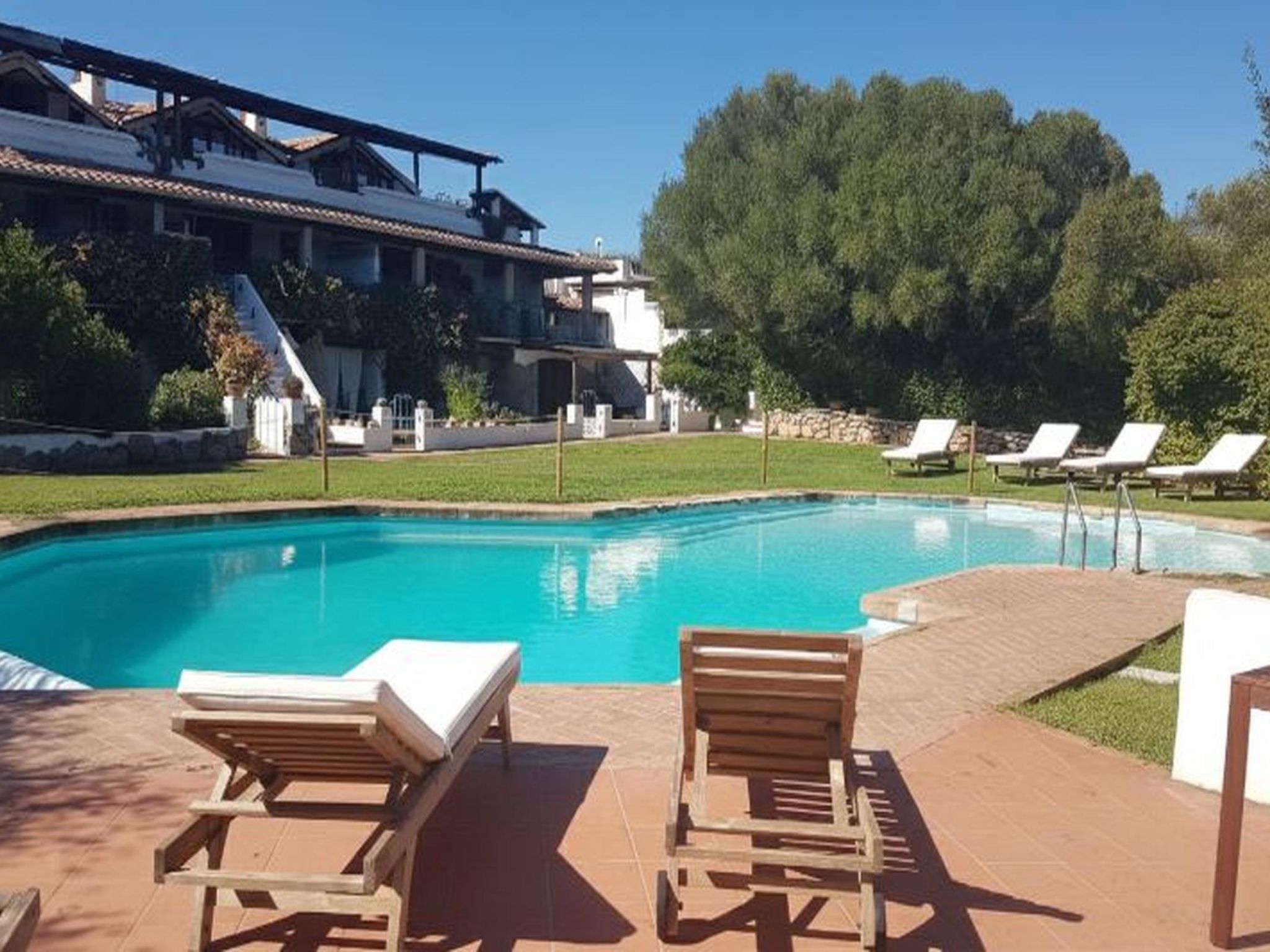
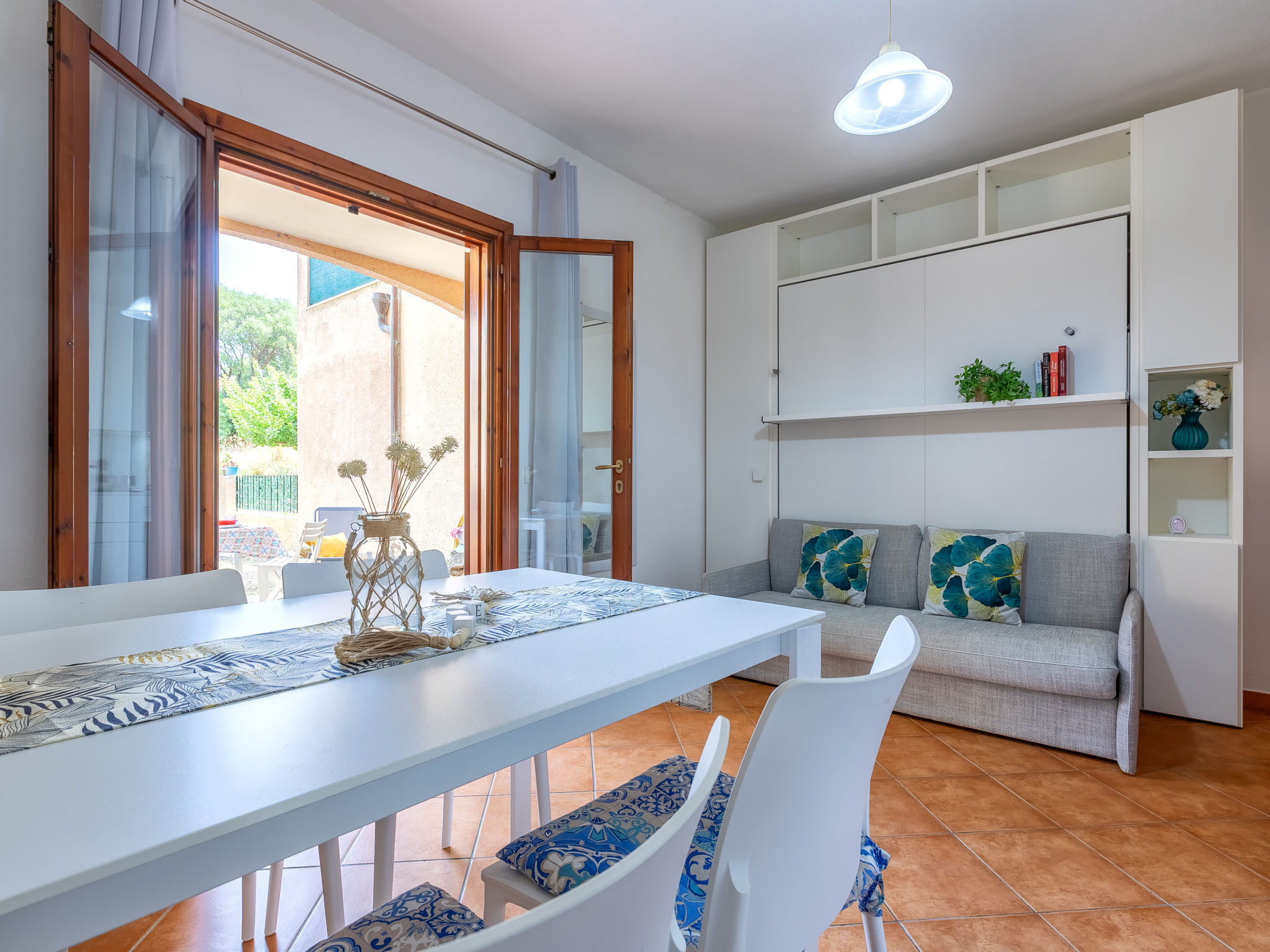
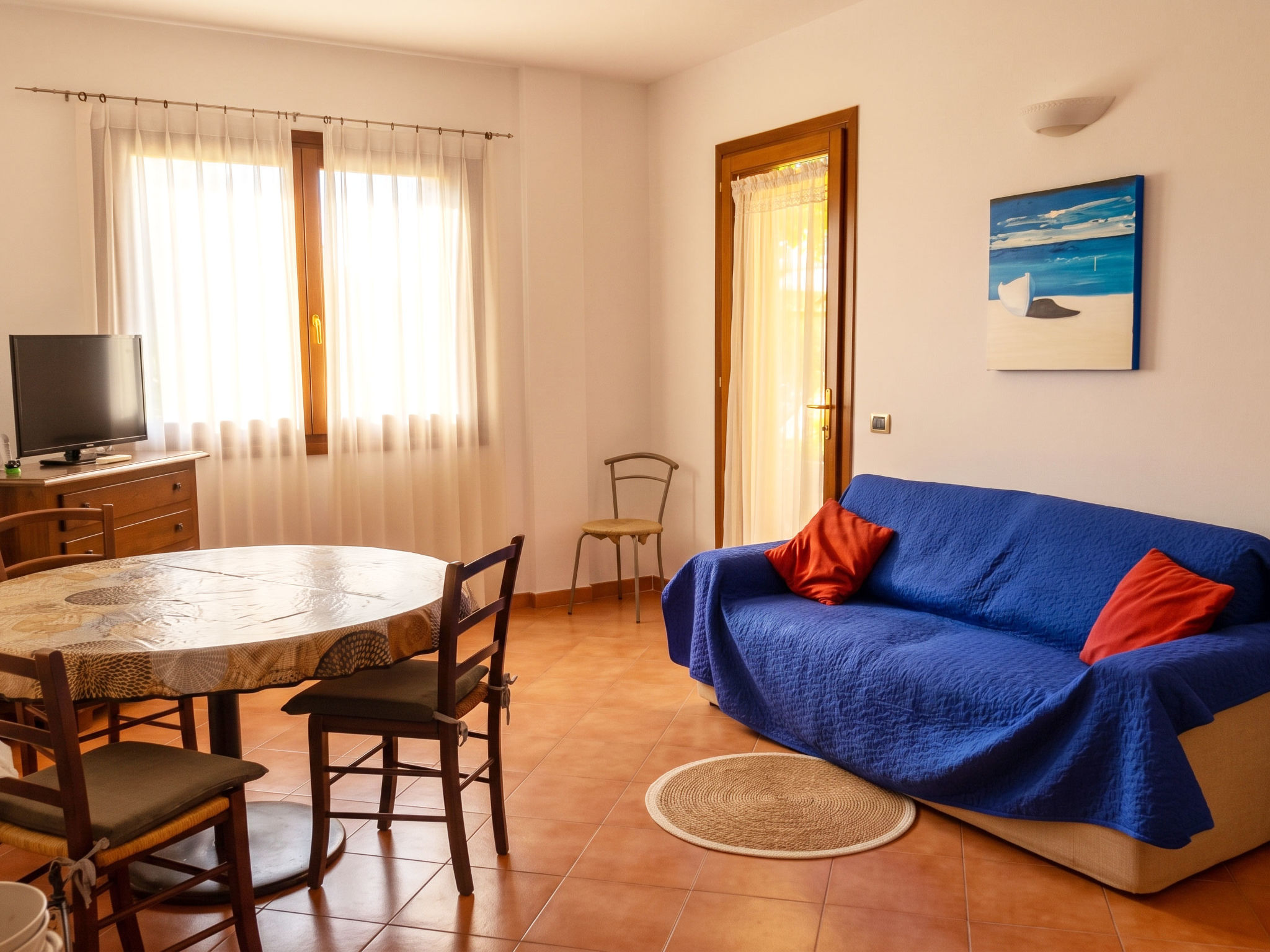
Olbia sits at the top of Sardinia's eastern coast, a port town that's morphed into a seaside resort without losing its working harbour character. It's the gateway to the Costa Smeralda's more exclusive neighbour spots, but Olbia itself remains surprisingly grounded. Ferries dock alongside yacht clubs, local restaurants cluster near the water, and the town fills with a genuine mix of tourists and Sardinian residents. For villa hunters wanting beach access with real town atmosphere, it punches above its tourist profile.
Why Stay in Olbia
- Best transport hub on the east coast. Flights from the UK land at Olbia's airport, putting you five minutes from your villa or waterfront hotel. No two-hour drives from distant hubs. You arrive and start your holiday immediately.
- Access to two different Sardinia experiences. Stay based in Olbia and you can explore the glitzy Costa Smeralda (ten to thirty minutes away) for day trips, or dive into wild inland Sardinia toward Nuoro. The flexibility is rare.
- Beach diversity nearby. Olbia's own beaches are functional and crowded. But Pittulongu (just north) and Golfo Aranci (thirty minutes south) are quieter. The northern islands (Maddalena Archipelago) are accessible by day trips.
- Reality check: Olbia feels less romantic than Alghero or smaller coastal towns. It's a real working port with ferry terminals, some noise, and less architectural character. If you want postcard Sardinia, go south. If you want authentic coastline with practical access, Olbia delivers.
Things to Do in Olbia
Porto San Paolo beaches and boat trips: Five kilometres north of town, this fishing village offers better swimming than Olbia's crowded beaches. Local fishermen run boat excursions to nearby islands and coves. It's less developed and cheaper than Costa Smeralda alternatives.
Maddalena Archipelago day trip: A ferry from Olbia (or closer from Palau, forty-five minutes away) reaches this national park of rocky, pine-covered islands. You can visit Maddalena town on the main island, or hire a boat to explore coves and smaller islands. It's wilder and less groomed than mainland Sardinia.
Golfo Aranci (thirty-minute drive): A quieter coastal town with decent beaches, a fishing harbour, and restaurant options. It sits between Olbia's hustle and the Costa Smeralda's premium pricing—a good compromise base if Olbia feels too busy.
Costa Smeralda glitz (day trip): If you're curious about why the Emerald Coast became famous, Porto Cervo is the heart—stylish hotels, designer shops, and yachts. It's expensive, crowded in summer, and worth a few hours to understand the contrast with Olbia's down-to-earth vibe. Bring your wallet.
Inland Nuoro and Supramonte mountains: An hour or so inland, the landscape shifts dramatically to rocky peaks, cork oak forests, and shepherd communities. The town of Nuoro has a folk museum, local restaurants, and access to hiking. It's rural Sardinia, distinct from the coast.
Wineries and local food: The Tirso river valley produces Vermentino and other regional wines. Several producers around Olbia and further south offer tastings. Local trattorias serve malloreddus (hand-rolled pasta with meat sauce), bottarga (dried fish roe), and fresh seafood at reasonable cost.