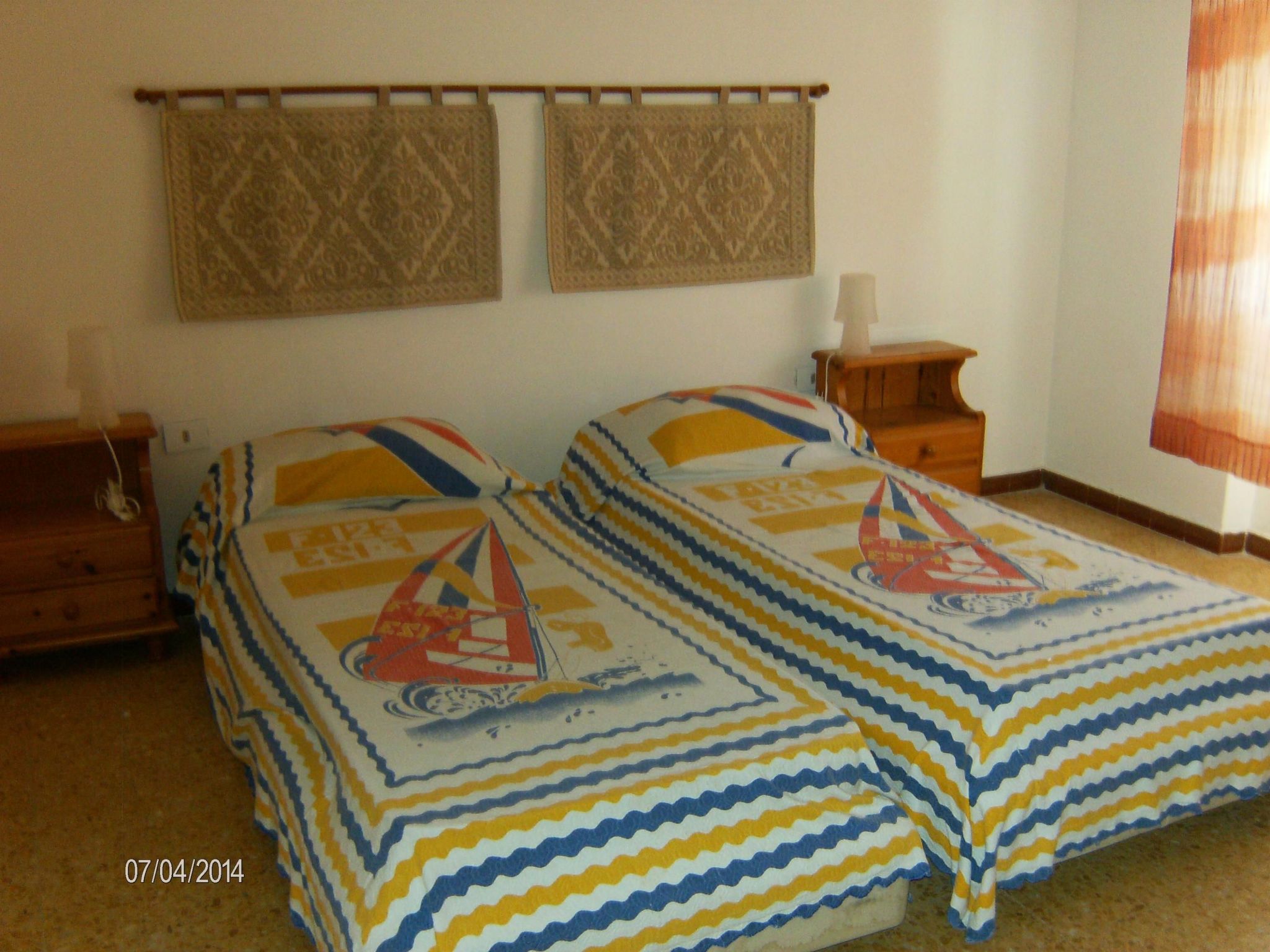
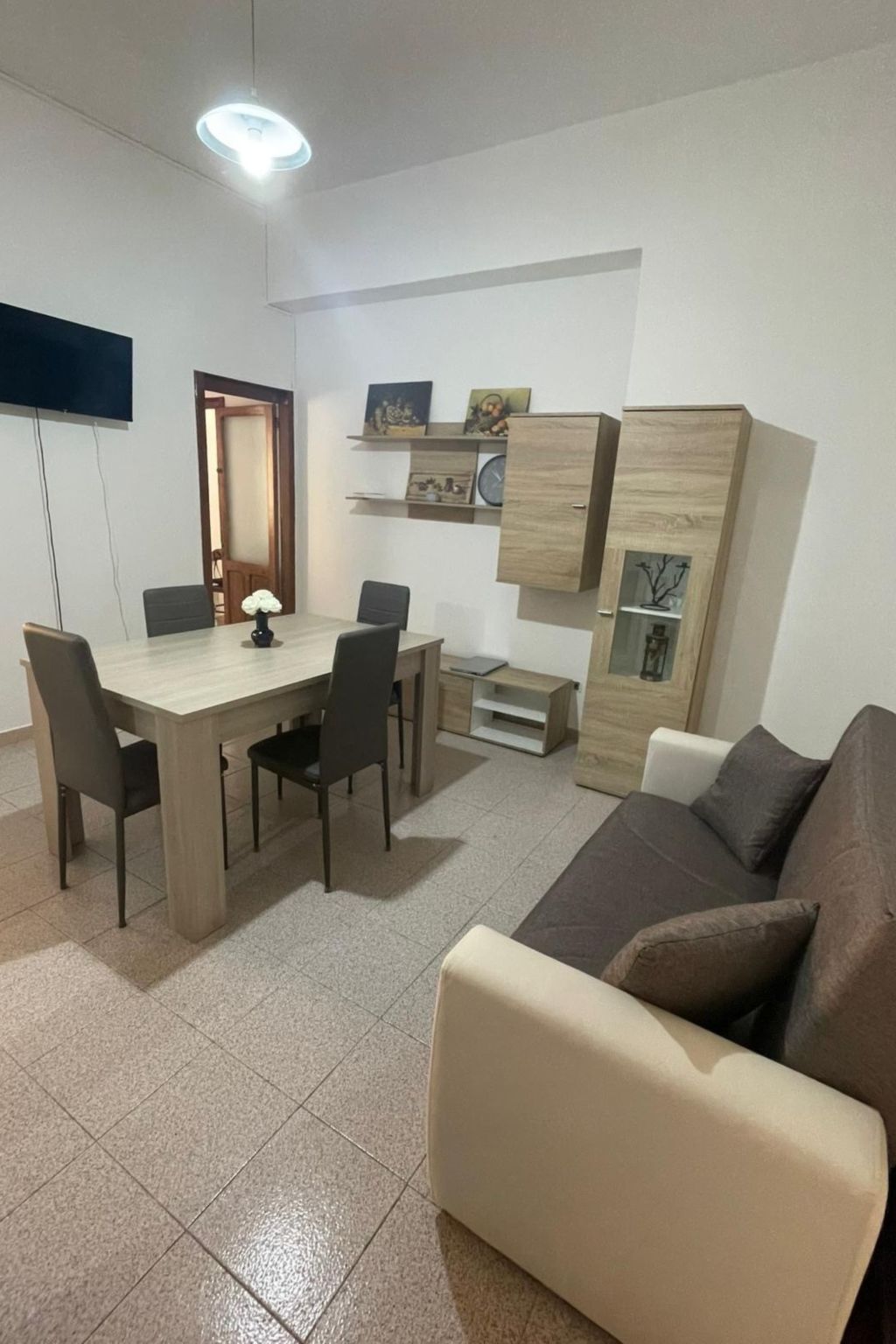
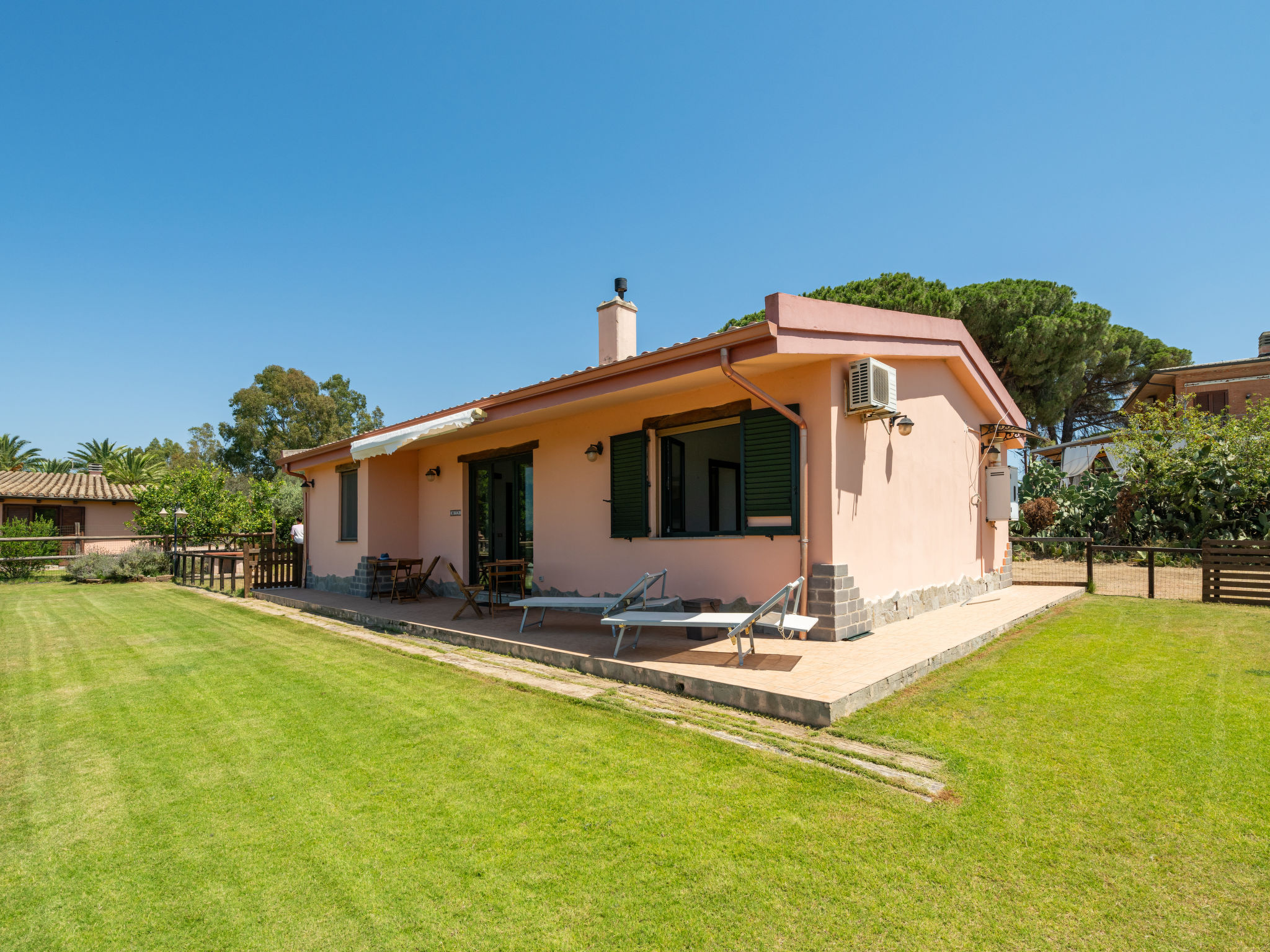
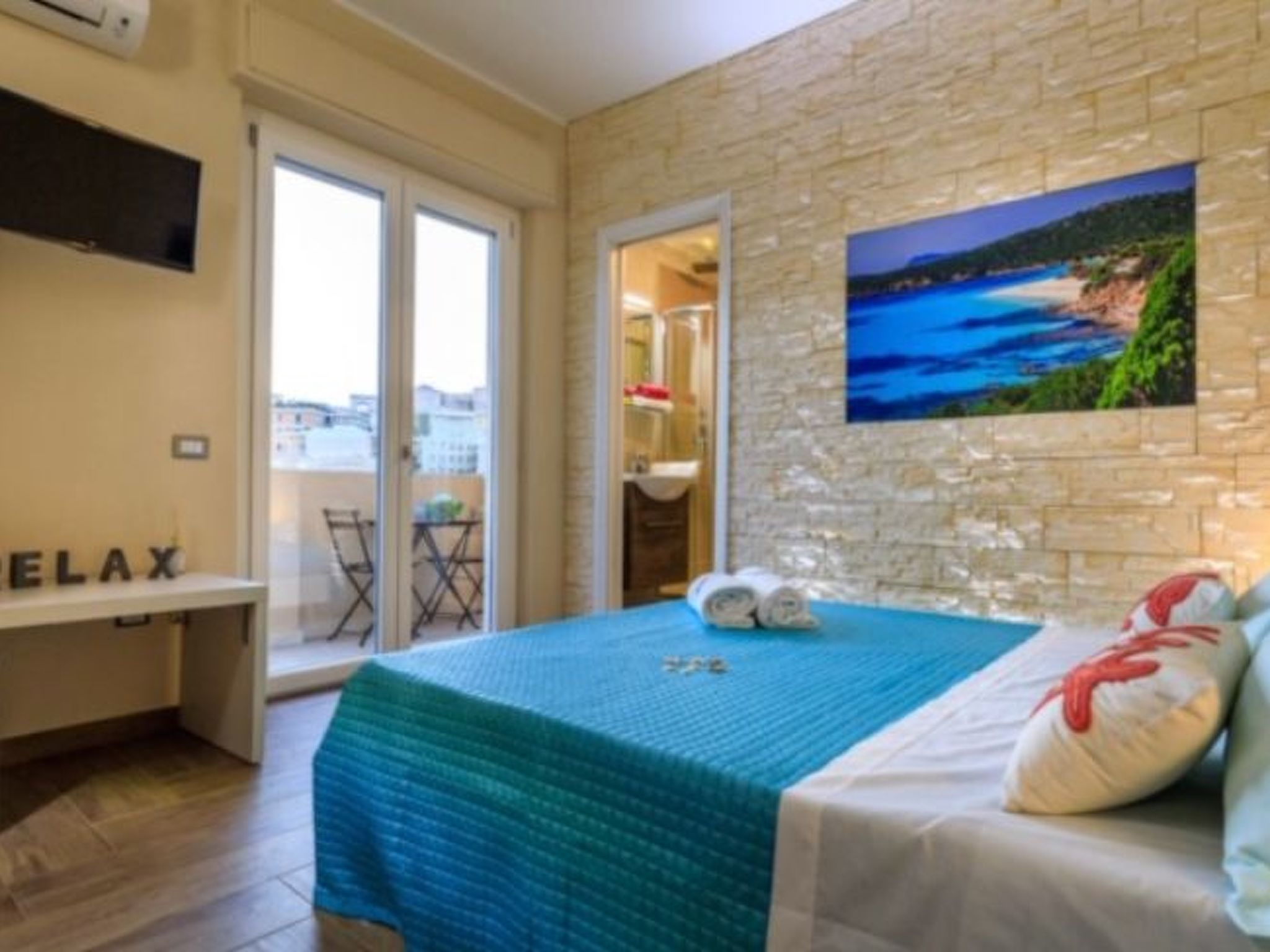
Cagliari is Sardinia's capital and largest city, a sprawling Mediterranean port where medieval streets cling to hills overlooking the Gulf of Angels. It's not a sleepy village. Ferries bustle, traffic moves, the waterfront pulses. But it rewards explorers with genuine urban life: markets selling local produce, museums with Nuragic artefacts, restaurants without English menus, and beaches within cycling distance. If you want Sardinia with grit and culture (not just coast), Cagliari is it.
Why Stay in Cagliari
- Nuragic Museum and archaeology. Cagliari's museum houses the best collection of Bronze Age Sardinian artefacts anywhere. Bronze figurines, pottery, weapons. It's a genuine window into pre-Roman island culture, not a tourist-focused exhibition. The old town's layout reflects medieval and Spanish-influenced urban planning.
- Urban food culture. Markets burst with local produce, seafood, and specialty foods. Trattorias cater to residents, not tourists. You'll eat bottarga, malloreddus, and fresh fish for prices that seem miraculous compared to coastal resorts. Restaurant quality is high because locals choose where to eat.
- Poetto Beach is a twenty-minute bus ride away. It's long, sandy, and less crowded than island-famous coves. It's a local beach, not a tourist destination, which means it's genuinely accessible.
- Honest drawback: Cagliari is a real city with real city problems. It's louder than small villages, grittier, with traffic, some petty crime, and areas you'd avoid at night. If you want untouched Sardinia, go elsewhere. If you want authentic Mediterranean urbanism, this is it.
Things to Do in Cagliari
Citadel (Castello) neighbourhood: The old town crowns the hill and contains narrow medieval streets, the Cathedral, and Palazzo Arcivescovile. It's genuinely atmospheric. Low on spectacle, high on atmosphere. Walk slowly, stop at a café in a small piazza, watch daily life unfold.
Nuragic Museum (Museo Archeologico): One of Italy's best archaeological museums. The Bronze Age collection is extraordinary. Bronze figurines of soldiers, mothers, gods in poses that feel contemporary. Plan two to three hours. Admission costs around seven euros. It's world-class without the crowds of major mainland museums.
Bastione San Remy: The fortified terrace offers panoramic views over the gulf. At sunset, the light is extraordinary. It's a gathering spot for locals, photographers, and tourists, but it's never overwhelming. Bring a drink and stay for the colours.
Poetto Beach (bus or short drive): Cagliari's primary beach, six kilometres long and sandy. The water is clear and calm. It's busy weekends and summer, but still a proper beach frequented by Sardinians, not an exclusive destination. Facilities include bars, restaurants, and umbrellas for hire.
Sant'Avendrace Basilica: A Byzantine-era church with simple stone walls and a peaceful interior. It's less ornate than baroque churches elsewhere in Sardinia but historically significant. Visits are free and quiet.
Inland villages and countryside (day trips): Thirty to sixty minutes from Cagliari, the Sardinian interior offers cork oak forests, shepherd communities, and traditional food. Villages like Teulada to the south and Assemini to the north give a sense of rural life without the tourist industry.