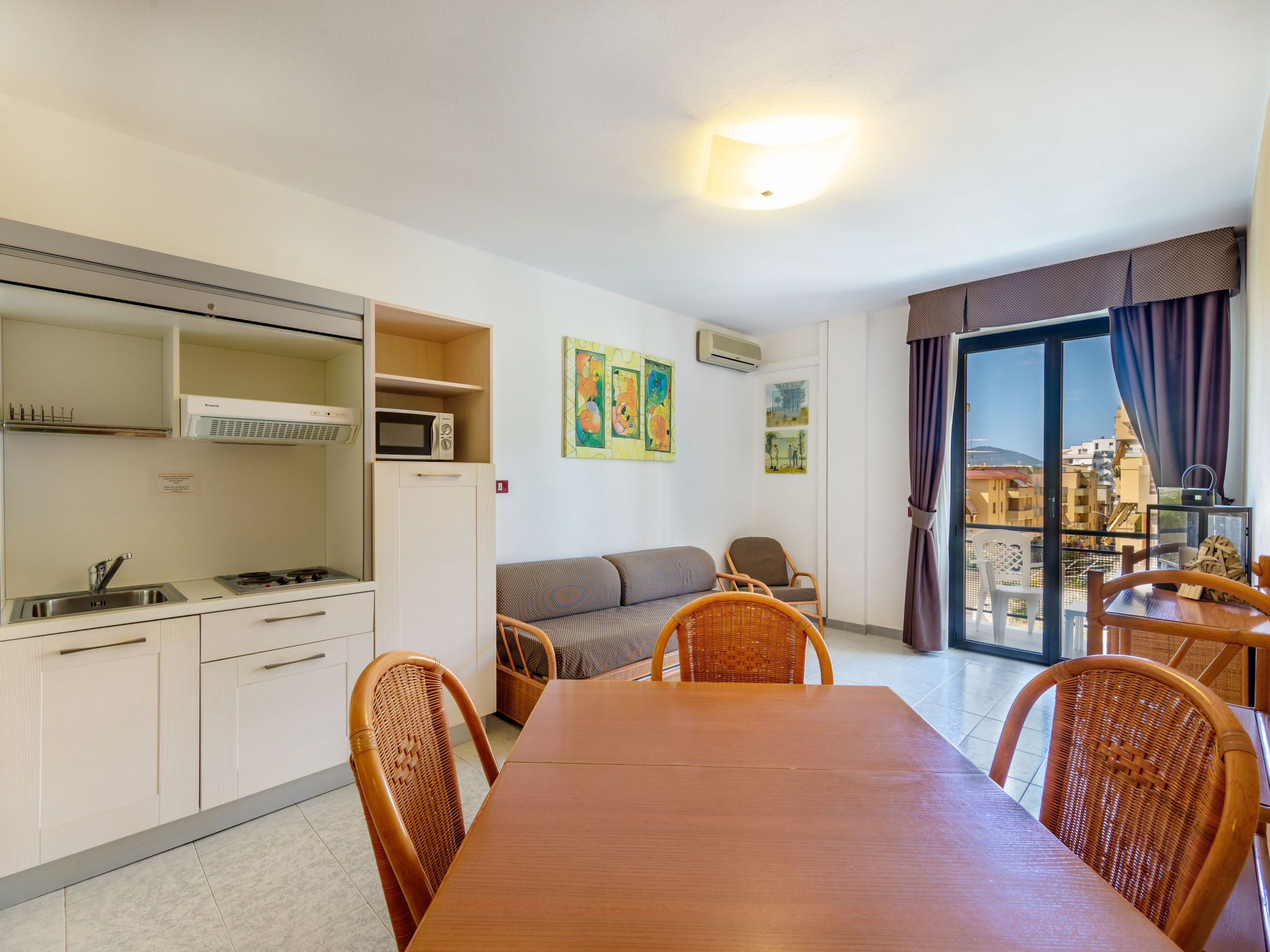
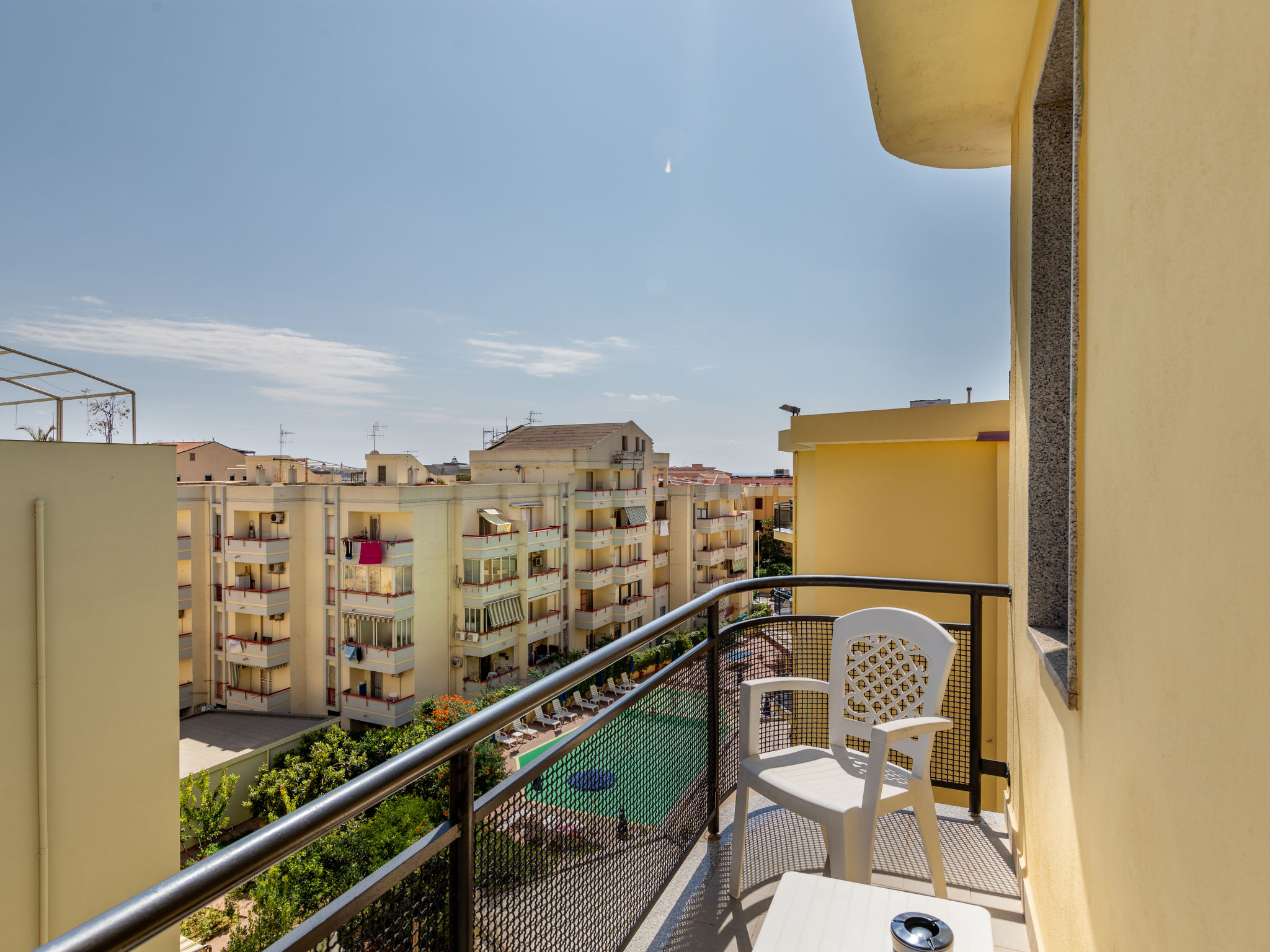
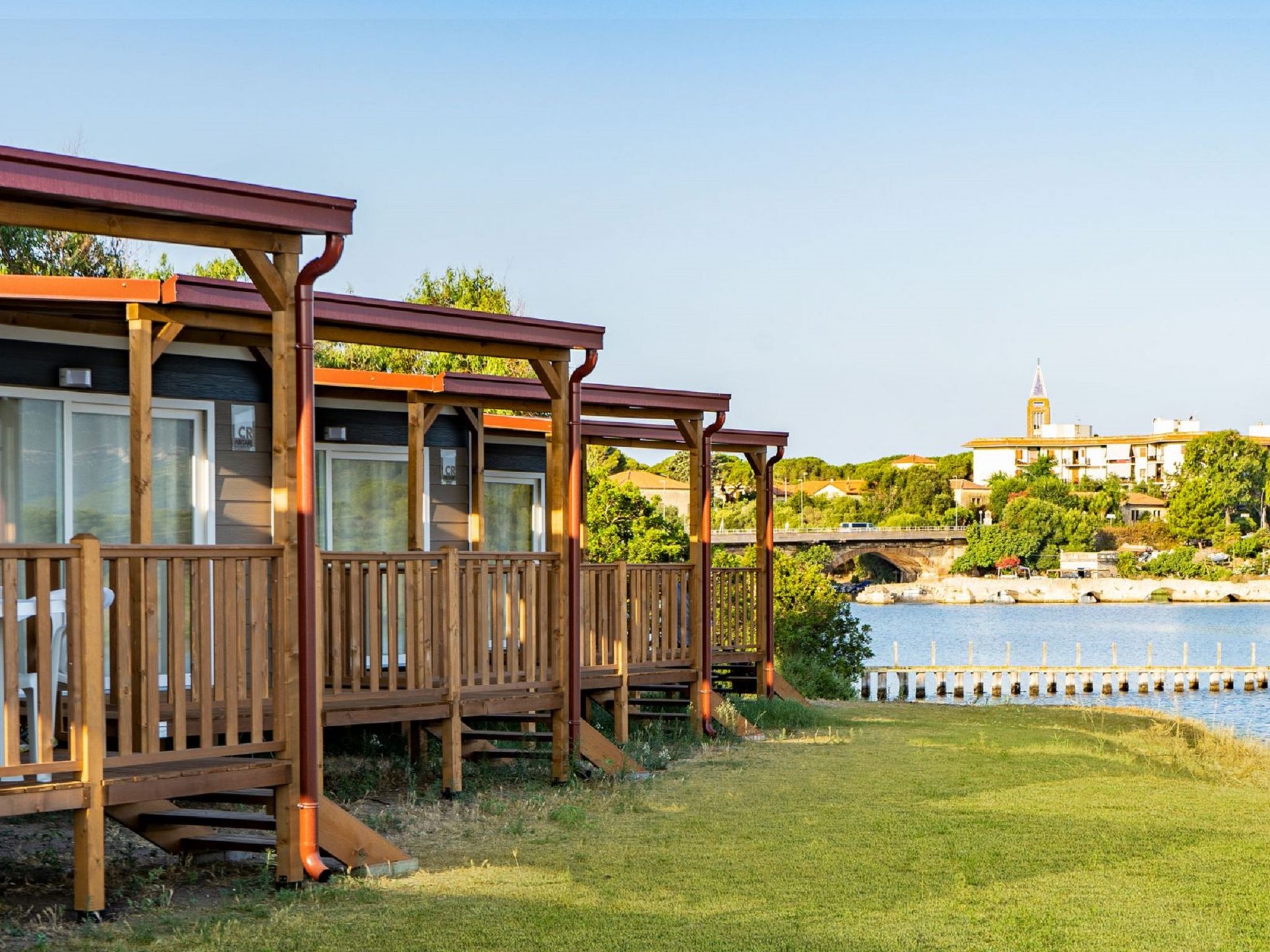
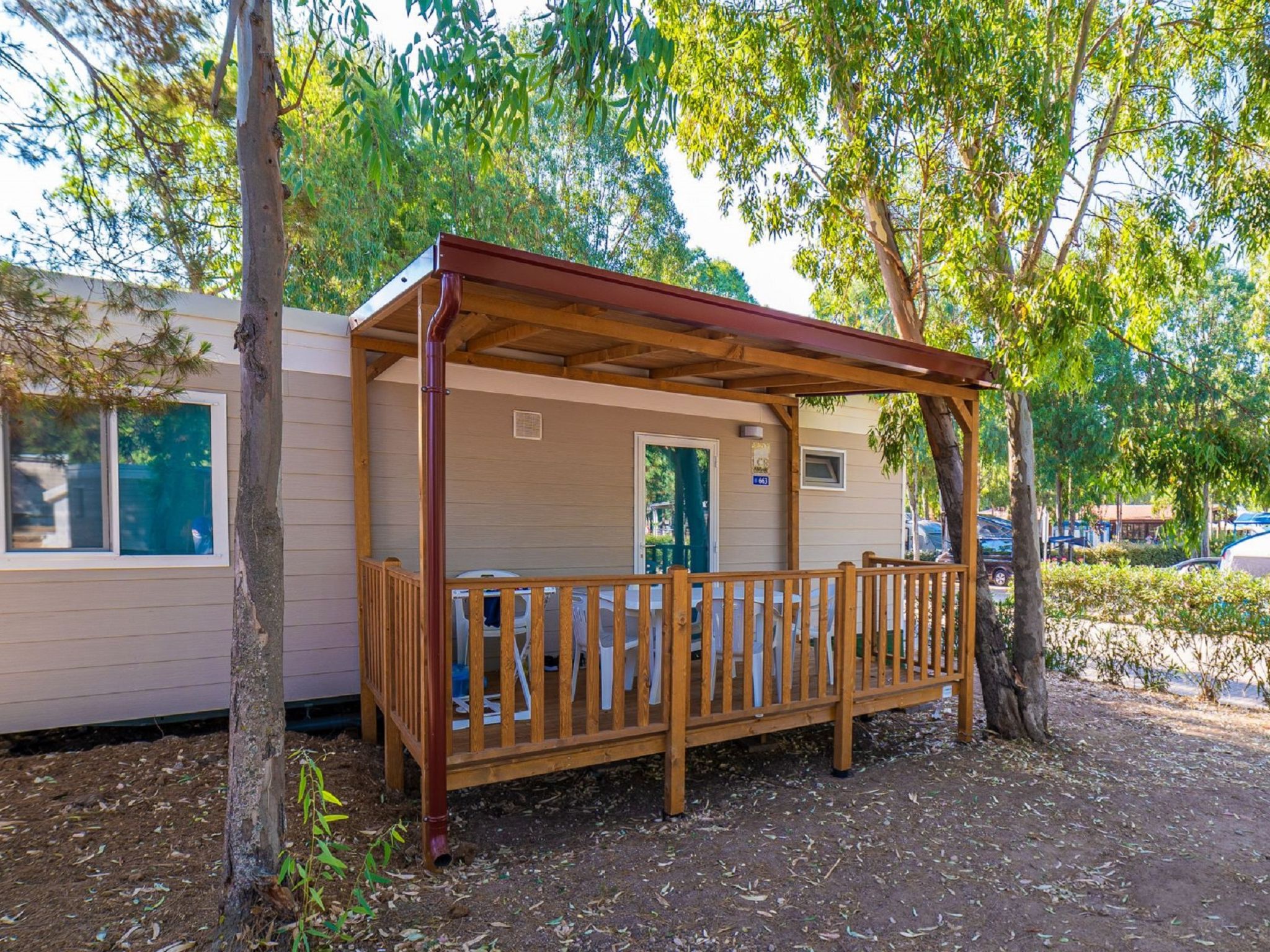
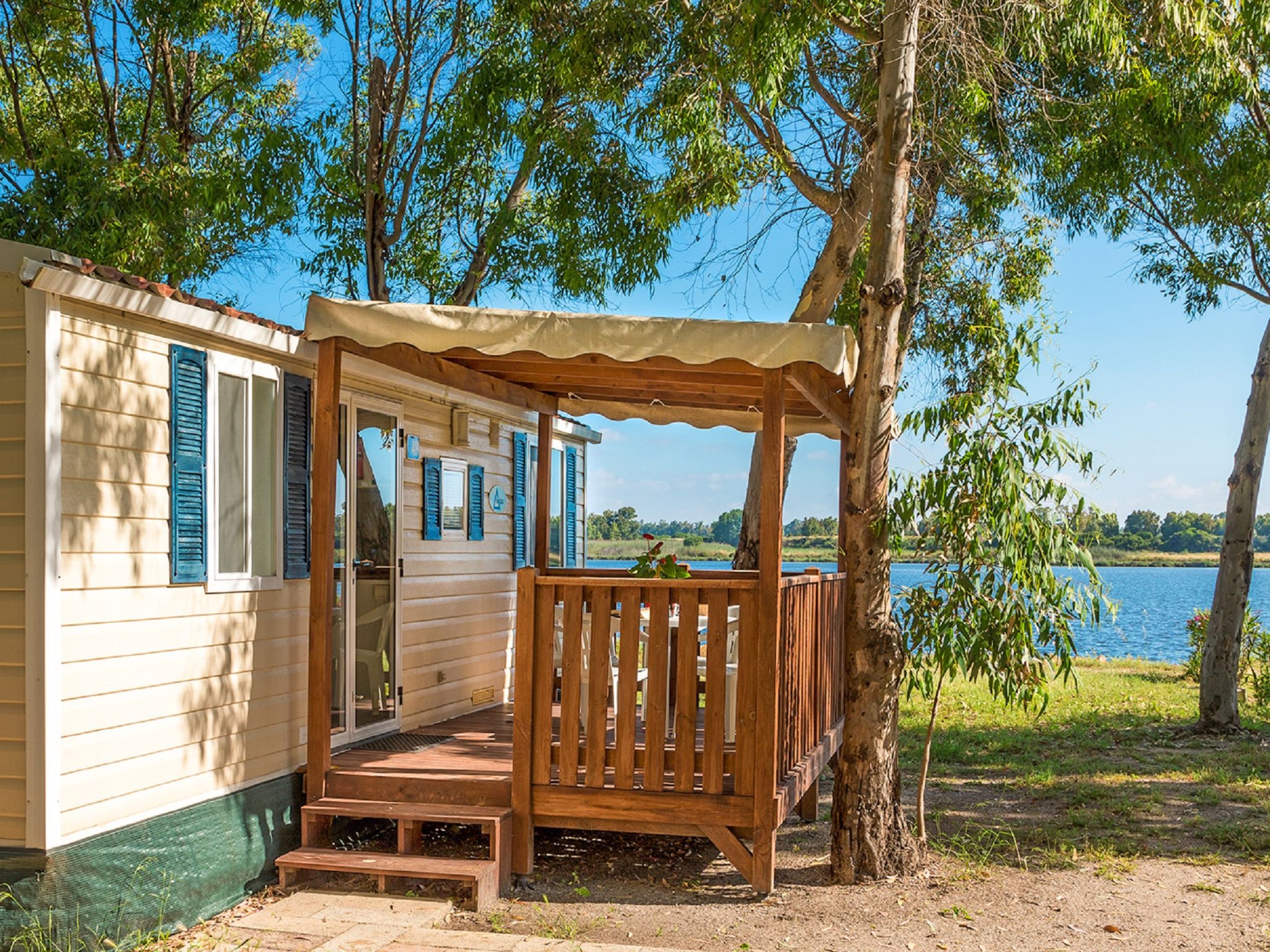
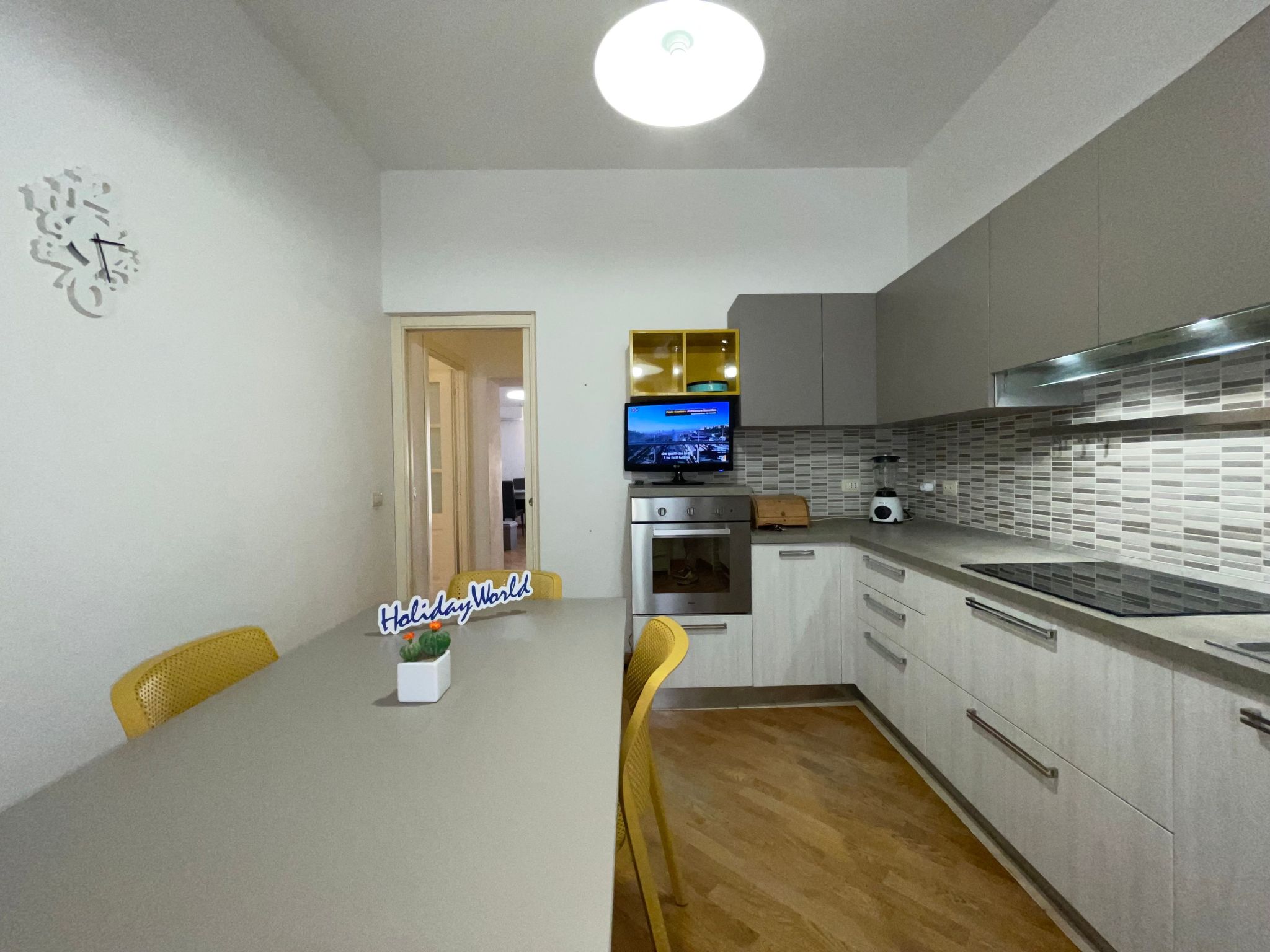
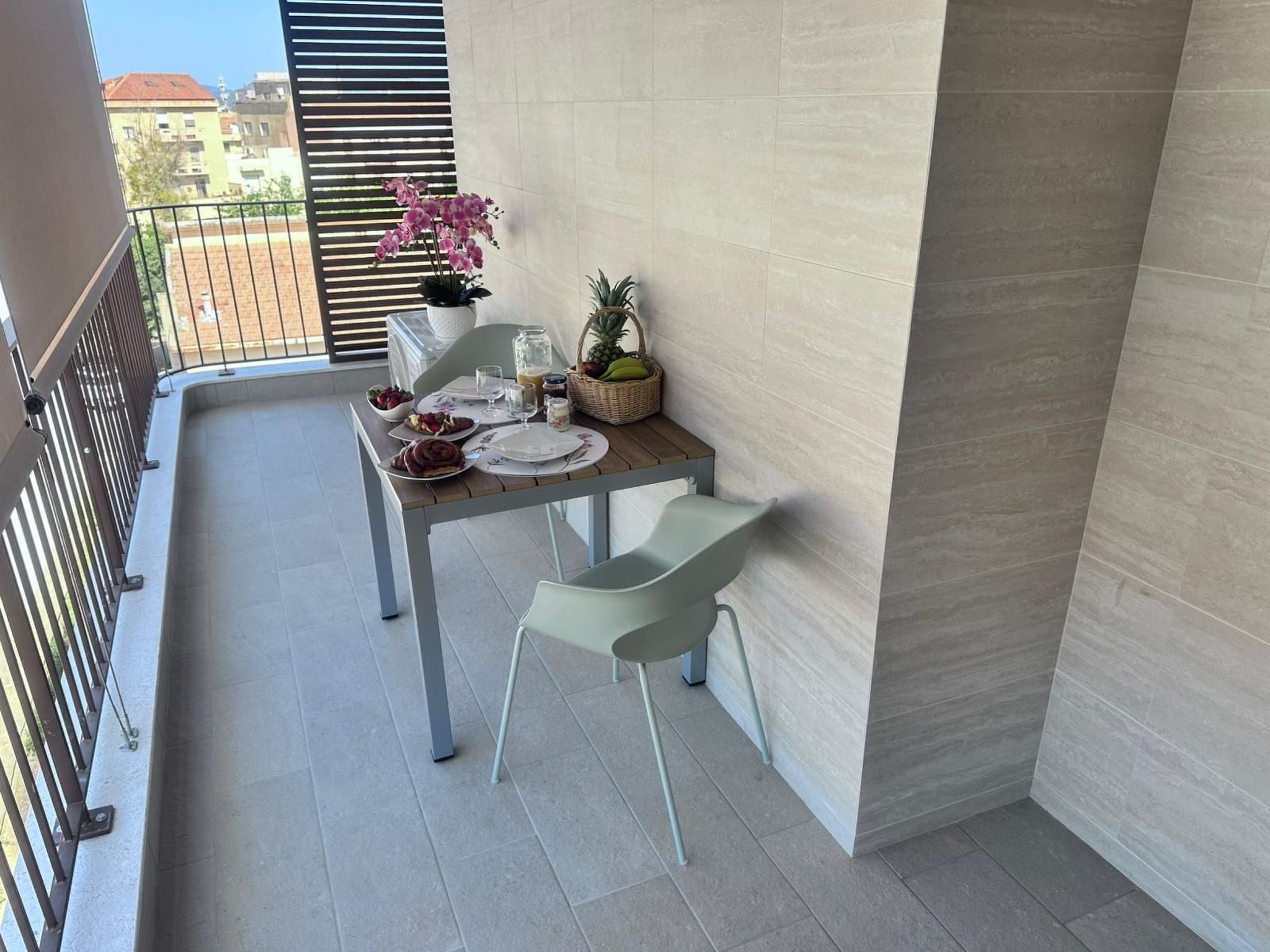
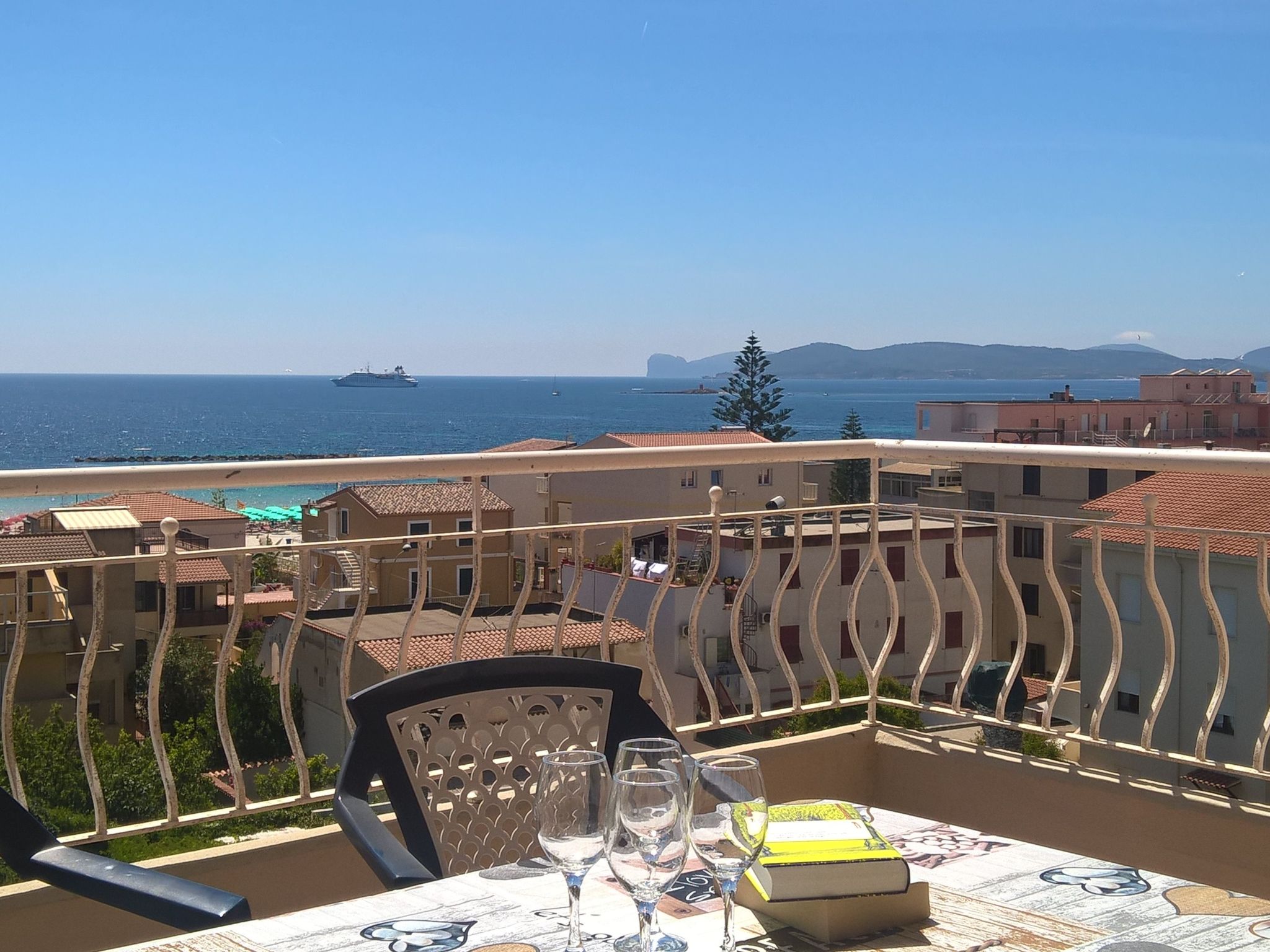
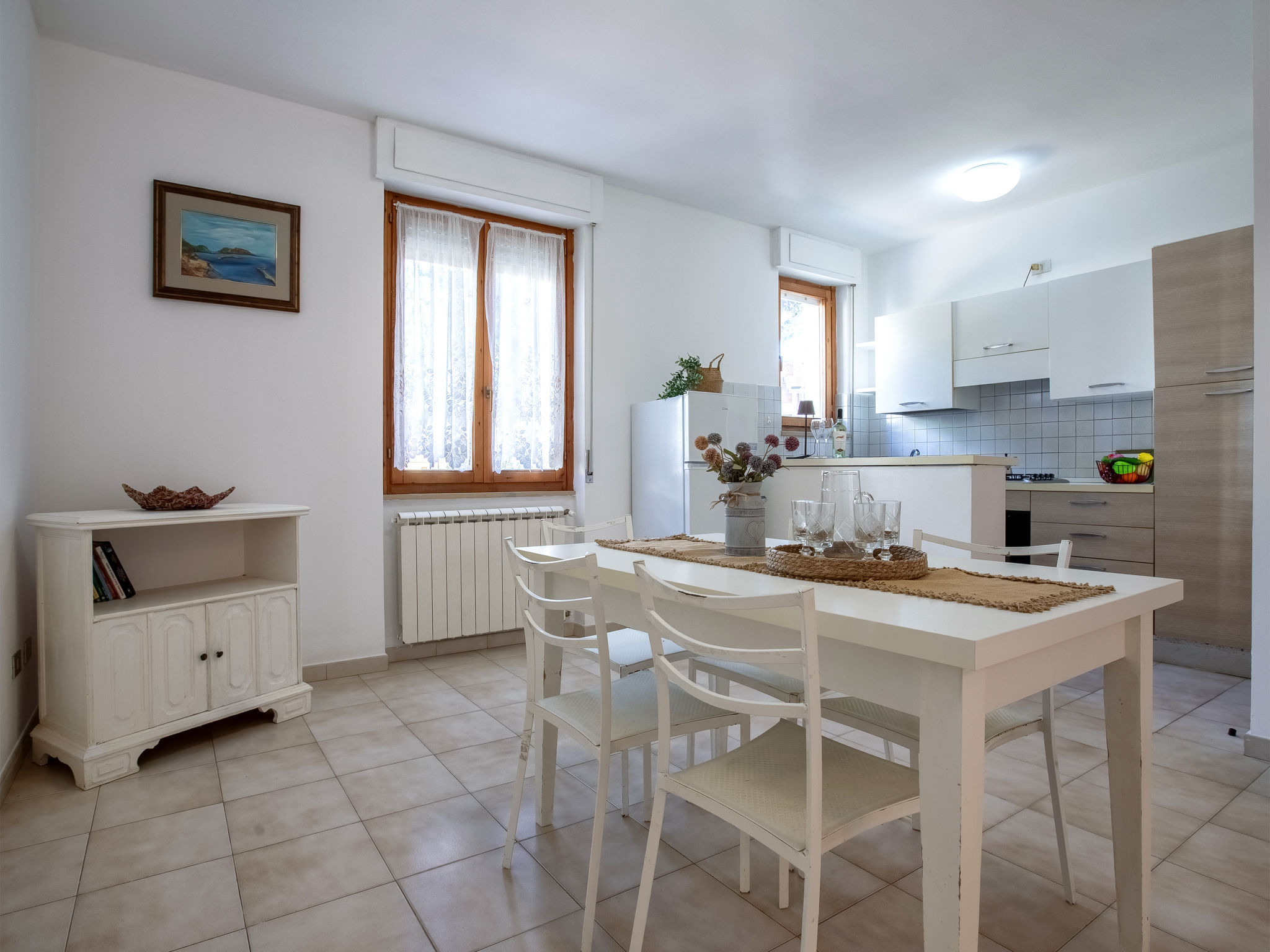
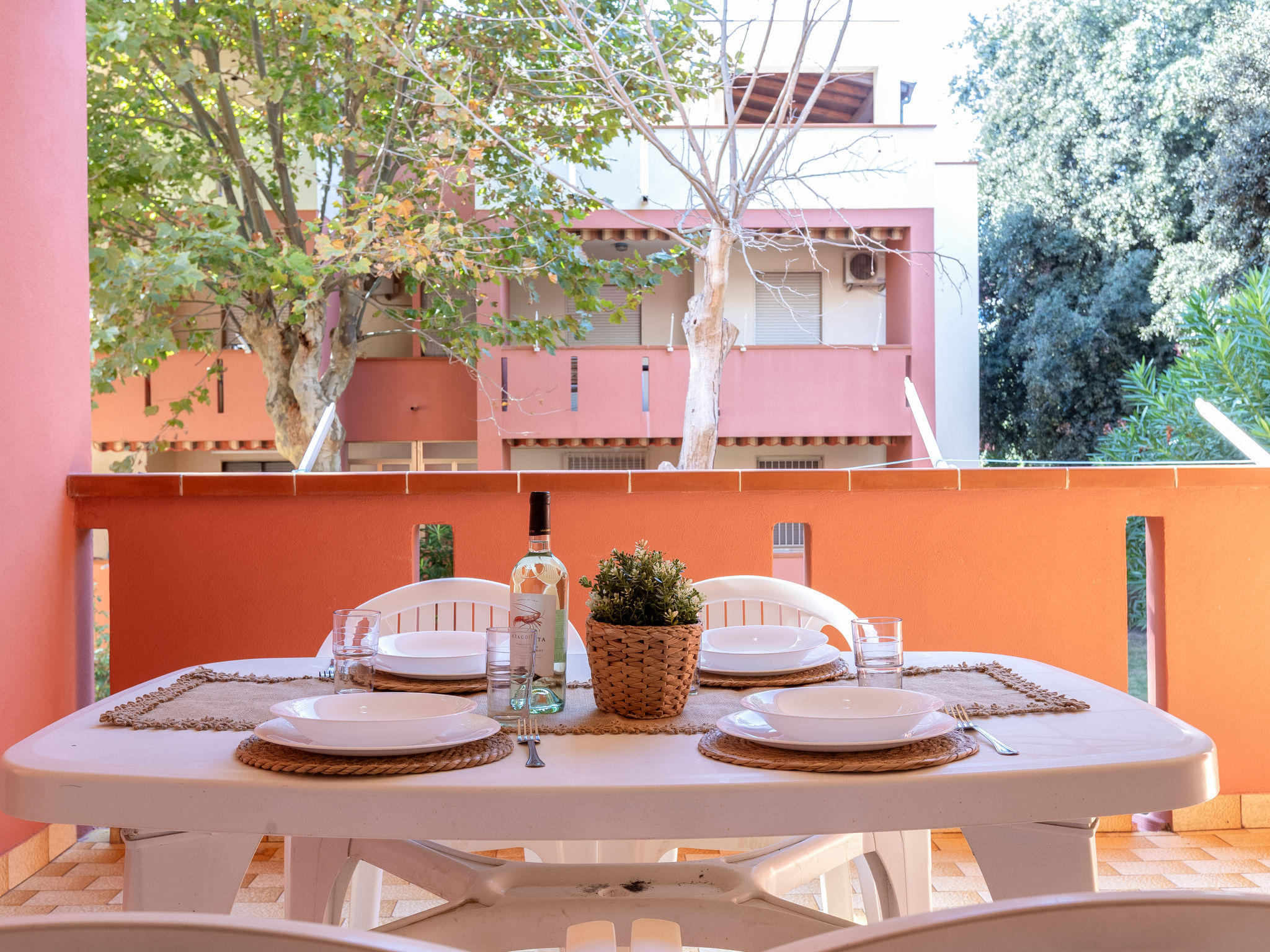
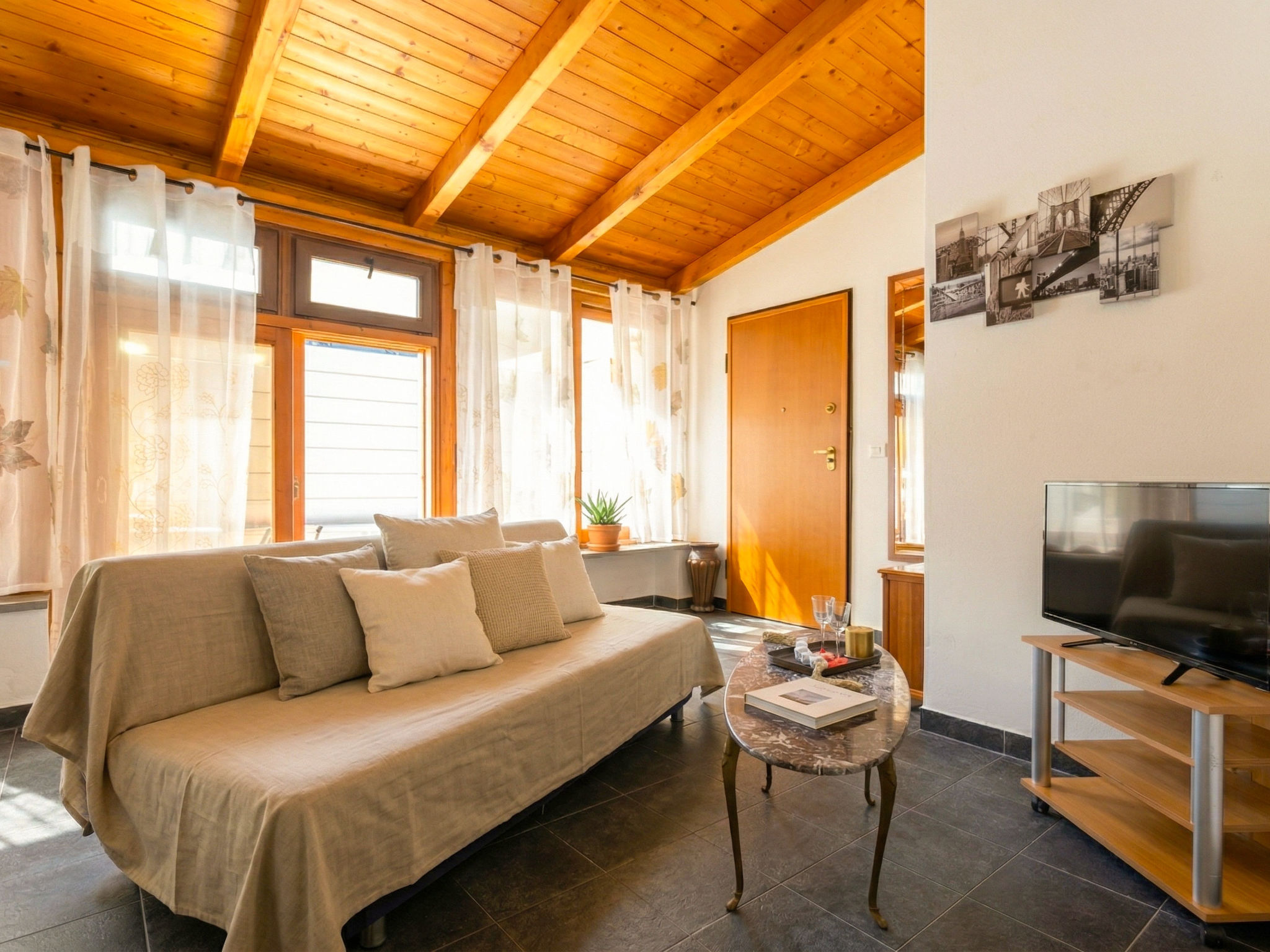
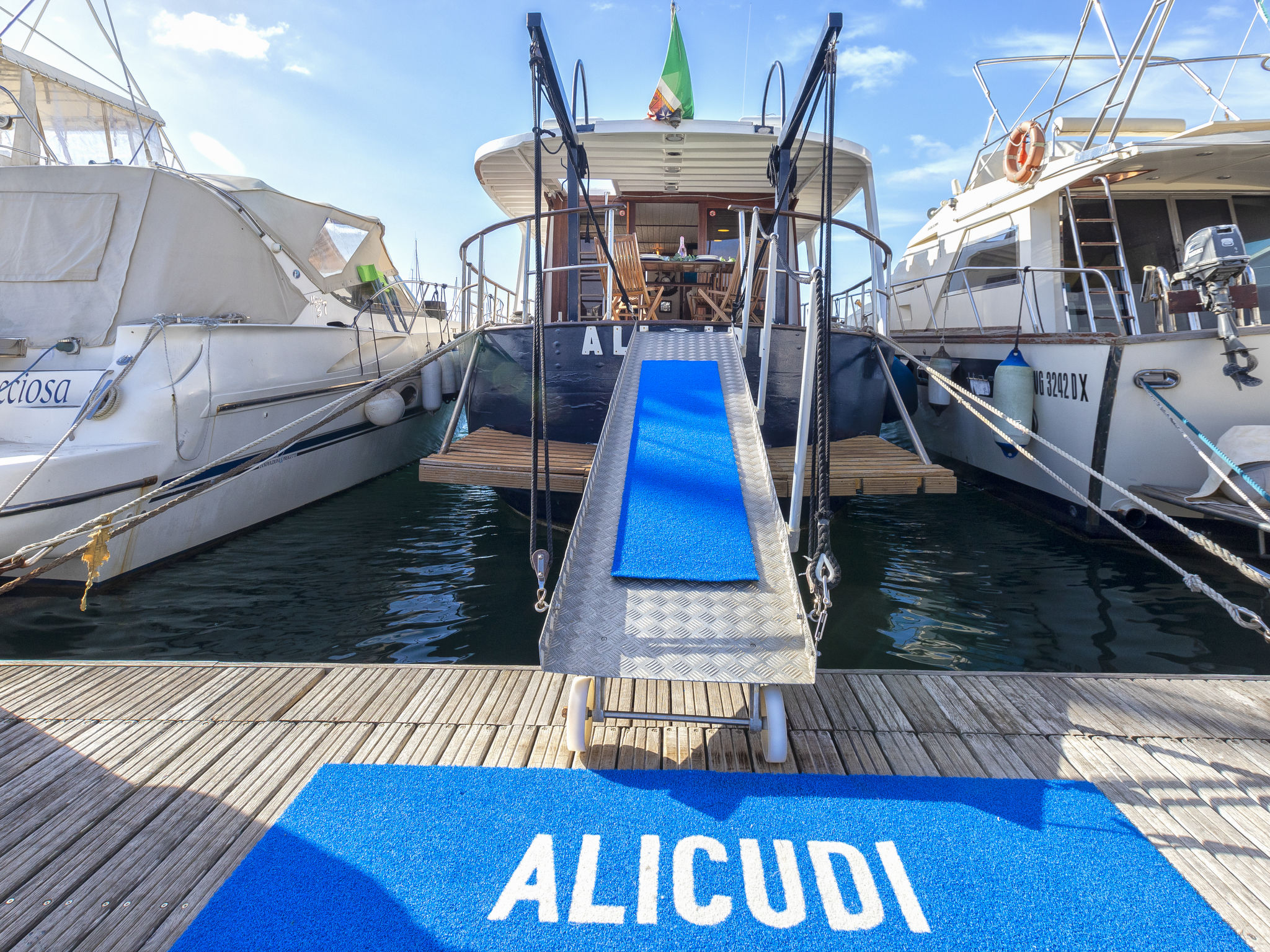
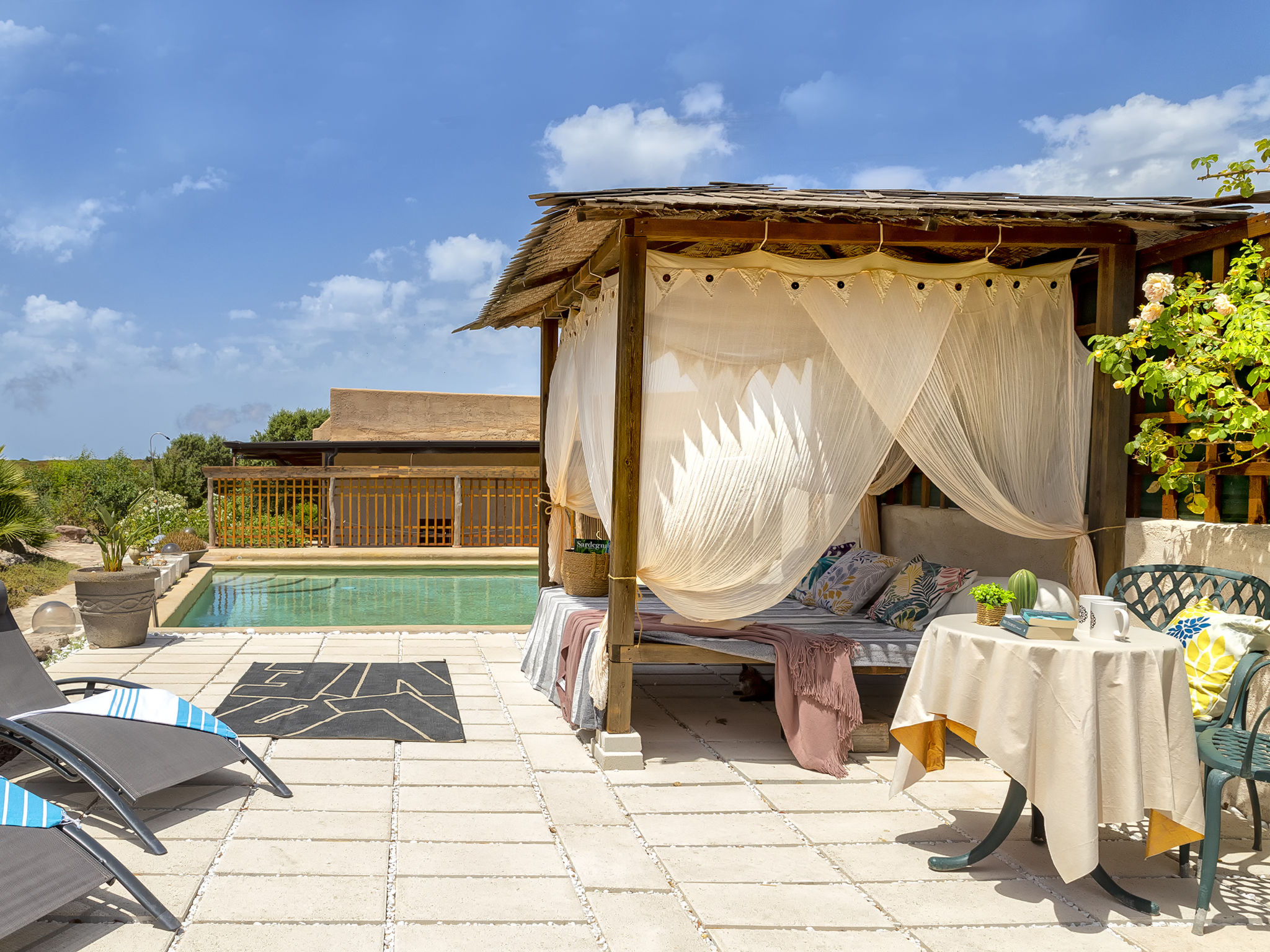
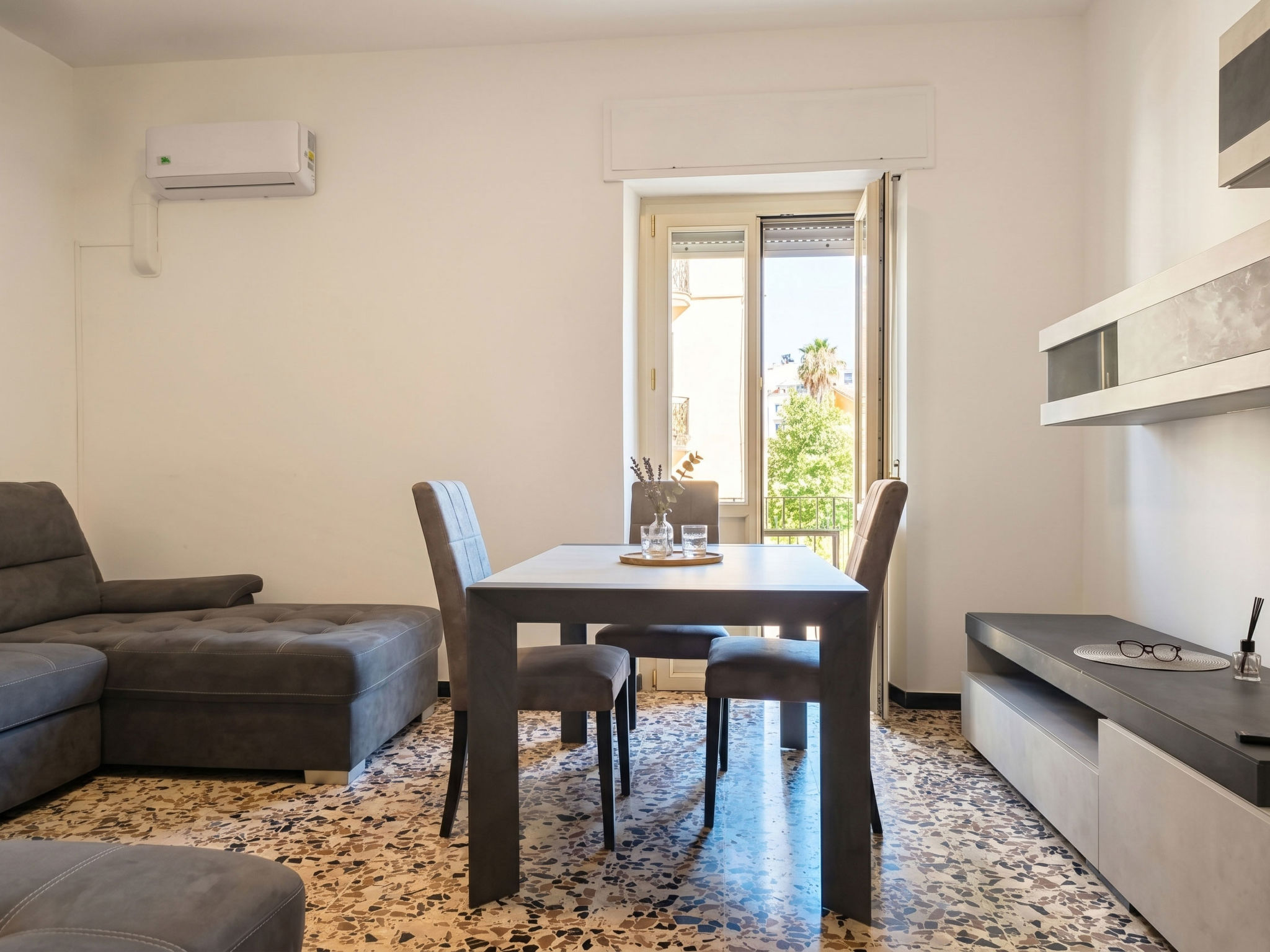
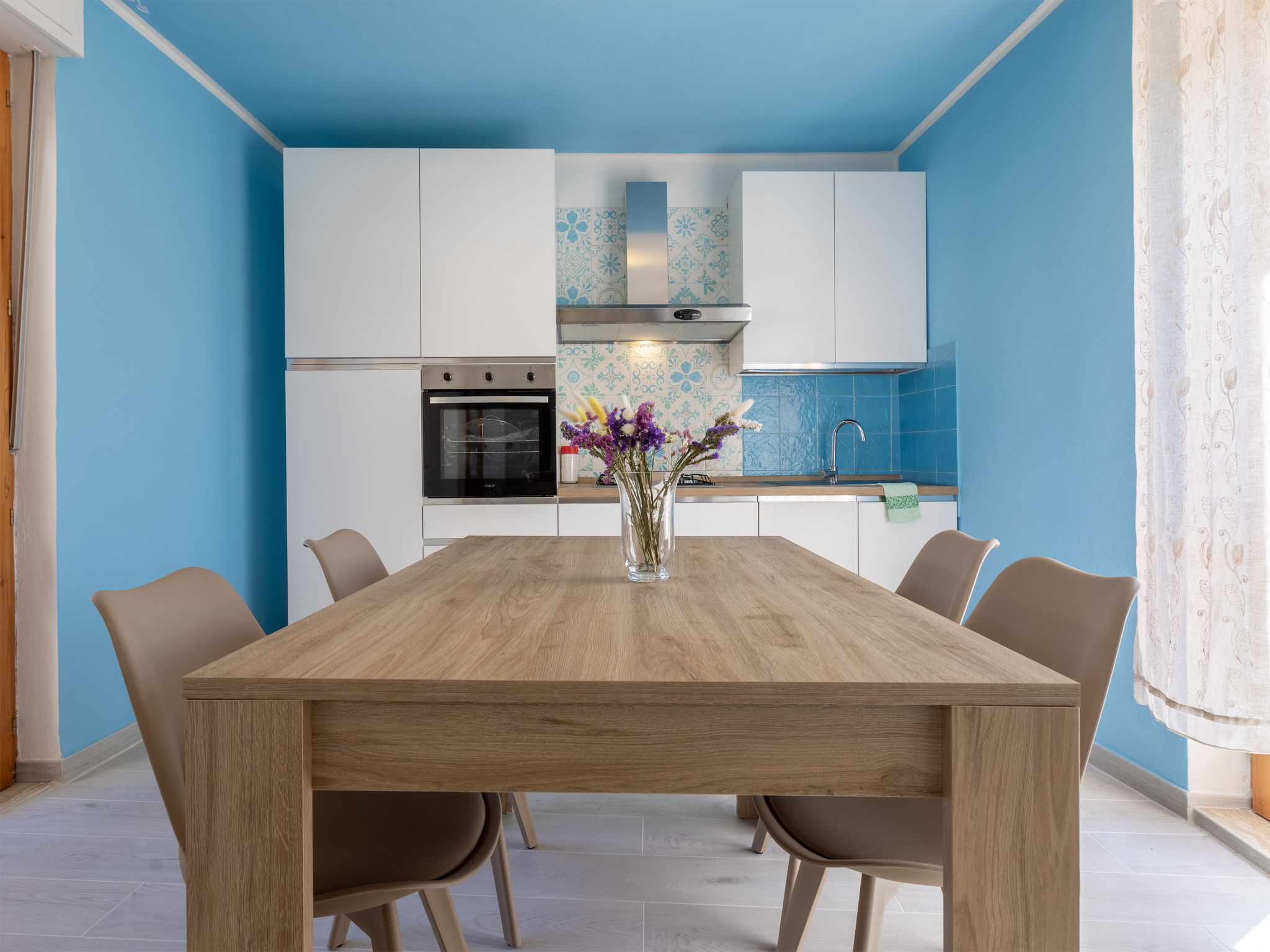
Alghero is Sardinia's northwestern gateway, and it's genuinely different from the glitzier Costa Smeralda beaches an hour's drive away. The old town sits behind medieval walls, with a Spanish colonial flavour from its history as a Catalan settlement. We've found it appeals to visitors who want actual coastal infrastructure and a living town. Not just a resort bolted onto a beach. The main beaches are busy in summer, yes, but they're real town beaches where locals actually swim rather than theme parks for holiday-makers.
Why Stay in Alghero
- The old town walls and narrow streets are genuinely navigable and interesting. Many Italian coastal resorts have sacrificed their character for tourism; Alghero hasn't, and walking the seafront at sunset with locals is an actual experience.
- Dramatic coastal scenery without the premium prices of the Costa Smeralda. You get similar landscapes and sea quality for roughly 30-40% less than nearby luxury resorts.
- Access to inland Sardinia. The cork forests, rocky uplands, and genuinely quiet villages of the interior are 30-60 minutes away. Most Sardinia tourists never leave the coast.
- Honest caveat: summer is hot and busy. The beaches fill up and the town centre gets congested by midday. Also, the town's infrastructure is older than glitzier resorts. Electricity sometimes falters in August during peak demand, water pressure occasionally drops, and WiFi isn't always reliable. It's authentic, but not always comfortable.
Things to Do in Alghero
The Spiaggia di Maria Pia beach (about 20 minutes north) is long, sandy, and less crowded than the main town beach, especially if you arrive early. There's a reef structure that makes snorkelling worth attempting in the clear water. Beach clubs and informal tavole calde sell drinks and basic food throughout the day.
The Grotte di Nettuno (Neptune's Caves) require a boat trip from the main harbor, or you can drive to the nearest car park and descend 654 steps down the cliff face. The cave system is genuinely impressive—stalactites, stalagmites, and a subterranean lake create an otherworldly atmosphere. It's not unknown, so expect crowds in summer, but it's worth the trip regardless. Tours take about 2 hours and cost €15–20.
Sassari is 35 kilometres inland and feels like a proper city rather than a seaside town—narrow medieval streets, serious local restaurants, and genuinely minimal tourism. It's worth a day trip if you want a break from beach culture. The archaeological museum here is decent, though not world-class.
Take the coastal road south towards Bosa. It's one of Sardinia's quieter coastal drives, passing through villages like Villanova Monteleone and arriving at Bosa. A smaller, less touristy town at the mouth of the Temo river. The drive itself is the activity. The destination is atmospheric but not packed with traditional sights.
Day trips to the cork forests (Sughera Forest) show you a side of Sardinia that stays completely hidden from beach-resort visitors. The industrial cork harvest, the landscape, and the rural villages are genuinely different from Italian coast stereotypes. Local guides can arrange walks, though independent exploration works just as well.