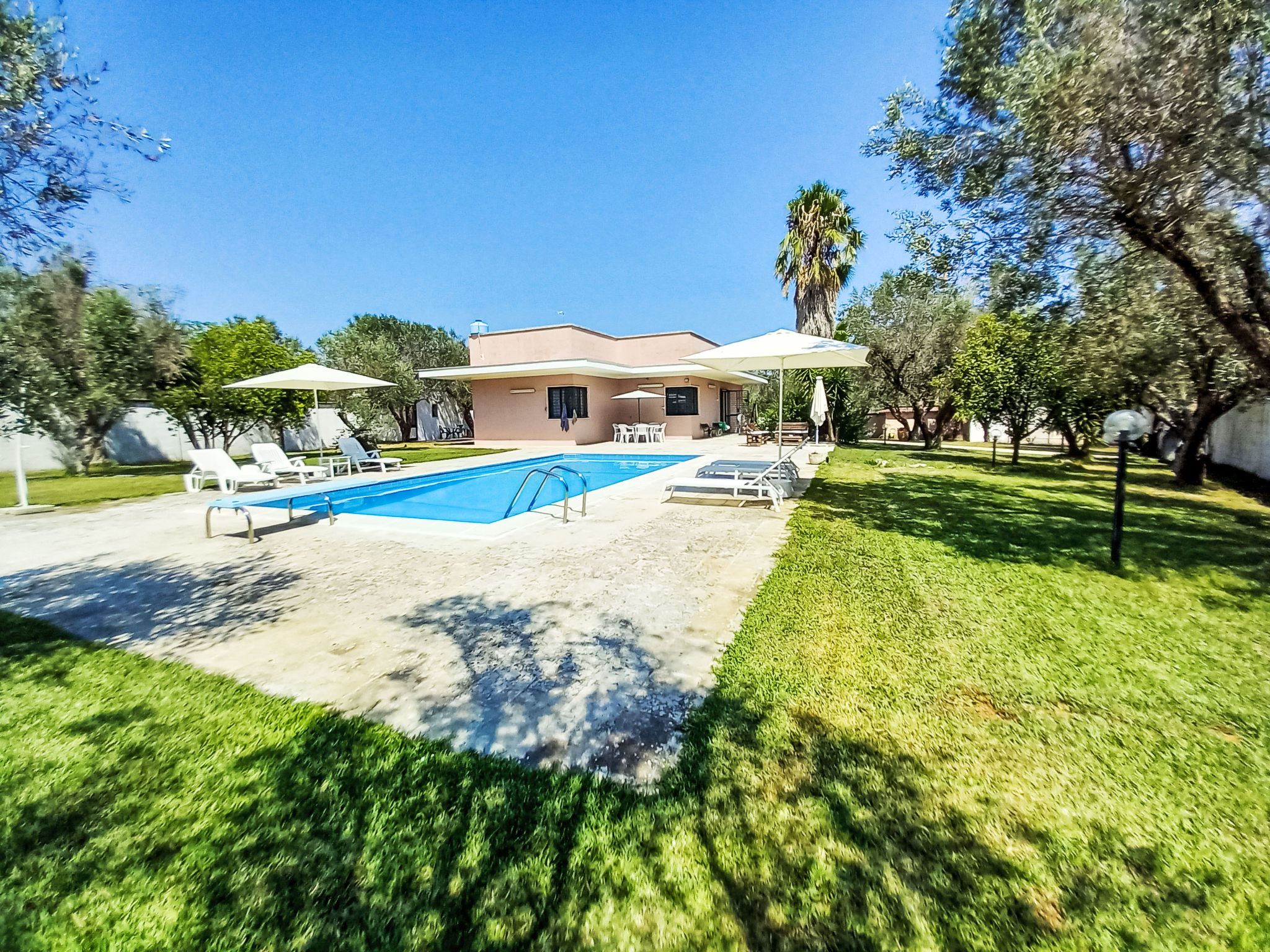
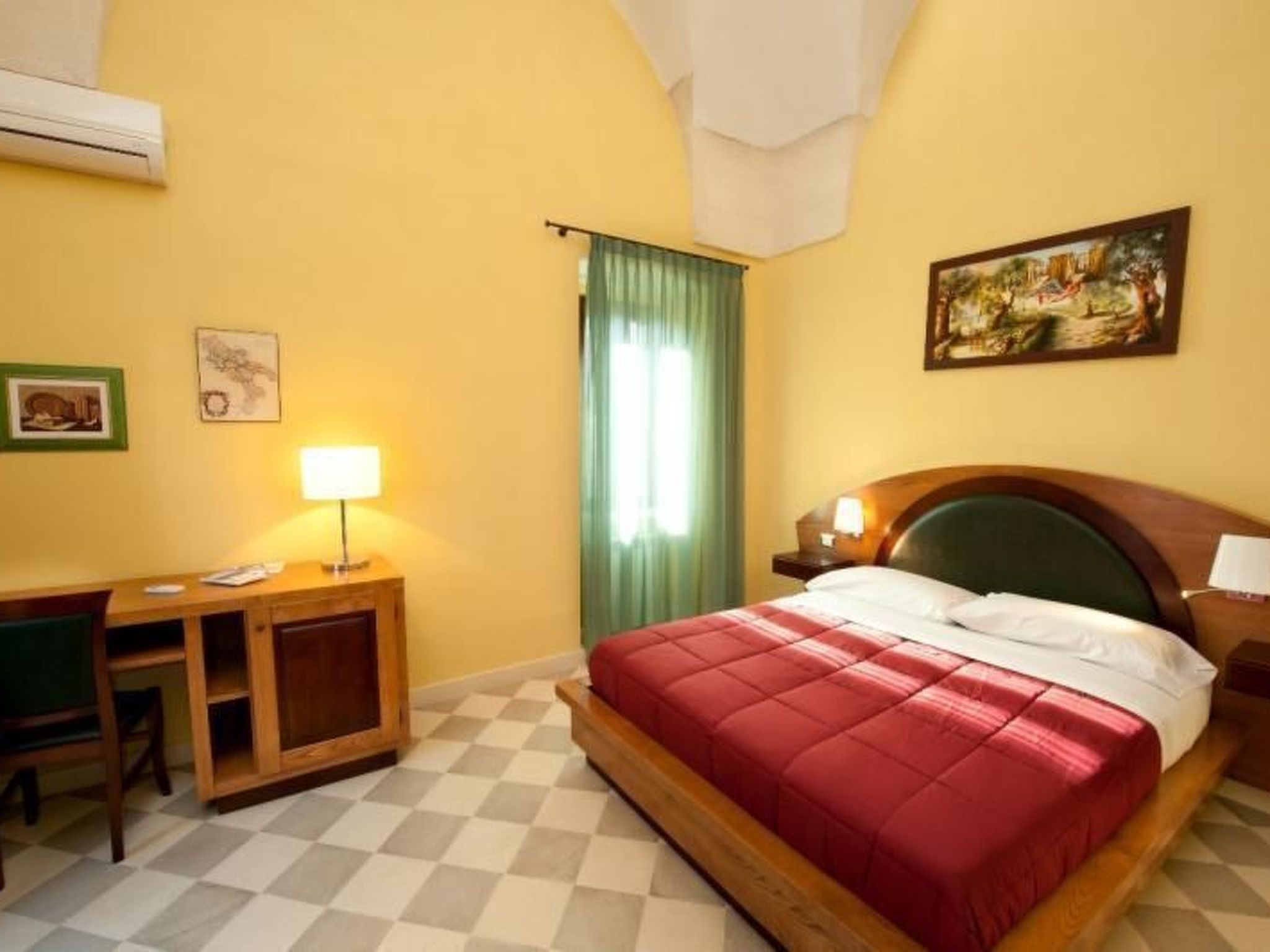
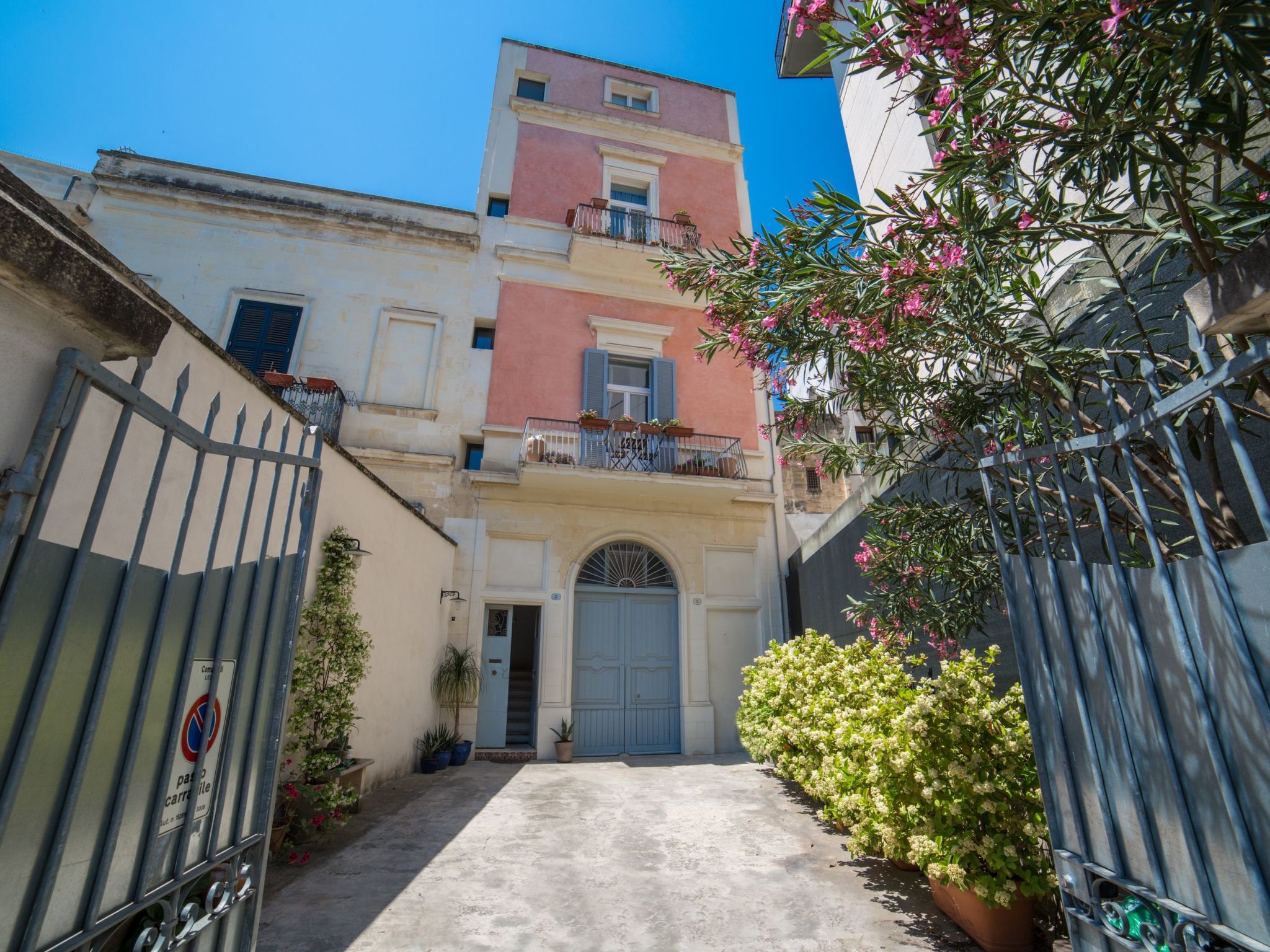
If Puglia is Italy's heel, Salento is the part that's actually walked somewhere. This finger of land pointing into the Adriatic has a personality entirely its own: Greek without being Greece, baroque without being Rome, and somehow still affordable when everywhere else has priced out the British. The food here is real—not Instagram real, but actually real—and the people will argue with you about how to cook seafood in a way that feels like a compliment. We come back to Salento not because we have to, but because it genuinely gets under your skin.
What Makes Salento Special
- Two completely different coastlines within driving distance: the Adriatic's dramatic rocky cliffs to the east, the Ionian's gentler sandy beaches to the west. They genuinely feel like different countries.
- Lecce's baroque architecture is serious—it's not trying too hard like some Italian towns. The honey-coloured limestone really does change colour at sunset, and you'll find yourself walking back to the same squares three nights running.
- A real living Greek culture. Griko is still spoken (fading, but spoken), and you'll taste it in dialect, place names, and recipes. This isn't heritage tourism; it's just how people are.
- The masserie: old fortified farmhouses that have been converted into hotels and restaurants. They're genuinely beautiful and still feel like working farms, not theme parks.
- Food costs and villa costs remain what they should be. You're not paying Venice prices for better weather.
Top Towns & Resorts in Salento
Lecce
Lecce is the baroque capital. not just of Salento, but arguably of all southern Italy. The centro storico is walkable (and it rewards walking), with lime-coloured buildings and hidden courtyards. The cathedral square genuinely glows in the late afternoon. But be honest: the centre gets tourists, and August is heaving. Parking is a puzzle. The real Lecce lives in the side streets and piazzas where locals eat, drink, and argue about football. There's a decent food scene here, though it's caught between genuine trattorie and new restaurants trying a bit too hard. We recommend arriving out of season and staying in a villa within easy distance rather than fighting for a central hotel room.
Otranto
The east coast's main draw. small, defensive, built on a promontory with real castle walls and a proper cathedral. The harbour is narrow and attractive, which sounds cliché but is genuinely nice. Swimming is decent from the beach just outside town, or from rocks if you're brave. The fortress (Aragonese Castle) is worth an hour. Reality check: it's tiny, so high season feels crowded for what it is. The beaches immediately adjacent are small pebbles and busy. The real swimming happens north and south along the coast. you'll need a car. There's good seafood here, but eat early or late to avoid the tour-group crush.
Gallipoli
Gallipoli sits on an island connected by a causeway. it's dramatically sited, with the old town crammed onto a spike of land. The approach from the west, seeing it light up at dusk, is genuinely lovely. It's on the Ionian coast, so sandier beaches nearby. The town itself is compact and walkable, with good restaurants along the waterfront. The downside: it's discovered. High season is busy, and recent development around the causeway has been heavy-handed. Parking is tricky. But out of July-August, it's a proper working town that happens to be beautiful, with real local bakeries and butchers who don't cater to tourists. The beaches stretch north and south. excellent swimming, and you'll find fewer crowds if you go 5km either direction.
Santa Maria di Leuca
The southern tip where Adriatic and Ionian meet. Dramatic cliffs, a lighthouse, and water that genuinely looks different depending on the angle. The town itself is modest. not grand or especially developed. which is part of its appeal. There's a sanctuary church perched on the cliffs that's worth the climb. The swimming is excellent if you're prepared to scramble or wade from rocks; there's limited beach in the town centre itself. The real joy is the drive here and the sense of reaching somewhere that feels like an edge. Bear in mind: it's small and quiet to the point that some find it lonely in low season. There are a handful of restaurants and hotels, but this isn't a full resort. It rewards visitors who want peace over entertainment.
Brindisi
Not a holiday destination, but the closest airport and technically worth a mention. If you're arriving here, you can be in central Salento in 45 minutes by car. The old town has a red-brick feel and a genuine working-port atmosphere, which has its own charm if you like that sort of thing. Most visitors skip straight through, which is fine. your villa is probably your destination anyway.