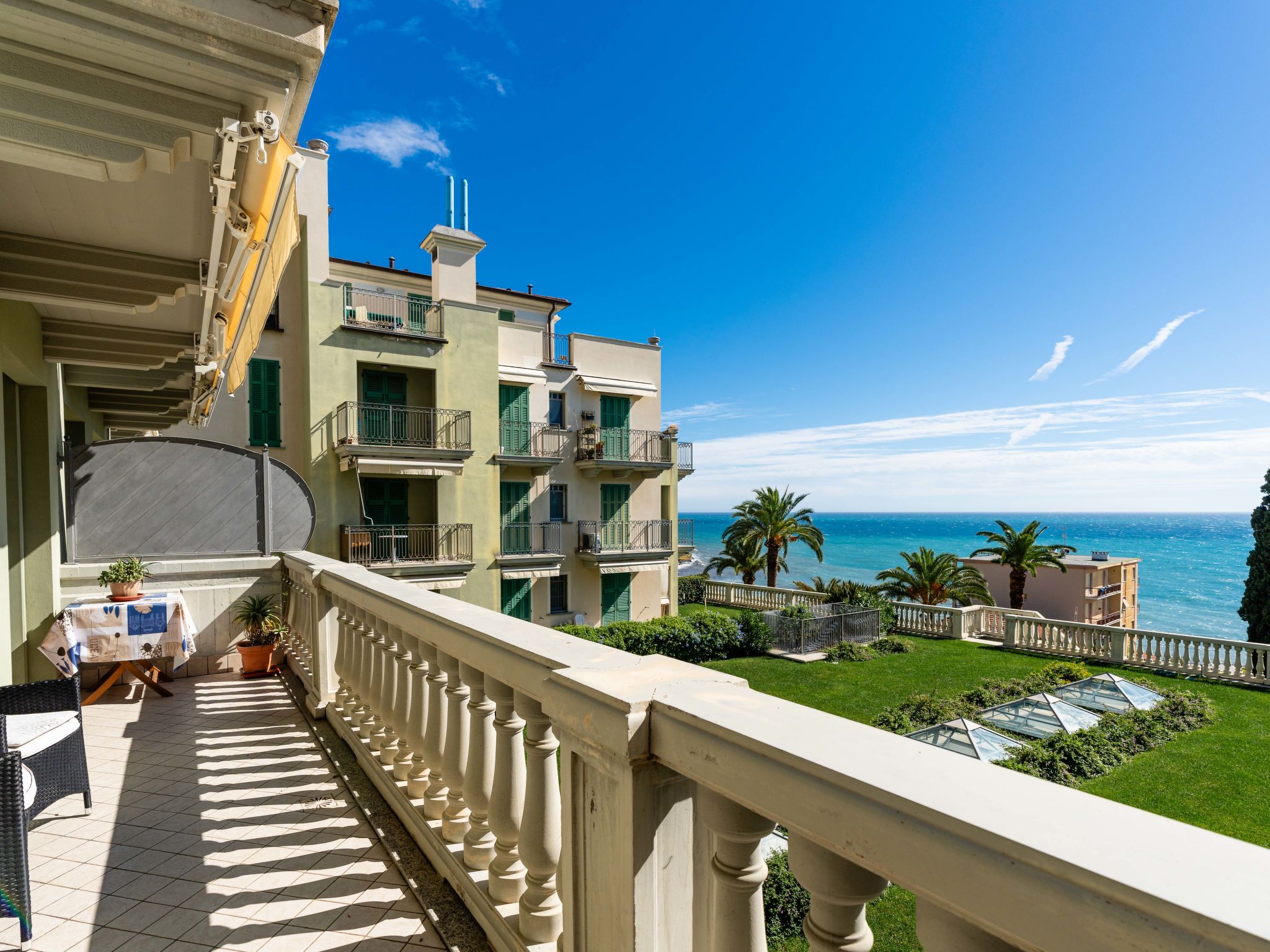
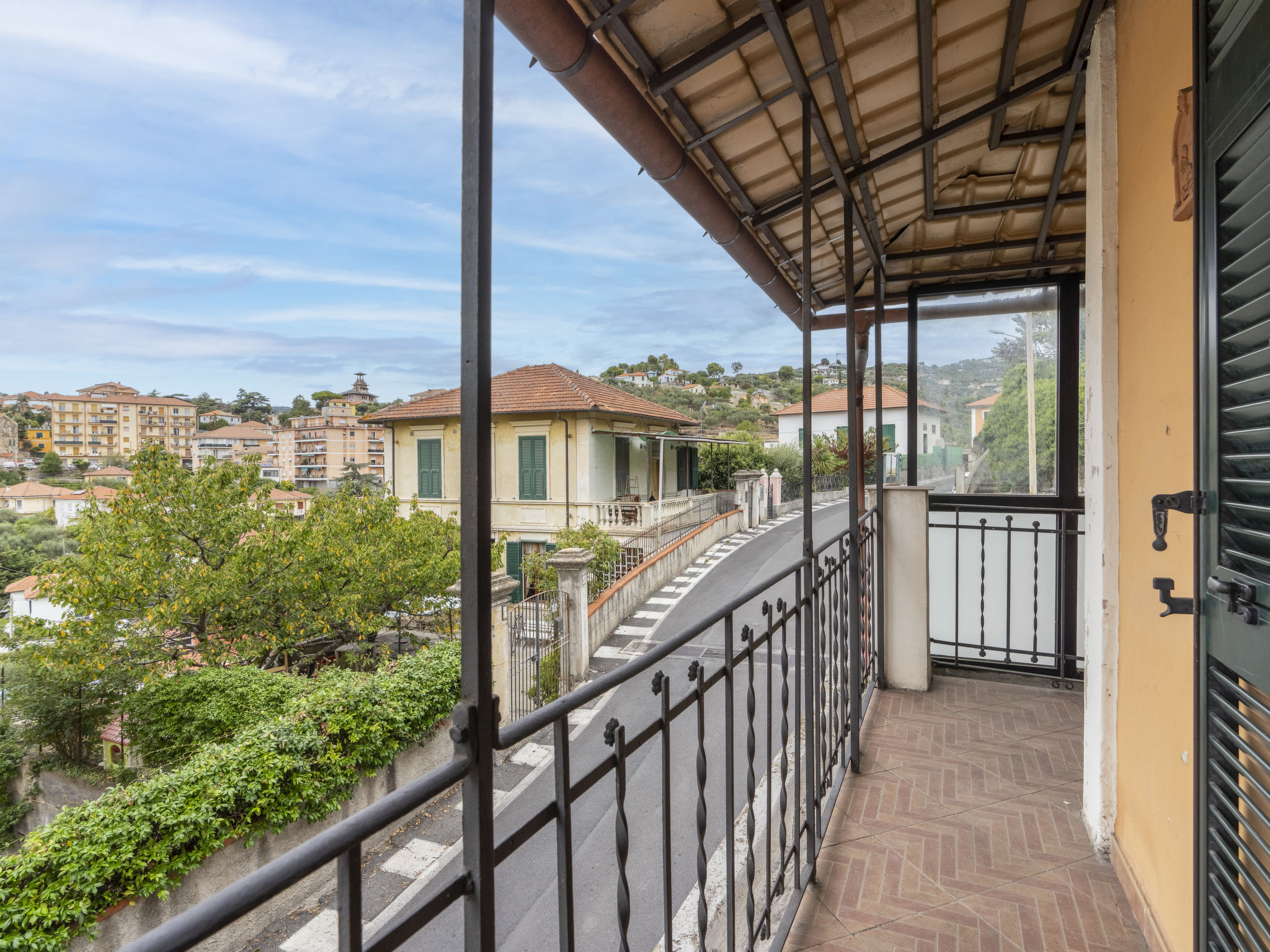
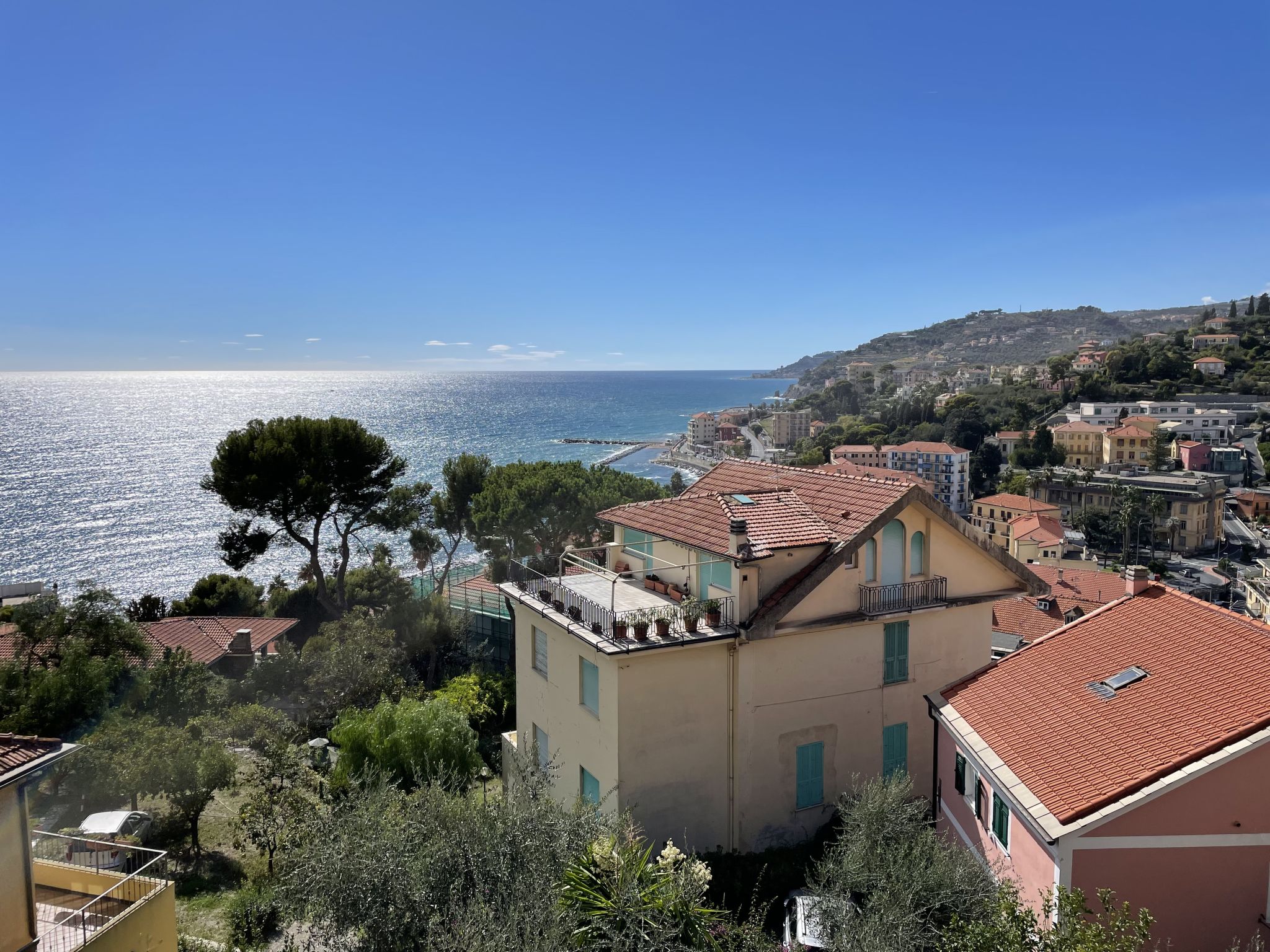
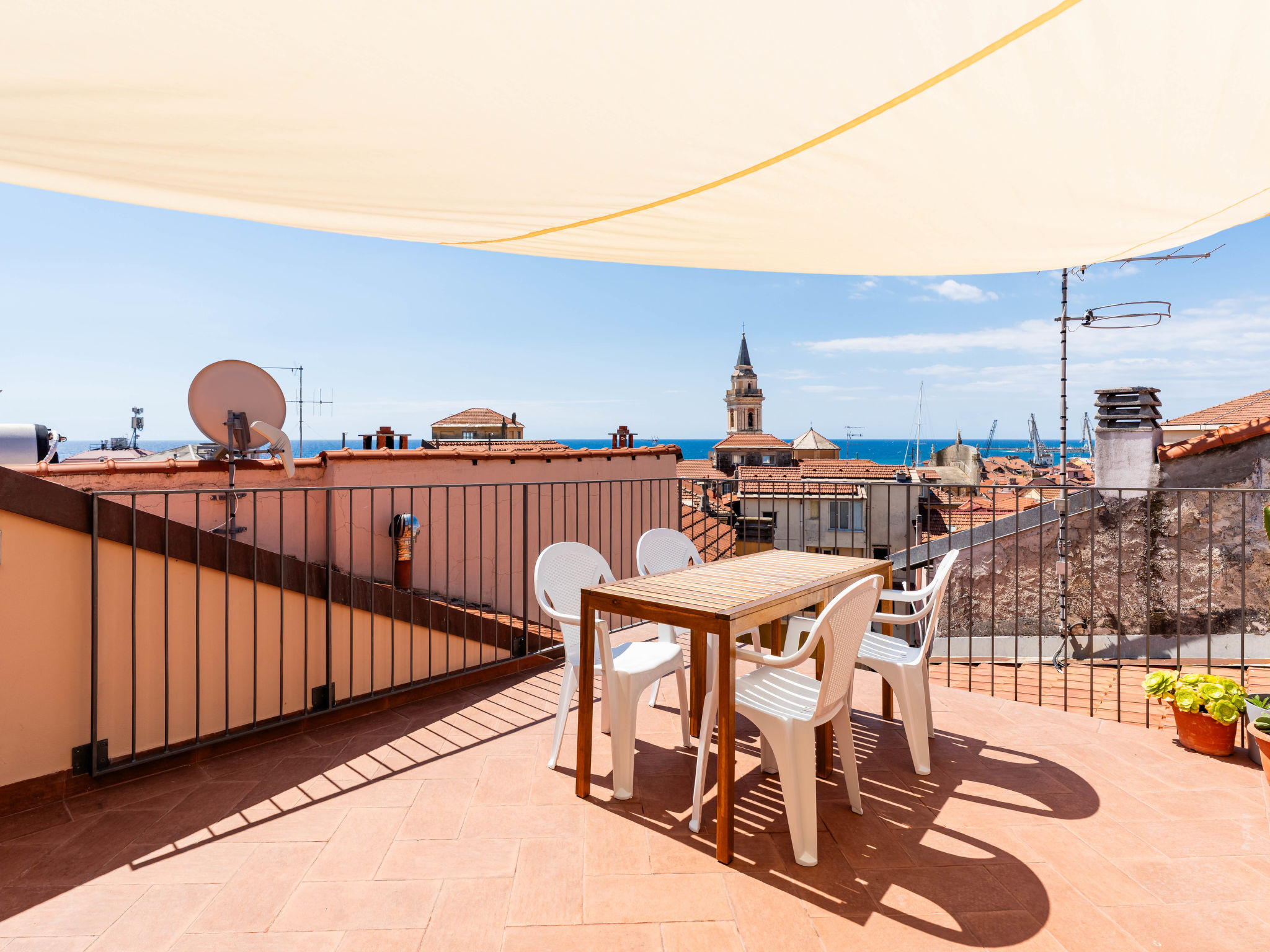
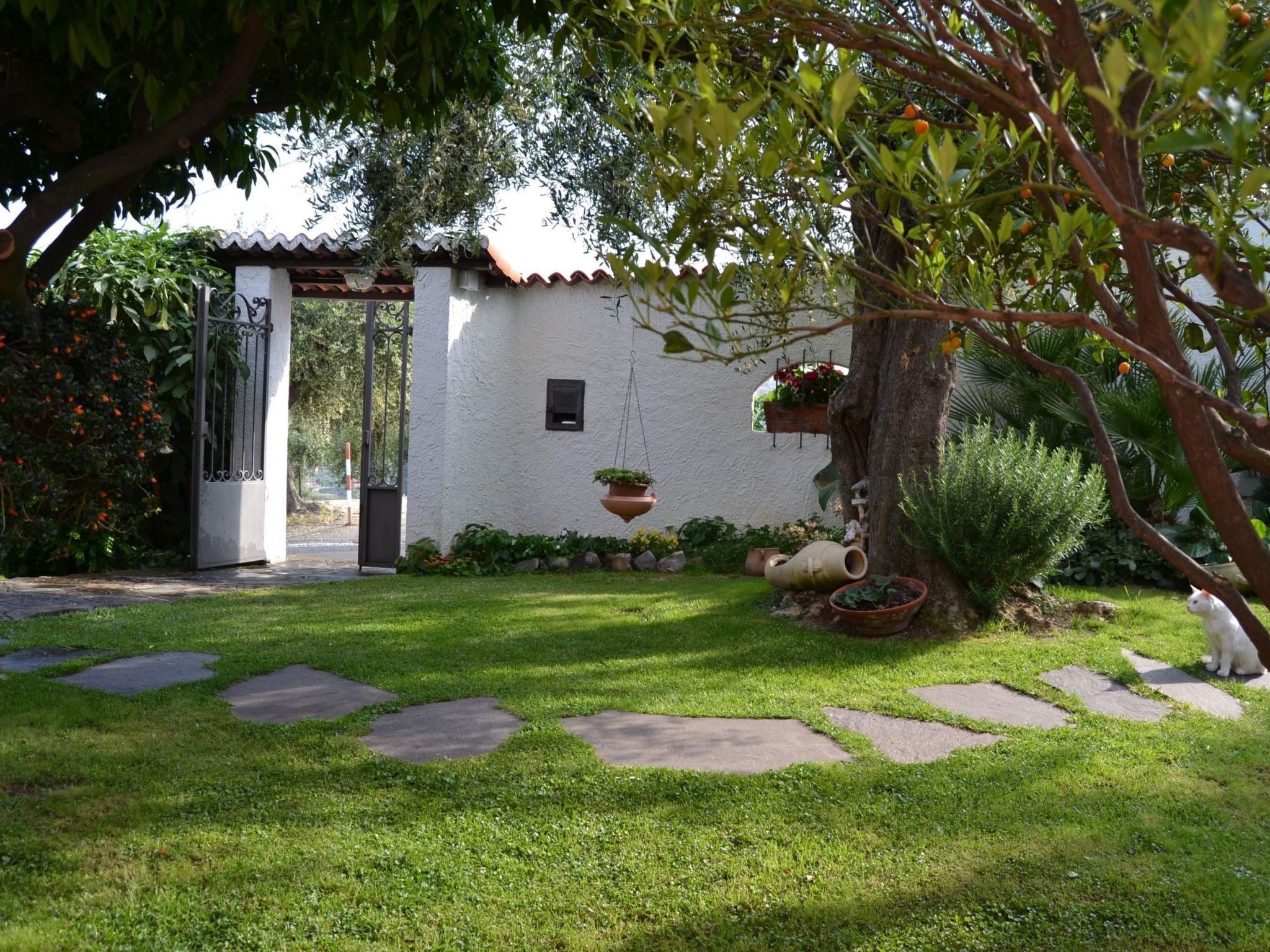
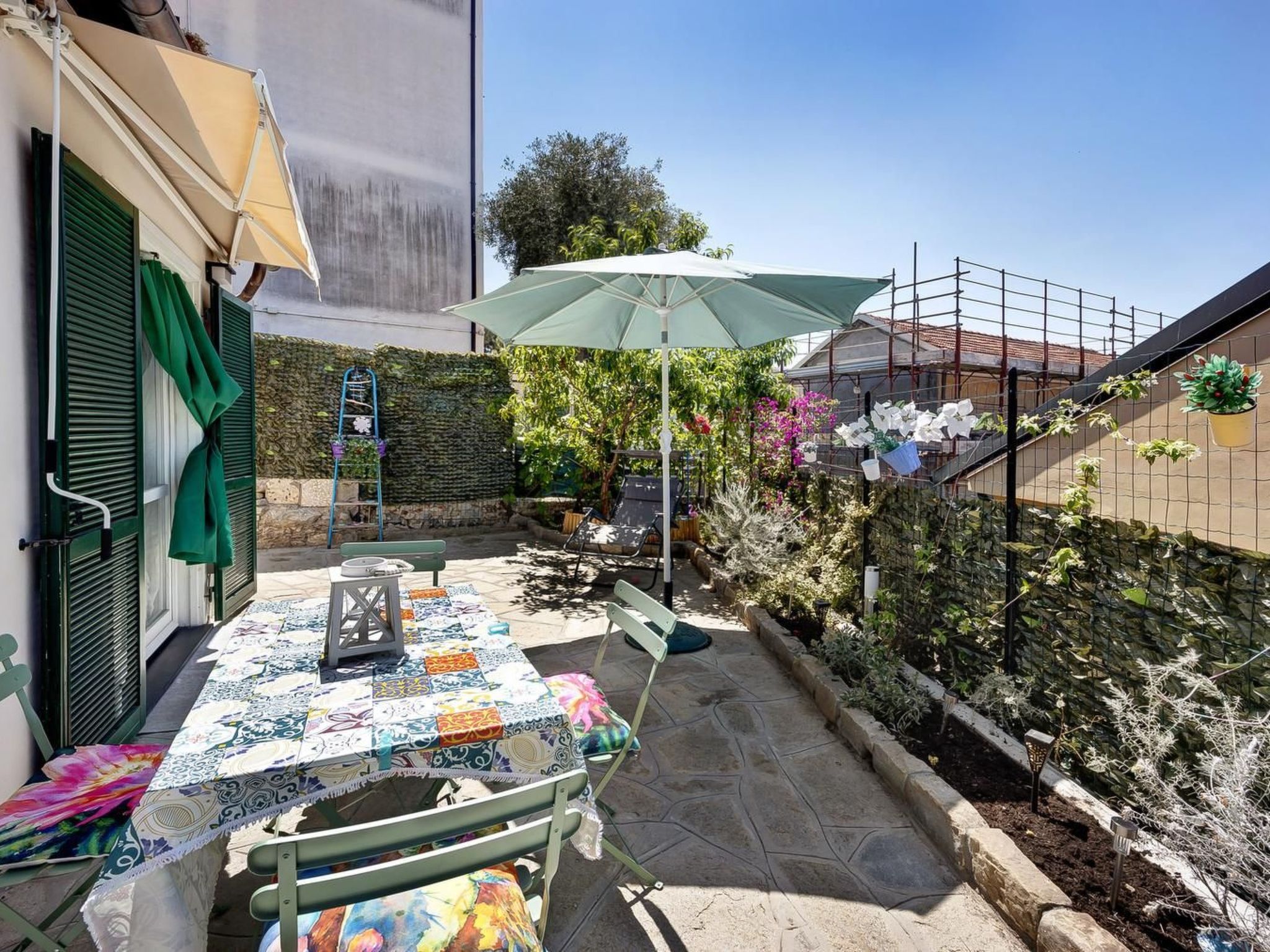
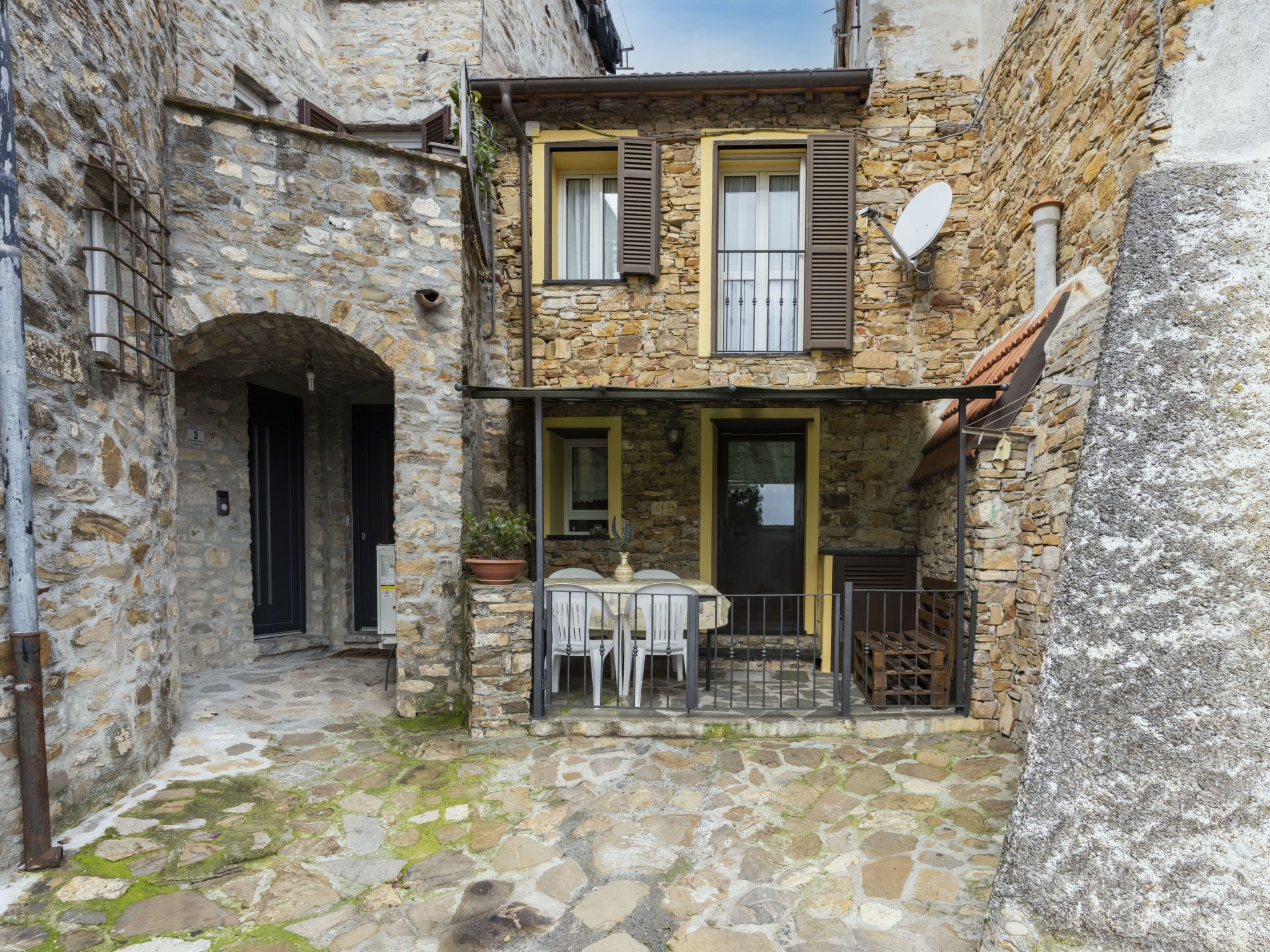
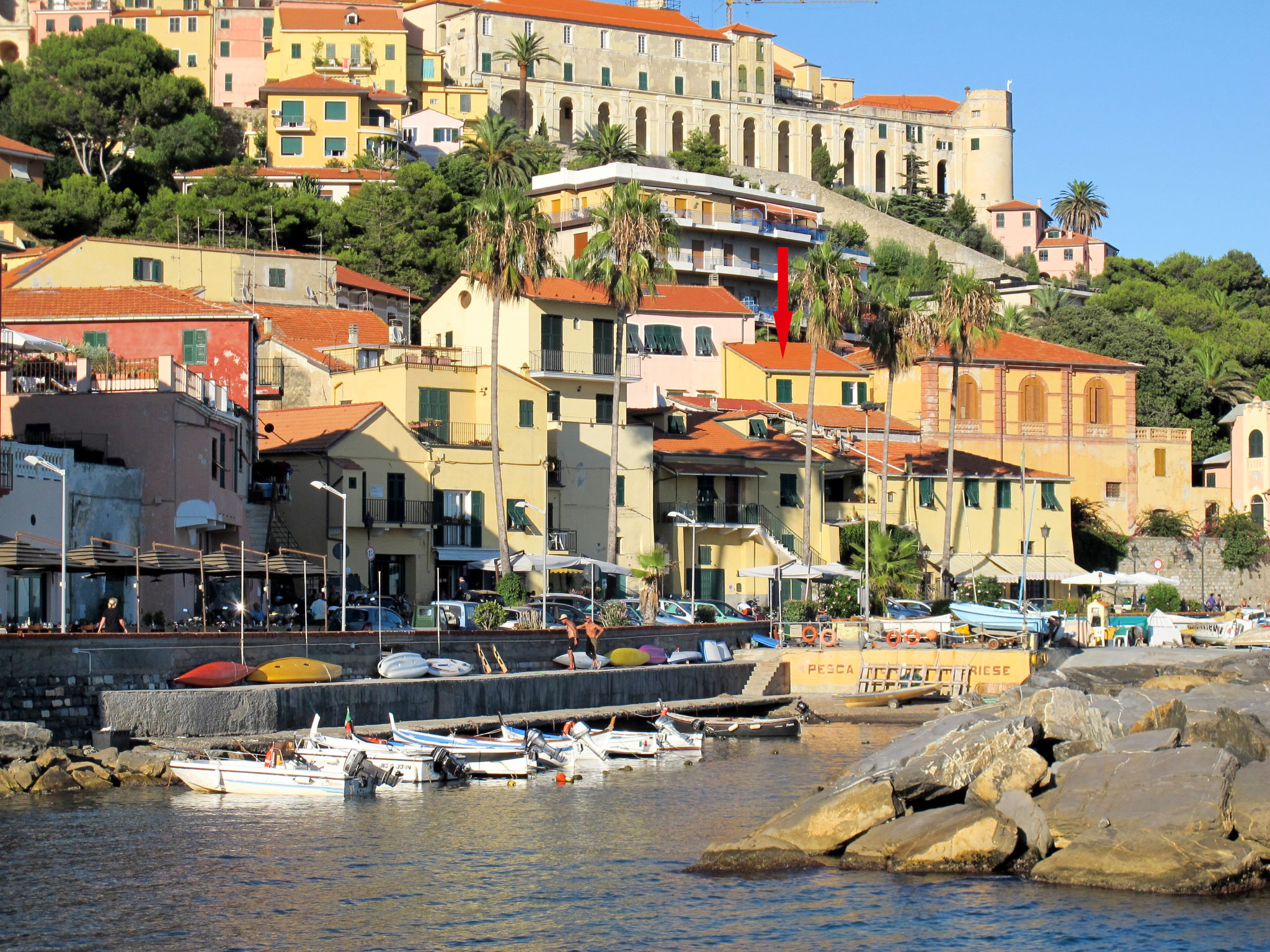
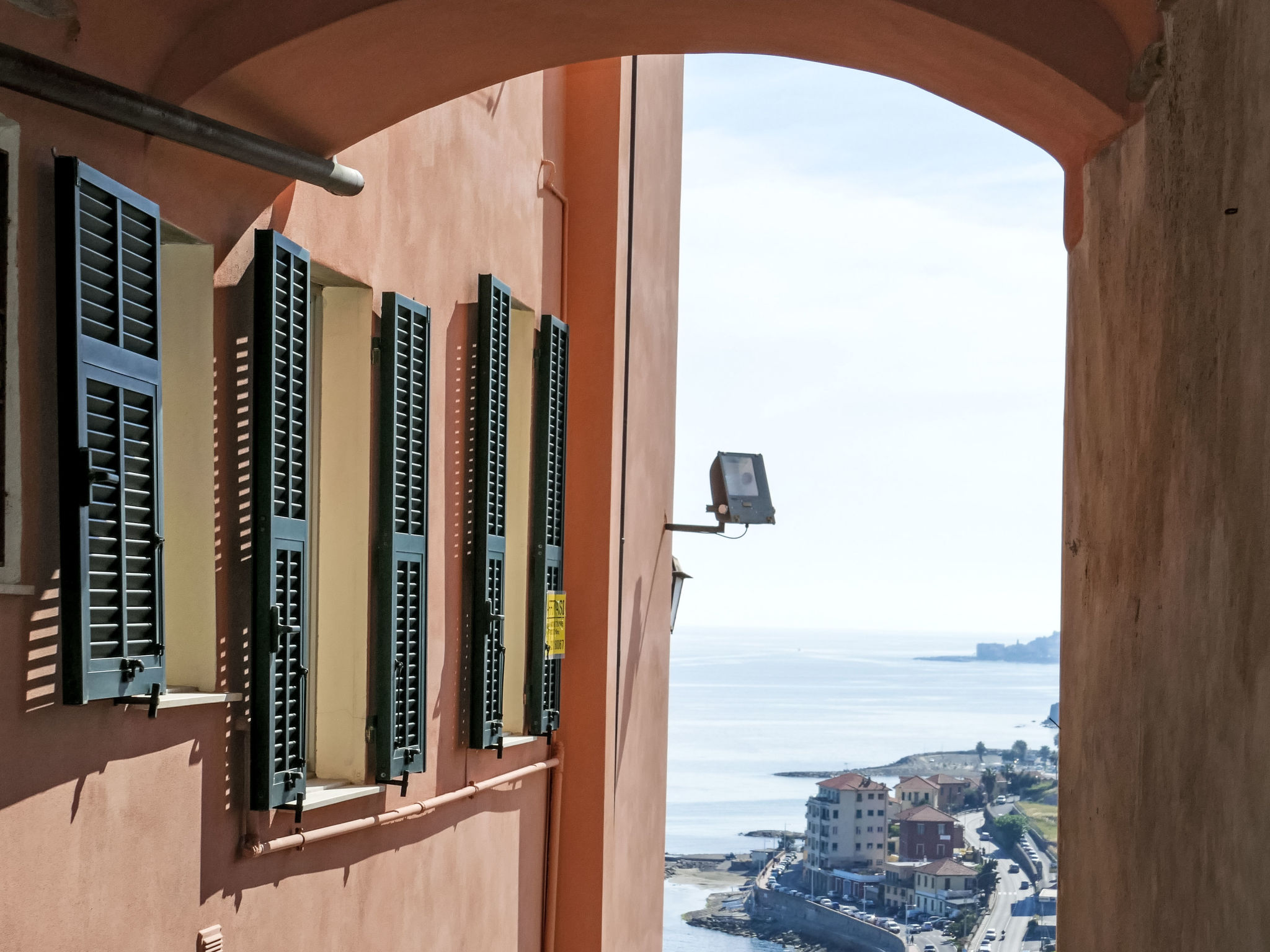
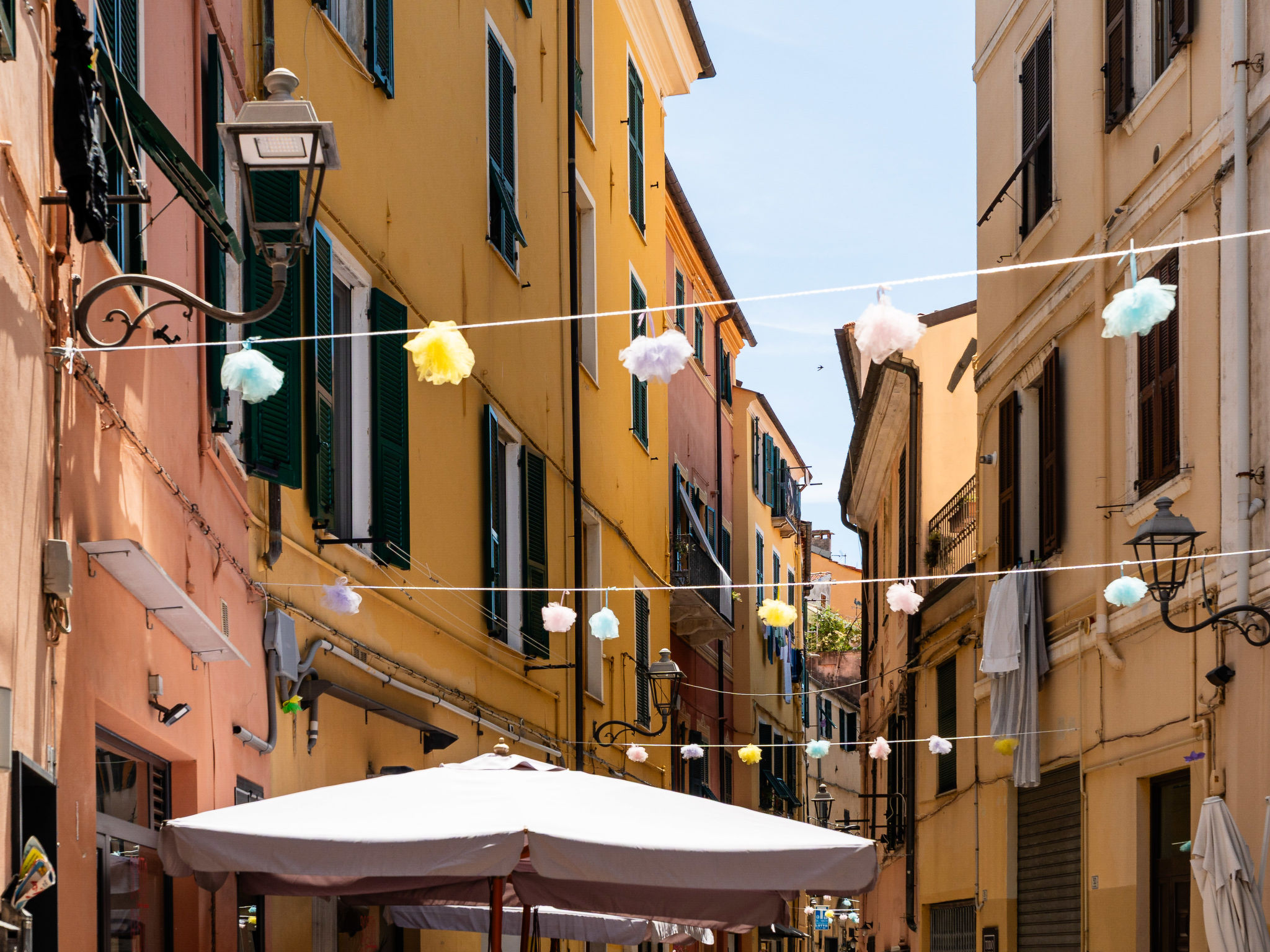
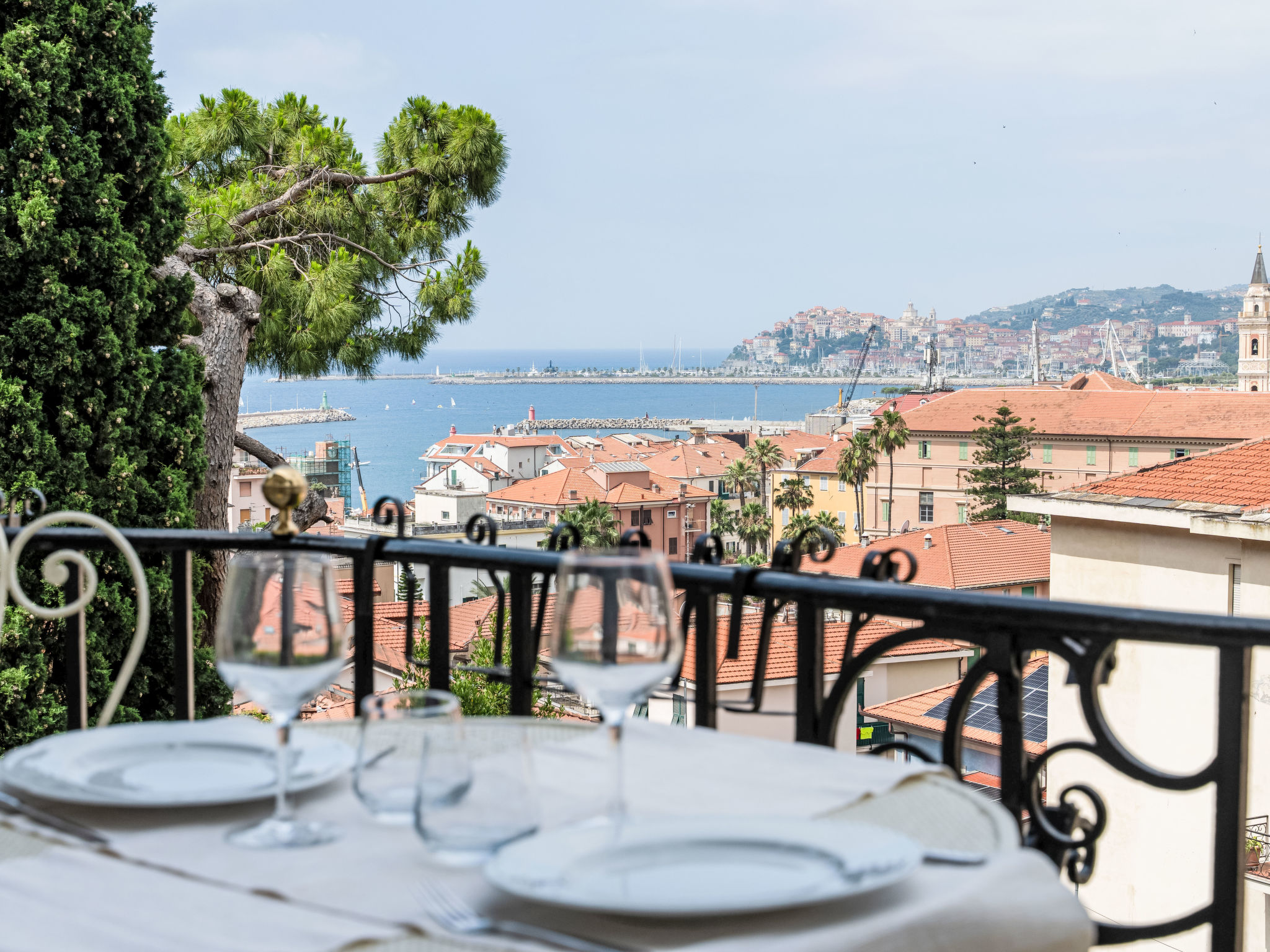
Imperia is actually two towns merged into one: Porto Maurizio, the medieval hilltop quarter with its narrow caruggi lanes, and Oneglia, the port district where fishing boats unload and olive oil has been traded for centuries. Together they form the provincial capital of this stretch of Ligurian coast. It's a working town that happens to be on the Riviera, which gives it a grounded, everyday feel that the smaller resort villages sometimes lack. We rate it for visitors who want Italian seaside life without the boutique-hotel polish.
Why Stay in Imperia
- Two distinct quarters — Porto Maurizio for atmosphere (hilltop lanes, a cathedral, sea views), Oneglia for practicality (shops, markets, a working port).
- Olive oil capital — the Museo dell'Olivo in Oneglia is one of the best olive oil museums anywhere, and the local Taggiasca oil is widely considered among Italy's finest.
- Good infrastructure, as a provincial capital, Imperia has a hospital, cinema, large supermarkets, and a full range of services you won't find in the smaller villages.
- Honest caveat. the beaches in Imperia itself are small and pebbly. For proper sandy beach days, you'll drive to Diano Marina (10 minutes) or Alassio (30 minutes).
Things to Do in Imperia
Start in Porto Maurizio. The hilltop old town is a tangle of steep lanes, washing lines, and occasional sea glimpses. At the top, the Basilica di San Maurizio is the largest church in Liguria, and the Parasio quarter behind it is atmospheric and quiet. The views from the convent gardens are worth the climb.
Cross to Oneglia for the Museo dell'Olivo (Olive Oil Museum), housed in a former mill. It traces olive oil production from antiquity to the present and includes tastings. The port area around Calata Cuneo has restaurants and a fish market that's lively in the mornings.
The cycling and walking path along the former railway line (Pista Ciclabile) runs for 24 km along the coast. It's flat, paved, and suitable for all ages. Bike hire is available at several points.
Drive inland to Dolcedo (20 minutes) or Pontedassio for medieval hill villages surrounded by olive groves. The hinterland here is seriously underrated and makes for peaceful half-day explorations.